RGB Projection Stage Lights Suppliers and Manufacturers
Source RGB Projection Stage Lights from 27 verified suppliers in China. Compare key dimensions including ISO9001 certification, CE/RoHS standards, IP65 ratings, and response times. Review pricing and MOQs to identify the right partner for your project; review the available evidence before requesting comparable quotations from suitable candidates.
Updated
Suppliers List

Guangzhou Ao Mei Di Stage Lighting Equipment Co., Ltd.
- Combined
- China Guangdong
- Lead time15 days
- Avg. response≤ 10h
Main productsStage Lighting Moving Head Light Beam Light
Main marketsSouth America,Africa,Southeast Asia/ Mideast,East Asia(Japan/ South Korea),Europe,Australia,North America

Guangzhou Star Light Stage Light Limited Company
- Manufacturer
- Guangdong, China
- Lead time15 days
- Avg. response≤ 5h
Main productsProfessional Lighting,Indoor Lighting,Stage Lights,Celebrate Lights,Commercial Lights
Main marketsSouth Asia(10.00%), Central America(10.00%), Southeast Asia(10.00%), Mid East(10.00%), South America(10.00%), North America(10.00%), Domestic Market(5.00%), Oceania(5.00%), Southern Europe(5.00%), Northern Europe(5.00%), Africa(5.00%), Western Europe(5.00%), Eastern Asia(5.00%), Eastern Europe(5.00%)
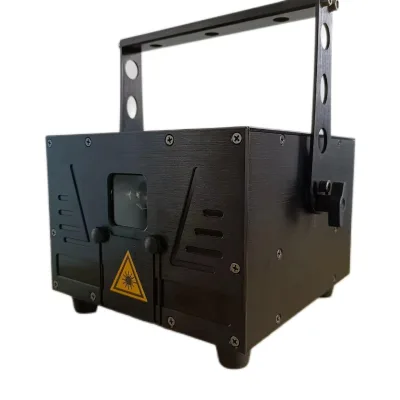
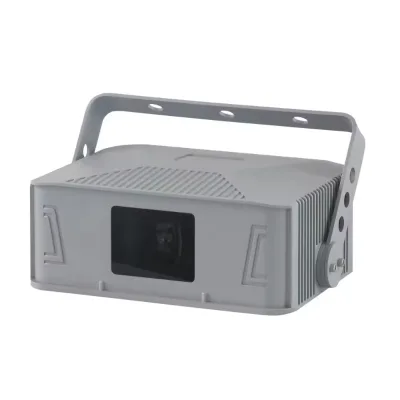
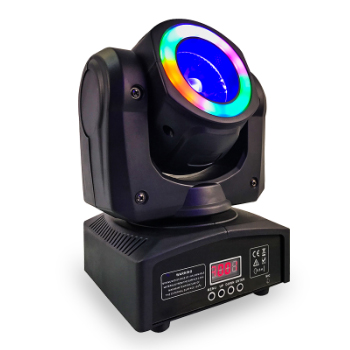
Hot Selling 40W Beam With Light Strip LED Laser Stage Light 4 Beam Projectors for Sports Party
$46.00 - $47.00
MOQ: 2 pieces

Guangzhou X Lighting Co., Limited
- Verified by SGS
- Combined
- China Guangdong
- Lead time15 days
- Avg. response≤ 3h
Main productsKinetic Lights, Moving Head Lights, LED Moving Head Light, LED Screen Display, Effect Light, LED Dance Floor, Pixel Light, Laser Light, Stage Equipments, Stage Light
Main marketsSouth America,Southeast Asia/ Mideast,East Asia(Japan/ South Korea),Europe,Australia,North America

GUANGZHOU MS LIGHTING CO., LIMITED
- Combined
- China Guangdong
- Lead time15 days
- Avg. response≤ 5h
Main productsLED Light, Moving Head Light, Stage Light, Professional Light, Scan Light, Smoke Machine, Follow Spot, Laser Light, LED Stage Light, Disco Light
Main marketsSouth America,Southeast Asia/ Mideast,Europe
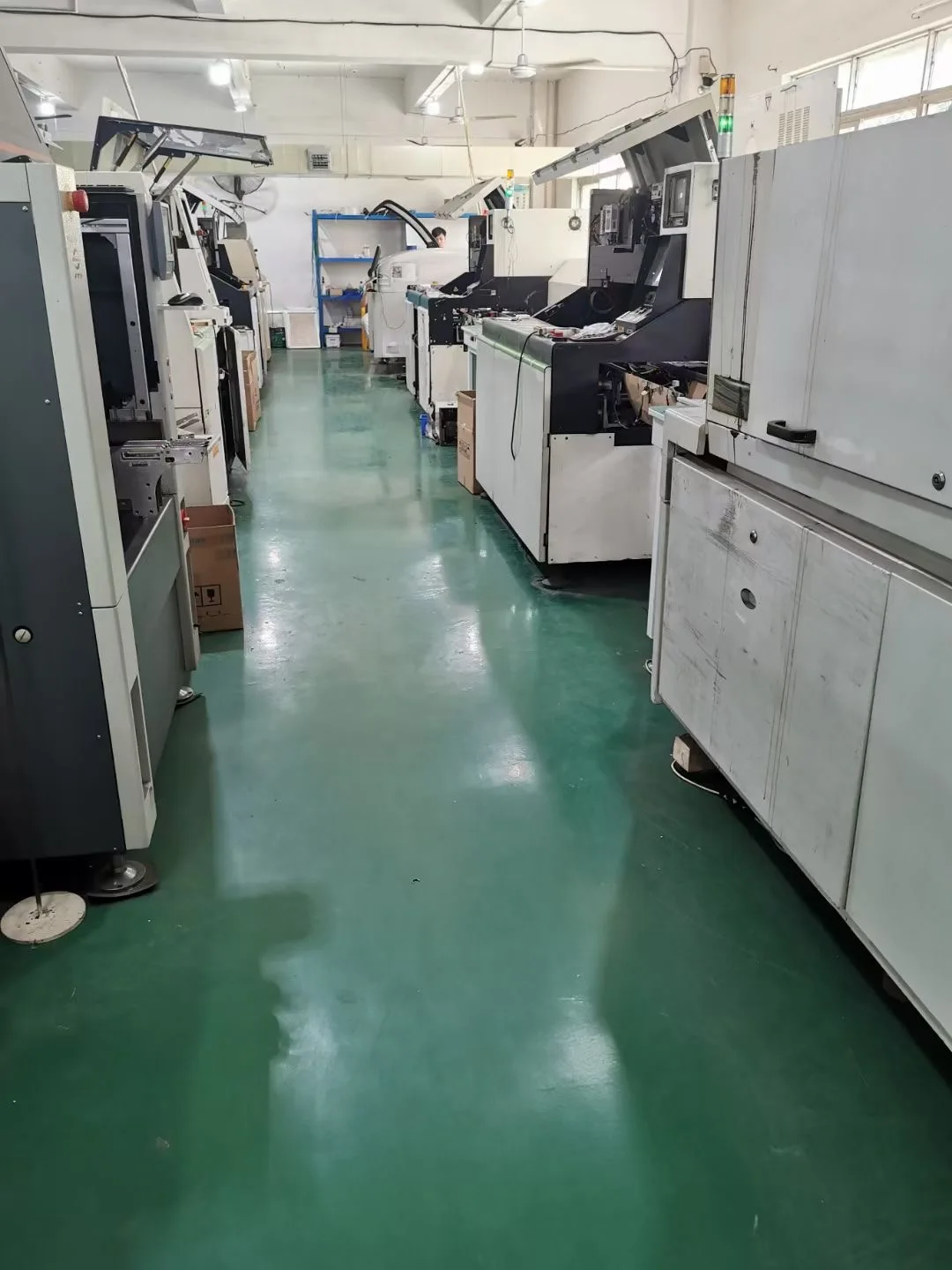
Jiangmen Hezhongyi Technology Co., Ltd
- Manufacturer, Trading Company
- guangdong, China
- Lead time7 days
- Avg. response≤ 8h
Main productsLED STRIP LIGHT,POWER SUPPLY,SOLAR SYSTEM,LED COB STRIP,LED MODULES
Main marketsMid East(20.00%), Southeast Asia(16.00%), South America(15.00%), Eastern Asia(10.00%), South Asia(5.00%), Western Europe(5.00%), Eastern Europe(5.00%), North America(5.00%), Oceania(5.00%), Africa(5.00%), Central America(3.00%), Southern Europe(3.00%), Northern Europe(3.00%)
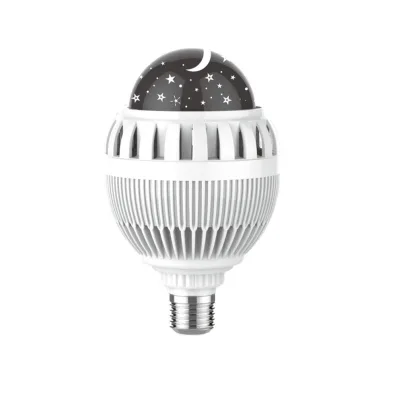
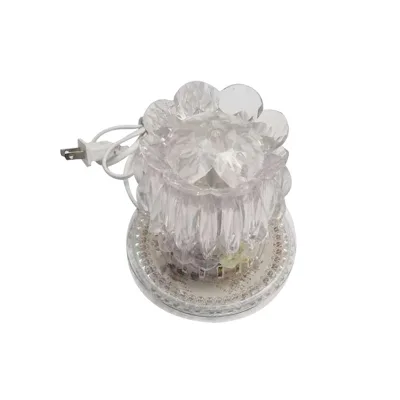
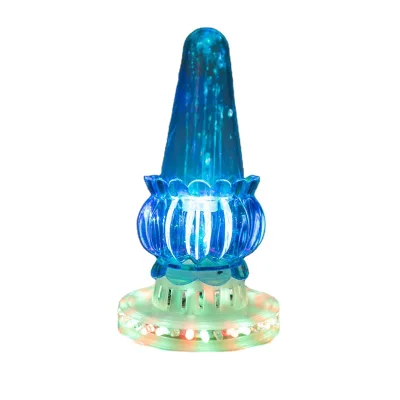
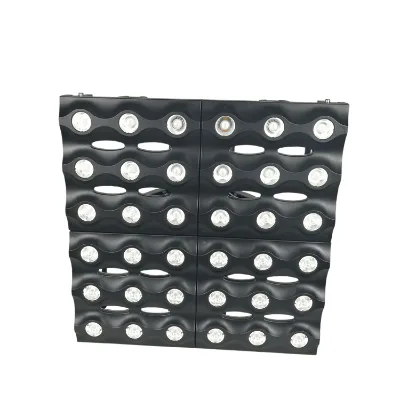
$181.00 - $189.00
MOQ: 5 pieces
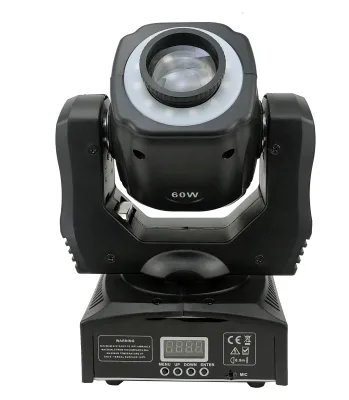
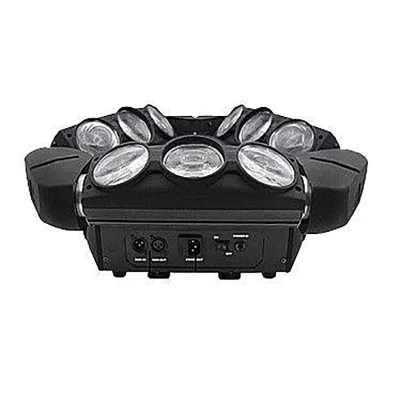
Green Lantern Optoelectronic Light Factory
- Trading Company
- Lead time旺季: "1 - 100":7,"> 100":"To be negotiated", 淡季: "1 - 100":7,"> 100":"To be negotiated"
- Avg. response≤ 7h
Main productsLED strip light,LED Neon Flex,LED Controller,holiday light,led grow light

Guangdong GBR Prolight Group Co.,Ltd
- Verified by BV
- Combined
- China Guangdong
- Lead time15 days
- Avg. response≤ 5h
Main productsMoving Head Light, Outdoor Moving Head Light, Beam Moving Head Light, Sharpy Beam Moving Head Light, Sky Searchlight, Wall Washer Light, LED PAR Light, LED Stage Light, LED Stage Moving Head Light, Outdoor LED Flood Light
Main marketsSouth America,Africa,Southeast Asia/ Mideast,East Asia(Japan/ South Korea),Domestic,Europe,Australia,North America
Guangzhou Huayang Stage Light Equipment Co., Ltd.
- Manufacturer
- Guangdong, China
- Lead time7 days
- Avg. response≤ 2h
Main productsbeam light,moving light,led par light,led wall wash light,laser light
Main marketsWestern Europe(20.00%), Northern Europe(20.00%), Africa(10.00%)
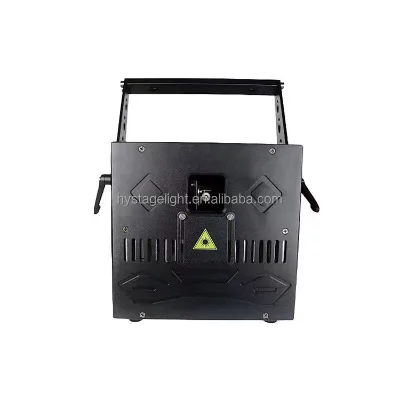
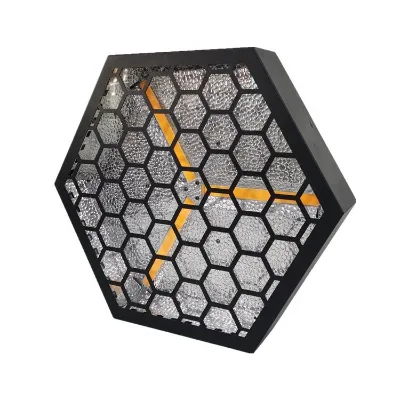
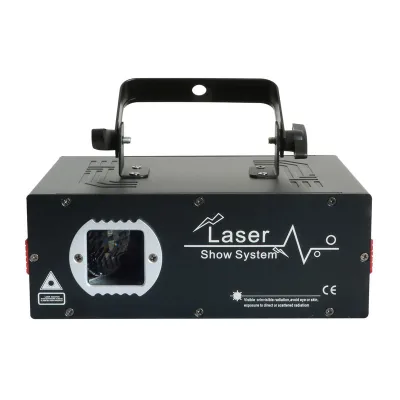
Theme Park Full Color RGB 10W Laser Pattern Beam Animation Wedding DJ Projector DMX512 Stage Light
$400.4388 - $441.51
MOQ: 1 Minimum

Shanghai Lanyou Lighting Co., Ltd.
- Verified by CTI
- Trading Company
- China Anhui
- Lead time15 days
- Avg. response≤ 6h
Main productsLED Channel Letters, Acrylic Signs, Metal Sign Letters, Wayfinding Signs, Outdoor Signage
Main marketsSouth America,Africa,Southeast Asia/ Mideast,East Asia(Japan/ South Korea),Europe,Australia,North America

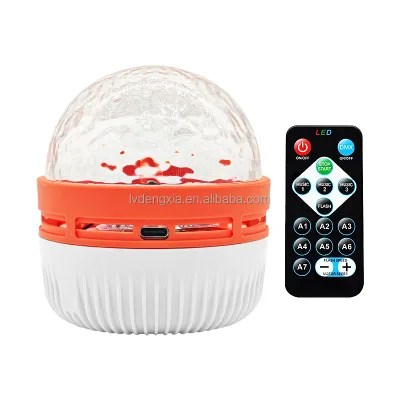
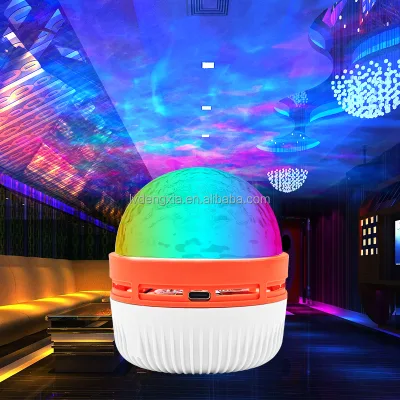
USB RGB 60 Patterns Projector LED Moving Flash Ligihts DJ Stage Lighting
$14.66 - $18.21
MOQ: 3500 Pieces

Guangzhou Fengya Lighting Equipment Co., Ltd.
- Manufacturer
- Guangdong, China
- Lead time7 days
- Avg. response≤ 6h
Main productsLED Par Light,led moving head light,moving head light,led washer light,laser stage light
Main marketsNorth America(30.00%), Western Europe(15.00%), Southern Europe(15.00%), Northern Europe(5.00%), Central America(5.00%), Eastern Europe(5.00%), Eastern Asia(5.00%), South Asia(5.00%), South America(5.00%), Southeast Asia(5.00%), Africa(3.00%), Domestic Market(1.00%), Mid East(1.00%)
Green Lantern Optoelectronic Light Factory
- Manufacturer, Trading Company
- Guangdong, China
- Lead time7 days
- Avg. response≤ 7h
Main productscamping lanetern,head lamp,flashlight,led strip light,led night light
Main marketsWestern Europe(17.00%), Southern Europe(13.00%), Domestic Market(12.00%), Mid East(10.00%), Central America(9.00%), Northern Europe(8.00%), South America(8.00%), North America(7.00%), Eastern Asia(5.00%), Eastern Europe(5.00%), South Asia(2.00%), Africa(1.00%), Southeast Asia(1.00%)
Guangzhou Cheng Wen Photoelectric Technology Co., Ltd.
- Manufacturer, Trading Company
- Lead time旺季: "1 - 2":17,"3 - 6":23,"> 6":"To be negotiated", 淡季: "1 - 2":17,"3 - 6":23,"> 6":"To be negotiated"
- Avg. response≤ 4h
Main productsLED Screen, Stage Lights
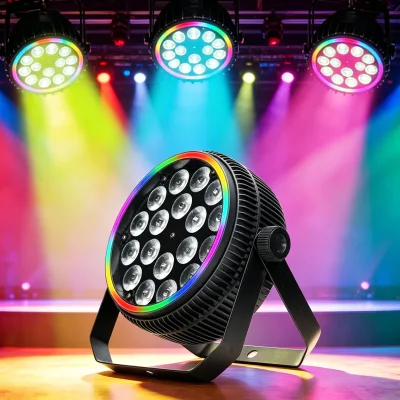
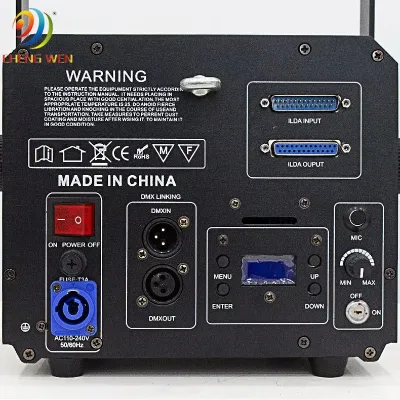
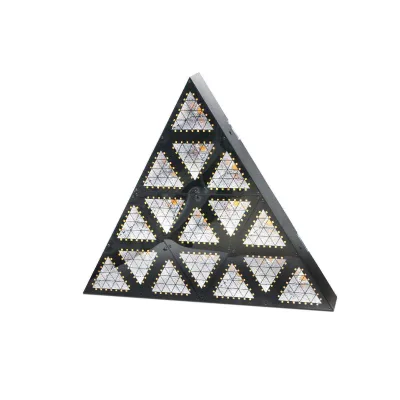
$106.3013 - $111.1229
MOQ: 2 pieces
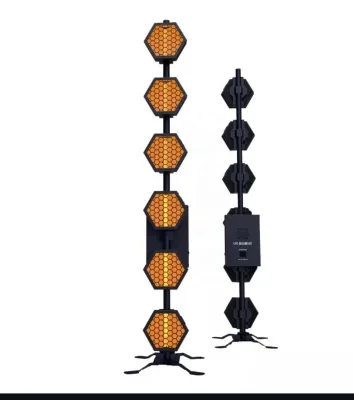
$183.6849 - $204.0933
MOQ: 2 Minimum
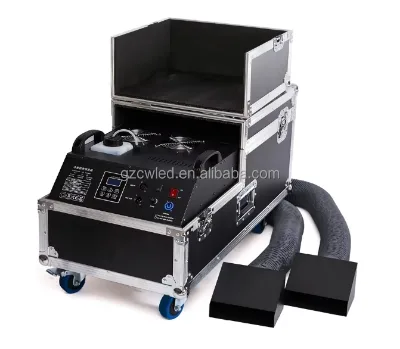

Guangzhou HOMEI Lighting Equipment Factory
- Verified by TUVRHEINLAND
- Combined
- China Guangdong
- Lead time15 days
- Avg. response≤ 4h
Main productsLED Star Cloth, LED Video Curtain, RGB Star Curtain, LED Stage Light, LED Dance Floor, LED Starlit Dance Floor, LED Star Curtain, LED Twinkling Dance Floor, LED Moving Head, LED Parcans Light
Main marketsSouth America,Africa,Southeast Asia/ Mideast,East Asia(Japan/ South Korea),Domestic,Europe,Australia,North America


Waterproof Laser Sky Projector Lighting 30W RGB Animation Laser Light
$2860.00 - $3140.00
MOQ: 2 Pieces

Professional Stage Show Light Self-Propelled Pixel Background Effect LED Light
$170.00 - $184.00
MOQ: 1 Pieces

30W RGB Full Color Laser Light Show Projectors Waterproof Laser Light
$2860.00 - $3140.00
MOQ: 2 Pieces

Professional Stage Disco Projector Beam Laser Light 2W Full RGB Animation Laser Light
$371.00 - $385.00
MOQ: 2 Pieces

Zhongshan Hedihui Technology Co., Ltd.
- Trading Company
- Guangdong, China
- Lead time5 days
- Avg. response≤ 7h
Main productsneon light,emergency bulb,floodlight,led modules,strip light
Main marketsNorth America(50.00%), Mid East(30.00%), Eastern Asia(20.00%)
Shenzhen Aladdin Lighting Technology Co., Ltd.
- Verified by Intertek
- Manufacturer, Trading Company
- Lead time8 days
- Avg. response≤ 2h
Main productsProjector Lights
Main marketsNorth America(30%), Western Europe(30%), Southeast Asia(20%)
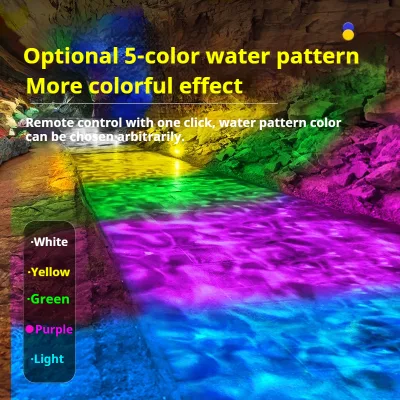

$242.8442 - $250.016
MOQ: 1 Minimum

Guangzhou Lingyue Stage Lighting Equipment Co., Ltd.
- Verified by TUVRHEINLAND
- Combined
- China Guangdong
- Lead time15 days
- Avg. response≤ 1h
Main productsMoving Head, Stage Light, Stage Lighting, LED PAR Light, Beam Light, Beam Spot Wash, Moving Head Light, Search Light, LED Moving Head Light, LED Wall Washer Light
Main marketsDomestic
Guangzhou Ruike Lighting Equipment Co., Ltd.
- Manufacturer, Trading Company, Other
- Guangdong, China
- Lead time10 days
- Avg. response≤ 3h
Main productsmoving head light,Led moving head light,Led Par Light,DMX controller,stage effect
Main marketsNorth America(20.00%), Africa(20.00%), Southern Europe(15.00%), Western Europe(15.00%), South Asia(10.00%), Northern Europe(10.00%), South America(5.00%), Eastern Europe(5.00%)
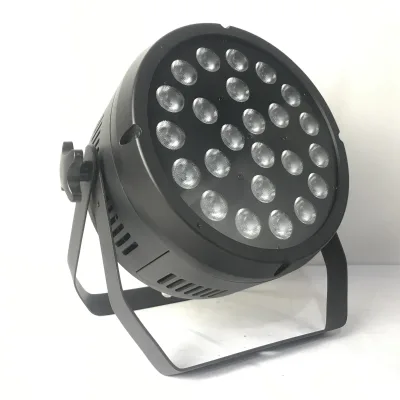
24x15W Led Slim Par Light Rgbw Aluminum Alloy Par Lights Mixing Color Stage Light for Wedding
$76.00 - $80.00
MOQ: 1 pieces
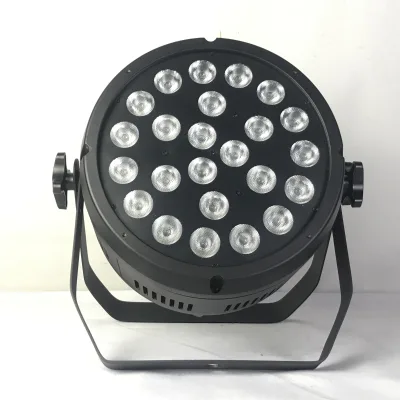

Guangzhou Geliang Lighting Technology Co., Ltd.
- Verified by SGS
- Combined
- China Guangdong
- Lead time15 days
- Avg. response≤ 6h
Main productsLED Stage Light/Stage Lighting, LED Stage Lighting, LED Dance Floor, DMX Controller, LED Indoor and Outdoor Display Screen, LED PAR Can/LED PAR Light, Moving Head Light, LED Wall Washer, LED DMX Tube, LED Moving Head Light
Main marketsAfrica,Southeast Asia/ Mideast,Europe,Australia,North America
Qingyuan Xingxi Optoelectronic Technology Co., Ltd.
- Manufacturer
- Guangdong, China
- Lead time15 days
- Avg. response≤ 7h
Main productsLED par light,Moving head light,Beam light,smoke machine,LED lights
Main marketsNorth America(20.00%), Southeast Asia(15.00%), Eastern Europe(15.00%), Domestic Market(15.00%), Western Europe(10.00%), South America(5.00%), Eastern Asia(5.00%), South Asia(5.00%), Northern Europe(3.00%), Oceania(3.00%), Africa(2.00%), Central America(2.00%)

Ningbo Qingyang Import and Export Co., Ltd.
- Verified by SGS
- Trading Company
- China Zhejiang
- Lead time45 days
- Avg. response≤ 2h
Main productsLED Lights, Table Lamp, Night Light, Solar Garden Light, LED Sensor Light, LED String Light, Decorative Light, LED Work Light, Camping Lantern, LED Candle
Main marketsEast Asia(Japan/ South Korea),Europe,North America
Zhejiang Cajoroy Optoelectronic Technology Co., Ltd.
- Verified by SGS Group
- Manufacturer, Trading Company
- Lead time15 days
- Avg. response≤ 3h
Main productsLed Solar Street Light, Led Stage Light, Led Ceiling Light, Led Panel Light, Led Flood Light
Main marketsNorth America(50%), Western Europe(30%), Mid East(10%)
Guangzhou Tianyue Performance Equipment Co., Ltd.
- Manufacturer, Trading Company
- Guangdong, China
- Lead time0 days
- Avg. response≤ 1h
Main productsmoving head lights,Led par light,Laser lights,Led effect lights,Stage effects equipments
Main marketsSouth America(25.00%), North America(20.00%), Northern Europe(15.00%), Western Europe(15.00%), Southeast Asia(15.00%), Eastern Europe(15.00%)

Shenzhen Aladdin Lighting Technology Co., Ltd.
- Verified by BV
- Combined
- China Guangdong
- Lead time30 days
- Avg. response≤ 3h
Main productsGobo Projector, Logo Projector Light, Industrial Projector Light
Main marketsSouth America,Africa,Southeast Asia/ Mideast,East Asia(Japan/ South Korea),Europe,Australia,North America


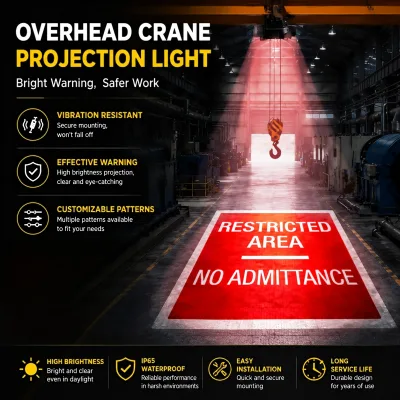
Prevent Collision Dual Head LED Projector Light for Industrial Lighting Solution
$195.00
MOQ: 1 Pieces


Shenzhen Eagle Lighting Technology Co., Ltd.
- Verified by TUVRHEINLAND
- Manufacturer/Factory
- China Guangdong
- Lead time38 days
- Avg. response≤ 6h
Main productsVirtual Sign Projector, LED Line Projector, Industrial Gobo Projector, Indoor Gobo Projector, Outdoor Gobo Projector, Water Ripple Effect Projector, Museum Gallery Profile Projector
Main marketsSouth America,Eastern Europe,Mid East,North America,Southeast Asia,Eastern Asia,Oceania,Western Europe,Africa


LED Virtual Floor Line Projector Light with Customizable Color Length Width
$350.00 - $400.00
MOQ: 10 Sets

Xiamen Homejoy Technology Co., Ltd.
- Manufacturer, Trading Company
- Fujian, China
- Lead time25 days
- Avg. response≤ 6h
Main productsLED lights,Electronic devices,Home using appliance,Smart door lock
Main marketsWestern Europe(25.00%), Southeast Asia(25.00%), Eastern Europe(15.00%), North America(15.00%), Northern Europe(10.00%), Africa(10.00%)
Guangdong Shiwang Optoelectronics Technology Co., Ltd.
- Manufacturer
- Guangdong, China
- Lead time15 days
- Avg. response≤ 7h
Main productsCutting Lights/Beam Lights/Laser Lights/LED Par Lights/Follow Spot Lights,Lighting and audio
Main marketsSouth America(15.00%), Western Europe(14.00%), Domestic Market(12.00%), Eastern Asia(10.00%), Mid East(10.00%), Northern Europe(5.00%), Central America(5.00%), North America(5.00%), Africa(5.00%), Southern Europe(5.00%), Oceania(5.00%), Eastern Europe(4.00%), South Asia(3.00%), Southeast Asia(2.00%)
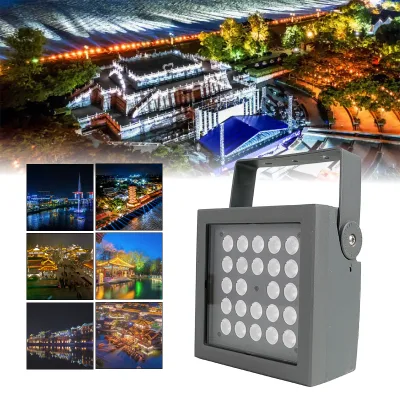
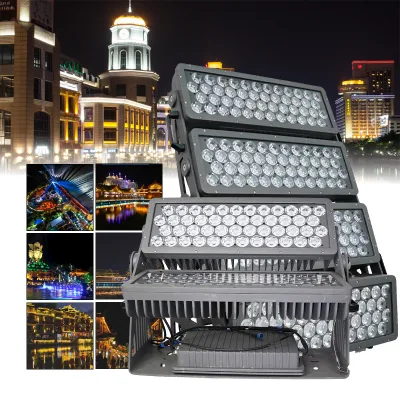
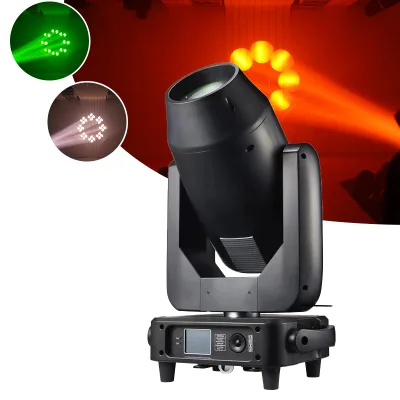
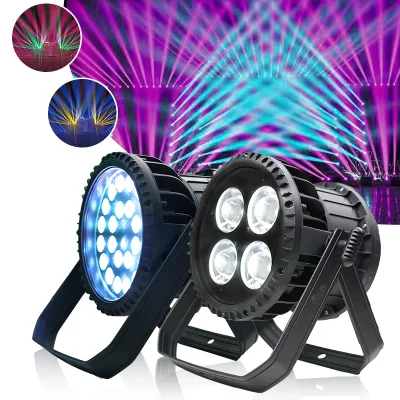
$88.5527 - $93.7618
MOQ: 2 Minimum
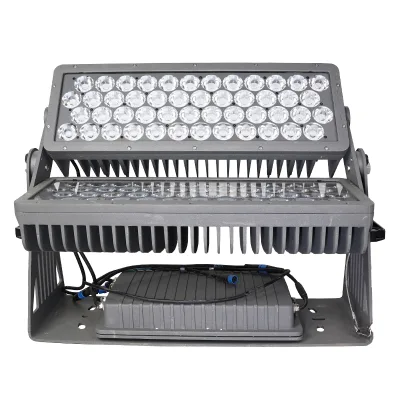
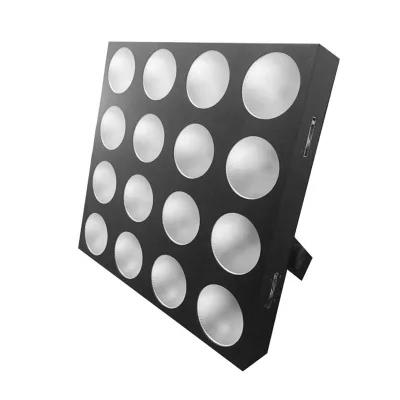
Large-two-rectangular-projection-lights-for-professional 96 Pieces Per Piece
$1052.2026
MOQ: 2 Minimum

- Trading Company
- China Zhejiang
- Lead time30 days
- Avg. response≤ 12h
Main productsHome Appliance, Cookware Set, Thermos, Home Storage, Furniture, Pet Supplies, Garden Tools, Outdoor Supplies, Baby Supplies, Houesehold Items
Main marketsSouth America,Africa,Southeast Asia/ Mideast,East Asia(Japan/ South Korea),Domestic,Europe,Australia,North America

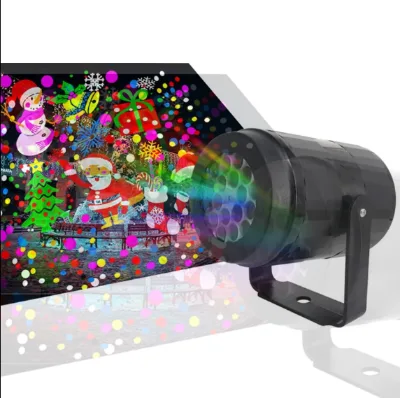
Christmas Red and Green Laser Light, Outdoor Remote Control Laser, Multi-Pattern Projection Light
$13.01 - $13.71
MOQ: 1000 Pieces




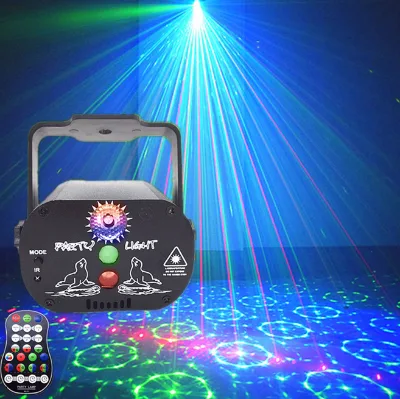
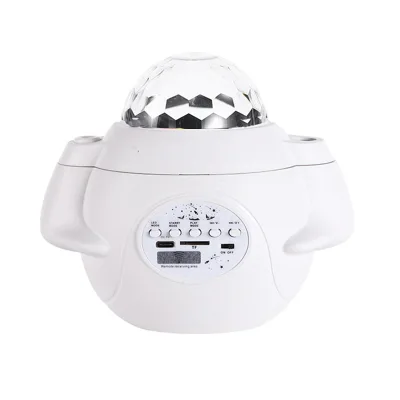
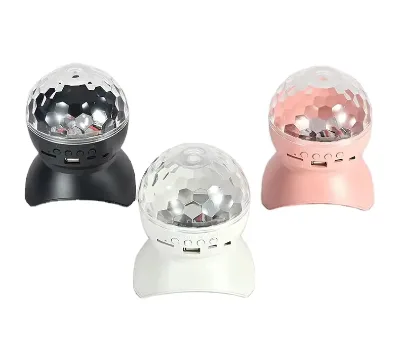


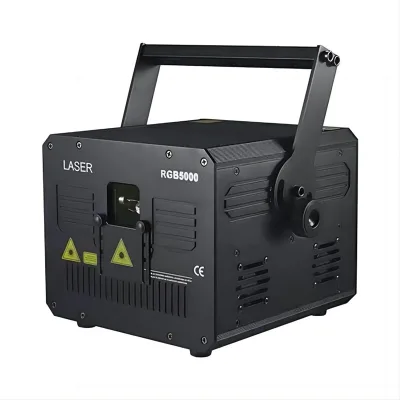


Comprehensive Sourcing Guide
RGB Projection Stage Lights Supplier Concentration and Factory Types
The current supplier landscape for RGB Projection Stage Lights reveals a distinct concentration of manufacturing and trading entities within China, specifically in the Guangdong region. This geographic clustering is not accidental but reflects a mature industrial ecosystem where specialized components, such as LED arrays, laser diodes, and galvanometer scanning systems, are readily available. Buyers evaluating suppliers will find that many results originate from Guangzhou City, a hub known for its rapid prototyping capabilities and extensive supply chain for professional lighting equipment. This concentration allows for efficient logistics and lower shipping costs, but it also means that buyers must carefully distinguish between pure manufacturers and trading companies that may add layers of markup. The presence of both combined companies and dedicated manufacturers in the search results indicates a diverse market structure. Some suppliers operate as manufacturers with their own brands, offering OEM and ODM services, which suggests they have the internal engineering capacity to customize products like the AMD9910 or AMD8565 models. Others may be trading entities that aggregate products from multiple factories. Understanding this distinction is crucial because it affects not only the price but also the level of technical support and the ability to resolve quality issues. The Guangdong cluster provides a competitive advantage in terms of speed and variety, but it requires buyers to perform due diligence to ensure they are dealing with the actual source of production rather than an intermediary.
Within this regional cluster, the types of suppliers vary significantly in their operational focus and capabilities. Some entities are identified as manufacturers with specific main products such as professional lighting, indoor lighting, and stage lights, indicating a deep specialization in this niche. These suppliers often hold system certifications like ISO9001:2015, which signals a commitment to standardized quality management processes. In contrast, other suppliers may be classified as combined entities, potentially offering a broader range of lighting solutions beyond just stage lights. This diversity allows buyers to find partners that match their specific volume and customization needs. For instance, a buyer looking for high-volume orders of standard RGB laser lights might prefer a manufacturer with established production lines, while a buyer seeking unique gobo designs for a specific event might benefit from a supplier with strong ODM capabilities. The presence of customization options across many product listings, such as available logo projection or specific color mixing, highlights the flexibility of these suppliers. However, buyers should verify whether the customization is handled in-house or outsourced, as this impacts lead times and quality control. The concentration of suppliers in Guangdong also facilitates easier communication and potential factory audits, providing an additional layer of security for buyers who can visit the facilities. This geographic and structural diversity offers a robust market for sourcing RGB Projection Stage Lights, provided buyers navigate it with a clear understanding of supplier types.
How to Verify RGB Projection Stage Lights Suppliers
Verifying the legitimacy and capability of RGB projection stage light suppliers requires a multi-layered approach that goes beyond surface-level product listings. One of the first steps is to scrutinize the certifications displayed on product pages and company profiles. Many suppliers in the current results list CE and RoHS certifications, which are critical for ensuring that the electrical components and materials meet international safety and environmental standards. However, buyers should not take these claims at face value. It is essential to request copies of the actual certificates and verify their validity through the issuing bodies. For example, some products list ISO9001 alongside CE and RoHS, indicating a broader commitment to quality management. Buyers should confirm that the ISO certificate is current and covers the specific manufacturing facilities producing the stage lights. Additionally, the presence of IP ratings, such as IP65 for outdoor projector gobo lights, is a key indicator of product durability. Buyers must verify that these ratings are tested and documented, especially for products intended for outdoor use where weather resistance is paramount. The discrepancy between IP33 and IP65 ratings in different product listings highlights the importance of matching the certification to the intended application. By rigorously checking these credentials, buyers can filter out suppliers who may be making unsubstantiated claims about their product quality and safety standards.
Beyond certifications, buyers should assess the supplier's response time and communication efficiency as indicators of their operational maturity. The current data shows response times ranging from 5 to 9.61 hours, which provides a benchmark for evaluating potential partners. A faster response time often correlates with a more organized sales and technical support team, which is crucial for resolving issues during the sourcing process. Buyers should also look for evidence of the supplier's technical expertise by asking detailed questions about product specifications, such as the laser power, scan system speed, or control channel configurations. For instance, inquiries about the 30kpps high-speed galvanometer scanning system or the 16CH control channels can reveal whether the supplier has genuine engineering knowledge or is merely reselling products. Furthermore, buyers should verify the supplier's production capacity and lead times. Some suppliers list a lead time of 15 days, which is a concrete metric that can be used to plan inventory and project schedules. Buyers should ask for references or case studies from previous clients, particularly those who have ordered similar products like the AMD9918 or AMD6602 models. This due diligence helps ensure that the supplier has a proven track record of delivering quality products on time. By combining certification verification with communication and technical assessments, buyers can build a reliable supplier base for their RGB projection stage light needs.
What to Compare Across RGB Projection Stage Lights Suppliers
When comparing suppliers for RGB Projection Stage Lights, buyers should focus on key operational metrics such as price, minimum order quantity (MOQ), and lead times to determine the best fit for their business model. The current market data reveals a wide range of pricing, from as low as $1.00 for certain basic components to over $1,500 for advanced moving head stage lights. This variance underscores the importance of aligning product specifications with budget constraints. For example, the 10W LED Gobo Projector Moving Head Party Light is priced between $25 and $60, while the 2019 New LED Profile Moving Head Stage Light ranges from $750 to $1,590. Buyers must carefully evaluate whether the higher price points are justified by superior features, such as better color mixing, higher brightness, or more robust construction. Similarly, MOQs vary significantly, with some suppliers requiring as few as one unit, while others demand three or more. This flexibility is crucial for buyers who are testing the market or fulfilling small-scale event requirements. Comparing these financial terms allows buyers to calculate their total landed cost, including shipping and tariffs, to ensure profitability. It is also important to note that some suppliers offer customization options, which may incur additional costs or higher MOQs. Buyers should request detailed quotes that break down these costs to avoid hidden fees. By systematically comparing price and MOQ, buyers can identify suppliers that offer the best value for their specific order volumes and product requirements.
In addition to financial terms, buyers should compare the technical specifications and product attributes offered by different suppliers to ensure compatibility with their existing systems. The current results show a variety of product models, such as the AMD9910, AMD8565, and AMD6602, each with distinct features. For instance, the AMD9910 is an RGBW LED Beam Focusing Moving Head Light with a 16CH control channel, while the AMD8565 is a Stage 3W/4W/5W RGB Laser Light with specific laser power ratings. Buyers should compare these specifications to determine which products best meet their technical needs. Other important attributes to compare include the operating voltage, which ranges from 100-240V, and the IP rating, which varies from IP33 to IP65 depending on the product's intended use. Buyers should also consider the material construction, with many products using aluminum alloy for durability and heat dissipation. The presence of features like adjustable speed strobe, variable speed rotation gobos, and multiple control modes (Sound, Self-Propelled, Master-Slave, DMX512) adds to the functionality of the lights. By creating a comparison matrix of these technical details, buyers can objectively assess the strengths and weaknesses of each supplier's offerings. This structured approach ensures that buyers select products that not only fit their budget but also perform reliably in their specific applications. Comparing these attributes helps buyers make informed decisions that balance cost, quality, and functionality.
Common RGB Projection Stage Lights Sourcing Risks
Sourcing RGB Projection Stage Lights from international suppliers, particularly those in the Guangdong region, exposes buyers to several common risks that must be proactively managed. One significant risk is the potential for quality inconsistencies, especially when dealing with suppliers who offer a wide range of products without clear manufacturing standards. The current data shows various certifications like CE and RoHS, but these do not guarantee consistent quality across all batches. Buyers may encounter issues such as color drift, uneven brightness, or premature failure of LED components if the supplier lacks rigorous quality control processes. This risk is heightened when working with trading companies that may source from multiple factories with varying quality levels. Another risk is the discrepancy between product specifications and actual performance. For example, a supplier might claim an IP65 rating for outdoor use, but the product may fail under real-world conditions due to poor sealing or material quality. Buyers should be wary of suppliers who provide vague or incomplete product descriptions, as this may indicate a lack of transparency or technical expertise. Additionally, the fast-paced nature of the lighting industry means that products can become obsolete quickly, leaving buyers with inventory that is no longer competitive. This is particularly relevant for models like the 2019 New LED Profile Moving Head Stage Lights, which may have newer alternatives available. Buyers must stay informed about industry trends and technological advancements to avoid sourcing outdated products. By identifying these risks early, buyers can implement strategies to mitigate them, such as requesting samples and conducting pre-shipment inspections.
Communication and logistical challenges also pose significant risks in the sourcing process. The current response times of 5 to 9.61 hours are generally acceptable, but delays can occur during peak seasons or when dealing with complex customization requests. Buyers should be prepared for potential delays in production and shipping, which can impact project timelines. This is especially critical for event-based lighting requirements where timing is everything. Another risk is the lack of after-sales support, which can leave buyers stranded if products malfunction after purchase. Buyers should verify the supplier's warranty policies and return procedures before placing orders. The risk of intellectual property infringement is also present, particularly when dealing with suppliers who offer OEM services. Buyers must ensure that their designs and branding are protected and that the supplier does not share their intellectual property with competitors. Furthermore, the reliance on digital communication can lead to misunderstandings regarding product specifications and requirements. Buyers should use detailed technical drawings and specifications to minimize the risk of errors. By anticipating these risks and establishing clear contracts and communication protocols, buyers can protect their interests and ensure a smoother sourcing experience. Proactive risk management is essential for building a reliable supply chain for RGB Projection Stage Lights.
RGB Projection Stage Lights Regional Sourcing and Logistics
Sourcing RGB Projection Stage Lights from the Guangdong region in China offers distinct logistical advantages due to the area's well-developed infrastructure and proximity to major shipping ports. Guangzhou, in particular, is a hub for international trade, with efficient connections to global shipping routes. This geographic advantage can significantly reduce transit times and shipping costs for buyers located in North America, Europe, and other major markets. The concentration of suppliers in this region also facilitates consolidated shipping, allowing buyers to combine orders from multiple suppliers into a single shipment, thereby optimizing freight costs. However, buyers must be aware of
FAQs
What certifications do RGB Projection Stage Lights typically have?
Most RGB Projection Stage Lights carry CE and RoHS certifications to ensure safety and environmental compliance. Some manufacturers also hold ISO9001:2015 system certificates for quality management. Buyers should verify these documents directly with suppliers before placing orders to confirm validity and scope.
What is the typical lead time for these lights?
The typical lead time for RGB Projection Stage Lights is around 15 days. This duration allows for production and quality checks. Buyers should confirm specific timelines with suppliers as rush orders may incur additional costs or require different scheduling arrangements.
What is the minimum order quantity for these products?
Minimum order quantities vary by product type. Some models require as few as one unit, while others may need two or three units. Buyers should check specific product listings for exact MOQs to ensure they meet the supplier's purchasing requirements.
Where are these stage lights typically manufactured?
These stage lights are typically manufactured in Guangdong, China, specifically in Guangzhou City. This region is a major hub for professional lighting equipment. Buyers can expect efficient logistics and a wide variety of suppliers offering diverse lighting solutions from this location.
What is the response time for supplier inquiries?
Supplier response times can vary, with some reporting an average of 5 hours and others around 9.61 hours. Faster response times indicate better customer service readiness. Buyers should prioritize suppliers with quicker response rates for smoother communication during the sourcing process.
What price range should buyers expect for these lights?
Prices for RGB Projection Stage Lights range widely. Basic models may start around $1.00, while specialized units can cost up to $1,590. Buyers should compare features and certifications to understand value. Always request detailed quotes to account for shipping and customization costs.