semi-automatic sludge dewatering filter press Suppliers and Manufacturers
Compare 26 verified suppliers offering semi-automatic sludge dewatering filter press units with varying lead times, certifications, and response speeds. Review product specifications like filter area and pressure ratings to select the right industrial equipment for your needs; review the available evidence before requesting comparable quotations from suitable candidates.
Updated
Suppliers List

Shanghai Ecopro Environmental Engineering Co., Ltd.
- Trading Company,Manufacturer/Factory
- China Shanghai
- Lead time23 days
- Avg. response≤ 3h
Main productsSludge Dehydrator, Screw Press, Wastewater Treatment, Daf, Sludge Dewatering Machine, Static Screen, Dissloved Air Flotation, Filter Press, Sewage Treatment, Biocarrier
Main marketsSouth America,Eastern Europe,Mid East,North America,Southeast Asia,Eastern Asia,Oceania,Western Europe,Africa

Chamber Filter Press Automatic Hydraulic Chamber Filter Press Sludge Dewatering Filter Press
$2986.00 - $6983.00
MOQ: 1 Pieces

Chamber Filter Press Automatic Hydraulic Chamber Automatic Membrane Sludge Dewatering Filter Press
$2986.00 - $6983.00
MOQ: 1 Pieces

Hot Sale Semi Automatic Filter Press for Sludge Dewatering Treatment Equipment Machine
$6683.00 - $26860.00
MOQ: 1 Pieces


High Working Efficiency Automatic Filter Pressing Equipment Sludge Treatment Dewatering
$2986.00 - $6983.00
MOQ: 1 Pieces

YuZhou YuWei Filter Equipment Co., Ltd.
- Verified by BV
- Combined
- China Henan
- Lead time15 days
- Avg. response≤ 4h
Main productsStainless Steel Filter Press
Main marketsSouth America,Africa,Southeast Asia/ Mideast,Europe,North America


Waste Sludge Dewatering Automatic Chamber Filter Press /Membrane Filter Press
$5000.00 - $30000.00
MOQ: 1 Pieces


$3000.00 - $30000.00
MOQ: 1 Pieces

High Pressre Automatic Membrane Filter Press/Membrane Filter Press for Sludge Treatment
$3000.00 - $30000.00
MOQ: 1 Pieces

Henan Jincheng Filter Equipment Co., Ltd.
- Verified by TUVRHEINLAND
- Combined
- China Henan
- Lead time23 days
- Avg. response≤ 4h
Main productsFilter Press, Belt Filter Press, Belt Press Filter, Membrane Filter Press, Sludge Dewatering Equipment, Sewage Dewatering Machine, Oil Process Machine, Press Filter, Vacuum Belt Filter Press
Main marketsAfrica,Europe

Zhengzhou Leabon Machinery Equipment Co., Ltd.
- Trading Company,Manufacturer/Factory
- China Henan
- Lead time38 days
- Avg. response≤ 8h
Main productsFilter Press, Filter Plate, Centrifuge, Drying Equipment, Automatic Filter Press, Automatic Baler Machine, Vertical Baler Machine, Wrapping Machine, Baler Machine, Pellet Machine
Main marketsSouth America,Eastern Europe,Mid East,North America,Southeast Asia,Eastern Asia,Oceania,Western Europe,Africa

Yuzhou Sino Filtration Equipment Co., Ltd.
- Verified by TUVRHEINLAND
- Trading Company
- China Henan
- Lead time30 days
- Avg. response≤ 9h
Main productsPlate Frame Filter Press, Filter Press, Plate Filter Press, Filter Press Plate, Filter Plate, Filter Press Cloth, Filter Cloth, Plate Filter, Belt Filter Press, Vacuum Belt Filter
Main marketsSoutheast Asia/ Mideast,North America

Zhengzhou Lead Equipment Co., Ltd.
- Verified by SGS
- Combined
- China Henan
- Lead time15 days
- Avg. response≤ 1h
Main productsShotcrete Machine, Grout Pump, Peristaltic Hose Pump, Foam Concrete Machine, Concrete Pump, Mortar Pump, Prestressed Anchor, Gunite Machine, Dosing Pump, Filter Press
Main marketsDomestic,Europe

Automatic Waste Water Treatment Plant Activated Sludge Dewatering Membrane Filter Press
$8500.00 - $36000.00
MOQ: 1 Sets


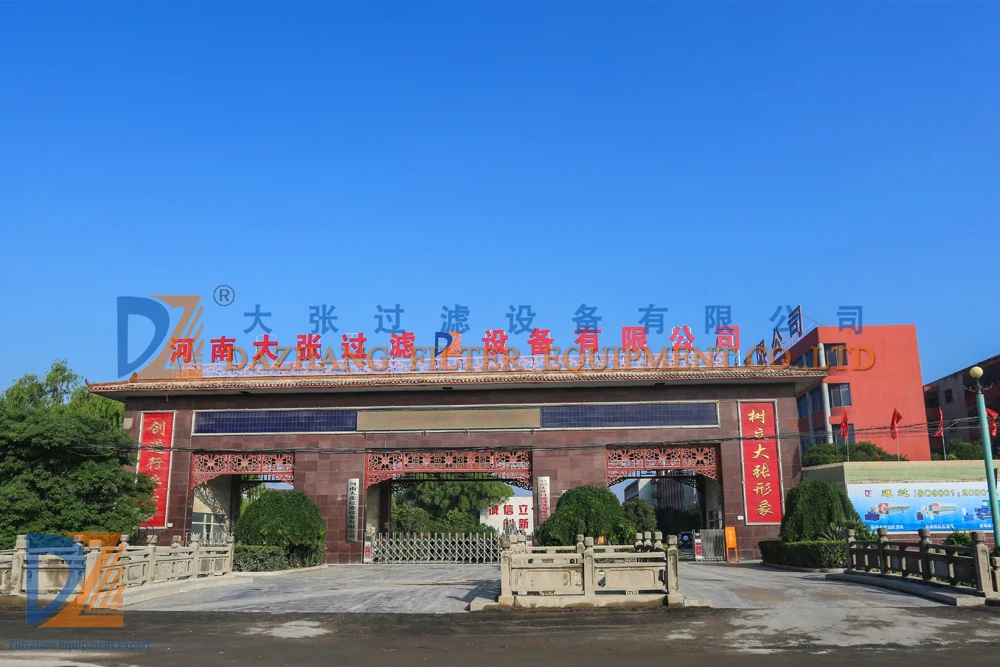
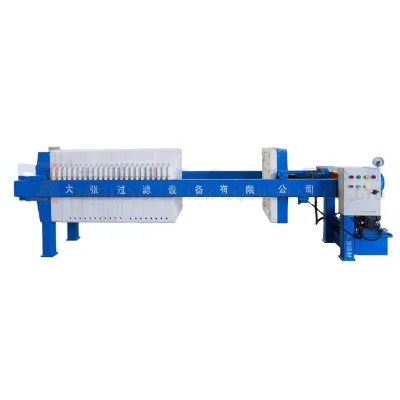
Yuzhou Dazhang Filtration Equipment Co., Ltd.
- Trading Company
- Henan, China
- Lead time10 days
- Avg. response≤ 2h
Main productsFilter Press Equipment
Main marketsDomestic Market(70.00%), Southeast Asia(10.00%), North America(9.00%), Eastern Europe(1.00%), South Asia(1.00%), Southern Europe(1.00%), Northern Europe(1.00%), Central America(1.00%), Western Europe(1.00%), Eastern Asia(1.00%), Mid East(1.00%), Oceania(1.00%), Africa(1.00%), South America(1.00%)
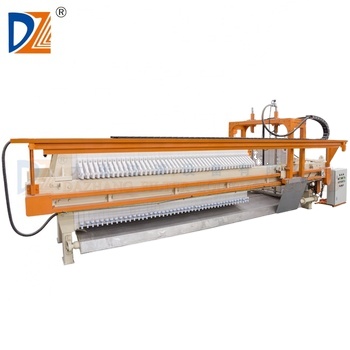
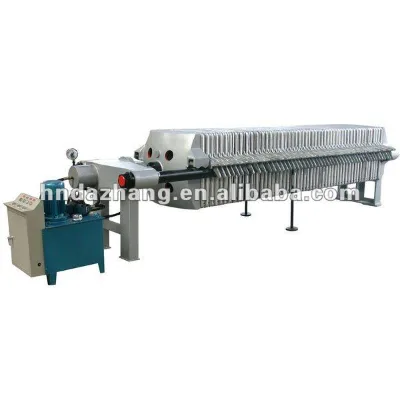
Automatic Cast Iron Filter Press for Pulp & Paper Mill Sludge Volume Reduction
$28457.00
MOQ: 1 Minimum
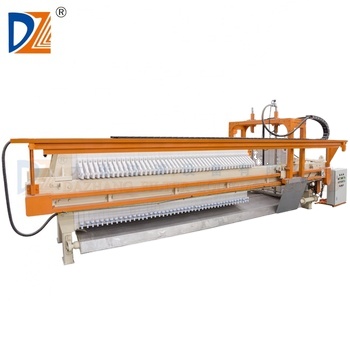
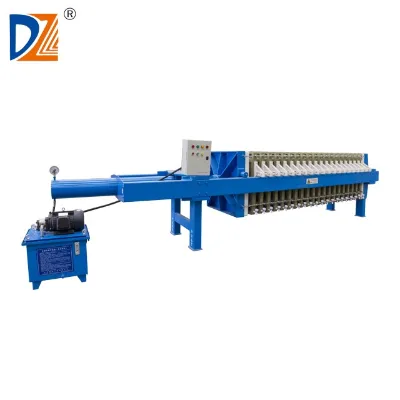
Manual Mash Filter Press Machine,High Pressure Membrane Filter Press for Sludge
$2053.5293
MOQ: 1 Minimum

Luoyang Longding Environmental Protection Technology Co.,Ltd
- Manufacturer, Trading Company
- Henan, China
- Lead time0 days
- Avg. response≤ 6h
Main productsGrinding Mill,Stone Crusher,Vibrating Screen,Mineral Separator,Concrete Machine
Main marketsSoutheast Asia(30.00%), Africa(20.00%), South America(20.00%), Domestic Market(10.00%), South Asia(10.00%), Oceania(10.00%)
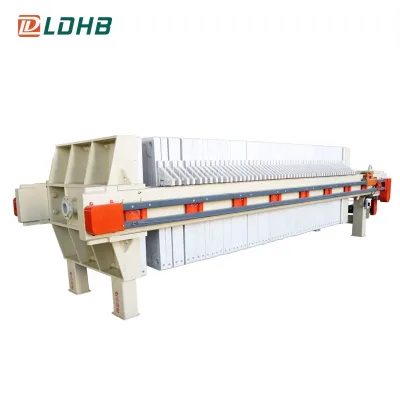
Automatic Sludge Wastewater Dewatering Chamber Filter Press Plate and Frame Filter Press
$4598.3599 - $8072.6763
MOQ: 1 sets
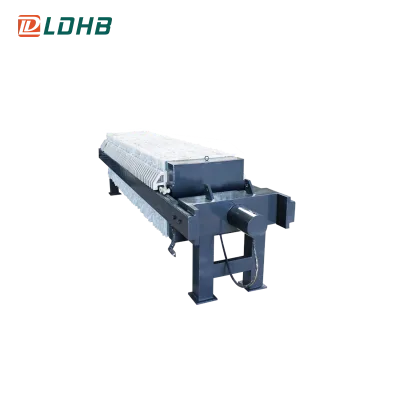
$4500.00 - $7900.00
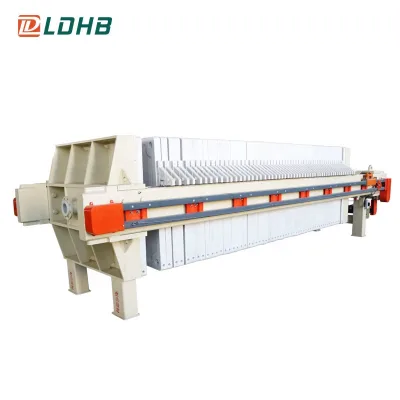
High Efficiency Chamber Filter Press Full Automatic Filter Press
$4500.00 - $7500.00
Henan Dazhang Filter Equipment Co., Ltd.
- Trading Company
- Henan, China
- Lead time21 days
- Avg. response≤ 2h
Main productsPlate and frame filter press,Chamber filter press,Membrane filter press,Stainless steel filter,Belt filter press
Main marketsDomestic Market(70.00%), Southeast Asia(10.00%), North America(9.00%), Eastern Europe(1.00%), South Asia(1.00%), Southern Europe(1.00%), Northern Europe(1.00%), Central America(1.00%), Western Europe(1.00%), Eastern Asia(1.00%), Mid East(1.00%), Oceania(1.00%), Africa(1.00%), South America(1.00%)
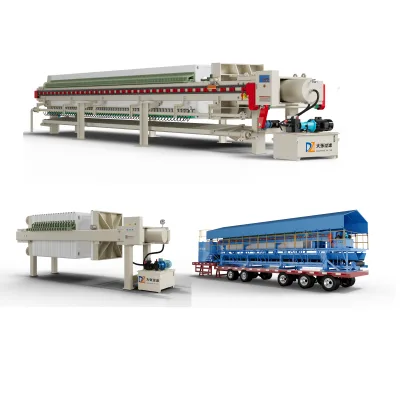
$2486.4238 - $2900.8278
MOQ: 1 sets
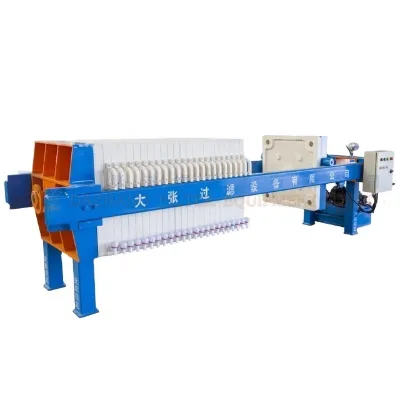
$3315.2317 - $3626.0347
MOQ: 1 sets
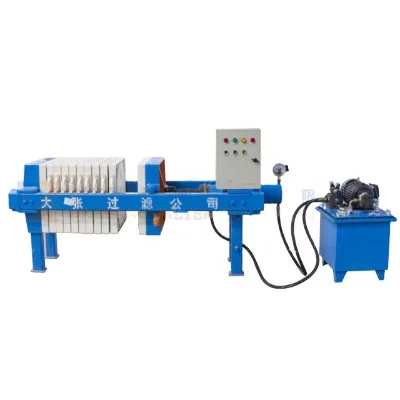
$2486.4238 - $2900.8278
MOQ: 1 sets
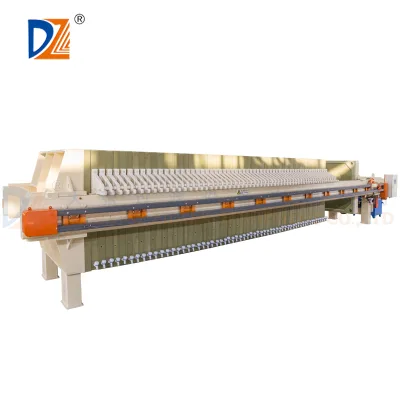

Cangzhou Leadway Machinery Equipment Co., Ltd.
- Trading Company
- Hebei, China
- Lead time3 days
- Avg. response≤ 2h
Main productsFilling Machine,Sealing machine,strapping machine,Inkjet printer,Mixing machine
Main marketsWestern Europe(20.00%), North America(15.00%), Africa(10.00%), Northern Europe(10.00%), Eastern Asia(10.00%), Eastern Europe(6.00%), Southeast Asia(5.00%), Central America(5.00%), South America(5.00%), South Asia(5.00%), Oceania(5.00%), Mid East(4.00%)
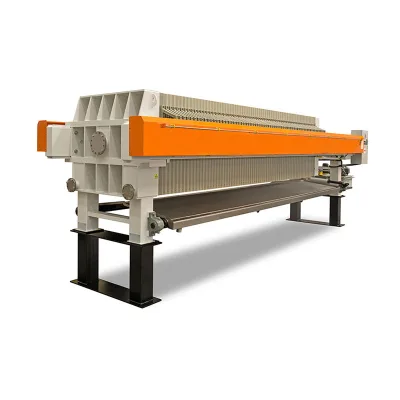
High Pressure Sludge Filter Press Equipment for Oil Filtration Waste water Treatment Machinery
$5000.00 - $7000.00
MOQ: 1
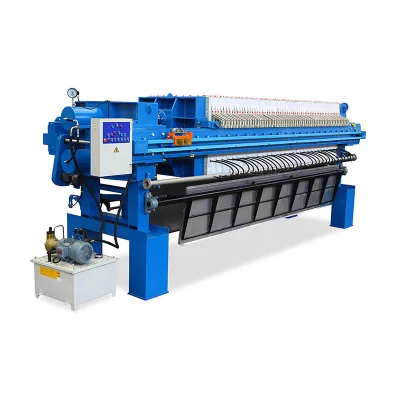
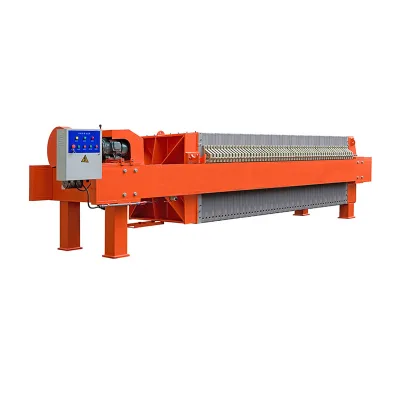
Sludge Management Dewatering Machinery, Provide Filter Press Experiment in China Factory
$5000.00 - $7000.00
MOQ: 1
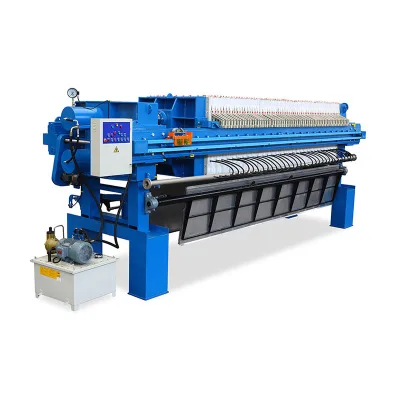
High-pressure Filtration Automatic Filter Manual Filter Press Hydraulic Filter Press Semi-automatic
$5000.00 - $7000.00
MOQ: 1

Yangzhou Pujiang Environmental Protection Technology Co., Ltd.
- Verified by TUVRHEINLAND
- Combined
- China Jiangsu
- Lead time30 days
- Avg. response≤ 3h
Main productsSludge Dewatering Machine, Polymer Dosing Machine, Mechanical Bar Screen, Rotary Screen Filter, Rotary Bar Screen, Solid Liquid Separator, Sand Water Separator, Shaftless Screw Conveyor, Hopper, Mobile Sludge Dewatering System
Main marketsNorth America
Jiangsu Guonong Environmental Protection Co., Ltd.
- Manufacturer, Trading Company
- Jiangsu, China
- Lead time15 days
- Avg. response≤ 6h
Main productsFine Bubble Diffuser,SUBMERSIBLE MIXER,Screw Press Sludge Dewatering Machine,COMPACT PRETREATMENT SYSTEM,Dissolved Air Flotation(DAF) System
Main marketsSoutheast Asia(30.00%), Domestic Market(20.00%), South America(20.00%), North America(10.00%), Western Europe(5.00%), Eastern Europe(5.00%), Eastern Asia(3.00%), Oceania(2.00%), South Asia(2.00%), Africa(1.00%), Mid East(1.00%), Central America(1.00%)
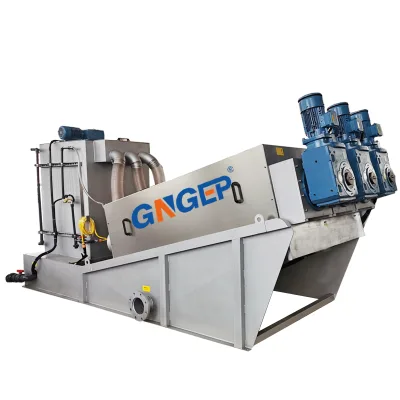
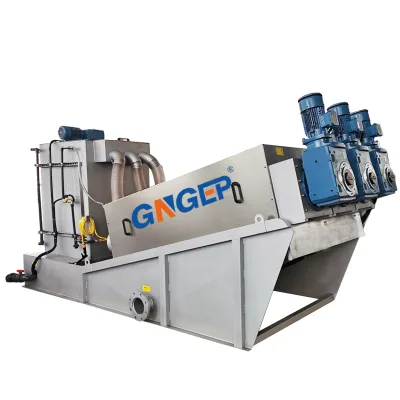
High quality sludge dewatering machine/ replacement of centrifuge and belt filter press
$4544.0147 - $4668.5074
MOQ: 1 sets

Shanghai Fuchan Machinery Technology Co., Ltd.
- Verified by TUVRHEINLAND
- Trading Company
- China Shanghai
- Lead time30 days
- Avg. response≤ 8h
Main productsSludge Thickening and Dewatering Equipment, Screw Presses and Belt Filter Presses, Low-Temperature Sludge Drying Systems
Main marketsOthers(foreignTradeCapacity.exportBusinessCapacityMarketOther),Southeast Asia/ Mideast,Domestic

Automatic Belt Filter Press for Municipal Wastewater Sludge Dewatering Plants
$7500.00 - $60000.00
MOQ: 1 Pieces


Heavy-Duty Belt Press Sludge Belt Filter Press for High-Capacity Sludge Dewatering Machine
$7500.00 - $60000.00
MOQ: 1 Pieces
Shandong Innovation Huayi Environmental Engineering Co., Ltd.
- Verified by SGS Group
- Manufacturer, Trading Company
- Lead time30 days
- Avg. response≤ 2h
Main productsSewage Treatment Plant, Dissolved Air Flotation, Lamella Clarifier, Belt Filter Press, Vacuum Belt Filter
Main marketsDomestic Market(87%), Southeast Asia(5%), South America(5%)

Shanghai Junyi Filter Equipment Co., Ltd.
- Verified by TUVRHEINLAND
- Trading Company
- China Shanghai
- Lead time15 days
- Avg. response≤ 6h
Main productsFilter Press, Filter Plate, Filter Cloth, Bag Filter, Filter Bag, Cartridge Filter, Filter Cartridge, Diesel Purifier, Industrial Pump, Single Screw Plastic Extruder
Main marketsSouth America,Africa

Jiangsu BOE Environmental Protection Technology Co., Ltd.
- Verified by BV
- Combined
- China Jiangsu
- Lead time30 days
- Avg. response≤ 8h
Main productsWastewater Treatment Equipment, Sludge Dewatering Machine, Screw Sludge Dehydrator, Belt Filter Press, Polymer Preparation Unit, Sludge Conveyor, Sludge Dryer, Mechnicial Bar Screen, Rotary Drum Screen, Grit Chamber
Main marketsSouth America,Southeast Asia/ Mideast,Domestic,Europe,Australia,North America


Automatic Sludge Dewatering Machine Belt Filter Press Dewatering for Sale
$14000.00 - $30000.00
MOQ: 1 Pieces

Ce/SGS/ISO Wastewater Sludge Dewatering Machine Belt Type Filter Press
$10000.00 - $20000.00
MOQ: 1 Pieces

Municipal/Industrial Sludge Dewatering Equipment Belt Filter Press
$20000.00 - $30000.00
MOQ: 1 Pieces
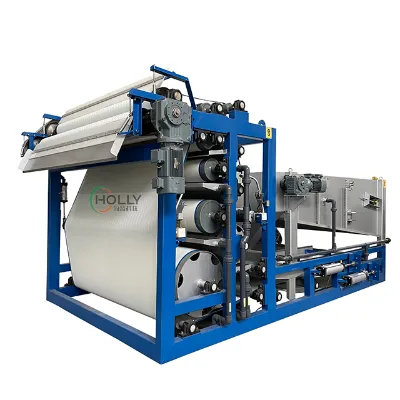
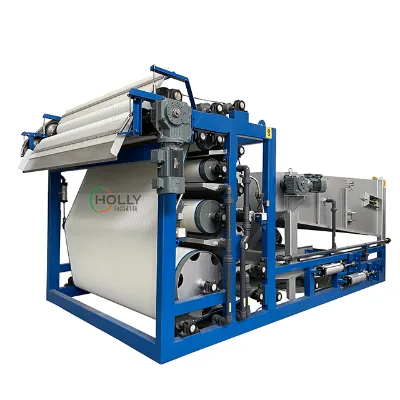
Yixing Holly Technology Co., Ltd.
- Verified by SGS Group
- Manufacturer, Trading Company
- Lead time10 days
- Avg. response≤ 3h
Main productsSludge Dewatering Machine/ Fine Bubble Diffuser/ Bio Filter Media/ Nano Bubble Generator , Belt Press
Main marketsSoutheast Asia(30%), Eastern Asia(8%), North America(7%)
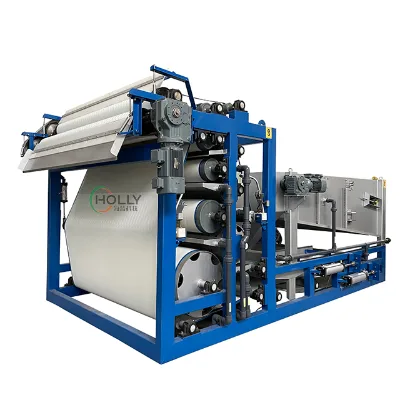
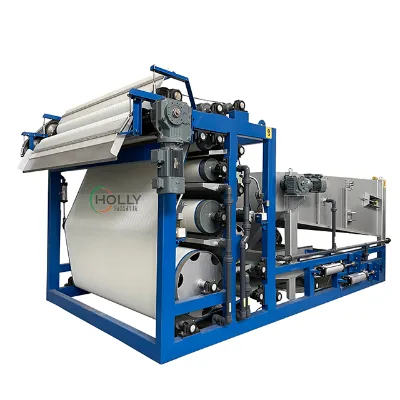
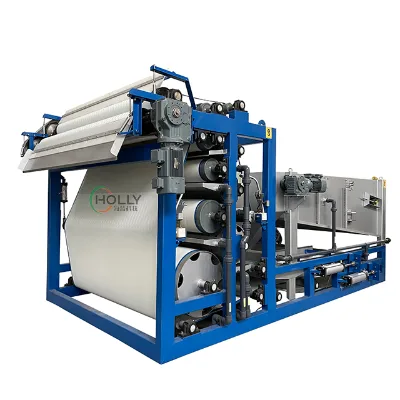
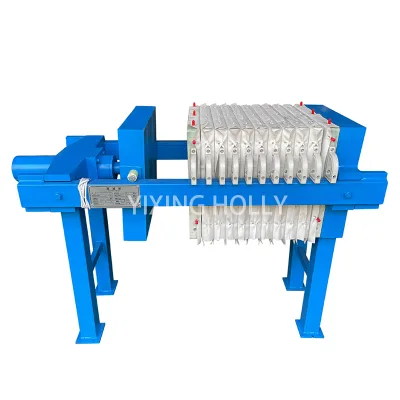
Industrial Filterpress Plate and Frame Filter Press Machine Palm Oil Sludge Dewatering
$5116.2452
MOQ: 1 Minimum
Guangzhou Lvye Environmental Protection Equipment Co., Ltd.
- Manufacturer, Trading Company, Distributor/Wholesaler
- Guangdong, China
- Lead time30 days
- Avg. response≤ 1h
Main productsgrating machine,filter press,aerator,Inclined tube packing,Suspension filler
Main marketsSoutheast Asia(30.00%), Eastern Asia(3.00%), South America(3.00%)
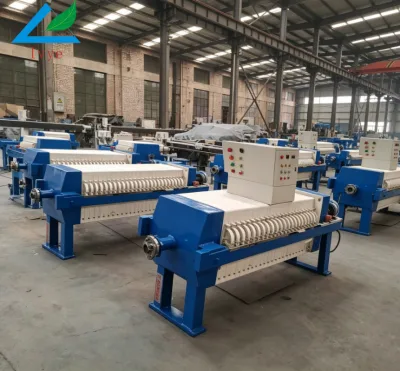
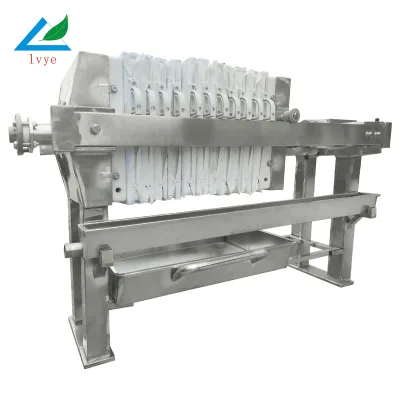
$1100.00 - $1180.00
MOQ: 1 pieces
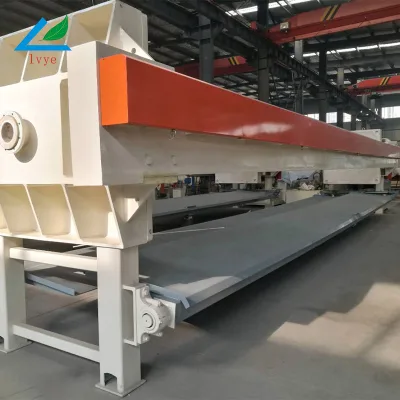
$5007.308 - $5110.339
MOQ: 1 pieces
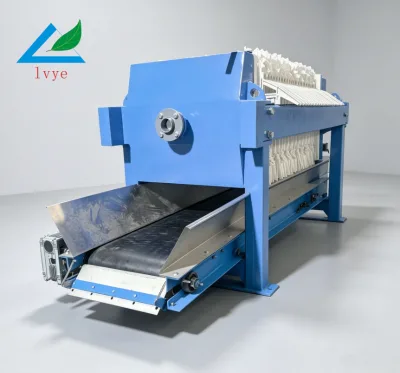
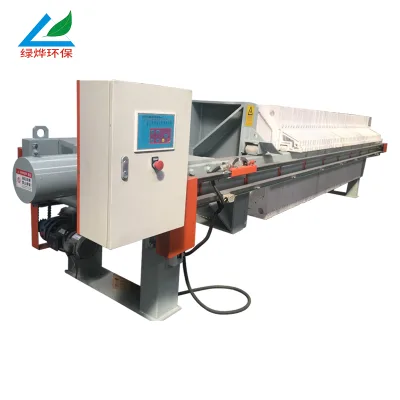
$8448.5433 - $8757.6364
MOQ: 1 pieces
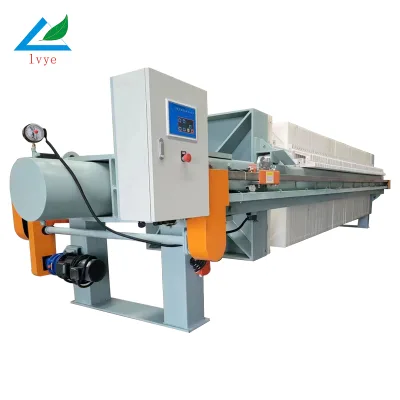
Bestselling Durability and Reliability Sludge Treatment Filter Presses Automatic Filter Presses
$3200.00 - $3300.00
MOQ: 1 pieces

Qingdao EVU Environmental And Engineering Equipment Co., Ltd.
- Verified by SGS
- Combined
- China Shandong
- Lead time30 days
- Avg. response≤ 4h
Main productsSewage Treatment Plant, Water Purifier, Water Filter, Daf, Sludge Dewatering Machine, Electrical Flotation, Water Treatment Equipment, Seawater Desalination, Reverse Osmosis, RO Purifier
Main marketsSouth America,Southeast Asia/ Mideast,Europe

Qiankun Environmental Protection Joint Stock Co., Ltd.
- Verified by TUVRHEINLAND
- Combined
- China Henan
- Lead time30 days
- Avg. response≤ 12h
Main productsWastewater Treatment, Air Flotation, Anaerobic Reactor, Mechanical Bar Screen, Belt Filter, Plug Flow Aerator, Submersible Mixer, Hyperboloid Mixer, Dosing Machine, Submersible Aerator
Main marketsOthers(foreignTradeCapacity.exportBusinessCapacityMarketOther),Southeast Asia/ Mideast,Domestic


Small Belt Filter Press for Sludge Dewatering Machine and Sludge Thickening
$3000.00 - $5500.00
MOQ: 1 Sets

High Quality Belt Type Filter Press for Sludge Dewatering with Best Price
$3000.00 - $55000.00
MOQ: 1 Sets


Qingdao Oyang Machinery Equipment Co., Ltd.
- Verified by TUVRHEINLAND
- Trading Company,Manufacturer/Factory
- China Shandong
- Lead time23 days
- Avg. response≤ 2h
Main productsSewage Treatment Plant, Dissolved Air Flotation, Belt Filter Press, Sewage Treatment Equipment, Medical Waste Incinerator, Dust Collector, Sludge Dehydrator, Sludge Dewatering Machine, Screw Press, Waste Incinerator
Main marketsSouth America,Eastern Europe,Mid East,North America,Southeast Asia,Eastern Asia,Oceania,Western Europe,Africa
Henan Gloyel Environmental Protection Technology Co., Ltd.
- Verified by SGS Group
- Trading Company
- Lead time0 days
- Avg. response≤ 5h
Main productsFilter Press, Drying Machine, Shredder Machine, Baler Machine, Packing Machine
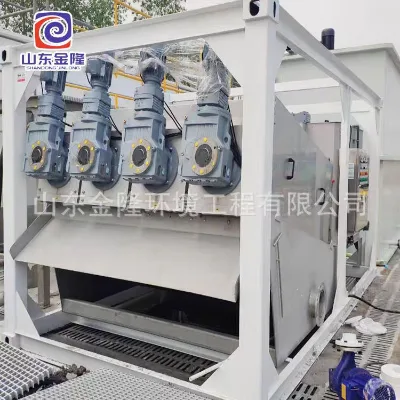
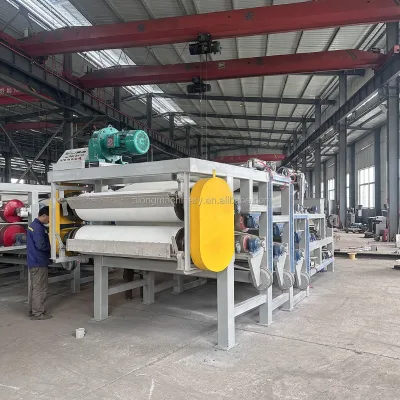
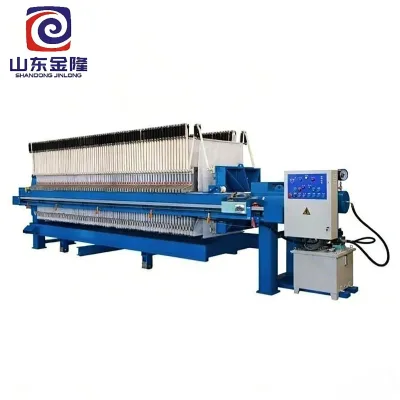
Zhucheng Jinlong Machine Manufacture Co., Ltd.
- Manufacturer, Trading Company
- Shandong, China
- Lead time0 days
- Avg. response≤ 2h
Main productsPaper Making Equipments,Wastewater Treatment Equipments
Main marketsSouth Asia(24.74%), Central America(22.28%), South America(22.28%), Domestic Market(14.85%), Africa(10.40%), Eastern Asia(5.45%)
$5655.0221 - $5757.8407
MOQ: 1 sets

HC Flourish Industry Group Co., Ltd.
- Trading Company,Manufacturer/Factory
- China Zhejiang
- Lead time45 days
- Avg. response≤ 6h
Main productsWaste Water Treatment Equipments, Sludge Dewatering Systems, Sewage Water Treatment Plant Systems, Auto Water Filtration Ssytems, Industrial Chemical Filters, Mechanical Screens, Strainers and Bucket Filters, Rotary Drum Filters, Screw Press Sludge Dewatering Machines, Dosing System
Main marketsSouth America,Eastern Europe,Mid East,North America,Southeast Asia,Eastern Asia,Oceania,Western Europe,Africa
- Manufacturer, Trading Company
- Lead time旺季: "1 - 1":15,"> 1":"To be negotiated", 淡季: "1 - 1":15,"> 1":"To be negotiated"
- Avg. response≤ 2h
Main productsGrout Station and Hose Pump, Hydroseeder, Hydraulic Jack, Concrete & Refractory Shotcrete Machine, Refractory Mixer and Screed Pump

Shandong Wanze Shengshi Environmental Protection Technology Co., Ltd
- Verified by SGS
- Trading Company
- China Shandong
- Lead time23 days
- Avg. response≤ 8h
Main productsSewage Treatment Equipment, Diesel Generator Sets Gas Generator Sets, Industrial Water Pumps, Export of Machinery and Equipment
Main marketsSouth America,Eastern Europe,Mid East,North America,Southeast Asia,Eastern Asia,Oceania,Western Europe,Africa


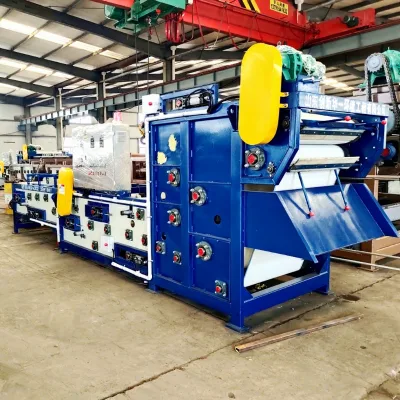
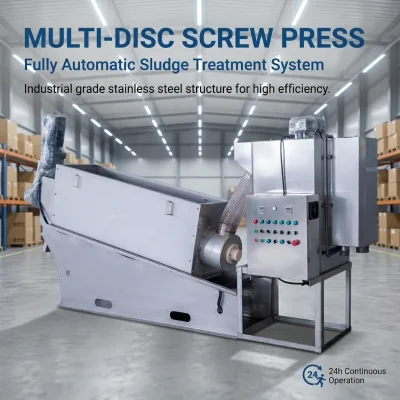
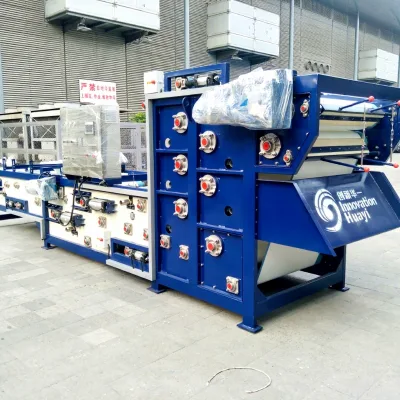
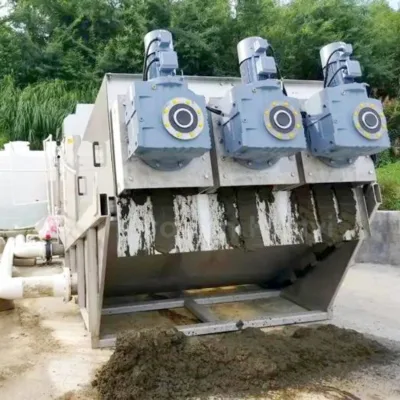






Comprehensive Sourcing Guide
Semi-Automatic Sludge Dewatering Filter Press Supplier Concentration and Factory Types
The current supplier landscape for semi-automatic sludge dewatering filter presses reveals a distinct geographic and structural concentration that buyers must navigate carefully. Evidence indicates that a significant portion of available inventory originates from China, with specific manufacturing hubs identified in Shanghai and Henan provinces. Suppliers in these regions are not limited to pure manufacturing entities; the market includes a mix of Trading Companies and Manufacturer/Factory operations, as well as Combined entity types. This diversity means that a single listing may represent a direct factory source or a trading intermediary, which directly impacts pricing structures, communication channels, and post-sale support capabilities. Buyers should recognize that the presence of a Trading Company does not inherently imply lower quality, but it does suggest a different operational model focused on aggregation and logistics rather than direct production control. Understanding this distinction is crucial for setting expectations regarding factory audits, direct technical consultations, and the transparency of the supply chain.
Furthermore, the product evidence highlights specific brand and capacity attributes that define the supplier types. For instance, some suppliers operate under their own brands, such as ECOPRO, while others offer extensive OEM and ODM services, indicating a flexibility to customize equipment for specific industrial needs. The main products listed across these suppliers consistently include Sludge Dehydrators, Screw Presses, and various Filter Press configurations, suggesting a specialized focus within the broader wastewater treatment machinery sector. This specialization often correlates with deeper technical expertise in physical treatment methods and sludge dewatering applications. The presence of certifications like ISO 9001 and ISO 9001:2015, along with ISO 14001:2015, among these suppliers provides a baseline assurance of standardized quality management systems. However, the variation in company types—from pure manufacturers to combined entities—means that buyers must scrutinize the specific capabilities of each supplier rather than assuming uniformity across the entire cluster. The concentration in Shanghai and Henan suggests established industrial ecosystems, but the buyer must verify which entities hold the actual production licenses and which serve as sales fronts.
How to Verify Semi-Automatic Sludge Dewatering Filter Press Suppliers
Verification is the critical first step in mitigating risk when sourcing semi-automatic sludge dewatering filter presses, as the market contains a mix of verified and unverified entities. Buyers should prioritize suppliers who display third-party verification badges, such as BV (Bureau Veritas), which serves as an external validation of the supplier’s business legitimacy and operational capacity. In the current results, at least one supplier from Henan holds BV verification, providing a tangible layer of trust that goes beyond self-reported claims. This verification often includes checks on factory ownership, production lines, and financial stability, which are essential for ensuring that the supplier can fulfill large orders without disruption. Additionally, system certifications like ISO 9001 and ISO 14001:2015 should be treated as mandatory baseline requirements rather than optional perks. These certifications indicate that the supplier adheres to international standards for quality management and environmental protection, which is particularly important for machinery that handles industrial wastewater and sludge. Buyers must request copies of these certificates and verify their validity through the issuing bodies to avoid forged documents.
Beyond certifications, buyers should actively assess the supplier’s responsiveness and technical depth as proxies for reliability. The response time metric, observed at 2.20 hours for some suppliers and 3.70 hours for others, offers a quantitative measure of customer service efficiency. A faster response time often correlates with a more dedicated sales and engineering team, which is vital for resolving technical queries regarding filter press specifications, such as plate size, chamber volume, and filter pressure. Buyers should also examine the detailed product attributes provided, such as the use of PLC control systems, automatic plate shifting, and specific beam materials like Carbon Steel or PP Coated Stainless Steel. These details demonstrate a supplier’s technical competence and ability to provide customized solutions. Furthermore, the availability of customization options, explicitly marked as "Available" in product properties, suggests that the supplier is equipped to handle non-standard requirements. Buyers should test this capability by asking specific technical questions about material compatibility and operational parameters to gauge the supplier’s expertise before committing to an order.
What to Compare Across Semi-Automatic Sludge Dewatering Filter Press Suppliers
When evaluating multiple suppliers for semi-automatic sludge dewatering filter presses, buyers must systematically compare key operational and commercial metrics to identify the best fit for their specific project requirements. Lead time is a primary differentiator, with observed ranges varying significantly between suppliers. For example, some suppliers indicate a lead time of 23 days, while others offer a faster turnaround of 15 days. This difference can be critical for projects with tight installation deadlines, and buyers should clarify whether these times refer to production only or include shipping and customs clearance. Similarly, the Minimum Order Quantity (MOQ) presents another layer of comparison. While some suppliers list an MOQ of 1, allowing for flexible trial orders, others may have higher thresholds that require larger capital commitments. Buyers should align their procurement strategy with these MOQs, considering whether they need a single unit for a pilot plant or multiple units for a large-scale municipal treatment facility. The price range also varies widely, with some products listed between $2,986 and $6,983, while others span from $6,683 to $26,860, reflecting differences in capacity, automation level, and material quality.
In addition to price and lead time, buyers should compare the technical specifications and customization capabilities offered by each supplier. Product attributes such as filter area, plate size, chamber volume, and filter pressure are critical for determining the efficiency of the dewatering process. For instance, one supplier offers a model with an 8m² filter area and 121L chamber volume, while another provides a 4m² unit with 60L capacity. These specifications must be matched against the buyer’s sludge volume and solid content requirements. The type of filter press, whether Chamber, Membrane, or Plate and Frame, also influences performance and maintenance costs. Buyers should compare the control systems, noting that some suppliers offer PLC automation with optional conveyors and drip trays, while others may rely on more manual operations. The availability of OEM and ODM services is another important factor, especially for buyers who require branded equipment or specific design modifications. By creating a comparison matrix that includes these technical and commercial variables, buyers can make a data-driven decision that balances cost, performance, and delivery speed.
Common Semi-Automatic Sludge Dewatering Filter Press Sourcing Risks
Sourcing semi-automatic sludge dewatering filter presses from international suppliers introduces several inherent risks that buyers must proactively manage to avoid project delays and financial losses. One significant risk is the discrepancy between advertised specifications and actual product performance. While suppliers list attributes like filter pressure greater than 0.6MPa and specific plate quantities, the actual durability and efficiency of the equipment can vary based on manufacturing quality control. Buyers who rely solely on online product descriptions without requesting detailed engineering drawings or third-party test reports may receive equipment that does not meet their operational standards. This risk is compounded by the presence of both Trading Companies and Manufacturers in the supply chain, as intermediaries may not have direct oversight of the production process, leading to potential communication gaps regarding technical adjustments. Additionally, the customization options, while appealing, can introduce complexity if the supplier lacks the engineering resources to implement changes accurately, resulting in non-compliant machinery.
Another major risk involves logistics and after-sales support, particularly when sourcing from distant manufacturing hubs like Shanghai or Henan. The lead times observed, ranging from 15 to 23 days, do not account for potential delays in shipping, customs clearance, or port congestion. Buyers must also consider the complexity of installing and maintaining filter press equipment, which requires specialized knowledge. If the supplier does not provide comprehensive installation guides, remote technical support, or spare parts availability, the buyer may face extended downtime in the event of a malfunction. The variation in response times, from 2.20 to 3.70 hours, highlights the inconsistency in support quality, which can be critical during urgent troubleshooting scenarios. Furthermore, the use of different packing methods, such as Wooden Cases or Wooden Boxes, may affect the protection of the equipment during transit, increasing the risk of damage. Buyers should mitigate these risks by clearly defining support obligations in the contract, verifying the supplier’s logistics capabilities, and ensuring that the equipment is properly insured during shipment.
Semi-Automatic Sludge Dewatering Filter Press Regional Sourcing and Logistics
The geographic concentration of semi-automatic sludge dewatering filter press suppliers in China, specifically in Shanghai and Henan, offers buyers access to established industrial clusters but also requires careful logistical planning. Shanghai, as a major port city, provides convenient access to international shipping routes, which can streamline the export process for equipment destined for overseas markets. Suppliers located here often have extensive experience with international trade regulations and documentation, reducing the administrative burden on the buyer. However, the presence of suppliers in Henan, an inland province, introduces additional transportation steps, as goods must be moved to coastal ports before export. This can impact lead times and shipping costs, making it essential for buyers to clarify the exact shipping terms and responsibilities with each supplier. Understanding the specific location of the factory allows buyers to estimate transit times more accurately and choose the most cost-effective shipping method, whether by sea or air, depending on the urgency of the order.
Logistics planning must also account for the specific packaging requirements of filter press equipment, which are often large and heavy. Product evidence indicates that suppliers use Wooden Cases or Wooden Boxes for packing, which provides robust protection but adds to the overall volume and weight of the shipment. Buyers should verify the dimensions and weight of the packed equipment to calculate freight costs accurately and ensure that the receiving facility has the necessary infrastructure for unloading. Additionally, the complexity of the machinery, which may include hydraulic systems, PLC controls, and optional conveyors, requires careful handling to prevent damage during transit. Buyers should consider hiring a third-party inspection service to verify the packing quality and completeness of the shipment before it leaves the factory. This step can prevent disputes over damaged goods and ensure that all components, including spare parts and installation tools, are included. By integrating regional logistics considerations into their sourcing strategy, buyers can optimize their supply chain and minimize the risks associated with international equipment procurement.
Semi-Automatic Sludge Dewatering Filter Press Commercial Terms and Order Planning
Effective order planning for semi-automatic sludge dewatering filter presses requires a thorough understanding of the commercial terms and financial structures offered by suppliers. The price ranges observed, from approximately $2,986 to $26,860, reflect significant variations in equipment capacity, automation level, and material quality. Buyers must align their budget with the specific technical requirements of their project, avoiding the temptation to select the lowest-priced option without considering long-term operational costs. It is crucial to clarify whether the quoted price includes installation, commissioning, and training, as these services can add substantial value and reduce the risk of improper operation. Additionally, buyers should negotiate clear payment terms, such as a deposit followed by balance payment upon shipment or against copies of shipping documents, to protect their financial interests. The availability of OEM and ODM services may also impact pricing, as customizations often incur additional engineering and production costs that should be itemized in the quotation.
Beyond pricing, buyers must plan for the total cost of ownership, including maintenance, spare parts, and energy consumption. The power consumption of the filter press, noted as 2.2kw
FAQs
What is the price range for semi-automatic sludge dewatering filter presses?
Prices typically range from approximately 2,986 to 26,860 USD depending on specifications. Costs vary based on filter area, plate size, and automation level. Buyers should request quotes for specific models to confirm exact pricing for their industrial wastewater treatment needs.
What certifications do these filter press suppliers hold?
Suppliers generally hold ISO 9001 system certifications. Some manufacturers also provide ISO 9001:2015 and ISO 14001:2015 certificates. These credentials verify quality management and environmental standards, ensuring reliable production processes for industrial sludge dewatering equipment and wastewater treatment solutions.
What is the typical lead time for manufacturing these machines?
Lead times generally range from 15 to 23 days for production. This duration covers manufacturing, assembly, and quality checks for filter press units. Buyers should confirm specific delivery schedules with suppliers, as complex customizations or high-volume orders may extend the standard production window.
What is the minimum order quantity for these filter presses?
The minimum order quantity is typically one unit. This allows buyers to purchase single machines for testing or small-scale industrial applications. Suppliers accommodate individual orders, making it accessible for facilities needing specific sludge dewatering solutions without requiring bulk procurement commitments.
Where are these filter press manufacturers located?
Manufacturers are primarily located in China, specifically in Shanghai and Henan provinces. These regions host both trading companies and factories specializing in wastewater treatment machinery. Buyers can source equipment from these verified industrial hubs, ensuring access to established supply chains for filter press components.
What customization options are available for sludge dewatering machines?
Customization is available for models, packing, and standard dimensions. Suppliers offer OEM and ODM services to tailor equipment to specific industrial requirements. Options include customized plate sizes, chamber volumes, and hydraulic pressures, ensuring the filter press meets precise wastewater treatment and sludge dewatering specifications.