Seamless Plus Size Crop Top Suppliers and Manufacturers
Find 22 verified suppliers offering Seamless Plus Size Crop Top options with varying lead times, MOQs, and response speeds. Compare dimensions like location, capacity, and pricing to select the right partner for your order; review the available evidence before requesting comparable quotations from suitable candidates.
Updated
Suppliers List

Dongguan Humen Hucai Garment Co., Ltd.
- Verified by SGS
- Combined
- China Guangdong
- Lead time30 days
- Avg. response≤ 6h
Main productsSportswear, Yoga Pants, Sports Bra, T Shirt, Tank Top, Jogger Pants, Tracksuit, Hoodies, Shorts, Leggings
Main marketsSouth America,Africa,Southeast Asia/ Mideast,East Asia(Japan/ South Korea),Domestic,Europe,Australia,North America
Yiwu Chenshi Clothing Co., Ltd
- Verified by TüVRheinland
- Trading Company
- Zhejiang, China
- Lead time3 days
- Avg. response≤ 2h
Main productsFitness Suits, Fitness Jumpsuits, Fitness Bras, Fitness Leggings, Fitness Shorts
Main marketsNorth America(30%), Western Europe(25%), Eastern Europe(20%)
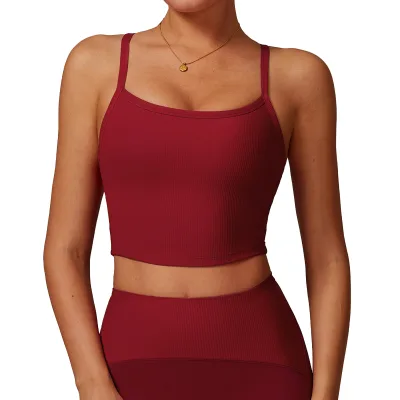
$8.288 - $8.5998
MOQ: 2 pieces
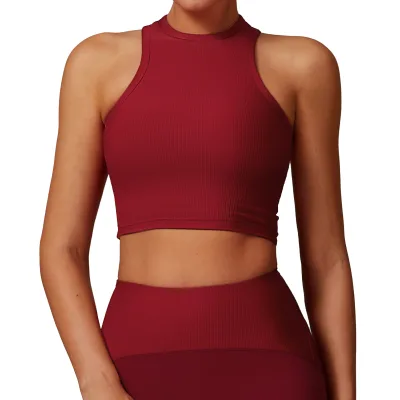
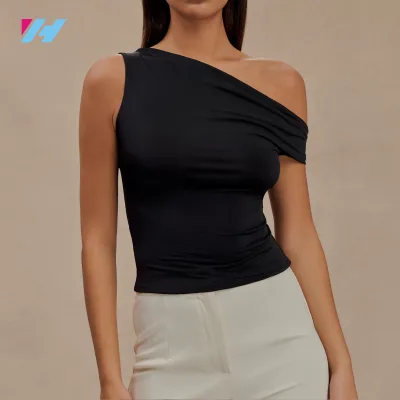
High Quality Material Womens Tight Sport Workout Sleeveless Crop Tank Top
$8.306 - $8.6163
MOQ: 2 pieces
- Verified by Intertek
- Manufacturer, Trading Company
- Lead time0 days
- Avg. response≤ 2h
Main productsT-shirt, Sweatshirt, Pants, Polo shirt, Children Garment
Main marketsNorth America(32%), South America(27%), Central America(18%)
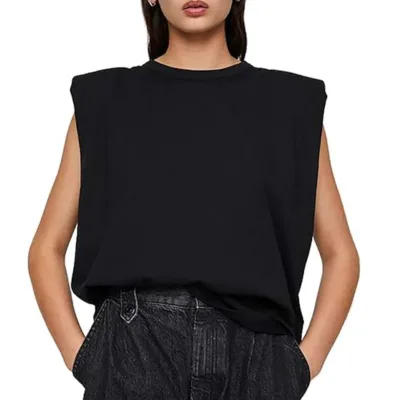
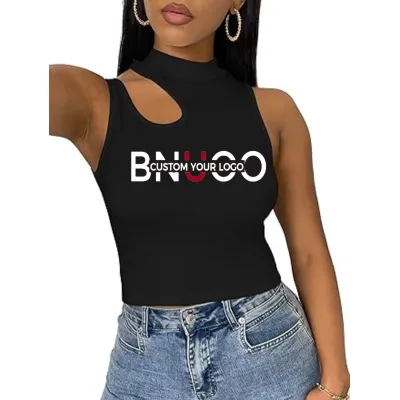
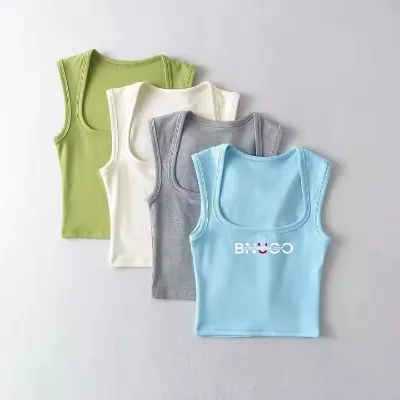
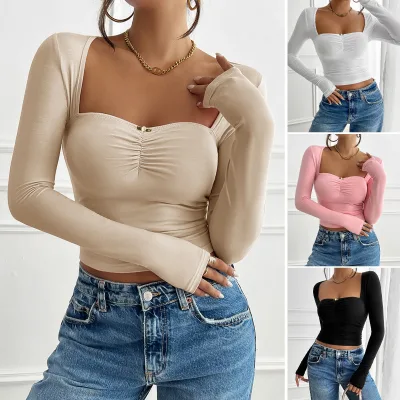
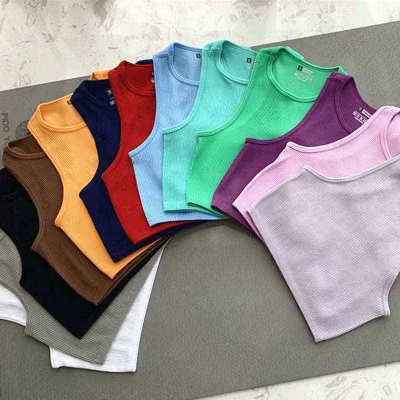
Women's tank Tops Wholesale Summer Crop Top High Quality square Neck Soft Athletic Cotton tank Top
$4.1657 - $8.3419
MOQ: 20 pieces


HANGZHOU PERSERPRO GARMENT CO., LTD.
- Other
- China Zhejiang
- Lead time45 days
- Avg. response≤ 23h
Main productsKnitwear, Kid's Sweater, Men's Sweater, Cashmere Sweater, Sweater, Knitting Accessories, Ladie's Sweater, Knitted Sweater
Main marketsSouth America,Eastern Europe,Mid East,North America,Western Europe

Dongguan Aktik Sportswear Co., Ltd.
- Manufacturer/Factory
- China Guangdong
- Lead time23 days
- Avg. response≤ 16h
Main productsActivewear, Sportswear, Leggings, Sports Bra, Biker Shorts, Sweatsuits, Tank Tops, Sweatpants, Hoodie, Tracksuit
Main marketsSouth America,Eastern Europe,Mid East,North America,Southeast Asia,Eastern Asia,Oceania,Western Europe,Africa

Red Color Plus Size Bras Crop Top High-Strength Underwear Bra Top Seamless Gym Bra Top for Women
$8.00 - $9.25
MOQ: 100 Pieces


Foshan Chenlin Clothing Co., Ltd.
- Manufacturer, Trading Company, Distributor/Wholesaler
- Guangdong, China
- Lead time10 days
- Avg. response≤ 3h
Main productsWaist trainer,Shapewear,Corset,Lingerie,Underwear
Main marketsSouth America(50.00%), Western Europe(30.00%), Africa(20.00%)

Tong Lu Spring River Knitting Group Co., Ltd.
- Verified by BV
- Manufacturer/Factory
- China Zhejiang
- Lead time60 days
- Avg. response≤ 25h
Main productsSweater, Cashmere Cardigan, Cashmere Sweater, Knitwear, Merino Sweater, Knitted Pullover, Kid Sweater, Wool Sweater, Women Sweater, Men Sweater
Main marketsEastern Europe,Mid East,North America,Eastern Asia,Western Europe

Dongguan Edee Apparel Co., Ltd.
- Verified by TUVRHEINLAND
- Trading Company,Manufacturer/Factory
- China Guangdong
- Lead time23 days
- Avg. response≤ 3h
Main productsSportswear, Activewear, Gym Clothing, Yoga Wear, Dancewear, Sports Bra, Sports Leggings, Sweatshirt, Track Suit, Hoodie
Main marketsSouth America,Eastern Europe,Mid East,North America,Eastern Asia,Oceania,Western Europe
Dongguan Lingzhixiu Clothing Co., Ltd.
- Verified by Intertek
- Manufacturer, Trading Company
- Lead time20 days
- Avg. response≤ 3h
Main productsCoat, Tops, Skirt, Hoodie, Dress
Main marketsNorth America(63%), Southeast Asia(20%), Oceania(10%)
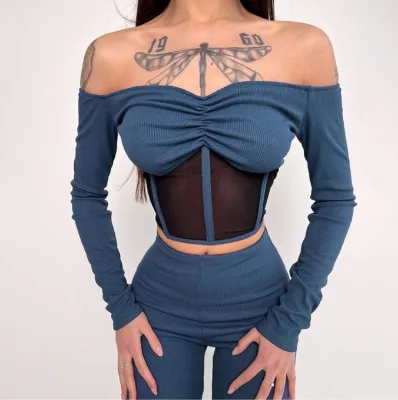
$7.60 - $8.80
MOQ: 50 pieces
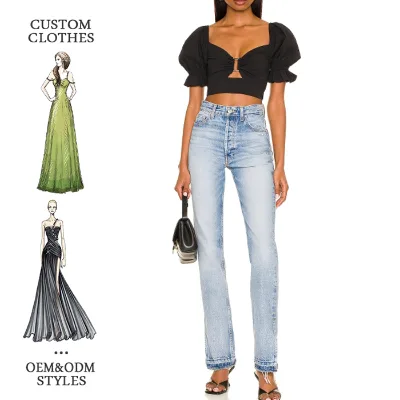

Hangzhou Rongyuan Imp&Exp Co., Ltd.
- Verified by CTI
- Trading Company
- China Zhejiang
- Lead time30 days
- Avg. response≤ 8h
Main productsYoga Wear, Yoga Pants, Yoga Leggings
Main marketsDomestic,North America
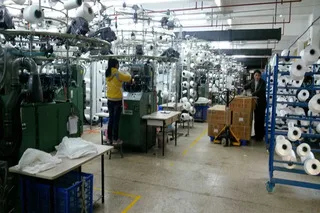
- Manufacturer, Trading Company
- Zhejiang, China
- Lead time40 days
- Avg. response≤ 7h
Main productsFitness wear,Seamless Shapers/ Slimming,Seamless Sportswear,Seen On TV Products,Sauna Suit
Main marketsCentral America(20.00%), Western Europe(16.00%), Northern Europe(15.00%), South America(15.00%), North America(14.00%), Southeast Asia(10.00%), Eastern Europe(10.00%)
Dongguan Dali Clothing Co., Ltd.
- Manufacturer, Trading Company
- Lead time旺季: "1 - 500":30,"> 500":"To be negotiated", 淡季: "1 - 500":30,"> 500":"To be negotiated"
- Avg. response≤ 4h
Main productsWomen's Clothing
Guangzhou Cheerfeel Trading Co., Ltd.
- Trading Company
- Guangdong, China
- Lead time10 days
- Avg. response≤ 4h
Main productsClothes , Bodice Applique, Wedding hair accessories
Main marketsNorth America(40.00%), Western Europe(15.00%), Eastern Europe(15.00%), South America(10.00%), South Asia(5.00%), Central America(5.00%), Northern Europe(5.00%), Southeast Asia(5.00%)
Dongguan Humen Yihao Clothing Co., Ltd.
- Manufacturer, Trading Company
- Lead time旺季: "1 - 100":15,"101 - 500":25,"501 - 1000":35,"> 1000":"To be negotiated", 淡季: "1 - 100":15,"101 - 500":25,"501 - 1000":35,"> 1000":"To be negotiated"
- Avg. response≤ 5h
Main productsSilk Dress, Crop Top, Women Oversized T Shirts, Bodysuit, Mini Dress

Efirsty Enterprise (Anhui) Co., Ltd.
- Verified by TUVRHEINLAND
- Trading Company
- China Anhui
- Lead time30 days
- Avg. response≤ 4h
Main productsLeggings Yoga Pants Swimwear, Swimsuit
Main marketsSouth America,Southeast Asia/ Mideast,East Asia(Japan/ South Korea),Europe,Australia,North America


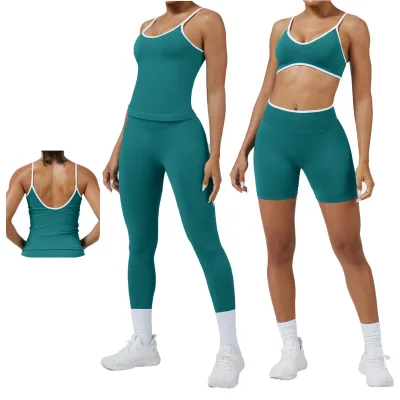
Burgundy Long Sleeve Crop Top High Waist Leggings Contrast Trim Activewear Set
$11.90 - $12.90
MOQ: 2 Sets

- Verified by CTI
- Trading Company
- China Anhui
- Lead time23 days
- Avg. response≤ 2h
Main productsFurniture, Home Furniture
Main marketsSoutheast Asia/ Mideast
Jiangsu Huayi Knitting Co., Ltd.
- Verified by TüVRheinland
- Manufacturer, Trading Company
- Lead time15 days
- Avg. response≤ 5h
Main productsFishnet Stockings, Disposable Fishnet Pants, Fishnet Clothes, Fishnet Pants, Women's Skirts
Main marketsDomestic Market(60%), North America(8%), Africa(6%)

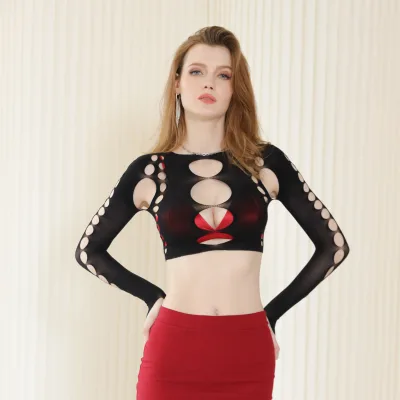
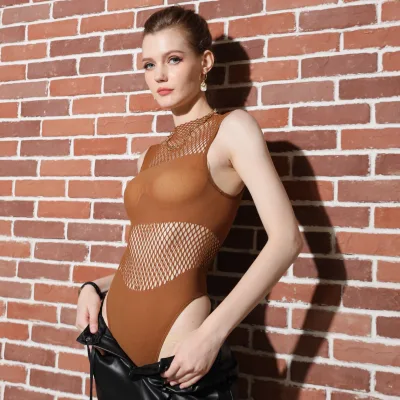
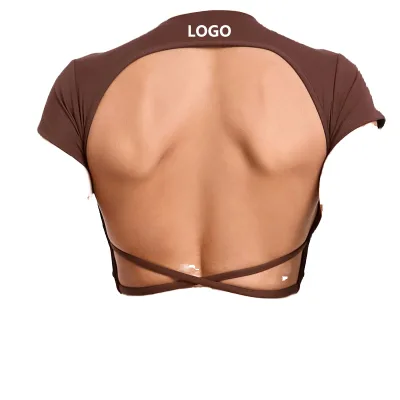
Latest Design Party Style Sexy Strapless Hollow Out Backless Crop Tops Bodysuit for Sale
$4.8882 - $7.7169
MOQ: 20 pieces

Shenzhen Yihaiyou Technology Co., Ltd.
- Manufacturer, Trading Company
- Guangdong, China
- Lead time0 days
- Avg. response≤ 5h
Main productsyoga leggings,yoga bra,yoga suits,activewear,yogawear
Main marketsSouth America(30.00%), North America(30.00%), Eastern Europe(20.00%), Northern Europe(10.00%), Western Europe(10.00%)

Jiangmen Neiyishe Garment Co., Ltd
- Verified by CTI
- Combined
- China Guangdong
- Lead time15 days
- Avg. response≤ 25h
Main productsUnderwear, Women Underwaer, Panty, Lace Underwear, Thong, Period Underwear, Plush Underwear
Main marketsDomestic

Shenzhen Baiyicai Fashion Co., Ltd.
- Manufacturer
- Guangdong, China
- Lead time30 days
- Avg. response≤ 3h
Main productsswimwear,swimsuit,beachwear,bikinis,tankini
Shenzhen Da Ao Technology Co., Ltd.
- Manufacturer, Trading Company, Distributor/Wholesaler
- Guangdong, China
- Lead time5 days
- Avg. response≤ 3h
Main productsYoga Wear,Swimwear,Underwear,Sport Accessories
Main marketsNorth America(30.00%), South America(15.00%), Mid East(10.00%), Western Europe(10.00%), Northern Europe(8.00%), Central America(8.00%), Southern Europe(6.00%), Africa(5.00%), Oceania(3.00%), Domestic Market(1.00%), South Asia(1.00%), Southeast Asia(1.00%), Eastern Europe(1.00%), Eastern Asia(1.00%)
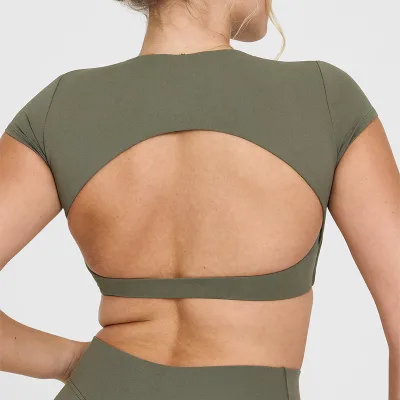
$9.5591 - $11.2455
MOQ: 1 Minimum
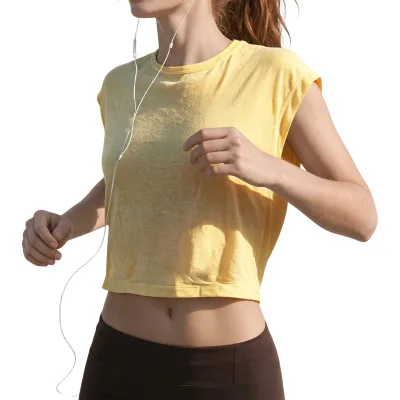
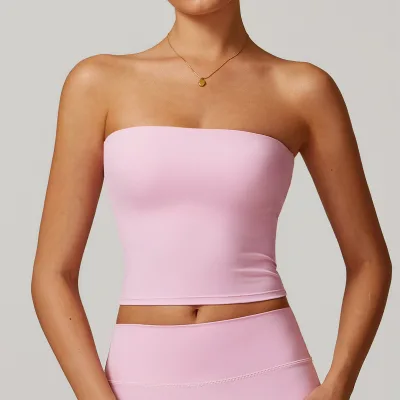
Foshan Jianwei Apparel Co., Ltd.
- Verified by Intertek
- Manufacturer, Trading Company
- Lead time2 days
- Avg. response≤ 2h
Main productsBodysuit, Body Shapewear, Waist Trainer, Corset, Waist Cincher
Main marketsNorth America(20%), Domestic Market(15%), Southeast Asia(10%)



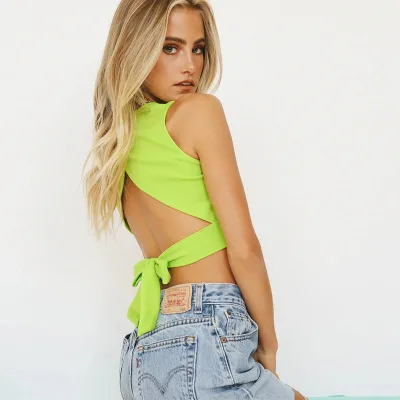



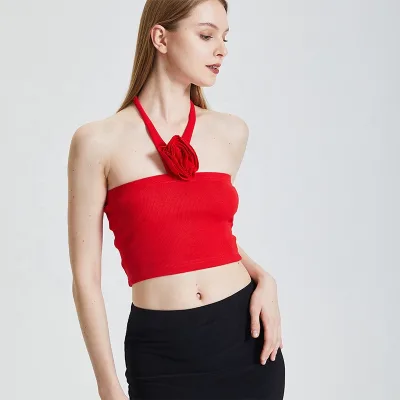
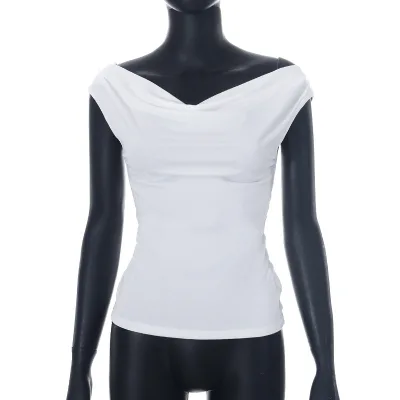
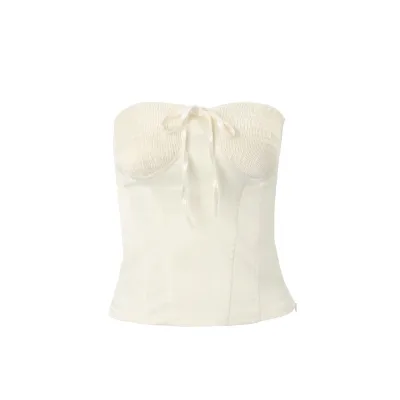
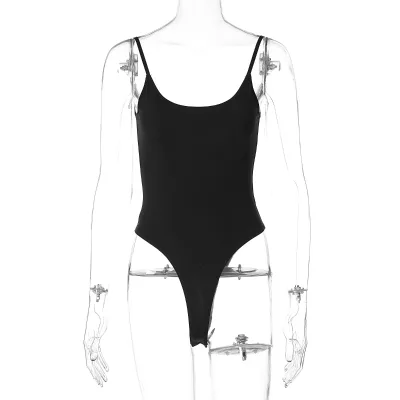




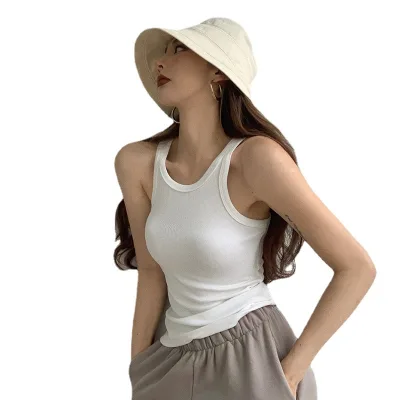
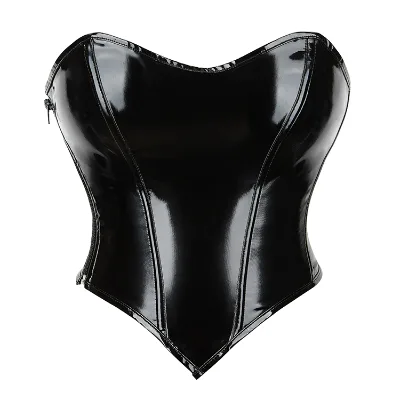
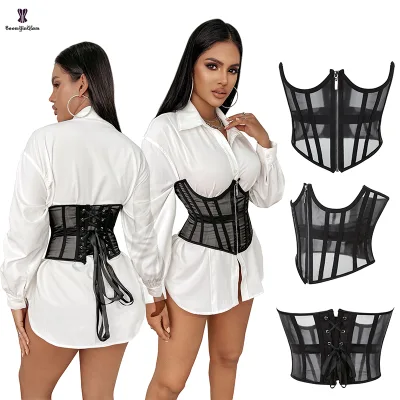
Comprehensive Sourcing Guide
Seamless Plus Size Crop Top Supplier Concentration and Factory Types
The current supplier landscape for seamless plus size crop tops reveals a distinct geographic concentration in China, with specific operational hubs identified in Guangdong and Zhejiang provinces. These regions are critical for sourcing because they host the manufacturing infrastructure necessary for complex knitwear and seamless technology. Guangdong suppliers often operate as combined entities, blending trading capabilities with direct factory access, which can streamline communication for international buyers seeking both variety and direct production lines. In contrast, suppliers located in Zhejiang are frequently structured as trading companies, focusing on aggregating products from various factories to offer a broader catalog of fitness suits, bras, and leggings. This structural difference means that buyers must carefully distinguish between a pure manufacturer and a trading intermediary, as the latter may offer more flexibility in product range but potentially less control over the actual production floor. Understanding this factory type is essential for determining who holds the inventory and who manages the quality control processes.
When evaluating these factory types, it is important to look at the specific capabilities listed in their profiles rather than assuming all suppliers in these regions operate identically. Some suppliers in Guangdong highlight ODM (Original Design Manufacturing) capabilities, indicating they have the in-house engineering resources to develop new seamless designs or modify existing patterns for plus size fits. This is particularly relevant for crop tops, where the seamless construction requires specialized knitting machines and precise tension control to ensure comfort and durability for larger body types. Other suppliers may focus on sample processing and graphic customization, which is vital for brands looking to add unique logos or patterns to their seamless base garments. By identifying whether a supplier is a combined manufacturer, a pure trading company, or a specialized ODM house, buyers can better align their sourcing strategy with their need for innovation versus volume production. This distinction directly impacts the lead times and the level of technical support available during the product development phase.
How to Verify Seamless Plus Size Crop Top Suppliers
Verification is a critical step in ensuring that the suppliers you engage with are legitimate and capable of delivering high-quality seamless plus size crop tops. The current data indicates that several suppliers have undergone third-party verification processes, with specific mentions of SGS and TüV Rheinland certifications. These verifications provide a layer of confidence regarding the supplier’s business legitimacy and operational standards, but they do not automatically guarantee product quality or compliance with international safety standards. Buyers should prioritize suppliers who display these verification badges, as it suggests a willingness to undergo external audits. However, it is crucial to understand that these verifications often focus on the company’s legal standing and basic operational capacity rather than the specific technical performance of the seamless garments. Therefore, while a verified badge is a positive indicator, it should not be the sole criterion for selection.
Beyond the initial verification badges, buyers must actively investigate the supplier’s response times and communication efficiency to gauge their reliability. The observed response times vary, with some suppliers demonstrating a rapid response rate of approximately two hours, while others may take closer to six hours. In the fast-paced apparel industry, a quick response time is often a proxy for organizational efficiency and customer service quality. A supplier that responds promptly to initial inquiries is more likely to be responsive during critical phases of production, such as when addressing quality issues or negotiating shipping terms. Additionally, buyers should look for evidence of past performance, such as the availability of stock items or the ability to provide samples within a specific timeframe. Some suppliers offer support for seven-day sample orders, which is a strong indicator of their agility and readiness to support new business relationships. This agility is particularly important for plus size crop tops, where fit and fabric feel are paramount and may require multiple iterations before final approval.
What to Compare Across Seamless Plus Size Crop Top Suppliers
When comparing suppliers, it is essential to look beyond the basic product images and focus on the tangible metrics that define the sourcing experience. Key dimensions for comparison include lead times, minimum order quantities (MOQs), and response speeds. The current data shows a wide range in lead times, with some suppliers offering production in as little as three days, while others require up to thirty days. This variance is significant for buyers who need to balance speed-to-market with inventory costs. Similarly, MOQs vary considerably, with some suppliers requiring as few as one hundred pieces per design, while others may demand two hundred or more. For brands testing new plus size crop top lines, lower MOQs are often preferable to minimize risk, even if the per-unit cost is slightly higher. Response time is another critical factor, as a supplier with a two-hour response time can resolve issues faster than one with a six-hour delay, potentially saving weeks in the production schedule.
In addition to operational metrics, buyers should compare the specific product attributes and customization options available. The current results highlight differences in material composition, with some crop tops made from a blend of seventy-eight percent nylon and twenty-two percent spandex, offering specific stretch and recovery properties. Other suppliers may offer different fabric weights or printing methods, such as heat-transfer printing for custom logos. The availability of customization options, including custom colors, labels, and tags, is another key differentiator. Some suppliers provide fully customizable packaging, while others may have standard packing methods. Buyers should also consider the range of sizes offered, ensuring that the supplier can accommodate the full spectrum of plus size requirements, from small to extra-large and beyond. By systematically comparing these attributes, buyers can identify suppliers that not only meet their basic needs but also align with their brand’s specific quality and customization standards. This detailed comparison helps in selecting a partner who can deliver consistent quality and meet specific business requirements.
Common Seamless Plus Size Crop Top Sourcing Risks
Sourcing seamless plus size crop tops comes with specific risks that buyers must proactively manage to avoid costly mistakes. One significant risk is the inconsistency in fabric quality and construction, particularly when dealing with suppliers who have varying levels of technical expertise. Seamless knitting requires precise machine settings to ensure the garment maintains its shape and elasticity, especially for plus size fits that undergo greater stress. If a supplier lacks the necessary ODM capabilities or advanced machinery, the resulting garments may suffer from poor fit, excessive stretching, or premature wear. This risk is compounded if the buyer does not thoroughly review the supplier’s past product evidence, such as detailed material compositions and fabric weights. Without clear specifications, buyers may receive products that do not meet their quality expectations, leading to customer dissatisfaction and returns. Therefore, it is crucial to verify the technical capabilities of the supplier before placing large orders.
Another common risk is the discrepancy between sample approval and mass production quality. While some suppliers offer rapid sample turnaround, there is no guarantee that the mass-produced items will match the sample’s quality or fit. This risk is heightened when working with trading companies that may not have direct control over the manufacturing process. Buyers must ensure that the supplier has robust quality control measures in place, such as in-line inspections and final random inspections. Additionally, the risk of delayed shipments is a concern, especially when dealing with suppliers who have longer lead times or less reliable logistics networks. The current data shows lead times ranging from three to thirty days, which can significantly impact inventory planning. Buyers should also be cautious of suppliers who do not offer clear payment terms or escrow services, as this can leave them vulnerable to financial loss. By identifying and mitigating these risks early in the sourcing process, buyers can protect their brand reputation and ensure a smoother supply chain.
Seamless Plus Size Crop Top Regional Sourcing and Logistics
The geographic location of suppliers plays a pivotal role in determining logistics costs, lead times, and overall supply chain efficiency. The current supplier results indicate a concentration of manufacturers in Guangdong and Zhejiang provinces in China, each offering distinct logistical advantages. Guangdong, being a major manufacturing hub, often provides access to a wider range of materials and specialized machinery, which can be beneficial for complex seamless constructions. However, buyers must consider the specific port access and shipping routes available from these regions. Suppliers in Guangdong may have established relationships with freight forwarders, potentially offering more competitive shipping rates for air and express deliveries. On the other hand, suppliers in Zhejiang may benefit from proximity to major ports like Shanghai or Ningbo, which can streamline sea freight options for larger orders. Understanding these regional nuances is essential for optimizing logistics and reducing transit times.
Logistics planning also involves evaluating the supplier’s shipping methods and packaging standards. The current data shows that suppliers offer various shipping options, including express, air, and sea freight, each with different cost and time implications. For plus size crop tops, which are relatively lightweight but may require careful handling to maintain their shape, the choice of shipping method is critical. Express shipping is ideal for urgent orders or samples, while sea freight is more cost-effective for bulk production. Additionally, buyers should review the supplier’s packing standards, as improper packaging can lead to damage during transit. Some suppliers use polybags and cartons with specific quantities per carton, which can impact shipping efficiency and customs clearance. By aligning the supplier’s location and logistics capabilities with the buyer’s distribution strategy, it is possible to minimize costs and ensure timely delivery. This strategic approach to regional sourcing and logistics is key to maintaining a competitive edge in the apparel market.
Seamless Plus Size Crop Top Commercial Terms and Order Planning
Commercial terms and order planning are fundamental aspects of successful sourcing that require careful negotiation and strategic foresight. The current data reveals a variety of payment terms, with some suppliers requiring a forty percent deposit and a sixty percent balance before shipping. This structure is common in the apparel industry and helps mitigate risk for both parties. Buyers should ensure that these terms are clearly defined in the contract and that there are mechanisms in place to protect their interests, such as escrow services or third-party inspections. Additionally, the minimum order quantities (MOQs) vary, with some suppliers requiring as few as one hundred pieces per design. For buyers testing new plus size crop top lines, negotiating lower MOQs can be crucial for managing inventory risk. It is also important to consider the sample costs and lead times, as these can impact the overall project timeline and budget.
Order planning must also account for the supplier’s production capacity and lead times. The current results show lead times ranging from three to thirty days, which can significantly affect inventory management and sales planning. Buyers should work with suppliers to establish realistic production schedules and build in buffer time for potential delays. This is particularly important for seamless crop tops, which may require specialized knitting processes that can be time-consuming. Additionally, buyers should consider the supplier’s ability to handle rush orders or additional production runs, as this flexibility can be valuable in responding to market demand. By carefully planning commercial terms and order schedules, buyers can ensure a smooth and efficient sourcing process. This proactive approach helps to minimize disruptions and maintain a consistent supply of high-quality plus size crop tops to the market.
FAQs
What is the minimum order quantity for crop tops?
The minimum order quantity varies by product design. Some items require 100 pieces per design, while others start at 200 pieces. Buyers should check specific product attributes to confirm the exact MOQ before placing an order for seamless plus size crop tops.
How long does it take to receive samples?
Sample lead times typically range from 10 to 15 days for standard designs. Some suppliers support a 7-day sample order lead time for specific items. Buyers should verify the exact sample time with the supplier to ensure it meets their project schedule requirements.
What are the standard payment terms for these orders?
Standard payment terms often require a 40% deposit and a 60% balance before shipping. This structure ensures commitment from both parties. Buyers must confirm the specific payment schedule with the supplier to avoid delays in production or shipment of their crop top orders.
Where are these crop tops manufactured?
Manufacturing locations include Guangdong and Zhejiang provinces in China. These regions are known for their apparel production capabilities. Buyers should verify the specific place of origin for each product to ensure it aligns with their sourcing preferences and logistics planning.
What certifications do the suppliers hold?
Some suppliers are verified by SGS or TüVRheinland, while others may have no listed system certifications. Buyers should request specific verification documents to confirm quality standards. Always check the current verification status before finalizing any partnership for seamless plus size crop tops.
What is the typical response time for suppliers?
Response times vary, with some suppliers replying within 2 hours and others taking around 5.69 hours. Faster response times often indicate higher availability. Buyers should prioritize suppliers with quicker response times to ensure efficient communication during the sourcing process.
Can I customize the logo and packaging?
Customization for logos, labels, and packaging is available for many products. Buyers can request custom colors and specific packing methods like polybags or cartons. Confirm the customization options and any additional costs with the supplier before placing a bulk order for crop tops.