SMT and DIP PCB and PCBA Assembly Suppliers and Manufacturers
Explore 27 verified suppliers offering SMT and DIP PCB and PCBA Assembly services in China Guangdong. Compare response times, lead times, certifications, and capacity to find the right partner. Contact suppliers directly to request quotes; review the available evidence before requesting comparable quotations from suitable candidates.
Updated
Suppliers List

Shenzhen Jingxin Electronic Technology Co., Ltd.
- Verified by BV
- Combined
- China Guangdong
- Lead time30 days
- Avg. response≤ 7h
Main productsPCBA, PCB, Print Circuit Board, Flexible Circuit Board, Rigid PCB Assembly, PCB Assembly, Circuit Board, FPC, HDI PCB
Main marketsEurope,Australia,North America

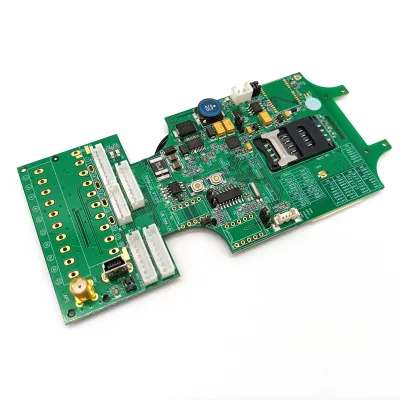
PCBA DIP&SMT Assembly Automotive Electronics PCB Control Circuit PCBA&PCB Board
$0.69 - $2.34
MOQ: 10 Pieces

Shenzhen Jinshunyuan Technology Co., Ltd.
- Manufacturer, Trading Company
- Guangdong, China
- Lead time5 days
- Avg. response≤ 3h
Main productsPCB manufacturing,PCB assembly,PCB designing,electronic components sourcing
Main marketsSoutheast Asia(30.00%), Domestic Market(30.00%), North America(20.00%), Eastern Europe(10.00%), Western Europe(10.00%)

Shenzhen Grandtop Electronics Co., Ltd.
- Trading Company,Manufacturer/Factory
- China Guangdong
- Lead time30 days
- Avg. response≤ 3h
Main productsPCB Assembly, Robotic Control PCB Assembly, Industrial Control PCBA, Medical PCBA, Financial PCBA, Contract Manufacturer, Automatic Control PCB Assembly, OEM &ODM PCBA, Turnkey Service PCBA, One Stop PCB Assembly
Main marketsSouth America,Eastern Europe,Mid East,North America,Southeast Asia,Eastern Asia,Western Europe,Africa


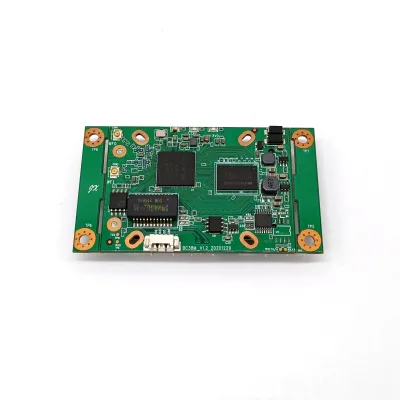
Instruments Equipments Devices PCBA Electronics Components SMT DIP Assembly
$0.25 - $100.00
MOQ: 1 Pieces


Shenzhen Intech Electronic Technology Limited
- Manufacturer
- Guangdong, China
- Lead time0 days
- Avg. response≤ 4h
Main productsPCB,PCBA,2.5/3.5/6.35Phone Jack,DC Power Jack,Push switch
Main marketsEastern Europe(20.00%), Western Europe(15.00%), Central America(12.00%), Southern Europe(10.00%), North America(9.00%), South America(6.00%), Mid East(5.00%), South Asia(5.00%), Eastern Asia(4.00%), Africa(3.00%), Domestic Market(3.00%), Northern Europe(3.00%), Southeast Asia(2.00%)
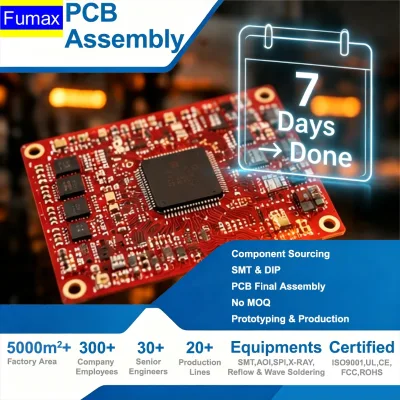
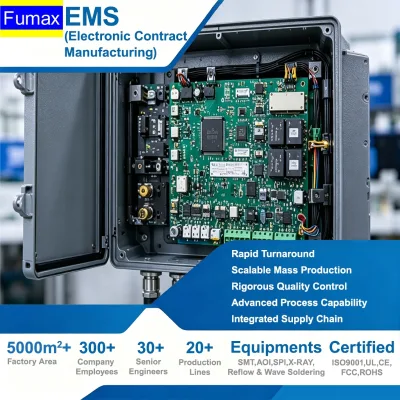
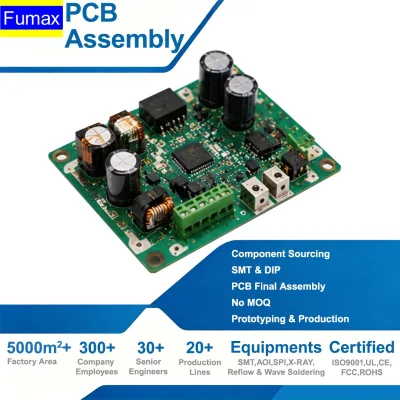
Shenzhen Fumax Technology Co., Ltd.
- Verified by TüVRheinland
- Manufacturer, Trading Company
- Lead time15 days
- Avg. response≤ 4h
Main productsPCBA, PCB Assembly, Final Product Assembly, Component Sourcing, Plastic Mold And Injection
Main marketsNorth America(35%), Eastern Asia(30%), Central America(12%)

Mu Star (shenzhen) Industry Co., Ltd.
- Verified by BV
- Trading Company
- China Guangdong
- Lead time15 days
- Avg. response≤ 8h
Main productsPCBA, PCB Assembly, PCB PCBA, SMT, Medical PCBA, SMD, PCB Assembly Service, EMS, PCBA Assembly
Main marketsNorth America


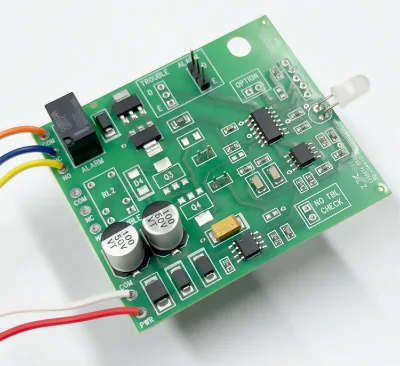
Multilayer PCB PCBA Circuit Board PCB Assembly and Other PCBA Manufacturer
$1.19 - $1.59
MOQ: 1 Pieces

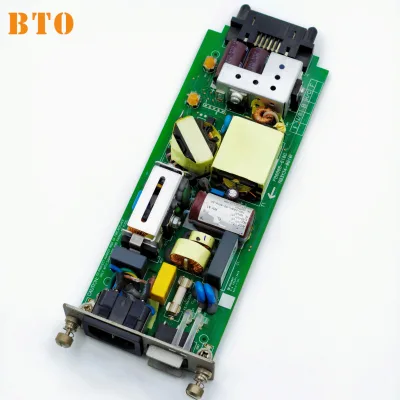
PCBA Assembling Service OEM PCBA Prototype PCB Assembly and PCBA Manufacturer
$0.50 - $1.00
MOQ: 10 Pieces


China Dragon Electronic Industrial Co., Limited
- Verified by BV
- Combined
- China Guangdong
- Lead time23 days
- Avg. response≤ 7h
Main productsPCB, PCBA, LED Grow Light, PCB Design, Industrial Control, Smart Home, Communications Equipment, Medical Hairdressing, Multilayer PCB
Main marketsEurope,North America


PCBA Suppli PCB Manufacturer PCBA Factori PCBA Assembly PCB Manufacturing and Assembly
$0.68 - $10.80
MOQ: 1 Pieces


Shenzhen Core Hecheng Electronic Technology Co., Ltd.
- Verified by CTI
- Manufacturer/Factory,Group Corporation
- China Guangdong
- Lead time15 days
- Avg. response≤ 5h
Main productsPCBA Assembly, PCBA, PCB, Quick Turn PCB Assembly, Turnkey PCB Assembly, Cheap PCB Assembly, Prototype PCB Assembly, Volume PCB Assembly, Low Cost PCB
Main marketsSouth America,Eastern Europe,North America,Southeast Asia,Eastern Asia,Western Europe
Suzhou Engine Electronic Technology Co., Ltd.
- Verified by SGS Group
- Trading Company
- Lead time10 days
- Avg. response≤ 5h
Main productsPCB, PCBA
Main marketsDomestic Market(30%), Eastern Europe(25%), North America(20%)
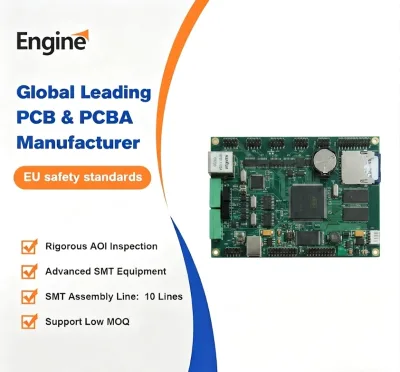
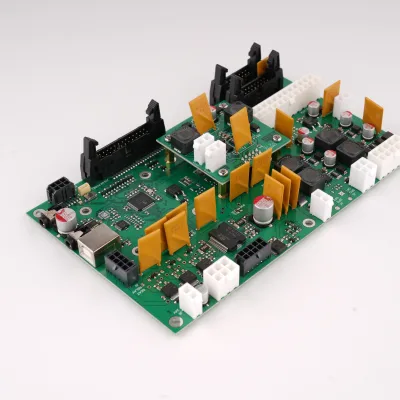
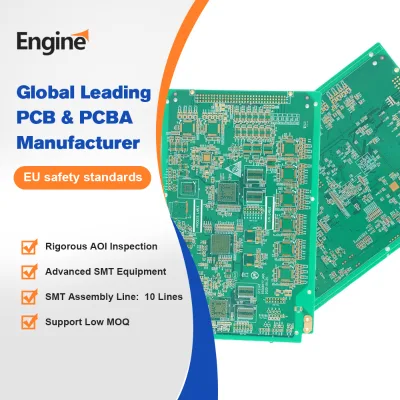
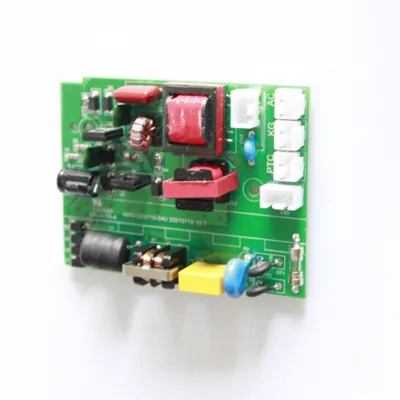
ODM OEM Custom Electronics Printed UPS PCB Layout Design Circuit PCBA Assembly
$0.3088 - $0.5142
MOQ: 1 pieces

Dongguan Access Star Co., Ltd.
- Verified by SGS
- Combined
- China Guangdong
- Lead time30 days
- Avg. response≤ 6h
Main productsWire Harness, Cable Assembly, PCB Assembly, Box Build, USB Cable, Power Cable, Charging Cable, Plastic Parts, Die Casting Parts, Stamping Parts
Main marketsOthers(foreignTradeCapacity.exportBusinessCapacityMarketOther),East Asia(Japan/ South Korea),Domestic,Europe,Australia,North America
- Trading Company
- Hong Kong S.A.R.
- Lead time0 days
- Avg. response≤ 4h
Main productsPCBA, PCB, Electronic Components, Integrated Circuit, Resistor
Main marketsSoutheast Asia(10.00%), Southern Europe(10.00%), Northern Europe(10.00%), Western Europe(10.00%), South America(10.00%), North America(10.00%), Oceania(5.00%), Africa(5.00%), Domestic Market(5.00%), South Asia(5.00%), Central America(5.00%), Eastern Europe(5.00%), Eastern Asia(5.00%), Mid East(5.00%)
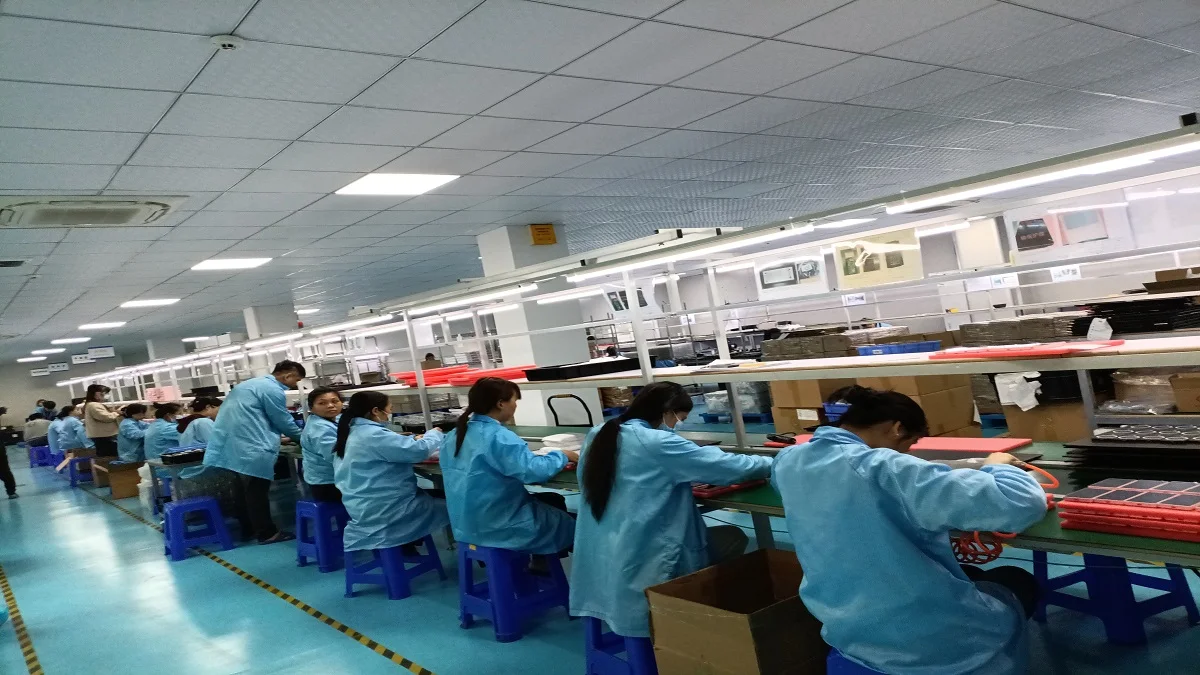
Shenzhen Baiyoudi Electronics Co., Ltd.
- Manufacturer
- guangdong, China
- Lead time35 days
- Avg. response≤ 1h
Main productsCustom PCB, PCB Assembly, Component Procurement
Main marketsDomestic Market(52.00%), Northern Europe(13.00%), South Asia(10.00%), North America(5.00%), Eastern Asia(5.00%), Southeast Asia(5.00%), Mid East(3.00%), South America(2.00%), Western Europe(2.00%), Eastern Europe(2.00%), Africa(1.00%)
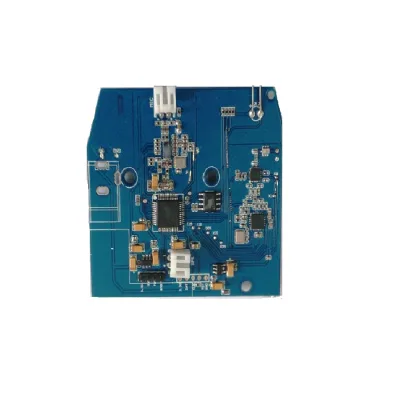
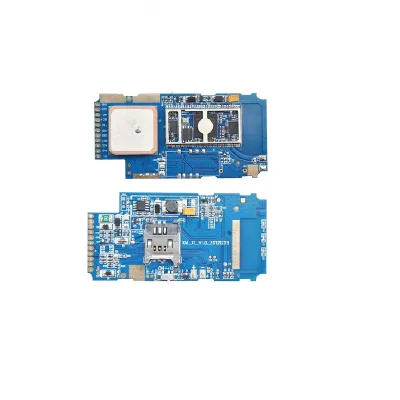
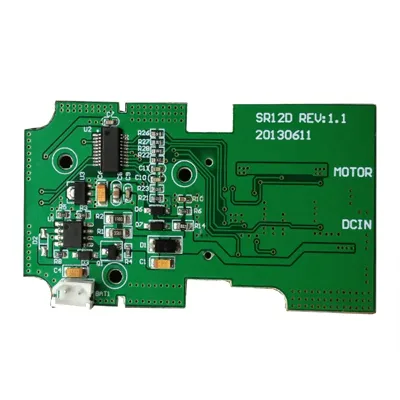
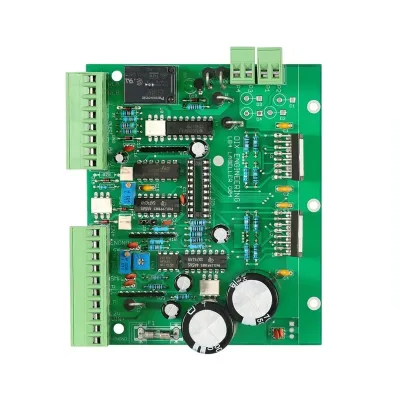
Professional OEM PCBA Contract Manufacturing Services-Electronic Assembly for Amplification
$20.3159
MOQ: 10 Minimum

- Manufacturer/Factory
- China Guangdong
- Lead time15 days
- Avg. response≤ 16h
Main productsPCB, PCBA, Electronic Manufacturing Service, OEM Service, Circuit Board
Main marketsSouth America,Eastern Europe,Mid East,North America,Southeast Asia,Eastern Asia,Oceania,Western Europe,Africa

PCBA Manufacturer Provide PCB Circuit Board SMT Electronic Component PCB Assembly Service
$0.01 - $50.00
MOQ: 1 Pieces

Shenzhen Cxcw Electronic Co., Ltd.
- Verified by TüVRheinland
- Trading Company
- Lead time3 days
- Avg. response≤ 2h
Main productsIntegrated Circuit, Communication Module, Display Device, Servo Motor, Camera Modules
Main marketsNorth America(20%), Eastern Europe(20%), Southeast Asia(20%)

Shenzhen Chanzeho Technology Co., Limited
- Verified by TUVRHEINLAND
- Combined
- China Guangdong
- Lead time30 days
- Avg. response≤ 3h
Main marketsDomestic
Dongguan Digent Intelligent Manufacturing Technology Co., Ltd.
- Manufacturer, Trading Company
- Guangdong, China
- Lead time5 days
- Avg. response≤ 9h
Main productsPower module,AC-DC power supply,DC-DC power supply,OEM,ODM
Main marketsSoutheast Asia(100.00%)

Guangdong Global Well Electronic Limited
- Verified by CTI
- Trading Company
- China Guangdong
- Lead time15 days
- Avg. response≤ 4h
Main productsOEM/ODM PCB+PCBA+Chip, Wire Harness OEM/ODM, Connector OEM/ODM, Assembly Finished Products, PCB Board OEM/ODM, PCB Assembly OEM/ODM, Electronic Components IC Chips
Main marketsSouth America,Southeast Asia/ Mideast,East Asia(Japan/ South Korea),Europe,North America

Shenzhen XinYingxin Electronics Technology Co., Ltd.
- Trading Company,Manufacturer/Factory
- China Guangdong
- Lead time38 days
- Avg. response≤ 9h
Main productsElectric Fireplace APP Control Board, Fireplace&Appliance Customizing Control Board, Intelligent Home System Products, Modern Electric Fireplace, Fireplace Electronics Accessories, Wood Plastic Composite Flooring, Electric Fireplace
Main marketsSouth America,Eastern Europe,Mid East,North America,Southeast Asia,Eastern Asia,Oceania,Western Europe,Africa
Shenzhen Aideshun Technologies Co., Ltd.
- Manufacturer, Agent
- Guangdong, China
- Lead time3 days
- Avg. response≤ 16h
Main productsGSM GPRS Module,GPS Module,PCB,PCBA,IC
Main marketsSouthern Europe(10.00%), Northern Europe(10.00%), Western Europe(10.00%), Eastern Asia(10.00%), Mid East(10.00%), Africa(10.00%), Southeast Asia(10.00%), Eastern Europe(10.00%), South America(10.00%), North America(10.00%)
Shenzhen Chengjieda Industry Limited
- Verified by Intertek
- Trading Company
- Lead time7 days
- Avg. response≤ 5h
Main productsPCBA, UPS, Inverter, Portable Power station, Battery
Main marketsNorth America(45%), Eastern Europe(20%), South America(10%)
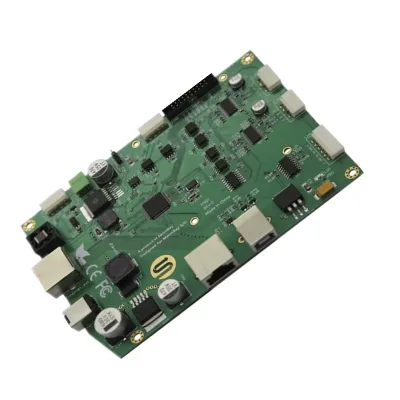
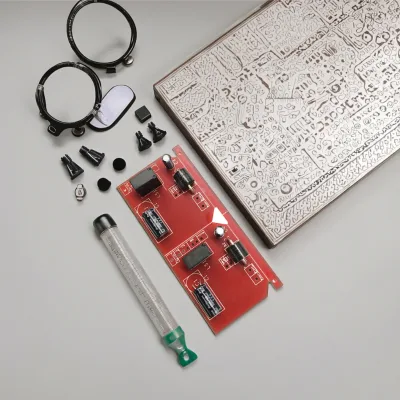
PCBA Circuit Electronic Board Design and Assembly Manufacturer of Elevator Control Board
$1.0268 - $3.0804
MOQ: 1 pieces
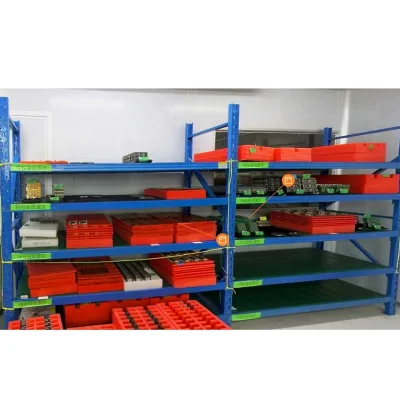
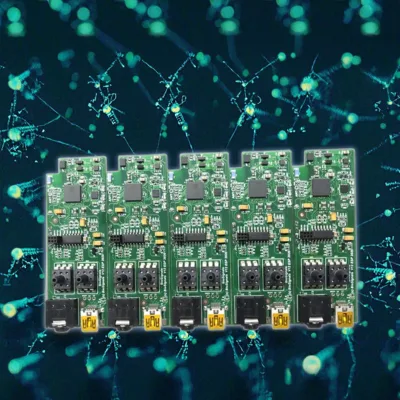
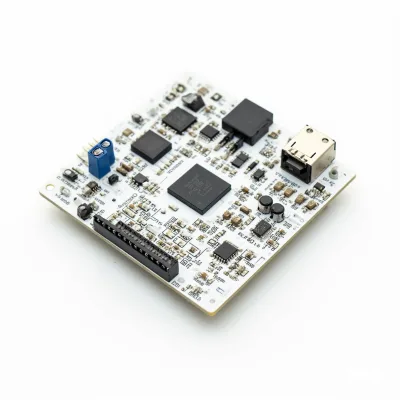
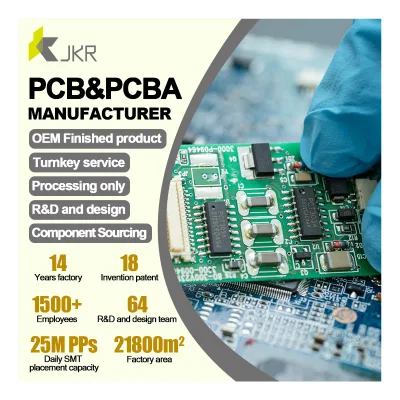
Shenzhen Jkr Precision Technology Co., Ltd.
- Verified by SGS Group
- Manufacturer, Trading Company
- Lead time15 days
- Avg. response≤ 2h
Main productsPCBA
Main marketsNorth America(40%), Southeast Asia(30%), Western Europe(30%)
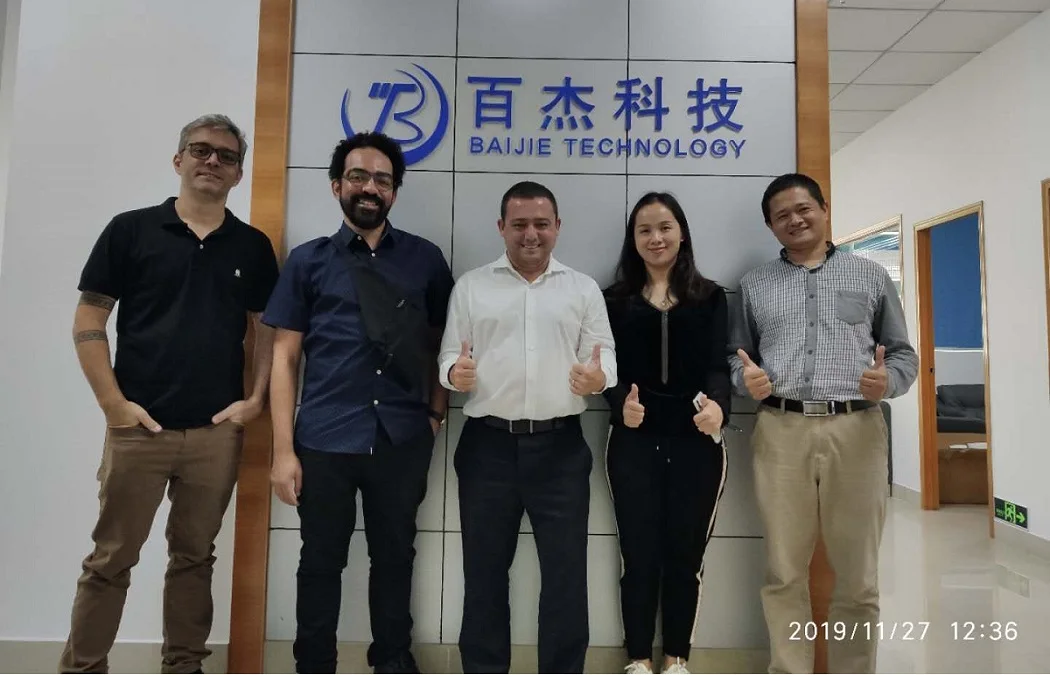
Shenzhen Baijie Technology Co., Ltd.
- Manufacturer, Trading Company
- Guangdong, China
- Lead time15 days
- Avg. response≤ 1h
Main productsDevelopment board,hardware customize,software service,embedded development board,core board
Main marketsNorth America(20.00%), Western Europe(10.00%), Domestic Market(10.00%), Mid East(10.00%), Oceania(10.00%), Southeast Asia(10.00%), Eastern Europe(10.00%), Eastern Asia(5.00%), South Asia(5.00%), Southern Europe(5.00%), Central America(5.00%)
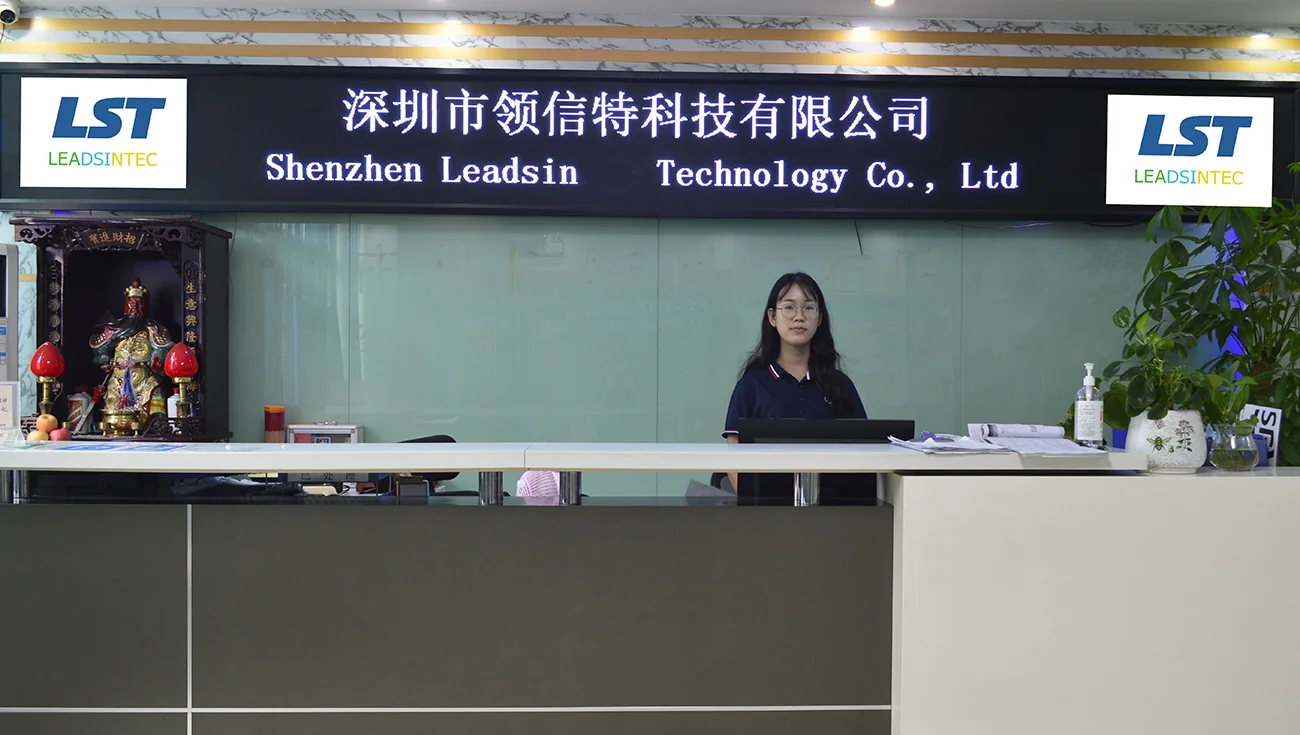
Shenzhen Leadsintec Technology Co., Ltd.
- Manufacturer, Trading Company
- Guangdong, China
- Lead time25 days
- Avg. response≤ 3h
Main productsPCB manufacturing,PCB assembly,PCB design,PCBA Manufacturing,PCBA Assembly
Main marketsNorthern Europe(40.00%), Domestic Market(10.00%), Southern Europe(10.00%), North America(10.00%), Western Europe(10.00%), Oceania(5.00%), Africa(5.00%), Eastern Europe(5.00%), South America(5.00%)

ShenZhen Nova Semiconductor Co., Ltd.
- Verified by TUVRHEINLAND
- Trading Company
- China Guangdong
- Lead time15 days
- Avg. response≤ 7h
Main productsIC, Resistor, Capacitor, Sensor, Transistor, Diode, Triode, Passive Components, Drive IC, PCBA
Main marketsSouth America,Southeast Asia/ Mideast,East Asia(Japan/ South Korea),Europe,Australia,North America


PCBA Assembling Service Professional Electronic Circuit Board PCB Circuit Boards DIP
$1.00 - $10.00
MOQ: 1 Pieces

Shenzhen Deyunfu Electronic Technology Co., Ltd.
- Manufacturer, Trading Company, Business Service (Transportation, finance, travel, Ads, etc)
- Guangdong, China
- Lead time20 days
- Avg. response≤ 7h
Main productsPCBA Assembly,Electronic Manufacturing Services,ODM PCBA,OEM PCBA,SMT DIP
Main marketsSouth America(25.00%), North America(20.00%), Eastern Europe(15.00%), Northern Europe(10.00%), Africa(10.00%)
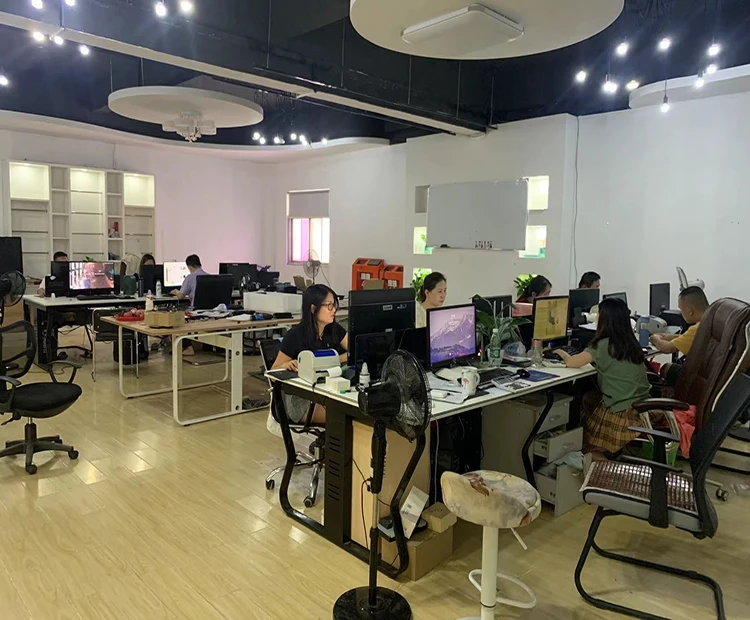
Shenzhen Futian District Hongxingyeda Electronic Firm
- Manufacturer, Trading Company
- Guangdong, China
- Lead time3 days
- Avg. response≤ 4h
Main productschip,integrated circuit,ic,transistor,crystal
Main marketsNorth America(30.00%), Northern Europe(10.00%), Southern Europe(10.00%), South America(10.00%), Domestic Market(5.00%), Central America(5.00%), Western Europe(5.00%), Eastern Asia(5.00%), Eastern Europe(5.00%), South Asia(5.00%), Africa(5.00%), Mid East(3.00%), Southeast Asia(1.00%), Oceania(1.00%)

Shenzhen Jia Cheng Electric Co., Ltd.
- Verified by SGS
- Combined
- China Guangdong
- Lead time15 days
- Avg. response≤ 13h
Main productsIndustrial Wire Harness, Automatic Wire Harness, Medical Wire Harness, Electrical Cabinet-Group, PCBA-Group, Mechanical Fabrication-Group, Smart POS Terminal-Group, Table POS, Ice Maker-Group, Kiosk-Group
Main marketsDomestic,Europe,Australia,North America





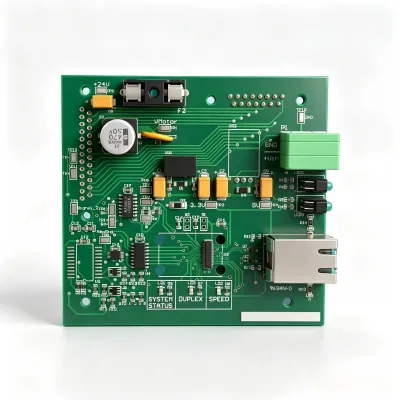


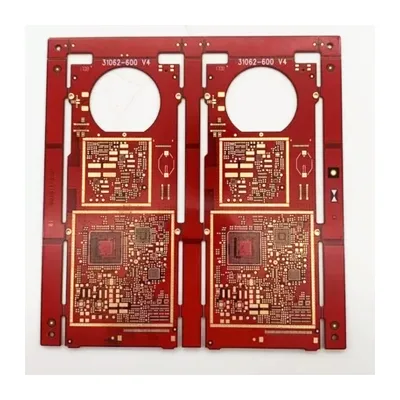
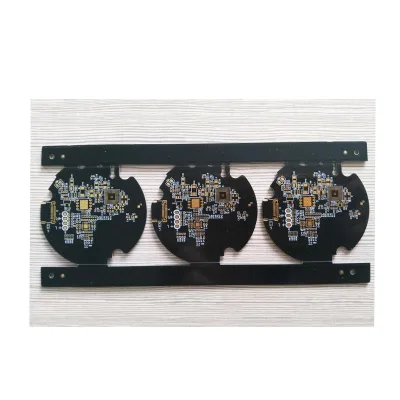


Comprehensive Sourcing Guide
SMT and DIP PCB and PCBA Assembly Supplier Concentration and Factory Types
The current supplier landscape for SMT and DIP PCB and PCBA Assembly reveals a distinct geographic concentration in China, specifically within the Guangdong region. This area serves as a critical hub for electronic manufacturing, offering a dense ecosystem of component suppliers, logistics networks, and specialized assembly facilities. Buyers evaluating potential partners should recognize that this regional clustering facilitates rapid prototyping and scalable production runs due to the proximity of raw material sources and skilled labor pools. The presence of manufacturers in Guangdong often correlates with established supply chain efficiencies, allowing for quicker turnaround times on complex multilayer circuit board projects. When assessing suppliers, it is essential to verify their specific operational base, as the density of factories in this province can influence both lead times and communication responsiveness. Understanding this geographic context helps buyers anticipate the logistical advantages and potential constraints associated with sourcing from this primary manufacturing cluster.
Supplier types in this sector vary significantly, ranging from pure manufacturers to combined entities that blend trading and production capabilities. Many listed suppliers identify as manufacturers or factories, indicating direct control over the SMT and DIP assembly lines, which can offer greater transparency in quality control and cost structures. Conversely, some suppliers operate as trading companies or combined entities, which may provide broader sourcing capabilities for electronic components but might introduce additional layers in the communication chain. It is crucial for buyers to distinguish between these models based on their specific needs for customization, volume, and direct technical support. Combined companies often offer OEM and ODM services, suggesting flexibility in design adaptation, while pure manufacturers might excel in high-volume standardization. Evaluating the company type helps buyers determine the level of direct engagement they will have with the production process, influencing decisions on intellectual property protection and technical troubleshooting.
How to Verify SMT and DIP PCB and PCBA Assembly Suppliers
Verification is a critical step in mitigating risk when sourcing SMT and DIP PCB and PCBA Assembly services, particularly given the technical complexity of the products. Buyers should prioritize suppliers who hold recognized system certifications, such as ISO9001:2015, ISO14001, and industry-specific standards like ISO13485 for medical applications or TS16949 for automotive electronics. These certifications indicate a structured approach to quality management and environmental responsibility, which are vital for consistent production quality. Additionally, third-party verification badges, such as those from Bureau Veritas (BV), provide an external validation of the supplier’s business legitimacy and operational capabilities. Buyers must actively check for these credentials on supplier profiles rather than relying solely on self-reported claims. The presence of multiple certifications suggests a mature facility capable of meeting diverse regulatory requirements across different end markets, from consumer electronics to industrial control systems.
Beyond certifications, buyers should scrutinize the supplier’s response time and verification status to gauge reliability and engagement levels. A rapid response time, such as under three hours, often indicates a dedicated sales and technical support team that can address urgent queries or design changes efficiently. This metric is particularly important for projects requiring fast turnarounds or iterative prototyping phases. Furthermore, examining the supplier’s main products and service offerings can reveal their specialization; for instance, a focus on one-stop turnkey services suggests comprehensive capabilities in component sourcing and assembly. Buyers should also look for evidence of testing services, such as AOI, X-ray, and functional testing, which are essential for ensuring the integrity of SMT and DIP assemblies. Verifying these operational details helps buyers assess whether a supplier has the technical depth and organizational structure to handle their specific project requirements effectively.
What to Compare Across SMT and DIP PCB and PCBA Assembly Suppliers
When comparing suppliers, lead time and minimum order quantity (MOQ) are pivotal factors that impact project planning and inventory management. Lead times can vary significantly, with some suppliers offering rapid sample delivery within three days, while standard production runs may require up to thirty days. Buyers must align these timelines with their product launch schedules and demand forecasts to avoid stockouts or excess inventory. Similarly, MOQs range from low thresholds suitable for prototyping to higher volumes required for cost-effective mass production. Understanding these parameters allows buyers to segment their sourcing strategy, using low-MOQ suppliers for initial validation and high-capacity manufacturers for scale. It is also important to note that customization availability often influences these metrics, as bespoke designs may extend lead times or increase MOQs due to setup complexities.
Response speed and production capacity are additional dimensions that differentiate suppliers in the SMT and DIP PCB and PCBA Assembly market. Suppliers with faster response times can facilitate quicker decision-making and problem resolution, which is crucial for maintaining project momentum. Capacity metrics, such as SMT soldering pad output per day, provide insight into a supplier’s ability to handle large orders without compromising quality or schedule. Buyers should also compare the range of services offered, including design assistance, component sourcing, and post-assembly testing. A supplier offering comprehensive testing services like AOI and functional testing adds value by reducing the risk of defective units reaching the end customer. By systematically evaluating these operational metrics, buyers can identify suppliers that best match their specific volume, speed, and quality requirements, ensuring a balanced approach to supplier selection.
Common SMT and DIP PCB and PCBA Assembly Sourcing Risks
One significant risk in sourcing SMT and DIP PCB and PCBA Assembly is the potential for quality inconsistencies, particularly when dealing with multilayer or high-density interconnect (HDI) boards. Variations in material quality, such as the use of different FR-4 grades or copper thicknesses, can affect the electrical performance and durability of the final product. Buyers must ensure that suppliers adhere to strict material specifications and provide detailed documentation for all components used in the assembly process. Another risk is the lack of transparency in the supply chain, especially when suppliers act as intermediaries rather than direct manufacturers. This can lead to difficulties in tracing component origins and verifying authenticity, which is critical for industries with stringent regulatory requirements. Buyers should demand clear visibility into the sourcing of passive and active components to mitigate the risk of counterfeit parts entering the production line.
Communication and intellectual property risks are also prevalent in this sector, particularly when working with overseas suppliers. Language barriers and time zone differences can lead to misunderstandings regarding design specifications and assembly instructions, resulting in costly rework or scrap. Additionally, the protection of proprietary designs and circuit layouts is a concern, as unauthorized replication or leakage of intellectual property can undermine competitive advantage. Buyers must implement robust non-disclosure agreements and secure data transfer protocols to safeguard their designs. Furthermore, reliance on a single supplier for critical components can create supply chain vulnerabilities, especially during global shortages or logistical disruptions. Diversifying the supplier base and maintaining safety stock of key components can help mitigate these risks, ensuring business continuity and reducing dependency on any single source for SMT and DIP assembly services.
SMT and DIP PCB and PCBA Assembly Regional Sourcing and Logistics
Sourcing SMT and DIP PCB and PCBA Assembly from the Guangdong region in China offers distinct logistical advantages due to its proximity to major ports and established shipping routes. This geographic positioning facilitates efficient export processes, reducing transit times for finished goods destined for global markets. Buyers should consider the impact of regional logistics infrastructure on overall delivery performance, as well as the availability of specialized packaging solutions to protect sensitive electronic assemblies during transit. Proper packaging, including static-dissipative bags and shockproof materials, is essential to prevent damage to PCBs and components. Additionally, the concentration of suppliers in this area often leads to competitive shipping rates and flexible logistics options, allowing buyers to choose between air freight for urgent orders and sea freight for cost-effective bulk shipments. Understanding these logistical dynamics helps buyers optimize their supply chain for both speed and cost efficiency.
However, regional sourcing also presents challenges related to customs clearance and import regulations in the destination country. Buyers must ensure that their suppliers comply with international shipping standards and provide accurate documentation to facilitate smooth customs processing. This includes proper labeling, commercial invoices, and certificates of origin. Furthermore, buyers should be aware of potential tariffs and duties that may apply to electronic components and assemblies, which can impact the total landed cost. Working with suppliers who have experience in international logistics can help navigate these complexities, ensuring that shipments arrive on time and in compliance with local regulations. Additionally, buyers should consider the environmental impact of shipping and explore options for sustainable packaging and carbon-neutral logistics where possible. By carefully managing regional logistics, buyers can enhance the reliability and cost-effectiveness of their SMT and DIP assembly supply chain.
SMT and DIP PCB and PCBA Assembly Commercial Terms and Order Planning
Commercial terms in SMT and DIP PCB and PCBA Assembly sourcing often involve negotiated pricing structures based on volume, complexity, and component sourcing responsibilities. Buyers should clarify whether quotes include the cost of components, assembly labor, testing, and packaging, as well as any additional fees for design changes or expedited services. Clear understanding of payment terms, such as deposits and balance payments upon shipment, is crucial for cash flow management. Additionally, buyers must define the scope of warranty and after-sales support, including procedures for handling defective units or rework requests. Establishing these terms upfront helps prevent disputes and ensures that both parties have a shared understanding of their obligations. It is also important to consider the impact of currency fluctuations and exchange rates on pricing, especially for long-term contracts.
Order planning requires careful coordination of design finalization, component procurement, and production scheduling to avoid delays. Buyers should provide complete and accurate design files, including BOMs and Gerber files, to minimize revisions and ensure smooth production. Regular communication with the supplier regarding production status and potential bottlenecks is essential for proactive issue resolution. Furthermore, buyers should plan for quality assurance activities, such as pre-shipment inspections or third-party testing, to verify that the delivered assemblies meet specified standards. By integrating these commercial and planning considerations into their sourcing strategy, buyers can enhance the predictability and efficiency of their SMT and DIP assembly projects. Effective order planning not only reduces lead times but also improves overall product quality and customer satisfaction, leading to stronger supplier relationships and long-term business success.
FAQs
What is the typical lead time for PCBA assembly?
Lead times vary by supplier complexity, with standard production cycles reported at 30 days for full assembly runs. Some manufacturers offer expedited sample delivery within 3 days for prototype validation. Buyers should confirm specific timelines based on layer count and component sourcing requirements before placing orders.
What certifications do PCBA suppliers typically hold?
Many suppliers hold ISO9001:2015 certificates for quality management systems. Additional certifications often include ISO14001, CE, RoHS, UL, and ISO13485 for medical applications. Some also maintain TS16949 for automotive electronics. Buyers should verify specific certificates relevant to their industry compliance needs during supplier evaluation.
What is the minimum order quantity for PCBA services?
Minimum order quantities range from 1 unit for prototype samples to 10 units for small batch production. Some suppliers accept single-unit orders for testing purposes. Higher volumes may unlock better pricing tiers. Buyers should clarify MOQ requirements early to ensure alignment with their production scale and budget constraints.
What testing services are included in PCBA assembly?
Standard testing services include AOI, X-ray inspection, and functional testing. Some providers offer 100% AOI, LCT, and FCT testing for quality assurance. Additional options may include ICT and burn-in testing. Buyers should specify testing requirements to ensure comprehensive defect detection and product reliability validation.
What materials are used in PCB manufacturing?
Common base materials include FR4, CEM-1, CEM-3, FR1, and aluminum. Insulation materials vary from organic resin to metal composites. Copper thickness and dielectric properties are customizable. Buyers should select materials based on thermal, electrical, and mechanical requirements for their specific electronic device applications.
What is the response time for supplier inquiries?
Response times vary, with some suppliers replying within 2.66 hours and others taking up to 6.82 hours. Faster response times indicate higher availability and customer service efficiency. Buyers should prioritize suppliers with quicker response rates to ensure timely communication throughout the sourcing and production process.
What surface finishes are available for PCBs?
Available surface finishes include HASL, OSP, and immersion gold. Options may be lead-free or leaded depending on application requirements. Solder mask colors include blue, green, red, black, and white. Buyers should choose finishes based on solderability, corrosion resistance, and compliance with environmental regulations.