Soft Closing Folding Ironing Board Suppliers and Manufacturers
Source 18 verified suppliers for Soft Closing Folding Ironing Board units. Compare key dimensions including Zhejiang and Guangdong origins, ISO certifications, and response times. Contact suppliers directly to request quotes and verify lead times; review the available evidence before requesting comparable quotations from suitable candidates.
Updated
Suppliers List
Dongyang Jiucheng Household Products Co., Ltd.
- Manufacturer, Trading Company
- Zhejiang, China
- Lead time0 days
- Avg. response≤ 1h
Main productsironing board,Storage Cart,Ironing Clothes,Ironing Board Cover,Foldable Hanger
Main marketsMid East(20.00%), North America(20.00%), Southeast Asia(15.00%), Southern Europe(10.00%), Northern Europe(10.00%), South Asia(10.00%), Western Europe(5.00%), Domestic Market(5.00%), South America(3.00%), Eastern Europe(2.00%)

GUANGZHOU WELLMAX HOUSEHOLD CORP. LTD
- Combined
- China Guangdong
- Lead time30 days
- Avg. response≤ 25h
Main productsKitchen Accessories Furniture Hardware, Pull out Basket, Pull Down Basket, Drawer Basket, Wire Basket, Steel Basket, Metal Basket, Wardrobe Accessories, Bar Accessories, Bathroom Accessories
Main marketsSouth America,Africa,Southeast Asia/ Mideast,East Asia(Japan/ South Korea),Domestic,Europe,Australia,North America

- Trading Company,Manufacturer/Factory
- China Guangdong
- Lead time23 days
- Avg. response≤ 11h
Main productsHotel Amenity, Hotel Supplies, Hair Dryer, Ironing Board, Safe Box, Ice Bucket, Magnifying Mirror, Luggage Rack, Waste Bin, Electric Kettle
Main marketsSouth America,Eastern Europe,Mid East,North America,Southeast Asia,Eastern Asia,Oceania,Western Europe,Africa
Chenrui Home Furnishing (Shandong) Co., Ltd.
- Verified by SGS Group
- Manufacturer, Trading Company
- Lead time7 days
- Avg. response≤ 2h
Main productsFloor Type Clothes Hanger, Shoe Rack, Folding Table
Main marketsDomestic Market(50%), Southeast Asia(20%), South Asia(8%)
Yiwu Changming Import And Export Co., Ltd.
- Trading Company
- Zhejiang, China
- Lead time10 days
- Avg. response≤ 1h
Main productsHousehold Organizer,Cloth Rack,Kitchen Rack,Home Storage Rack,Appliance
Main marketsEastern Europe(95.00%), Eastern Asia(5.00%)

- Verified by BV
- Combined
- China Anhui
- Lead time15 days
- Avg. response≤ 6h
Main productsStorage Basket, Laundry Basket, Kitchen Rack, Storage Shelf, Storage Jar, RPET Tableware Set, Matcha Whisk, Handmade Storage Basket, Wall & Table Decoration, Hamper
Main marketsSouth America,Southeast Asia/ Mideast,North America

Jinhua Aobowei Technology Co., Ltd
- Verified by SGS
- Combined
- China Zhejiang
- Lead time23 days
- Avg. response≤ 3h
Main productsIroning Board, Table Clothes
Main marketsSoutheast Asia/ Mideast,Europe,North America


$8.50 - $9.50
MOQ: 200 Pieces

Top Ironing Board with Cotton Cover Foldable Design Multifunctional Clothes Rack
$11.50 - $12.90
MOQ: 5 Pieces
Jiangmen Jindeng Industrial Co., Ltd.
- Manufacturer
- Guangdong, China
- Lead time45 days
- Avg. response≤ 4h
Main productsironing board,ironing board cover,ironing mats,ironing pad,seersucker fabric
Main marketsEastern Europe(20.00%), Southeast Asia(15.00%), Eastern Asia(15.00%), Western Europe(15.00%), North America(10.00%), Southern Europe(10.00%), Domestic Market(5.00%), Mid East(3.00%), Oceania(3.00%), Northern Europe(2.00%), South America(2.00%)
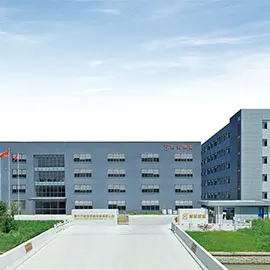
Jiaxing Faro Housewares Co., Ltd.
- Manufacturer, Trading Company
- Zhejiang, China
- Lead time0 days
- Avg. response≤ 19h
Main productsIroning board,ladder,folding chair,clothes dryer,box
Main marketsSouthern Europe(9.09%), Northern Europe(9.09%), Central America(9.09%), Western Europe(9.09%), Eastern Asia(9.09%), Mid East(9.09%), Oceania(9.09%), Southeast Asia(9.09%), Eastern Europe(9.09%), South America(9.09%), North America(9.09%)
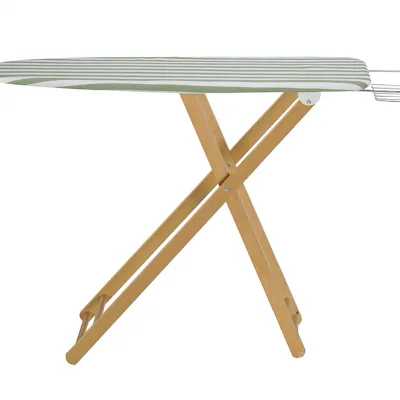
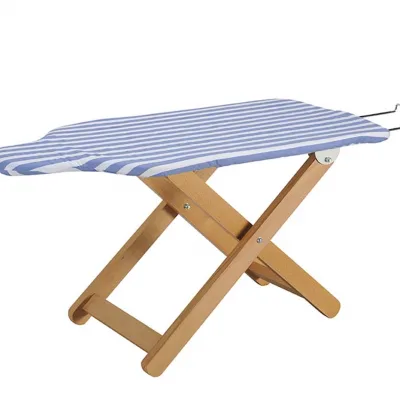
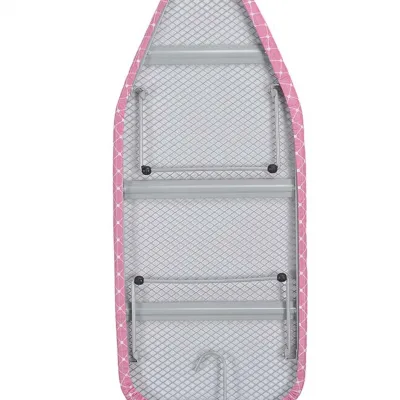
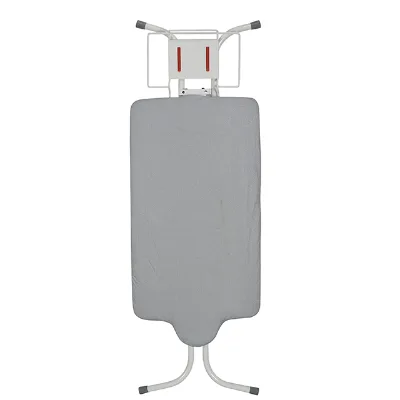
Dry Cleaning Table Top Pocket Folding Table Top Ironing Board with Good Quality
$15.30 - $15.50
MOQ: 300

Taizhou Haifeng Machinery Manufacturing Co., Ltd.
- Manufacturer/Factory
- China Jiangsu
- Lead time23 days
- Avg. response≤ 7h
Main productsLaundry Equipment, Tumble Dryer, Laundry Machine, Industrial Washing Machine, Spinner, Industrial Drying Machine, Washing and Dewatering Machine, Industrial Washing Equipment, Industrial Washer Extractor, Ironing Machine

- Verified by SGS
- Trading Company
- China Zhejiang
- Lead time15 days
- Avg. response≤ 16h
Main productsMop, Kitchen Knife, Chopping Board, Blanket, Mosquito Net, Cushion, Slipper, Broom, Luggage, Educational Toy
Main marketsEurope,Australia

Versatile Durable Portable Folding Tabletop Ironing Board with Convenient Iron Rest
$6.21 - $6.29
MOQ: 160 Pieces

Premium Fold Durable Sturdy Space Saving Ironing Board with Large Iron Rest
$11.10 - $11.34
MOQ: 90 Pieces

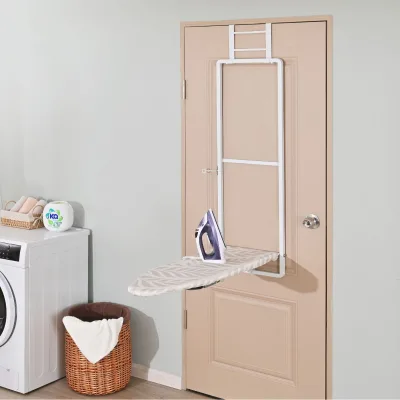
Wall-Mounted Ironing Board Cabinet Farmhouse Door Foldable Storage Station Easy-Release Lever
$67.50 - $68.05
MOQ: 15 Pieces

Deluxe Foldable Adjustable Height Ironing Board with Extra Cover and Storage Compartment
$6.20 - $6.30
MOQ: 160 Pieces

Premium Solid Ironing Board with Steam Iron Rest Adjustable Height Extra Cover
$7.60 - $7.84
MOQ: 130 Pieces

Colorful Foldable Space Saving Ironing Board Easy Storage Adjustable Height with Extra Cover
$6.60 - $6.72
MOQ: 150 Pieces
Jinhua Aubowei Technology Co., Ltd.
- Verified by Intertek
- Manufacturer, Trading Company
- Lead time20 days
- Avg. response≤ 3h
Main productsIroning Board, Tablecloth, Air Conditioner Cover, Wash Machine Cover, Sofa Cover
Main marketsNorth America(30%), Western Europe(30%), Eastern Europe(20%)
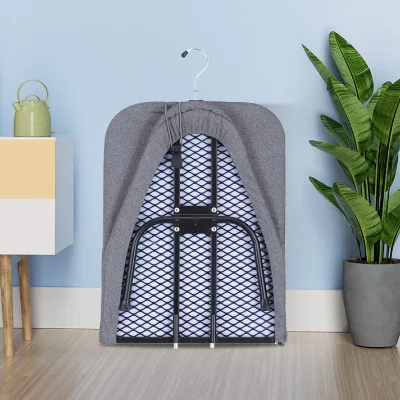
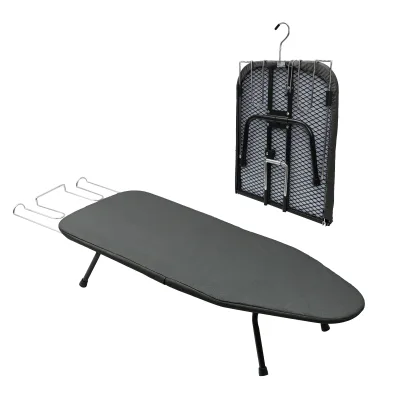
Ticket folding mini ironing board for business trip use
$9.90 - $14.00
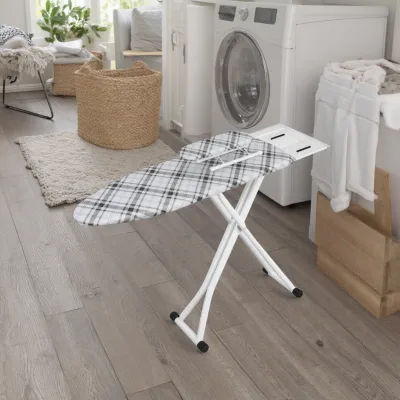
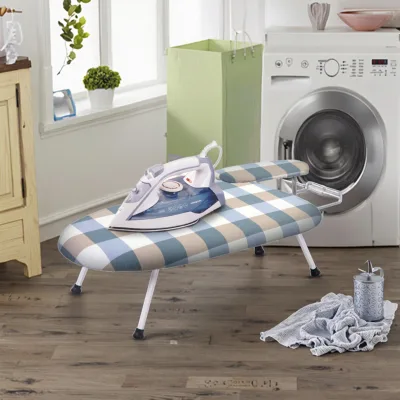
Small Plastic Tabletop Ironing Board with Folding Legs-Foldable Portable Travel Board Space-Saving
$3.8941 - $6.0468
MOQ: 50 pieces
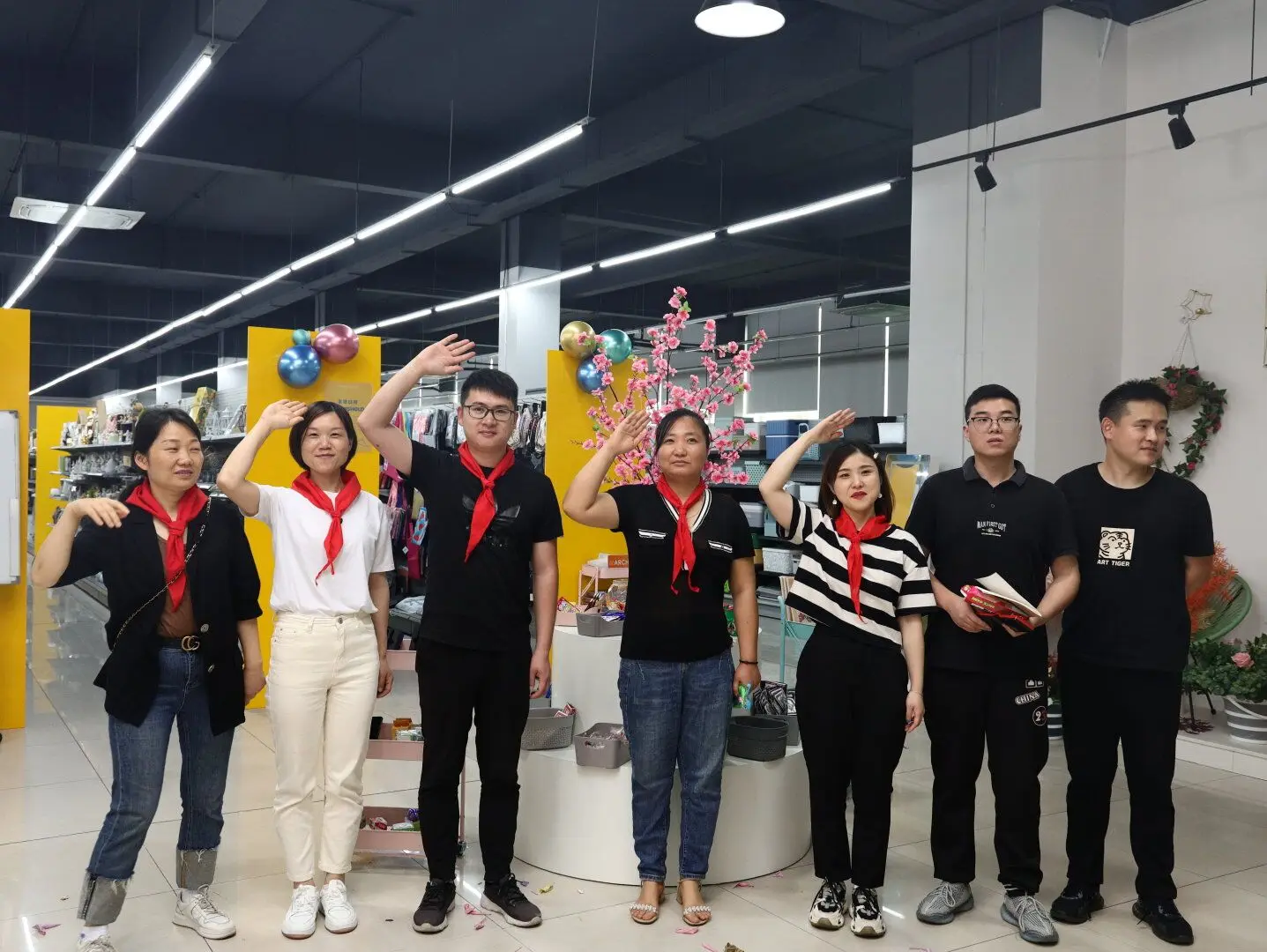
Ningbo Homecrest Imp.& Exp. Co., Ltd.
- Trading Company
- Zhejiang, China
- Lead time20 days
- Avg. response≤ 6h
Main productsKitchen Organizer, Home Organizer, Bathroom Organizer, Home Decor
Main marketsNorth America(40.00%), Northern Europe(40.00%), Oceania(10.00%), Eastern Asia(10.00%)
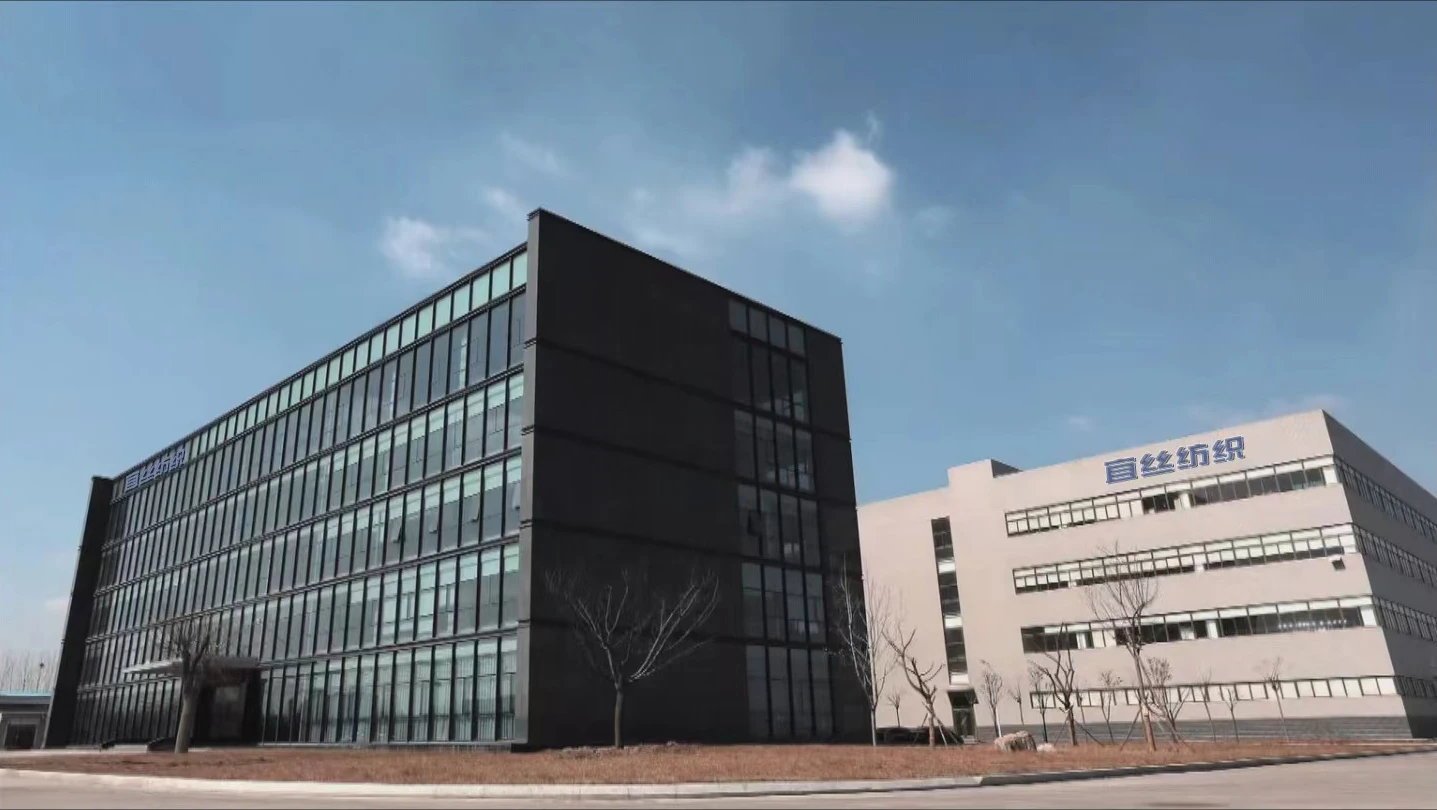
- Manufacturer, Trading Company
- Shandong, China
- Lead time15 days
- Avg. response≤ 1h
Main productsBaby clothing,Baby clothing sets,Baby Gift Set,Baby Play Mat,Household supplies
Main marketsNorth America(51.00%), Southeast Asia(12.00%), Western Europe(10.00%), Mid East(5.00%), South Asia(5.00%), Northern Europe(5.00%), Eastern Europe(3.00%), South America(3.00%), Africa(2.00%), Central America(2.00%), Eastern Asia(2.00%)
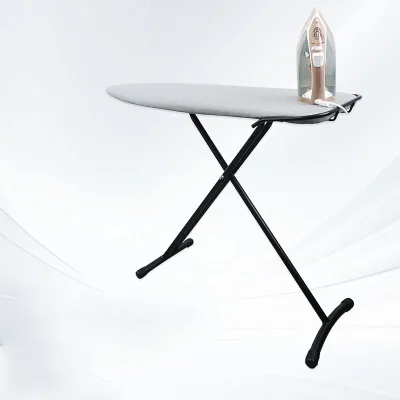
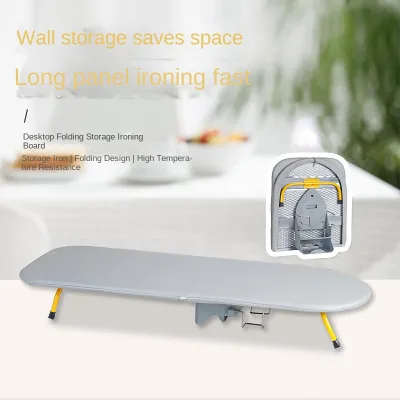
$15.4208 - $18.323
MOQ: 2 pieces
Guilin Li & Mei Resource Co., Ltd.
- Trading Company
- Guangxi, China
- Lead time30 days
- Avg. response≤ 7h
Main productsWooden Hanger, Metal Hanger, Plastic Hanger, Velvet Hanger
Main marketsNorth America(25.00%), Western Europe(25.00%), Southeast Asia(25.00%), South America(10.00%), Southern Europe(5.00%), Northern Europe(5.00%), Eastern Europe(5.00%), South Asia(0.00%), Eastern Asia(0.00%), Oceania(0.00%), Central America(0.00%), Africa(0.00%), Domestic Market(0.00%), Mid East(0.00%)
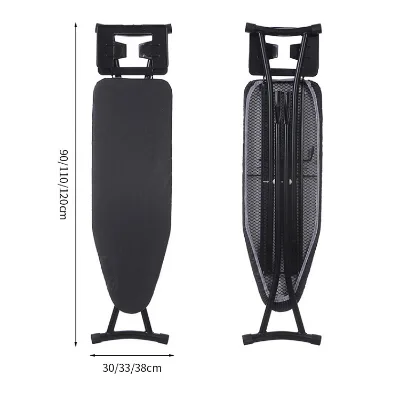
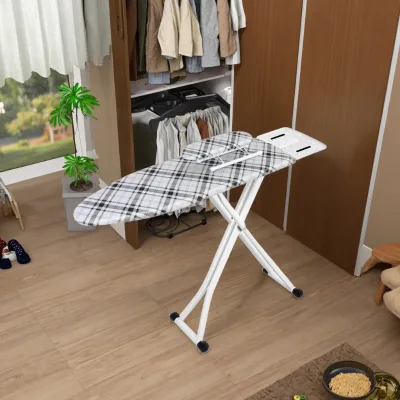
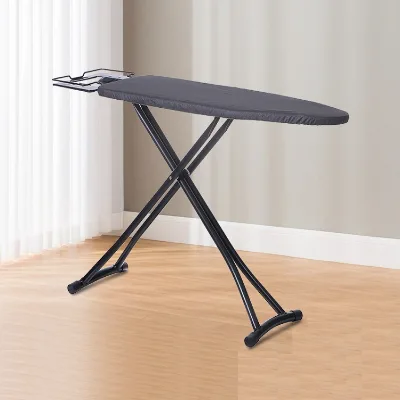
Multi-functional Adjustable Free Standing Foldable Wardrobe Ironing Board
$10.0636 - $12.4766
MOQ: 6 pieces
Jiaxing Aifute Household Products Co., Ltd.
- Verified by TüVRheinland
- Trading Company
- Lead time25 days
- Avg. response≤ 8h
Main productsStorage Boxes, Laundry Basket, Suit Bag, Ironing Board, Travel Bag
Main marketsNorth America(60%), Eastern Europe(20%), Western Europe(20%)
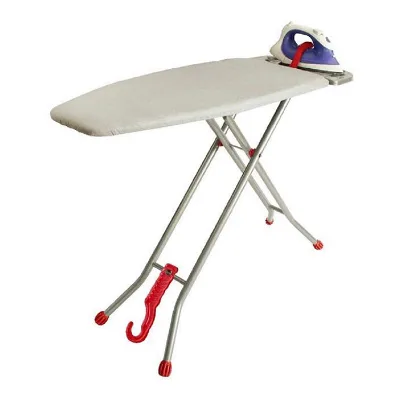
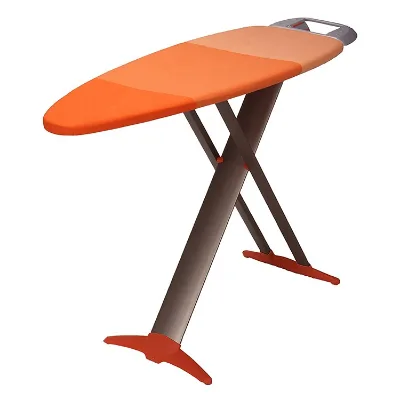
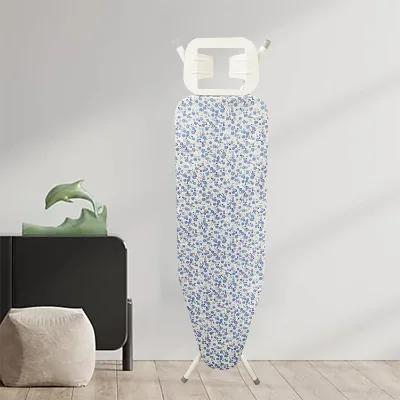
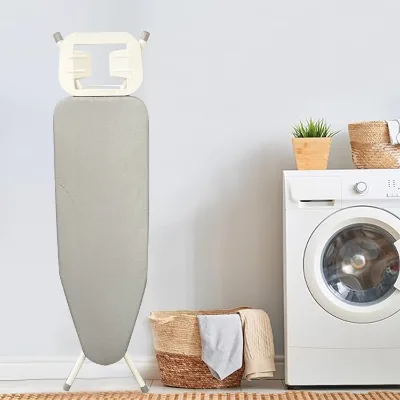
Customizable Lightweight Hotel Ironing Table Board with Smart Hanger Easy Storage Design
$7.69 - $7.99
MOQ: 1000
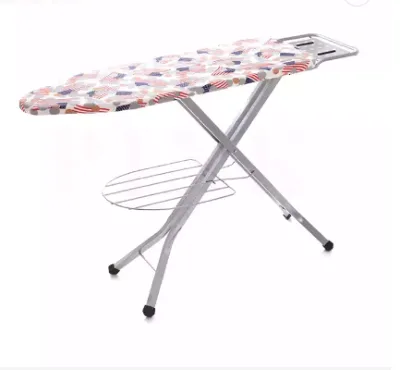

Jiangsu Sunflower Machinery Co., Ltd.
- Combined
- China Jiangsu
- Lead time23 days
- Avg. response≤ 4h
Main productsWashing Machine, Laundry Machine, Laundry Equipment, Tumble Dryer, Washer Extractor, Industrial Washer, Flat Work Ironer, Ironing Machine, Steam Press, Folding Machine
Main marketsSouth America,Africa,Southeast Asia/ Mideast,East Asia(Japan/ South Korea),Domestic,Europe,Australia,North America

High Quality Industry Laundry Durable Equipment Clothes Ironing Table Board
$100.00 - $2000.00
MOQ: 1 Pieces

Hot Style Efficient Vacuum Blowing Ironing Board Industrial Laundry Clothes Ironing Table
$100.00 - $2000.00
MOQ: 1 Pieces

Taizhou Woxin Keling Machinery Equipment Co., Ltd.
- Verified by SGS
- Trading Company
- China Jiangsu
- Lead time15 days
- Avg. response≤ 8h
Main productsLaundry Equipment Washing Machine, Industrial Washing Machine, Dehydrator, Industrial Dewatering Machine, Thumble Dryer
Main marketsDomestic




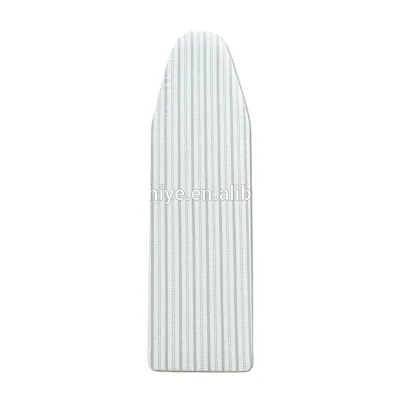


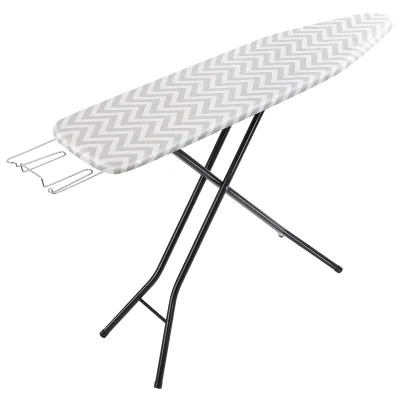
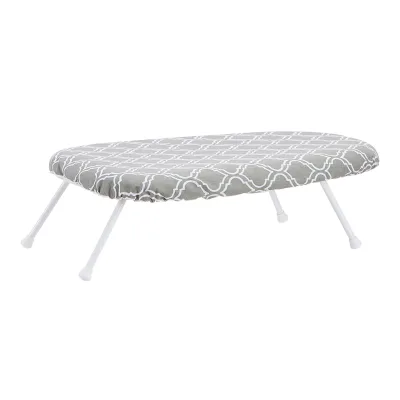


Comprehensive Sourcing Guide
Soft Closing Folding Ironing Board Supplier Concentration and Factory Types
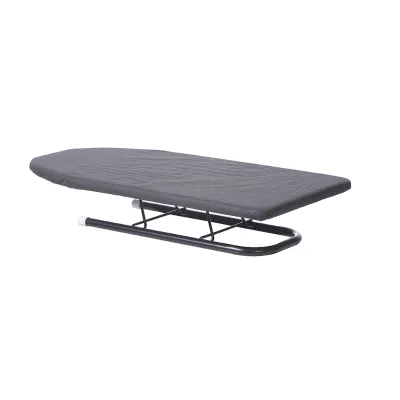
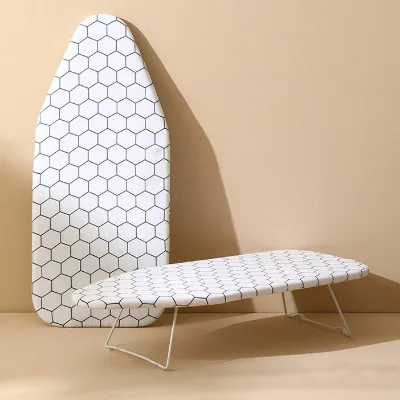
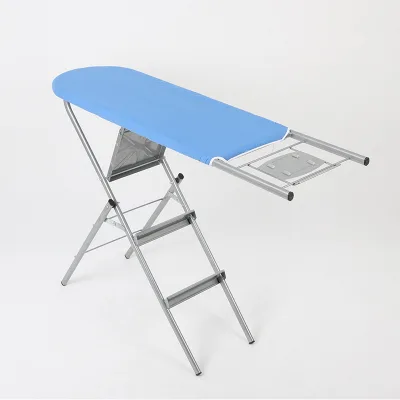
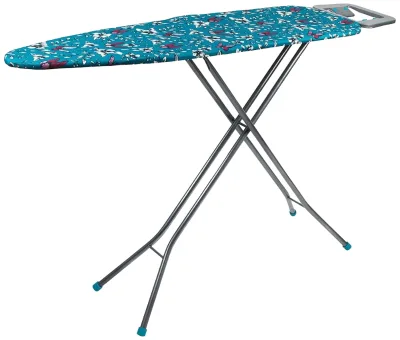
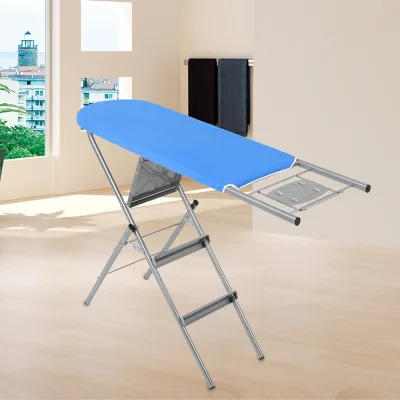
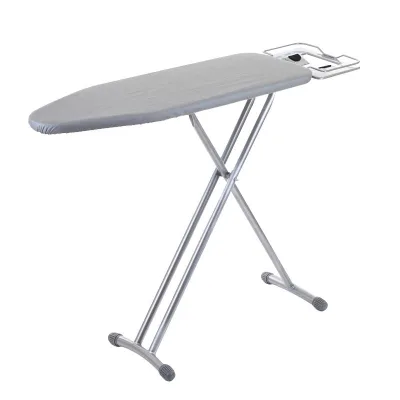
Buyers researching the Soft Closing Folding Ironing Board category will encounter suppliers concentrated in eastern China, with Zhejiang province appearing repeatedly as the stated place of origin in product listings. Listings from Zhejiang describe classic-style boards in both wall-mounted and standing configurations, with sizes such as 33140cm and 30119cm, materials spanning iron tube stands, stainless steel, plastic PP boards, and 100% cotton covers. A second relevant sourcing base is Guangdong, where suppliers typically combine hardware specialties—pull-out baskets, wardrobe accessories, and wire products—with laundry and wardrobe-integrated ironing boards. This matters because a Soft Closing Folding Ironing Board shares mechanism components with wardrobe hardware, so furniture-hardware factories can be credible sources alongside dedicated laundry-storage manufacturers.
Supplier types in this category split into three practical groups: manufacturers, trading companies, and combined businesses listing both roles. Zhejiang results show companies self-describing as Manufacturer and Trading Company simultaneously, which signals they may produce core boards while outsourcing covers, hardware, or packaging. Guangdong results show combined-type businesses with their own brand plus ODM and OEM capability, useful if you want private-label soft closing mechanisms or customized board dimensions. When screening, prioritize suppliers whose main products already include ironing boards, storage carts, ironing board covers, and foldable hangers, since adjacency to your SKU reduces tooling risk. Treat stated origins as a starting point for cluster mapping, then confirm actual factory addresses during verification.
How to Verify Soft Closing Folding Ironing Board Suppliers
Verification starts with separating manufacturers from intermediaries, because supplier-type labels in this category are often dual. A listing that says "Manufacturer, Trading Company" does not tell you which role applies to the Soft Closing Folding Ironing Board specifically, so ask directly which products are made in-house and request the production workshop segment during a video audit. One Guangdong supplier in the results holds ISO9001:2015 and ISO14001:2015 system certificates; treat these as verifiable documents to request copies of, check scope, and confirm validity dates rather than assuming every supplier carries equivalent credentials. For suppliers without displayed certifications, ask what quality systems exist and verify any claim independently.
Product-level verification matters just as much as company-level checks. Listings in this category show attributes worth confirming against samples: dimensional tolerance of >=±2cm, weight tolerance under ±10%, board thickness described as "9 wire," stand materials listed as iron tube or stainless steel, and functional design marked as detachable. A soft closing folding mechanism is the highest-risk component, so your sample evaluation should include repeated open-close cycling to assess damper consistency, plus a check that the stated installation types (wall-mounted, floor-standing, over-door) match your market's use case. Also verify the brand names shown on listings—some carry manufacturer brands like Tianyu or jiucheng—so you understand whose trademark appears on goods you buy. Confirm business licenses, export history, and whether the quoted entity matches the factory address before sending deposits.
What to Compare Across Soft Closing Folding Ironing Board Suppliers
Build a comparison sheet using attributes suppliers actually display, without assuming every field is populated. Location is the most consistent data point: Zhejiang versus Guangdong affects freight origin and likely cluster specialization. Lead time is another displayed dimension—one Guangdong hardware-focused supplier shows a 30-day lead time, while some Zhejiang listings show a zero or minimal lead-time field, which usually means the value is not populated rather than instant shipping. Response time varies widely too, from roughly one hour to nearly 25 hours among listed suppliers; for a component-heavy product like a Soft Closing Folding Ironing Board, slower responders may still be viable if engineering communication is strong, but speed predicts how smoothly sampling issues get resolved.
Compare product specifics side by side, since prices and specs differ meaningfully within the category. Listed unit prices range from about $7.20–$8.80 for over-the-door commercial-style boards, $7.60 for an industrial vacuum ironing table variant, $9.96–$11.98 for folding and wall-mounted household boards, up to $11.50–$11.90 for hanging-system boards—treat these as listing references to validate through quotations, not commitments. Contrast specifications: size (30119cm versus 33140cm), stand material (iron tube, iron, stainless steel), board material (plastic, PP), fabric (100% cotton covers), colors, and installation type. Also compare capability labels: own brand, ODM, and OEM availability signals customization depth, and main-product lists reveal whether ironing boards are core or peripheral to the supplier's business.
Common Soft Closing Folding Ironing Board Sourcing Risks
The soft closing mechanism itself is the category's dominant quality risk. Dampers and folding hinges are small, mechanically stressed components, and listings showing "detachable" functional designs or foldable wall-mounted constructions confirm that moving parts are central to the product. Risks include inconsistent damping force across units, hinge fatigue after repeated cycles, and mounting hardware that fails under board weight—especially for wall-mounted types where the listing lists dimensional tolerance of >=±2cm, wide enough to affect bracket alignment. Ordering pre-production samples and running cycle tests before mass production is the practical mitigation, and it should be written into your purchase terms as an acceptance criterion.
Listing-data risks are equally common. Several Zhejiang results show placeholder values such as "Single volume: 0 cm³" and "Single gross weight: 0.0 kg," meaning declared shipping weight and volume cannot be trusted for freight costing until the supplier supplies a real packing specification. Board material listed simply as "Plastic" or "PP" with thickness given as "9 wire" requires clarification of actual grade and load rating. Model numbers and brand names printed on listings (for example, manufacturer-branded boards) can create trademark complications if you resell under those marks. Additional risks include over-door and over-door-adjacent designs that may not fit standard door thicknesses in your market, color variations across production runs, and cotton covers that shrink—so confirm fabric care behavior and packaging details in writing before confirming any order.
Soft Closing Folding Ironing Board Regional Sourcing and Logistics
Regional structure follows the verified data: Zhejiang and Guangdong are the two provinces appearing in supplier results for this category. Zhejiang listings emphasize household and light-commercial folding boards, wall-mounted and standing types, with classic styling and multiple colorways such as navy blue, light yellow, plum, and light green. Guangdong listings come from furniture-hardware-oriented businesses whose main products include wardrobe accessories, pull-out baskets, and bathroom hardware, making that region a fit if your Soft Closing Folding Ironing Board integrates into wardrobe systems or built-in closets. Match region to product intent: freestanding and wall-mounted household boards favor the laundry-storage cluster; closet-integrated rotating or pull-out boards favor hardware specialists.
Logistics planning should account for the data gaps visible in listings. Several results show unpopulated unit weight and volume fields, so request a packing specification—carton dimensions, units per carton, gross and net weights—before comparing freight quotes; folding boards collapse flat, which typically makes them volume-efficient, but wall-mounted steel stands add weight. One displayed lead time of 30 days from a Guangdong supplier gives a realistic planning anchor for this category, and you should hold other suppliers to a stated, confirmed production lead time rather than relying on listing fields. Since both provinces are coastal export regions, sea freight is the default for volume orders; consolidate covers and hardware to reduce damage claims, and confirm which party handles export documentation and inland hauling to port.
Soft Closing Folding Ironing Board Commercial Terms and Order Planning
Commercial terms should be negotiated against displayed benchmarks rather than listing prices. Quoted unit prices in this category cluster roughly between $7 and $12 depending on format—over-door and industrial variants at the low end, larger 33*140cm folding and wall-mounted boards near $10–$12—so treat supplier quotations against that band and probe any outlier quote for omitted components such as covers, dampers, or mounting kits. Minimum order quantities are not displayed in the available results, which means you must request MOQ per model and per colorway directly; folding mechanisms often carry separate MOQs for customized dampers. Where a supplier offers ODM or OEM capability, negotiate tooling ownership and exclusivity terms in writing before development begins.
Order planning should sequence deposits, samples, and production milestones explicitly. A practical structure: approve a pre-production sample after cycle-testing the soft closing action, set a confirmed lead time in the contract (the 30-day displayed figure is a reasonable negotiation anchor), define inspection checkpoints at pre-shipment, and tie final payment to passed inspection. Response-time differences—one hour versus nearly 25 hours among listed suppliers—justify building communication expectations into the agreement, including named engineering contacts for mechanism issues. For certificates, request copies of any claimed system certifications and verify them; if a supplier shows none, decide whether third-party inspection substitutes adequately for your market. Finally, plan reorder cycles around actual sell-through of color-specific SKUs, since several boards in this category ship in single fashion colors that date quickly.
Word count: approximately 1,385.
FAQs
What is the price range for folding ironing boards?
Prices for these boards typically range from $7.20 to $11.98 per unit. The cost varies based on specific features such as wall-mounted designs, industrial vacuum capabilities, or standard household folding models. Buyers should expect competitive pricing for bulk orders.
Where are these ironing boards manufactured?
Manufacturing locations are primarily in Zhejiang, China, and Guangdong, China. These regions are known for producing home storage and organization products. Buyers sourcing from these areas can access a wide variety of styles, including classic and wall-mounted options.
What materials are used for the ironing board stands?
Stands are commonly constructed from iron tubes or stainless steel. These materials provide the necessary durability and stability for both wall-mounted and standing types. Some models also feature plastic components for the board surface, ensuring a sturdy and long-lasting structure.
What is the typical response time for suppliers?
Supplier response times vary, with some responding within one day and others taking up to 24.82 days. Faster response times are often associated with manufacturers or trading companies focused on quick turnover. Buyers should check individual supplier profiles for specific communication speeds.
Are there certifications available for these products?
Some suppliers hold ISO9001:2015 and ISO14001:2015 certificates. These certifications indicate adherence to quality management and environmental standards. Buyers requiring verified compliance should specifically request these documents during the inquiry process to ensure the supplier meets international operational benchmarks.
What is the lead time for production?
Lead times can be zero for some items or up to 30 days for others. This variation depends on the supplier type and current inventory levels. Buyers needing urgent delivery should confirm the exact lead time with the supplier before placing an order.