Expandable Modular Shipping Container Suppliers and Manufacturers
Compare 31 verified suppliers offering expandable modular shipping containers with varying lead times, certifications, and response speeds. Review product specs like ISO 9001 and CCS standards, then request quotes for 20ft or 40ft units to proceed; review the available evidence before requesting comparable quotations from suitable candidates.
Updated
Suppliers List
Qingdao Double-Friend Container Co., Ltd.
- Verified by TüVRheinland
- Manufacturer, Trading Company
- Lead time7 days
- Avg. response≤ 2h
Main productsISO Container, Storage Container, Side Opening Container, Off Shore Container, Expandable House Container
Main marketsNorth America(30%), Western Europe(30%), Oceania(10%)
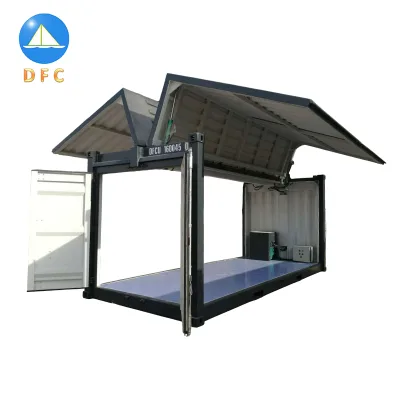
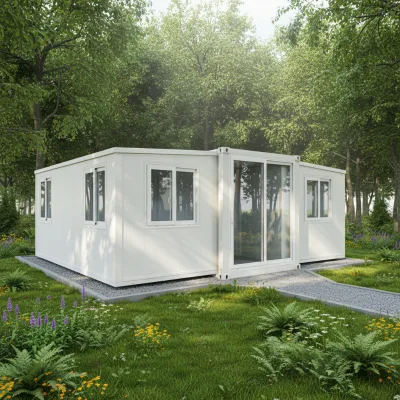
Modular Construction 20 HC Expandable Multi Purpose Mobile Expandable Luxury Shipping Container
$2588.2296 - $5176.4592
MOQ: 2 units

Zhejiang Putian Integrated Housing Co., Ltd.
- Combined
- China Zhejiang
- Lead time45 days
- Avg. response≤ 16h
Main productsSteel Structure Warehouse, Steel Structure Workshop, Steel Structure Hotel, Steel Structure Apartment, Light Gauge Steel Villa, Container House
Main marketsSouth America,Africa,Southeast Asia/ Mideast,East Asia(Japan/ South Korea),Domestic,Europe,Australia,North America

Guangzhou Perfect Dream Modular House Co., Ltd.
- Verified by BV
- Trading Company,Manufacturer/Factory
- China Guangdong
- Lead time23 days
- Avg. response≤ 5h
Main productsSwimming Pool, Expandable Folding House, Portable Toilet, Standard Container House, Telecom Shelter, Complex Design Solution
Main marketsSouth America,Eastern Europe,Mid East,North America,Southeast Asia,Eastern Asia,Oceania,Western Europe,Africa

Rongyuan (Shandong) Metal Manufacturing Co., Ltd
- Trading Company
- China Shandong
- Lead time23 days
- Avg. response≤ 3h
Main productsSteel Structure, Container House, Prefabricated House, Apple Cabin, Expandable House, Steel Structure Warehouse, Steel Structure Workshop, H Beam
Main marketsSouth America,Eastern Europe,Mid East,North America,Southeast Asia,Eastern Asia,Oceania,Western Europe,Africa

Sea Freight Compact Expandable Custom Layout Modular Container Building
$940.00 - $1200.00
MOQ: 1 Pieces


Expandable Container House Modular Durable Transportable Low Cost Price
$35.00 - $80.00
MOQ: 100 Square Meters


Expandable Container House Custom Portable Transportable Affordable Modular
$35.00 - $80.00
MOQ: 100 Pieces


Xiamen Umd Industrial Co., Ltd.
- Verified by BV
- Combined
- China Fujian
- Lead time23 days
- Avg. response≤ 5h
Main productsContainer House, Expandable Container House, Soundproof Booth, Apple Cabin, Portable Toilet, Foldable Container House, Assemble Container House, Flat Pack Container House
Main marketsSouth America,Africa,East Asia(Japan/ South Korea),Europe,Australia,North America

House Living Expandable Container Home Modular Shipping Container House
$3450.00 - $4850.00
MOQ: 1 Pieces

China Modular Homes Houses Expandable Container Shipping Container House
$3450.00 - $4850.00
MOQ: 1 Pieces

Jiangxi HK Prefab Building Co., Ltd.
- Verified by TUVRHEINLAND
- Trading Company,Manufacturer/Factory
- China Jiangxi
- Lead time45 days
- Avg. response≤ 5h
Main productsContainer House, Prefabricated Building, Prefab House, Mobile Container Toilet, Modular House, Container Coffee Bar
Main marketsSouth America,Eastern Europe,Mid East,North America,Eastern Asia,Oceania,Western Europe

20FT Expandable Modular Prefab Prefabricated Shipping Container House.
$22000.00 - $27000.00
MOQ: 1 Pieces


High Quality Comfortable Modular Prefabricated Building Shipping Container House
$60000.00 - $85000.00
MOQ: 1 Pieces


Good Quality Shipping Container Modular Prefabricated Container House Home
$22000.00 - $27000.00
MOQ: 1 Pieces


- Verified by TUVRHEINLAND
- Combined
- China Hebei
- Lead time30 days
- Avg. response≤ 8h
Main productsFormwork, Scaffolding, Ringlock Scaffolding  , Euro Symons Form
Main marketsSouth America,Africa,Southeast Asia/ Mideast,East Asia(Japan/ South Korea),Domestic,Europe,Australia,North America
Fucheng Huaying Integrated Housing Co., Ltd.
- Verified by SGS Group
- Manufacturer, Trading Company
- Lead time10 days
- Avg. response≤ 1h
Main productsExpandable Container House, Folding Container House, Flat Pack Container House, Detachable Container House, Mobile Container House On Trailer
Main marketsDomestic Market(43%), North America(14%), Southeast Asia(11%)

Guangdong Wellcamp Steel Structure & Modular Housing Co., Ltd.
- Verified by CTI
- Combined
- China Guangdong
- Lead time15 days
- Avg. response≤ 13h
Main productsSteel Structure, Prefab House, Steel Villa, Container House, Modular House, Cowshed, Folding Container House, Portable Toilet, Prefab Warehouse, Accommodation
Main marketsSouth America,Africa,Southeast Asia/ Mideast,Europe,Australia,North America

Jinan Zunkai Materials Co., Ltd.
- Verified by BV
- Trading Company
- China Shandong
- Lead time15 days
- Avg. response≤ 4h
Main productsRoofing Sheet, Galvanized Steel, Galvalume Steel, Steel Plate, PPGI, H Beam, Angle Steel, Stainless Steel
Main marketsSoutheast Asia/ Mideast

Tianjin Quick Smart House Co., Ltd.
- Verified by TUVRHEINLAND
- Combined
- China Tianjin
- Lead time15 days
- Avg. response≤ 16h
Main productsPortable House, Container House, Prefab House, Prefabricated House, Prefabricated Container House, Modular House, Mobile Home, Steel House, Caravan, Expandable Container House
Main marketsAustralia

Zhongjing Mingsheng New Materials Tech Co., Ltd.
- Verified by BV
- Trading Company
- China Shandong
- Lead time15 days
- Avg. response≤ 3h
Main productsGreenhouse, Steel Structure House, Solar Photovoltaic Power Generation
Main marketsDomestic

$4500.00 - $7000.00
MOQ: 1 Sets

$4500.00 - $7000.00
MOQ: 1 Sets

Expandable Container House Container Home Shipping Container House Eco Friendly Container House
$1100.00 - $1500.00
MOQ: 1 Pieces

Expandable Container House Expandable Modular Container House Cheap Expandable Container House
$4500.00 - $7000.00
MOQ: 1 Sets

Expandable Container House Expandable Modular Container House Expandable Container House for Villa
$4500.00 - $7000.00
MOQ: 1 Sets

Expandable Container Home Expandable Modular Container House Expanding Container House for Sale
$4500.00 - $7000.00
MOQ: 1 Sets
East Shipping (shenzhen) Co., Ltd.
- Verified by SGS Group
- Trading Company
- Lead time7 days
- Avg. response≤ 3h
Main productsExpress, Shipping Agent, Freight Forwarder, Multimodal transport, Inspection
Main marketsNorth America(30%), Mid East(30%), Western Europe(20%)
Henan Feeker Import And Export Co., Ltd.
- Manufacturer, Trading Company
- Henan, China
- Lead time10 days
- Avg. response≤ 10h
Main productsFlat Pack House, Expandable Container House, Foldable Container House, Detachable Container House
Main marketsNorth America(50.00%), Southeast Asia(30.00%), Eastern Asia(2.00%), South America(2.00%), Oceania(2.00%), Western Europe(2.00%), Central America(2.00%), Northern Europe(2.00%), Africa(2.00%), Eastern Europe(2.00%), Mid East(2.00%), South Asia(1.00%), Southern Europe(1.00%)
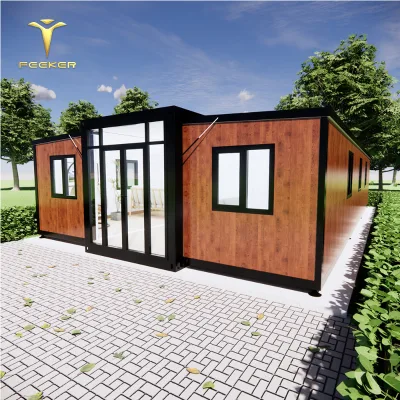
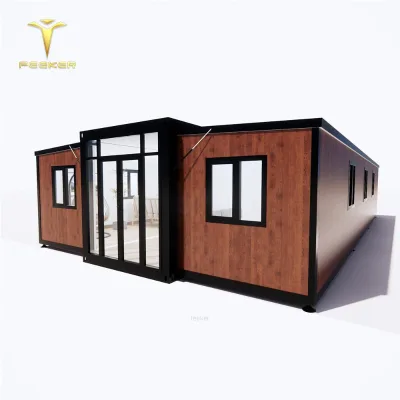
Pre Febricated Portable Shipping Flexible Assembly Container House/ Modular House
$3800.00 - $5699.00
MOQ: 1 pieces
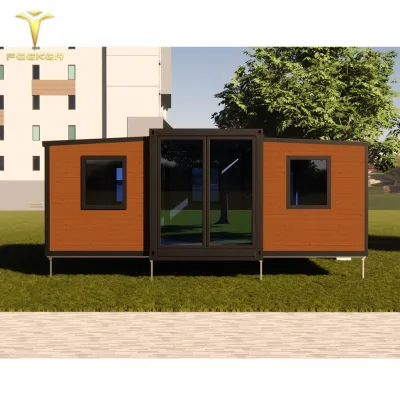
Office Modular Shipping Houses 40 Feet Special Container House For Sale
$3800.00 - $5699.00
MOQ: 1 pieces
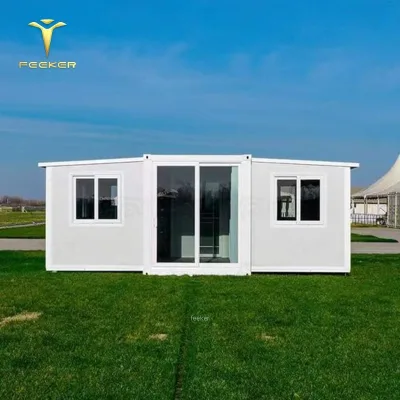
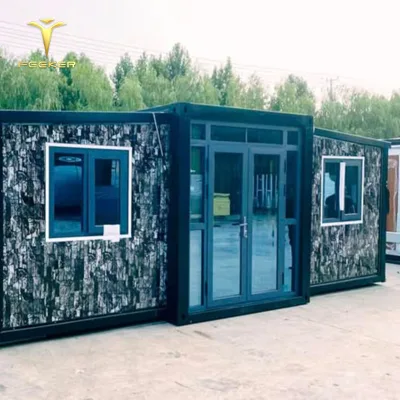
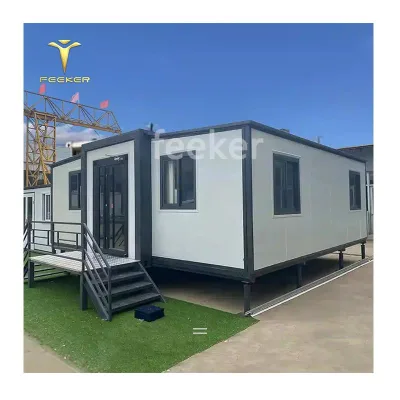
House Beach Expandable Shipping Container Low Price Metal Building Light Steel Structure Warehouse
$3909.778 - $5863.6393
MOQ: 1 pieces

Hebei Zhongxinhe Assembled Housing Manufacturing Co., Ltd.
- Verified by BV
- Combined
- China Hebei
- Lead time30 days
- Avg. response≤ 7h
Main productsTwin Wing Extension Room, Folding Box Room, Packing Box Room
Main marketsEast Asia(Japan/ South Korea),Europe,North America


Manufactured Expandable Modular Fold-Away Shipping Container House Shipment-Ready Residential Use
$5200.00 - $7300.00
MOQ: 1 Sets


Xiamen Sunfine Architect & Construction Co., Ltd.
- Verified by BV
- Combined
- China Fujian
- Lead time23 days
- Avg. response≤ 3h
Main productsContainer House, Prefab House, Moveble House, Prefabricated Building, Flat Pack Cabins, Portable Toilet
Main marketsSouth America,Africa,Southeast Asia/ Mideast,Europe,Australia,North America

$3800.00 - $5700.00
MOQ: 1 Sets


Prefabricated 40FT Expandable Accommodation Prefab Modular Shipping Container House
$3800.00 - $5700.00
MOQ: 1 Pieces

Qingdao Tyneco Industrial Equipment Co., Ltd
- Trading Company
- China Shandong
- Lead time30 days
- Avg. response≤ 4h
Main productsContainer, Shipping Container, Container Trailer, Truck Part, Trailer Axle, Air Suspension
Main marketsSouth America,Southeast Asia/ Mideast,East Asia(Japan/ South Korea),Domestic,Europe,Australia


New 40 FT Container ISO Shipping Container Shipping Container for Sale
$2000.00 - $18000.00
MOQ: 1 Pieces
Xi 'an Linya Cement Sales Co., Ltd.
- Trading Company
- Shaanxi Province, China
- Lead time10 days
- Avg. response≤ 4h
Main productslawn mowers
Main marketsNorth America(80.00%), South America(15.00%), Eastern Europe(5.00%)
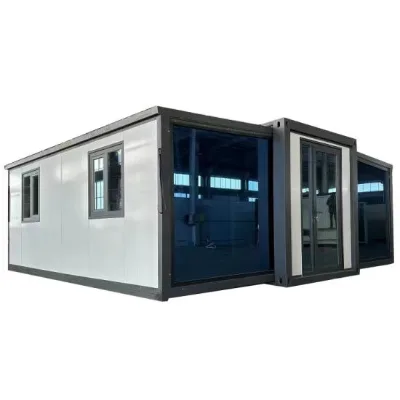
$2199.00 - $4399.00
MOQ: 1 Minimum
$3600.00 - $4850.00
MOQ: 1 units
Dingzhou Starshine Technology Co., Ltd.
- Verified by SGS Group
- Manufacturer, Trading Company
- Lead time12 days
- Avg. response≤ 2h
Main productsPolycarbonate Sheet, PC dome house, PC Carport, Prefab House
Main marketsNorth America(40%), Western Europe(40%), Eastern Europe(10%)

Henan K-Home Steel Structure Co., Ltd.
- Verified by BV
- Trading Company,Manufacturer/Factory
- China Henan
- Lead time38 days
- Avg. response≤ 4h
Main productsContainer House, Prefab House, Container Home, Porta Cabin, Modular House, Flat Pack Container House, Container Toilet, Steel Structure House, Peb Building, Pre-Engineered Building
Main marketsSouth America,Eastern Europe,Mid East,North America,Southeast Asia,Eastern Asia,Oceania,Western Europe,Africa
Henan Jinming Metal Materials Co., Ltd.
- Verified by Intertek
- Trading Company
- Henan, China
- Lead time10 days
- Avg. response≤ 3h
Main productsFolding Container House, Prefab Houses, Steel Structure Building, Sandwich Panels, Trailer Houses
Main marketsDomestic Market(24%), Eastern Asia(15%), Oceania(14%)
Hebei Baijing Zhuoda Building Materials Technology Co., Ltd.
- Manufacturer, Trading Company
- Hebei, China
- Lead time5 days
- Avg. response≤ 11h
Main productsContainer houses,Polyurethane rock wool board,Swimming pool,Pressed veneer,prefabricated house
Main marketsSouth America(20.00%), North America(20.00%), South Asia(10.00%), Northern Europe(10.00%), Central America(10.00%), Mid East(10.00%), Africa(10.00%), Southeast Asia(10.00%)
Shanghai Z-Trust Import And Export Co., Ltd.
- Trading Company
- Shanghai, China
- Lead time5 days
- Avg. response≤ 8h
Main productsAluminum Composite Panel,RC Drones,Mechanical Dog,Samrt Robot
Main marketsSouth America(18.00%), North America(15.00%), Western Europe(12.00%), Eastern Europe(12.00%), Central America(10.00%), Southern Europe(10.00%), Oceania(8.00%), Northern Europe(7.00%), South Asia(5.00%), Mid East(1.00%), Africa(1.00%), Southeast Asia(1.00%)

Nanjing Beiyu Mechanical Equipment Co., Ltd.
- Verified by CTI
- Trading Company
- China Jiangsu
- Lead time30 days
- Avg. response≤ 2h
Main productsReefer Container, Special Container, Offshore Container, Tank Container, Equipment Container, ISO Container, Shipping Container, Container Spare Part, Aluminum Scanfold, Steel Weldment
Main marketsNorth America

Foshan Silence Technology Co.,LTD
- Verified by BV
- Combined
- China Guangdong
- Lead time30 days
- Avg. response≤ 7h
Main productsOffice Pod, Study Pod, Soundproof Booth, Soundproof Material, Phone Booth, Meeting Room, Modular House, Capsule House, Expandable House, Folding Container
Main marketsSoutheast Asia/ Mideast,Domestic,Australia
VITA INTERNATIONAL FREIGHT CO., LIMITED
- Trading Company
- Hong Kong S.A.R.
- Lead time5 days
- Avg. response≤ 4h
Main productsShipping Container,Dry Container,Refrigerated Container,Side door container,Tunnel shipping containers
Main marketsEastern Europe(10.00%), South America(10.00%), North America(10.00%), Oceania(10.00%), Central America(10.00%), Southern Europe(8.00%), Northern Europe(8.00%), Mid East(6.00%), Southeast Asia(5.00%), South Asia(5.00%), Domestic Market(5.00%), Eastern Asia(5.00%), Western Europe(5.00%), Africa(3.00%)
Empty Shipping Container Used Shipping Containers 20ft 40ft Foldable Shipping Container House
$800.00 - $950.00
MOQ: 1 sets
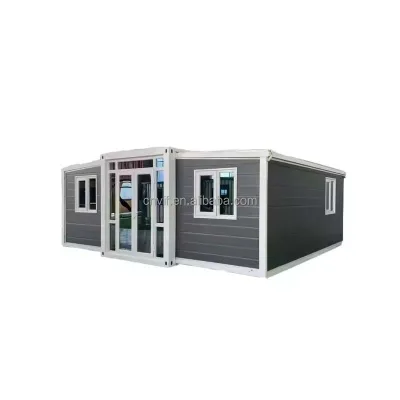
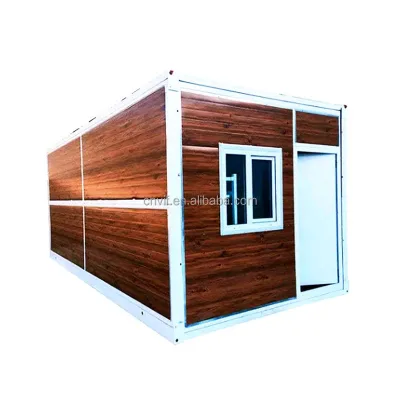
Fold-Up Container Dwellings, Versatile, Durable & Quick to Set Up
$800.00 - $950.00
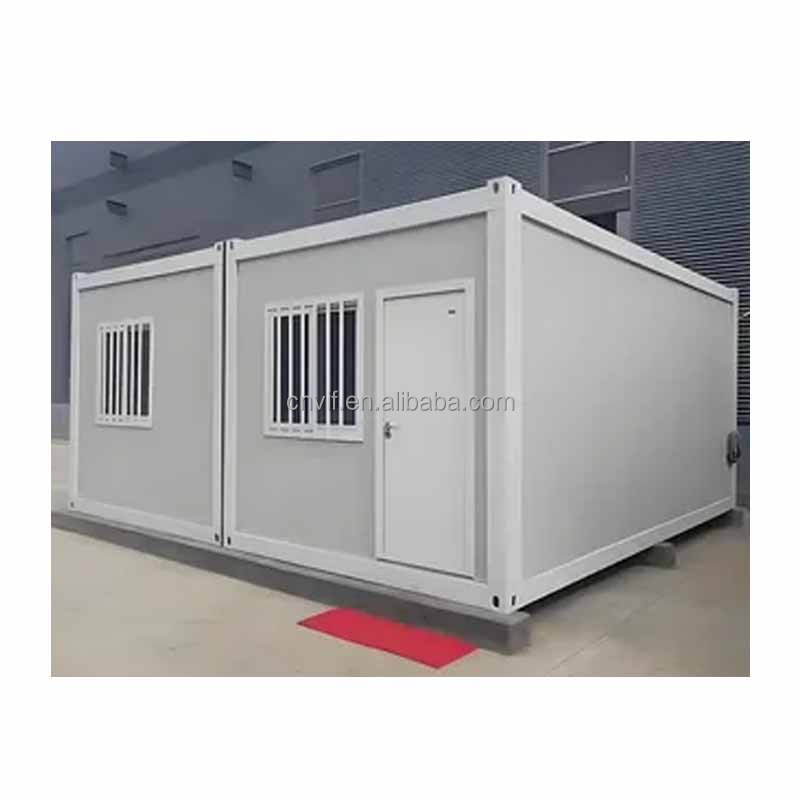
High Quality 20 Feet Containers House
$800.00 - $950.00
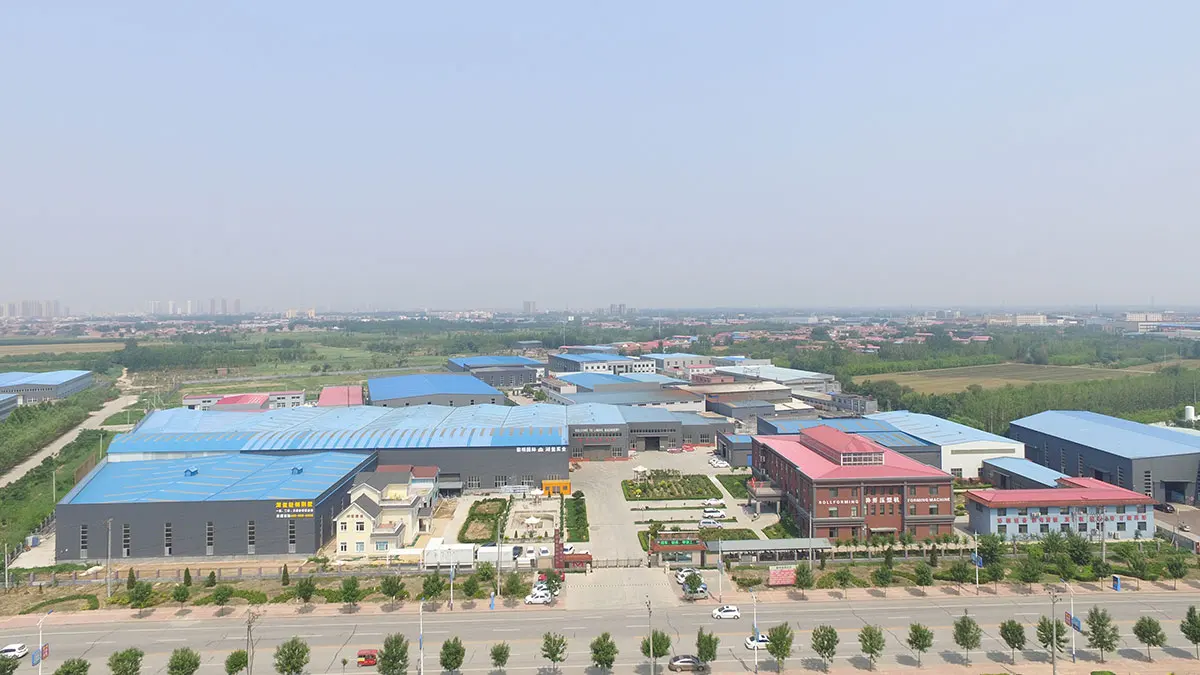
Hebei Liming Stamping Form Machine Co., Ltd.
- Manufacturer, Trading Company
- Hebei, China
- Lead time10 days
- Avg. response≤ 5h
Main productsPU roof panel,pu roof sandwich panel,steel pallet,light steel pallet,metal pallet
Main marketsSouth America(18.00%), Central America(15.00%), Western Europe(15.00%), North America(15.00%), Oceania(10.00%), Southern Europe(8.00%), South Asia(5.00%), Southeast Asia(5.00%), Eastern Europe(5.00%), Northern Europe(2.00%), Africa(2.00%)
Hebei Heying Integrated Housing Technology Co., Ltd.
- Verified by SGS Group
- Manufacturer, Trading Company
- Lead time20 days
- Avg. response≤ 2h
Main productsExpandable Container Houses, Folding Container Houses, Detachable Container Houses, Mobile Toilet and Bathroom
Main marketsNorth America(50%), Oceania(30%), Eastern Europe(20%)
Shandong Dongchuang Topeasy New Material Co., Ltd.
- Verified by SGS Group
- Manufacturer, Trading Company
- Lead time15 days
- Avg. response≤ 5h
Main productsSandwich Panel Houses, Container Houses, Apple Cabins, Cement Prefab Villas, Space Capsules
Main marketsNorthern Europe(50%), Southeast Asia(40%), Eastern Asia(10%)
Jining China Power Machinery Co., Ltd.
- Verified by SGS Group
- Manufacturer, Trading Company
- Lead time15 days
- Avg. response≤ 2h
Main productsDiesel Generator Set, Container House, Backhoe Loader, Construction Materials, Excavator
Main marketsMid East(40%), North America(30%), Western Europe(20%)
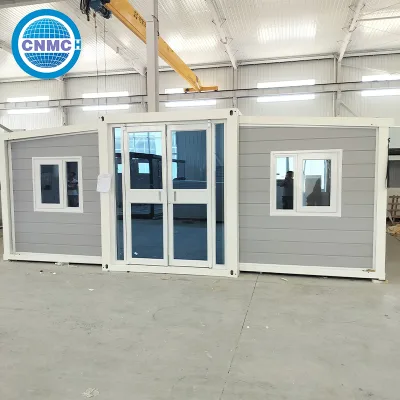
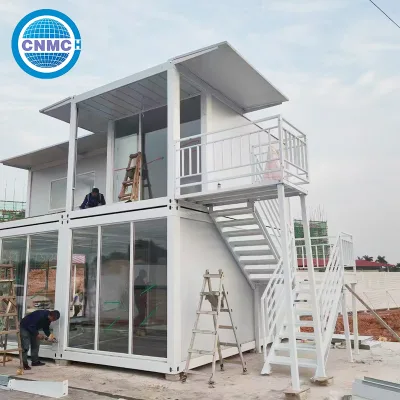
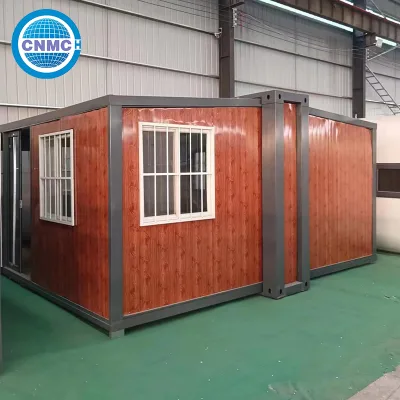
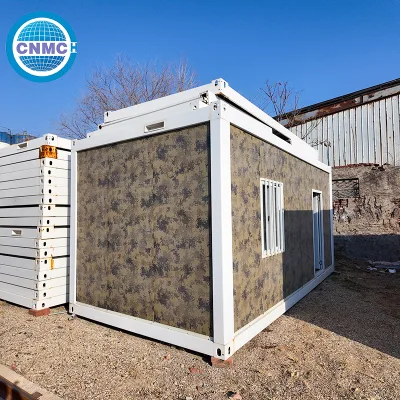
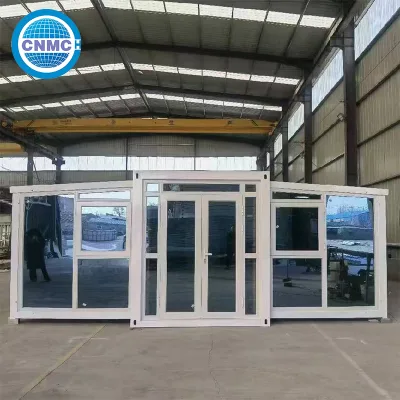
Prefab Movable Fast Build Prefabricated Temporary Container House.
$9100.00 - $9500.00
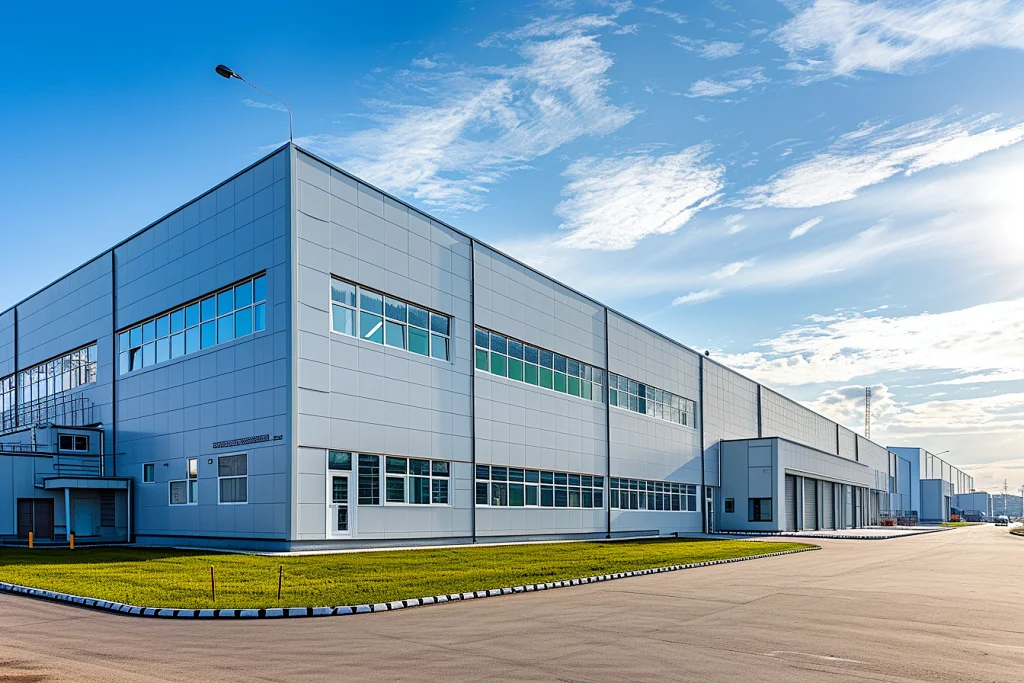
Prefabricated for Quick Project Completion Container House
$9100.00 - $9500.00
Taizhou Panyue Metal Products Co., Ltd.
- Manufacturer, Trading Company
- Jiangshu, China
- Lead time10 days
- Avg. response≤ 2h
Main productsRailing,Staircase column,Stair handrail,Glass clamp,Curtain wall accessories
Main marketsDomestic Market(35.00%), North America(5.00%), South Asia(5.00%), Southern Europe(5.00%), Northern Europe(5.00%), Central America(5.00%), Western Europe(5.00%), Eastern Asia(5.00%), Mid East(5.00%), Oceania(5.00%), Africa(5.00%), Southeast Asia(5.00%), Eastern Europe(5.00%), South America(5.00%)
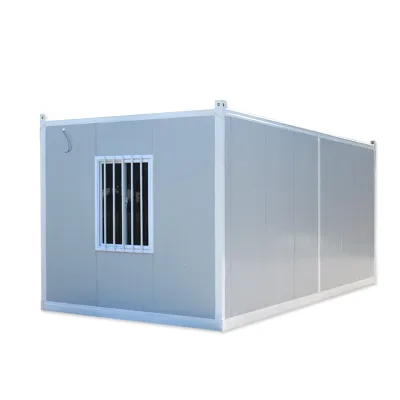
Detachable High Cube Container Home Portable Prefabricated Home Modular Storage Containers
$810.1184 - $1426.1772
MOQ: 1 pieces
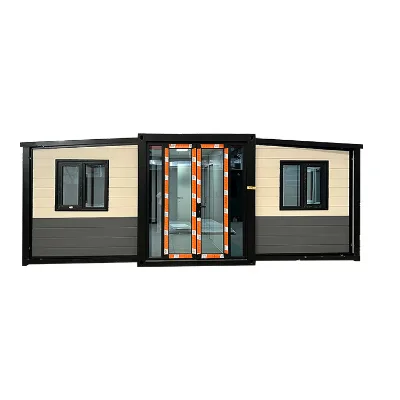
Folding House Prefabricated 20' Shipping Container Container Houses Ready to Living 2 Bedroom
$4489.0652
MOQ: 1 Minimum


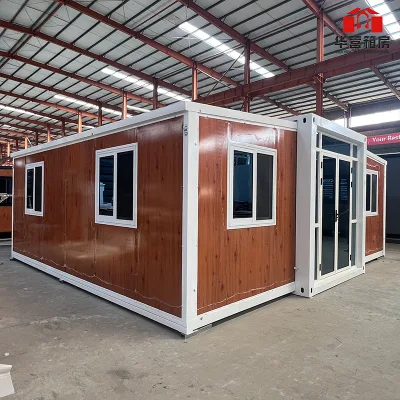
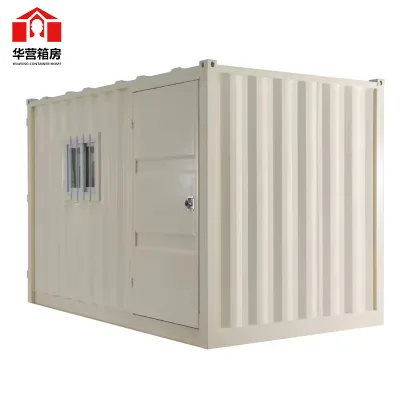


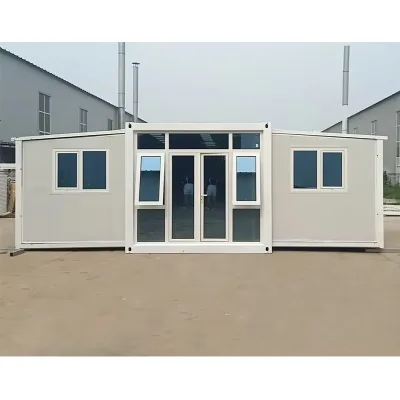
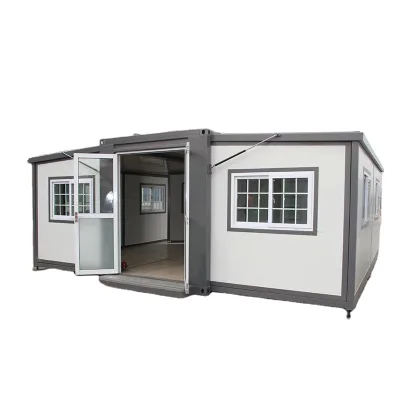





Comprehensive Sourcing Guide
Expandable Modular Shipping Container Supplier Concentration and Factory Types
The current supplier landscape for expandable modular shipping containers reveals a diverse mix of company types, primarily consisting of manufacturers, trading companies, and combined entities that offer both production and sales capabilities. This variety allows buyers to select partners based on their specific needs for direct factory engagement versus the logistical support often provided by trading firms. The presence of combined suppliers suggests a market where some entities have evolved to handle both the manufacturing complexities and the commercial distribution aspects of these specialized structures. Buyers should recognize that a supplier’s classification directly impacts their operational focus, with manufacturers typically emphasizing production capacity and technical customization, while trading companies may prioritize market reach and flexible order handling. Understanding this distinction is crucial for aligning supplier selection with project requirements, whether the goal is large-scale industrial deployment or smaller, customized residential installations.
Product evidence indicates that main products span a wide range, including ISO containers, side-opening containers, offshore containers, and various expandable house configurations. This breadth suggests that many suppliers are not niche specialists but rather versatile producers capable of adapting their lines to different market demands. Some suppliers focus heavily on steel structure warehouses and light gauge steel villas, indicating a strong foundation in structural engineering that translates well to modular housing solutions. Others specialize in high-security storage units or luxury mobile homes, reflecting the dual nature of the expandable container market as both a functional storage solution and a habitable living space. The diversity in main products also implies that buyers can potentially consolidate orders for different types of modular structures with a single supplier, provided that the supplier’s capabilities align with the specific technical requirements of each product type. This versatility can simplify the sourcing process but requires careful verification of each supplier’s core competencies to ensure quality and reliability across different product lines.
How to Verify Expandable Modular Shipping Container Suppliers
Verification is a critical step in ensuring that the suppliers you engage with meet international quality and safety standards. The available data shows that several suppliers hold ISO 9001 certifications, which is a fundamental indicator of a managed quality management system. Some suppliers also display additional certifications such as CCS, LR, ISO 14001, and CE marks, which can be particularly relevant for projects requiring environmental compliance or specific regional market access. Buyers should actively request and validate these certificates, ensuring they are current and issued by recognized accreditation bodies. The presence of third-party verification badges, such as those from TÜV Rheinland or BV, adds another layer of confidence, as these organizations conduct independent audits of the supplier’s facilities and processes. These verifications help mitigate the risk of engaging with unqualified entities and provide assurance that the manufacturing processes adhere to established industry norms.
Beyond certifications, buyers should assess the supplier’s response time and verification status as indicators of operational efficiency and transparency. The data indicates varying response times, with some suppliers responding within hours, which is crucial for timely communication during the negotiation and customization phases. A quick response often correlates with a well-organized sales team and efficient internal processes. Additionally, the type of company, whether it is a manufacturer, trading company, or a combined entity, should be cross-referenced with the supplier’s claimed capabilities. For instance, a manufacturer should have visible production facilities and technical expertise, while a trading company should demonstrate strong logistics and market knowledge. Buyers are advised to ask for detailed company profiles, including establishment years and past project references, to build a comprehensive picture of the supplier’s reliability. This due diligence helps in identifying partners who are not only compliant with standards but also capable of delivering consistent quality and service throughout the project lifecycle.
What to Compare Across Expandable Modular Shipping Container Suppliers
When evaluating multiple suppliers, it is essential to compare key operational metrics such as lead times, minimum order quantities (MOQs), and response speeds to determine which partner best fits your project timeline and budget. The data reveals significant variation in lead times, ranging from as short as seven days to as long as forty-five days. This disparity can be influenced by factors such as production capacity, customization complexity, and current order backlog. Buyers should align their project schedules with suppliers whose lead times are realistic and clearly communicated. Similarly, MOQs vary, with some suppliers requiring as few as one unit, which is ideal for small-scale or pilot projects, while others may have higher thresholds, such as ten units, which might be more suitable for bulk procurement. Understanding these constraints early in the sourcing process helps in avoiding potential delays or cost overruns associated with order size mismatches.
Price ranges and customization capabilities are also critical comparison points. The observed price points for expandable containers vary widely, reflecting differences in materials, insulation, and included amenities. Buyers should request detailed quotations that break down costs for standard versus customized features, such as specific insulation types (EPS, PU, Rock Wool) or electrical configurations. Additionally, the suppliers’ RD capacity, including OEM and ODM services, should be evaluated based on the level of customization required. Some suppliers offer extensive customization options, allowing for tailored layouts and finishes, while others may have more limited offerings. Response time is another vital metric, with some suppliers demonstrating rapid communication capabilities, which is essential for resolving technical queries and finalizing specifications quickly. By systematically comparing these dimensions, buyers can identify suppliers that offer the best balance of cost, speed, and flexibility, ensuring that the final product meets both functional and aesthetic requirements.
Common Expandable Modular Shipping Container Sourcing Risks
One of the primary risks in sourcing expandable modular shipping containers is the potential discrepancy between advertised specifications and the actual delivered product. Buyers must be vigilant about verifying material quality, structural integrity, and insulation performance, as these factors significantly impact the durability and habitability of the units. The data mentions various insulation materials and seismic load ratings, but buyers should insist on third-party test reports or factory audits to confirm these claims. Without proper verification, there is a risk of receiving units that do not meet the required safety standards, particularly in regions with extreme weather conditions or seismic activity. Additionally, the complexity of expandable mechanisms can lead to functional issues if not manufactured with precision. Buyers should request detailed technical drawings and assembly instructions to ensure that the expandable features are robust and easy to operate, minimizing the risk of mechanical failure after installation.
Another significant risk is the variability in supplier reliability and after-sales support. The diverse range of company types, from manufacturers to trading companies, means that the level of support can vary greatly. Trading companies, for instance, may act as intermediaries, potentially complicating communication and problem resolution if issues arise during production or shipping. Buyers should clearly define the scope of after-sales support, including warranty terms and availability of spare parts, before finalizing any agreement. The data shows warranty periods of up to two years for some products, but buyers should verify the extent of coverage and the process for claiming warranties. Furthermore, the risk of logistical delays cannot be overlooked, especially for international shipments. Buyers should work with suppliers who have proven track records in handling complex logistics and who can provide transparent tracking and communication throughout the shipping process. Mitigating these risks requires thorough due diligence and clear contractual agreements that protect the buyer’s interests.
Expandable Modular Shipping Container Regional Sourcing and Logistics
The geographic location of suppliers plays a crucial role in determining logistics costs, lead times, and overall project feasibility. The available data indicates that suppliers are located in various regions of China, including Zhejiang, Guangdong, and Shandong. Each of these regions has its own industrial strengths and logistical advantages. For instance, suppliers in Zhejiang may benefit from proximity to major ports and a well-developed manufacturing ecosystem, while those in Guangdong might have access to advanced technological resources and a robust supply chain. Buyers should consider the location of the supplier in relation to their destination port to estimate shipping costs and transit times accurately. Additionally, regional differences in labor costs and regulatory environments can impact pricing and production efficiency. Understanding these regional dynamics helps buyers make informed decisions about which suppliers to engage with, balancing cost considerations with logistical convenience.
Logistics planning for expandable modular containers requires careful attention to packaging and transportation methods. The data shows that some suppliers pack units inside 40ft HQ containers, optimizing space and reducing shipping costs. Buyers should verify the packing details and ensure that the supplier has experience in handling fragile or complex modular structures. Proper packaging is essential to prevent damage during transit, especially for units with expandable mechanisms and delicate finishes. Buyers should also consider the impact of regional trade policies and tariffs on their overall costs. Engaging with suppliers who have experience in international shipping and who can provide comprehensive logistics support can simplify the process and reduce the risk of delays or additional fees. By aligning supplier location with logistical requirements, buyers can streamline the procurement process and ensure that their expandable modular containers arrive on site in optimal condition.
Expandable Modular Shipping Container Commercial Terms and Order Planning
Effective order planning for expandable modular shipping containers requires a clear understanding of commercial terms, including payment structures, delivery schedules, and customization processes. Buyers should negotiate terms that align with their cash flow and project milestones, ensuring that payments are tied to specific deliverables such as design approval, production completion, and shipment. The data indicates that some suppliers offer flexible customization options, which can impact the timeline and cost of the order. Buyers should provide detailed specifications early in the process to avoid delays and ensure that the final product meets their requirements. Additionally, buyers should clarify the responsibilities for installation and commissioning, as some suppliers may offer on-site support while others may require the buyer to arrange local contractors. Clear communication of these terms helps in avoiding misunderstandings and ensures a smooth transaction.
Risk management in commercial terms involves securing favorable conditions for quality assurance and dispute resolution. Buyers should insist on quality inspection clauses that allow for pre-shipment inspections by third-party agencies, ensuring that the products meet the agreed-upon standards before payment is released. The data shows that some suppliers have established response times and verification processes, which can be leveraged to maintain accountability throughout the order lifecycle. Buyers should also consider the implications of currency fluctuations and exchange rates, especially for international transactions, and negotiate terms that mitigate these risks. By carefully planning the commercial aspects of the order, including payment terms, delivery schedules, and quality assurance measures, buyers can protect their interests and ensure that the procurement process runs smoothly. This proactive approach helps in building a strong partnership with the supplier and achieving the desired project outcomes.
FAQs
What is the price range for expandable modular shipping containers?
Prices typically range from $2,000 to $18,000 depending on specifications. Basic units start around $2,000, while luxury or heavy-duty models can exceed $15,000. Costs vary based on insulation, size, and customization options available from manufacturers.
What certifications do these containers usually hold?
Most suppliers provide ISO 9001, CE, and CCS certifications. Some also hold ISO 14001 or OHSAS 18001 for environmental and safety standards. Verify specific certificates with the supplier to ensure compliance with your local regulations and project requirements.
How long does production and delivery take?
Lead times generally range from 7 to 45 days. Some manufacturers offer faster turnaround for samples or standard models, while complex custom orders may require up to 45 days. Confirm exact timelines with the supplier before placing your order.
What is the minimum order quantity for these units?
MOQs vary significantly, ranging from 1 unit for some suppliers to 10 units for others. Many manufacturers offer flexible terms for sample processing or small batches. Check specific product listings to determine the exact MOQ applicable to your purchase volume.
Where are these containers typically manufactured?
Manufacturers are primarily located in China, specifically in Zhejiang, Guangdong, and Shandong provinces. These regions offer established supply chains for steel structures and container houses. You can filter suppliers by location to reduce shipping costs and improve logistics efficiency.
What insulation materials are used in these containers?
Common insulation materials include EPS, PU, Rock Wool, and PIR. These materials provide thermal efficiency and fire resistance. The choice depends on your climate and usage requirements, such as dormitories or temporary offices. Confirm material specifications with the supplier.