Stamping Automotive Mounting Plate Suppliers and Manufacturers
Compare 17 verified suppliers offering Stamping Automotive Mounting Plate with response times, lead times, and certifications. Review product attributes like material and surface treatment to select the right factory for your needs; review the available evidence before requesting comparable quotations from suitable candidates.
Updated
Suppliers List
Shenzhen Haohaichang Industrial Co., Ltd.
- Manufacturer, Trading Company
- GuangDong, China
- Lead time7 days
- Avg. response≤ 11h
Main productsNut,Bolt,Flange,Rivet,Bracket
Main marketsDomestic Market(47.00%), North America(8.00%), Eastern Asia(7.00%), Eastern Europe(6.00%), Western Europe(6.00%), Northern Europe(5.00%), South America(4.00%), Southern Europe(4.00%), Southeast Asia(4.00%), Central America(3.00%), Africa(2.00%), Mid East(2.00%), South Asia(1.00%), Oceania(1.00%)

Junyang (Tianjin) International Trade Co., Ltd.
- Verified by CTI
- Combined
- China Tianjin
- Lead time15 days
- Avg. response≤ 6h

Explosive Models Metal Fabrication Aluminum Mounting Plate for Automotive Parts
$4.90 - $5.50
MOQ: 500 Pieces


High Quality Wholesale Premium Aluminum Mounting Plate for Industrial Automation
$4.90 - $5.50
MOQ: 500 Pieces
Guangdong Shuangxin Precision Components Co., Ltd.
- Verified by SGS Group
- Manufacturer, Trading Company
- Lead time15 days
- Avg. response≤ 3h
Main productsHardware Products (Stamping Part, Auto Lathe & CNC Turning Parts, CNC Milling Parts, Spring, Shaft, Fastener)
Main marketsNorth America(30%), Domestic Market(30%), Western Europe(10%)
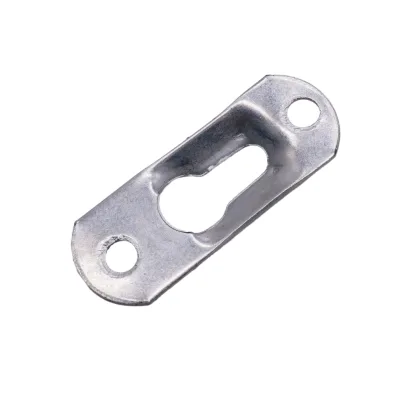
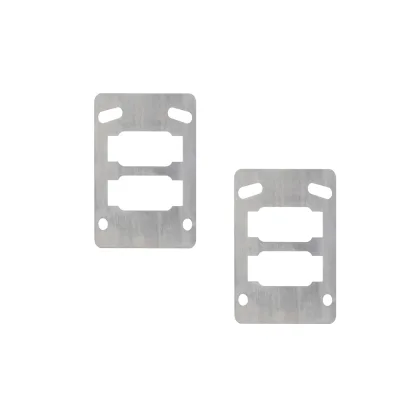
$0.1026 - $1.0163
MOQ: 1 Minimum
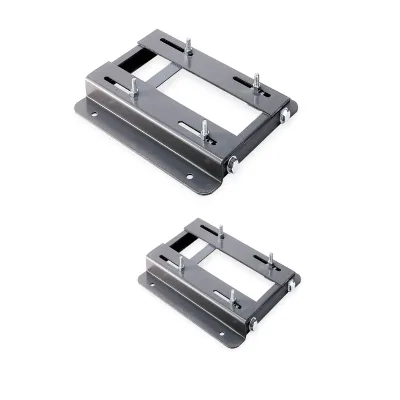

Hebei Xichenglong Electronics Co., Ltd.
- Verified by SGS
- Combined
- China Hebei
- Lead time30 days
- Avg. response≤ 3h
Main productsSheet Metal Part, CNC Machining Parts, Auto Parts, Custom Machining Parts, Precision Stamping Parts
Main marketsDomestic

HEBEI GIONLEE MACHINERY EQUIPMENT SALES CO., LTD.
- Verified by BV
- Trading Company
- China Hebei
- Lead time30 days
- Avg. response≤ 2h
Main productsMetal Welding Parts, Metal Stamping Part, Sheet Metal Fabrication, Deep Drawn Parts, CNC Machining Part, Ready Made Fasteners, Plastic Parts, Rubber Parts, Parking Heater, Machine
Main marketsSouth America,Southeast Asia/ Mideast,East Asia(Japan/ South Korea),Europe,North America

Ningbo Suijin Machinery Technology Co., Ltd.
- Verified by CTI
- Combined
- China Zhejiang
- Lead time30 days
- Avg. response≤ 8h
Main productsInvestment Casting Parts, Precision Casting Parts, Machining Parts, Auto Parts, Industry Parts, Building Parts, Marine Hardware, Valve/Pump Parts
Main marketsSoutheast Asia/ Mideast,Europe

Custom Precision Parts Aluminum 6061 Mounting Plate for Automotive Sector
$0.25 - $0.95
MOQ: 1000 Pieces

Custom Precision Parts Stainless Steel 304 Mounting Plate for Automotive Sector
$0.25 - $0.95
MOQ: 1000 Pieces

Ningbo Inunion Import and Export Co., Ltd.
- Verified by SGS
- Trading Company
- China Zhejiang
- Lead time30 days
- Avg. response≤ 2h
Main productsMachining Part, Plastic Injection Part, Stamping Parts, Casting Parts, Forging Parts, Weldments, Profile, Metal Parts
Main marketsSoutheast Asia/ Mideast,East Asia(Japan/ South Korea),Europe,Australia,North America

Wuxi Henderchan Industrial Co Ltd
- Verified by SGS
- Trading Company
- China Jiangsu
- Lead time45 days
- Avg. response≤ 3h
Main productsCustom CNC Machining Parts, CNC Machining Service, Custom Investment Casting Parts, Investment Casting Service, Precision Forging Service, Custom Precision Forging Parts, Hinges, Go Kart Parts, Metal Fabrication Service, Custom Metal Fabrication Parts
Main marketsEurope

Aluminum Steel Forgerd Hydraulic Mounting Plate Assembly Mounting Plate
$18.00 - $38.00
MOQ: 200 Pieces

Zhongshan MYD Metal Products Co., Ltd.
- Verified by TüVRheinland
- Manufacturer, Trading Company
- Lead time20 days
- Avg. response≤ 3h
Main productsMetal Stamping Parts, Sheet Metal Parts, Springs, CNC Machining Parts
Main marketsNorth America(40%), Eastern Europe(10%), Western Europe(10%)
Qingdao Hailong Machinery Group Co., Ltd.
- Verified by TüVRheinland
- Manufacturer, Trading Company
- Lead time30 days
- Avg. response≤ 6h
Main productsAutomotive Parts, Automotive Molds, Cabs, Cargo Compartments, Foundry
Main marketsNorth America(60%), South America(20%), Central America(10%)
Jiangyin Yonghao Machinery Co., Ltd.
- Verified by TüVRheinland
- Manufacturer, Trading Company
- Lead time7 days
- Avg. response≤ 4h
Main productsMetal Stamping Parts, Metal Welding Parts, Metal CNC Machining Parts, Moulds
Main marketsDomestic Market(23%), North America(17%), Western Europe(10%)
Dongguan Zhuoyijia Hardware Manufacturing Co., Ltd.
- Verified by Intertek
- Manufacturer, Trading Company
- Lead time15 days
- Avg. response≤ 2h
Main productsMoulds, Stamping Parts, CNC Machining Parts
Main marketsNorth America(58%), Eastern Asia(22%), Western Europe(12%)

Shenzhen Yishe Intelligent Technology Co., Ltd.
- Verified by SGS
- Trading Company
- China Guangdong
- Lead time23 days
- Avg. response≤ 5h
Main productsCNC Parts, Sheet Metal Parts
Main marketsSoutheast Asia/ Mideast

Cangzhou Qijing Hardware Accessories Sales Co., Ltd.
- Verified by SGS
- Trading Company
- China Hebei
- Lead time15 days
- Avg. response≤ 2h
Main productsBrackets, Stamping Parts, Saddle Clips, Spring Clips, Metal Grates, Deep Drawing, Deep Drawn Cups, Stamped Brackets, Perforated Grates, Development Parts
Main marketsNorth America

Yuyao Roc Plastic Manufactory Co., Ltd.
- Verified by CTI
- Combined
- China Zhejiang
- Lead time60 days
- Avg. response≤ 1h
Main productsInjection Molds, Injection Molding Plastic Parts, Plastic Housing, Plastic Cap, Plastic Cover, Plastic Connector, Plastic Ring, Plastic Shelf, Plastic Box, Plastic Stool
Main marketsAfrica,Domestic,Europe,Australia,North America

Weather Resistant ABS Mounting Plate for Forklift with UV Stabilized Surface
$0.10 - $2.00
MOQ: 1000 Pieces

High Impact ABS Mounting Plate for Forklift with Precision Drilled Mounting Holes
$0.10 - $2.00
MOQ: 1000 Pieces

Impact Resistant ABS Mounting Plate for Forklift with Shock Absorption Properties
$0.10 - $2.00
MOQ: 1000 Pieces

Durable Industrial ABS Mounting Plate for Forklift with High Load Capacity
$0.10 - $2.00
MOQ: 1000 Pieces

Heat Resistant ABS Mounting Plate for Forklift with High Temperature Stability
$0.10 - $2.00
MOQ: 1000 Pieces


Shenzhen Xintu Precision Hardware Co., Ltd.
- Verified by BV
- Trading Company
- China Guangdong
- Lead time15 days
- Avg. response≤ 2h
Main marketsSouth America,Africa,Southeast Asia/ Mideast,East Asia(Japan/ South Korea),Europe,Australia,North America

Shenzhen Runze Metal Technology Co., Ltd.
- Verified by SGS
- Combined
- China Guangdong
- Lead time23 days
- Avg. response≤ 4h
Main productsSheet Metal Fabrication, CNC Machining, Laser Cutting Services, Stamping Parts, Bending Parts, Powder Coating Services, Anodizing Services, Welding Parts, Metal Fabrication
Main marketsEurope


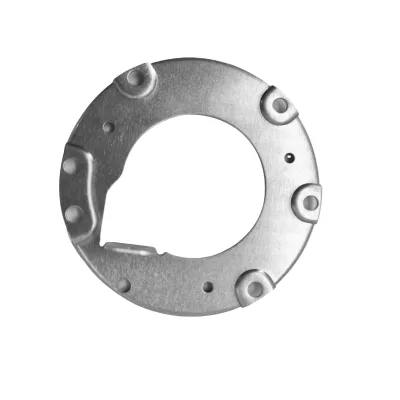
Automotive Equipment Mounting OEM Precision Sheet Metal Fabrication Complex Bracket
$0.30 - $0.70
MOQ: 1 Pieces




Comprehensive Sourcing Guide
Stamping Automotive Mounting Plate Supplier Concentration and Factory Types
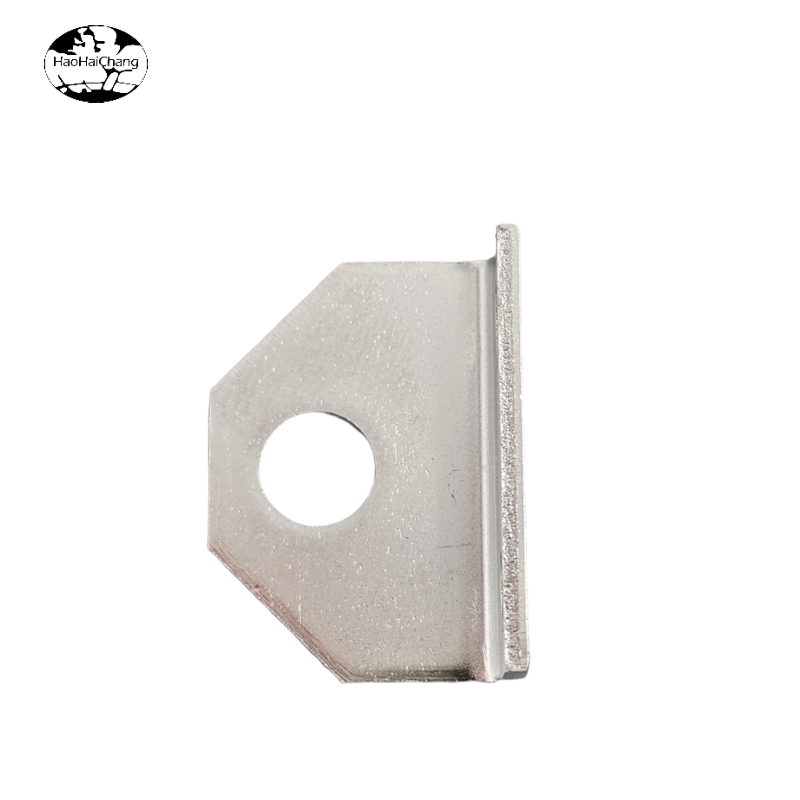
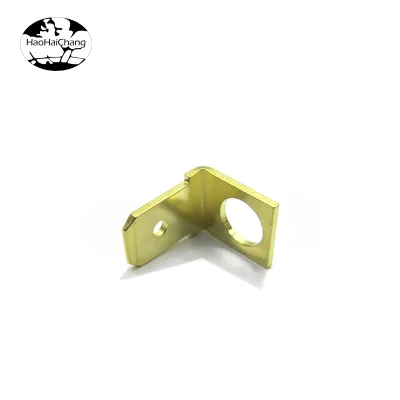
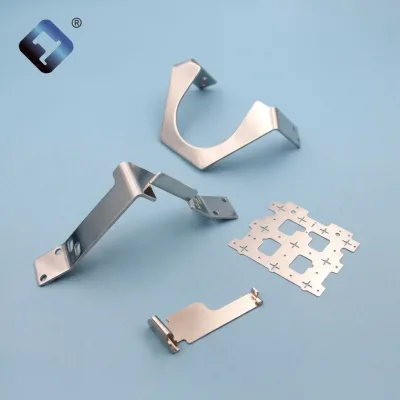
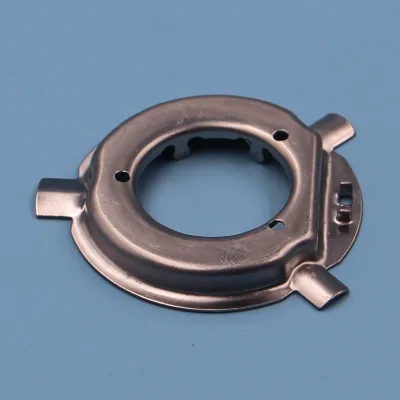
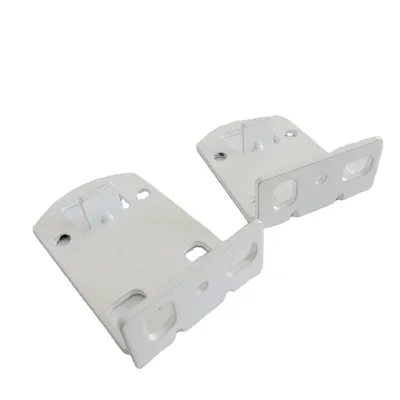
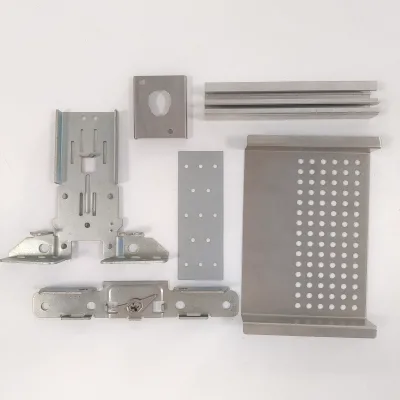
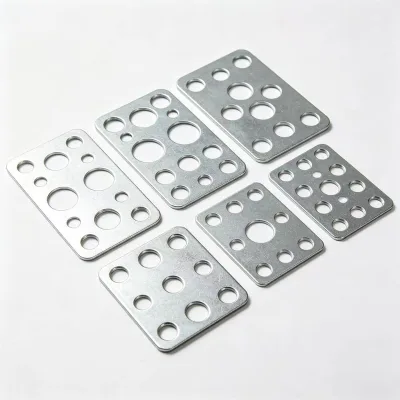
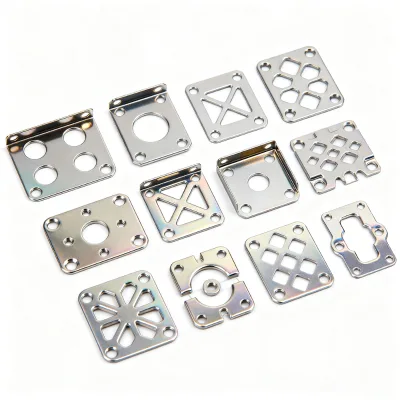
The sourcing landscape for stamping automotive mounting plates reveals a distinct concentration of manufacturing capabilities within specific industrial hubs, with GuangDong, China emerging as a primary cluster for these components. Suppliers located in this region often specialize in high-precision nonstandard parts, offering OEM services that cater to the rigorous demands of the automotive sector. The product evidence indicates that manufacturers in this area frequently produce items such as stainless steel stamping circular mounting plates and L-bracket mounting plates, which are critical for applications ranging from car thermostats to electric heating systems. This geographic concentration suggests a mature supply chain ecosystem where raw material availability, skilled labor, and specialized stamping machinery are readily accessible, allowing for efficient production cycles. Buyers evaluating suppliers in this cluster should note that the main products often include nuts, bolts, flanges, and brackets, indicating a broad capability in hardware fabrication that extends beyond simple mounting plates.
Factory types in this sector vary between pure manufacturers and trading companies, each offering distinct advantages for different procurement strategies. Manufacturer entities typically provide direct access to production lines, enabling greater control over customization and quality assurance processes, which is essential for high-precision automotive components. The presence of companies labeled as manufacturers suggests that buyers can engage directly with engineering teams to define specifications for materials like stainless steel, copper, or alloy iron, ensuring that the final product meets exact dimensional tolerances. Conversely, trading companies may offer a broader portfolio of hardware solutions, potentially simplifying the sourcing process for buyers who require multiple component types from a single source. Understanding the company type is crucial, as it influences the level of technical support available and the flexibility in handling small batch orders versus large-scale production runs.
How to Verify Stamping Automotive Mounting Plate Suppliers
Verifying the legitimacy and capability of Stamping Automotive Mounting Plate suppliers requires a multi-layered approach that goes beyond basic company profiles. Buyers should prioritize suppliers who display robust verification badges, such as CTI verification, which indicates that a third-party inspection agency has assessed the supplier’s business operations and product quality. This external validation provides a layer of confidence that the supplier is not only a legitimate entity but also adheres to certain operational standards. Additionally, examining the supplier’s response time is a practical indicator of their operational efficiency and customer service commitment. A response time of approximately 11 hours or less suggests a responsive team capable of addressing technical queries and negotiation points promptly, which is vital for maintaining project timelines in the automotive supply chain.
Certifications are another critical dimension for verification, particularly in the automotive industry where quality management systems are non-negotiable. Buyers should look for evidence of IATF16949 2016 certification, which is the global standard for quality management in the automotive sector, alongside ISO9001 2015 for general quality management and ISO14001:2015 for environmental management. These certifications demonstrate that the supplier has implemented rigorous processes for quality control and environmental responsibility. Furthermore, compliance with RoHS and REACH regulations is essential for ensuring that the materials used in the mounting plates, such as zinc, nickel, or tin platings, do not contain hazardous substances. Buyers must actively request and verify these certificates, as their presence is a strong indicator of a supplier’s ability to meet international automotive standards and regulatory requirements.
What to Compare Across Stamping Automotive Mounting Plate Suppliers
When comparing suppliers, lead time is a pivotal metric that directly impacts inventory management and production scheduling. Suppliers in the observed results show lead times ranging from 7 to 15 days, a variance that buyers must carefully evaluate based on their urgency and volume requirements. A shorter lead time of 7 days may be advantageous for just-in-time manufacturing scenarios, while a 15-day lead time might be acceptable for planned production runs with larger buffer stocks. Buyers should also consider the response time, which serves as a proxy for communication efficiency. A supplier with a response time of 5.59 hours demonstrates a higher level of responsiveness compared to those with longer intervals, potentially reducing the risk of delays in order processing and issue resolution.
Material specifications and surface treatments are other critical comparison points that affect both the performance and cost of the mounting plates. Suppliers offer a variety of materials, including stainless steel, copper, brass, and galvanized steel, each with different properties regarding corrosion resistance and strength. Surface treatments such as zinc, nickel, tin, silver, or gold plating are available to enhance durability and conductivity, depending on the application. Buyers must compare these options against their specific engineering requirements, such as the need for high-precision nonstandard parts or standard brackets. Additionally, comparing the Minimum Order Quantity (MOQ) is essential for cost-effective sourcing, as MOQs can range from 10 to 100 units, influencing the initial investment and inventory holding costs for different order sizes.
Common Stamping Automotive Mounting Plate Sourcing Risks
One significant risk in sourcing stamping automotive mounting plates is the variability in product specifications and quality consistency across different suppliers. The product evidence shows a wide range of applications, from automotive thermostats to electric heating systems, which implies that suppliers may have varying levels of expertise in specific niches. Buyers who do not clearly define their technical requirements may receive products that do not meet the precise dimensional tolerances or material grades needed for their assembly lines. This risk is exacerbated by the availability of both standard and nonstandard parts, where nonstandard OEM services require close collaboration with the supplier’s engineering team to ensure accuracy. Failure to align on specifications can lead to production delays and increased costs due to rework or rejection of non-conforming goods.
Another risk is the potential mismatch between advertised capabilities and actual production capacity, particularly regarding customization and scalability. While some suppliers claim OEM services and high-precision capabilities, buyers must verify if these claims are supported by actual production data and client references. The presence of combined company types or trading companies may introduce additional layers of complexity, as they may not have direct control over the manufacturing process. This can lead to inconsistencies in lead times and quality control. Furthermore, the reliance on specific surface treatments and materials means that supply chain disruptions in raw materials, such as stainless steel or copper, could impact the supplier’s ability to deliver on time. Buyers must conduct thorough due diligence to mitigate these risks and ensure a stable supply chain.
Stamping Automotive Mounting Plate Regional Sourcing and Logistics
Sourcing from regions like GuangDong, China, offers logistical advantages due to the area’s well-developed infrastructure and proximity to major shipping ports. This geographic concentration facilitates efficient export processes, reducing transit times and costs for international buyers. However, buyers must also consider the implications of sourcing from other regions, such as Tianjin, China, where suppliers may have different logistical profiles. Suppliers in Tianjin might offer different lead times and verification statuses, such as CTI verification, which could influence the overall sourcing strategy. The choice of region should be based on a balance of cost, lead time, and the specific logistical requirements of the buyer’s destination, ensuring that the total landed cost remains competitive.
Logistics planning must also account for the packaging and handling of the mounting plates, which can vary significantly between suppliers. Product evidence indicates that items are packed in bags, boxes, or cartons, with some suppliers providing specific single package sizes and gross weights. These details are crucial for calculating shipping volumes and costs, as well as for planning warehouse storage upon arrival. Buyers should request detailed packing information from suppliers to ensure that the products are protected during transit and that the packaging meets any specific requirements for their receiving facilities. Additionally, understanding the supplier’s experience, such as those established since 2001, can provide insight into their logistical reliability and ability to handle complex shipping arrangements over the long term.
Stamping Automotive Mounting Plate Commercial Terms and Order Planning
Commercial terms, including pricing and payment structures, are fundamental to successful order planning for stamping automotive mounting plates. The observed price ranges, such as $0.10 to $0.82 per unit, highlight the importance of volume-based negotiations and the impact of material choices on cost. Buyers must carefully analyze these prices in the context of the MOQ and the complexity of the stamping process, such as punching or high-precision stamping. Understanding the cost drivers, including surface treatments and material grades, allows buyers to make informed decisions that balance quality and budget. It is also essential to clarify any additional costs, such as tooling fees for nonstandard parts, which can significantly affect the total project cost.
Order planning should also incorporate the supplier’s established years and capacity for OEM services, as these factors influence long-term partnership stability. Suppliers with extensive experience, such as those operating since 2001, may offer more reliable production schedules and better support for continuous improvement initiatives. Buyers should align their order volumes with the supplier’s capacity to ensure timely delivery and consistent quality. Furthermore, considering the supplier’s main products and specialization can help in building a diversified yet focused supplier base. By integrating these commercial and operational factors into their sourcing strategy, buyers can optimize their procurement processes and mitigate risks associated with supply chain disruptions and cost overruns.
FAQs
What certifications do Stamping Automotive Mounting Plate suppliers hold?
Suppliers typically hold IATF16949 2016, ISO9001 2015, ISO14001:2015, RoHS, and REACH certifications. These credentials ensure compliance with automotive quality and environmental standards. Buyers should verify specific certificates for their target markets to guarantee regulatory adherence and product safety during procurement.
What is the typical lead time for these components?
Lead times generally range from 7 to 15 days depending on the supplier and order complexity. Manufacturers in Guangdong often quote around 7 days, while others may require up to 15 days. Buyers should confirm exact timelines during negotiation to align with production schedules.
What materials are used for stamping mounting plates?
Common materials include stainless steel, copper, alloy, iron, brass, and galvanized steel. Thicknesses typically range from 0.1mm to 3mm or up to 8UM. Surface treatments like zinc, nickel, tin, or gold plating are available to enhance corrosion resistance and durability for automotive applications.
What are the minimum order quantities for these parts?
MOQs vary significantly, ranging from 10 to 100 units per item. Some suppliers accept orders as low as 10 pieces, while others require 50 or 100 units. Buyers should check specific product listings to determine the exact MOQ applicable to their required volume and specifications.
Where are these manufacturers primarily located?
Manufacturers are primarily located in Guangdong, China, with specific origins in Shenzhen. Some suppliers are also based in Tianjin, China. These regions are known for robust hardware manufacturing capabilities, offering efficient supply chains for automotive and industrial stamping components.
What is the price range for stamped mounting plates?
Prices range from $0.01 to $0.82 per unit depending on material and complexity. Simple gaskets may cost around $0.01, while complex brackets can reach $0.82. Buyers should request detailed quotes based on specific dimensions, materials, and surface treatments to get accurate pricing for their needs.