Source anti-extrusion hydraulic cylinder buffer seal for pumps, valves, cylinders
Compare 30 listings for anti-extrusion hydraulic cylinder buffer seal from verified Chinese manufacturers. Evaluate specifications like working pressure, temperature range, and material composition to find the right fit for your hydraulic system needs; compare the available evidence and request quotations based on your requirements.
Updated
Key considerations
Products List


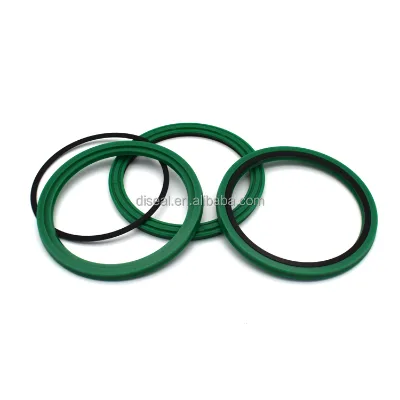
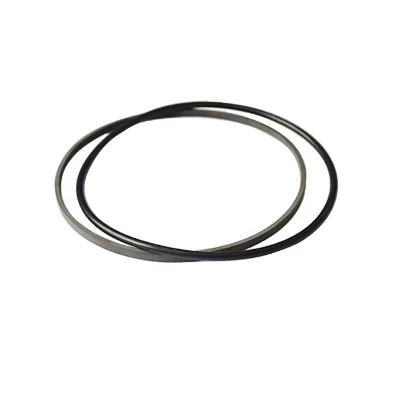
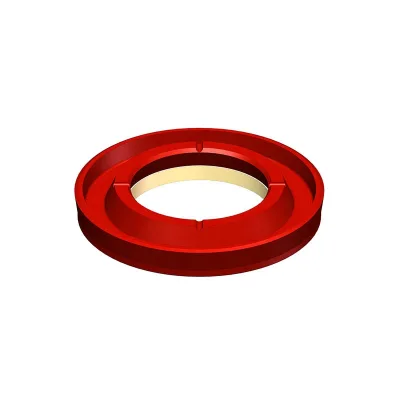
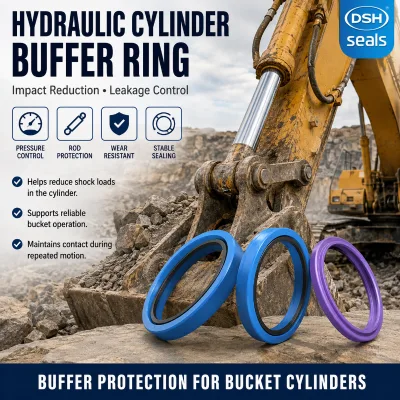
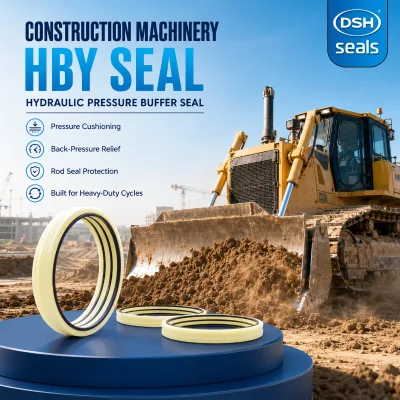
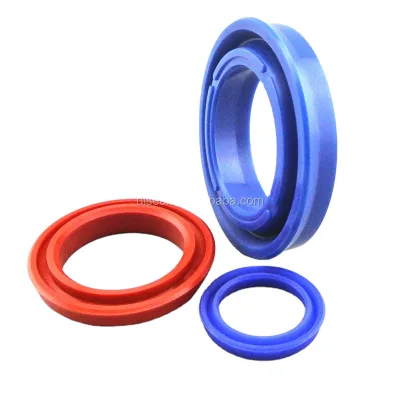
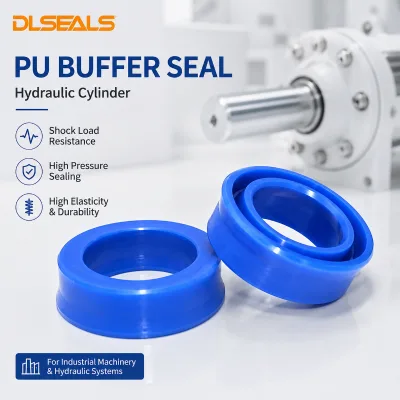


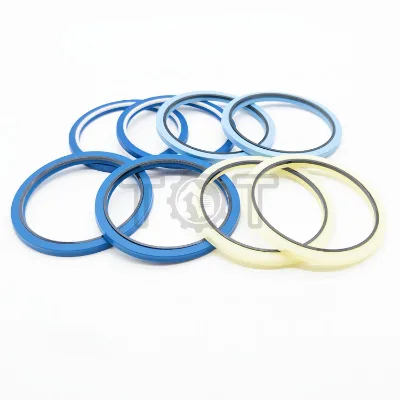
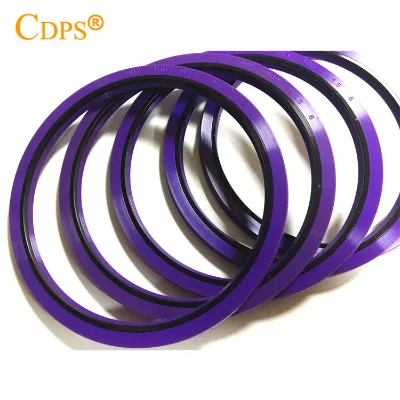


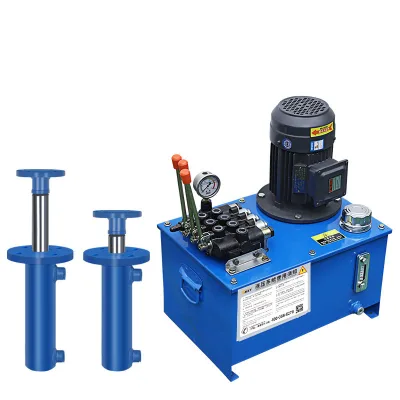
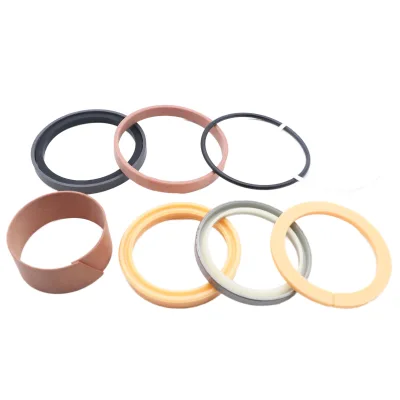
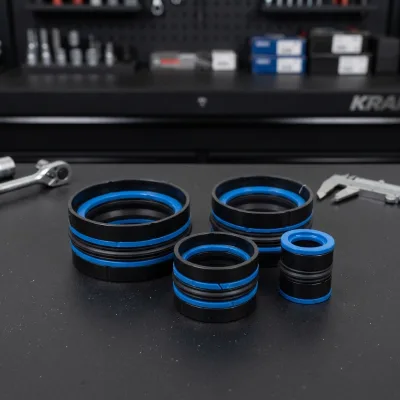
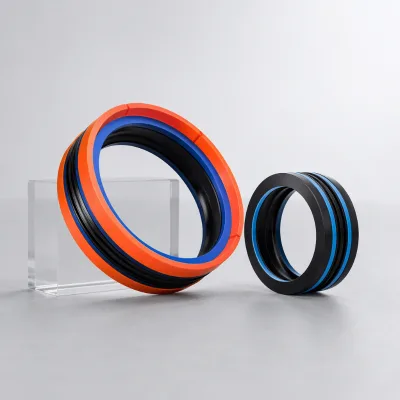
Comprehensive Sourcing Guide
Anti-Extrusion Hydraulic Cylinder Buffer Seal Sourcing Guide
Procuring anti-extrusion hydraulic cylinder buffer seals requires a disciplined approach to material selection and dimensional accuracy, as these components prevent seal extrusion under high pressure. Buyers must prioritize seals constructed from robust materials such as PU or POM, which offer the necessary hardness and resilience to withstand mechanical stress. The observed market data indicates a wide range of available configurations, including single-end structures and high-speed mechanical seal variants, necessitating careful alignment with specific hydraulic system requirements.
Sourcing decisions should also account for the diverse working environments these seals encounter, including exposure to water, gas, oil, and various chemicals. The observed working temperature ranges, typically spanning from -35°C to +110°C, highlight the importance of verifying thermal stability for each application. Buyers should evaluate suppliers based on their ability to provide customized packaging and specific color coding, such as turquoise back-up rings, which aid in quick identification and inventory management during maintenance cycles.
Product Scope and Observed Listing Signals
The current market for hydraulic rod seals and piston seals exhibits significant variability in model numbers, such as HBY, BU 0055 00060, and STR, reflecting the need for precise part matching. Listings frequently highlight attributes like low friction resistance and excellent lubrication, which are critical for maintaining efficiency in hydraulic cylinders. Buyers should observe that materials often combine PU with POM or PTFE and rubber, offering a balance of durability and flexibility that is essential for buffer seal performance in dynamic applications.
Observed listing signals also reveal a broad spectrum of size specifications, ranging from standard diameters of 8.9-500mm to customized options between 40-130mm. This variability underscores the necessity for buyers to verify exact dimensional requirements before placing orders, as standard sizes may not fit all hydraulic cylinder designs. Additionally, the presence of OEM branding options and flexible quantity requests, from single items to bulk orders, suggests that buyers can tailor procurement strategies to match their production volume and inventory constraints effectively.
Technical Specifications to Verify
Verifying the hardness of the seal material is a critical step, as observed values such as 93+/-2 Shore A indicate the level of resistance to deformation under load. Buyers must ensure that the selected seal can withstand the working pressure of the hydraulic system, with observed limits reaching up to 40Mpa. This verification process should include confirming the compatibility of the seal material with the specific working medium, whether it involves water, gas, oil, or aggressive chemicals, to prevent premature degradation or failure.
Dimensional accuracy is equally important, with specifications often provided in single package sizes or custom dimensions. Buyers should cross-reference the model number and size data with their hydraulic cylinder’s internal measurements to ensure a proper fit. It is also advisable to confirm the working temperature range, ensuring it aligns with the operational conditions of the equipment, as deviations can lead to seal hardening or softening, compromising the integrity of the hydraulic system over time.
Compliance and Safety Documentation
Ensuring that suppliers provide valid certification documentation is a fundamental requirement for maintaining quality standards in hydraulic component sourcing. Observed listings frequently mention ISO9001:2008 certification, which serves as a baseline indicator of the supplier’s quality management systems. Buyers should request current certification documents to verify that the supplier adheres to recognized international standards for manufacturing and quality control, reducing the risk of receiving substandard products that could fail in critical applications.
Beyond certification, buyers should inquire about the specific testing protocols used to validate seal performance under extreme conditions. While specific test results are not always listed, understanding the supplier’s approach to quality assurance can provide insight into the reliability of the products. Buyers should also verify that the materials used, such as PU or PTFE, comply with relevant industry regulations regarding chemical compatibility and environmental safety, ensuring that the seals do not introduce contaminants into the hydraulic system.
Cost Drivers and Commercial Terms
The cost of anti-extrusion hydraulic cylinder buffer seals is influenced by several factors, including material composition, customization requirements, and order volume. Observed price ranges vary significantly, reflecting the diversity in product specifications and supplier pricing strategies. Buyers should consider the total cost of ownership, which includes not only the unit price but also the costs associated with packaging, shipping, and potential downtime due to seal failure, to make informed procurement decisions.
Commercial terms such as MOQ and payment methods also play a crucial role in the sourcing process. Observed MOQs range from small quantities for specific models to larger bulk orders, allowing buyers to align purchases with their inventory needs. Payment terms like T/T are common, but buyers should negotiate favorable conditions based on their purchasing volume and relationship with the supplier. Understanding these commercial dynamics helps in budgeting accurately and managing cash flow effectively during the procurement cycle.
Supplier Qualification and Quality Control
Evaluating supplier qualifications involves assessing their manufacturing capabilities, particularly their ability to produce seals with consistent quality and precise specifications. Buyers should verify the supplier’s location, with many originating from regions like Guangdong, China, known for their manufacturing expertise. It is essential to confirm that the supplier has the infrastructure to handle customized orders, including specific color coding and packaging requirements, which are often critical for integration into existing hydraulic systems.
Quality control processes should be thoroughly reviewed to ensure that the supplier implements rigorous inspection protocols at every stage of production. Buyers should ask for details on how the supplier manages defects and ensures that each seal meets the specified hardness, size, and material standards. Establishing a clear communication channel for addressing quality issues and requesting samples before bulk orders can help mitigate risks and ensure that the supplied seals perform as expected in real-world applications.
Long-Term Procurement Checks
Establishing long-term procurement relationships requires regular performance monitoring and feedback loops with suppliers to ensure continuous improvement. Buyers should track the performance of the seals in their hydraulic systems, noting any issues related to wear, extrusion, or leakage, and share this data with suppliers to drive product enhancements. This collaborative approach helps in identifying potential improvements in material formulation or design that can extend the lifespan of the seals and reduce maintenance costs.
Additionally, buyers should periodically review supplier certifications and quality control practices to ensure they remain compliant with evolving industry standards. Maintaining a diversified supplier base can also mitigate risks associated with supply chain disruptions, ensuring a steady flow of high-quality seals. By focusing on long-term partnerships and continuous evaluation, buyers can secure a reliable supply of anti-extrusion hydraulic cylinder buffer seals that support the efficient and safe operation of their hydraulic equipment.
FAQs
What materials are used for hydraulic rod seals?
Hydraulic rod seals are commonly manufactured from PU, POM, PTFE, and rubber. These materials provide excellent friction resistance and lubrication. The seals are designed to withstand working pressures up to 40Mpa. They ensure reliable performance in hydraulic cylinders and oil cylinders. Customization is available for specific material requirements.
Can these seals withstand high temperatures?
Yes, the seals are designed for high-temperature mechanical seal applications. The working temperature range is typically -35 to +110 degrees Celsius. Some variants support up to +100 degrees Celsius. This ensures stability in various hydraulic environments. The seals maintain integrity under thermal stress.
What is the MOQ for these hydraulic seals?
The minimum order quantity varies by size. Small sizes may require 500 pieces per model, while big sizes require 50 pieces. Some listings show an MOQ of 100 pieces. Buyers can often order single items for testing. Customized packaging is welcome for bulk orders.
Which certifications do these seals have?
These seals are produced by manufacturers with ISO9001:2008 certification. This ensures quality management standards are met. The products are sourced from Guangdong, China. The brand name may be JST or OEM. Buyers should verify specific certification documents with suppliers.
How are these seals packaged for shipping?
Seals are packed inside poly bags and outside in cartons. Strong packing is used to prevent damage. Customized packaging options are available upon request. Single package sizes vary, such as 35x40x27 cm or 50x50x27 cm. The gross weight is approximately 0.5 kg per item.
What is the working pressure limit?
The working pressure limit is up to 40Mpa. This makes them suitable for high-pressure mechanical seal applications. They are designed for hydraulic cylinders and oil cylinders. The seals handle water, gas, oil, and chemicals. This pressure rating ensures durability in demanding industrial settings.