Source Gold Plated Magnetic Key Hook for Home, Office, and Industry
Compare 24 Gold Plated Magnetic Key Hook options from verified suppliers. Buyers can evaluate grades, coatings, and pull force for household, industrial, and electronic applications. These strong magnets feature nickel, zinc, or epoxy finishes with working temperatures up to 80 degrees Celsius. Custom sizes and single hook designs are available for various needs.
Updated
Key considerations
Products List
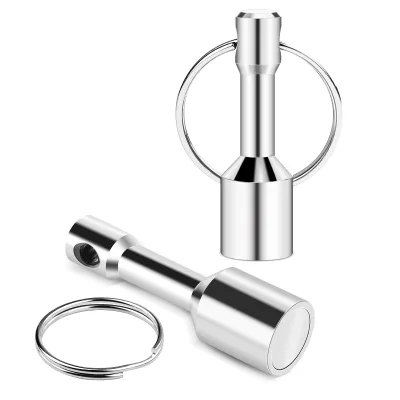
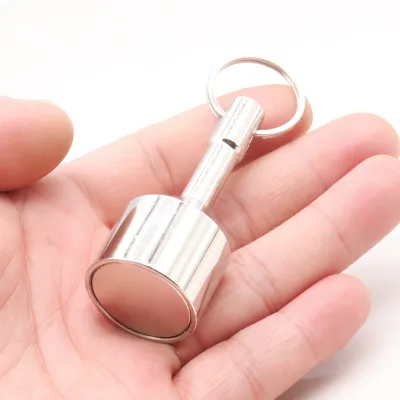

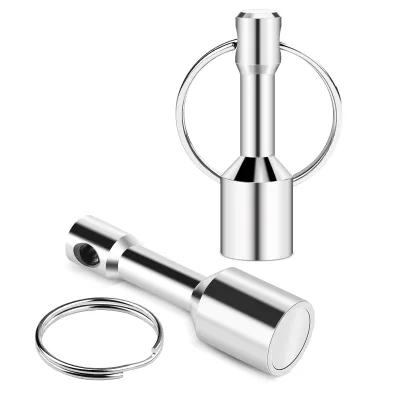
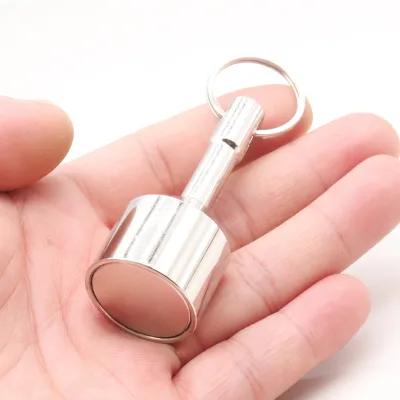
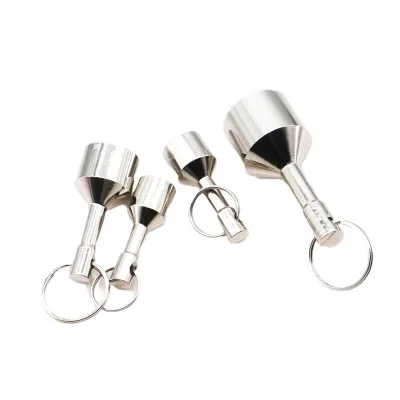


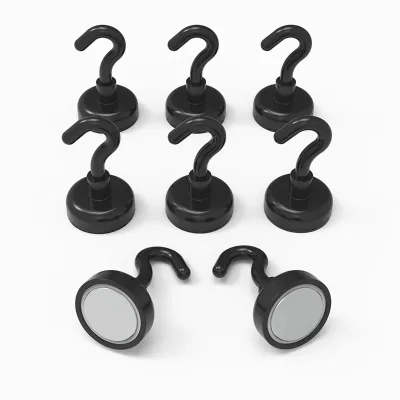


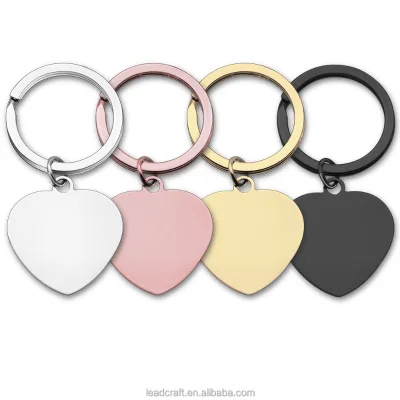


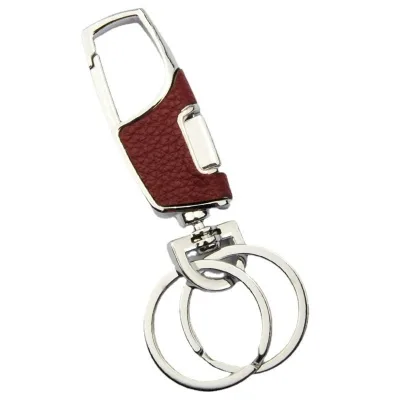





Comprehensive Sourcing Guide
Gold Plated Magnetic Key Hook Sourcing Guide
Sourcing gold plated magnetic key hooks requires a careful balance between aesthetic appeal and functional reliability, particularly for high-end residential or commercial installations. Buyers must recognize that "gold plated" refers to a surface finish rather than the magnetic core material, which is typically neodymium. The supplied data indicates that coatings such as gold, nickel, zinc, and epoxy are available, allowing for customization based on visual preference and environmental exposure. This distinction is critical because the plating protects the underlying metal from corrosion while providing the desired decorative finish. Procurement teams should verify that the gold layer is applied over a conductive base, often nickel, to ensure adhesion and durability.
The market for these items is diverse, ranging from simple household organizers to heavy-duty industrial mounting solutions. Observed listings show a wide range of applications, including speaker magnets, motor magnets, and jewelry magnets, suggesting that the same magnetic technology is adapted for various form factors. For key hooks specifically, the pull force is a primary performance indicator, with some products rated up to 30kg, although typical key loads are significantly lower. Buyers should assess whether the hook design, such as swivel or single hook styles, meets the ergonomic needs of the end-user. Understanding the specific use case helps in selecting the appropriate grade of magnet and the robustness of the hook mechanism.
Product Scope and Observed Listing Signals
The product scope for magnetic key hooks encompasses a variety of shapes, sizes, and customization options. Listings frequently describe these items as "custom" with available customization services, allowing buyers to tailor dimensions and magnetic strength to specific requirements. The observed shape attributes include round and single hook configurations, while materials are consistently identified as metal composites, specifically neodymium magnets. This flexibility in design means that buyers are not limited to off-the-shelf standard sizes but can request bespoke solutions that fit unique architectural or interior design constraints. The presence of "customized" standards and sizes in the data highlights the manufacturing capability for specialized orders.
Observed listing signals also reveal a broad range of commercial terms and delivery expectations. Prices observed in the market range from $0.1 to $10 USD, reflecting the variance in material quality, plating thickness, and order volume. Minimum order quantities (MOQ) vary significantly, from as low as 1 unit for samples to 5000 units for bulk production, catering to both small-scale retailers and large distributors. Delivery methods include express, air, and sea freight, with lead times typically spanning 8 to 25 days depending on the order size and customization level. These signals indicate a mature supply chain capable of handling both urgent small batches and large-scale industrial projects efficiently.
Technical Specifications to Verify
When evaluating technical specifications, the magnetic grade is a paramount consideration for ensuring adequate holding power. The supplied data lists grades such as N35, N36H, N52, and N54, which denote the energy product of the neodymium magnet. Higher grades like N52 offer stronger magnetic fields but may be more susceptible to corrosion if the plating is compromised. Buyers must verify that the selected grade aligns with the intended load requirements, keeping in mind that the working temperature for these magnets is often limited to around 80 degrees Celsius. Exceeding this temperature can lead to irreversible demagnetization, so environmental conditions must be carefully assessed during the selection process.
Surface finish and tolerance are equally critical for both aesthetics and mechanical fit. The gold plating must be uniform and free of defects to prevent premature corrosion, especially in humid environments. Tolerances are specified as tight as 0.05mm or ±1%, ensuring that the hooks fit precisely into mounting holes or align correctly with key rings. The processing services available, such as cutting and punching, allow for precise shaping of the hook component. Buyers should request detailed drawings and material certificates to confirm that the physical dimensions and magnetic properties match the quoted specifications, as deviations can lead to installation failures or reduced performance in the field.
Compliance and Safety Documentation
Compliance documentation is essential for verifying the safety and quality of magnetic components, particularly when they are used in consumer products. The supplied context mentions certifications such as ISO-9001 and QS-9000, which indicate that the manufacturer adheres to established quality management systems. These certifications suggest a structured approach to production control, reducing the risk of defects in the magnetic core or the plating process. Buyers should request copies of these certificates to ensure that the supplier maintains consistent quality standards across different production batches. Additionally, verifying the origin of the materials, often from China, can provide insights into the supply chain transparency and regulatory compliance of the sourcing region.
Safety considerations also extend to the handling and disposal of neodymium magnets, which are strong and can pose pinch hazards. While the provided data does not explicitly detail safety data sheets, buyers should ensure that suppliers provide appropriate handling instructions and material safety information. The use of coatings like epoxy or phosphating can enhance safety by reducing the risk of chipping and exposure to raw magnetic material. Furthermore, compliance with environmental regulations regarding heavy metals in plating processes is crucial, especially for products sold in markets with strict environmental standards. Buyers must confirm that the gold plating and underlying layers meet relevant environmental directives to avoid regulatory issues in the destination market.
Cost Drivers and Commercial Terms
Cost drivers for gold plated magnetic key hooks are primarily influenced by the raw material costs of neodymium and the complexity of the plating process. Neodymium prices fluctuate based on global supply and demand, directly impacting the base cost of the magnet. The gold plating adds a significant premium due to the cost of precious metals and the specialized electroplating techniques required. Buyers should analyze the cost breakdown to understand how much of the price is attributed to the magnetic core versus the decorative finish. Customization options, such as specific shapes or tolerances, can also increase production costs due to the need for specialized tooling and longer processing times.
Commercial terms, including payment methods and shipping arrangements, play a crucial role in the total cost of ownership. The observed delivery options of express, air, and sea freight allow buyers to balance speed and cost based on their inventory needs. Lead times of 8 to 25 days provide flexibility for planning, but rush orders may incur additional charges. Sample orders are accepted, which is beneficial for testing quality before committing to large volumes. Buyers should negotiate clear terms regarding packaging, such as carton, wood case, or anti-magnetized packages, to ensure safe transit and prevent demagnetization. Understanding these commercial variables helps in creating a realistic budget and avoiding unexpected expenses during the procurement process.
Supplier Qualification and Quality Control
Supplier qualification involves assessing the manufacturer's capability to produce consistent, high-quality magnetic hooks. The presence of customization services and a wide range of product models, such as the PH Series or JINSHUO MAGNET, indicates a versatile production facility. Buyers should verify the supplier's experience in producing gold plated components, as this requires specialized expertise to ensure adhesion and durability. Requesting references or case studies from previous clients can provide insights into the supplier's reliability and ability to meet specific requirements. Additionally, checking the supplier's production capacity and equipment can help determine if they can handle the desired order volume without compromising quality.
Quality control measures are vital to ensure that every batch of magnetic hooks meets the specified standards. Buyers should inquire about the supplier's internal testing procedures, including pull force tests and coating adhesion checks. The ability to provide pre-shipment inspections or third-party quality reports adds an extra layer of assurance. Given the tight tolerances of 0.05mm, statistical process control methods should be employed to maintain consistency. Buyers should also establish clear acceptance criteria for defects, such as plating imperfections or magnetic strength variations, and communicate these expectations clearly to the supplier. A robust quality control framework minimizes the risk of receiving substandard products and ensures long-term satisfaction with the procurement.
Long-Term Procurement Checks
Long-term procurement checks focus on maintaining supplier performance and adapting to market changes over time. Regular audits of the supplier's quality management systems and production facilities can help identify potential issues before they impact supply. Buyers should monitor the supplier's ability to maintain consistent quality across different batches, especially when scaling up production. Tracking key performance indicators such as on-time delivery rates, defect rates, and responsiveness to issues provides a quantitative measure of supplier reliability. Establishing a continuous improvement dialogue with the supplier can lead to better products and more efficient processes, benefiting both parties in the long run.
Market dynamics and technological advancements also require periodic review of the procurement strategy. The availability of new magnet grades or plating technologies may offer opportunities for cost savings or performance improvements. Buyers should stay informed about changes in raw material prices and regulatory requirements that could affect the product. Additionally, evaluating alternative suppliers can provide leverage in negotiations and reduce dependency on a single source. By maintaining a proactive approach to supplier management and market analysis, buyers can ensure a stable and cost-effective supply of gold plated magnetic key hooks, supporting their business objectives and customer satisfaction.
FAQs
What coating options are available for gold plated magnetic key hooks?
Gold plating is one of several available surface treatments for these magnetic hooks. Other common options include nickel, zinc, epoxy, and chrome plating. These coatings protect the neodymium magnet core from corrosion and enhance durability. Buyers can select the finish that best suits their specific industrial or household application requirements.
Can I customize the size and shape of these magnetic hooks?
Yes, customization is available for both size and shape. The product specifications indicate that dimensions can be tailored to specific needs, with a standard tolerance of 0.05mm. Manufacturers offer round shapes and single hook designs, allowing buyers to request bespoke dimensions that fit their unique mounting or hanging requirements precisely.
What is the working temperature limit for these neodymium magnets?
The working temperature limit for these neodymium magnets is 80 degrees Celsius. This thermal stability ensures reliable performance in various industrial and electronic applications. Buyers should ensure their operating environment stays within this range to maintain the magnetic pull force and prevent demagnetization during continuous use in moderate heat conditions.
Which certifications do these magnetic hook manufacturers typically hold?
Manufacturers of these magnetic hooks typically hold ISO-9001 and QS-9000 certifications. These standards verify quality management systems and manufacturing consistency. Buyers can rely on these credentials to ensure that the production processes meet international quality benchmarks for materials, processing services, and final product inspection before shipment.
How long is the delivery time for bulk orders?
The typical delivery time for bulk orders ranges from 8 to 25 days. This variance depends on the order quantity and selected shipping method, which includes express, air, or sea freight. Buyers should confirm the exact lead time with the supplier based on their specific production schedule and logistical preferences for timely receipt.
What is the minimum order quantity for these magnetic hooks?
The minimum order quantity ranges from 1 to 5000 units depending on the supplier. Sample orders are accepted for quality verification before committing to larger volumes. Buyers can start with small quantities to test the product performance and then scale up production based on the observed pull force and coating quality results.