Source Yellow Zinc Lashing Ladder Buckle for Lashing, Transport, Cargo
Compare 30 Yellow Zinc Lashing Ladder Buckle options from suppliers in Zhejiang, China. Products feature alloy or iron construction with strengths up to 10t and sizes ranging from 30mm to 50mm for various industrial lashing needs; compare the available evidence and request quotations based on your requirements.
Updated
Key considerations
Products List
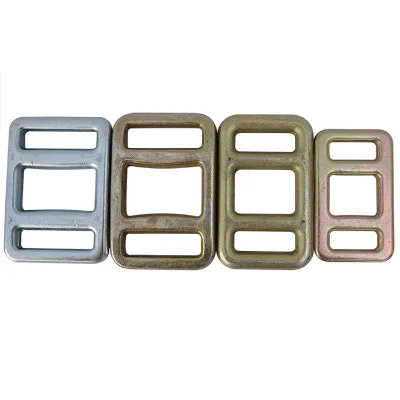
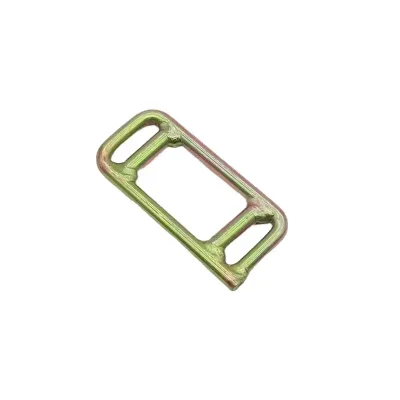
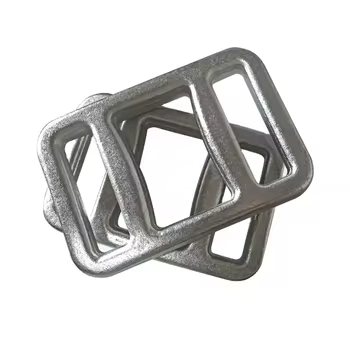
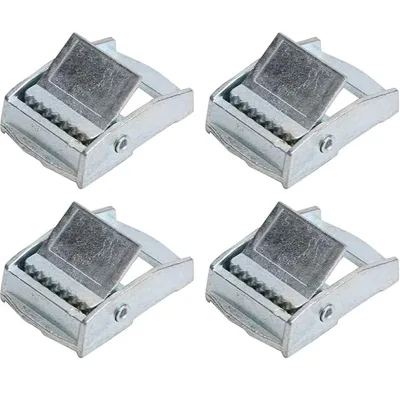


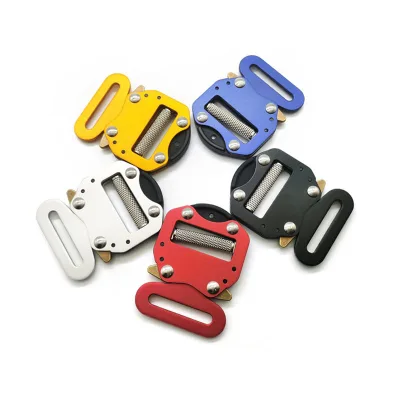
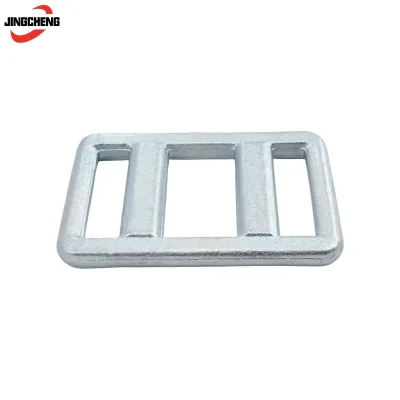
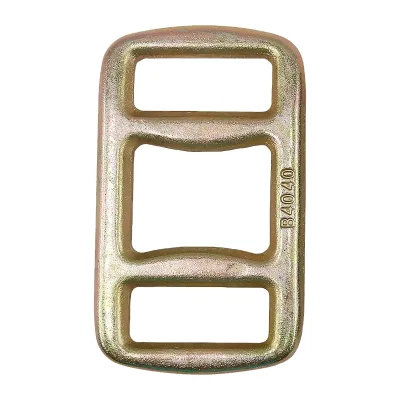
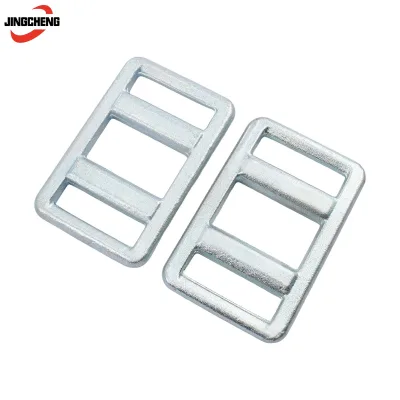
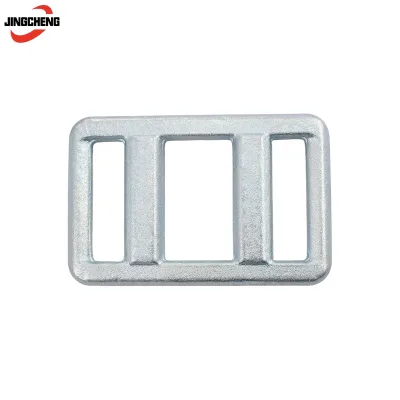
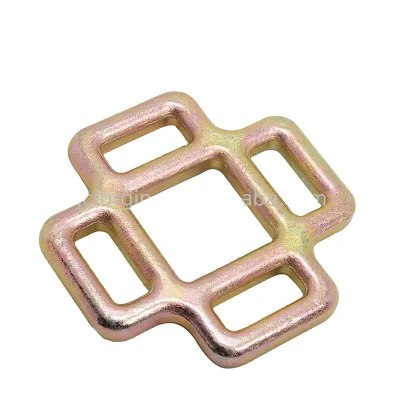
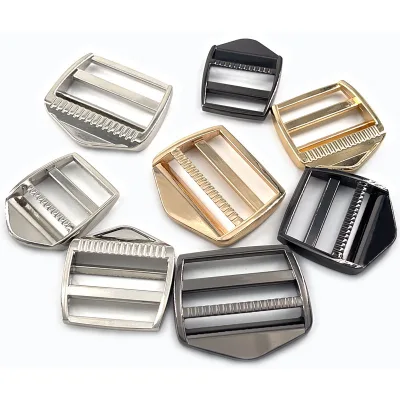
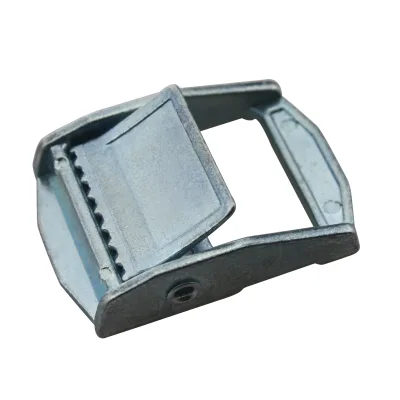
High Quality Two Parts Zinc Alloy Safety Adjustable Ladder Buckle for Straps
$1.58 - $2.05
MOQ: 1000 Minimum

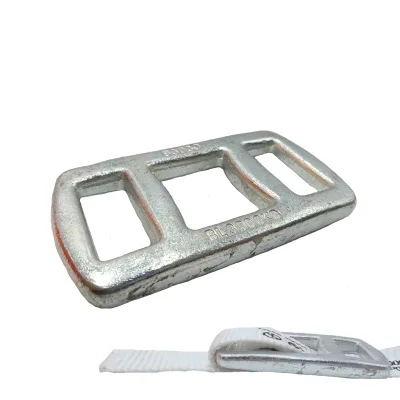
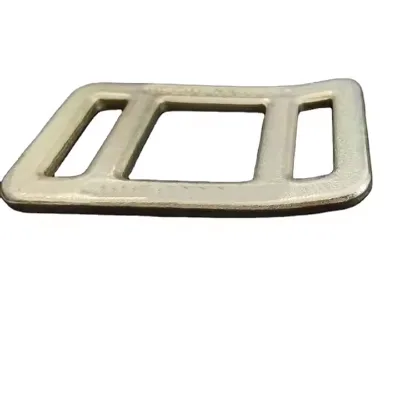
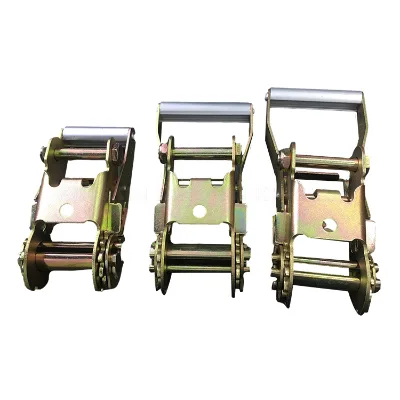

Comprehensive Sourcing Guide
Yellow Zinc Lashing Ladder Buckle Sourcing Guide
Sourcing yellow zinc lashing ladder buckles requires a nuanced understanding of industrial fastening components that bridge the gap between heavy-duty cargo securing and specialized ladder attachment systems. Buyers must recognize that while the core keyword suggests a specific aesthetic and functional profile, the market offers a diverse array of products ranging from simple welded buckles to complex forged lashing mechanisms. The presence of zinc plating indicates a primary focus on corrosion resistance, which is critical for outdoor or marine environments where exposure to moisture and salt can rapidly degrade standard steel components. This protective coating not only extends the service life of the hardware but also maintains the structural integrity of the lashing system under harsh weather conditions.
Procurement teams should approach this category by distinguishing between general-purpose lashing buckles and those specifically engineered for ladder applications. The observed product landscape includes items labeled as "welded buckles," "forged lashing buckles," and "load buckles," each implying different manufacturing processes and strength characteristics. Understanding these distinctions is vital for ensuring that the selected component meets the specific load-bearing requirements of the intended application. Buyers must carefully evaluate whether the yellow zinc finish is a standard electroplating process or a more durable mechanical galvanizing technique, as this distinction significantly impacts the long-term performance and maintenance costs of the installed hardware.
Product Scope and Observed Listing Signals
The current market listings reveal a wide spectrum of product attributes that buyers must navigate to find the correct component for their needs. Observed data indicates that materials range from basic iron and alloy steel to more specialized zinc alloy constructions, with surface treatments predominantly featuring zinc plating in various colors including white, yellow, and galvanized finishes. The strength ratings observed in the market are substantial, with some products claiming capacities of 4 tons, 8.5 tons, and even up to 10 tons, while others specify precise kilogram loads such as 4000kgs or 5000kgs. These variations suggest that the term "ladder buckle" may encompass a broad category of heavy-duty fasteners rather than a single standardized item, requiring careful verification of load ratings against specific operational demands.
Size specifications further complicate the sourcing process, with available dimensions ranging from small 10mm and 12mm components to larger 40mm, 50mm, and even 50mm welded buckles. The manufacturing processes identified include forging, stamping, and die casting, each offering different mechanical properties and cost structures. Forged components generally provide superior tensile strength and durability, making them suitable for high-stress lashing applications, while stamped or die-cast parts may be more appropriate for lighter-duty or decorative uses. Buyers must align these manufacturing methods with their specific application requirements, ensuring that the chosen buckle can withstand the dynamic loads and environmental conditions it will encounter during service.
Technical Specifications to Verify
When evaluating technical specifications, buyers must prioritize the verification of material composition and mechanical strength ratings to ensure safety and reliability. The observed product data highlights materials such as alloy steel, iron, and zinc alloy, each with distinct properties regarding weight, corrosion resistance, and load-bearing capacity. It is essential to confirm that the material grade matches the required strength class, particularly for applications involving heavy loads or dynamic stresses. Buyers should request detailed material test reports or certificates of conformity to verify that the alloy composition meets industry standards for tensile strength and yield point, ensuring that the buckle will not fail under expected operating conditions.
Dimensional accuracy and surface treatment quality are equally critical factors that require rigorous verification. The observed size ranges, including 30mm, 35mm, 40mm, and 50mm, indicate that precise measurements are necessary to ensure compatibility with existing lashing systems or ladder structures. Buyers should specify tolerance levels for key dimensions such as width, length, and hole diameter to prevent fitment issues during assembly. Additionally, the quality of the zinc plating must be assessed for thickness and uniformity, as inadequate coating can lead to premature corrosion and failure. Requesting samples for physical inspection and dimensional measurement is a prudent step to validate that the supplied components meet the specified technical requirements before committing to a larger order.
Compliance and Safety Documentation
Compliance with relevant safety standards is paramount when sourcing lashing buckles, as these components play a critical role in securing loads and preventing accidents. Buyers must verify that the products comply with applicable regional and international standards, such as CE marking, which indicates conformity with health, safety, and environmental protection standards for products sold within the European Economic Area. The observed data mentions CE certification for some products, but buyers should confirm the validity of these certifications and ensure that they cover the specific product type and load rating being procured. It is also important to check for any additional industry-specific certifications that may be required for the intended application, such as maritime or automotive standards.
Documentation provided by suppliers should include detailed technical data sheets, user manuals, and maintenance guidelines to ensure proper installation and use. Buyers should request evidence of quality management systems, such as ISO 9001 certification, to assess the supplier's commitment to consistent product quality. Additionally, it is advisable to inquire about the testing procedures used to validate load ratings and durability, including any third-party testing reports. Understanding the limitations and proper usage instructions provided by the manufacturer is essential for minimizing the risk of failure and ensuring the safety of personnel and cargo during transportation and storage operations.
Cost Drivers and Commercial Terms
Cost drivers for yellow zinc lashing ladder buckles are influenced by several factors, including material costs, manufacturing processes, and order volume. The observed price range of $0.05 to $5 USD suggests significant variation based on product complexity, size, and strength rating. Forged buckles, which require more intensive manufacturing processes, typically command higher prices than stamped or die-cast alternatives. Buyers should consider the total cost of ownership, including maintenance and replacement costs, rather than focusing solely on the initial purchase price. Higher-quality components with superior corrosion resistance and load-bearing capacity may offer better long-term value by reducing downtime and replacement frequency.
Commercial terms such as minimum order quantity (MOQ), lead times, and payment terms also impact the overall procurement strategy. The observed MOQ range of 50 to 5000 pieces indicates flexibility in order sizes, allowing buyers to tailor their purchases to their specific needs. Lead times of 7-10 days for some products suggest relatively quick turnaround, but buyers should confirm these estimates with their chosen supplier, as they can vary based on production capacity and order volume. Negotiating favorable payment terms and shipping arrangements can further optimize the procurement process, ensuring that the total cost remains competitive while maintaining supply chain reliability and product quality.
Supplier Qualification and Quality Control
Supplier qualification is a critical step in ensuring the reliability and consistency of Yellow Zinc Lashing Ladder Buckle supplies. Buyers should conduct thorough due diligence on potential suppliers, assessing their manufacturing capabilities, quality control processes, and track record in the industry. Visiting the supplier's facility or requesting virtual tours can provide valuable insights into their production lines, equipment, and quality assurance practices. It is also important to verify the supplier's ability to meet specific customization requirements, such as unique sizes, colors, or branding, as indicated by the observed availability of OEM/ODM services.
Quality control measures should be clearly defined and agreed upon before placing orders. Buyers should establish clear acceptance criteria for product quality, including dimensional tolerances, surface finish, and load-bearing performance. Implementing a robust inspection process, such as pre-shipment inspections or third-party quality audits, can help identify and rectify any defects before the products are shipped. Additionally, establishing a clear communication channel with the supplier for addressing quality issues and implementing corrective actions is essential for maintaining high standards of product quality and customer satisfaction throughout the procurement lifecycle.
Long-Term Procurement Checks
Long-term procurement success depends on establishing ongoing performance monitoring and relationship management strategies with suppliers. Buyers should regularly review supplier performance metrics, including on-time delivery rates, product quality consistency, and responsiveness to issues. Conducting periodic audits or reviews can help identify areas for improvement and ensure that the supplier continues to meet the required standards. Building a strong partnership with the supplier can lead to better pricing, priority production scheduling, and collaborative innovation in product design and development.
It is also important to stay informed about industry trends, technological advancements, and regulatory changes that may impact the sourcing of lashing buckles. Regularly updating technical specifications and compliance requirements ensures that the procured products remain suitable for the intended applications. Additionally, diversifying the supplier base can mitigate risks associated with supply chain disruptions and ensure continuity of supply. By maintaining a proactive approach to supplier management and market monitoring, buyers can optimize their procurement strategy and achieve long-term cost savings and operational efficiency.
FAQs
What materials are used for yellow zinc lashing buckles?
These buckles are typically manufactured from alloy steel or iron with zinc plating for corrosion resistance. The zinc coating provides a durable finish suitable for outdoor lashing applications. Some variants may use zinc alloy for lighter duty uses. The material choice ensures strength while maintaining the characteristic yellow zinc appearance for visibility and protection against rust.
What sizes are available for these lashing buckles?
Common sizes include 30mm, 40mm, 50mm, and 35mm widths. Specific models like the OWB3516P-2 or Load Buckle 40 correspond to these dimensions. Larger sizes up to 50mm are standard for heavy-duty lashing. Smaller sizes like 10mm to 25mm are available for lighter applications. Buyers should select the size that matches their strap width and load requirements.
What is the breaking strength of these buckles?
Strength ratings vary by model, with options including 4t, 8.5t, and 10t working load limits. Specific models offer 4000kgs or 5000kgs capacity. The forged process enhances structural integrity for high-stress lashing. Buyers must match the buckle strength to their cargo weight. Always verify the specific model number for exact load ratings before procurement.
Can these buckles be customized for specific needs?
Yes, customization is available for branding, plating color, and design. Options include silver, gold, black, or antique finishes alongside standard yellow zinc. OEM and ODM services allow for tailored specifications. Buyers can request specific packaging or logo integration. This flexibility supports unique branding requirements while maintaining the core functional integrity of the lashing buckle.
What is the typical lead time for orders?
The standard lead time is 7-10 days for production. This duration applies to most standard orders and customized requests. Bulk orders may require additional time depending on volume. Buyers should confirm lead times with suppliers during the inquiry phase. Early planning ensures timely delivery for project schedules and inventory management needs.
Where are these buckles manufactured?
These products originate from Zhejiang, China, a major hub for hardware manufacturing. The region offers established supply chains for alloy steel and zinc plating processes. Buyers benefit from competitive pricing and efficient logistics from this location. Sourcing from this area provides access to a wide variety of buckle models and specifications.