Heat Resistant Vulcanized Rubber Stickers Suppliers and Manufacturers
Source 19 verified suppliers for Heat Resistant Vulcanized Rubber Stickers. Compare key dimensions including lead times, MOQs, certifications, and response rates. Review product specifications and request quotes directly from the listed manufacturers; review the available evidence before requesting comparable quotations from suitable candidates.
Updated
Suppliers List
Fy Packing Material (shanghai) Co., Ltd.
- Verified by TüVRheinland
- Trading Company
- Lead time20 days
- Avg. response≤ 5h
Main productsSticker, Label, Tatto Paper
Main marketsNorth America(30%), Southeast Asia(15%), South America(10%)


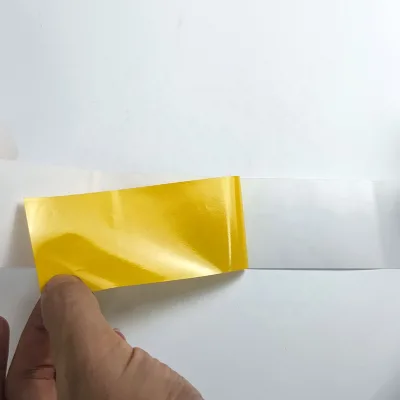
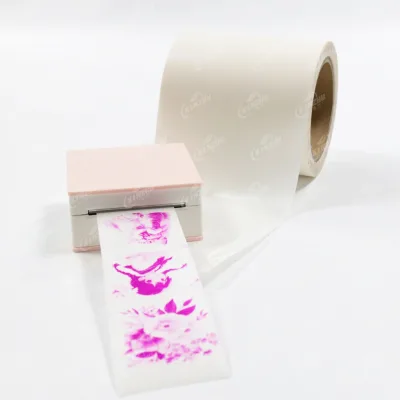
Whole Sale Vulcanized Label Rubber Stickers
$0.08 - $0.80



Dongguan Gaofei Electronic Technology Co., Ltd.
- Verified by SGS
- Combined
- China Guangdong
- Lead time15 days
- Avg. response≤ 4h
Main productsLabel Printer Scanner
Main marketsSoutheast Asia/ Mideast,Domestic,Europe,Australia,North America


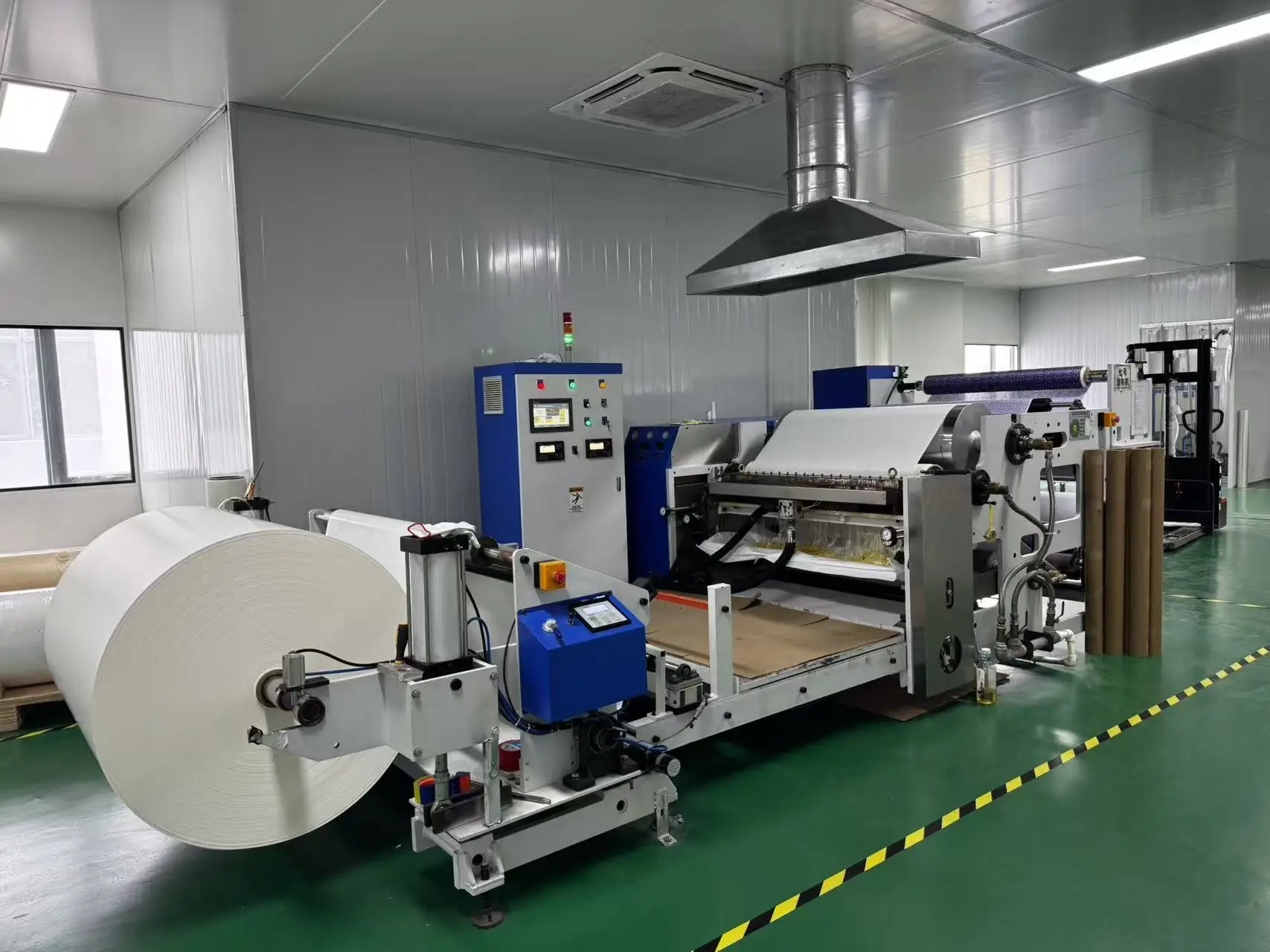
Permanent Label Stickers for Tire High Temperature Resistant Heat Transfer Vulcanized Labels
Negotiable
MOQ: 100000 piece

High Temperature Labels Printing Vulcanized Rubber Tyre Stickers Vulcanized Label
Negotiable
MOQ: 1000 piece

Zhejiang Guanma Packaging Co., Ltd.
- Manufacturer, Trading Company
- Zhejiang, China
- Lead time15 days
- Avg. response≤ 5h
Main productsself adhesive label materials,self adhesive PET film,self adhesive PP film,self adhesive paper,self adhesive vinyl film
Main marketsSoutheast Asia(20.00%)
Crystal Code Technology (Shanghai) Co.,Ltd.
- Verified by TüVRheinland
- Trading Company
- Lead time10 days
- Avg. response≤ 5h
Main productsSticker, Label, Tattoo Paper
Main marketsNorth America(30%), Southeast Asia(15%), South America(10%)
Kunshan Mengzhong Adhesive Products Co., Ltd.
- Manufacturer, Trading Company
- Jiangsu, China
- Lead time15 days
- Avg. response≤ 2h
Main productsThermal Label,Security label,Eggshell label,Thansfer sticker,Tyre label
Main marketsMid East(20.00%), Northern Europe(20.00%), Eastern Asia(20.00%), South Asia(10.00%), South America(10.00%), Western Europe(10.00%), North America(10.00%)

Qingdao Chenghaoda Science and Technology Co., Ltd.
- Verified by BV
- Manufacturer/Factory
- China Shandong
- Lead time15 days
- Avg. response≤ 15h
Main productsCustom Packaging Paper Bag, Custom Packaging Paper Box, Corrugated Carton/Gift Box, Custom Notebook, Decorative Books, Book/Booklet/Brochure/Catalog/Magazine Printing, Disposable Dishware
Main marketsNorth America,Eastern Asia,Western Europe

$0.002 - $0.005
MOQ: 100 Pieces

$0.002 - $0.005
MOQ: 100 Pieces


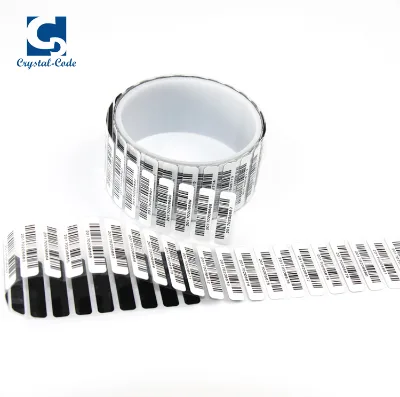
Barcode Readable High Heat Temperature Strong Adhesive Vulcanization Tire Labels
$0.002 - $0.005
MOQ: 100 Pieces

Custom Strong Permanent Pet Adhesive Tyre Label Stickers for Rubber Tire
$0.002 - $0.005
MOQ: 100 Pieces

Shenzhen Johnson New Materials Co., Ltd.
- Verified by BV
- Combined
- China Guangdong
- Lead time15 days
- Avg. response≤ 24h
Main productsWine Label Materials, Self Adhesive Paper, Direct Thermal PP Label Sticker, Linerless Label, Solvent-Free UV Acrylic Adhesive, Tire Adhesive Frozen Removable Adhesive, Self Adhesive Films PP BOPP Pet PE, Hologram BOPP Sticker Paper, Digital Inkjet Printable Sticker Paper, Aluminum Foil Sticker Paper
Main marketsSouth America,Africa,Southeast Asia/ Mideast,Europe,Australia,North America

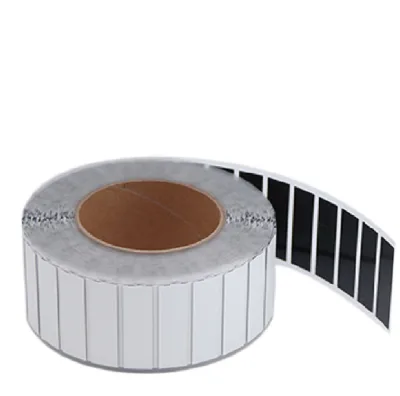
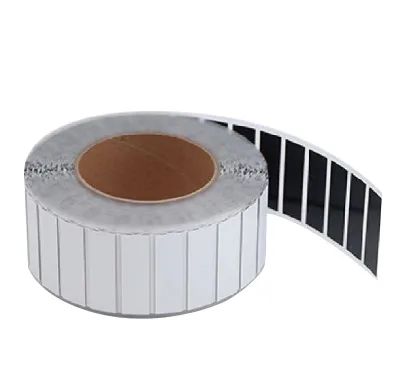
Car Rubber Tires Glossy Waterproof Self Adhesive Vulcanization Label Stickers
$0.80 - $0.95
MOQ: 3000 Square Meters


Waterproof Tyre Sticker Self Adhesive Label for Tire, Customized Tyre Sticker
$0.80 - $0.95
MOQ: 3000 Square Meters


Hefei Gelebor Adhesive Products Co., Ltd.
- Manufacturer, Trading Company
- Anhui, China
- Lead time15 days
- Avg. response≤ 3h
Main productsSelf-Adhesive Labels,Packing Box,Hand Bags,Card Tags,Propaganda Album
Main marketsDomestic Market(95.00%), Eastern Asia(1.00%), North America(1.00%), Southern Europe(1.00%), Eastern Europe(1.00%), Mid East(1.00%), South Asia(0.00%), South America(0.00%), Oceania(0.00%), Western Europe(0.00%), Central America(0.00%), Northern Europe(0.00%), Africa(0.00%), Southeast Asia(0.00%)
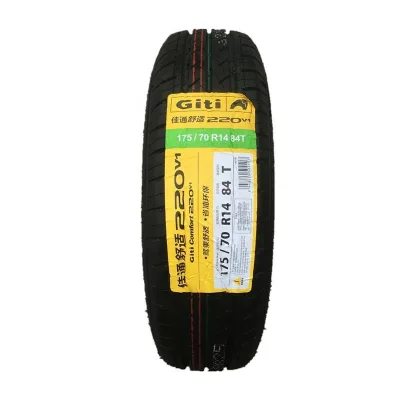
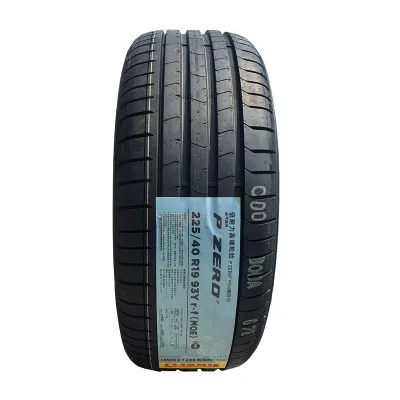
Outdoor High Temperature Resistant Super Glue Vulcanized Tire PET PP Self-adhesive Label
$0.0206 - $0.3206
MOQ: 500 pieces
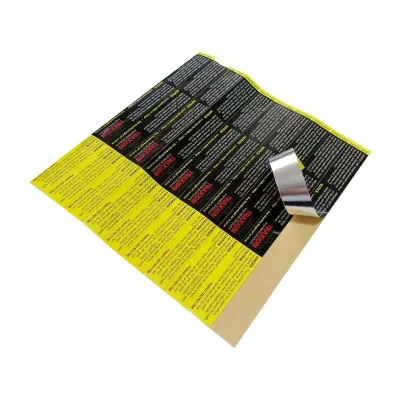
$0.0205 - $0.3191
MOQ: 500 pieces
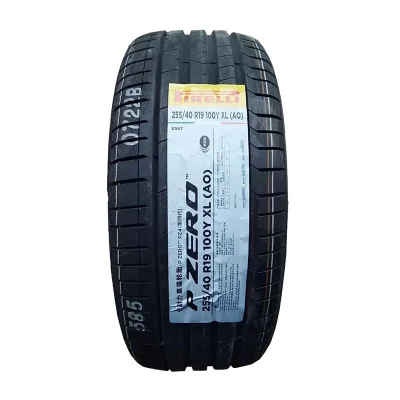
$0.0208 - $0.3221
MOQ: 500 pieces
$0.0206 - $0.3206
MOQ: 500 pieces

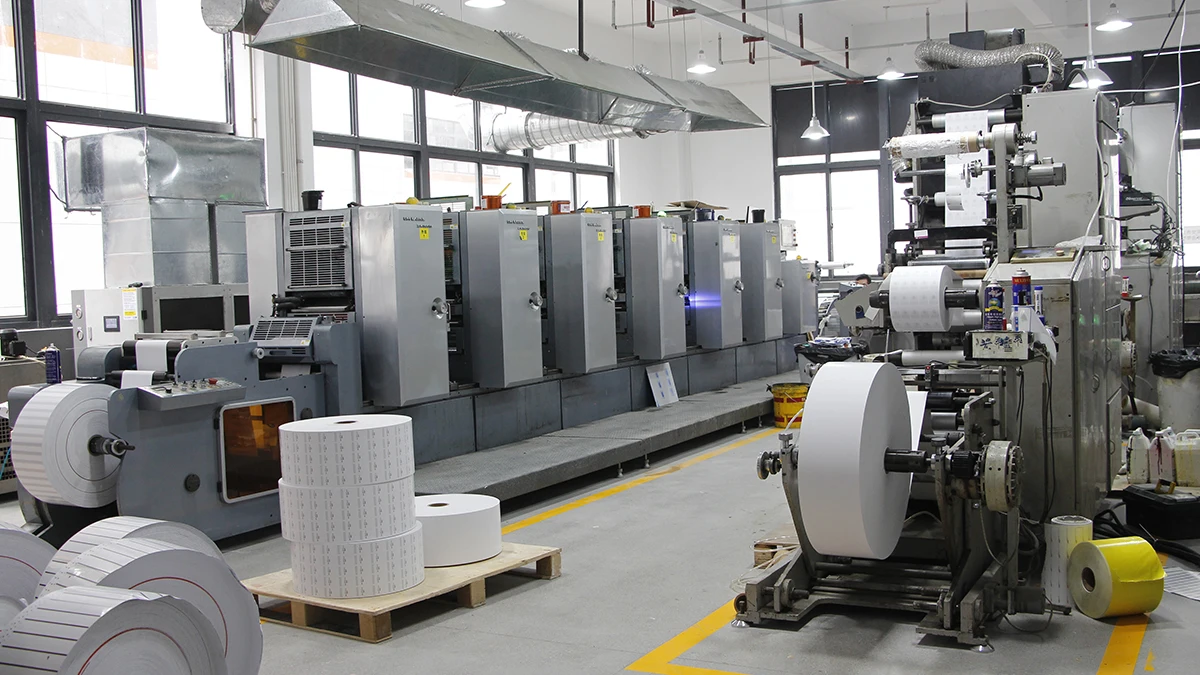
Shenzhen United Foison Technology Co., Ltd.
- Manufacturer
- China Guangdong
- Lead time15 days
- Avg. response≤ 11h
Main productsThermal Paper
Main marketsSouth America,Africa,Southeast Asia/ Mideast,Europe,Australia
Guangzhou Jinfeng Paper Co., Ltd.
- Manufacturer, Trading Company
- Guangdong, China
- Lead time15 days
- Avg. response≤ 3h
Main productsAdhesive Stickers Labels,Transfer Label Stickers,Thermal Paper Roll,Inkjet Paper Roll,A4 Copy Paper
Main marketsMid East(20.00%), Eastern Europe(15.00%), North America(10.00%), Southeast Asia(10.00%), South America(10.00%), South Asia(5.00%), Southern Europe(5.00%), Northern Europe(5.00%), Central America(5.00%), Western Europe(5.00%), Eastern Asia(5.00%), Oceania(5.00%)
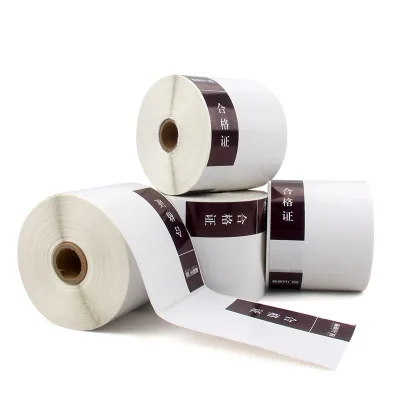
Low Price Customized Special Material Hot Silver Coated Label Stickers
$0.54 - $1.30
MOQ: 1000 Minimum
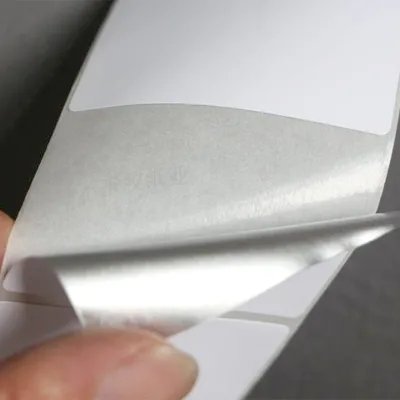
$5.2415 - $5.3464
MOQ: 5 rolls
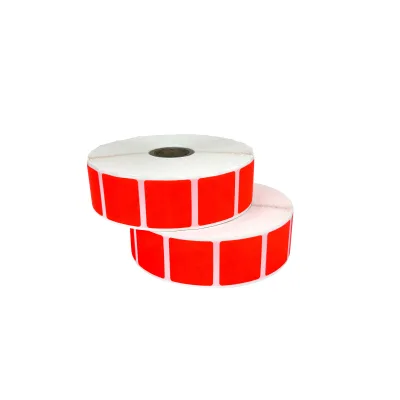
Factory Direct Sales Logo Printing Sticker Printing Personalized Stickers Custom Labels PVC Label
$0.54 - $1.30
MOQ: 1000 Minimum
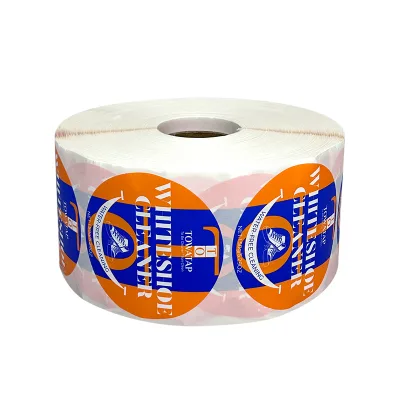
$0.54 - $1.30
MOQ: 1000 Minimum
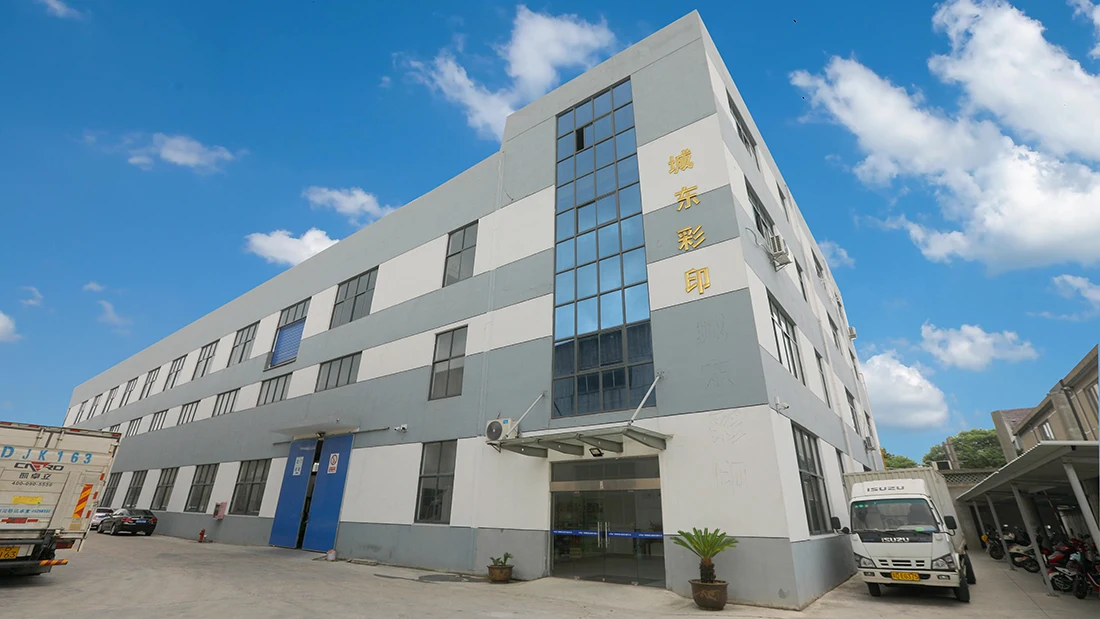
Chengdong Color Printing Co., Ltd.
- Manufacturer
- Jiangsu, China
- Lead time3 days
- Avg. response≤ 3h
Main productsPackaging Labels,Color Box Package,Printing Services
Main marketsDomestic Market(100.00%)

Guangzhou Cloud Packaging & Printing Co., Ltd.
- Verified by BV
- Trading Company,Manufacturer/Factory
- China Guangdong
- Lead time23 days
- Avg. response≤ 9h
Main productsPrinting Service, Printing OEM Service, Stick Paper Paper Bag, Printing, Book Printing, Packaging Printing, All Kind of Gift Package Printing, All Kind of Paper Bags Printing, Package Boxes Printing, Hardcover Boxes Printing
Main marketsSouth America,Eastern Europe,Mid East,North America,Southeast Asia,Eastern Asia,Oceania,Western Europe,Africa

Printed Sticker Label Vinyl Sticker Adhesive Label Thermal Paper Roll Sticker
$0.011 - $0.061
MOQ: 200 Rolls


Customied Sticker Label Printing Package Printing Service Adhesive Stickers Supply
$0.03 - $0.09
MOQ: 200 Rolls

Custom Adhesive Sticker Label Printing Sticker Vinyl Waterproof Sticker Printing
$0.011 - $0.061
MOQ: 200 Rolls

Guangzhou Label Printing Co., Ltd.
- Combined
- China Guangdong
- Lead time23 days
- Avg. response≤ 18h
Main productsLabel, Sticker, Printing Labels, Self Adhesive Stickers, Single Label, Bottle Labels, Bar Code Label
Main marketsSouth America,Africa,Southeast Asia/ Mideast,Domestic
Guangzhou Xinzhu Adhesive Sticker Materials Co., Ltd.
- Verified by TüVRheinland
- Manufacturer, Trading Company
- Lead time15 days
- Avg. response≤ 2h
Main productsCoated Paper, Synthetic Paper, Direct Thermal Paper, Baggage Tag, Dissolvable Paper
Main marketsDomestic Market(48%), Mid East(30%), Eastern Europe(8%)
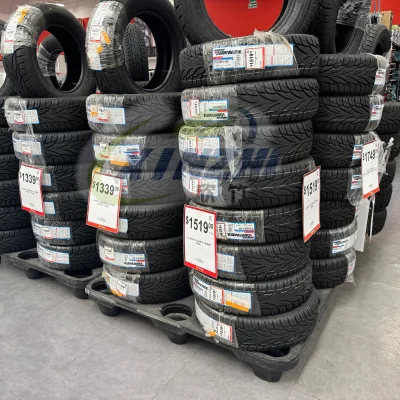
$0.64 - $0.685
MOQ: 500 Minimum
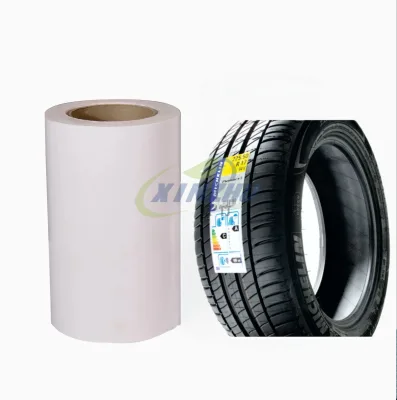
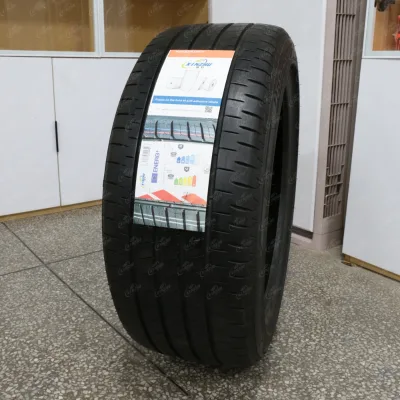
$0.4105 - $0.4404
MOQ: 500 Minimum

EVER GREATER IMP. & EXP. CO., LIMITED
- Verified by TUVRHEINLAND
- Trading Company
- China Zhejiang
- Lead time15 days
- Avg. response≤ 6h
Main productsDisposable Cup, Paper Cup, Pet Cup, PLA Cup, Sleeve, Coaster, Food Packag Box, Pizza Box, Cake Box, Paper Box
Main marketsSoutheast Asia/ Mideast,Europe,Australia,North America

Customized Self-Adhesive Waterproof Labels Custom Material Stickers Food Label Hot Selling
$0.02 - $0.05
MOQ: 1000 Pieces

High Quality Custom Self Adhesive Stickers Labels Custom Printing Food Labels Stickers
$0.02 - $0.05
MOQ: 1000 Pieces

Stickers Custom Self-Adhesive Packaging Label Roll Printed Stickers Waterproof Food Safety Label
$0.02 - $0.05
MOQ: 1000 Pieces

Custom Food Packaging Stickers Printing Custom Self Adhesive Stickers Labels
$0.02 - $0.05
MOQ: 1000 Pieces


Custom Waterproof Label Stickers Printed Label Food Self-Adhesive for Food
$0.02 - $0.05
MOQ: 1000 Pieces
Changzhou Wujin Luoyang Guangming Printing Co., Ltd.
- Verified by Intertek
- Manufacturer, Trading Company
- Lead time7 days
- Avg. response≤ 1h
Main productsTissue Paper, Paper Bag, Label
Main marketsNorth America(40%), Domestic Market(30%), Western Europe(5%)

Guangzhou Jinfeng Paper Co., Ltd.
- Combined
- China Guangdong
- Lead time15 days
- Avg. response≤ 4h
Main productsThermal Label, Sticker, Customized Printing Label, Packaging Label, Carbonless Paper, Thermal Paper Roll, A4 Copy Paper, Bond Paper, Adhesive Label, Multi-Layer Label
Main marketsSoutheast Asia/ Mideast,Europe,North America

Custom Aluminized Strong Adhesive Rubber Tyre Tire Adheres to Rough, Wrinkled Surfaces Label Sticker
$2.80 - $3.00
MOQ: 100 Rolls

Factory Price 58X60mm Removable Thermal Adhesive Label Sticker Waterproof
$0.54 - $0.65
MOQ: 100 Rolls
Dongguan Caihe Printing Co., Ltd.
- Verified by TüVRheinland
- Manufacturer, Trading Company
- Lead time1 days
- Avg. response≤ 4h
Main productsPackaging Label, Instruction Manual
Main marketsNorth America(30%), Oceania(15%), Western Europe(15%)
Richer EcoPack (Xiamen) Co., Ltd.
- Trading Company
- Lead time旺季: "1 - 300000":31,"> 300000":"To be negotiated", 淡季: "1 - 300000":31,"> 300000":"To be negotiated"
- Avg. response≤ 4h
Main productsCorrugated Box, Food Container, Disposable Tableware







Comprehensive Sourcing Guide
Heat Resistant Vulcanized Rubber Stickers Supplier Concentration and Factory Types
The supplier landscape for Heat Resistant Vulcanized Rubber Stickers is characterized by a mix of specialized manufacturers and trading entities that facilitate global distribution. Current market data indicates that the majority of suppliers operating in this niche are classified as trading companies, which suggests a structure focused on aggregation, quality control, and export logistics rather than purely in-house production. This distinction is critical for buyers because trading companies often provide a broader range of customization options and flexible order quantities, leveraging networks of multiple factories to meet diverse client specifications. However, the presence of combined company types and verified manufacturing capabilities indicates that direct factory access is also available for those seeking deeper integration into their supply chain. Understanding this composition helps buyers align their sourcing strategy with their operational needs, whether they prioritize speed and variety or direct cost control and production transparency.
Geographic concentration plays a significant role in the availability and pricing of these specialized industrial labels. Evidence from current supplier results points to specific manufacturing hubs, with Shanghai, China, emerging as a primary location for producers of vulcanized labels and tire stickers. This region benefits from established industrial ecosystems that support the complex chemical and printing processes required for high-temperature resistant materials. Additionally, some suppliers are located in Guangdong, China, another major manufacturing province known for its packaging and printing industries. Buyers should recognize that while these locations are prominent, the actual factory base may extend beyond these cities, with suppliers sourcing from various regional workshops. Identifying the true origin of production is essential for accurate logistics planning and for assessing the reliability of the supply chain, as proximity to raw material sources can impact both lead times and material quality consistency.
How to Verify Heat Resistant Vulcanized Rubber Stickers Suppliers
Verification is the cornerstone of mitigating risk when sourcing industrial components like Heat Resistant Vulcanized Rubber Stickers. Buyers must prioritize suppliers who have undergone rigorous third-party audits to ensure operational legitimacy and compliance with international standards. Current data highlights that several suppliers hold verification from TüV Rheinland, a globally recognized certification body that assesses manufacturing capabilities and quality management systems. This level of verification provides a higher degree of confidence in the supplier’s ability to deliver consistent product quality and adhere to agreed-upon specifications. Additionally, some suppliers are verified by SGS, another leading inspection and certification company, which further validates their operational integrity. These verifications serve as a baseline filter, allowing buyers to eliminate unverified entities and focus on partners who have demonstrated a commitment to transparency and professional standards in their business practices.
Beyond physical verification, buyers should scrutinize the specific certifications and standards that suppliers claim to meet, particularly those relevant to material safety and environmental compliance. The market data indicates that suppliers often hold certifications such as RoHS, EN 71, REACH, CPC, and CE, which are crucial for products intended for global markets with strict regulatory requirements. RoHS compliance ensures that the rubber and adhesive materials do not contain restricted hazardous substances, while REACH certification addresses chemical safety within the European Union. For products used in consumer-facing applications or those requiring specific safety ratings, CPC and CE certifications provide additional assurance of product safety. Buyers should request documentation for these certifications and verify their validity, as holding these marks is often a prerequisite for importing into regulated markets. This due diligence ensures that the stickers not only perform functionally but also comply with legal and safety standards in the destination country.
What to Compare Across Heat Resistant Vulcanized Rubber Stickers Suppliers
When evaluating multiple suppliers, buyers must systematically compare key operational metrics to identify the most suitable partner for their specific requirements. One of the most critical factors is the lead time, which directly impacts inventory management and production scheduling. Current supplier data shows lead times ranging from 15 to 20 days, indicating a relatively fast turnaround for customized industrial labels. Buyers should assess whether these lead times are consistent across different order sizes and whether they include time for sample approval and mass production. Additionally, response time is a vital indicator of supplier reliability and communication efficiency. Data reveals response times as low as 3.48 hours for some suppliers, suggesting a high level of responsiveness that can facilitate quick problem-solving and order processing. Comparing these metrics helps buyers identify suppliers who can meet tight deadlines and maintain effective communication throughout the procurement cycle.
Another essential dimension for comparison is the minimum order quantity (MOQ) and pricing structure, which vary significantly based on material and customization levels. For instance, some suppliers offer MOQs as low as 1,000 units for certain rubber sticker products, while others require volumes of 20,000 units for vinyl-based tire labels. This disparity allows buyers to select suppliers that align with their volume needs, whether they are testing new markets or fulfilling large-scale production runs. Pricing also varies, with some products starting at $0.005 per unit and others at $0.10 per unit, reflecting differences in material complexity, printing technology, and adhesive strength. Buyers should also compare the range of printing and customization options available, such as thermal transfer printing, offset printing, and UV digital printing, as these affect the final product’s durability and appearance. By analyzing these variables holistically, buyers can optimize their total cost of ownership and ensure that the selected supplier offers the best balance of cost, quality, and service.
Common Heat Resistant Vulcanized Rubber Stickers Sourcing Risks
Sourcing Heat Resistant Vulcanized Rubber Stickers involves several inherent risks that buyers must proactively manage to ensure supply chain stability. One significant risk is the variability in material quality, particularly regarding the adhesive strength and heat resistance properties of the rubber. Since these stickers are designed for high-temperature environments, such as tire vulcanization processes, any deviation in material composition can lead to product failure, causing costly delays and reputational damage. Buyers must ensure that suppliers provide detailed material specifications and conduct rigorous testing to verify that the stickers can withstand the required temperatures without degrading or losing adhesion. Additionally, the complexity of customization, including specific sizes, shapes, and printing requirements, introduces the risk of production errors. Miscommunication regarding technical drawings or sample approvals can result in batches that do not meet the buyer’s exact specifications, necessitating rework or replacement.
Another common risk is the potential for supply chain disruptions due to reliance on single-source suppliers or limited production capacity. While some suppliers offer robust capabilities, others may have limited production lines or depend on external partners for certain processing steps, such as graphic processing or sample production. This dependency can create bottlenecks, especially during peak demand periods, leading to extended lead times and delayed deliveries. Furthermore, the use of trading companies, while beneficial for flexibility, can sometimes obscure the true source of production, making it difficult to trace quality issues back to the original factory. Buyers should mitigate these risks by diversifying their supplier base, establishing clear quality control protocols, and maintaining open lines of communication with both the trading entity and the underlying manufacturing facilities. Regular audits and performance reviews can help identify potential issues early, allowing for timely corrective actions and ensuring a more resilient supply chain.
Heat Resistant Vulcanized Rubber Stickers Regional Sourcing and Logistics
Regional sourcing decisions significantly influence the logistics, cost structure, and delivery timelines for Heat Resistant Vulcanized Rubber Stickers. As noted, many suppliers are concentrated in Shanghai and Guangdong, China, regions that offer well-developed infrastructure for manufacturing and export. Shanghai’s strategic location near major ports facilitates efficient shipping to global markets, reducing transit times and freight costs for international buyers. Guangdong, another key manufacturing hub, benefits from a dense network of suppliers and logistics providers, enabling competitive pricing and flexible shipping options. Buyers should consider the proximity of the supplier to major shipping routes when evaluating logistics efficiency, as this can impact the overall cost and reliability of delivery. Additionally, understanding the local regulatory environment and export procedures in these regions can help buyers anticipate potential customs delays or documentation requirements, ensuring smoother cross-border transactions.
Logistics planning must also account for the specific packaging and handling requirements of vulcanized rubber stickers to prevent damage during transit. Current product data indicates that suppliers typically use plastic bags and cartons for packing, with single package sizes varying based on the product dimensions. For example, some stickers are packaged in small units measuring 5x10x0.1 cm, while others may require larger cartons for bulk shipments. Buyers should work with suppliers to optimize packaging strategies, ensuring that the stickers are protected from moisture, heat, and physical stress during shipping. This is particularly important for heat-sensitive materials that may be affected by extreme temperatures in transit. Furthermore, buyers should consider the total landed cost, including freight, insurance, and duties, when comparing suppliers from different regions. By integrating logistics considerations into the sourcing decision, buyers can minimize hidden costs and ensure that the final product arrives in optimal condition, ready for immediate use in their production processes.
Heat Resistant Vulcanized Rubber Stickers Commercial Terms and Order Planning
Effective order planning for Heat Resistant Vulcanized Rubber Stickers requires a clear understanding of commercial terms, including payment structures, warranty policies, and after-sales support. Buyers should negotiate terms that align with their cash flow needs and risk tolerance, such as partial upfront payments with the balance due upon shipment or delivery. It is also crucial to establish clear quality assurance clauses that define acceptable defect rates and procedures for handling non-conforming products. Suppliers who offer robust customer support and responsive communication channels can significantly reduce the friction associated with order management and issue resolution. Buyers should prioritize suppliers who demonstrate a commitment to long-term partnerships, as this often translates to better pricing, priority production scheduling, and more flexible terms for repeat orders. Building a strong relationship with the supplier can also facilitate smoother negotiations for future contracts and enable collaborative improvements in product design and manufacturing processes.
Additionally, buyers must carefully plan their order volumes to balance inventory costs with production needs, taking into account the supplier’s MOQ and lead times. For suppliers with high MOQs, such as 20,000 units, buyers may need to coordinate with other departments or partners to consolidate orders and achieve economies of scale. Conversely, for suppliers with lower MOQs, buyers can maintain more flexible inventory levels but may face higher per-unit costs. It is also important to consider the scalability of the supplier’s production capacity, especially if the buyer anticipates growth in demand. Suppliers with capabilities in ODM, OEM, and own brand development can offer greater flexibility in product customization and branding, which may be valuable for buyers looking to differentiate their offerings in the market. By aligning commercial terms with strategic order planning, buyers can optimize their supply chain efficiency, reduce costs, and ensure a steady supply of high-quality vulcanized rubber stickers to support their business operations.
FAQs
What is the price range for Heat Resistant Vulcanized Rubber Stickers?
The price range for these stickers typically falls between $0.005 and $0.80 per unit. Specific costs depend on the material type, such as rubber or vinyl, and the complexity of the custom printing requirements. Buyers should expect minimum order quantities to influence the final per-unit cost significantly.
What certifications are available for these vulcanized labels?
Suppliers offer various system certifications including RoHS, EN 71, REACH, CPC, and CE. Additionally, ISO9001:2015 certificates are available for specific manufacturers. These certifications ensure the products meet international safety and quality standards for industrial and chemical applications.
What is the typical lead time for production?
The typical lead time for production is around 15 to 20 days. This duration allows for sample processing, graphic processing, and customized manufacturing on demand. Buyers should confirm specific timelines with suppliers to ensure alignment with their project schedules.
What is the minimum order quantity for these stickers?
The minimum order quantity varies by supplier, with common requirements being 1000 or 20000 units. Lower MOQs may be available for standard sizes, while higher volumes are often required for custom printing or specific material types like PET or vinyl.
What materials are used for these heat resistant labels?
Common materials include natural rubber, vinyl, and PET. These materials are selected for their durability, heat resistance, and ability to withstand high temperatures during the vulcanization process. The choice of material depends on the specific application requirements and environmental conditions.
Are custom sizes and printing options available?
Yes, custom sizes and printing options are widely available. Suppliers accept custom orders for sizes ranging from 30MM to 44MM in width. Printing methods include thermal transfer, offset, UV, and laser printing, allowing for detailed logos and barcodes.
How quickly do suppliers respond to inquiries?
Suppliers typically respond to inquiries within 3.48 to 5 hours. This rapid response time ensures that buyers can quickly obtain quotes, samples, and technical specifications. Fast communication helps streamline the sourcing process and reduces delays in project initiation.