Tubeless Tire Repair Cold Patch Suppliers and Manufacturers
Compare 18 verified Tubeless Tire Repair Cold Patch suppliers by location, lead time, and certifications. Review product specs like size and material before contacting factories for quotes to ensure you select the right option for your specific tire repair needs and budget requirements.
Updated
Suppliers List

Zhongshan Michel Chemicel Co., Ltd.
- Verified by BV
- Combined
- China Guangdong
- Lead time23 days
- Avg. response≤ 11h
Main productsTire Sealant Aerosol Paint Industrial Glue and
Main marketsDomestic


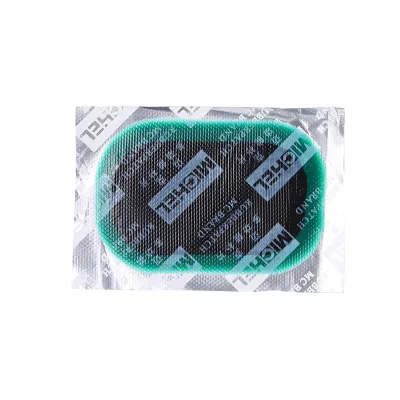
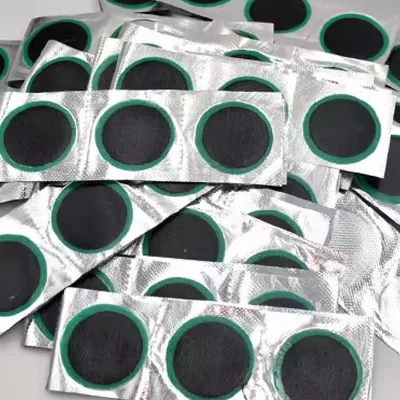
40 Pieces / Box 45mm Car Natural Rubber Tire Tyre Puncture Repair Cold Patch Tubeless Patches
$2.99 - $3.26
MOQ: 600 box


Xingtai Tianjiu Bicycle Parts Co., Ltd
- Verified by SGS
- Combined
- China Hebei
- Lead time30 days
- Avg. response≤ 4h
Main productsBicycle Parts, Bicycle, Bicycle Crank&Chainwheel, Bicycle Brake Sets, Saddle, Pedal, Bicycle Accessories, Bicycle Tire, Children Toy Vehicle, Bike Parts
Main marketsAfrica,Domestic,Europe

Anshan Jinshancheng Rubber Product Co., Ltd.
- Manufacturer, Trading Company
- Liaoning, China
- Lead time7 days
- Avg. response≤ 4h
Main productstubeless tire strips,tire strings,tire patch,tire cement,tire glue
Main marketsSouth America(20.00%), Southeast Asia(20.00%), Mid East(10.00%), North America(10.00%), Eastern Europe(10.00%)
- Trading Company
- Liaoning, China
- Lead time0 days
- Avg. response≤ 1h
Main productswheel balance block
Main marketsDomestic Market(45.00%), Northern Europe(7.00%), Western Europe(5.00%), Eastern Asia(5.00%), Southern Europe(5.00%), Oceania(5.00%), North America(5.00%), Southeast Asia(5.00%), Eastern Europe(5.00%), Mid East(3.00%), South America(3.00%), South Asia(3.00%), Africa(2.00%), Central America(2.00%)
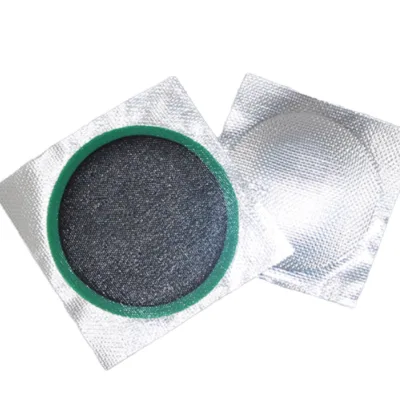
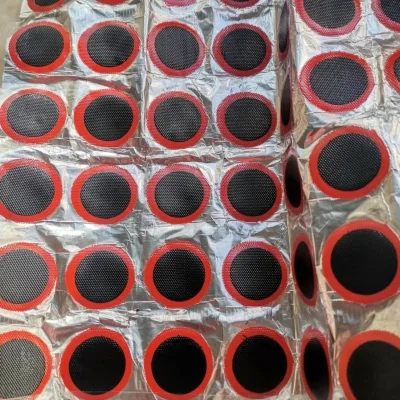
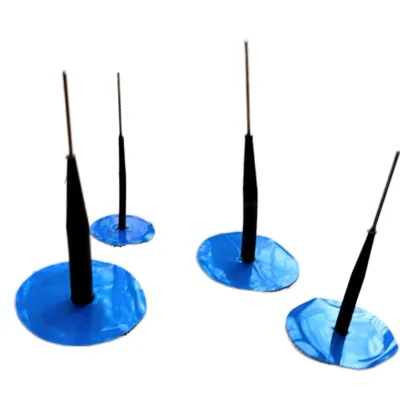
32mm 42mm 52mm Round Universal Inner Tube Tubeless Tire Repair Rubber Patches Tire Cold Patch
$2.28 - $2.70
MOQ: 20 boxes


Hunan Magpow Adhesive Group Co., Ltd.
- Verified by BV
- Manufacturer/Factory
- China Hunan
- Lead time23 days
- Avg. response≤ 18h
Main productsEpoxy Adhesive, 502 Super Glue, PVC Glue, Gasket Maker, Silicone Sealant, Neoprene Glue, Shoes Polyurethane Glue, Fixing Foam, Wood Glue, All Purpose Glue
Main marketsSouth America,Eastern Europe,Mid East,North America,Southeast Asia,Eastern Asia,Oceania,Western Europe,Africa


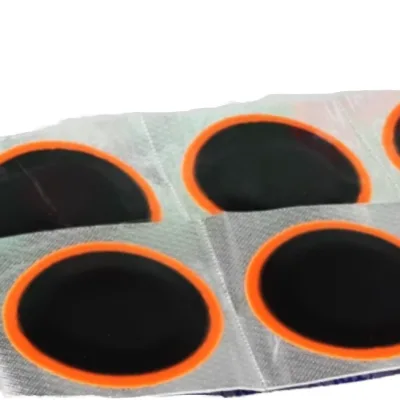
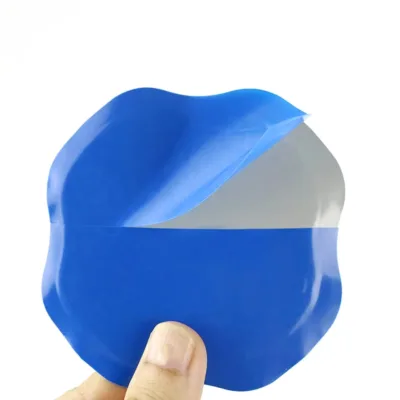
Cold Tire Repair Patch with Vulcanized Glueless All-Pupose Tire Cold Patch for Motorcycle Tile
$0.89 - $0.98
MOQ: 100 Boxes


Wholesale Price Radial Tyre Cold Repair Rubber Patch Tire Repair Cold Patch
$0.89 - $0.98
MOQ: 100 Boxes

Ningbo Hopson Chemical Industry Co., Ltd.
- Verified by BV
- Trading Company,Manufacturer/Factory
- China Zhejiang
- Lead time45 days
- Avg. response≤ 9h
Main productsInstant Super Glue, Industrial Adhesive, Glue Traps, Pest Controls, Tire Repair Patch, Tire Repair Products, Vet Tissue Adhesive, Surgical Glue, Glue Bottle, Packing&Accessory
Main marketsSouth America,Mid East,North America,Southeast Asia,Eastern Asia,Oceania,Western Europe,Africa


Auto Accessories Tubeless Oval Tire Fix Patch Puncture Repair Rubber Cold Patches
$0.02 - $0.08
MOQ: 10000 Pieces


Auto Accessory Tire Repair Patch Oval Shape Inner Tube Rubber Cold Patches
$2.00 - $2.50
MOQ: 1000 box


Qingdao Maxx Auto Parts Co., Ltd.
- Verified by SGS
- Manufacturer/Factory
- China Shandong
- Lead time23 days
- Avg. response≤ 6h
Main productsTire Valve, Wheel Weight, Bolts Nuts, Tire Repair Patch, Tire Repair Tool, Tire Equipment
Main marketsSouth America,Eastern Europe,Mid East,North America,Southeast Asia,Eastern Asia,Oceania,Western Europe,Africa

Tire Repair Cold Patch 50mm Rubber Vulcanizing Patch for Tubeless Tyre Repair
$1.00 - $1.80
MOQ: 1000 box


Cold Tire Patches, Mushroom-Style Repair Plugs, and Tubeless Tire Repair Patch
$1.00 - $1.80
MOQ: 1000 box

Cold Vulcanizing Tire Patch Kit Tubeless Tyre Repair Strings Auto Rubber Repair Patches
$1.10 - $1.50
MOQ: 1000 box

$1.00 - $1.80
MOQ: 1000 box

Anhui Fumei International Trade Co., Ltd.
- Manufacturer, Trading Company
- Anhui, China
- Lead time15 days
- Avg. response≤ 2h
Main productsElectric Bicycle Accessories/Electric Motorcycle Accessories/Electric Tricycle Accessories,Electric Tricycles,Electric motorcycle
Main marketsSouth America(30.00%), Southeast Asia(25.00%), Mid East(20.00%), North America(10.00%), Africa(10.00%), Eastern Asia(5.00%)
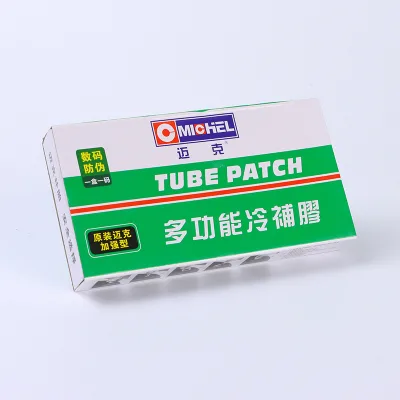
Wholesale Tubeless Cold Patch Tire Repair Universal Patch for Universal Tire Repair
$0.9251 - $1.1722
MOQ: 1 sets
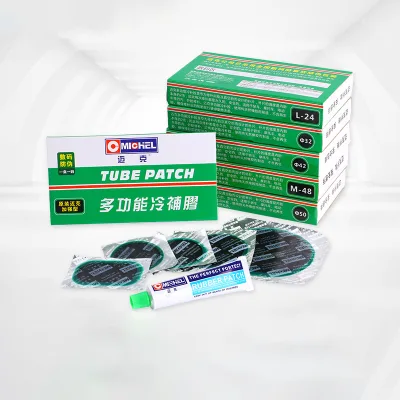
Wholesale Customized Tube Tire Repair Patch Tire Repair Bike Cold Patch Tire Patch Repair Kit
$0.90 - $1.14
MOQ: 1 sets
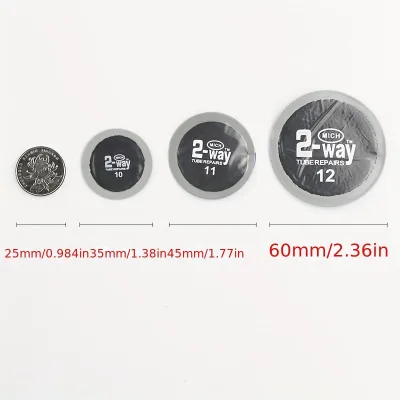

Ningbo Hopson Chemical Industry Co., Ltd.
- Trading Company
- Zhejiang, China
- Lead time30 days
- Avg. response≤ 6h
Main productsPlastic Bottle,Cyanoacrylate Adhesive,Tyre Repair,Medical Glue,Glue Trap
Main marketsNorth America(36.00%), Southeast Asia(27.00%), Africa(15.00%), South Asia(8.00%), Western Europe(4.00%), Eastern Asia(2.00%), Oceania(2.00%), Domestic Market(1.00%), South America(1.00%), Southern Europe(1.00%), Northern Europe(1.00%), Eastern Europe(1.00%), Mid East(1.00%)
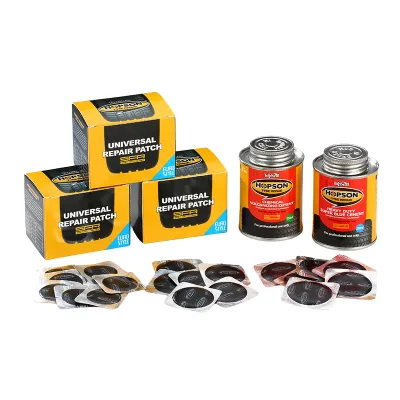
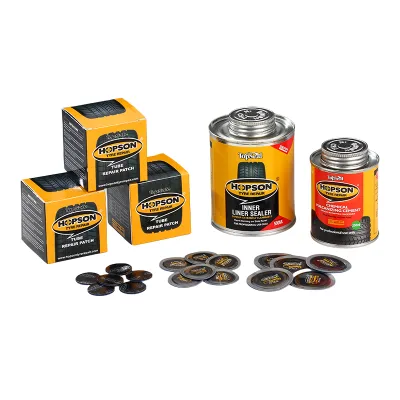
Hot Sale Tire Repair Tools America Style Tube Repair Patch Car Tire Repair Cold Patches
$0.06 - $0.30
MOQ: 100 Minimum
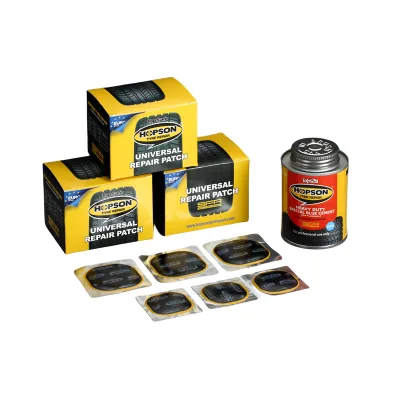
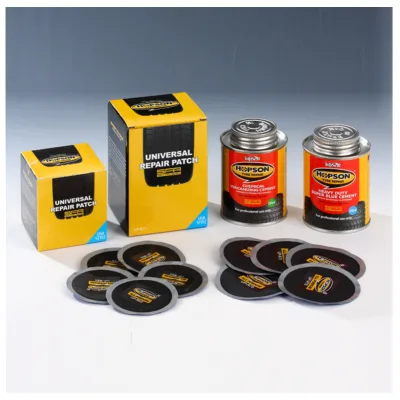
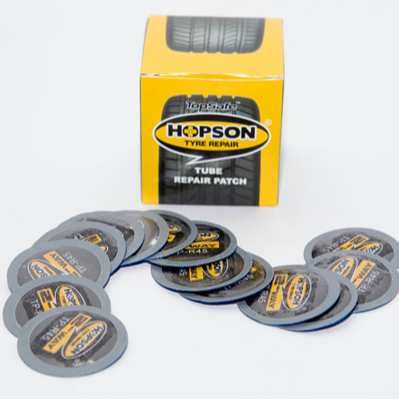
UP-R65 Round US Type Tire Repair Patches Cold Repair Patch Tyre Repair Patch
$0.11 - $0.156
MOQ: 100 Minimum
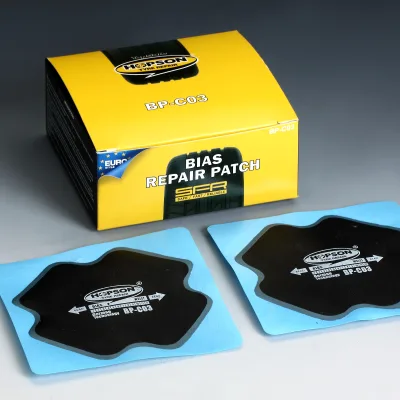

Ningbo Blueocean Auto Parts Co., Ltd.
- Manufacturer
- Zhejiang, China
- Lead time35 days
- Avg. response≤ 3h
Main productsTire valve,wheel weight,balance weight,tube patch,tire seal
Main marketsWestern Europe(11.11%), Eastern Asia(11.11%), Mid East(11.11%), Oceania(11.11%), Africa(11.11%), Southeast Asia(11.11%), Eastern Europe(11.11%), South America(11.11%), North America(11.11%)
SHANGHAI BALANCE AUTOMOTIVE EQUIPMENT CO., LTD.
- Verified by TüVRheinland
- Manufacturer, Trading Company
- Lead time30 days
- Avg. response≤ 9h
Main productsCar Lifts, Tyre Changers, Wheel Balancer, Car Wash Equipment, Lubrication Equipment
Main marketsDomestic Market(29%), Western Europe(28%), Eastern Europe(10%)

Ningbo Autocare Car Accessory Co., Ltd.
- Trading Company
- China Zhejiang
- Lead time30 days
- Avg. response≤ 16h
Main productsAuto Accessories, Car Accessories, Car Steering Wheel Cover, Steering Wheel Cover, Seat Cushion, Sun Shade
Main marketsSouth America,Africa,Southeast Asia/ Mideast,East Asia(Japan/ South Korea),Europe,Australia,North America

Tyre Repair Products Cold Patch Car Motorcyle Bicycle Tyre Repair Cold Patch
$0.24 - $0.26
MOQ: 20000 Bags

Tyre Repair Cold Patch Car Motorcyle Bicycle Tyre Cold Patch Tyre Repair Cold Bar Glue
$0.95 - $1.25
MOQ: 20000 Bags
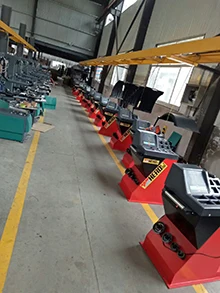
Hebei Zhonghaolian Import And Export Trade Co., Ltd.
- Trading Company
- Hebei, China
- Lead time20 days
- Avg. response≤ 5h
Main productstire repair material and tool,tire valve and valve caps,car jack,tire vulcanizer,wheel weight
Main marketsAfrica(30.00%), South America(20.00%), South Asia(10.00%), Northern Europe(10.00%), Mid East(10.00%), North America(10.00%), Eastern Europe(10.00%)
Shaanxi Dat Industrial Products Co., Ltd.
- Trading Company
- Shaanxi, China
- Lead time15 days
- Avg. response≤ 2h
Main productsTire repair machine,Tire inflation tools,Car repair equipment,Heavy duty vihicle repair tools,Tire repair tools
Main marketsAfrica(10.00%), Southeast Asia(5.00%), North America(5.00%), South America(5.00%), Eastern Europe(3.00%), Mid East(2.00%)
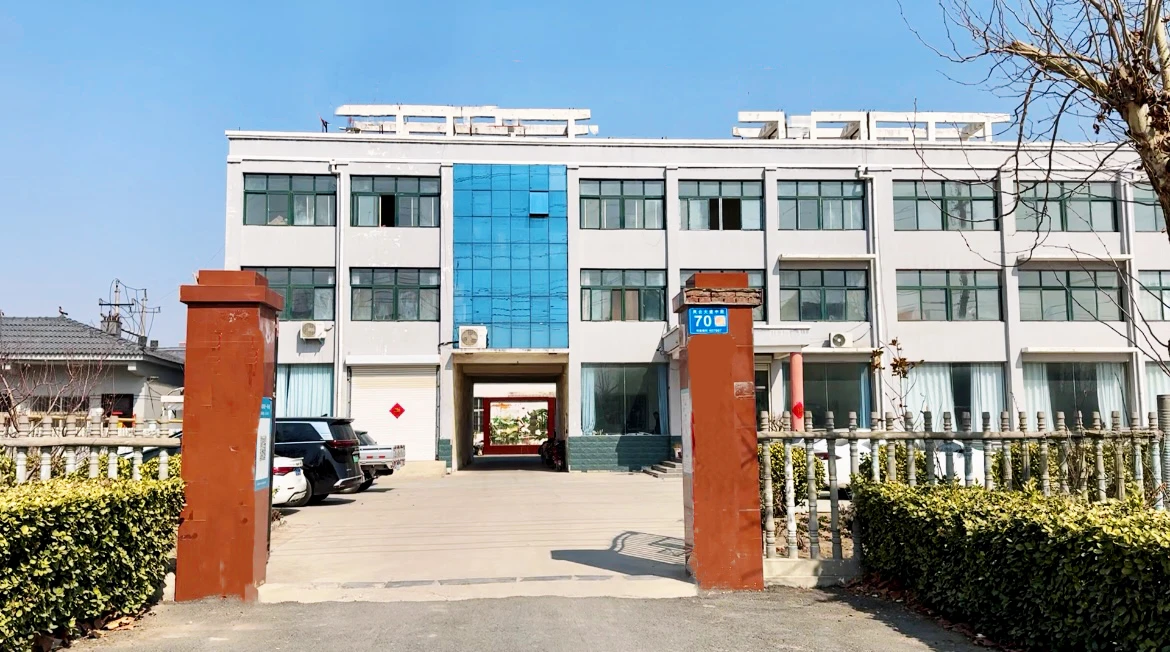
Henan Lece Auto Parts Co., Ltd.
- Trading Company
- Henan, China
- Lead time0 days
- Avg. response≤ 1h
Main productsTire valve,Tire valve core,Automotive tyre accessories
Main marketsDomestic Market(50.00%), Southeast Asia(4.00%), North America(4.00%), Mid East(4.00%), Eastern Europe(3.80%), South Asia(3.80%), Southern Europe(3.80%), Northern Europe(3.80%), Central America(3.80%), Western Europe(3.80%), South America(3.80%), Eastern Asia(3.80%), Oceania(3.80%), Africa(3.80%)
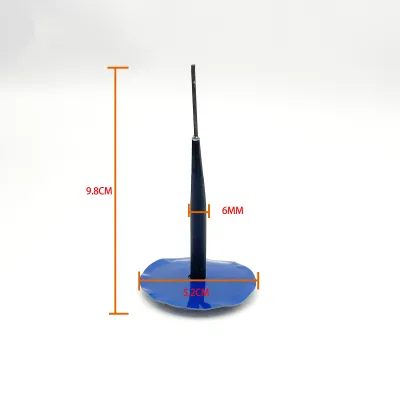
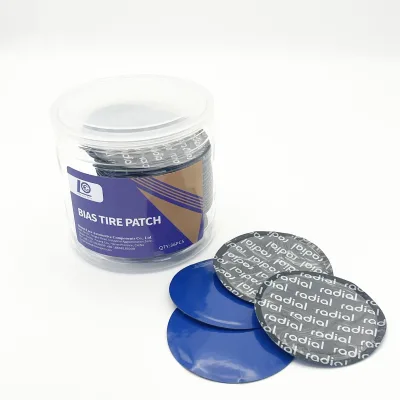
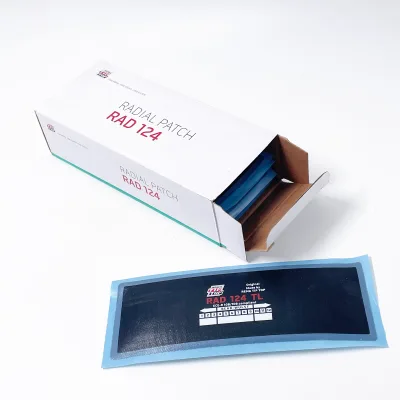
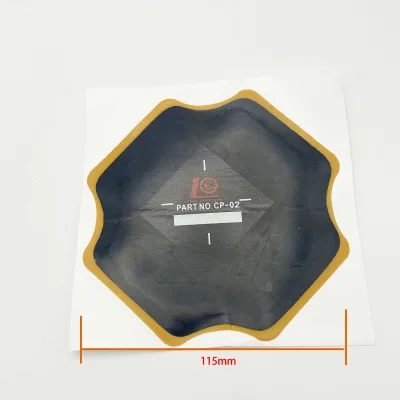
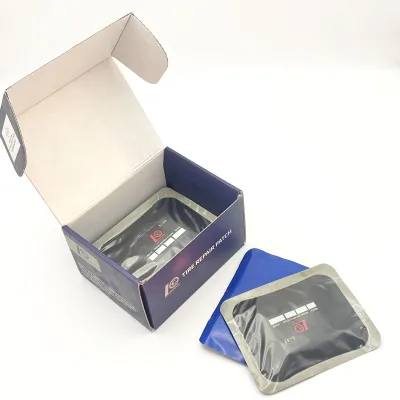
High Quality 115mm Vacuum Tire Cold Patch Puncture Repair Patch for Car or Truck
$2.30 - $2.40
MOQ: 10

Cangzhou Bomai Automobile Accessories Co., Ltd.
- Manufacturer/Factory
- China Hebei
- Lead time23 days
- Avg. response≤ 2h
Main productsTire Seal Strip, Wheel Weigt, Tiye Repair Tools, Tire Valve
Main marketsSouth America,Eastern Europe,Mid East,Southeast Asia,Eastern Asia,Oceania,Western Europe,Africa

Ningbo Everwinner Auto Parts Co., Ltd.
- Verified by CTI
- Trading Company
- China Zhejiang
- Lead time30 days
- Avg. response≤ 8h
Main productsTire Repair Tools and Kits, Tire Valve and Tire Valve Accessories, Wheel Weights, Wheel Nuts and Bolts, Wheel Spacers and Adapters, Tyre Changers and Wheel Balancers, Jacks and Stands, Tyre Pressure Gauges, Air Compressors, Air Tools
Main marketsSouth America,Southeast Asia/ Mideast,East Asia(Japan/ South Korea),Europe,Australia,North America
Dongying Landcrown Autoparts Co., Ltd.
- Manufacturer, Trading Company
- Shandong, China
- Lead time20 days
- Avg. response≤ 3h
Main productstruck wheels,truck aluminum wheel,agriculture wheel,forlikft wheel,solid tyre
Main marketsSouth Asia(30.00%), Mid East(20.00%), South America(20.00%), Northern Europe(10.00%), Southeast Asia(10.00%), Western Europe(9.00%), North America(1.00%)




Comprehensive Sourcing Guide
Tubeless Tire Repair Cold Patch Supplier Concentration and Factory Types
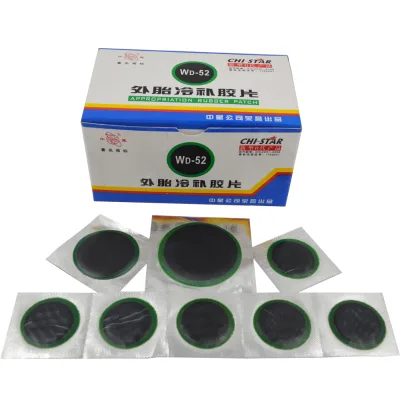
The current supplier landscape for tubeless tire repair cold patches reveals a distinct geographic concentration in China, with specific manufacturing hubs identified in Guangdong, Hebei, and Liaoning provinces. Guangdong-based suppliers often present as combined entities, offering both manufacturing and trading capabilities, which can streamline communication for international buyers seeking a single point of contact. These suppliers frequently highlight certifications such as ISO9001:2015 and product-specific standards like RoHS, indicating a focus on quality management systems that meet international regulatory requirements. The presence of BV verification on some profiles adds an additional layer of trust regarding the supplier's operational legitimacy. In contrast, suppliers located in Hebei often specialize in bicycle parts and accessories, suggesting a niche focus on lighter-duty tire repair solutions for bicycles and motorcycles rather than heavy automotive applications. This specialization may influence the material composition and sizing of the cold patches offered, such as the 45mm round patches designed for tubeless bicycle tires. Liaoning suppliers, meanwhile, appear to operate as both manufacturers and trading companies, leveraging their proximity to ports like Dalian to facilitate export logistics. This dual role can offer flexibility in order sizes and customization options, catering to buyers who require specific branding or packaging configurations. Understanding these regional and structural differences is crucial for aligning supplier capabilities with specific product requirements, whether the need is for high-volume automotive patches or specialized bicycle repair kits.
Factory types vary significantly across these regions, impacting the buyer's ability to customize products and manage supply chain risks. Combined companies in Guangdong offer ODM, OEM, and own brand services, providing extensive flexibility for buyers looking to create private label products or modify existing designs. This capability is particularly valuable for brands seeking unique product differentiation in the tire repair market. Manufacturers in Liaoning also accept OEM orders, allowing for custom branding on packaging and potentially on the patches themselves, although the extent of customization may vary based on production capacity and minimum order quantities. Suppliers in Hebei, while primarily focused on bicycle components, also offer customization options, though their primary strength lies in serving the cycling market with specific applications like mountain bike and road bike repairs. The distinction between pure manufacturers and trading companies is less clear in some cases, as many suppliers identify as combined entities. This ambiguity requires buyers to verify the actual production capabilities and inventory levels directly with the supplier. For buyers prioritizing direct factory interaction, it is essential to clarify whether the supplier owns the production lines or acts as an intermediary. This verification process helps in assessing the true cost structure, lead time reliability, and quality control measures in place for the tubeless tire repair cold patches.
How to Verify Tubeless Tire Repair Cold Patch Suppliers
Verifying the authenticity and reliability of Tubeless Tire Repair Cold Patch suppliers requires a multi-faceted approach that goes beyond surface-level profile information. Buyers should prioritize suppliers who have undergone third-party verification processes, such as BV or SGS audits, which provide independent confirmation of the supplier's business scope, production capacity, and legal status. These verification badges serve as a critical initial filter, reducing the risk of engaging with fraudulent entities or unverified trading companies. Additionally, examining the supplier's certification records is essential, particularly for products intended for export to markets with strict regulatory standards. Certifications like ISO9001:2015 indicate a structured quality management system, while product-specific certifications such as RoHS ensure compliance with environmental and safety regulations. Buyers should request copies of these certificates and verify their validity through the issuing bodies. Furthermore, assessing the supplier's response time can provide insights into their operational efficiency and customer service quality. Suppliers with faster response times, such as those averaging under four hours, are often more responsive to inquiries and better equipped to handle urgent orders or complex customization requests. This responsiveness is a key indicator of a supplier's commitment to maintaining strong buyer relationships and ensuring smooth transaction processes.
Beyond certifications and response metrics, buyers should scrutinize the supplier's product evidence and attribute details to ensure alignment with their specific needs. Detailed product attributes, including material composition, size specifications, and packaging details, offer valuable insights into the supplier's product range and quality standards. For instance, suppliers offering patches made from natural rubber or butyl rubber with specific ply counts provide transparency into the product's durability and performance characteristics. Buyers should also verify the supplier's ability to provide samples, as this allows for hands-on evaluation of the product quality before committing to large orders. Some suppliers explicitly state that samples are available, which is a positive sign of their confidence in their products and willingness to facilitate buyer due diligence. Additionally, checking the supplier's main product listings can help determine their expertise and focus. Suppliers whose main products include tire repair tools and patches are likely to have deeper industry knowledge and more robust supply chains for these specific items. Buyers should also look for consistency in product descriptions and attributes across different listings, as discrepancies may indicate poor quality control or unreliable information. By combining verification badges, certification checks, response time analysis, and product evidence review, buyers can build a comprehensive profile of each supplier, enabling more informed decision-making and risk mitigation in the sourcing process.
What to Compare Across Tubeless Tire Repair Cold Patch Suppliers
When evaluating multiple suppliers for tubeless tire repair cold patches, buyers must systematically compare key operational and commercial metrics to identify the most suitable partner. Lead time is a critical factor, as it directly impacts inventory management and order fulfillment speed. Suppliers in Liaoning, for example, may offer shorter lead times of around seven days, which is advantageous for buyers requiring quick turnaround on orders. In contrast, suppliers in Guangdong and Hebei might have longer lead times, ranging from twenty-three to thirty days, which could be suitable for planned, bulk purchases but less ideal for urgent restocking needs. Buyers should also compare minimum order quantities (MOQs), as these vary significantly based on supplier capacity and product type. Some suppliers may have MOQs as low as ten cartons or even individual units, catering to small businesses or trial orders, while others may require higher volumes, such as six hundred or two thousand units, to ensure production efficiency. Understanding these MOQ differences helps buyers align their purchasing strategy with their sales volume and storage capabilities. Response time is another important comparative metric, as it reflects the supplier's responsiveness and ability to address buyer inquiries promptly. Suppliers with faster response times can provide quicker clarifications on product details, pricing, and shipping arrangements, enhancing the overall sourcing experience.
Price and customization options are also essential dimensions for comparison, as they directly affect the total cost of ownership and product differentiation potential. Buyers should analyze the price ranges offered by different suppliers, noting that prices can vary based on material quality, size, and packaging specifications. For instance, patches with specific certifications or custom packaging may command higher prices. Additionally, buyers should assess the customization capabilities of each supplier, including the availability of OEM and ODM services. Suppliers that offer extensive customization options, such as private labeling, custom packaging, and tailored product specifications, provide greater flexibility for buyers looking to establish a unique brand identity. However, customization often comes with higher MOQs and longer lead times, so buyers must balance these factors against their specific business needs. Furthermore, comparing the supplier's main product focus can reveal their area of expertise. Suppliers specializing in tire repair tools may offer a wider range of complementary products, such as tire sealants and repair kits, which could be beneficial for buyers seeking a one-stop solution. By systematically comparing lead times, MOQs, response times, prices, and customization options, buyers can make data-driven decisions that optimize their supply chain efficiency and cost-effectiveness.
Common Tubeless Tire Repair Cold Patch Sourcing Risks
Sourcing tubeless tire repair cold patches from international suppliers involves several inherent risks that buyers must proactively manage to ensure a smooth procurement process. One significant risk is the potential discrepancy between the supplier's claimed capabilities and their actual production capacity. While suppliers may advertise extensive OEM and ODM services, the reality might be limited by their manufacturing infrastructure or reliance on subcontractors. This mismatch can lead to delays in order fulfillment or inconsistencies in product quality. Buyers should mitigate this risk by requesting detailed information about the supplier's production lines, including equipment specifications and workforce size. Additionally, verifying the supplier's past performance through customer reviews or references can provide insights into their reliability and consistency. Another common risk is the variability in product quality, particularly when dealing with suppliers who offer a wide range of products with different material compositions and specifications. For example, patches made from natural rubber may have different durability and adhesion properties compared to those made from butyl rubber. Buyers should clearly specify their quality requirements and request samples to evaluate the product's performance under real-world conditions. This due diligence helps prevent the receipt of substandard products that could lead to customer complaints and brand damage.
Logistical and compliance risks are also prevalent in international sourcing, particularly when dealing with suppliers in different regions. Shipping delays, customs clearance issues, and changes in import regulations can disrupt the supply chain and increase costs. Buyers should work with suppliers who have experience in exporting to their target markets and who can provide accurate documentation, such as certificates of origin and compliance certificates. Additionally, buyers must ensure that the products meet all relevant safety and environmental standards in their destination country. For instance, RoHS certification is crucial for products sold in the European Union, while other regions may have different regulatory requirements. Buyers should verify that the supplier's certifications are valid and recognized by the relevant authorities. Furthermore, currency fluctuations and payment terms can impact the final cost of the order. Buyers should negotiate favorable payment terms, such as using escrow services or letters of credit, to protect their financial interests. By identifying and addressing these risks through thorough due diligence, clear communication, and robust contractual agreements, buyers can minimize disruptions and ensure a successful sourcing experience for tubeless tire repair cold patches.
Tubeless Tire Repair Cold Patch Regional Sourcing and Logistics
Regional sourcing strategies for tubeless tire repair cold patches are heavily influenced by the geographic location of suppliers and their associated logistical advantages. Suppliers located in Guangdong, China, benefit from proximity to major international shipping hubs, which can facilitate faster and more cost-effective export logistics. This region's established manufacturing ecosystem also provides access to a wide range of raw materials and components, reducing lead times and production costs. Buyers sourcing from Guangdong should consider the potential for consolidated shipping, especially if they are purchasing multiple product categories from the same supplier or region. This approach can optimize freight costs and simplify customs clearance processes. In contrast, suppliers in Liaoning, China, offer the advantage of proximity to the Dalian Port, a key gateway for trade with Northeast Asia and beyond. This location can be particularly beneficial for buyers targeting markets in Japan, Korea, or Russia, as it may reduce transit times and shipping expenses. Buyers should evaluate the specific port of loading and the supplier's experience with international shipping to ensure reliable and timely delivery. Additionally, suppliers in Hebei, while focused on bicycle parts, may offer competitive logistics solutions for buyers in the cycling sector, leveraging their specialized knowledge of this niche market.
Logistical planning must also account for the supplier's packaging and handling capabilities, which can impact the condition of the products during transit. Buyers should inquire about the supplier's packaging standards, including the use of protective materials and sturdy cartons to prevent damage during shipping. Some suppliers offer customized packaging options, which can enhance product presentation and protect against moisture or physical stress. Buyers should also consider the supplier's ability to handle large volumes, as this can affect the efficiency of loading and shipping operations. Suppliers with higher production capacities may have dedicated logistics teams or partnerships with freight forwarders, ensuring smoother handling of large orders. Furthermore, buyers should assess the supplier's flexibility in accommodating different shipping methods, such as sea freight, air freight, or express courier services, depending on the urgency and
FAQs
What is the price range for tubeless tire cold patches?
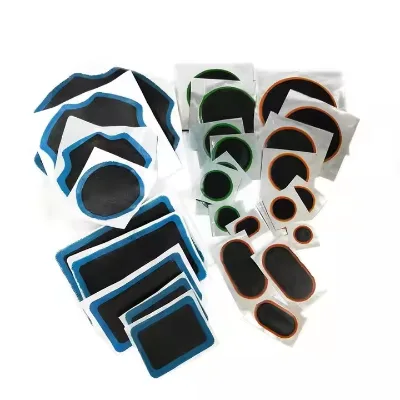
Prices for tubeless tire cold patches vary by size and material. Square patches range from $13.96 to $14.38 per unit, while round 45mm patches cost between $2.99 and $3.26. Smaller bicycle patches start at $0.30, and specific 25mm or 50mm options are available at $0.29. Buyers should check specific product listings for exact pricing based on quantity and customization needs.
What is the minimum order quantity for these patches?
Minimum order quantities depend on the specific product type and supplier. Square tire repair patches typically require a minimum of 600 units. Round 45mm patches have a minimum order of 600 units as well. For bicycle inner tube patches, the MOQ is 2000 units. Some suppliers offer lower MOQs of 10 cartons for specific tire repair tools, so buyers must verify requirements per item.
How long does it take to receive orders?
Lead times vary significantly among suppliers. Some manufacturers offer a lead time of 23 days for standard orders. Others provide faster turnaround times of 7 days for specific tire repair tools. One supplier lists a delivery time of 15 days for certain patches. Buyers should confirm the exact lead time with the supplier before placing orders to ensure timely delivery for their projects.
What certifications do these tire patches have?
Many tubeless tire cold patches carry RoHS certification, ensuring they meet specific environmental standards. Some suppliers also hold ISO9001:2015 system certification for quality management. Bicycle-specific patches may list ISOCE certification. Buyers should verify the specific certification documents for each product, as standards like RoHS and ISO vary by manufacturer and product line to ensure compliance with local regulations.
Where are these tire patches manufactured?
These tire patches are primarily manufactured in China. Suppliers are located in Guangdong, Hebei, and Liaoning provinces. Guangdong suppliers often produce industrial glue and tire sealants alongside patches. Hebei suppliers focus on bicycle parts and accessories. Liaoning manufacturers specialize in various tire repair tools and patches. Buyers can filter suppliers by these specific Chinese regions to find local or regional manufacturing options.
What materials are used in these cold patches?
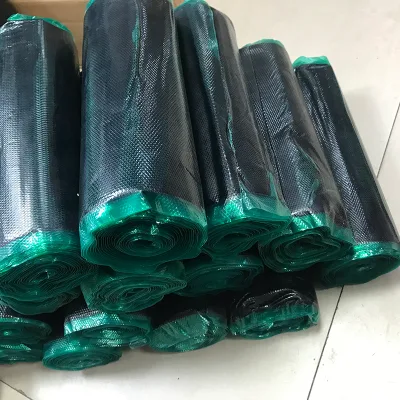
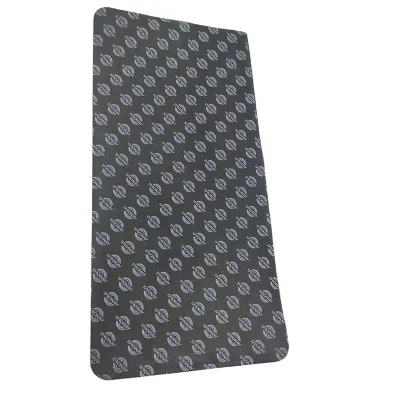
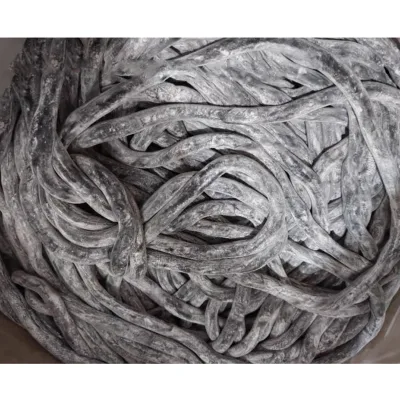
Tubeless tire cold patches are typically made from natural rubber or butyl rubber. Square patches often use natural rubber for effective tire repair. Round patches also utilize natural rubber for durability. Some specific tire repair tools list butyl rubber as the primary material for better sealing properties. Buyers should check the product attributes to confirm the material type, as it affects performance and compatibility with different tire types.