Underground Metal Detector for Gold and Silver Suppliers and Manufacturers
Compare 23 verified suppliers offering Underground Metal Detector for Gold and Silver with response times, lead times, and certifications. Review product specs like detection depth and pricing to select a factory in China Liaoning or Guangdong; review the available evidence before requesting comparable quotations from suitable candidates.
Updated
Suppliers List

Shenyang ABT Drilling Equipment Co., Ltd.
- Verified by BV
- Combined
- China Liaoning
- Lead time30 days
- Avg. response≤ 9h
Main productsDTH Hammer, Drilling Bit, Air Compressor, Drilling Rig, Water Detector, Used Air Compressor, Used Drilling Rig, Used Truck, Used Excavator, Drilling Rod
Main marketsSouth America,Africa,North America

Shenzhen Dexin Industrial Co., Ltd.
- Verified by SGS
- Manufacturer
- China Guangdong
- Lead time15 days
- Avg. response≤ 2h
Main productsGPS Detector, Uav Detection Equipment, Uav Jamming Equipment, Drone Detector, Portable Drone Detector
Main marketsDomestic
- Trading Company
- Shandong, China
- Lead time3 days
- Avg. response≤ 4h
Main productsNon-destructive Testing Equipment,Gas And Dust Detector,Petrochemical Explosion Proof Products,Safe And Rescue Equipment,Civil Engineering Testing Equipment
Main marketsSoutheast Asia(30.00%), North America(20.00%), South America(10.00%), Eastern Europe(10.00%), Western Europe(6.00%), Africa(5.00%), South Asia(5.00%), Southern Europe(5.00%), Oceania(5.00%), Eastern Asia(1.00%), Mid East(1.00%), Northern Europe(1.00%), Central America(1.00%)

Shenzhen Ever Good Electronic Co., Ltd.
- Manufacturer, Trading Company
- Guangdong, China
- Lead time3 days
- Avg. response≤ 18h
Main productsMetal Detector,Instrument Meter,Oscilloscopes,Temperature Instruments,Clamp Meters
Main marketsSoutheast Asia(15.00%), Mid East(15.00%), North America(15.00%), Western Europe(10.00%), Southern Europe(5.00%), Northern Europe(5.00%), Central America(5.00%), Eastern Europe(5.00%), South Asia(5.00%), South America(5.00%), Oceania(5.00%), Africa(5.00%), Eastern Asia(3.00%), Domestic Market(2.00%)
Shenzhen Elefine Technology Co., Ltd.
- Verified by SGS Group
- Manufacturer, Trading Company
- Lead time3 days
- Avg. response≤ 6h
Main productsBoom Barrier and Mechanism/, Turnstile and Mechanism/, Camera/Security Locks/, Transportation Facility/, EAS System
Main marketsWestern Europe(22%), South Asia(20%), North America(18%)

Shenzhen Alishang Trading Co., Ltd.
- Manufacturer, Trading Company, Buying Office
- Guangdong, China
- Lead time5 days
- Avg. response≤ 8h
Main productsSignal Amplifier,Signal RF Module,Signal Detector,refurbished phones,refurbished laotops
Main marketsSouth America(30.00%), North America(26.60%), Western Europe(9.90%), Eastern Europe(8.80%), Northern Europe(5.60%), Eastern Asia(3.50%), Oceania(3.10%), Southeast Asia(3.10%), South Asia(2.20%), Mid East(2.20%), Central America(2.00%), Domestic Market(1.10%), Southern Europe(1.00%), Africa(0.90%)
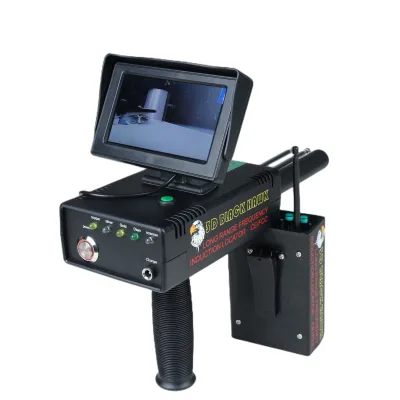
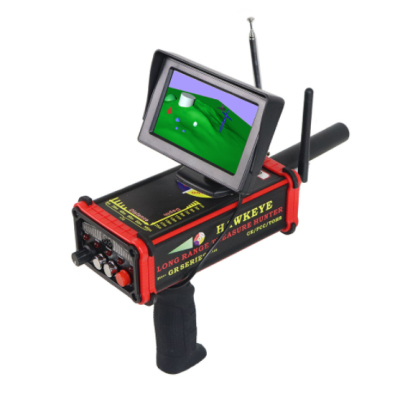
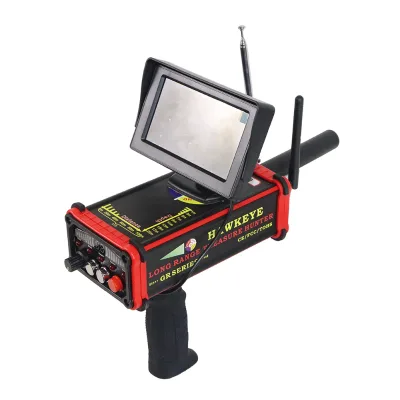
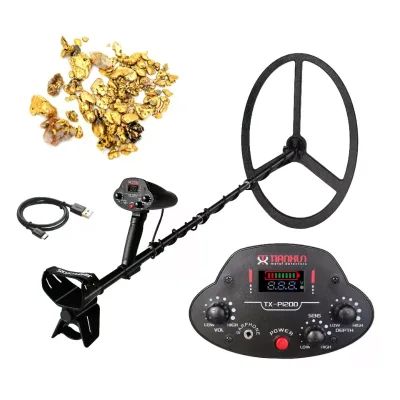
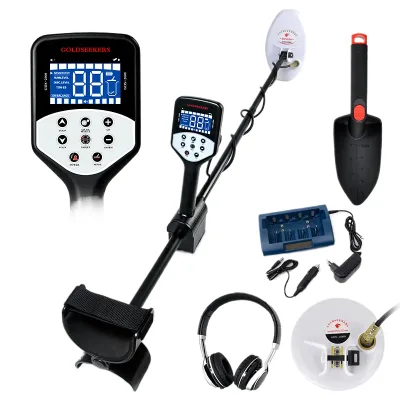
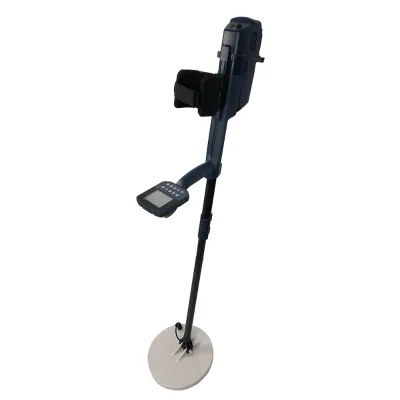
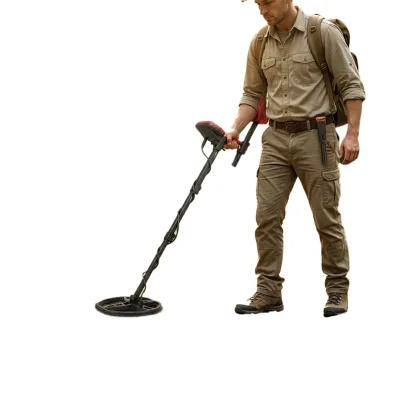
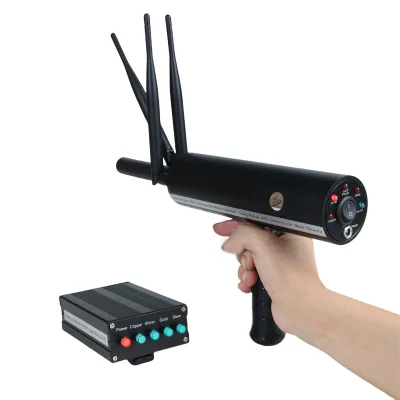
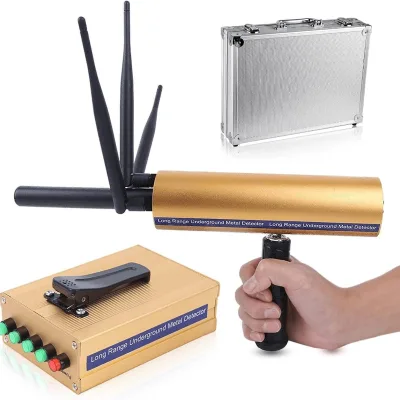
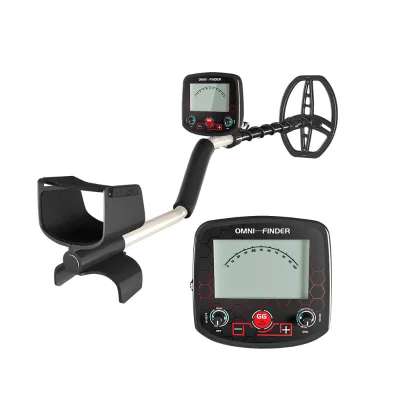
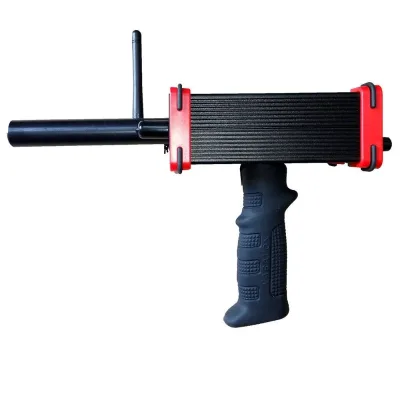
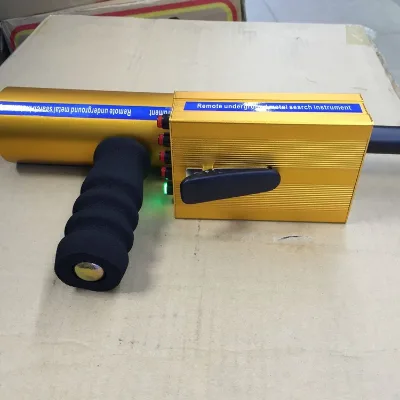
Underground Metal Fetector Treasure Hunter Gold Silver Copper and Diamond Detector AL1211
$235.00 - $258.00
MOQ: 1
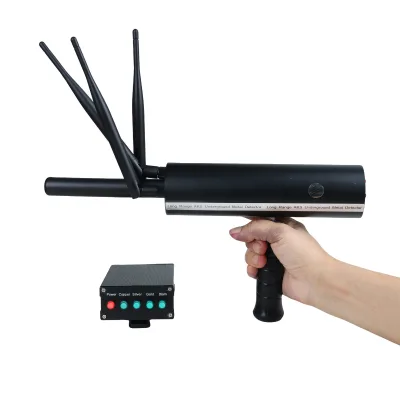
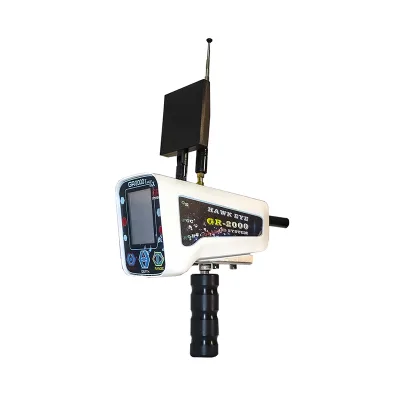
Three Antenna Remote Gold, Silver, Copper, and Diamond Detector
$175.00 - $200.00
Nanyang Ldoptic Instrument Co., Ltd.
- Manufacturer, Trading Company
- Henan, China
- Lead time0 days
- Avg. response≤ 6h
Main productsMicroscope,Telescope,Lens,Magnifier
Main marketsNorth America(30.00%)
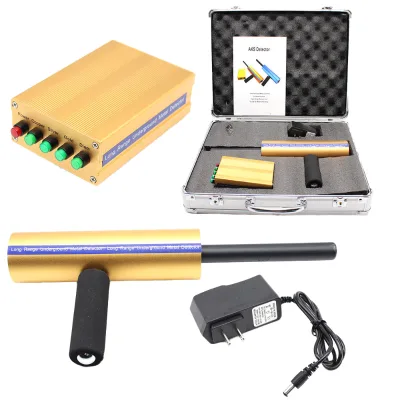
$65.00 - $75.00
MOQ: 1 pieces
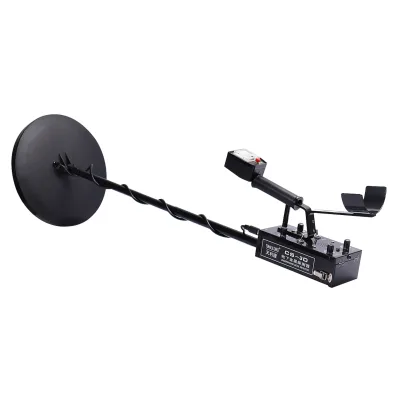
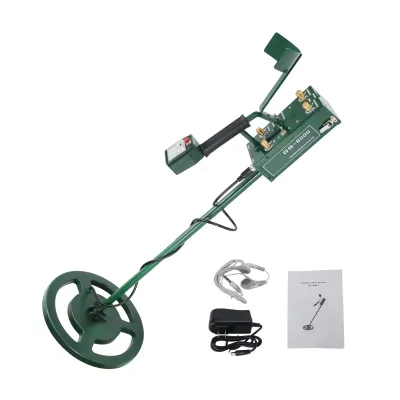
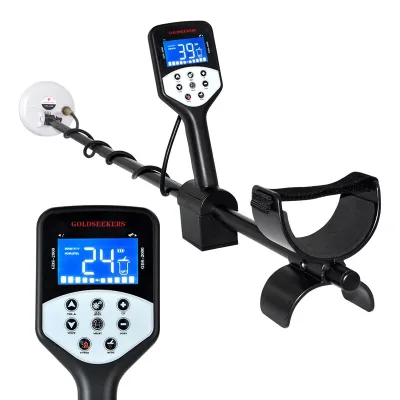
GS350 Underground Metal Detector Gold Silver Treasure Detector Copper Iron Treasure Detector
$82.00 - $83.00
MOQ: 1 pieces
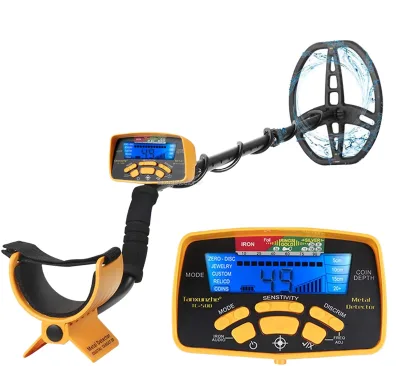
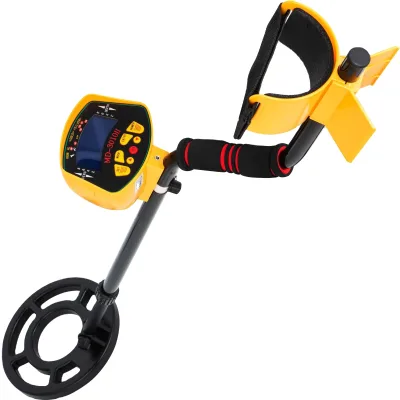
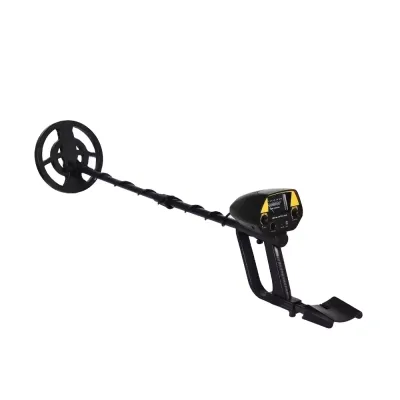
Professional MD6450 Underground Metal Detector Industrial Gold Detector De Metales
$83.0476 - $93.4282
MOQ: 1 pieces
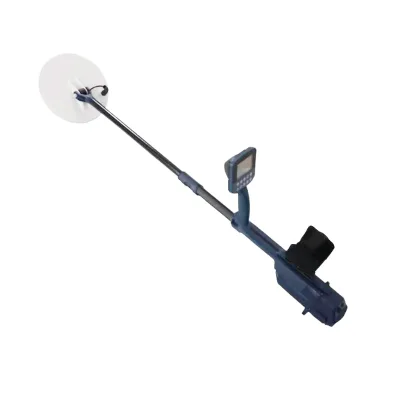
$730.1974 - $886.669
MOQ: 1 pieces

Guangzhou International Technology Co., Ltd.
- Verified by TUVRHEINLAND
- Trading Company
- China Hunan
- Lead time15 days
- Avg. response≤ 4h
Main productsDrill Rig, PDC Bits, Tricone Bits, Roller Cone Bit, Drilling Machine, Impregnated Diamond Core Bits, DTH Hammer Drill Bits, Drilling Equipment, Drilling Tools, PDC Core Bits
Main marketsAfrica,Europe


Gold Hunter B75 Gold Metal Detector Long Range Gold Metal Detector Underground Metal Detector
$300.00 - $380.00
MOQ: 1 Pieces


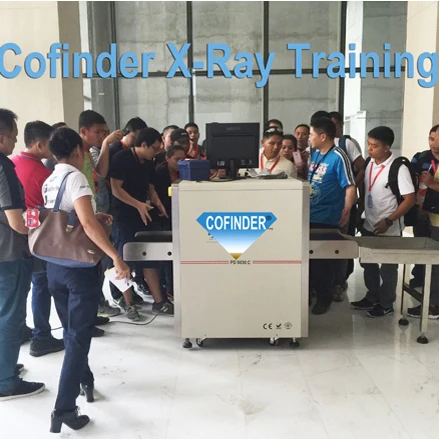
Shenzhen Cofinder Technology Co., Ltd.
- Manufacturer, Trading Company
- Guangdong, China
- Lead time7 days
- Avg. response≤ 6h
Main productsconveyor type needle detector,hand held metal detector,walk through metal detector,under car bomb detector,xray baggage scanner
Main marketsDomestic Market(20.00%), Mid East(15.00%), Southeast Asia(15.00%), South Asia(15.00%), North America(10.00%), Africa(5.00%), South America(5.00%), Southern Europe(5.00%), Central America(5.00%), Western Europe(5.00%)
Shenzhen Handiier Technology Co.,Ltd
- Manufacturer, Trading Company
- Guangdong, China
- Lead time10 days
- Avg. response≤ 12h
Main productsshaver,shaving accessories,hair trimmer,Vacuum Cleaner Parts,Air Purifier Parts
Main marketsNorth America(50.00%), Eastern Europe(10.00%), South America(10.00%), Northern Europe(5.00%), Central America(4.00%), Western Europe(3.00%), South Asia(3.00%), Southern Europe(3.00%), Oceania(3.00%), Eastern Asia(2.00%), Mid East(2.00%), Southeast Asia(2.00%), Domestic Market(2.00%), Africa(1.00%)

Smart Check Security Equipment (Shenzhen) Co., Ltd.
- Verified by TUVRHEINLAND
- Combined
- China Guangdong
- Lead time15 days
- Avg. response≤ 6h
Main productsMetal Detector, Handheld Metal Detector, Walk Through Metal Detector, Under Vechile Inspection Mirror, Under Vehicle Inspection Camera, Life Detector, Gold Metal Detector, Underground Metal Detector, Door Frame Metal Detector, Underground Gold Metal Detector
Main marketsAfrica,Southeast Asia/ Mideast,Domestic,Europe,North America

Gold Hunter Basic Pinpointer Underground Gold Metal Detector Gold Range Silver Metal Detector
$26.00 - $30.00
MOQ: 25 Pieces

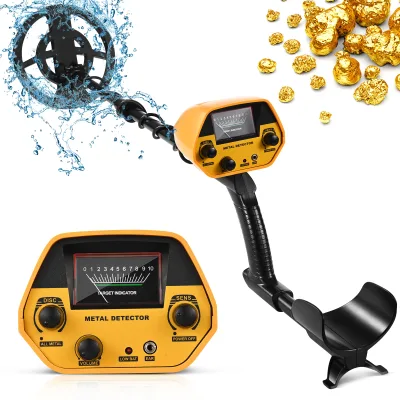
Metal Detector Underground Gold Detector Waterproof Gold Metal Detector
$248.00 - $268.00
MOQ: 1 Pieces

$26.00 - $30.00
MOQ: 25 Pieces

Goldforce F39 Gold Metal Detector Professional Underground Gold Metal Detector
$90.00 - $98.00
MOQ: 1 Pieces

$26.00 - $30.00
MOQ: 25 Pieces

$26.00 - $30.00
MOQ: 25 Pieces
- Trading Company
- Fujian, China
- Lead time0 days
- Avg. response≤ 2h
Main productsAgricultural instruments,industry instrument,medical equipment,Auto detection tools
Main marketsWestern Europe(30.00%), Eastern Europe(15.00%), North America(15.00%), Southern Europe(15.00%), South America(6.00%), Southeast Asia(5.00%), Northern Europe(5.00%), Mid East(3.00%), Central America(3.00%), South Asia(3.00%)

Beijing Vacuum Electronic Technology Co., Ltd.
- Verified by BV
- Combined
- China Beijing
- Lead time30 days
- Avg. response≤ 8h
Main productsX-ray Baggage Scanner, Vehicle Inspection System, Container Scanner System, Walk-Through Metal Detector
Main marketsSoutheast Asia/ Mideast,East Asia(Japan/ South Korea),Domestic,North America
Longyan Kailong Mining Equipment Co., Ltd.
- Manufacturer, Trading Company
- Fujian, China
- Lead time15 days
- Avg. response≤ 1h
Main productsDTH Bits,DTH Hammer,Button Bit,Cross Bits,Tapered Button Bit
Main marketsNorth America(15.00%), South America(12.00%), Southeast Asia(10.00%), Eastern Asia(8.00%), Central America(8.00%), Western Europe(7.00%), Northern Europe(6.00%), Eastern Europe(6.00%), South Asia(5.00%)
Shenzhen Yingshiwei Technology Co., Ltd.
- Manufacturer
- Guangdong, China
- Lead time7 days
- Avg. response≤ 3h
Main productsBody Worn Camera,Docking Station,Alcohol Tester,Dash Camera
Main marketsNorth America(40.00%), Mid East(10.00%), Eastern Europe(10.00%), South America(10.00%), Central America(5.00%), Western Europe(5.00%), Eastern Asia(5.00%), Southeast Asia(5.00%), Oceania(5.00%), Africa(5.00%)
Shenzhen Graigar Technology Co., Ltd.
- Manufacturer, Trading Company
- Guangdong, China
- Lead time3 days
- Avg. response≤ 2h
Main productsUltrasonic Flaw Detector,Ultrasonic Flow Meter,Thickness Gauge,Underground Metal Detector,Leeb Hardness Tester
Main marketsNorth America(20.00%), Western Europe(15.00%), South America(10.00%), Mid East(10.00%), Oceania(10.00%), Africa(10.00%), Southeast Asia(10.00%), Eastern Europe(10.00%), Domestic Market(5.00%)
Dongguan Cheebo Electronic Co., Ltd.
- Manufacturer, Trading Company
- Guangdong, China
- Lead time10 days
- Avg. response≤ 12h
Main productsGold Detector,accessories for gold detectors,coils,headphones,room charger
Main marketsAfrica(60.00%), Mid East(30.00%), South Asia(2.00%), North America(2.00%), Southeast Asia(2.00%), South America(2.00%), Eastern Europe(2.00%)

Ganzhou Gelin Mining Machinery Co., Ltd.
- Combined
- China Jiangxi
- Lead time15 days
- Avg. response≤ 12h
Main productsGold Mining Equipment, Zircon Ore Processing Machine, Gold Washing Trommel, Centrifugal Gold Concentrator, Shaking Table, Jigger Machine
Main marketsSouth America,Africa,Southeast Asia/ Mideast,East Asia(Japan/ South Korea),Domestic,Europe,Australia,North America
Shandong China Coal Industrial & Mining Supplies Group Co., Ltd.
- Verified by TüVRheinland
- Manufacturer, Trading Company
- Lead time15 days
- Avg. response≤ 4h
Main productsHydraulic Prop, Mine Car, Mining Locomotive, Excavators, Concrete Pump
Main marketsDomestic Market(26%), South America(22%), Central America(21%)

Hangzhou Longwin Industry Limited
- Verified by SGS
- Trading Company,Manufacturer/Factory
- China Zhejiang
- Lead time15 days
- Avg. response≤ 5h
Main productsHome Cleaning, Domestic Appliances, Auto and Motorcycle and Bicycle, Fiberglass Products, Battery, Clothing, Furniture, Tools, Machine, Building
Main marketsSouth America,Eastern Europe,Mid East,North America,Southeast Asia,Eastern Asia,Oceania,Western Europe,Africa

Underground Finder Gold Metal Detector Best Metal Detector Machine Gold Detector Treasure Hunting
$106.60 - $112.60
MOQ: 10 Pieces

$9.88 - $11.32
MOQ: 50 Pieces


$9.88 - $11.32
MOQ: 50 Pieces

Gold 5m Depth Deep Searching Professional Treasure 15 Meter Underground Metal Detector
$77.59 - $112.07
MOQ: 1 Pieces

Zhengzhou Hanfa Prospecting Machinery Co., Ltd.
- Manufacturer/Factory
- China Henan
- Lead time15 days
- Avg. response≤ 3h
Main productsWater Well Drilling Rig, Core Drilling Rig, DTH Drilling Rig, Piling Rig, Engineering Drilling Rig, Rotary Drilling Rig, Percussion Drilling Rig, Underground Drilling Rig, Directional Drilling Rig, Mine Locator
Main marketsSouth America,Eastern Europe,Mid East,North America,Southeast Asia,Eastern Asia,Oceania,Western Europe,Africa

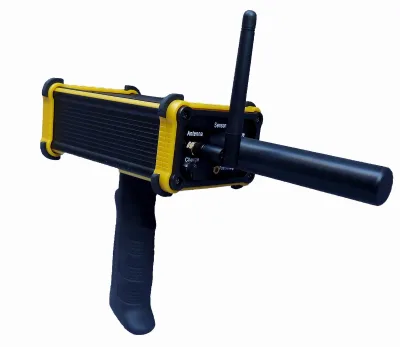
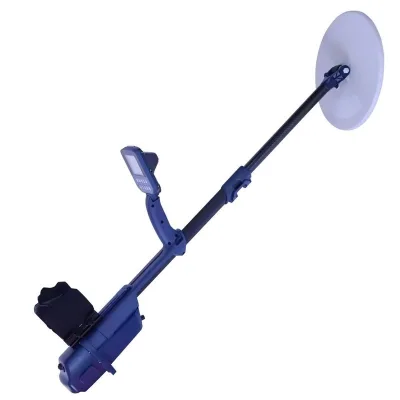
Long Range Deep Gold Detector Diamond Discover Underground Metal Detector
$2200.00 - $12000.00
MOQ: 1 Sets

Xiongan Jinsheng Trading Co., Ltd.
- Verified by TüVRheinland
- Trading Company
- Lead time15 days
- Avg. response≤ 2h
Main productsMultimeter, Metal Detector, Industrial Thermal Imager, Spot Welder, Resistance Tester
Main marketsMid East(30%), Southeast Asia(20%), Africa(20%)
Nanjing Vesta New Tech Materials Co., Ltd.
- Trading Company
- Lead time旺季: "1 - 5":8,"6 - 50":15,"51 - 100":25,"> 100":"To be negotiated", 淡季: "1 - 5":8,"6 - 50":15,"51 - 100":25,"> 100":"To be negotiated"
- Avg. response≤ 2h
Main productsBeauty Equipment, HIFU Machine, Collagen Film, Collagen Mist, Music Boxing


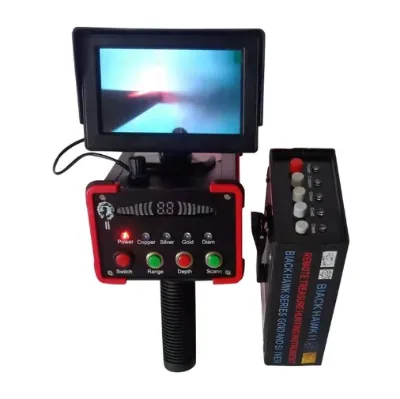
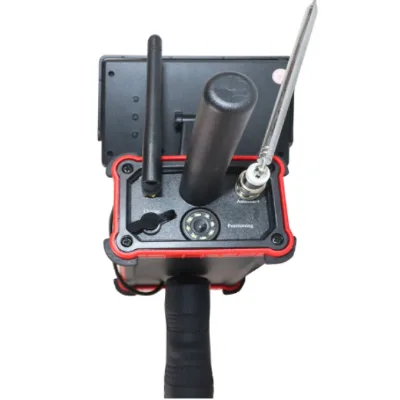
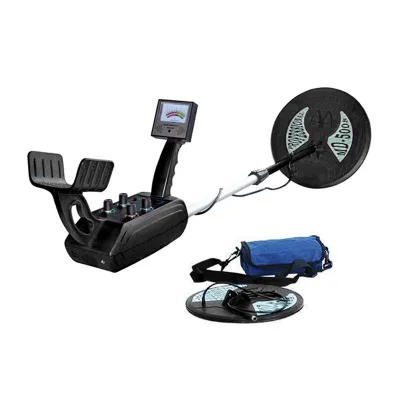
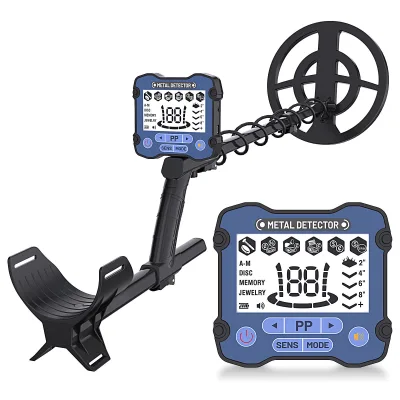
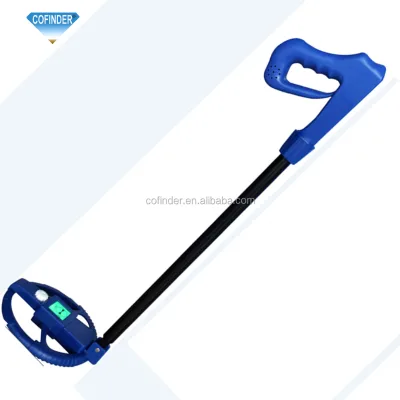
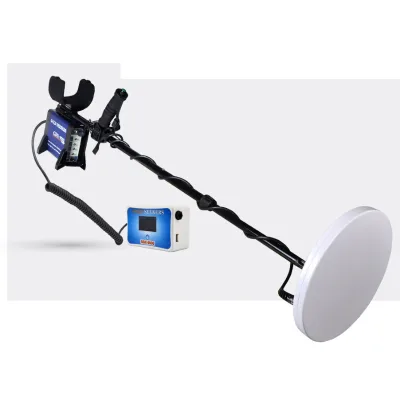




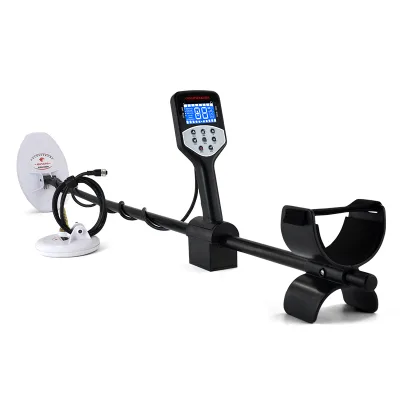
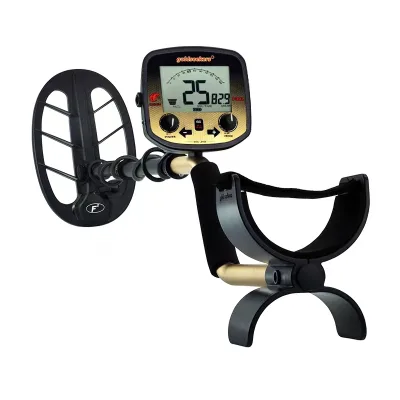
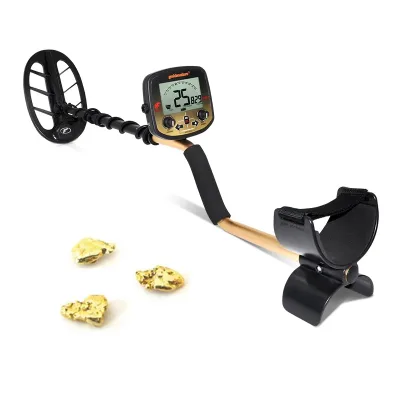
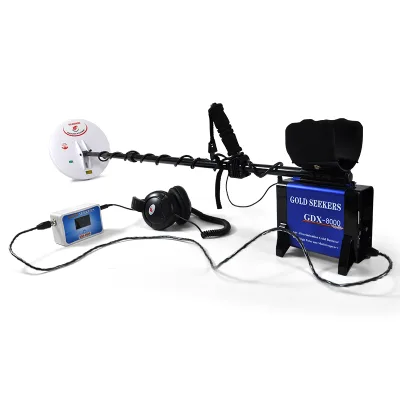
Comprehensive Sourcing Guide
Underground Metal Detector for Gold and Silver Supplier Concentration and Factory Types
The current supplier landscape for underground metal detectors reveals a distinct geographic and structural split that buyers must navigate carefully. One primary cluster is located in Liaoning, China, where suppliers operate as combined entities rather than pure manufacturers. These combined companies often list a broad array of heavy machinery alongside detection equipment, including DTH hammers, drilling bits, air compressors, and used excavators. This suggests that the underground metal detectors in this region may be part of a larger mining or drilling equipment ecosystem, potentially offering integrated solutions for exploration teams. The presence of such diverse main products indicates that these suppliers might leverage existing supply chains for heavy industrial goods to support their detection instrument offerings. Buyers should recognize that while these suppliers provide a wide range of industrial tools, their core competency in specialized electronic detection hardware may vary compared to dedicated electronics manufacturers. The verification status for these Liaoning-based suppliers includes BV certification, which adds a layer of trust regarding their business legitimacy, but it does not necessarily confirm the technical superiority of their metal detectors. Understanding this combined nature helps buyers assess whether they are dealing with a trading company that aggregates products or a manufacturer with diversified production lines.
In contrast, another significant group of suppliers is situated in Guangdong, China, and identifies explicitly as a manufacturer. This distinction is crucial for buyers seeking direct factory pricing and technical support. These Guangdong-based suppliers focus heavily on GPS detectors, UAV detection equipment, and portable drone detectors, indicating a strong specialization in electronic sensing and anti-drone technologies. This focus on advanced electronic systems suggests a higher level of expertise in the circuitry and software that power underground metal detectors. The verification for these suppliers includes SGS certification, which is another reputable third-party validation of their operational standards. The manufacturer type implies that these suppliers likely have direct control over the production process, from component sourcing to final assembly. This can lead to more consistent quality control and potentially faster customization capabilities for specific detection depths or frequencies. Buyers evaluating these suppliers should look for evidence of their R&D capacity, as manufacturers often invest more in proprietary technology compared to trading companies. The clear separation between Liaoning’s combined industrial suppliers and Guangdong’s specialized electronic manufacturers provides buyers with two distinct pathways depending on whether they prioritize broad industrial integration or specialized electronic precision.
How to Verify Underground Metal Detector for Gold and Silver Suppliers
Verifying the legitimacy and capability of underground metal detector suppliers requires a multi-layered approach that goes beyond simple profile reviews. The first step is to examine the verification badges provided by the platform, such as BV or SGS. These badges indicate that a third-party agency has inspected the supplier’s business license, factory premises, or operational processes. However, buyers must understand that verification confirms the existence and legal standing of the company, not the performance of every product they list. For instance, a supplier verified by BV in Liaoning may be a legitimate trading company, while one verified by SGS in Guangdong may be a verified manufacturer. Buyers should cross-reference these badges with the supplier’s declared company type. If a supplier claims to be a manufacturer but lacks detailed factory photos or specific production line descriptions, buyers should request a virtual tour or recent video evidence. This is particularly important for underground metal detectors, which involve complex electronic components that require precise assembly and testing. The presence of an ODM or OEM capacity label suggests that the supplier can customize products, but buyers should verify if they have the technical expertise to handle such requests effectively.
Another critical verification step involves analyzing the product evidence and technical specifications provided in the listings. Buyers should look for detailed product attributes such as certification marks (e.g., CE, RoHS, ISO), detection depth ranges, and alarm forms. For example, some products list CE/RoHS/ISO9001 certifications, which are important for compliance in many international markets. Buyers should request copies of these certificates to ensure they are valid and issued by recognized bodies. Additionally, the response time of the supplier is a key indicator of their operational efficiency. A supplier with a response time of under two hours, such as those in Guangdong, may offer better communication and faster issue resolution compared to those with longer response times. Buyers should also check the lead time, which indicates how quickly the supplier can deliver orders. A lead time of 15 days suggests a more agile production process, while 30 days might indicate a more standard or inventory-based model. By combining verification badges, company type analysis, product technical details, and operational metrics like response time and lead time, buyers can build a comprehensive profile of each supplier’s reliability and capability. This holistic approach helps mitigate the risk of engaging with unreliable partners and ensures that the chosen supplier can meet the specific technical and logistical requirements of the purchase.
What to Compare Across Underground Metal Detector for Gold and Silver Suppliers
When comparing suppliers, buyers must evaluate a range of commercial and technical dimensions to find the best fit for their specific needs. One of the most critical factors is the price range, which can vary significantly based on the detector’s capabilities and depth. For example, basic handheld models may start around $129, while advanced deep-search units can exceed $5,000. Buyers should compare the price against the specified detection depth, certification levels, and additional features like display alarms or waterproofing. A supplier offering a detector with a 600m depth range at a higher price point may offer better value for large-scale mining operations compared to a supplier offering a 200m range at a lower cost. Additionally, the Minimum Order Quantity (MOQ) is a key consideration. Some suppliers have an MOQ of just one unit, which is ideal for small-scale explorers or testing purposes, while others may require larger bulk orders. Buyers should align their order volume with the supplier’s MOQ to avoid unnecessary costs or inventory issues. The customization options are also vital; suppliers that offer ODM and OEM services can tailor detectors to specific brand or technical requirements, which is essential for businesses looking to create a unique product line.
Beyond pricing and MOQ, buyers should compare the supplier’s main products and overall catalog breadth. A supplier in Liaoning that also sells drilling rigs and air compressors might offer bundled solutions for mining projects, providing logistical convenience. In contrast, a supplier in Guangdong that specializes in GPS and UAV detection equipment might offer more advanced electronic integration and software support. The response time is another comparative metric that impacts the buying experience. Suppliers with faster response times, such as those under two hours, are likely more responsive to inquiries and technical support requests. Lead times also differ, with some suppliers offering 15-day delivery and others requiring 30 days. Buyers should consider their project timeline when making this comparison. Furthermore, the condition of the products, whether new or used, and the availability of after-sales support, such as online assistance, should be weighed. By systematically comparing price, MOQ, customization, product focus, response speed, and lead time, buyers can make an informed decision that balances cost, quality, and service. This structured comparison ensures that the selected supplier aligns with the buyer’s operational requirements and budget constraints.
Common Underground Metal Detector for Gold and Silver Sourcing Risks
Sourcing underground metal detectors carries several inherent risks that buyers must proactively manage to avoid costly mistakes. One significant risk is the discrepancy between advertised detection depth and actual performance. Some listings claim depths of up to 600 meters, while others specify much shallower ranges. Buyers should be cautious of exaggerated claims and verify these specifications through independent testing or detailed technical documentation. The lack of standardized testing protocols for metal detectors means that performance can vary widely between models and manufacturers. Another risk is the variability in certification quality. While some products list CE, RoHS, and ISO9001 certifications, buyers must ensure these are genuine and not merely marketing labels. Fake or expired certifications can lead to customs delays or legal issues in certain markets. Buyers should request valid certificate copies and verify them with the issuing bodies. Additionally, the risk of receiving non-customized products when customization was promised is a concern. Suppliers may claim customization availability but fail to deliver tailored solutions, leading to product mismatches.
A further risk involves the reliability of after-sales support. Some suppliers offer online support, but the effectiveness of this support can vary. Buyers should assess the supplier’s responsiveness and technical expertise before committing to a large order. Poor after-sales service can result in prolonged downtime if the detector malfunctions. The risk of supply chain disruptions is also present, especially with suppliers who have longer lead times or rely on complex manufacturing processes. Buyers should consider the supplier’s location and logistics capabilities to mitigate delivery delays. For instance, suppliers in Guangdong may have better access to international shipping routes compared to those in Liaoning. Another risk is the potential for quality inconsistencies in bulk orders. Even if a sample unit meets specifications, mass production may introduce defects. Buyers should request quality control reports or third-party inspection results before finalizing payments. By identifying and addressing these risks through thorough due diligence, clear contract terms, and verified product testing, buyers can protect their investments and ensure a successful sourcing experience. Proactive risk management is essential in navigating the complexities of the underground metal detector market.
Underground Metal Detector for Gold and Silver Regional Sourcing and Logistics
The geographic location of suppliers significantly impacts logistics, shipping costs, and delivery times for underground metal detectors. Suppliers in Liaoning, China, are located in the northeast region, which may result in longer transit times to certain international ports compared to suppliers in southern China. Buyers should factor in this geographic difference when planning their supply chain. Liaoning-based suppliers often deal with heavy industrial equipment, which may influence their packaging and shipping methods. For example, some products are packed in cases or boxes designed for robust protection during long-distance transport. Buyers should verify the packaging standards to ensure the detectors arrive in pristine condition. The lead time for Liaoning suppliers is typically around 30 days, which buyers must account for in their inventory planning. This longer lead time may be due to the complexity of their combined product lines or the distance from major shipping hubs. Buyers should also consider the availability of express delivery options, which can expedite shipments but at a higher cost.
In contrast, suppliers in Guangdong, China, benefit from proximity to major international shipping centers like Shenzhen and Guangzhou. This location advantage often translates to faster lead times, such as 15 days, and more frequent shipping schedules. Guangdong-based suppliers specialize in electronic detection equipment, which may require more delicate handling and specific packaging to prevent damage to sensitive components. Buyers should check the packing dimensions and weight to calculate accurate shipping costs. The response time for Guangdong suppliers is notably faster, often under two hours, which facilitates quicker communication regarding logistics updates and customs documentation. Buyers should leverage this responsiveness to coordinate shipments effectively. Additionally, the type of delivery method, such as express services, can be more readily available from Guangdong suppliers. Understanding these regional logistics nuances allows buyers to optimize their supply chain, reduce transit times, and manage costs more effectively. By aligning their sourcing strategy with the logistical strengths of each region, buyers can ensure timely delivery and minimize disruptions in their operations.
Underground Metal Detector for Gold and Silver Commercial Terms and Order Planning
Commercial terms and order planning are critical components of a successful procurement strategy for underground metal detectors. Buyers must carefully review the payment terms offered by suppliers, such as 100% payment upfront or other arrangements. Understanding these terms helps in cash flow management and risk assessment. Some suppliers may require full payment before production begins, while others might offer partial payments. Buyers should negotiate terms that align with their financial policies and risk tolerance. The price range of the detectors, from approximately $129 to over $5,000, requires careful budgeting. Buyers should compare prices not just on
FAQs
What is the typical lead time for underground metal detectors?
The typical lead time for these detectors is 30 days based on current supplier data. Some manufacturers offer faster delivery with a 15-day lead time for specific models. Buyers should confirm exact shipping schedules before placing orders to ensure timely project completion.
Are these detectors available with ISO and CE certifications?
Yes, many models come with ISO and CE certifications as standard. Specific products list CE, RoHS, and ISO9001 certificates in their attributes. Buyers must verify the exact certification documents provided by the supplier to ensure compliance with local safety and quality regulations.
What is the minimum order quantity for these detectors?
The minimum order quantity is typically one unit for most underground metal detector models. This allows buyers to test performance before committing to larger bulk purchases. Always check the specific product listing for any variations in minimum order requirements.
Where are the manufacturers of these detectors located?
Manufacturers are primarily located in China, specifically in Liaoning and Guangdong provinces. These regions host both combined companies and dedicated manufacturers offering various detection technologies. Buyers should verify the specific factory location to assess logistics and shipping costs accurately.
What is the maximum detection depth for these devices?
Detection depths vary significantly, ranging from 15 to 20 centimeters for handheld units up to 600 meters for advanced models. Some specific products claim depths between 0 and 200 meters depending on the soil conditions. Buyers should match the depth requirement to their specific application needs.
How quickly do suppliers typically respond to inquiries?
Response times vary, with some suppliers responding within 1.33 hours and others taking around 8.79 hours. Faster response times often indicate higher availability or dedicated sales teams. Buyers should prioritize suppliers with shorter response times for urgent project requirements.
Do suppliers offer customization options for these detectors?
Yes, customization is available for many models, including OEM and ODM services. Some products allow for specific branding or feature adjustments to meet unique industrial needs. Buyers should discuss their specific customization requirements directly with the supplier to confirm feasibility and additional costs.