Mini Cooling Fan Suppliers and Manufacturers
Source 26 verified Mini Cooling Fan suppliers from Guangdong, China. Compare key dimensions including lead times, MOQs, response speeds, and certifications like CE and ROHS. Review product specs and pricing to identify the right partner for your procurement needs; review the available evidence before requesting comparable quotations from suitable candidates.
Updated
Suppliers List

Shenzhen Yukon Glory Technology Co., Ltd.
- Trading Company
- China Guangdong
- Lead time0 days
- Avg. response≤ 2h
Main productsSolar Exhaust Fan, Kitchen Ventilation Fan with Battery, Solar Pet Exhaust Fan, Solar Roof Fan, Solar Cooling Fan, Solar Exhaust Fan for Chicken Coop, Battery, Solar Fan, Solar Ventilation Fan, Ventilating Device
Shenzhen Lianxinyuan E-Commerce Co., Ltd.
- Manufacturer, Trading Company, Distributor/Wholesaler, Other
- Guangdong, China
- Lead time3 days
- Avg. response≤ 1h
Main productsTraffic tools,charger,Electronic products,integrated circuit,Solar products
Main marketsNorth America(30.00%), Northern Europe(15.00%), South America(15.00%), South Asia(10.00%), Southern Europe(10.00%), Eastern Europe(10.00%), Western Europe(10.00%)

ZHONGSHAN KWANGNA GLOBAL SUPPLY CHAIN CO., LTD
- Trading Company
- China Guangdong
- Lead time0 days
- Avg. response≤ 2h
Main productsMosquito Repellent Light, Small Kitchen Air Conditioner, Air Frier, Coffee Maker, Vacuum Cup, Coffee Steel Cup, Portable Mini Fan, Steel Milk Cup, Rice Cooker, Smart Rice Cooker

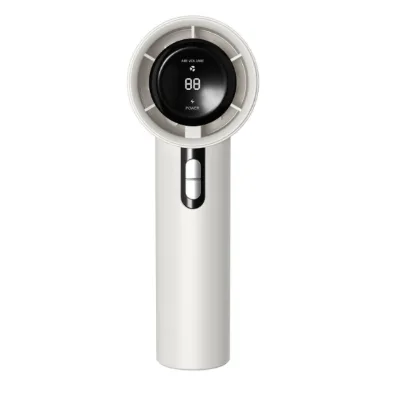
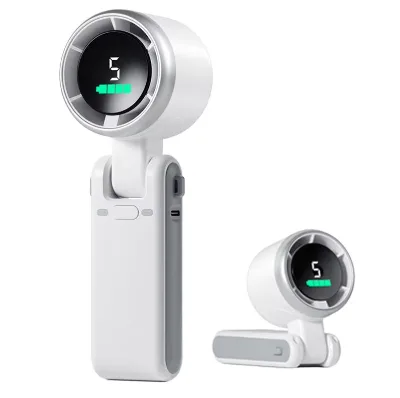
Featuring a User-Friendly Digital Display Multi-Speed Adjustment Mini Portable Cooling Fan
$5.56 - $5.78
MOQ: 500 Pieces


- Verified by BV
- Trading Company
- China Zhejiang
- Lead time30 days
- Avg. response≤ 7h
Main productsElectric Kettle, Massager, Hair Dryer, Heater, Electric Grill, Humidifier, Hair Straightener, Mixer, Beauty Instrument, Electronics
Main marketsAfrica,Southeast Asia/ Mideast,Europe,North America

Shantou Xinbo Intelligent Technology Co., Ltd
- Verified by SGS
- Trading Company
- China Guangdong
- Lead time15 days
- Avg. response≤ 6h
Main productsMini Fan, Handheld Mini Fan, Portable Mini Fan, Desk Fan
Main marketsSoutheast Asia/ Mideast
Shenzhen Jiaoyuanxin Technology Co., Ltd.
- Verified by SGS Group
- Trading Company
- Guang Dong, China
- Lead time15 days
- Avg. response≤ 6h
Main productsTWS Earbuds, Bluetooth Speaker, Smart Watch
Main marketsNorth America(50%), Southeast Asia(20%), Southern Europe(15%)
Dongguan Yateng Electronic Co., Ltd.
- Manufacturer, Trading Company
- Guangdong, China
- Lead time15 days
- Avg. response≤ 13h
Main productsPortable Mini USB Fan/Portable Car Vacuum Cleaner,Rechargeable fan
Main marketsNorth America(60.00%), Eastern Asia(20.00%), Domestic Market(10.00%), Southeast Asia(5.00%), South Asia(5.00%)
Shenzhen Suoba Weiye Technology Co., Limited
- Manufacturer
- Guangdong Province, China
- Lead time3 days
- Avg. response≤ 4h
Main productswireless earphone,mobile earphone,metal earphone,gift earphone,EV charger
Main marketsWestern Europe(30.00%), North America(30.00%), Mid East(15.00%), Northern Europe(10.00%), Southern Europe(10.00%), Central America(5.00%)
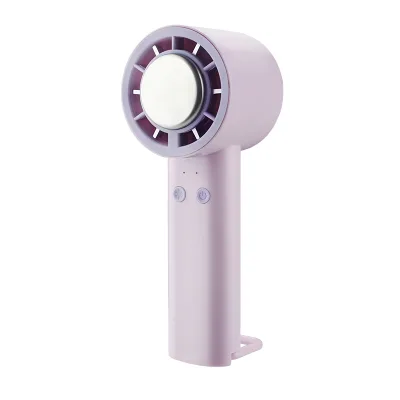
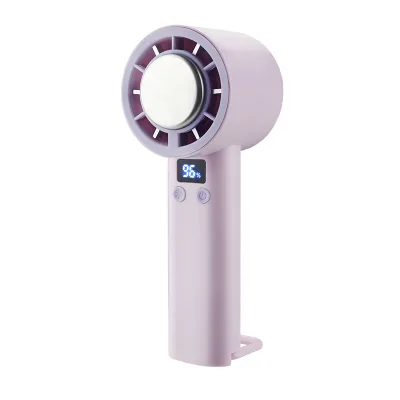
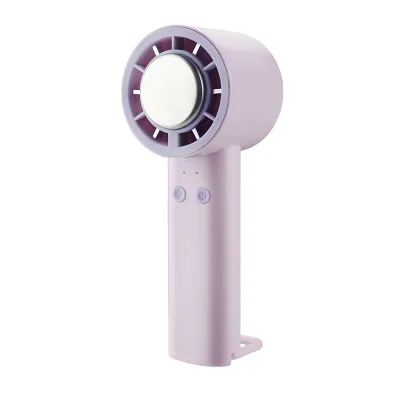
$3.36 - $3.4739
MOQ: 500 pieces

Shenzhen Letine Technology Co., Ltd.
- Verified by CTI
- Combined
- China Guangdong
- Lead time15 days
- Avg. response≤ 4h
Main productsPC Monitor, Advertising Player, Demo Server, Gaming Monitor, Rugged Tablet, Ai Solution, Graphics Card, Motherboard
Main marketsSouth America,Africa,Southeast Asia/ Mideast,Europe,Australia,North America
Hebei Xiujiesi Trading Co., Ltd.
- Trading Company
- Hebei, China
- Lead time7 days
- Avg. response≤ 4h
Main productseyelash extensions,eyelash glue,lash tools,DIY Cluster lashes,Premade fan
Main marketsNorth America(27.00%), Northern Europe(20.00%), Central America(10.00%), Western Europe(10.00%), Southern Europe(10.00%), Eastern Europe(10.00%), Eastern Asia(5.00%), Mid East(5.00%), South Asia(3.00%)
Shenzhen Kingstar Mould Co., Ltd.
- Verified by SGS Group
- Manufacturer, Trading Company
- Lead time15 days
- Avg. response≤ 9h
Main productsPlastic Product, Wireless Speaker, Massage Gun, Wireless Earbuds, Smart Watch
Main marketsNorth America(35%), Southern Europe(30%), Domestic Market(20%)

$10.1355 - $11.3369
MOQ: 2 pieces

Anhui Xianwei E-Commerce Co., Ltd
- Verified by TUVRHEINLAND
- Manufacturer/Factory
- China Anhui
- Lead time0 days
- Avg. response≤ 6h
Main productsLamp, Cup, Tent
Main marketsSouth America,Eastern Europe,Mid East,North America,Southeast Asia,Eastern Asia,Oceania,Western Europe,Africa


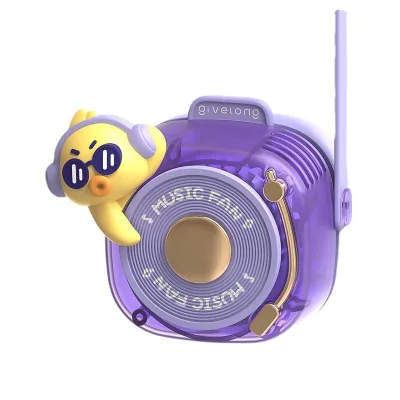
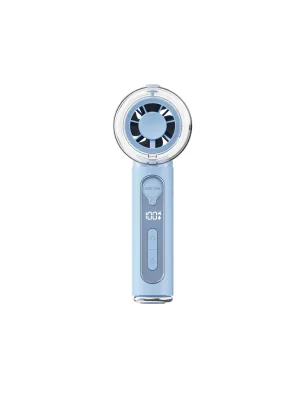
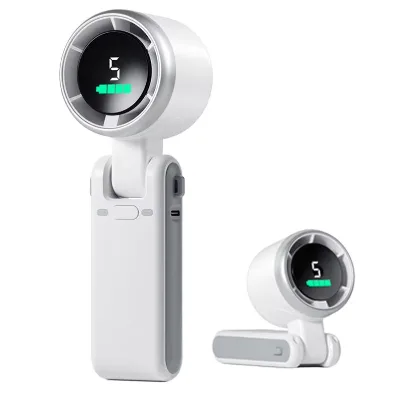
Portable High Speed Fan Digital Cooling Mini Fan Battery Operated Rechargeable Handheld Fan
$0.86 - $2.98
MOQ: 100 Pieces
Shenzhen Qianbao Technology Co., Ltd.
- Trading Company
- Guangzhou, China
- Lead time7 days
- Avg. response≤ 9h
Main productsGraphic card,CPU,Motherboard,Cooling plate,Fans
Main marketsNorth America(20.00%), Northern Europe(10.00%), Domestic Market(10.00%), Eastern Europe(10.00%), Mid East(10.00%), Western Europe(8.00%), Southern Europe(8.00%), Southeast Asia(5.00%), South America(5.00%), Eastern Asia(5.00%), Central America(3.00%), Africa(2.00%), South Asia(2.00%), Oceania(2.00%)

Foshan Jingshun Electrical Appliance Co., Ltd.
- Verified by BV
- Trading Company,Manufacturer/Factory
- China Guangdong
- Lead time60 days
- Avg. response≤ 3h
Main productsFan, Stand Fan, Ceiling Fan, Table Fan, Box Fan, Wall Fan, DC Fan, Decoration Ceiling Fan, Mist Fan, Industrical Fan
Main marketsSouth America,Eastern Europe,Mid East,North America,Southeast Asia,Eastern Asia,Oceania,Western Europe,Africa
- Manufacturer, Trading Company
- Lead time旺季: "1 - 1000":12,"1001 - 5000":15,"5001 - 10000":20,"> 10000":"To be negotiated", 淡季: "1 - 1000":12,"1001 - 5000":15,"5001 - 10000":20,"> 10000":"To be negotiated"
- Avg. response≤ 3h
Main productsCustom Flags And Banners, Promotion Gifts, Promotion Apparel And Accessories, Advertising Display, Fashion Accessories
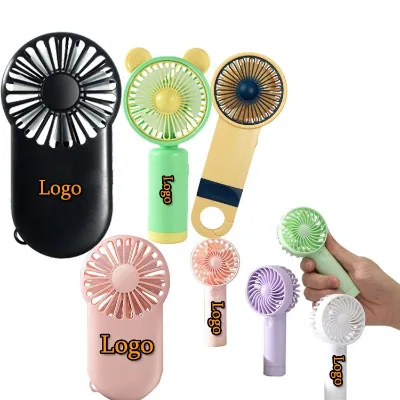
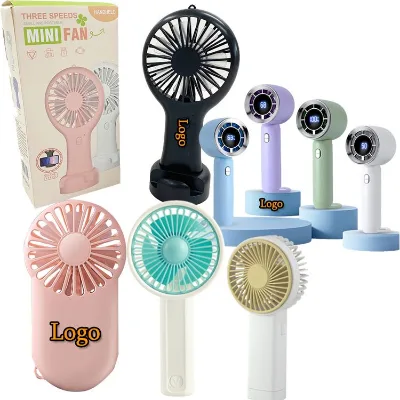
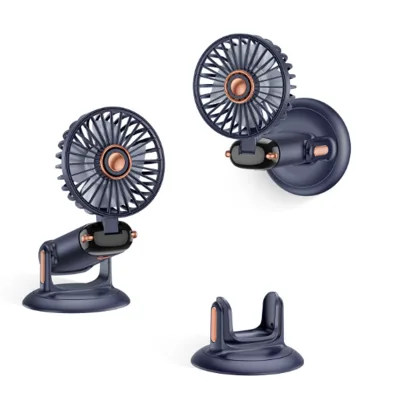
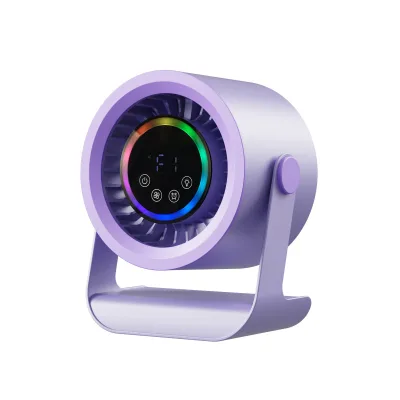
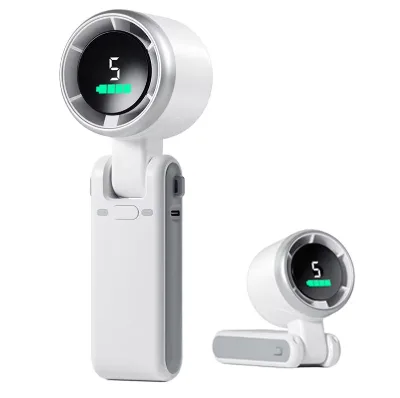
Summer Desktop Outdoor Portable Fan New Design Rechargeable Usb Portable Mini Air Cooler Fan
$0.57 - $0.89
MOQ: 100 pieces
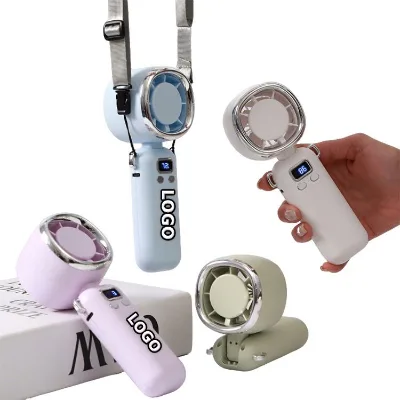

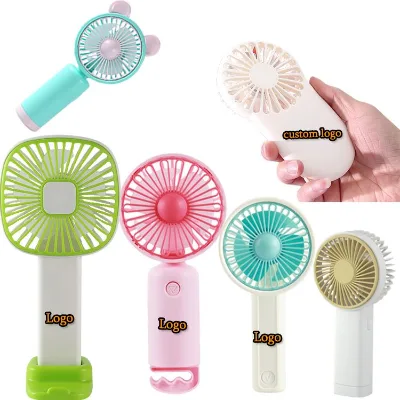
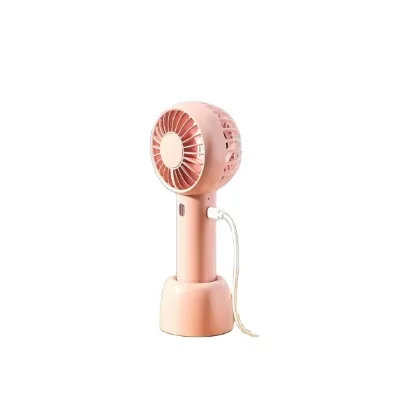
Wholesale New Arrivals Outdoor New Design Rechargeable Usb Portable Cooling Fan
$0.57 - $0.89
MOQ: 100

Ningbo Kejie International Trade Co., Ltd.
- Manufacturer
- China Zhejiang
- Lead time30 days
- Avg. response≤ 18h
Main productsWater Filtration, Filter, Filter Cartridge, RO Water Machine, PP Filter, Carbon Block
Main marketsAfrica,Australia,North America

Shanghai Leipold Electric Co., Ltd.
- Verified by BV
- Trading Company,Manufacturer/Factory
- China Shanghai
- Lead time45 days
- Avg. response≤ 3h
Main productsAxial Fans, Fan Filters, Thermostat, Electric Heater, Control Transformers, Terminal Blocks, Cable Entry Plate, Cable Glands, Power Distribution Blocks, Busbar Terminal
Main marketsSouth America,Eastern Europe,North America,Southeast Asia,Eastern Asia,Oceania,Western Europe,Africa
Shenzhen Kapole Technology Co., Ltd.
- Manufacturer
- Guangdong, China
- Lead time3 days
- Avg. response≤ 2h
Main productscar phone/tablet holder,bike phone/tablet holder,desk phone/tablet holder,other kinds of phone/tablet holder,mobile phone accessories
Main marketsNorth America(15.00%), Northern Europe(11.00%), Eastern Europe(11.00%), Oceania(11.00%), Southern Europe(10.00%), Western Europe(10.00%), Eastern Asia(6.00%), South America(6.00%), Southeast Asia(5.00%), Domestic Market(5.00%), South Asia(5.00%), Central America(3.00%), Mid East(1.00%), Africa(1.00%)
Wenzhou Dijiaiti Machinery Commercial Co., Ltd.
- Trading Company
- Zhejiang, China
- Lead time20 days
- Avg. response≤ 10h
Main productsDamper,Gearbox,Solar Tracker Controller,Speed Reducer
Main marketsSouth America(70.00%), Southeast Asia(10.00%), Eastern Europe(10.00%), Domestic Market(5.00%), Western Europe(5.00%)

Boxing Motexo Industries Co., Ltd.
- Verified by BV
- Trading Company
- China Shandong
- Lead time15 days
- Avg. response≤ 6h
Main productsCentrifugal Fan, Axial Fan, Mining Ventilation Fan, Jet Fan, Big Ass Cooling Fan, Tunnel Axial Fan, Metro Fans, Hvls Fan, Spray Cannon, Turbine Ventilator
Main marketsSoutheast Asia/ Mideast,North America
Shenzhen Lingchuang Electronic Technology Co., Ltd.
- Trading Company
- Guangdong, China
- Lead time10 days
- Avg. response≤ 1h
Main productsIndoor & Outdoor Car Cover,Motorcycle Cover,Portable Car Vacuum Cleaner,Car Cleaning Kit,Car Wash Towel
Main marketsWestern Europe(25.00%), Oceania(15.00%), South America(10.00%), South Asia(5.00%), Southern Europe(5.00%), Northern Europe(5.00%), Central America(5.00%), North America(5.00%), Eastern Asia(5.00%), Mid East(5.00%), Eastern Europe(5.00%), Africa(5.00%), Southeast Asia(5.00%)
Shenzhen Alyster Technolgoy Co., Ltd.
- Trading Company, Agent, Other
- Guangdong, China
- Lead time15 days
- Avg. response≤ 3h
Main productspower strip,smart switch,socket
Main marketsDomestic Market(50.00%), North America(50.00%)

Guangdong Fangyuyuan Refrigeration Industrial Co.,Ltd.
- Verified by TUVRHEINLAND
- Combined
- China Guangdong
- Lead time30 days
- Avg. response≤ 5h
Main productsAutomotive Air Conditioning Accessories, Automotive Air Conditioning, Bus Air Conditioner, Truck Refrigeration Units, Compressor, Condenser Assembly, Evaporator Core, Receiver Drier, Evaporator Blower, Alternator
Main marketsOthers(foreignTradeCapacity.exportBusinessCapacityMarketOther)

NINGBO SANHE REFRIGERATION CO., LTD.
- Verified by BV
- Trading Company
- China Zhejiang
- Lead time30 days
- Avg. response≤ 5h
Main productsCompressor, Refrigerant, Copper Tube & Coil, Air Conditioner Parts, Refrigeration Parts, Refrigerator Parts, Service Tools, Buildings Automation, Washing Machine Parts, Car Air Conditioning Parts
Main marketsSouth America,Africa,Southeast Asia/ Mideast,East Asia(Japan/ South Korea),Europe,Australia,North America

- Verified by BV
- Manufacturer/Factory
- China Guangdong
- Lead time15 days
- Avg. response≤ 2h
Main productsEco Solvent Ink, I3200 Printhead, I1600 Printhead, XP600 Printhead, Dtf Ink, Eco Solvent Printer, Dtf Printer, UV Dtf Printer, UV Printer, Dx5 Printhead
Main marketsSouth America,Eastern Europe,Mid East,North America,Southeast Asia,Eastern Asia,Oceania,Western Europe,Africa

Sunyon Industry Co., Ltd. Dong Guan China
- Combined
- China Guangdong
- Lead time30 days
- Avg. response≤ 25h
Main productsHeat Sink, Heat Pipe, CPU Cooler, DC Fan, Radiate Heat, Aluminum Extrusion, CPU Fan, Copper Heat Pipe, Heatsinks, Heatpipe
Main marketsSoutheast Asia/ Mideast,East Asia(Japan/ South Korea),Domestic,Europe,Australia,North America






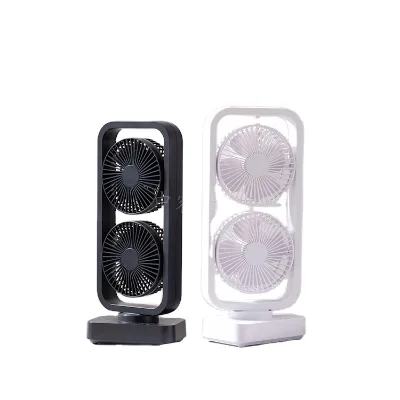



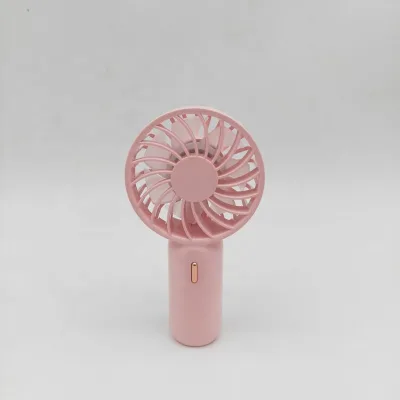



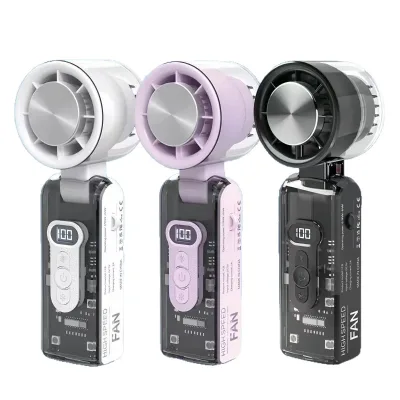
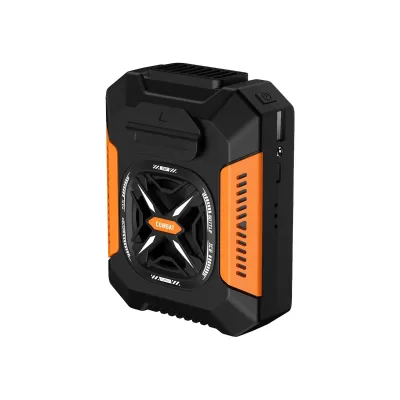







Comprehensive Sourcing Guide
Mini Cooling Fan Supplier Concentration and Factory Types
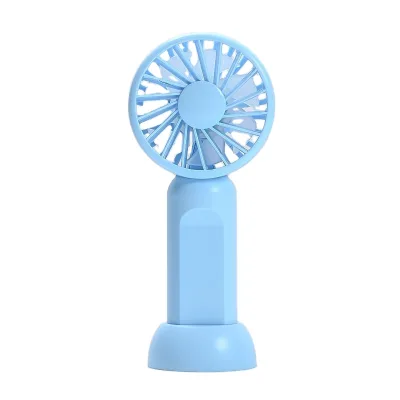
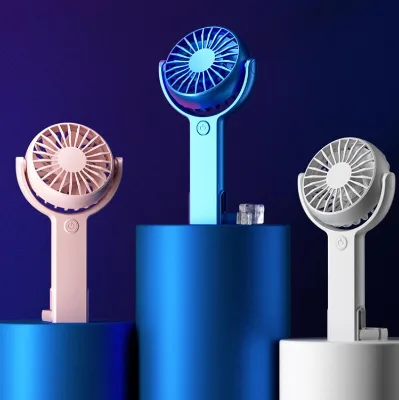
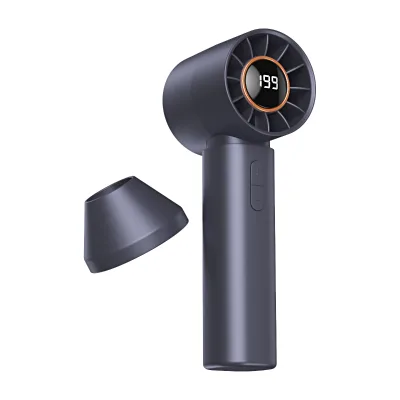
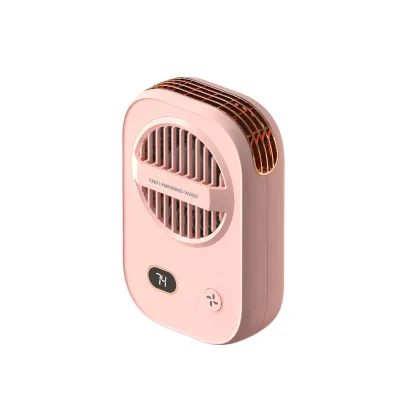
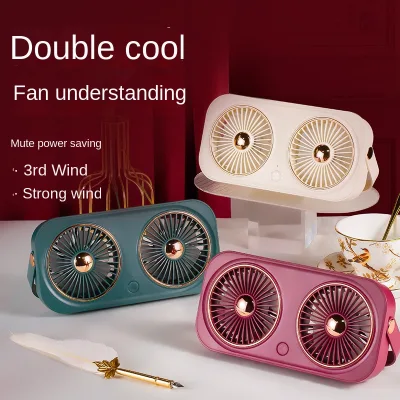
The current supplier landscape for mini cooling fans reveals a distinct concentration of manufacturing and trading entities within China, specifically in the Guangdong region. This geographic clustering is significant because it indicates a mature supply chain ecosystem where components, assembly lines, and logistics networks are highly optimized for small electronics and home appliances. Buyers evaluating these suppliers will find that the majority of results originate from this specific province, which is known for its robust electronics infrastructure. This concentration allows for efficient sourcing of raw materials like plastics, motors, and batteries, which are critical for producing portable and rechargeable fan units. The presence of multiple suppliers in this area suggests that buyers can expect competitive pricing and a wide variety of product designs, ranging from simple USB-powered desk fans to more complex rechargeable models with digital displays.
When assessing the types of companies available, it is important to distinguish between manufacturers, trading companies, and distributors. The observed data indicates that many suppliers operate as trading companies, which may offer a broader range of products but might have less direct control over production quality compared to pure manufacturers. Some suppliers are listed as manufacturers, trading companies, or distributors, suggesting a hybrid business model that can provide flexibility in order sizes and customization options. Understanding this distinction is crucial for buyers who prioritize direct factory communication for custom designs versus the convenience of a trading company that handles multiple product lines. The company type also influences lead times and minimum order quantities, as trading companies may have different logistical capabilities than factories with dedicated production lines.
How to Verify Mini Cooling Fan Suppliers
Verifying the legitimacy and capability of a Mini Cooling Fan supplier requires a multi-step approach that goes beyond simple profile reviews. Buyers should prioritize suppliers with verified response times, as indicated by the data showing response speeds around one to one point two seconds, which suggests active customer service teams. A quick response time is often a proxy for operational efficiency and readiness to handle inquiries, but it should not be the sole criterion for selection. Buyers must also examine the supplier’s main products to ensure they specialize in cooling fans rather than offering a disparate range of unrelated items, which could indicate a lack of expertise in this specific niche. Checking for consistent product listings and detailed specifications helps confirm that the supplier has a stable inventory and technical knowledge of their offerings.
Certification verification is another critical step in the supplier assessment process. The product evidence shows that some mini cooling fans carry CE, ROHS, and CCC certifications, which are essential for market access in many regions, particularly Europe and China. Buyers should request copies of these certificates and verify their validity with the issuing bodies to ensure compliance with safety and environmental standards. Additionally, buyers should inquire about the supplier’s quality control processes, including testing procedures for motor durability, battery safety, and electrical performance. For suppliers offering OEM or ODM services, it is important to confirm their ability to handle custom branding and packaging requirements, as indicated by the availability of customization options in the product attributes. This due diligence helps mitigate risks associated with non-compliant products and ensures that the supplier can meet specific regulatory requirements.
What to Compare Across Mini Cooling Fan Suppliers
When comparing suppliers, buyers should focus on key operational metrics such as lead times, minimum order quantities, and pricing structures. The data indicates varying lead times, with some suppliers reporting zero days for certain items, while others list three days or more, which may reflect stock availability versus production cycles. Minimum order quantities also differ significantly, ranging from fifty units for some products to five hundred units for others, allowing buyers to choose suppliers that align with their inventory needs and budget constraints. Pricing is another critical factor, with observed price ranges from approximately zero point nine one dollars to eight point one five dollars per unit, depending on features like rechargeability, battery capacity, and additional functionalities. Buyers should request detailed quotes that include shipping costs and taxes to get a true picture of the total landed cost.
Product specifications and customization capabilities are equally important when evaluating suppliers. Buyers should compare attributes such as power source, battery capacity, noise levels, and material quality to ensure the product meets their target market’s expectations. For instance, some fans are rechargeable with specific battery capacities, while others are plug-in only, which affects their usability and appeal. The availability of customization options, including logo printing and packaging design, can be a decisive factor for buyers looking to build their own brand. Additionally, buyers should assess the supplier’s ability to provide samples for quality inspection before committing to large orders. Comparing these factors across multiple suppliers helps buyers identify the best balance of cost, quality, and service for their specific sourcing requirements.
Common Mini Cooling Fan Sourcing Risks
One of the primary risks in sourcing mini cooling fans is the potential for quality inconsistencies, particularly when dealing with suppliers who offer a wide range of products. Buyers may encounter issues with motor performance, battery life, or plastic durability if the supplier lacks rigorous quality control measures. This risk is heightened when working with trading companies that may source from multiple factories, leading to variations in product quality. To mitigate this, buyers should request detailed product specifications and test reports, and consider ordering samples to evaluate the product’s performance in real-world conditions. It is also important to verify the supplier’s ability to maintain consistent quality across large production runs, as this can impact customer satisfaction and brand reputation.
Another significant risk is the discrepancy between advertised lead times and actual delivery schedules. While some suppliers may claim zero-day lead times, this often applies only to in-stock items and may not reflect the time required for production, quality checks, and shipping. Buyers should clarify whether the lead time includes production time or only shipping time, and establish clear communication channels to track order progress. Additionally, buyers should be cautious of suppliers who do not provide transparent pricing or hidden fees, which can inflate the total cost of the order. Understanding the supplier’s payment terms and refund policies is also crucial to protect against financial losses in case of delays or quality issues. By anticipating these risks and implementing appropriate safeguards, buyers can ensure a smoother sourcing experience.
Mini Cooling Fan Regional Sourcing and Logistics
Sourcing mini cooling fans from the Guangdong region in China offers logistical advantages due to the area’s well-developed infrastructure and proximity to major shipping ports. This location facilitates efficient export processes, reducing transit times and costs for international buyers. However, buyers must also consider the complexities of international shipping, including customs clearance, import duties, and local delivery regulations. Understanding the supplier’s shipping capabilities and preferred logistics partners is essential to ensure timely and cost-effective delivery. Buyers should also evaluate the supplier’s experience in handling international orders, as this can impact the smoothness of the transaction and the resolution of any logistical issues that may arise.
The choice of shipping method, whether by air, sea, or express courier, will depend on the order size and urgency. For smaller orders or urgent requirements, express courier services may be more suitable, while larger shipments can benefit from the cost savings of sea freight. Buyers should work with their suppliers to determine the most appropriate shipping method based on their specific needs and budget. Additionally, buyers should be aware of any restrictions or requirements for importing electronic products into their target markets, such as battery shipping regulations or specific labeling requirements. By planning logistics carefully and maintaining open communication with the supplier, buyers can minimize delays and ensure that their orders arrive in good condition and on time.
Mini Cooling Fan Commercial Terms and Order Planning
Effective order planning for mini cooling fans requires a clear understanding of commercial terms, including payment methods, warranty policies, and after-sales support. The data indicates that suppliers may accept various payment methods, such as T/T and PayPal, which offer different levels of security and convenience for buyers. Buyers should choose payment methods that provide adequate protection, such as using escrow services or credit cards, to safeguard their financial interests. It is also important to negotiate clear warranty terms and return policies, as these can provide recourse in case of product defects or dissatisfaction. Understanding the supplier’s after-sales support capabilities, including technical assistance and spare parts availability, is crucial for maintaining customer satisfaction and resolving any issues that may arise post-purchase.
Buyers should also consider the scalability of their orders and the supplier’s ability to handle volume increases. Establishing a long-term relationship with a reliable supplier can provide benefits such as priority production, better pricing, and improved service levels. However, buyers should avoid over-reliance on a single supplier by diversifying their sourcing base where possible. Regularly reviewing supplier performance and maintaining open communication can help identify potential issues early and foster a collaborative partnership. By carefully planning commercial terms and order volumes, buyers can optimize their sourcing strategy and achieve better value for their investment in mini cooling fans. This proactive approach ensures that the sourcing process is efficient, cost-effective, and aligned with the buyer’s business goals.
FAQs
What is the price range for mini cooling fans?
Mini cooling fans typically range from $0.91 to $8.15 per unit depending on specifications. Basic portable models start near $0.91, while specialized car seat fans cost up to $8.15. Prices vary based on power source, certification, and customization options available from suppliers.
What certifications do these fans have?
Many mini cooling fans carry CE, ROHS, and CCC certifications for safety and compliance. These standards ensure the electrical components meet international requirements. Buyers should verify specific certification documents for each product model to confirm regulatory adherence before placing bulk orders.
What is the minimum order quantity?
Minimum order quantities vary significantly, ranging from 50 to 500 pieces. Some suppliers accept orders as low as 50 units for customized car fans, while others require 500 pieces for standard portable models. Check individual product listings to confirm the exact MOQ required.
Where are these fans manufactured?
These mini cooling fans are primarily manufactured in Guangdong, China. This region is a major hub for electronics and appliance production. Buyers can expect consistent supply chain efficiency and access to a wide variety of fan designs and customization options from these locations.
Can I customize the logo or design?
Customization is widely available for mini cooling fans. Suppliers offer OEM and ODM services, including customized logos, colors, and packaging. Many products support private mold creation and specific branding requirements. Contact suppliers directly to discuss your specific customization needs and associated costs.
How fast do suppliers respond?
Supplier response times are generally fast, averaging around one day. Most suppliers reply within 24 hours to inquiries. Quick response times facilitate efficient communication regarding pricing, samples, and order details. Prompt replies help streamline the sourcing process for international buyers.
What power sources are used?
Mini cooling fans use various power sources including electric USB, battery, and solar options. Some models are rechargeable with specific battery capacities like 1200 mAh, while others rely on direct USB connection. Choose the power source that best fits your usage environment and portability needs.