Underground Mining Shotcrete Robot Suppliers and Manufacturers
Source 24 verified suppliers for Underground Mining Shotcrete Robot equipment. Compare key dimensions including CE and ISO9001:2008 certifications, lead times of 7 to 30 days, and pricing ranges from $9,182 to $165,000. Contact suppliers directly to request detailed specifications and quotes.
Updated
Suppliers List

QINGDAO ZONGDA MACHINERY CO., LTD
- Verified by SGS
- Trading Company
- China Shandong
- Lead time30 days
- Avg. response≤ 10h
Main productsUnderground Mining LHD, Underground Mining Loader, Underground Mining Truck
Main marketsEurope

Mining Site Concrete Underground Shotcrete Sprayer Underground Shotcrete Equipment
$147000.00 - $165000.00
MOQ: 1 unit

Mining Industry Specialized Concrete Underground Shotcrete Sprayer
$147000.00 - $165000.00
MOQ: 1 unit

Durable Underground Shotcrete Equipment Underground Shotcrete Sprayer
$147000.00 - $165000.00
MOQ: 1 unit


Efficient Underground Shotcrete Sprayer Efficient Underground Shotcrete Sprayer
$147000.00 - $165000.00
MOQ: 1 unit

Easy Operation Underground Shotcrete Sprayer Efficient Underground Shotcrete Sprayer
$147000.00 - $165000.00
MOQ: 1 unit
Henan Weibang Intelligent And Technology Co., Ltd.
- Manufacturer, Trading Company
- Henan, China
- Lead time7 days
- Avg. response≤ 3h
Main productsshotcrete machine,mortar grout pump,gunite machine,cement grout pump,Geomembrane welding machine
Main marketsAfrica(12.00%), Southeast Asia(10.00%), Mid East(8.00%), South Asia(5.00%), Eastern Asia(5.00%)
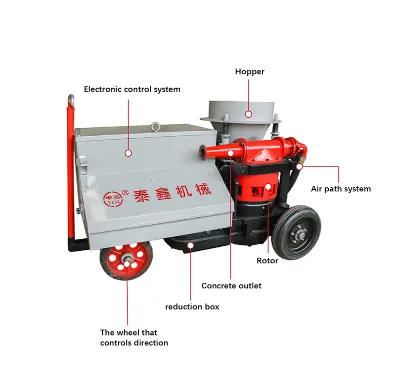
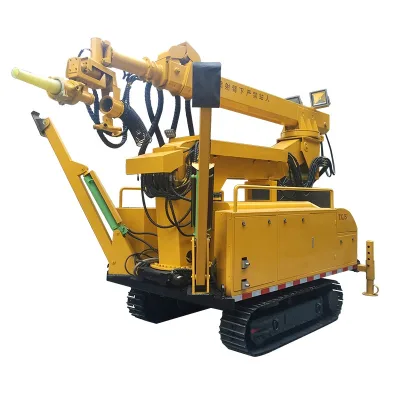
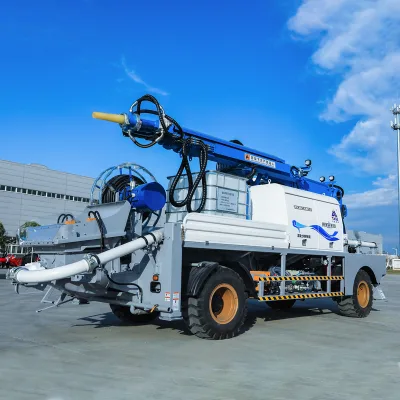
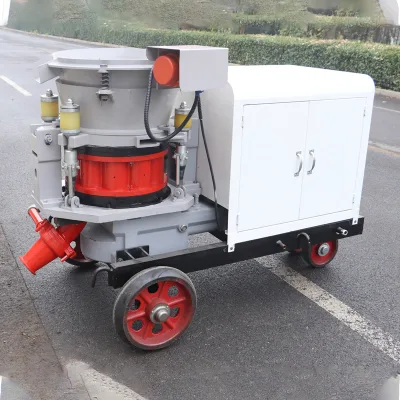
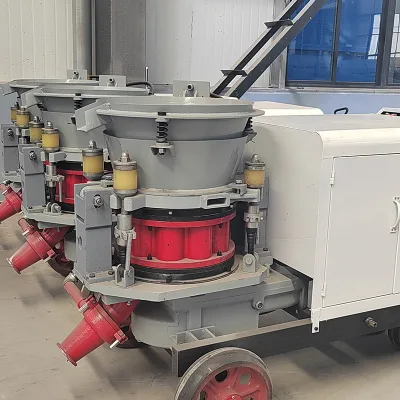
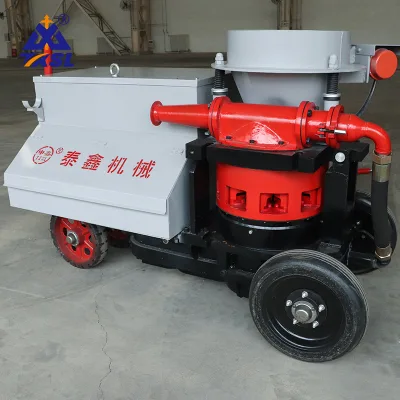
Robotic Shotcrete Machine Subway Refractory Shotcrete Machine With Electric Vibrator
$9094.5341 - $9707.6487
MOQ: 1 sets
$9252.576 - $9876.3452
MOQ: 1 sets

Changsha Mining Equipment Co., Ltd.
- Verified by TUVRHEINLAND
- Manufacturer/Factory
- China Hunan
- Lead time23 days
- Avg. response≤ 5h
Main productsMine Transport Equipment, Mine Lifting Equipment, Mine Loading Equipment, Mine Drilling Equipment, Mine Crushing Equipment, Mine Grinding&Screening Equipment, Other Mining Equipment
Main marketsSouth America,Eastern Europe,Mid East,North America,Southeast Asia,Eastern Asia,Oceania,Western Europe,Africa

Shotcrete Machine for Underground Mining Shotcrete Machine Gunite Shotcrete Machine Wet
$100.00 - $1100.00
MOQ: 1 Sets

Underground Mining Plastering Machine Metal Wet Shotcrete Machine for Underground Mine
$100.00 - $1100.00
MOQ: 1 Sets
Zhengzhou Lead Equipment Co., Ltd.
- Manufacturer
- Henan, China
- Lead time5 days
- Avg. response≤ 2h
Main productsGrout Pump Station,Hydroseeder,Refractory Gunning Machine,Hydraulic Jack&Cylinder,Peristaltic Hose Pump
Main marketsDomestic Market(31.09%), Southeast Asia(26.42%), Mid East(15.28%), North America(9.33%), Oceania(5.96%), Africa(2.84%), South America(2.33%), Eastern Asia(2.07%), Eastern Europe(1.30%), Western Europe(1.30%), Southern Europe(0.78%), Central America(0.78%), Northern Europe(0.52%)
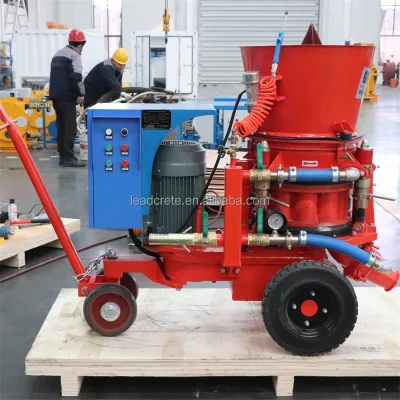
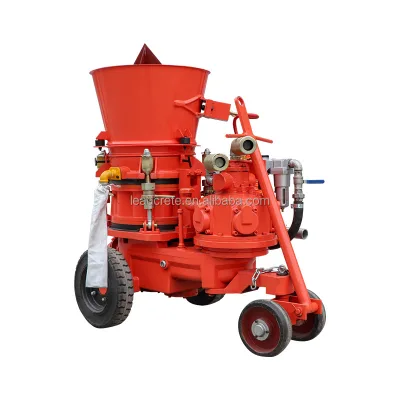
$9800.00 - $10800.00
MOQ: 1 sets
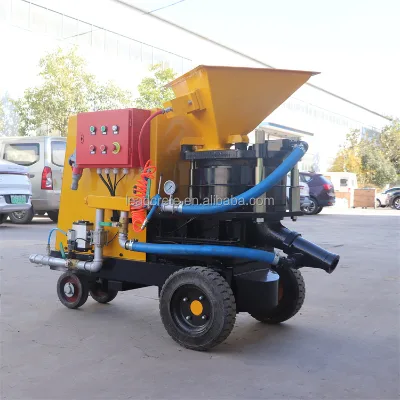
Henan Baorun Machinery Co., Ltd.
- Verified by TüVRheinland
- Manufacturer, Trading Company
- Lead time15 days
- Avg. response≤ 2h
Main productsGrouting Pump, Shotcrete Machine, Bending Machine, CNC Robot, Profile Bending Machine
Main marketsDomestic Market(90%), Eastern Europe(3%), Africa(2%)

Shandong China Coal Construction Machinery Co., Ltd.
- Verified by BV
- Combined
- China Shandong
- Lead time30 days
- Avg. response≤ 4h
Main productsMini Excavator, Wheel Excavator, Road Roller, Road Loader, Spider Crane, Lawn Mower, Electric Forklift, Steel Rail, Concrete Pump, Small Excavator
Main marketsSouth America,North America

$2569.00 - $4500.00
MOQ: 1 Pieces


Heavy-Duty Shotcrete Machine for Robust Underground Construction Projects
$2569.00 - $4500.00
MOQ: 1 Pieces


Precision Concrete Shotcrete Machine for Accurate Material Placement
$2569.00 - $4500.00
MOQ: 1 Pieces
Changsha Mining Equipment Co., Ltd.
- Trading Company
- Hunan, China
- Lead time15 days
- Avg. response≤ 1h
Main productsMining Locomotive,Mining Winch,Mucking Loader,Rocker Shovel Loader,Mining Dumper Truck
Main marketsSouth America(40.00%), Africa(35.00%), Eastern Europe(10.00%), North America(5.00%), South Asia(5.00%), Southeast Asia(5.00%)
Jining Shengheng Heavy Industry Machinery Co., Ltd.
- Manufacturer
- Shandong, China
- Lead time3 days
- Avg. response≤ 2h
Main productsDismantling equipment,Mowing and logging,Road maintenance,Drilling machine,Loading and unloading screening
Main marketsSouth America(20.00%), Mid East(15.00%), Western Europe(15.00%), Eastern Europe(15.00%), North America(15.00%), Africa(12.00%), Domestic Market(8.00%)
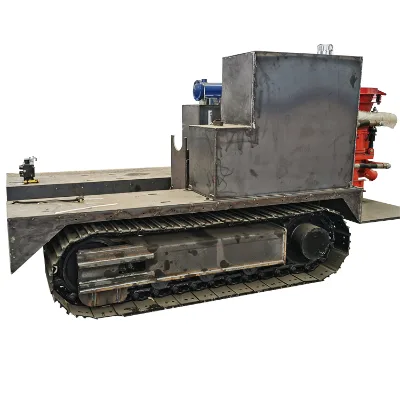
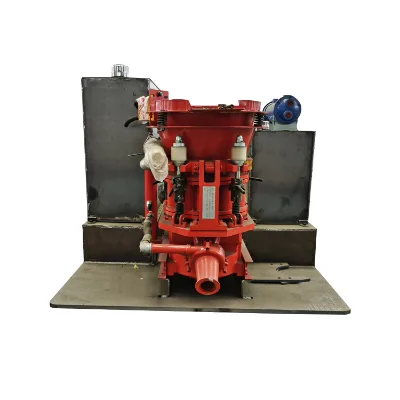
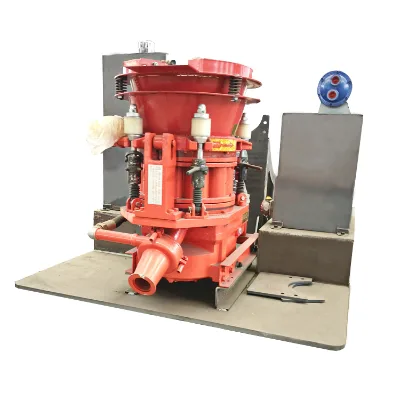
Mine-Used Crawler Shotcrete Machine Long-Distance Construction Machinery
$5000.00 - $5500.00
MOQ: 1 pieces

Qingdao Saintyol Dawin Machinery Co., Ltd.
- Trading Company,Manufacturer/Factory,Group Corporation
- China Shandong
- Lead time15 days
- Avg. response≤ 19h
Main productsConcrete Placing Booms, Concrete Pumps, Concrete Spraying Machines, Concrete Auto Self-Loading Mixer Trucks, Concrete Mixer with Pump, Wheel Loaders, Mobile Concrete Batching Plants, Cement Silos, Concrete Boom Pump Trucks, Shotcrete Machines
Main marketsSouth America,Eastern Europe,Mid East,North America,Southeast Asia,Eastern Asia,Oceania,Western Europe,Africa

$98000.00 - $100000.00
MOQ: 1 Sets

Telescopic Boom Shotcrete Tunnel Mining Construction Wet Concrete Robotic Shotcrete Machine
$100000.00 - $132000.00
MOQ: 1 Sets

Shotcrete Machine Wet Shotcrete Robot, Manipulator, Concrete Spray Machine
$12000.00 - $135000.00
MOQ: 1 Sets

$125000.00 - $132000.00
MOQ: 1 Sets

Multi-Wheel Steering Control System 20m3/Hr Telescopic Boom Shotcrete Wet Shotcrete Robot
$100000.00 - $120000.00
MOQ: 1 Sets

Henan Coal Science Research Institute Keming Mechanical And Electrical Equipment Co., Ltd.
- Manufacturer, Trading Company
- Henan, China
- Lead time10 days
- Avg. response≤ 3h
Main productsshotcrete machine,grouting pump,hose pump,concrete pump,plastering machine
Main marketsAfrica(7.18%), Domestic Market(7.14%), South Asia(7.14%), Southern Europe(7.14%), Northern Europe(7.14%), Central America(7.14%), Western Europe(7.14%), Eastern Asia(7.14%), Mid East(7.14%), Oceania(7.14%), North America(7.14%), Southeast Asia(7.14%), Eastern Europe(7.14%), South America(7.14%)
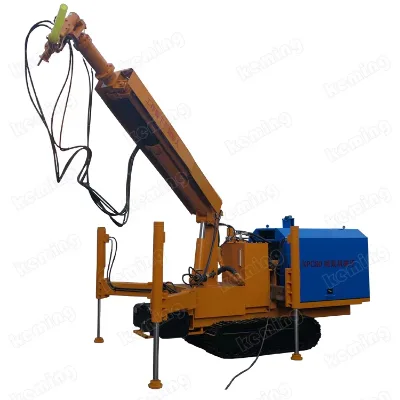
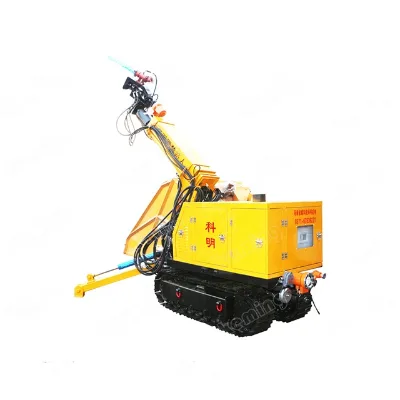
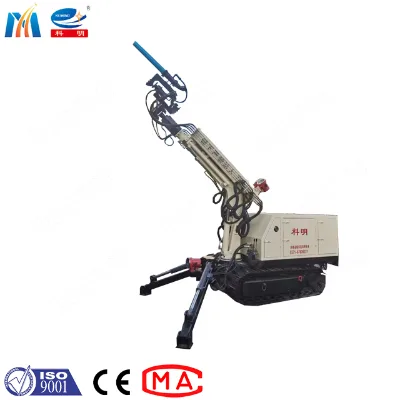
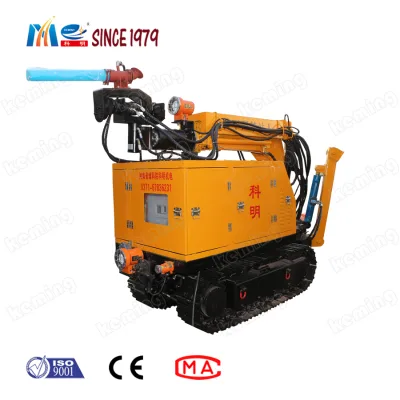
MA Concrete Shotcrete Machine 6 m Height Shotcrete Robot Concrete Spraying Machine in Coal Mine
$7000.00 - $9000.00
MOQ: 1 Minimum

Fuzhou Tuowei Mechanical & Electrical Equipment Co., Ltd.
- Verified by BV
- Combined
- China Fujian
- Lead time23 days
- Avg. response≤ 7h
Main productsAir Compressor, Screw Air Compressor, Diesel Engine Portable Screw Air Compressor, Motor Drive Portable Screw Air Compressor, Air Compressor Spare Parts, Oil Free Screw Air Compressor, Integrated Screw Air Compressor, Drilling Jumbo, Wet Shotcrete Spraying Machine, Rock Drilling Machine
Main marketsSouth America,Africa,Southeast Asia/ Mideast,East Asia(Japan/ South Korea),Europe,North America

$150000.00 - $250000.00
MOQ: 1 Pieces

Shotcrete Robot Wet Shotcrete Machine Concrete Spraying Equipment for Tunnel
$200000.00 - $500000.00
MOQ: 1 Pieces

Shotcrete Machine, Wet Shotcrete Robot, Manipulator, Concrete Spray Machine
$150000.00 - $500000.00
MOQ: 1 Pieces

30 Cubic Meters Shotcrete Robot Wet Concrete Spray Shotcrete Machine for Sale
$150000.00 - $500000.00
MOQ: 1 Pieces

Wet Concrete Shotcrete Shotcrete Machine Price with Telescopic Robotic Arm
$150000.00 - $500000.00
MOQ: 1 Pieces

Qingdao Jiuhe Heavy Industry Machinery Co., Ltd
- Verified by BV
- Combined
- China Shandong
- Lead time30 days
- Avg. response≤ 8h
Main productsConcrete Pump, Concrete Pump Truck, Concrete Placing Boom, Wet Shotcrete Machine, Ladder Lift Truck, Aerial Lift Truck, Manlift Truck, Aerial Work Vehicle, Ladder Lift Machine, Concrete Boom Pump
Main marketsEast Asia(Japan/ South Korea),Europe

$120000.00 - $128000.00
MOQ: 1 sets

Professional Manufacturer Concrete Shotcrete Robot Robotic Shotcrete Machine with CE
$120000.00 - $128000.00
MOQ: 1 sets

$100000.00 - $108000.00
MOQ: 1 Set

Zhejiang Sanrock Supply Management Co., Ltd.
- Verified by TUVRHEINLAND
- Trading Company,Manufacturer/Factory
- China Zhejiang
- Lead time23 days
- Avg. response≤ 5h
Main productsCore Drilling Rig, Pile Drilling Rig, Solar Pile Drlling Rig, Rotary Drilling Rig, DTH Drilling Rig, Blasting Drilling Rig, Pneumatic Rock Drilling Rig, Underground Jumbo Drilling Rig, Drill Rod, DTH Drill Hammer
Main marketsSouth America,Eastern Europe,Mid East,North America,Southeast Asia,Eastern Asia,Oceania,Western Europe,Africa

Mining Tunneling Concrete Spraying Machine Hydraulic Wet Shotcrete Equipment
$156000.00 - $180000.00
MOQ: 1 Sets

Underground Spraying Equipment Hydraulic Wet Concrete Shotcrete Machine for Sale
$156000.00 - $180000.00
MOQ: 1 Sets

Automatic Shotcrete Machine Underground Construction Wet Concrete Spraying Equipment
$156000.00 - $180000.00
MOQ: 1 Sets

Robotic Shotcrete Machine Tunnel Construction Machinery Concrete Spraying Machine
$156000.00 - $180000.00
MOQ: 1 Sets
Taian Minle Machine Manufacture Co., Ltd.
- Verified by SGS Group
- Manufacturer, Trading Company
- Lead time15 days
- Avg. response≤ 1h
Main productsTrailer Concrete Pump, Concrete Mixer With Pump, Truck Mounted Concrete Pump, Concrete Wet Shotcrete Machine, Mining Truck
Main marketsDomestic Market(47%), Southeast Asia(10%), South America(5%)
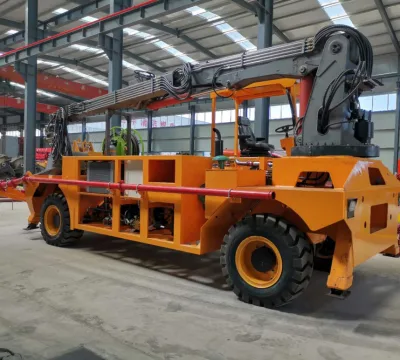
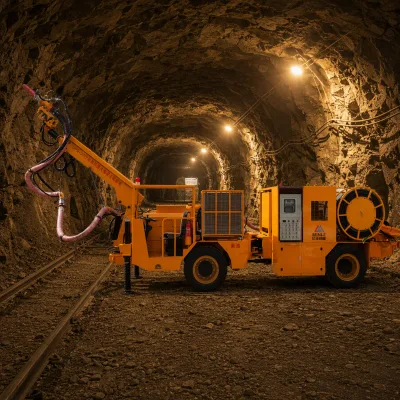
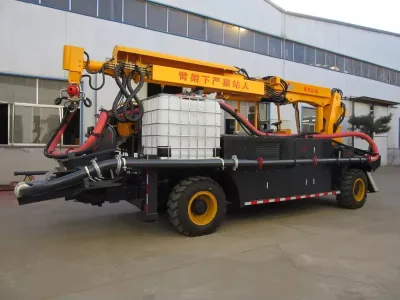
ML-3015A Wet-mix Shotcrete Machine Shotcrete Robot with Spraying Nozzle
$103000.00 - $147059.00
MOQ: 1 sets
Shandong China Coal Industrial & Mining Supplies Group Co., Ltd.
- Manufacturer, Trading Company
- Lead time旺季: "1 - 1":31,"> 1":"To be negotiated", 淡季: "1 - 1":31,"> 1":"To be negotiated"
- Avg. response≤ 5h
Main productsHydraulic Prop, Mine Car, Mining Locomotive, Excavators, Concrete Pump
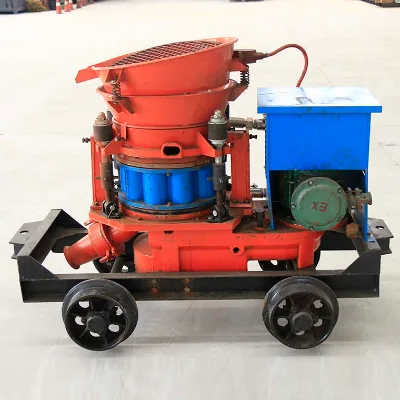
$2355.00 - $2745.00
MOQ: 1 sets
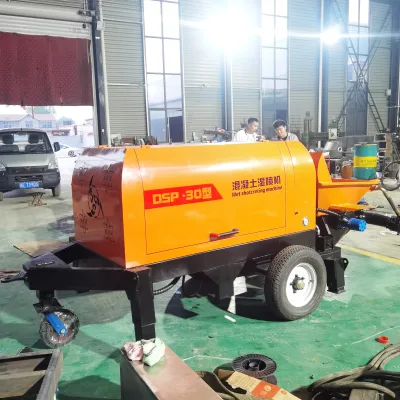
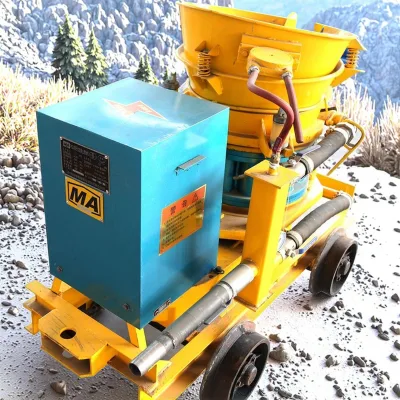
6-8m3/h Shotcrete Robot Wet Concrete Spray Shotcrete Machine for Concrete Wet Sprayer
$8300.00 - $8800.00
MOQ: 1 sets

Zhengzhou Lead Equipment Co., Ltd.
- Verified by SGS
- Combined
- China Henan
- Lead time15 days
- Avg. response≤ 1h
Main productsShotcrete Machine, Grout Pump, Peristaltic Hose Pump, Foam Concrete Machine, Concrete Pump, Mortar Pump, Prestressed Anchor, Gunite Machine, Dosing Pump, Filter Press
Main marketsDomestic,Europe


Good quality shotcrete machine for construction gunite underground swimming pool
$3000.00 - $6500.00
MOQ: 1 Sets


Long Working Life Electric Motor Shotcete Machine for Slope Protection
$2000.00 - $6800.00
MOQ: 1 Sets

Lsc-3016 30m3/H Tunnel Application Automatic Concrete Spray Robotic Arm Shotcrete System
Negotiable
MOQ: 1 Pieces

Lsc-2515 Tunnel Construction Concrete Spray Robotic Telescopic Arm Shotcrete Equipment
Negotiable
MOQ: 1 Pieces
Henan Lichi Intelligent Equipment Co., Ltd.
- Trading Company
- Henan, China
- Lead time15 days
- Avg. response≤ 8h
Main productsExcavator, Loader, Grader, Road Roller, Lifting Platform
Main marketsAfrica(30.00%), Domestic Market(20.00%), Central America(15.00%), North America(15.00%), Southeast Asia(10.00%), Western Europe(10.00%)

Zhengzhou Elephant Machinery Co., Ltd.
- Verified by SGS
- Trading Company
- China Henan
- Lead time23 days
- Avg. response≤ 1h
Main productsDrilling Machine, Paper Cup Machine, Pump, Excavator, Egg Tray Machine, Fog Cannon, Shot Blasting Machine, Rock Splitter, Underwater Dredging Robot, Curb Paver Machine
Main marketsSouth America,Africa,Others(foreignTradeCapacity.exportBusinessCapacityMarketOther),Southeast Asia/ Mideast,East Asia(Japan/ South Korea),Europe,Australia,North America

High Reach 40cbm/H Concrete Shooting Capacity Shotcrete Machine Robot for Tunnel
$99950.00
MOQ: 1 Sets


- Manufacturer, Trading Company
- Lead time旺季: "1 - 1":15,"> 1":"To be negotiated", 淡季: "1 - 1":15,"> 1":"To be negotiated"
- Avg. response≤ 2h
Main productsGrout Station and Hose Pump, Hydroseeder, Hydraulic Jack, Concrete & Refractory Shotcrete Machine, Refractory Mixer and Screed Pump

Shandong Auchi Machinery Co., Ltd.
- Verified by TUVRHEINLAND
- Manufacturer/Factory
- China Shandong
- Lead time15 days
- Avg. response≤ 3h
Main productsConstruction Machinery, Mining Machinery, Excavators, Building Construction Machinery, Packaging Machinery, Drilling Machinery, Lifting Equipment
Main marketsSouth America,Eastern Europe,Mid East,North America,Southeast Asia,Eastern Asia,Oceania,Western Europe,Africa

- Manufacturer, Trading Company
- Henan, China
- Lead time7 days
- Avg. response≤ 1h
Main productsconcrete pump,concrete cutter,concrete mixer,brick making machine,belt conveyor
Main marketsAfrica(30.00%), Mid East(20.00%), North America(20.00%), Western Europe(10.00%), Eastern Europe(10.00%), South America(10.00%)
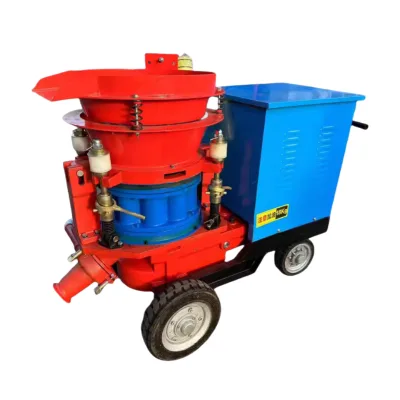
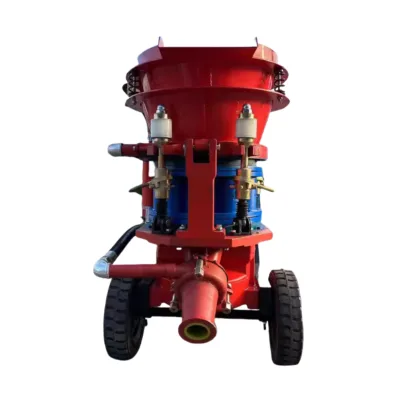
New Products Electrical Refractory Shotcrete Machine for Concrete Spraying Subway Tunnels
$999.00 - $1050.00
MOQ: 1 sets

Hunan Tant Construction Machinery Imp. and Exp. Co., Ltd.
- Verified by SGS
- Manufacturer/Factory
- China Hunan
- Lead time45 days
- Avg. response≤ 6h
Main productsConcrete Pump, Pump Truck, Mixer Truck with Pump, Concrete Mixer Pump, Tower Crane, Secondhand Pump Truck, Used Pump Truck, Old Truck Pump, City Line Pump, Trailer Concrete Pump
Main marketsSouth America,Eastern Europe,Mid East,North America,Southeast Asia,Eastern Asia,Oceania,Western Europe,Africa

Tunnel Construction Shotcrete Robot Wet Concrete Spraying Ml-2015A
$40000.00 - $90000.00
MOQ: 1 Pieces

Mobile Concrete Shotcrete Robot Concrete Long Distance Spraying Arm
$40000.00 - $90000.00
MOQ: 1 Pieces

Factory Sale Shotcrete Robot Shotcrete Machine Concrete Spray Machine
$40000.00 - $90000.00
MOQ: 1 Pieces


30 Cubic Meters Shotcrete Robotic Wet Concrete Spray Shotcrete Machine for Sale
$40000.00 - $90000.00
MOQ: 1 Pieces

30 Cubic Meters Shotcrete Robotic Wet Concrete Spray Shotcrete Machine for Sale
$40000.00 - $90000.00
MOQ: 1 Pieces

Shandong Zhongliao Concrete Pump Parts Co., Ltd.
- Verified by CTI
- Combined
- China Shandong
- Lead time15 days
- Avg. response≤ 4h
Main productsConcrete Pump Rubber Hose, Concrete Pump Parts
Main marketsSoutheast Asia/ Mideast

Professional Manufacturer Concrete Shotcrete Robot Specific Extruded Hose
$10.00 - $60.00
MOQ: 100 Pieces

Wet Shotcrete Robot Manipulator Concrete Spray Machine Specific Extruded Hose Manufacturer
$10.00 - $60.00
MOQ: 100 Pieces
Hebei Zhongke Jiantong Machinery Equipment Co., Ltd.
- Trading Company
- Hebei, China
- Lead time20 days
- Avg. response≤ 1h
Main productsSpray machine,Brick Making Machinery,Concrete Mixers,Concrete Pumps,Grouting pump
Main marketsAfrica(25.00%), Mid East(25.00%), South Asia(15.00%), Southeast Asia(10.00%), Eastern Asia(10.00%), Eastern Europe(5.00%), Western Europe(5.00%), Southern Europe(5.00%)


Comprehensive Sourcing Guide
Underground Mining Shotcrete Robot Supplier Concentration and Factory Types
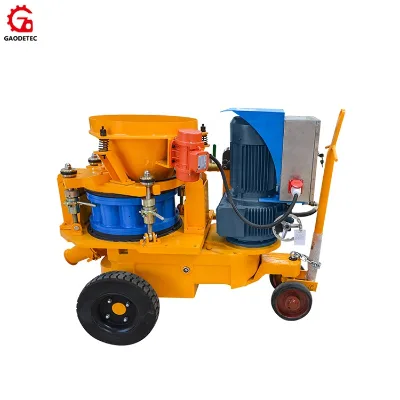
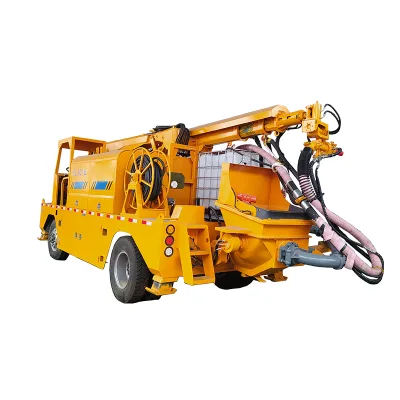
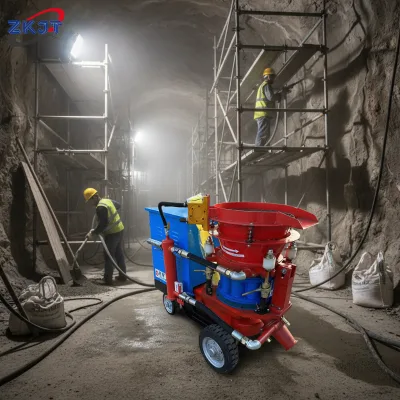
Suppliers of underground mining shotcrete robots and closely related underground shotcrete equipment appear in the current results from two Chinese provinces: Shandong and Henan. The Shandong-based entry is registered as a trading company, lists underground mining LHDs, loaders and trucks as its main products, and is SGS-verified, while the Henan entry is a combined manufacturer and trading company whose core catalogue covers shotcrete machines, mortar grout pumps, gunite machines, cement grout pumps and geomembrane welding machines. This mix illustrates the pattern buyers encounter in this category: vehicle-oriented trading firms that bundle underground machinery, and machinery manufacturers whose shotcrete lines extend into crawler-mounted robot sprayers with wireless remote control.
Before shortlisting, determine which type matches your risk tolerance. A manufacturer can support factory audits, spare-part traceability and engineering changes to the boom, pumping or chassis systems; a trading company may consolidate LHDs, shotcrete robots and trucks into one export shipment but adds a layer between you and the factory. Because search listings refresh frequently, re-check each supplier's stated company type, verification badge and main-product list rather than assuming a previous profile still holds. Where the location shown is only a province, ask for the city and industrial park, then confirm the actual production site. If no cluster information is displayed for a candidate, identify concentration yourself by mapping which provinces appear repeatedly across shotcrete machine listings and prioritizing suppliers located within those repeated regions.
How to Verify Underground Mining Shotcrete Robot Suppliers
Verification starts with the credentials actually displayed. In the current results, one Shandong supplier carries an SGS verification mark, and product-level attributes on shotcrete listings show certifications such as ISO9001:2008 and CE. Treat these as starting signals, not conclusions: an SGS badge describes the supplier account, while an ISO9001:2008 or CE marking on a product attribute table should be confirmed by requesting the certificate number, issuing body and validity dates, then checking them against the issuer's registry. For the Henan machine listings, note that video outgoing-inspection and machinery test reports are stated as provided—ask for those documents under your own product specification before paying a deposit.
Beyond certificates, verify the entity behind the listing. Request the business license and cross-check the registered name, scope and capital with official corporate records. Distinguish manufacturers from trading companies by asking for photos of the shotcrete assembly line, workshop address and a live video walk-through during working hours. Confirm the main products genuinely include underground shotcrete robots rather than only stationary machines or unrelated LHDs and trucks. For regulatory compliance in your jurisdiction, ask which standards the machine's pressure vessel, electrical system and remote control are certified to, and have that confirmed in writing. Finally, test responsiveness under realistic conditions: send a detailed technical question, record how quickly a substantive answer arrives, and treat slow or evasive replies during negotiation as a warning about after-sales support speed later.
What to Compare Across Underground Mining Shotcrete Robot Suppliers
Build a comparison sheet from attributes that listings actually expose. Useful dimensions include location and province, company type (manufacturer, trading company or both), verification status, response time, stated lead time, minimum order quantity, main products and establishment year. In the current results, response times differ noticeably—one supplier averages around nine hours while another responds in roughly three—so weigh reply speed when you expect rapid engineering iteration. Lead times also diverge sharply: the Henan machinery supplier states seven days while the Shandong trading company states thirty, a difference that will dominate your project schedule if the robot must reach an active mine.
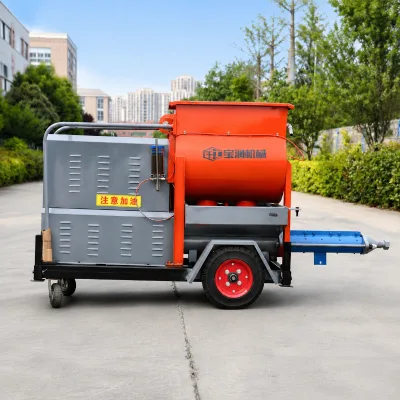
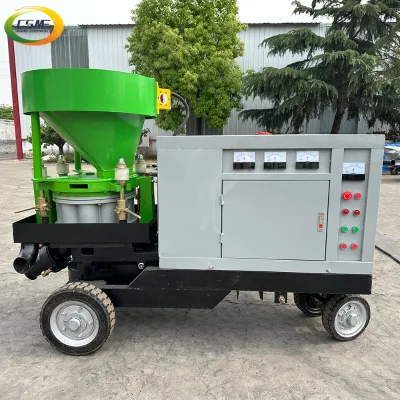
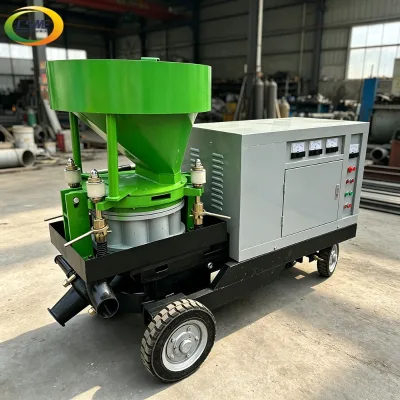
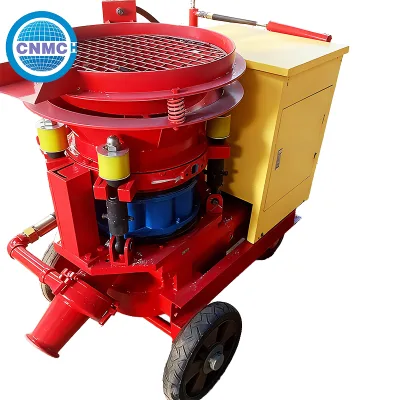
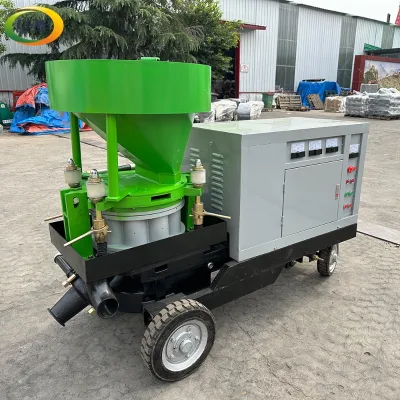
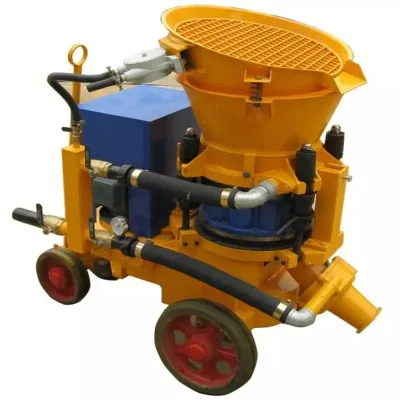
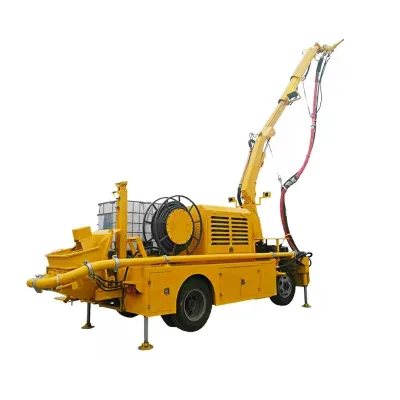
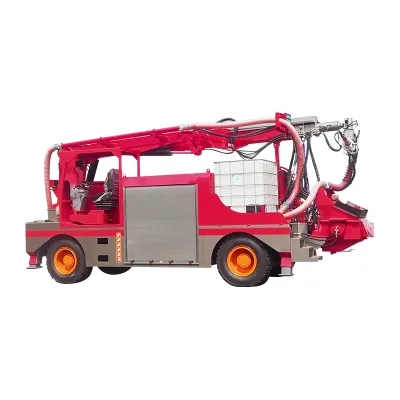
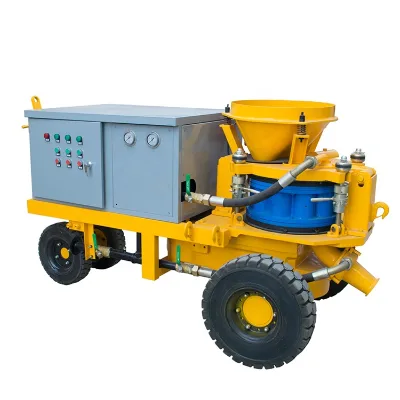
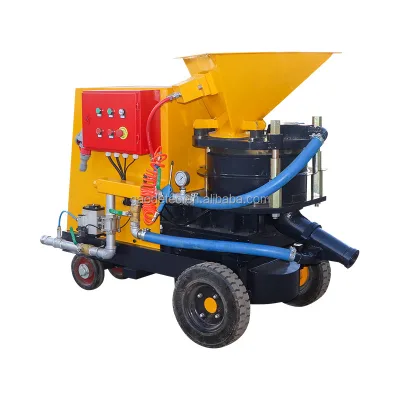
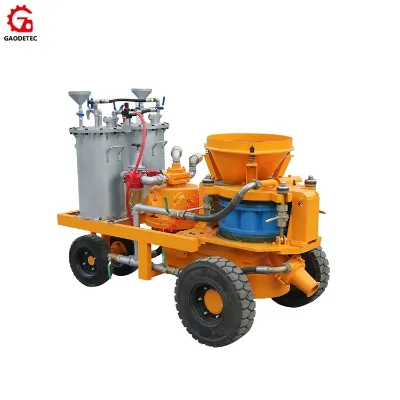
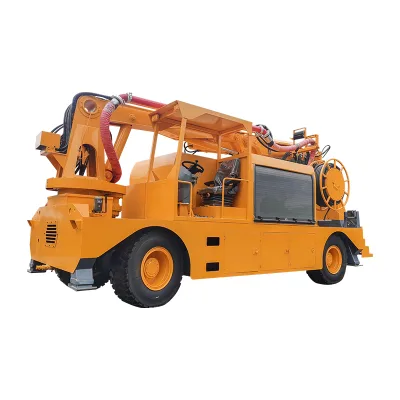
Compare machines on equal technical footing. The crawler-type shotcrete robot listing discloses diesel power, 5–20 m³/h concrete output, 20 MPa conveying pressure, 100 meters maximum horizontal conveying distance and 38 kW power; a fixed shotcrete machine lists 7.5 kW power, 10 m³/h capacity, 30 m conveying distance and 15 mm maximum aggregate size. Align these figures against your tunnel or stope dimensions before ranking suppliers. Note customization availability, material (carbon steel on one underground sprayer), warranty length and after-sales service model, since one product attributes localized after-sales service while another offers a one-year warranty. Do not assume every supplier displays every attribute—request missing data, such as establishment year or MOQ, directly and record who answers completely and who does not.
Common Underground Mining Shotcrete Robot Sourcing Risks
The most frequent risk is confusing product categories. Many listings in this space sell stationary or skid-mounted shotcrete machines, gunite machines and grout pumps, not true crawler-mounted robots with remote-controlled booms. A buyer searching for an Underground Mining Shotcrete Robot can easily receive a quote for a fixed machine with a 30-meter conveying distance that cannot serve a wide stope. Insist that quotations reference the exact model number—TXJS2010L and HS700 appear in current listings—and require dimension sheets and boom reach diagrams so the quoted machine is unambiguous.
Second, beware of verification gaps and overstated certification claims. A CE or ISO9001:2008 marking in an attribute table may not correspond to a current certificate covering that specific machine configuration; always demand the certificate document. Third, capacity mismatch: advertised outputs like 20 m³/h describe ideal conditions, while wet-mix performance underground depends on aggregate size, hose inner diameter and air consumption, so insist on site-reference performance data. Fourth, logistics and support risk: heavy machines packed nude, as one listing states, may arrive with transit damage unless packing upgrades are specified. Fifth, after-sales risk—crawler robots with wireless remote controls need firmware, spares and technician training that a distant trading company may not arrange. Finally, price-only decisions are risky; a low quotation paired with a one-year-only warranty and no localized service can cost far more in downtime at a remote mine than the initial saving.
Underground Mining Shotcrete Robot Regional Sourcing and Logistics
The locations evidenced here are Shandong and Henan, both large Chinese machinery provinces. Henan listings center on shotcrete, grouting and gunite machinery, with the manufacturer-trading supplier stating a seven-day lead time, while the Shandong entry concentrates on underground vehicles—LHDs, loaders and trucks—with a thirty-day lead time. This matters for logistics planning: if you source a crawler shotcrete robot from Henan but LHDs and trucks from Shandong, consolidate shipments where possible or sequence deliveries so the underground fleet and the spraying unit arrive within the same installation window.
Confirm each supplier's actual city, port of loading and whether the machine ships as complete units or in sections. A crawler robot weighing several thousand kilograms with dimensions around 4500 × 2200 × 2300 mm typically moves as breakbulk or flat-rack cargo, while smaller machines such as the 1400 kg HS700 unit can travel in standard containers; ask which applies and who arranges inland haulage to port. Request the packing specification in writing—one listing states nude packing, which leaves the machine exposed during ocean transit. Because lead times vary from seven to thirty days in current data, build the longer figure into your project plan and ask what triggers it: production queue, component procurement or testing. Also verify documentation for customs—commercial invoice, packing list, certificate of origin and any conformity documents your country requires—well before shipment, since missing paperwork delays underground mining equipment more often than production itself.
Underground Mining Shotcrete Robot Commercial Terms and Order Planning
Commercial terms in the current results give concrete planning anchors. One underground shotcrete sprayer listing shows a price band from roughly 147,000 to 165,000 USD with a minimum order quantity of one unit, while the Henan machine listings fall near 9,200 to 9,800 USD—reflecting very different machine classes, so never benchmark a crawler robot's price against a stationary sprayer. With MOQs of one, negotiation leverage comes from scope, not volume: bundle spares, training, hoses and commissioning into the contract rather than asking for unit discounts. Tie payment milestones to verifiable events—deposit after contract, second payment against factory test video or third-party inspection, balance against bill of lading copy—and consider escrow-style or trade-assurance protection where the platform offers it.
Plan orders around lead-time and response realities. Given stated lead times of seven versus thirty days and response times from about three to nine hours, allocate calendar time for specification back-and-forth before the production clock starts. Confirm warranty scope in the contract: one product states a one-year warranty and localized after-sales service, so specify what "localized" means—on-site technician, local partner or remote support—and for how long. Require video outgoing-inspection and a machinery test report before shipment, as some listings already promise both. Finally, define acceptance criteria in writing: concrete output under load, conveying pressure, wireless remote range and boom function, with remediation or replacement obligations if commissioning at the mine reveals shortfalls. Keep one agent authorized to approve changes so lead times do not slip during customization.
FAQs
What is the price range for underground mining shotcrete robots?
Prices for underground mining shotcrete robots typically range from approximately $9,182 to $165,000 depending on specifications. Basic models like the HS700 start near $9,182, while advanced units like the ZUSS-20X reach up to $165,000. Buyers should verify exact pricing based on customization needs and supplier location.
What certifications do underground shotcrete sprayers have?
Underground shotcrete sprayers commonly hold CE and ISO9001:2008 certifications. These standards ensure compliance with international safety and quality requirements for mining equipment. Buyers should request valid certification documents from suppliers to verify that the machinery meets specific regulatory standards for underground operations and material handling.
What is the typical lead time for these machines?
Lead times for underground mining shotcrete equipment vary significantly by supplier. Some manufacturers offer rapid delivery within seven days, while others require up to thirty days for production and shipping. Buyers should confirm specific lead times with suppliers to align with project schedules and avoid operational delays.
What is the minimum order quantity for shotcrete robots?
The minimum order quantity for underground shotcrete robots is generally one unit. This allows buyers to purchase single machines for immediate deployment or testing. Suppliers typically support small orders, making it easier for mining operations to acquire specialized equipment without committing to large bulk purchases initially.
Where are these shotcrete machines manufactured?
Underground shotcrete machines are primarily manufactured in China, specifically in regions like Shandong and Henan. These locations host both trading companies and direct manufacturers. Buyers should verify the exact place of origin to understand logistics, shipping costs, and the specific manufacturing capabilities associated with each production region.
What is the concrete output capacity of these robots?
Concrete output capacities for underground shotcrete robots range from 5 to 20 cubic meters per hour. Specific models like the TXJS2010L offer a productivity of 20 cubic meters per hour. Buyers should select machines based on their specific tunneling or mining volume requirements to ensure efficient material application.