Source Durable Car Membrane Switch for Home Appliances, Telecom, and Cameras
Find 30 Durable Car Membrane Switch options from China suppliers with customizable colors and waterproof features. Compare specifications for multi-control switches used in home appliances, telecom equipment, and cameras with life expectancy up to 5 million cycles; compare the available evidence and request quotations based on your requirements.
Updated
Key considerations
Products List
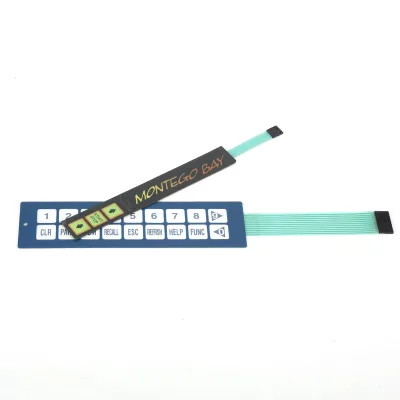
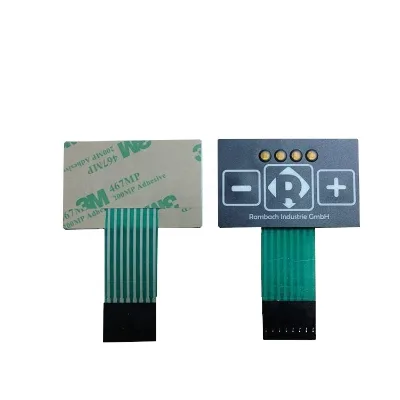


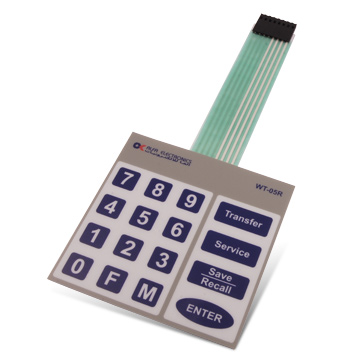
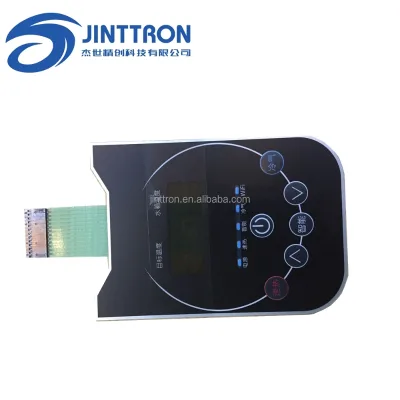
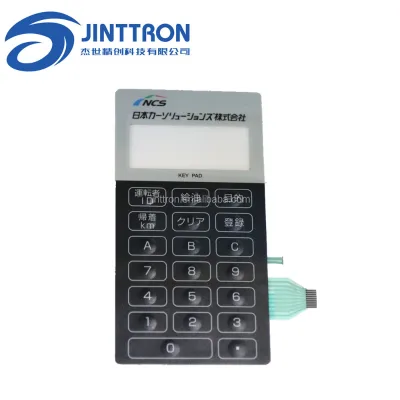
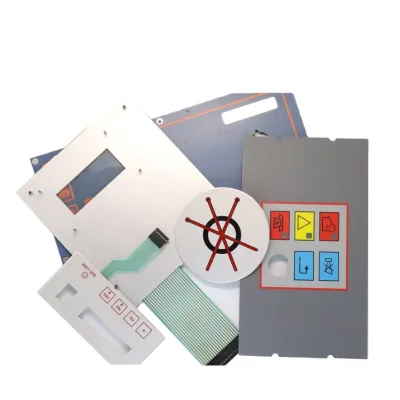
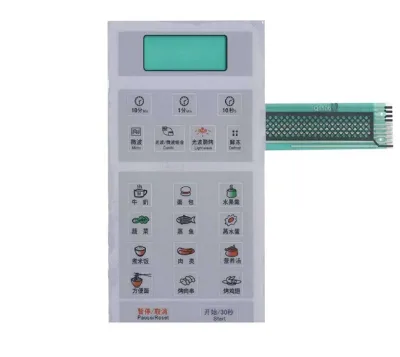
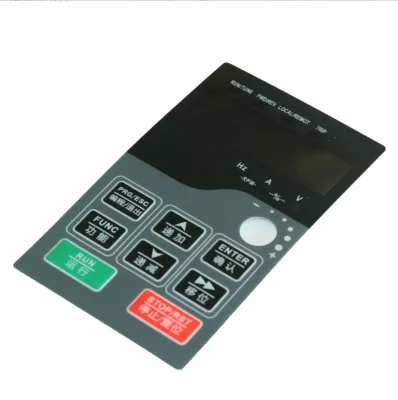


Comprehensive Sourcing Guide
Durable Car Membrane Switch Sourcing Guide
Sourcing durable car membrane switches requires a disciplined approach to verifying material integrity and environmental resilience. Buyers must prioritize suppliers who demonstrate consistent manufacturing capabilities for polyester-based films that withstand automotive-grade stressors. The observed market signals indicate a wide range of customization options, from color palettes to specific adhesive types, which directly impact long-term reliability in vehicle interiors.
Procurement teams should focus on technical attributes such as waterproofing, anti-scratch features, and life expectancy metrics. These factors are critical for ensuring that the switches remain functional and aesthetically pleasing throughout the vehicle's lifecycle. Understanding the distinction between standard and customized specifications is essential for aligning supplier outputs with specific automotive design requirements and safety standards.
Product Scope and Observed Listing Signals
The current market offers a diverse array of membrane switch configurations, with observed price points ranging from $0.05 to $5.00 USD and minimum order quantities varying between 1 and 500 units. This variability suggests that buyers can access both prototyping samples and high-volume production runs from the same supplier base. The presence of models like TKM, YZX-MS763, and YZX-MS747 indicates a standardized yet customizable product line that caters to different functional needs.
Colors available include yellow, green, orange, dark gray, violet, and black, with customization options also listed. This flexibility allows for precise integration into vehicle dashboard designs and control panels. The availability of silk-screen and four-color printing methods further supports the need for clear, durable labeling that resists fading under prolonged exposure to sunlight and interior lighting conditions.
Technical Specifications to Verify
Key technical attributes to verify include the use of polyester film materials and conductive silver paste for reliable electrical contact. The switches are described as enclosed, waterproof, and anti-scratch, which are vital for withstanding the humid and dusty environments typical of automotive applications. Buyers should confirm the specific adhesive types, such as 3M 9448A, 467, 468, or 200, to ensure proper bonding to dashboard surfaces without leaving residue or failing under temperature fluctuations.
Life expectancy is a critical metric, with some listings citing a durability of five million cycles. This high cycle count ensures that frequently used controls, such as climate or audio settings, remain responsive over time. Additionally, the structure of the switches, whether multilayer FPC or thin film boards, should be evaluated based on the required flexibility and space constraints within the vehicle's control module.
Compliance and Safety Documentation
Compliance with international standards is non-negotiable for automotive components. Buyers must verify that suppliers hold relevant certifications such as CCC, CE, UL, and ISO standards. These certifications indicate that the manufacturing processes and final products meet rigorous safety and quality benchmarks required for integration into vehicles. The presence of these certifications reduces liability and ensures that the switches do not pose electrical or fire hazards.
Furthermore, specific environmental and occupational standards like ISO 14001 and OHSAS 18001 may be relevant for suppliers aiming to demonstrate comprehensive quality management systems. While some background standards like IEC 61000-4 or ISO 16750 are mentioned in broader contexts, buyers should explicitly request documentation confirming that the specific membrane switches comply with automotive-specific electromagnetic compatibility and environmental testing requirements.
Cost Drivers and Commercial Terms
Costs are influenced by material choices, customization levels, and order volumes. The observed price range of $0.05 to $5.00 reflects the spectrum from simple, high-volume components to complex, customized units with specialized features. Buyers should analyze the cost breakdown to understand how factors like waterproofing, backlit options, and specific adhesive types impact the final unit price.
Commercial terms also include packaging and transportation logistics. Options range from polybags and carton boxes to original packaging or customized solutions. Transportation methods by ship, air, or land offer flexibility for different supply chain needs. Buyers should negotiate clear terms regarding lead times and packaging standards to prevent damage during transit and ensure timely delivery to assembly lines.
Supplier Qualification and Quality Control
Supplier qualification should focus on manufacturing capabilities and quality assurance processes. Buyers must verify that suppliers use consistent materials, such as organic resin insulation and aluminum base materials where applicable, to ensure uniform performance. The availability of customized packing and standards indicates a supplier's ability to adapt to specific buyer requirements, which is a positive indicator of operational flexibility.
Quality control measures should include rigorous testing for contact type, detection methods, and structural integrity. Buyers should request sample testing to verify the waterproof and enclosed features, as well as the durability of the printing and adhesives. Establishing a clear communication channel for addressing defects and ensuring consistent production quality is essential for maintaining long-term supply chain stability.
Long-Term Procurement Checks
Long-term procurement success depends on continuous monitoring of supplier performance and product reliability. Buyers should establish key performance indicators related to defect rates, delivery timeliness, and responsiveness to design changes. Regular audits of the supplier's quality management systems can help identify potential issues before they impact production schedules or vehicle safety.
Additionally, staying informed about evolving automotive standards and material technologies is crucial. As vehicle interiors become more complex, the demand for integrated, durable, and aesthetically pleasing membrane switches will continue to grow. Buyers should maintain a diversified supplier base to mitigate risks and ensure access to the latest innovations in switch technology and manufacturing processes.
FAQs
What materials are used for durable car membrane switches?
Durable car membrane switches typically utilize polyester film or PET as the primary material. The base structure often incorporates aluminum for rigidity, while insulation relies on organic resin. These components ensure the switch remains robust under mechanical stress and environmental exposure, providing a reliable interface for vehicle control systems.
Can these switches be customized for specific vehicle applications?
Yes, customization is available for tailored automotive needs. Buyers can select from various colors including yellow, green, orange, and black. The switches support multi-control configurations and can be designed with convex types. Custom packaging and specific adhesive options like 3M tapes allow for precise integration into diverse dashboard layouts.
What certifications do these membrane switches typically hold?
These switches commonly hold CCC, CE, and UL certifications, ensuring compliance with international safety standards. Some models also feature ISO certifications such as ISO14001 and ISO/Ts16949. These credentials verify the product's quality and reliability, making them suitable for rigorous automotive environments where safety and performance standards are strictly enforced.
How long is the expected lifespan of these switches?
The expected lifespan is approximately 5 million actuation cycles. This durability ensures long-term reliability for frequent use in vehicle controls. The switches are designed to withstand repeated pressing without significant wear, maintaining consistent performance over time. This longevity reduces maintenance needs and ensures consistent operation throughout the vehicle's service life.
What features protect the switches from environmental damage?
The switches feature enclosed and waterproof designs to resist moisture and dust. They are also anti-scratched, protecting the surface from physical wear. Some models utilize reflective or retro-reflective detection methods for enhanced visibility. These features ensure the switches remain functional and readable in various lighting conditions and harsh automotive environments.
Where are these membrane switches manufactured?
These switches are manufactured in China, with specific origins noted in Shenzhen. The production facilities adhere to customized standards to meet global automotive requirements. Sourcing from this region offers access to established supply chains and manufacturing capabilities, ensuring consistent quality and competitive pricing for international buyers seeking reliable automotive components.