Waterproof Disposable UHF Seal Tag Suppliers and Manufacturers
Find 19 verified suppliers offering waterproof disposable uhf seal tags with specifications like NFC TAG213 chips and ISO14443A protocols. Compare response times, lead times, and certifications such as ISO 9001 and RoHS to select the right factory for your access control needs.
Updated
Suppliers List
- Manufacturer, Trading Company
- Hong Kong S.A.R.
- Lead time0 days
- Avg. response≤ 3h
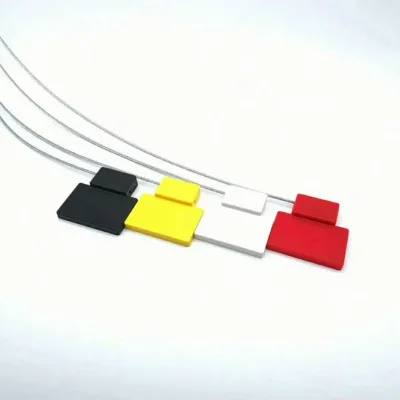
Harsh Environment Outdoor Read Write Logistic Tracking Disposable UHF Seal Tag
$0.89 - $1.99
MOQ: 100 pieces
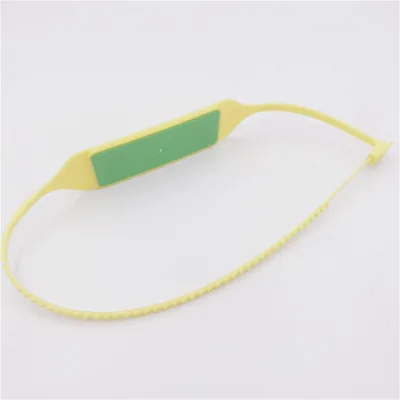
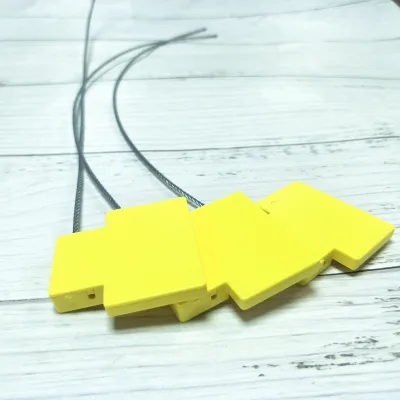
Harsh Environment Outdoor Use Custom logo Printing Uhf Rfid Cable Tie Tags
$0.89 - $1.99
MOQ: 100 pieces
Huaqiang Getsmart Technology (zhuhai) Co., Ltd.
- Manufacturer, Trading Company
- Guangdong, China
- Lead time12 days
- Avg. response≤ 2h
Main productsRFID card,rfid tag,NFC tag,smart cards,rfid token
Main marketsNorth America(25.00%), Eastern Asia(23.00%), Mid East(10.00%), Southern Europe(7.00%), South Asia(6.00%), Central America(5.00%), Western Europe(5.00%), Domestic Market(5.00%), South America(3.00%), Eastern Europe(3.00%), Oceania(2.00%), Africa(2.00%), Southeast Asia(2.00%), Northern Europe(2.00%)
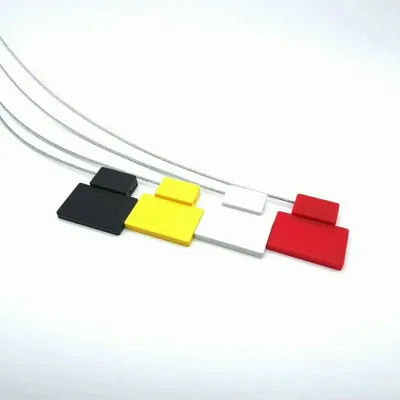
Harsh Environment Outdoor Read Write Logistic Tracking Disposable UHF Seal Tag
$0.89 - $1.99
MOQ: 100 pieces
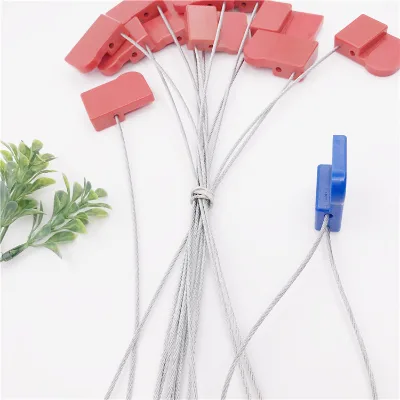
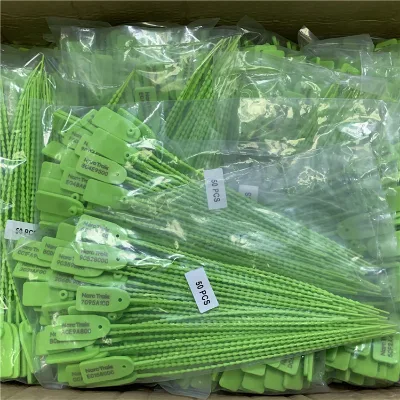
13.56mhz HF 1K One off RFID Seal Tag
$0.59 - $0.79
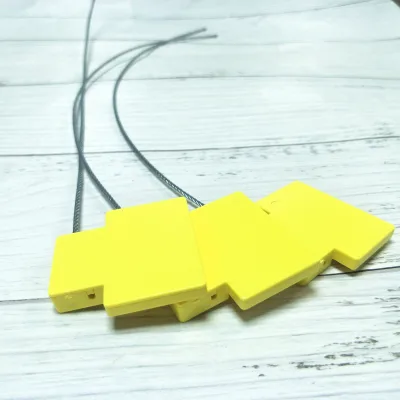
Harsh Environment Outdoor Use Custom logo Printing Uhf Rfid Cable Tie Tags
$0.9174 - $2.0491
MOQ: 100 pieces
Chengdu Unique Globalsmart Technology Co., Ltd.
- Verified by SGS Group
- Manufacturer, Trading Company
- Lead time10 days
- Avg. response≤ 3h
Main productsRFID Card, RFID Tag, RFID Sticker, RFID Wristband, NFC Products
Main marketsNorth America(30%), Southeast Asia(10%), Mid East(10%)

Quanzhou Hecere Electronic Co., Ltd.
- Verified by TUVRHEINLAND
- Manufacturer/Factory
- China Fujian
- Lead time0 days
- Avg. response≤ 12h
Main productsPlastic Business/Gift/Membership Card, Membership Cards Promotional Cards, VIP Cards Photo Cards, Promotional/VIP/Photo/Discount Cards, Sle4428(Blank Card)/Sle4428/Sle4442, MIFARE/Ti High(Low) Frequency IC / I-Cod, MIFARE/I-Code Sli IC Cards, Contactless ID /RFID/RFID Smart Card Co, Contactless ID /RFID/RFID Smart Card, Die Cut/Metal Card Card Reader
Main marketsSouth America,Eastern Europe,Mid East,North America,Southeast Asia,Eastern Asia,Oceania,Africa


Waterproof Plastic Traceability UHF RFID ABS Seal Tag Zip Cable Label Tag
$0.15 - $0.30
MOQ: 1000 Pieces


High quality Plastic RFID Seal Tags 900 MHz UHF RFID Reusable Cable Tie Tag
$0.15 - $0.30
MOQ: 1000 Pieces


Shenzhen Huahai Smart Card Co., Ltd.
- Manufacturer, Trading Company
- Guangdong, China
- Lead time7 days
- Avg. response≤ 4h
Main productsIC Card,ID Card,RFID Wristband,Sticker,Access Control Cards
Main marketsDomestic Market(40.00%), North America(20.00%), South America(15.00%), Southeast Asia(10.00%), Eastern Europe(5.00%), Northern Europe(5.00%), Western Europe(5.00%)

Shenzhen Jianhe Smartcard Technology Co., Ltd
- Verified by SGS
- Combined
- China Guangdong
- Lead time15 days
- Avg. response≤ 3h
Main productsSmart Card, RFID Card/Tags, Card Reader
Main marketsSoutheast Asia/ Mideast,East Asia(Japan/ South Korea),North America

UHF Disposable RFID Seal Tie Tag for Logistics and Asset Security Tracking
$0.10 - $0.20
MOQ: 500 Pieces

Shenzhen Ledu Intelligent Technology Co., Ltd.
- Manufacturer
- Guangdong, China
- Lead time15 days
- Avg. response≤ 2h
Main productsBag,Smart bag,RFID tag,NFC tags
Main marketsSoutheast Asia(50.00%), Africa(10.00%), North America(10.00%), Eastern Asia(10.00%), South America(10.00%), South Asia(5.00%), Northern Europe(3.00%), Eastern Europe(2.00%)

HEBEI JUNYUE METAL PRODUCTS CO., LTD.
- Verified by BV
- Combined
- China Hebei
- Lead time30 days
- Avg. response≤ 1h
Main productsContainer Seals, Bolt Seals, Cable Seals, Plastic Seals, Meter Seals, Metal Seals, Barrier Seals, Security Void Tapes, RFID Seals
Main marketsSouth America,Africa,Southeast Asia/ Mideast,East Asia(Japan/ South Korea),Domestic,Europe,North America

Zhejiang Junmp Technology Inc., Ltd
- Verified by TUVRHEINLAND
- Combined
- China Zhejiang
- Lead time15 days
- Avg. response≤ 12h
Main productsRFID Inlays, Labels, Harsh Environment Tags, Intelligent Terminals
Main marketsSouth America,Africa,Southeast Asia/ Mideast,East Asia(Japan/ South Korea),Domestic,Europe,North America

HEBEI DALI IMP. & EXP. CO., LTD
- Verified by SGS
- Combined
- China Hebei
- Lead time15 days
- Avg. response≤ 5h
Main productsBolt Seal, Container Seal, Cable Seal
Main marketsEast Asia(Japan/ South Korea)

Disposable Plastic Seal Security Indicator Serial Numbered Sealing Tag
$0.0295 - $0.032
MOQ: 2000 Pieces


$0.021 - $0.022
MOQ: 10000 Pieces

$0.0228 - $0.023
MOQ: 10000 Pieces

Plastic Shipping Tags Water Proof Tags for Labeling Security Seals Writable Marker Ties Hanging Tags
$0.0228 - $0.023
MOQ: 2000 Pieces
Guangzhou Lx Dh Smartech Co., Ltd.
- Trading Company, Distributor/Wholesaler, Other
- Guangdong, China
- Lead time0 days
- Avg. response≤ 8h
Main productsAccess control card,JAVA card,e Ticket,ID card,RFID tag
Main marketsDomestic Market(30.00%), North America(25.00%), Eastern Asia(15.00%), Eastern Europe(15.00%), Mid East(10.00%), Southeast Asia(5.00%)
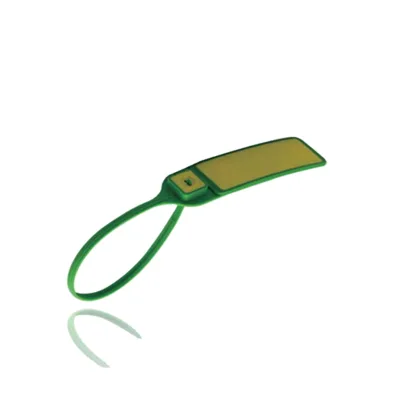
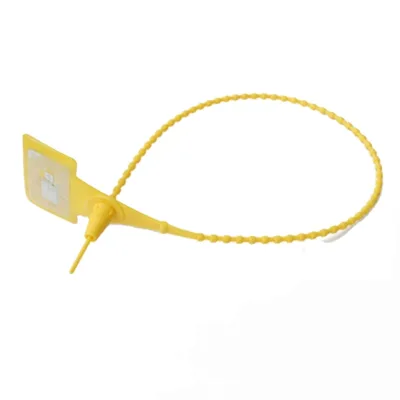
One-use Programmable Label 13.56MHz Plastic Rfid Seal Tag for Tracking
$0.0821 - $0.2578
MOQ: 100 Minimum
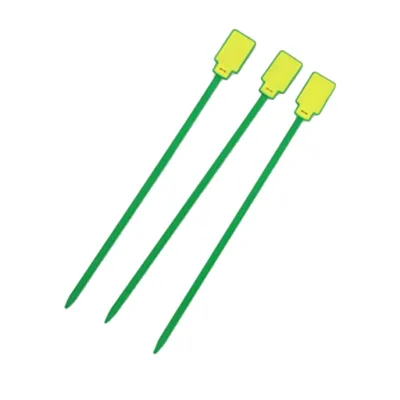
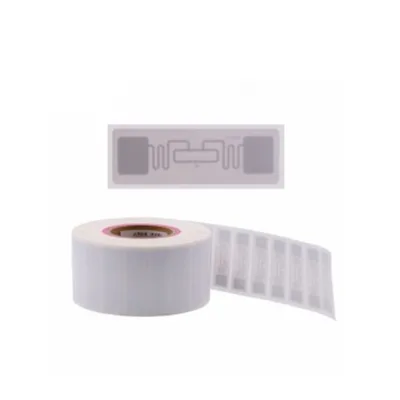
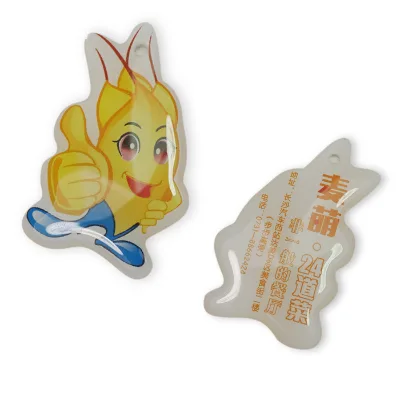
Reusable Nfc Pvc hang Tag 5mm Rfid Disposable Nfc Antenna Tag Manufacturer in China
$0.10 - $0.56
MOQ: 500 Minimum
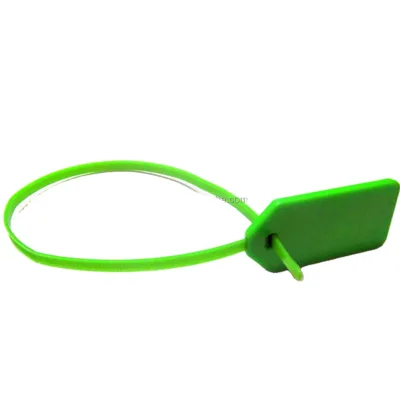

Guangzhou DAILY RFID CO.,LIMITED
- Trading Company,Manufacturer/Factory,Group Corporation,Other
- China Guangdong
- Lead time68 days
- Avg. response≤ 11h
Main productsNFC Tag, RFID Card, RFID Label, RFID Tag, Smart Card, RFID Reader, UHF RFID Reader, Long Range Reader, RFID Clear Tag, RFID Disc Tag
Main marketsSouth America,Eastern Europe,Mid East,North America,Southeast Asia,Eastern Asia,Oceania,Western Europe,Africa

UHF Seal Tag RFID Tag Made of Waterproof Material for Logistics and Warehouse Management
$0.01 - $0.99
MOQ: 50 Pieces


Shenzhen A. N. G Technology Co., Ltd.
- Verified by TUVRHEINLAND
- Trading Company,Manufacturer/Factory
- China Guangdong
- Lead time23 days
- Avg. response≤ 2h
Main productsSmart Card, RFID Card, RFID Tag, NFC Tag, RFID Sticker, RFID Keyfob, RFID Wristband, RFID Blocking Card, RFID Reader, NFC Reader
Main marketsSouth America,Eastern Europe,Mid East,North America,Southeast Asia,Eastern Asia,Oceania,Western Europe,Africa

- Trading Company
- China Shandong
- Lead time15 days
- Avg. response≤ 11h
Main productsThermal Printable Wristband, RFID Sticker and Labels, Fabric Wristbands, Packing Box, Wooden Box, Leather Box, EAS Labels and Tags, 8.2MHz RF Stickers, 58kHz Tags, Training Equiptment
Main marketsSouth America,Eastern Europe,Mid East,North America,Southeast Asia,Eastern Asia,Oceania,Western Europe,Africa

$0.20 - $0.25
MOQ: 1000 Pieces

Disposable 860~960MHz UHF RFID Zip Tie Tag Passive RFID Seal Tag RFID Cable Tie Tag
$0.20 - $0.25
MOQ: 1000 Pieces

Shandong Security Seal Co., Ltd.
- Verified by BV
- Combined
- China Shandong
- Lead time15 days
- Avg. response≤ 4h
Main productsPlastic Seal, Cable Seal, Bolt Seal, Twist Tight Meter Seal, Plastic Padlock, Metal Seal, High Security Tamper Evident Seals with Barcode, Tamper Proof Indicative Security Seals, ISO 17712 Shipping Container Bolt Seals, Anti-Tamper Pull Tight Plastic Seals
Main marketsSouth America,Southeast Asia/ Mideast

Chengdu MIND IOT Technology Co., Ltd.
- Verified by TUVRHEINLAND
- Manufacturer/Factory
- China Sichuan
- Lead time23 days
- Avg. response≤ 5h
Main productsHotel Key Card, RFID Card, NFC Card, Business Card, RFID Tag, RFID Wristbands, RFID Key Fob, RFID Label, Metal Card, Magnetic Stripe Card
Main marketsSouth America,Eastern Europe,Mid East,North America,Southeast Asia,Eastern Asia,Oceania,Western Europe,Africa

$0.28 - $0.35
MOQ: 500 Pieces

Custom Disposable RFID 915Mhz UHF Cable ABS metal Tie Label Plastic Passive Zip Tie Seal Tags
$0.28 - $0.35
MOQ: 500 Pieces

Wenzhou Yigou Trading Co., Ltd
- Verified by CTI
- Trading Company
- China Zhejiang
- Lead time30 days
- Avg. response≤ 4h
Main productsClothing Accessories, Label Printing Material, Polyester Satin, Seal Tag, Rubber Label, Plastic Seal Tag, Woven Label, Label Ribbon TTR Ribbon, Cotton Tape, Woven Edge Satin Ribbon
Main marketsSoutheast Asia/ Mideast,Europe

Ningbo Alatex Textiles Co., Limited
- Trading Company
- China Zhejiang
- Lead time15 days
- Avg. response≤ 20h
Main productsTag Pin, Tag Gun, String Hang Tag, String Seal, String Tag, Seal Tag, Tag Fastener, Plastic Staple Pin Roll, Garment Accessories, Sewing Accessories
Main marketsSouth America,Africa,Southeast Asia/ Mideast,East Asia(Japan/ South Korea),Europe,Australia,North America

Foshan Shunde Junyue Plastic Hardware Co., Ltd.
- Manufacturer/Factory
- China Guangdong
- Lead time15 days
- Avg. response≤ 7h
Main productsPlastic Seal, Container Seal, Cable Seal, Bolt Seal, Security Seal, Metal Seal, Bottle Caps, Meter Seal, Cable Lock, Packlock
Main marketsSouth America,Southeast Asia,Eastern Asia,Oceania,Africa
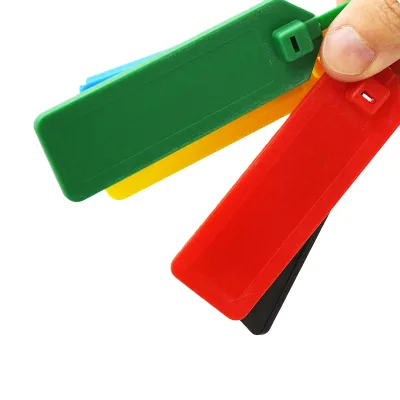
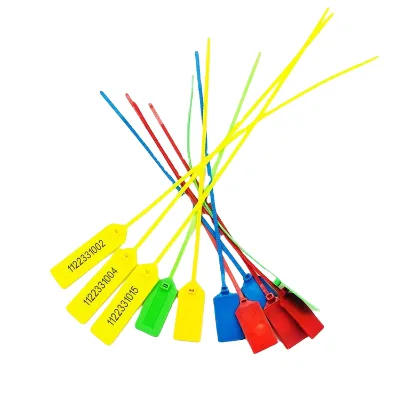


Comprehensive Sourcing Guide
Waterproof Disposable UHF Seal Tag Supplier Concentration and Factory Types
Supplier results for the Waterproof Disposable UHF Seal Tag category point strongly to manufacturing activity in Guangdong, China, with at least one listed company operating from Hong Kong S.A.R. This pattern is consistent with the broader RFID and NFC hardware ecosystem, where tag converters, chip programmers and plastic injection molders tend to cluster so that cable-tie style seals can be produced, encoded and printed within a short supply chain. When results confirm a location, you can treat it as a high-confidence signal for where sourcing conversations will concentrate; when they do not, the practical method is to filter supplier listings by stated place of origin, check whether product attributes list a manufacturing province, and only shortlist suppliers whose origin data is explicit rather than vague.
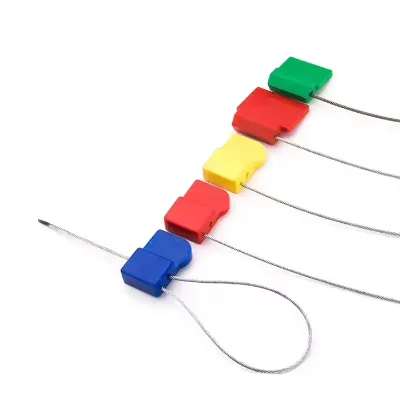
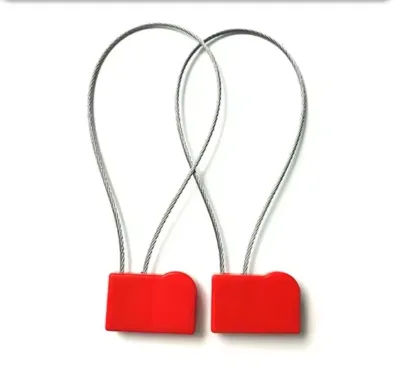
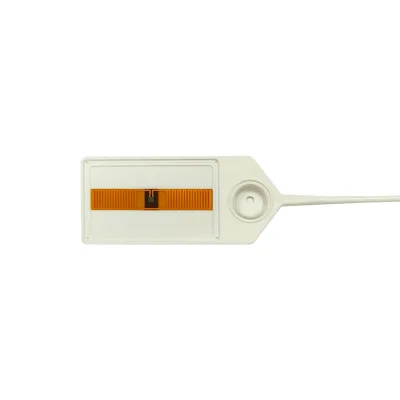
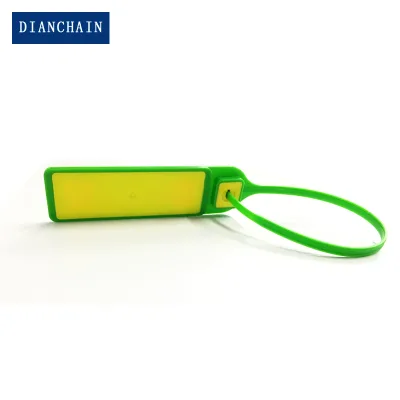
The supplier mix in this category includes hybrid companies labeled as both Manufacturer and Trading Company, which is common for RFID seals because tooling, encoding and assembly may be split across partners. Product evidence shows active listings for harsh-environment outdoor cable-tie tags, disposable UHF seal tags, ribbon-style traceability seals and electronic seals for offshore use, confirming that many suppliers treat this product as part of a wider RFID portfolio. Distinguish factory-direct sellers from trading intermediaries by requesting their main product list; one supplier lists RFID cards, tags, stickers, wristbands and NFC products, which suggests depth in RFID generally. Ask whether the seal itself is manufactured in-house or finished elsewhere.
How to Verify Waterproof Disposable UHF Seal Tag Suppliers
Verification should start with the credentials visible in supplier listings and end with evidence you request directly. In current results, one supplier displays system certifications of ISO 9001, RoHS and CE, and another is verified through an independent inspection group (SGS Group). Treat displayed certifications as claims to confirm, not facts to accept: ask for certificate numbers and validity dates, and check that the certificate covers the entity you are contracting with, not an affiliated factory. If a supplier shows no certification labels, that does not automatically disqualify it, but it shifts more of the burden onto sample testing and third-party inspection before any large order.
Product-level evidence also serves verification. Listings in this category state working temperature ranges of -40 to 100℃, waterproof/weatherproof features, one-off (tamper-evident) head-and-tail designs, and protocols including ISO14443A and ISO18000-6C. Confirm these attributes against physical samples: test locking strength, whether the seal truly cannot be reopened, read performance at your expected distances, and behavior in wet or cold conditions matching your deployment. Ask the supplier to state the actual chip installed, since several listings show chip fields marked OEM or custom, which means the fitted component can vary. Finally, request the supplier's company registration details and cross-check the stated place of origin; Guangdong is confirmed in several results, and any mismatch between listing location and invoice entity is a signal to investigate before committing funds.
What to Compare Across Waterproof Disposable UHF Seal Tag Suppliers
Build a comparison sheet using the attributes suppliers actually display, without assuming every listing carries every field. Lead time is a useful differentiator: current results show ranges from a stated 0 days on one listing to 10 and 12 days on others, so normalize by asking each supplier for lead time from deposit to shipment at your quantity, in both peak and off-peak seasons. Response time labels, where present at 2 to 3 hours, indicate sales-team responsiveness but should be tested yourself with a technical question. Minimum order quantities also vary; one confirmed listing shows an MOQ of 100 units, which is low for this category and useful for pilot batches, but you must confirm MOQ for your specific seal design and chip choice.
Compare main products and company type as well. A supplier whose main products are RFID cards, tags, stickers, wristbands and NFC products has category depth, while a trading company may offer breadth but add a margin and a communication layer. Location matters for logistics and factory audits; confirmed origins here include Guangdong, China and Hong Kong S.A.R. Price bands in current listings span roughly 0.29–0.52, 0.59–0.79, 0.89–1.99 and 0.92–2.05 in listed currency, so compare like-for-like: chip type, frequency (13.56 MHz versus 860–960 MHz UHF), material (nylon, ABS+nylon, PP) and size (for example, 3505028mm or 2803323mm) all justify price differences.
Common Waterproof Disposable UHF Seal Tag Sourcing Risks
The most frequent risk in this category is frequency confusion. Several listings combine 13.56 MHz HF chips with UHF claims, and product names mention UHF while attributes specify NFC chips or 13.56 MHz operation. If you need true UHF performance at 860–960 MHz for reading through distance, confirm the chip and protocol in writing (ISO18000-6C for UHF, ISO14443A or ISO15693 for HF) and reject listings where the supplier cannot commit. Related to this is chip substitution: fields marked OEM or custom mean the fitted chip can change between sample and production, which can silently break your readers or encoding software.
Other risks are physical and commercial. Disposable one-off seals must be genuinely tamper-evident; a "head and tail one off" design should lock once and not release, so test the locking mechanism repeatedly on samples, especially for nylon and PP constructions. Waterproof claims need environmental testing if your application involves saltwater, offshore conditions or freeze-thaw cycles; one listing explicitly targets harsh outdoor use, but others make the same claim with lighter materials. Commercially, low displayed MOQs and low unit prices may apply only to standard versions without encoding, logo printing or custom sizes, so confirm what the quoted price includes. Watch for listings where lead time appears as 0 days, which usually signals stock-based trading rather than factory production, and verify actual production capacity before scheduling a container.
Waterproof Disposable UHF Seal Tag Regional Sourcing and Logistics
The confirmed sourcing geography for this category centers on Guangdong, China, with a secondary listing origin in Hong Kong S.A.R. Guangdong's RFID hardware cluster gives buyers practical advantages: short distances between chip distributors, injection molders for nylon and ABS seal bodies, and printing and encoding houses, which supports custom logo printing and quick sample iterations. When you source from this region, ask whether the supplier's factory and the encoding/printing operations are co-located or split, because split operations can add days to the confirmed 10–12 day lead times seen in current listings. Hong Kong-based suppliers may offer easier communication and payment channels but may be trading goods manufactured across the border.
Logistics planning should account for the product's dimensions and weight. Stated single package sizes such as 33X3X1 cm and single gross weights around 0.025 KG mean seals are light but bulky for their value, so freight cost per unit depends more on volume than weight; request carton dimensions and pieces per carton early. Because these are passive RFID seals with no battery, air freight restrictions are generally minimal, but confirm with your forwarder. If you need custom colors or printed logos, factor printing lead time into the confirmed 10–12 day production windows, and ask whether express sample shipments are available before committing to sea freight for bulk. Always confirm the exact dispatch port with the supplier rather than assuming it from their listed city.
Waterproof Disposable UHF Seal Tag Commercial Terms and Order Planning
Commercial terms should be structured around the volatility visible in listings. Confirmed prices range from about 0.29 to 2.05 across this category, and that spread maps to chip type, frequency, material and customization, so never compare a bare listing price to a quoted price without matching specifications. Use the confirmed MOQ of 100 units on one listing as a benchmark for pilot ordering, then plan production orders with volume-tiered quotes in writing. Payment terms deserve care: prefer arrangements that protect the buyer, such as trade assurance-style escrow or small deposits with balance after inspection, and treat any supplier unwilling to accept sample-based approval before full payment as a warning sign.
Order planning should sequence sample, pilot and bulk stages. First, order samples against your written specification: frequency band, chip, size (for example, 3505028mm or 2803323mm), material, waterproof rating and one-off locking behavior. Second, run a pilot at MOQ-level quantity in the real environment—outdoor weather, offshore salt spray, or warehouse scanning—before scaling. Third, place the bulk order with a stated lead time; confirmed figures of 10–12 days are realistic anchors, but add buffer for encoding, printing and Chinese public holidays. Finally, align inspection rights with payment: retain a balance until a pre-shipment inspection checks seal count, read rates on a statistical sample, and packaging. Reconfirm lead time in writing each season, as supplier capacity labels can change between searches.
FAQs
What is the price range for waterproof disposable UHF seal tags?
Prices typically range from $0.29 to $2.05 per unit depending on specifications. Basic nylon cable tie tags start around $0.29, while specialized harsh environment tags with custom printing cost up to $2.05. Minimum order quantities usually begin at 100 units, affecting the final per-unit cost significantly.
What are the working temperature limits for these RFID tags?
Most waterproof disposable UHF seal tags operate effectively between -40°C and 100°C. This wide range ensures reliability in harsh outdoor environments, including extreme cold and heat. The tags are designed to maintain functionality and structural integrity under these thermal conditions without data loss or material failure.
What is the typical response time for suppliers offering these tags?
Suppliers generally respond within 2 to 3 days to initial inquiries. This timeframe allows buyers to receive quotations and technical specifications promptly. Faster response times are often associated with manufacturers located in Guangdong, China, who have established production lines for RFID and NFC security products.
What is the expected lifespan of the data stored on these tags?
The data storage life is typically rated for 10 years. Additionally, the tags support approximately 100,000 write cycles. This durability ensures long-term traceability for logistics and access control applications, making them suitable for repeated use in supply chain management systems.
What certifications do these suppliers usually hold?
Many suppliers hold ISO 9001, RoHS, and CE certifications. These standards verify quality management systems and compliance with environmental and safety regulations. Some suppliers also undergo SGS verification, providing additional assurance of product reliability and manufacturing consistency for international buyers.
What is the standard lead time for production?
Production lead times vary from 10 to 12 days for standard orders. Customized tags with specific logos or chip configurations may require additional processing time. Buyers should confirm exact timelines with suppliers, as capacity and order volume can influence the final delivery schedule.