LED Dog Tag Suppliers and Manufacturers in China
Compare 25 verified LED Dog Tag suppliers by location, lead time, and response time. Review certifications like CE and ISO, plus pricing and MOQ details. Contact suppliers directly to request samples and confirm delivery schedules; review the available evidence before requesting comparable quotations from suitable candidates.
Updated
Suppliers List

Sinopromotion Products Co., Ltd.
- Verified by BV
- Trading Company
- China Zhejiang
- Lead time30 days
- Avg. response≤ 5h
Main productsPromotional Pen, Ball Pen, Promotional Gifts, Stationery, Promotional Bag, Stainless Steel Mug, USB Flash
Main marketsSouth America,Africa,Southeast Asia/ Mideast,Europe,North America
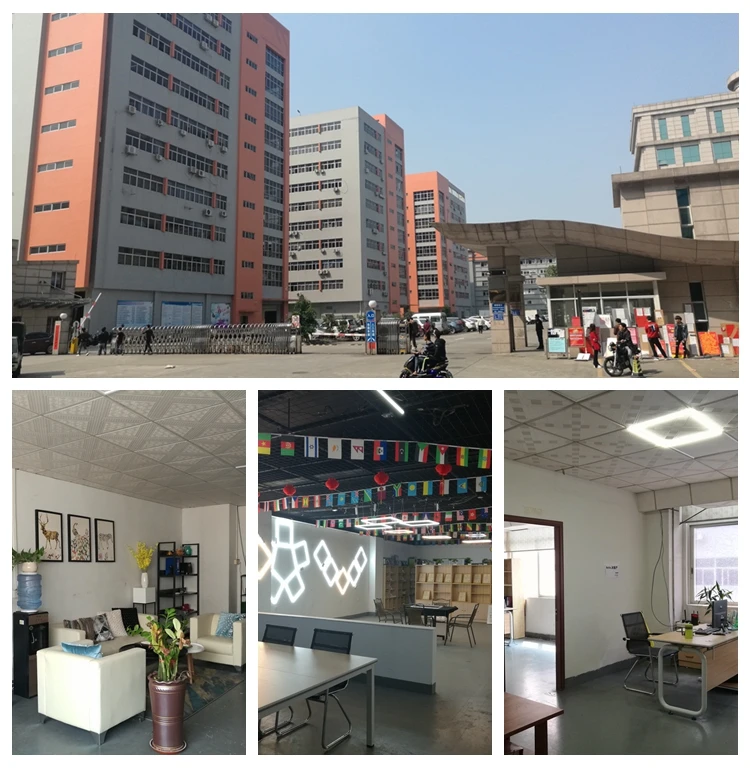
Meizhou Juncheng Technology Co., Ltd.
- Trading Company
- Guangdong, China
- Lead time7 days
- Avg. response≤ 5h
Main productsled strip light,led flex neon light,led solar light,led street light,led wall light
Main marketsEastern Europe(20.00%), South America(20.00%), North America(20.00%), Eastern Asia(5.00%), Mid East(5.00%), Central America(5.00%), Africa(5.00%), Southeast Asia(5.00%), Northern Europe(3.00%), Oceania(3.00%), Domestic Market(3.00%), Western Europe(2.00%), South Asia(2.00%), Southern Europe(2.00%)

- Trading Company
- Zhejiang, China
- Lead time15 days
- Avg. response≤ 10h
Main productsPet toy,Pet clothes,Pet harness,Dog leashes,Dog collar
Main marketsEastern Europe(20.00%), South America(20.00%), North America(20.00%), Southeast Asia(10.00%), Western Europe(10.00%), Northern Europe(10.00%), Southern Europe(10.00%)
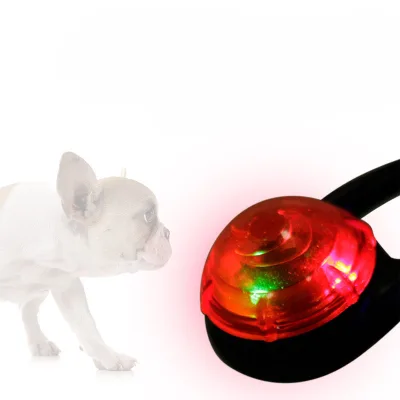
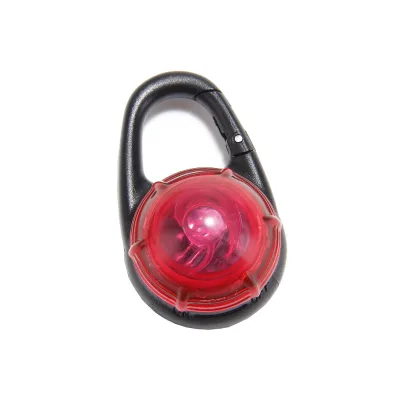
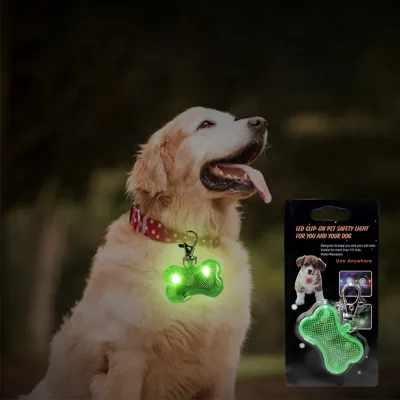
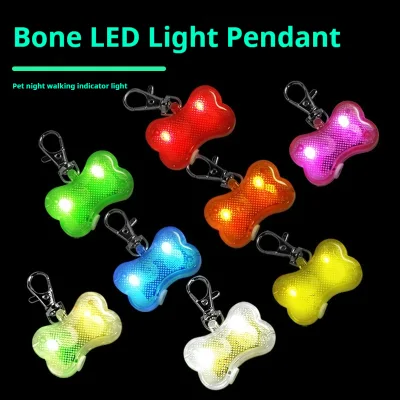
Night Outdoor Pet Led Hanging Pendant Waterproof Led Light Safety Flashing Dog Tag
$1.7059 - $1.8603
MOQ: 10 pieces
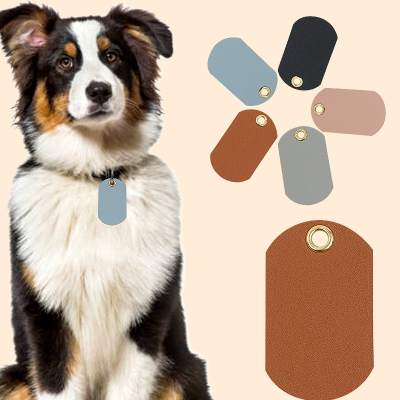

Xiamen Green Light Garden Industry and Trade Co., Ltd.
- Verified by TUVRHEINLAND
- Trading Company
- China Fujian
- Lead time15 days
- Avg. response≤ 7h
Main productsOutdoor and Sport Products, Custom Backpacks Bag, Custom Storage Bag, Custom Bike, Bike Bicycle Parts, Hotel Amenities, Sport Accessories, Custom Bottle Cups, Custom Umbrella, Custom Gifts
Main marketsNorth America

Logo Emblem Industries Co., Ltd.
- Verified by TUVRHEINLAND
- Combined
- China Guangdong
- Lead time15 days
- Avg. response≤ 12h
Main productsMetal Craft, Pin, Badge, Coin, Souvenirs, Medal, Golf, Bag Holder, Bottle Opener, Ornament
Main marketsNorth America
Avatronics Corporation Limited
- Verified by TüVRheinland
- Trading Company
- Lead time15 days
- Avg. response≤ 6h
Main productsEbadge, Speaker, Earphone, Microphone, AI Robot
Main marketsEastern Asia(40%), North America(25%), Eastern Europe(15%)

Shenzhen Sweetpet Pet Product Co., Ltd.
- Trading Company,Manufacturer/Factory
- China Guangdong
- Lead time23 days
- Avg. response≤ 5h
Main productsDog Collar, Dog Leash, Dog Harness, Dog Clothes, Dog Bed, Pet Supply, Pet Accessory, Pet Toys, Pet Bowl, Cat Toys
Main marketsSouth America,Eastern Europe,North America,Oceania,Western Europe


Silicone Silent Dog Tag, Double Sided Personalized ID Tags Engraved for Pets
$0.50 - $0.60
MOQ: 200 Pieces


Shenzhen Sunrise Smart Co., Ltd.
- Verified by CTI
- Trading Company
- China Guangdong
- Lead time15 days
- Avg. response≤ 2h
Main productsRFID Card, RFID Tag, RFID Wristband, RFID Anti-Metal Tag, RFID Coin Tag, RFID Label, RFID Key Chain, NFC Card, FPC Tags, RFID Laundry Tags
Main marketsSouth America,Africa,Southeast Asia/ Mideast,East Asia(Japan/ South Korea),Domestic,Europe,Australia,North America


Anti-Lost Waterproof NFC Silicone Pet Tag Custom Logo Engraved Dog RFID Tag
$0.58 - $0.80
MOQ: 500 Pieces


Luoyang Xize Import And Export Co., Ltd.
- Trading Company
- Henan, China
- Lead time0 days
- Avg. response≤ 2h
Main productsDog Brush,Dog Leash,Dog Bottle,Dog Toys,Music Boxing Machine
Main marketsNorth America(32.00%), Western Europe(15.00%), South America(11.00%), Eastern Europe(10.00%), Oceania(9.00%), Mid East(8.00%), Southeast Asia(6.00%), Africa(5.00%), Eastern Asia(4.00%)

Ningbo Inunion Import and Export Co., Ltd.
- Verified by SGS
- Trading Company
- China Zhejiang
- Lead time30 days
- Avg. response≤ 3h
Main productsBag Chain, Buckle, Hooks, Ring, Key Chain, Tags, Carabiner, Bag Lock, Puller
Main marketsSoutheast Asia/ Mideast,East Asia(Japan/ South Korea),Europe,Australia,North America


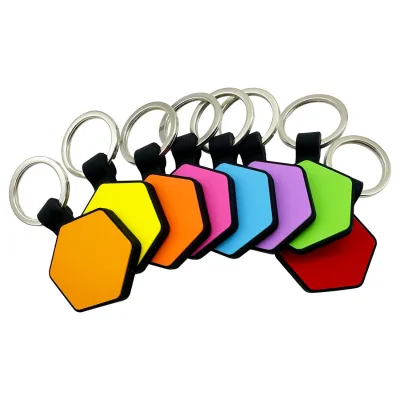
Colorful Aluminum Dog ID Tags with Keyrings Round Shape Dog Personalized Engraved
$0.11 - $0.13
MOQ: 5000 Pieces



NINGBO GULUU IMPORTS AND EXPORTS TRADING CO.,LTD.
- Trading Company
- Zhejiang, China
- Lead time0 days
- Avg. response≤ 1h
Main productsPET TOYS,PET APPAREL,PET CLOTHES,PET BED,PET CLEANING
Main marketsNorth America(50.00%), Eastern Europe(20.00%), South America(20.00%), Southeast Asia(10.00%)
Yiwu Soobo Daily Articles Co., Ltd.
- Trading Company
- Zhejiang, China
- Lead time10 days
- Avg. response≤ 8h
Main productsmetal key chains,prmotional keychains &carabiners,other promotional &business gift,polyester lanyard,promotional wristbands
Main marketsNorth America(60.00%), Western Europe(20.00%), Oceania(5.00%), Central America(5.00%), Northern Europe(3.00%), Southern Europe(3.00%), South America(3.00%), Eastern Europe(1.00%)
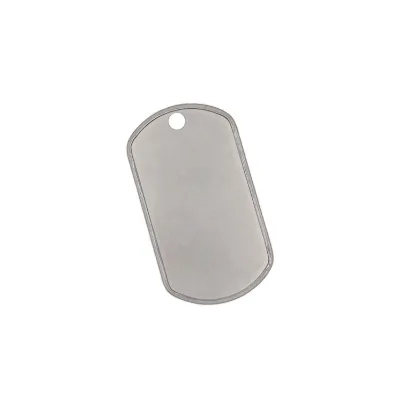
Steel ID Tag Dog Tags Stainless Steel Dog Tag
$0.30 - $0.50
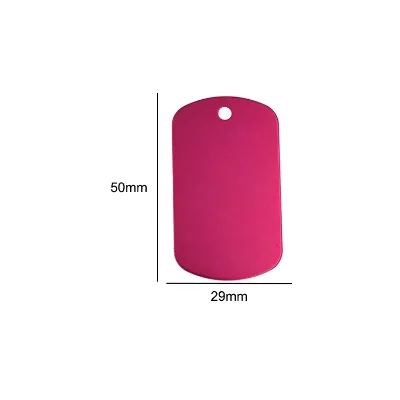
Metal Aluminum Alloy Blank Dog Tag QR Code Pet Tag
$0.31 - $0.53

Zhongshan Xiangda Metal Arts & Crafts Co., Ltd.
- Verified by BV
- Combined
- China Guangdong
- Lead time15 days
- Avg. response≤ 4h
Main productsBadge, Keychain, Medal, Lapel Pin, Dog Tag, Fridge Magnet, Cufflink, Tie Clip, Bag Hanger, Wrist Band
Main marketsSouth America,Southeast Asia/ Mideast,Domestic,Europe,Australia,North America

Personalised Engraved Dog Tag, Stainless Steel Dog Tag & Cat Tag - Engraved Pet Tags
$0.14 - $0.42
MOQ: 50 Pieces


Dongguan Jing Hong Metal Zipper Co., Ltd.
- Verified by TUVRHEINLAND
- Combined
- China Guangdong
- Lead time15 days
- Avg. response≤ 21h
Main productsMetal Plate, Label, Snap Hook, Keychain, Buckle, Bottle Opener, Dog Tag, Bag Hanger, Jewelry, Zipper Puller
Main marketsDomestic
Dongguan Geshifeng Metal Products Co., Ltd.
- Manufacturer, Trading Company
- Lead time旺季: "1 - 1000":7,"> 1000":"To be negotiated", 淡季: "1 - 1000":7,"> 1000":"To be negotiated"
- Avg. response≤ 3h
Main productsPet Feeder and Drinker, Pet Cleaning Grooming Products, Pet Cage and House, Pet Leashes and Collars, Pet Toy

Zhongshan Artigifts Premium Metal & Plastic Co., Ltd.
- Verified by BV
- Combined
- China Guangdong
- Lead time15 days
- Avg. response≤ 3h
Main productsPin, Key Chain, Label, Coin, Lanyard, Purse Hanger, PVC Key Holder, Button Badge, Trolley Coin, Medal
Main marketsSouth America,Africa,Others(foreignTradeCapacity.exportBusinessCapacityMarketOther),Southeast Asia/ Mideast,East Asia(Japan/ South Korea),Europe,Australia,North America

WUHAN YAOQIWEI MACHINERY TECHNOLOGY CO., LTD.
- Verified by TUVRHEINLAND
- Combined
- China Hubei
- Lead time30 days
- Avg. response≤ 13h
Main productsCard Laminator, Card Punching Machine, Smart Card, Inkjet/Laser PVC Printing Sheet, Steel Plate, RFID Chip, Neck Strap Lanyards/Badge Reel, Hologram PVC Sheet, Hot Stamping Machine, Card Embosser
Main marketsDomestic
Suzhou Joysing Industry And Trade Co., Ltd.
- Trading Company
- Jiangsu, China
- Lead time25 days
- Avg. response≤ 3h
Main productsPet Cleaning & Grooming Products,Pet Collars & Leashes,Pet Toys,Pet Carriers & Travel Products,Pet Beds & Accessories
Main marketsNorth America(20.00%), Oceania(15.00%), Western Europe(15.00%), Southern Europe(10.00%), Eastern Europe(10.00%), South America(10.00%), Mid East(5.00%), Northern Europe(5.00%), Southeast Asia(5.00%), Eastern Asia(5.00%)
Hangzhou Hellomoon Trading Co., Ltd.
- Verified by Intertek
- Trading Company
- Lead time5 days
- Avg. response≤ 4h
Main productsPet Clothes, Pet Toys, Pet Feeders, Pet Leads, Pet Beds
Main marketsNorth America(39%), Eastern Europe(13%), Oceania(11%)
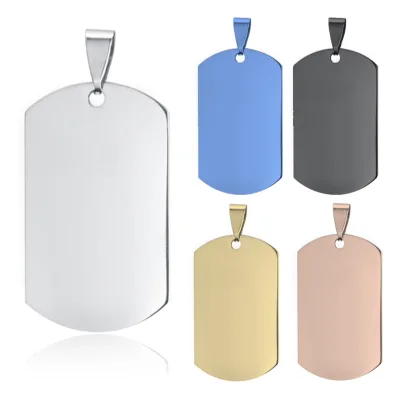
Custom Logo Metal Steel Silver Dog Name Tag
MOQ: 20 Minimum

Wenzhou Guda Technology Co., Ltd.
- Verified by BV
- Combined
- China Zhejiang
- Lead time30 days
- Avg. response≤ 4h
Main marketsEurope


Customized Silicone Metal Dog Tag with Over 25 Years Experience and ISO Certs
$0.25 - $0.62
MOQ: 500 Pieces
Dongguan Surround Industry And Trade Co., Ltd.
- Manufacturer
- Guangdong, China
- Lead time0 days
- Avg. response≤ 5h
Main productsPocket knife,Titanium pen,Hook keychainl,Hardware tool,EDC
Main marketsDomestic Market(30.00%), North America(25.00%), Western Europe(15.00%), Northern Europe(5.00%), Eastern Europe(5.00%), South America(5.00%), Oceania(5.00%), Southeast Asia(5.00%), Southern Europe(3.00%), Eastern Asia(2.00%)

Zhongshan Leon crafts and gifts Co., Ltd.
- Verified by SGS
- Trading Company,Manufacturer/Factory
- China Guangdong
- Lead time23 days
- Avg. response≤ 3h
Main productsMetal Pin Badge, Wallet Badge, Sports Medal, Honor Medal, Belt & Buckle, Challenge Coins, Fridge Magnet, Different Kind of Security Products, Keychain, Embroidery Patch
Main marketsSouth America,Eastern Europe,Mid East,North America,Southeast Asia,Eastern Asia,Oceania,Western Europe,Africa
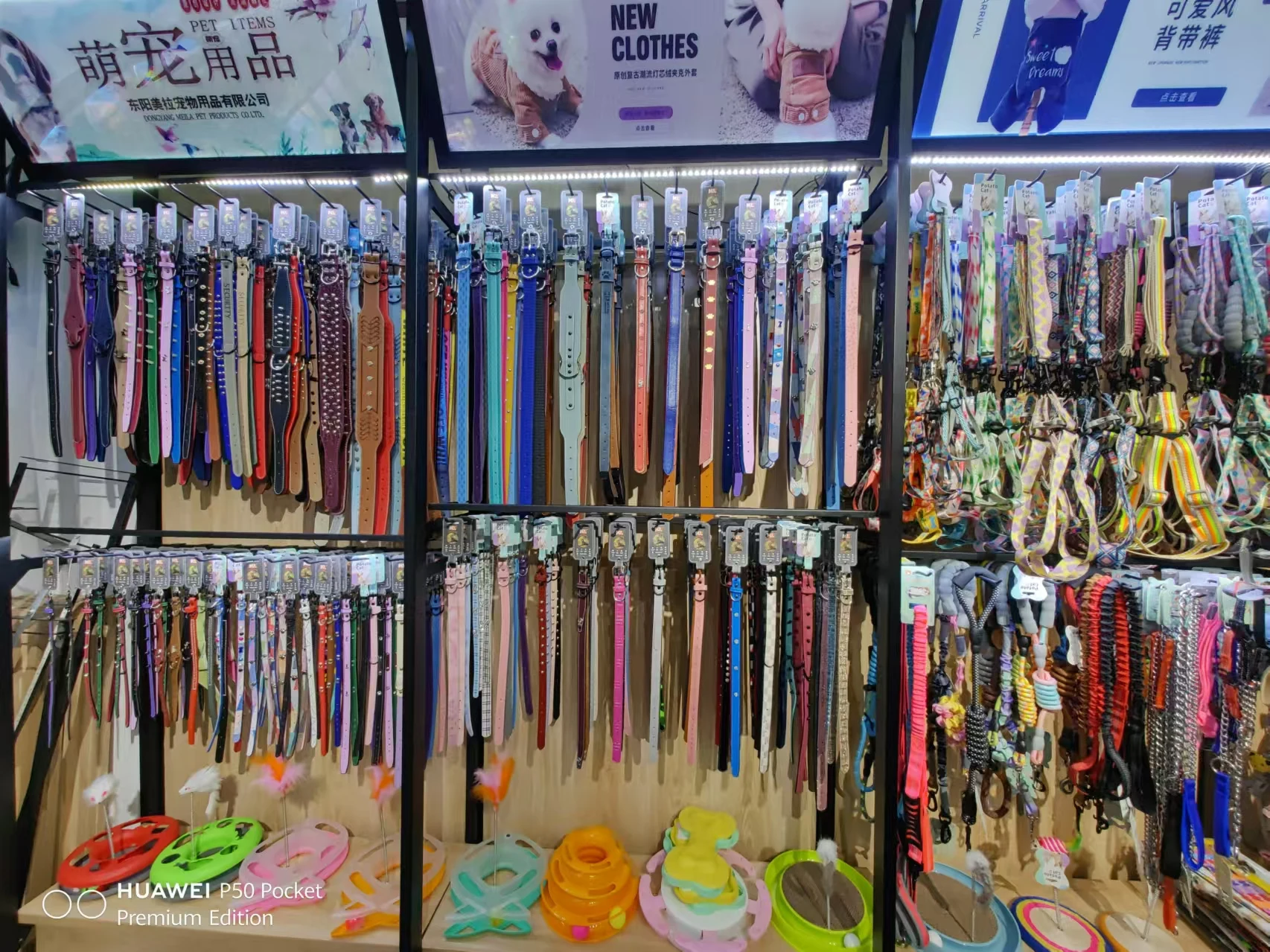
Dongyang Meila Pet Products Co., Ltd.
- Manufacturer, Trading Company
- Zhejiang, China
- Lead time0 days
- Avg. response≤ 2h
Main productsPet Leash,Pet Collar,Pet Carrier,Pet Grooming,Pet Toy
Main marketsNorth America(60.00%), South America(20.00%), Eastern Europe(20.00%)

Guangzhou Huifu Jewelry Co., Ltd.
- Verified by BV
- Manufacturer/Factory
- China Guangdong
- Lead time90 days
- Avg. response≤ 4h
Main productsJewelry, Stainless Steel Jewelry, Stainless Steel Ring, Stainless Steel Pendant, Stainless Steel Earring, Fashion Jewelry, Ring, Necklace, Pendant, Bracelet
Main marketsEastern Europe,Mid East,North America,Western Europe,Africa
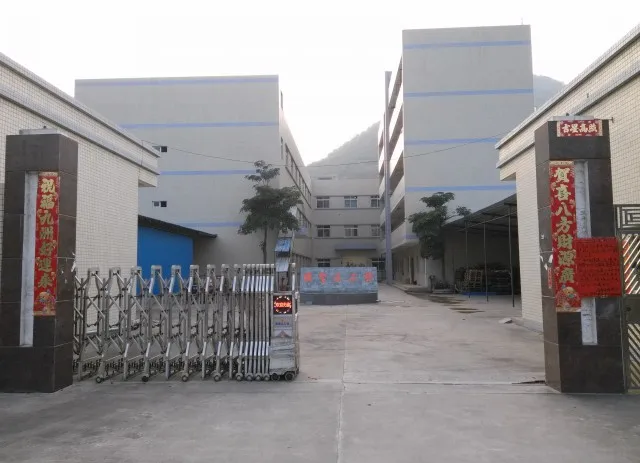
Guangzhou Maiduo Gifts Co., Ltd.
- Manufacturer, Trading Company
- Guangdong, China
- Lead time10 days
- Avg. response≤ 2h
Main productsFashion jewelry,Identification bracelet,pet items,other gifts,custom service
Main marketsSouth America(30.00%), Eastern Europe(25.00%), Western Europe(25.00%), Southern Europe(10.00%), North America(10.00%)


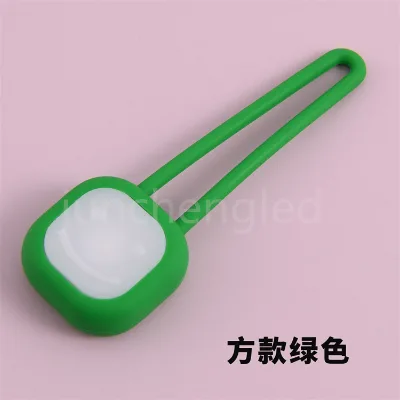
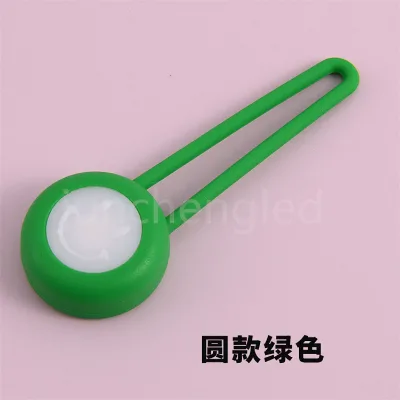


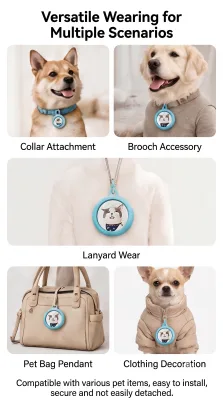









Comprehensive Sourcing Guide
LED Dog Tag Supplier Concentration and Factory Types
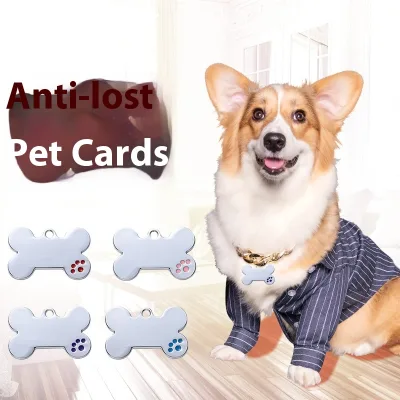
The current supplier landscape for led dog tags reveals a distinct geographic concentration in China, with specific manufacturing hubs identified in Zhejiang and Guangdong provinces. Suppliers located in Zhejiang often operate as trading companies, leveraging the region’s established infrastructure for promotional gifts, stationery, and general crafts. This area is particularly noted for producing metal crafts and PVC-based pet accessories, suggesting a strong capability in custom branding and material versatility. The presence of trading companies in this cluster indicates a business model focused on aggregating diverse product lines, such as promotional pens, bags, and stainless steel mugs, alongside pet-specific items like dog tags. Buyers sourcing from this region should anticipate a wide variety of customization options, as these suppliers frequently handle mixed orders for promotional campaigns. The trading company structure allows for flexibility in sourcing different materials, including PVC and metal, which are commonly used in the production of oval-shaped or custom-designed pet identification tags. This concentration suggests that buyers can find numerous options for bulk orders requiring specific branding or unique shapes, such as dog bone or oval designs, within a single regional ecosystem.
In contrast, suppliers based in Guangdong province demonstrate a different operational focus, often specializing in electronic components and lighting solutions. These manufacturers are equipped to handle products that require active power sources, such as LED lights and solar-powered devices. The main products listed for these entities include led strip lights, flex neon lights, and street lighting, which implies a technical proficiency in electrical assembly and quality control for electronic goods. This specialization is crucial for led dog tags that require built-in batteries, switch controls, and specific luminous flux outputs. The presence of suppliers in Guangdong suggests a cluster that is better suited for buyers seeking high-visibility, safety-oriented pet accessories with electronic features. Unlike the trading-focused Zhejiang suppliers, these Guangdong-based entities may offer more direct manufacturing capabilities for the electronic aspects of the product, ensuring that components like LEDs and battery housings meet specific performance standards. This distinction allows buyers to choose between suppliers based on whether their priority is broad promotional customization or specialized electronic functionality and safety features.
How to Verify LED Dog Tag Suppliers
Verifying the legitimacy and capability of LED Dog Tag suppliers requires a multi-layered approach that goes beyond simple product listings. Buyers should prioritize suppliers who have undergone third-party verification processes, such as BV (Bureau Veritas) certification, which provides an additional layer of trust regarding the company’s operational integrity. This verification status is a critical indicator that the supplier has been audited for business practices and product quality standards. In addition to verification badges, buyers must carefully examine the supplier’s response time metrics, which serve as a proxy for operational efficiency and customer service reliability. A response time score, such as 4.89 or 5, indicates how quickly a supplier engages with inquiries, which is vital for negotiating custom specifications and resolving issues during the production phase. Slow response times can signal potential bottlenecks in communication, which may lead to delays in sample approval or order fulfillment. Therefore, assessing these digital metrics is an essential first step in filtering out unreliable partners before diving into detailed product specifications.
Beyond digital metrics, buyers must scrutinize the specific product attributes and certifications listed for each LED Dog Tag model. For instance, some products may list certifications such as CE, ISO, RoHS, and CCC, which are critical for ensuring that the electronic components and materials used in the tags meet international safety and environmental standards. Buyers should verify that these certifications are relevant to the specific product type, especially for items involving electrical components like LEDs and batteries. Additionally, the material composition, such as PVC, silicone, or leather, should be cross-referenced with the supplier’s stated capabilities and main product lines. If a supplier claims to specialize in led strip lights but offers a PVC dog tag, buyers should inquire about the manufacturing process to ensure quality consistency. It is also important to check for the presence of sample lead times, which typically range from 5 to 7 days, as this indicates the supplier’s readiness to provide physical proofs of quality before mass production. By combining verification status, response speed, and detailed product attribute analysis, buyers can build a robust profile of each supplier’s reliability and technical competence.
What to Compare Across LED Dog Tag Suppliers
When evaluating multiple suppliers for led dog tags, buyers must compare key operational dimensions to determine the best fit for their specific needs. One of the most critical factors is the minimum order quantity (MOQ), which can vary significantly across different suppliers. For example, some suppliers may require an MOQ of 100 pieces, while others might accept orders as low as 10 pieces. This variation is particularly important for buyers testing new markets or those with limited budget constraints. A lower MOQ allows for greater flexibility in ordering smaller batches for promotional events or initial market entry, whereas a higher MOQ may offer better unit economics for large-scale distribution. Buyers should also compare the lead times for both samples and bulk production. Sample lead times typically range from 5 to 7 days, while delivery dates for bulk orders can vary from 15 to 25 days or even up to 30 days. Understanding these timelines is essential for planning inventory and ensuring that products arrive in time for specific marketing campaigns or seasonal demands.
Price is another crucial dimension for comparison, but it must be analyzed in conjunction with product specifications and MOQ. Unit prices for led dog tags can range from as low as $0.26 to over $1.80, depending on the complexity of the design, material quality, and electronic features. Buyers should not solely focus on the lowest price but rather evaluate the value proposition, which includes the durability of the material, the brightness of the LED, and the reliability of the battery. Additionally, the customization options available, such as logo printing, shape variations, and packaging, should be compared across suppliers. Some suppliers may offer OEM and ODM services, allowing for complete brand integration, while others may have limited customization capabilities. The response time and communication efficiency of the supplier also play a significant role in the overall experience, as quick and clear communication can prevent misunderstandings and ensure that the final product meets expectations. By systematically comparing MOQ, lead times, pricing, and customization capabilities, buyers can make informed decisions that align with their strategic goals and operational requirements.
Common LED Dog Tag Sourcing Risks
Sourcing led dog tags involves several inherent risks that buyers must proactively manage to ensure a successful procurement process. One significant risk is the variability in product quality, particularly regarding the electronic components. Since led dog tags often rely on built-in batteries and LED lights, there is a risk of premature battery failure or inconsistent light output. Buyers should be cautious of suppliers who do not provide detailed specifications for battery life, luminous flux, or control methods. Without clear technical data, it is difficult to assess whether the product will meet the durability and performance expectations required for pet safety. Additionally, the material quality, such as the use of PVC or silicone, can vary, affecting the tag’s resistance to water, wear, and tear. Buyers must request detailed product attributes and, if possible, physical samples to verify the quality of materials and electronic functionality before committing to large orders.
Another common risk is the discrepancy between the supplier’s stated capabilities and their actual production capacity. Trading companies, in particular, may act as intermediaries, which can lead to communication gaps and delays in resolving production issues. Buyers should verify the supplier’s actual manufacturing capabilities, especially if the product involves complex electronic assembly. Furthermore, there is a risk of non-compliance with international standards, particularly if the supplier does not provide valid certifications for the electronic components. Buyers must ensure that the products meet relevant safety standards, such as CE or RoHS, to avoid legal issues and ensure consumer safety. Additionally, the risk of delayed shipments is prevalent, especially if the supplier has a long lead time or poor track record. Buyers should establish clear communication channels and set realistic expectations for delivery dates, while also considering the use of escrow services to protect their payments until the goods are received and verified. By identifying and mitigating these risks, buyers can safeguard their investments and ensure a smooth sourcing experience.
LED Dog Tag Regional Sourcing and Logistics
The geographic location of suppliers significantly impacts logistics, shipping costs, and lead times for led dog tags. Suppliers located in Zhejiang province, China, are often part of a well-established manufacturing cluster for promotional gifts and crafts. This region benefits from robust logistics infrastructure, which can facilitate efficient shipping for bulk orders. However, buyers must consider the specific shipping requirements for products containing batteries, as led dog tags often include built-in lithium batteries that are subject to strict international shipping regulations. These regulations may require special packaging, documentation, and handling, which can add complexity and cost to the logistics process. Buyers should work closely with their suppliers to ensure that all necessary documentation, such as MSDS (Material Safety Data Sheet) and UN38.3 test reports, are provided to comply with air and sea freight regulations.
In contrast, suppliers in Guangdong province may offer different logistical advantages, particularly for electronic goods. This region is known for its expertise in electronics manufacturing, which may translate to more streamlined processes for handling battery-containing products. Buyers should evaluate the supplier’s experience in exporting electronic items to their target markets, as this can influence the efficiency of customs clearance and delivery. Additionally, the choice of shipping method, whether by air or sea, will depend on the urgency of the order and the total volume. Air freight is faster but more expensive, making it suitable for urgent or smaller orders, while sea freight is more cost-effective for large bulk shipments but requires longer lead times. Buyers should also consider the supplier’s packaging standards, as proper packaging is crucial to prevent damage during transit, especially for fragile electronic components. By understanding the logistical implications of sourcing from different regions, buyers can optimize their supply chain and minimize potential delays and costs.
LED Dog Tag Commercial Terms and Order Planning
Effective order planning for led dog tags requires a thorough understanding of commercial terms, including pricing structures, payment methods, and after-sales support. Buyers should negotiate clear pricing terms that account for volume discounts, customization fees, and shipping costs. It is essential to confirm whether the quoted prices include packaging, labeling, and any additional services, such as logo printing or custom design. Some suppliers may offer tiered pricing based on order quantity, so buyers should aim to consolidate orders to achieve better unit costs. Additionally, buyers should inquire about the supplier’s payment terms, such as the use of escrow services, which provide a secure transaction environment by holding funds until the goods are received and verified. This protection is particularly important for new suppliers or large orders, as it mitigates the risk of non-delivery or substandard products.
Beyond pricing and payment, buyers must plan for post-order support, including warranty policies and return procedures for defective items. Given the electronic nature of led dog tags, there is a possibility of product failures, so buyers should establish clear guidelines for handling returns and replacements. Suppliers with a strong track record of customer service, as indicated by high response times and positive verification status, are more likely to provide reliable after-sales support. Buyers should also consider the supplier’s ability to handle reorders and scale production, as this ensures continuity in supply for ongoing marketing campaigns or sales channels. By carefully planning commercial terms and order logistics, buyers can build a resilient supply chain that supports their business objectives and minimizes operational disruptions. This proactive approach to order planning helps in maintaining consistent product quality and meeting customer expectations effectively.
FAQs
What is the price range for custom LED dog tags?
Custom LED dog tags typically range from $0.26 to $2.68 per unit depending on material and complexity. Basic PVC models start near the lower end, while premium silicone or metal options cost more. Buyers should verify exact pricing based on order volume and specific customization requirements before finalizing procurement decisions.
What is the minimum order quantity for LED pet tags?
The minimum order quantity varies by supplier, with some requiring as few as 10 pieces while others demand 100 units. Lower MOQs are common for standard LED clip-on designs, whereas customized metal tags often have higher thresholds. Buyers should confirm the specific MOQ with the supplier to ensure alignment with their inventory needs.
How long does it take to receive LED Dog Tag samples?
Sample lead times generally range from 5 to 7 days for most suppliers. This timeframe allows for the production of prototypes to verify quality and functionality. Buyers should account for shipping duration separately when planning their procurement schedule, as sample delivery does not include transit time to the final destination.
What certifications are available for LED pet accessories?
Many LED Dog Tag suppliers offer products certified with CE, ISO, RoHS, and CCC standards. These certifications ensure compliance with international safety and environmental regulations. Buyers should request valid certification documents to verify that the products meet the specific regulatory requirements of their target market before placing bulk orders.
Where are LED dog tags typically manufactured?
LED dog tags are primarily manufactured in China, with key production hubs located in Zhejiang and Guangdong provinces. These regions offer robust supply chains for electronics and pet accessories. Buyers can expect efficient logistics and competitive pricing due to the concentration of specialized manufacturers in these specific geographic areas.
What is the standard delivery time for bulk orders?
Standard delivery times for bulk orders typically range from 15 to 30 days after payment confirmation. Some suppliers with faster production lines may deliver within 7 days for smaller quantities. Buyers should confirm the exact delivery date with the supplier, as it depends on order size and current production capacity.