Waterproof Windproof Coated Track Jacket Suppliers and Manufacturers
Find 26 verified suppliers offering waterproof windproof coated track jackets with customizable features and OEM services. Compare response times, lead times, certifications, and pricing to select the right partner for your bulk order needs today; review the available evidence before requesting comparable quotations from suitable candidates.
Updated
Suppliers List

XIAMEN FULLSTAR IMPORT AND EXPORT CO., LTD.
- Verified by BV
- Trading Company,Manufacturer/Factory
- China Fujian
- Lead time0 days
- Avg. response≤ 16h
Main productsPadding Jackets, Down and Goosedown Jackets, Hybrid Jackets, Softshell and Fleece Jackets, Ski Jackets, Hikking Clothes, Running Clothes, Yoga/Fitness Clothes, Swimming Clothes

Jacket Waterproof Outdoor Streatwear Running Cycling Hooded Windproof Coat
$12.00 - $20.00
MOQ: 600 Pieces

Custom Logo Outdoor Windbreaker Jacket Raincoat Waterproof with Windproof
$12.00 - $20.00
MOQ: 600 Pieces


Good Quality Waterproof Hooded Raincoat Outdoor Raincoat Windbreaker Men's Hiking Jacket
$12.00 - $20.00
MOQ: 600 Pieces

Custom Logo Outdoor Windbreaker Jacket Raincoat Waterproof with Windproof Hood Sports
$12.00 - $20.00
MOQ: 600 Pieces

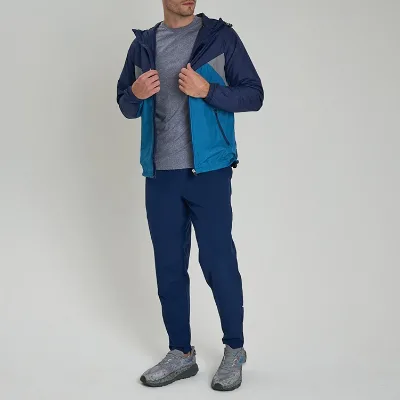
High-Quality Windproof Tracksuit with Custom Design and Color Block Windproof Jacket
$12.00 - $20.00
MOQ: 600 Pieces
Wuhan Corhunter Garment Co., Ltd.
- Verified by Intertek
- Trading Company
- Lead time30 days
- Avg. response≤ 4h
Main productsTactical Uniform, Security Guard Uniform, Workwear, Camouflage Fabric, Tactical Gear
Main marketsAfrica(20%), North America(15%), South America(15%)
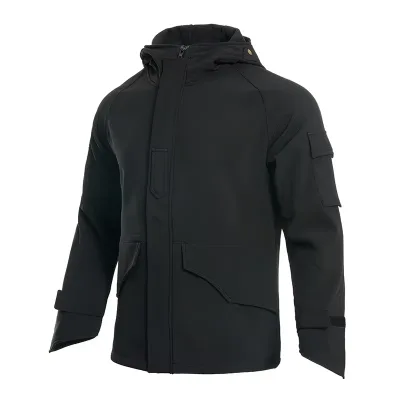
Customized Train Tactical Jacket Windproof Waterproof Coat
$15.00 - $18.00
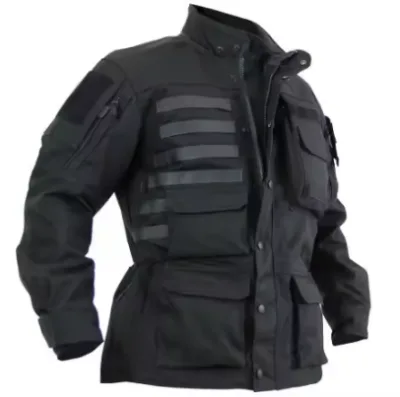
Customizable ripstop training jacket
$23.00 - $25.50

Jiangxi Saloong Garment Co., Ltd
- Verified by BV
- Trading Company,Manufacturer/Factory
- China Jiangxi
- Lead time60 days
- Avg. response≤ 3h
Main productsPolar Fleece Jacket, Softshell Jacket, Work Wear, Overall, Windbreaker, Ski Suit, Winter Quilted Jacket, Fishing Jacket, Rain Jacket, Waterproof Jacket
Main marketsSouth America,Eastern Europe,North America,Southeast Asia,Western Europe,Africa

Wholesale Mountaining Sports Coat Outdoor Windbreaker Waterproof Jacket
$15.00 - $18.00
MOQ: 500 Pieces


2.5 Layer Custom Outdoor Waterproof Breathable Windproof Waterproof Windbreaker Jacket
$23.50 - $29.50
MOQ: 1000 Pieces

$7.75 - $10.50
MOQ: 1000 Pieces
Jiangxi Xiaokonglong Rainproof Products Co., Ltd.
- Verified by SGS Group
- Manufacturer, Trading Company
- Lead time3 days
- Avg. response≤ 2h
Main productsWindbreaker, Raincoat, Rainproof Jacket, Children's Raincoat, Motorcycle Riding Suit
Main marketsWestern Europe(30%), Domestic Market(28%), North America(15%)
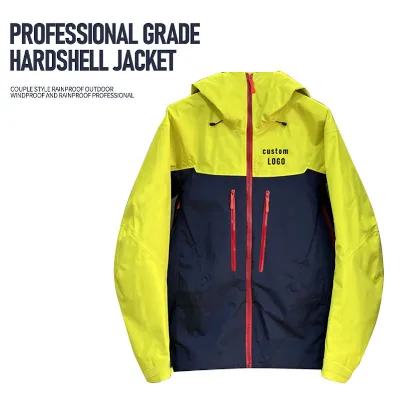
$49.7518 - $53.1515
MOQ: 300 dozens
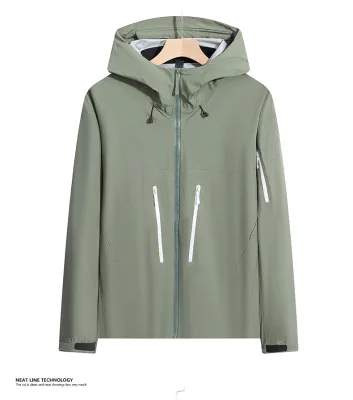
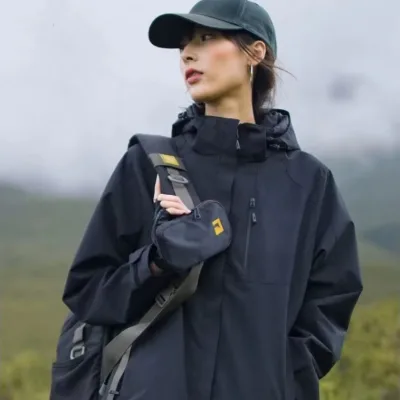
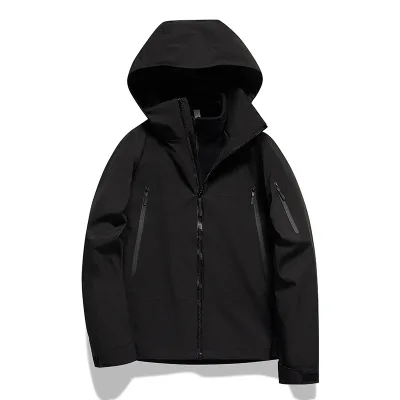
$43.48 - $47.0626
MOQ: 1000 pieces
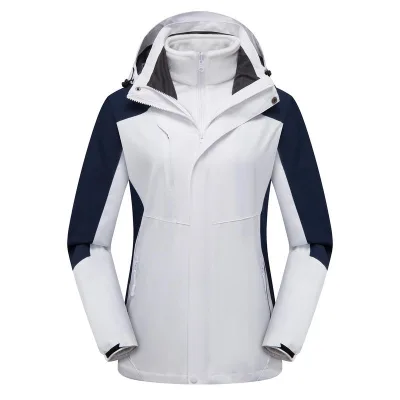
Waterproof Outdoor Jacket for Trekking Two-Piece Set with Fleece Lining Raincoat
$26.249
MOQ: 1 Minimum
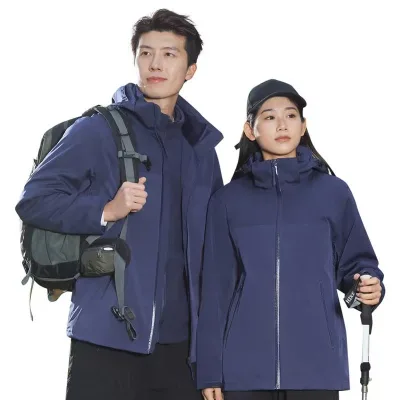
Two-Piece Outdoor Jacket with Windproof and Waterproof Liner for Wet and Blustery Days
$25.2671 - $26.8321
MOQ: 2 sets

Hangzhou Yanli Rainwear Co., Ltd.
- Verified by SGS
- Combined
- China Zhejiang
- Lead time15 days
- Avg. response≤ 2h
Main productsRaincoat, Rainsuit
Main marketsSouth America,Africa,Europe

Fujian Rachel Import & Export Trade Co., Ltd.
- Verified by TUVRHEINLAND
- Trading Company,Manufacturer/Factory
- China Fujian
- Lead time75 days
- Avg. response≤ 13h
Main productsWaterproof Jacket Outdoor Jacket Ski Jacket, Fleece Jacket Down Jacket Padding Jacket, Yoga Pant Yoga Top T-Shirt, Hoody Jacket Sport Wear Shirt
Main marketsSouth America,Eastern Europe,Mid East,North America,Southeast Asia,Western Europe

New Waterproof Windproof Jacket Raincoat Men Sportswear Outdoor Hooded Jackets
$12.50 - $15.00
MOQ: 1000 piece

Spring and Autumn Outdoor Jacket Men Sports Waterproof Windproof Jacket
$23.50 - $25.50
MOQ: 1000 piece

Men Waterproof Rain Jacket Running Blue Waterproof Coat Outdoor Windbreak Jacket
$19.80 - $21.50
MOQ: 1000 piece

Men's Outdoor Rain Winter Work Jackets Coats Waterproof Windproof Windbreaker Jacket
$18.00 - $20.00
MOQ: 1000 piece

Custom Men's Waterproof Windproof Breathable Jacket Raincoat Windbreaker Jacket
$19.00 - $24.00
MOQ: 1000 piece

Lightweight Men Windbreaker Breathable Rain Jacket Outdoor Waterproof Windproof Hoody Jackets
$12.50 - $15.00
MOQ: 1000 piece
- Verified by SGS Group
- Manufacturer, Trading Company
- Lead time0 days
- Avg. response≤ 4h
Main productsFishing Wader, Waterproof Jacket, Rain Coat, Rubber Boots
Main marketsEastern Asia(50%), Eastern Europe(25%), Western Europe(10%)
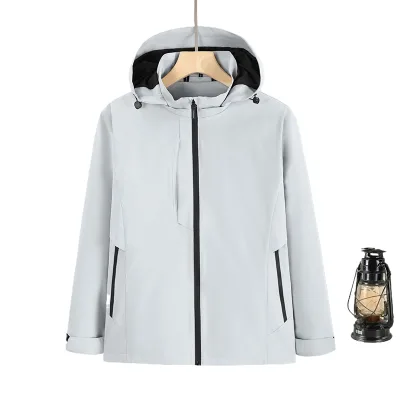
Higher Cost Performance Moss Hooded Waterproof Windproof Raincoat Jacket
$13.2721 - $15.0215
MOQ: 101 pieces
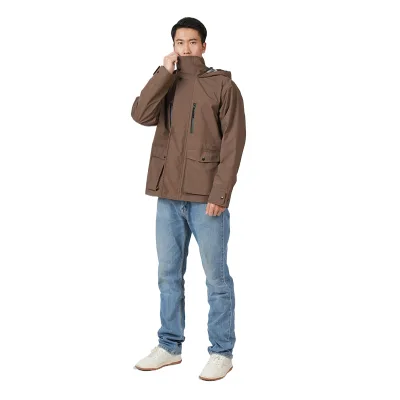
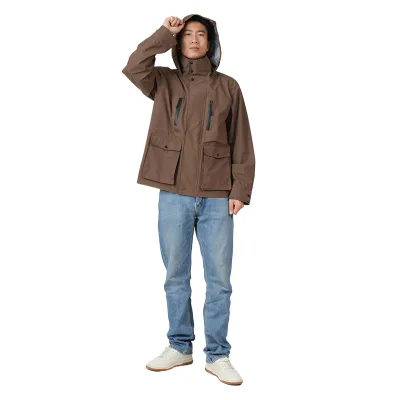
$30.8719 - $33.9793
MOQ: 2 pieces
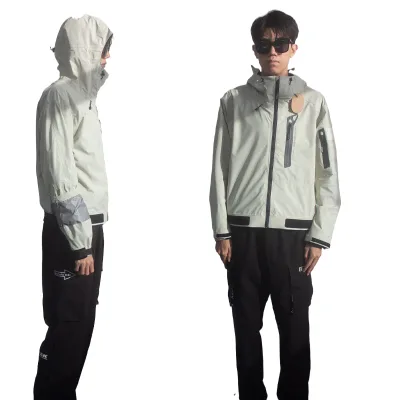
OEM Fabric Color Waterproof Rain Jackets Outdoor Motorcycle Hiking Waterproof Jacket
$32.9225 - $34.4665
MOQ: 100 pieces
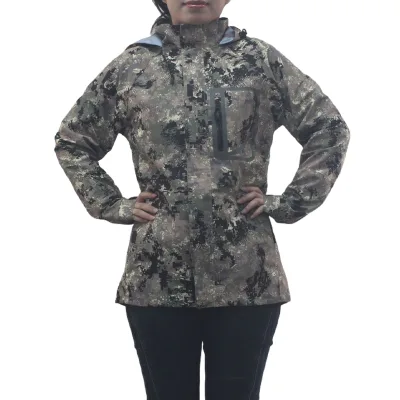
Custom High Quality Outdoor Camping Waterproof Windbreaker Jacket for Women
$31.7473 - $38.0146
MOQ: 2 pieces
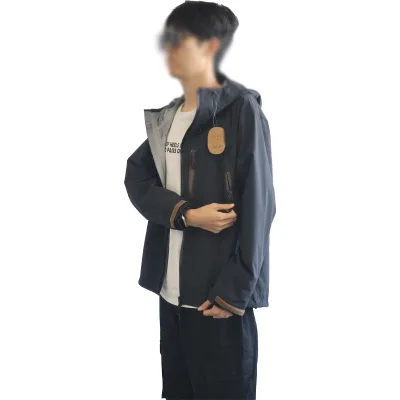
$32.1146 - $35.1186
MOQ: 2 pieces

Fuzhou Voshine Garments Co., Ltd.
- Trading Company
- China Fujian
- Lead time0 days
- Avg. response≤ 4h
Main products3-Layer Hardshell Jackets, Waterproof Jackets, Softshell Jackets, Windbreakers, Fleece Jackets, Insulated Jackets, Ski Wear, Hiking Pants, Hi-Vis Workwear, Work Jackets and Pants
Guangzhou Yufan Garment Trading Co., Ltd.
- Verified by TüVRheinland
- Trading Company
- Lead time30 days
- Avg. response≤ 2h
Main productsWindbreaker Jacket, Outdoor Jacket, Puffer Jacket, Down Jacket, Down Vest
Main marketsNorth America(50%), Domestic Market(40%), Eastern Europe(5%)
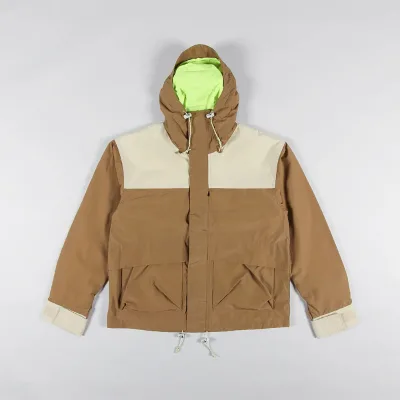
Custom logo Waterproof Outdoor Mountain Jacket Utility Brown Wholesale Windbreaker Tracksuits
$13.3936 - $22.6664
MOQ: 50 pieces
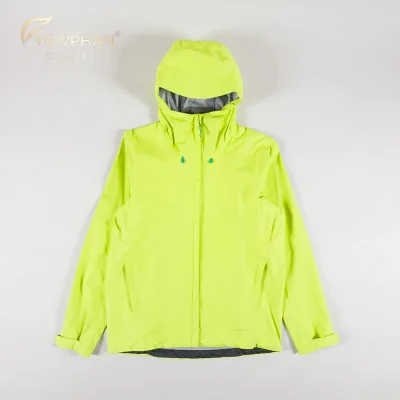
Phosphorus Green Hooded Windbreaker Jacket Outdoor Jacket Waterproof Windproof
$18.4062 - $42.9464
MOQ: 50 pieces
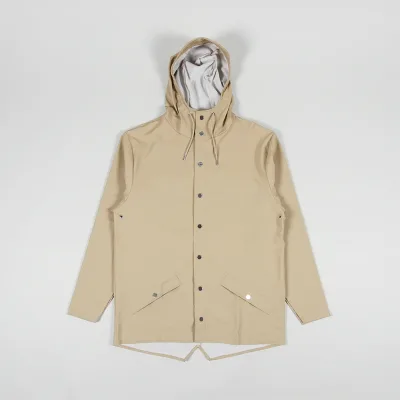
Men Khaki Rain Jackets Waterproof Custom logo Wind and Rain Breaker Jackets
$16.4845 - $36.0599
MOQ: 50 pieces

Yancheng Chimei Apparel Co., Ltd.
- Verified by CTI
- Trading Company
- China Jiangsu
- Lead time30 days
- Avg. response≤ 4h
Main productsT Shirt, Hoodie, Jacket
Main marketsSouth America,Europe,Australia,North America
Fujian Flame Industry And Trade Co., Limited
- Verified by SGS Group
- Manufacturer, Trading Company
- Lead time0 days
- Avg. response≤ 6h
Main productsHiking Jacket, Running Jacket, Heated Jacket, Rain Suites, Garment Accessories
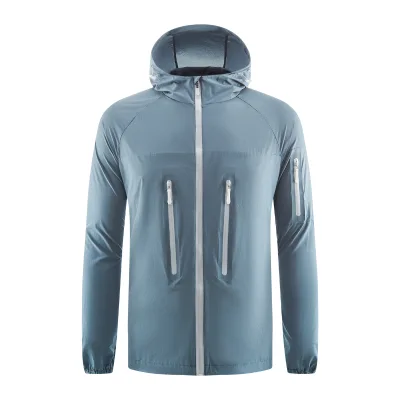
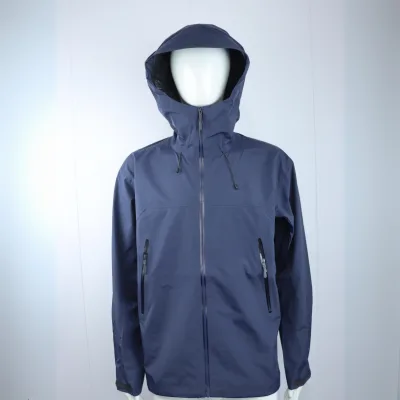
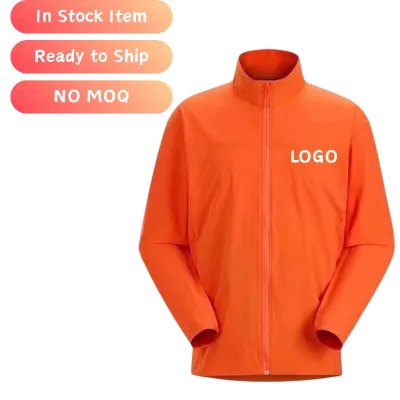
$39.3023 - $46.5425
MOQ: 2 pieces

- Verified by CTI
- Trading Company
- China Anhui
- Lead time23 days
- Avg. response≤ 2h
Main productsFurniture, Home Furniture
Main marketsSoutheast Asia/ Mideast
Hubei Hui Li Apparel Co., Ltd.
- Verified by SGS Group
- Manufacturer, Trading Company
- Lead time30 days
- Avg. response≤ 5h
Main productsPuffer Jacket, Varsity Jacket, Windbreaker, Hoodie, Jeans
Main marketsNorth America(60%), Western Europe(20%), Oceania(18%)
Dongguan Aogu sportswear Co., Ltd.
- Verified by SGS Group
- Manufacturer, Trading Company
- Lead time25 days
- Avg. response≤ 7h
Main productsHoodie, Sweatshirt, Pants, T-shirt, Yoga Wear
Main marketsNorth America(30%), Western Europe(20%), Oceania(10%)

Guangzhou Nolai Garment Co., Ltd.
- Verified by TUVRHEINLAND
- Combined
- China Guangdong
- Lead time30 days
- Avg. response≤ 1h
Main productsT Shirt, School Uniform
Main marketsDomestic


Unisex Windproof Jacket Outdoor Protective Waterproof Coat Full Season Windbreaker
$6.34 - $7.04
MOQ: 100 Pieces


Fultex Apparel (xiamen) Co., Ltd.
- Verified by SGS Group
- Manufacturer, Trading Company
- Lead time100 days
- Avg. response≤ 1h
Main productsSki Jacket, Down Jacket, 3 In 1 Jacket, Softshell Jacket, Outdoor Jacket
Main marketsDomestic Market(37%), Eastern Europe(30%), North America(13%)
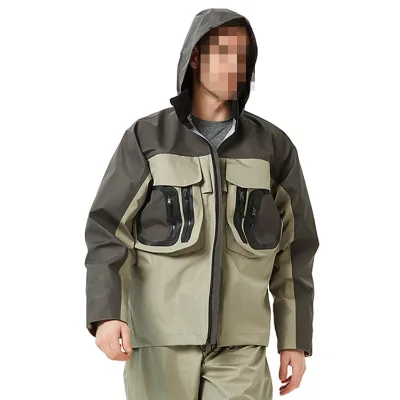
Outdoor Unisex Windbreaker Hooded Breathable and Wading Fishing Waterproof Jacket
$46.2666 - $69.3992
MOQ: 100 pieces
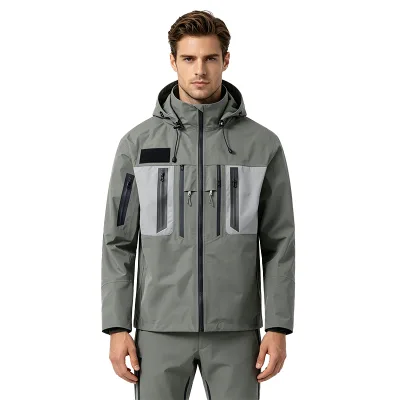
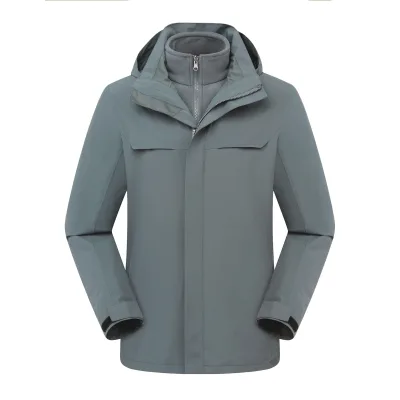
$25.7213 - $38.5813
MOQ: 100 pieces
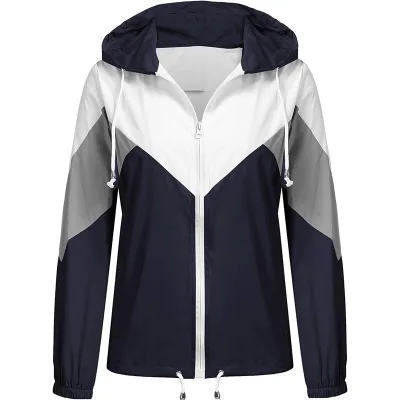
$31.8837 - $37.0283
MOQ: 500 pieces

Shenzhen Elite Clothing Co., Ltd.
- Verified by TUVRHEINLAND
- Trading Company
- China Guangdong
- Lead time30 days
- Avg. response≤ 12h
Main productsPolo Shirts T Shirts, Hoodies and Sweatshirts, Sportswear, Shorts Pants, Work Wear High Visibility Clothing, Dress Shirts, Tank Tops, Basketball Uniforms, Baseball Uniforms, Jackets
Main marketsAustralia

Coat Windbreaker Lightweight Waterproof Rain Jackets Outdoor Durable Rain Jackets
$6.00 - $11.00
MOQ: 100 Pieces

Lightweight Waterproof Raincoats Jacket Windbreaker Apparel Windbreaker Jacket
$6.00 - $11.00
MOQ: 100 Pieces

Fuzhou Changtai Textile Co., Ltd.
- Manufacturer
- China Fujian
- Lead time60 days
- Avg. response≤ 17h
Main productsJacket, Softshell Jacket, Padding Jacket, Wind Jacket, Safety Jacket, Reflective Jacket, Down Jacket, Rain Wear, Sports Wear, Outdoor Wear
Main marketsEurope,Australia


Lightweight Waterproof Windbreaker Zipper Hooded Jacket Raincoat for Outdoor Hiking Cycling
$12.63 - $15.32
MOQ: 200 Pieces


Unisex Lightweight Outdoor Windproof Waterproof Comfortable Windbreaker Jacket
$15.20 - $18.80
MOQ: 200 Pieces


Customized Logo Waterproof Breathable Long Rain Wear Windbreaker Jacket for Outdoor Activities
$12.56 - $16.89
MOQ: 200 Pieces
Sanmen Aoyou Outdoor Products Co., Ltd.
- Trading Company
- Zhejiang, China
- Lead time15 days
- Avg. response≤ 1h
Main productsoutdoor jacket,fleece jacket,sun protection clothing,kids jacket,t-shirt
Main marketsDomestic Market(30.00%), Northern Europe(17.00%), Central America(15.00%), Oceania(7.00%), South Asia(6.00%), Eastern Asia(5.00%), Mid East(5.00%), Eastern Europe(5.00%), Southern Europe(3.00%), Southeast Asia(3.00%), Western Europe(2.00%), North America(1.00%), South America(1.00%)
Dongguan Hongyan Clothing Co., Ltd.
- Verified by Intertek
- Trading Company
- Lead time0 days
- Avg. response≤ 3h
Main productsMen's Woven Tracksuit, Unisex Knitted Hoodie&Jogger Set, Men's t shirt &shorts set
Main marketsWestern Europe(95%), North America(5%)

Fuzhou Rongyuanda Garment Co., Ltd.
- Combined
- China Fujian
- Lead time45 days
- Avg. response≤ 7h
Main productsReflective Jacket, Workwear, Parka, Hi Vis Jacket, Softshell Jacket, Fleece Jacket, Body Warmer, Windbreaker, Rainsuit, Bomber Jacket
Main marketsSouth America,Africa,Southeast Asia/ Mideast,East Asia(Japan/ South Korea),Europe,Australia,North America


Lightweight Waterproof Outdoor Running Sports Windbreaker Jacket with Detachable Hood
$7.90 - $16.90
MOQ: 500 Pieces

Jiangxi Fujohn Garment Co. Ltd.
- Verified by SGS
- Combined
- China Jiangxi
- Lead time30 days
- Avg. response≤ 3h
Main productsRaincoat, Rainsult, Rainwear, Pet Raincoat, Raincoat for Bike/Motorcycle, High Visibility Raincoat, Kids Raincoat, Fishing Pants, Rain Poncho, Rain Jacket & Windbreaker
Main marketsDomestic
Xiamen Yingdilade E-commerce Co., Ltd.
- Verified by TüVRheinland
- Manufacturer, Trading Company
- Lead time45 days
- Avg. response≤ 3h
Main productsDown Jacket, One Piece Ski Suit, Waterproof Jacket, Ski Jacket, Workwear
Main marketsNorth America(70%), Western Europe(20%), South America(2%)
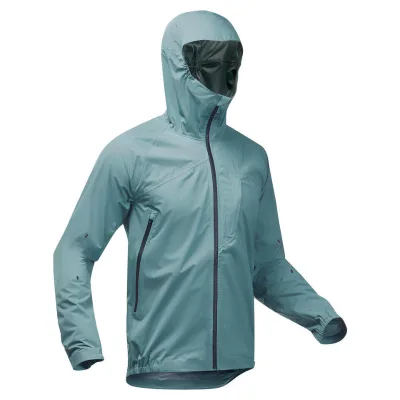
Outdoor Windbreaker Men's Windproof and Waterproof Jackets Hooded Mountaineering Jackets Custom logo
$41.80 - $49.80
MOQ: 100 pieces
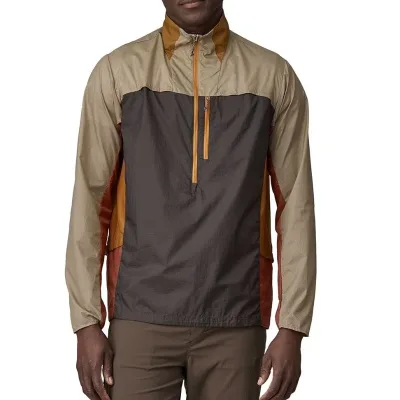
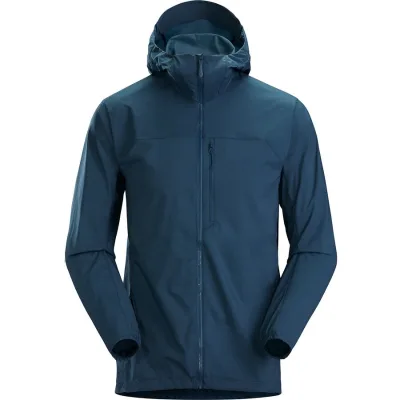
New Arrival Wholesale Mens Windbreaker Jacket High Quality Custom Windbreaker Jackets
$16.3721 - $34.1232
MOQ: 100 pieces
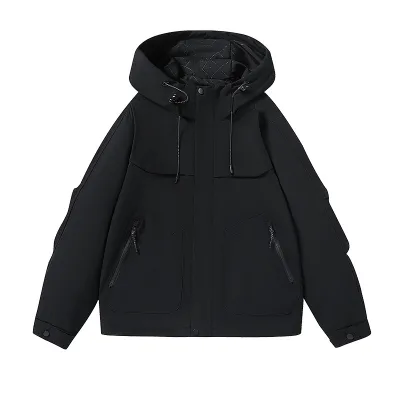
Jacket Waterproof Windproof Autumn Outdoor Travel Sports Unisex Loose Fitting
$26.40 - $38.40
MOQ: 100 pieces
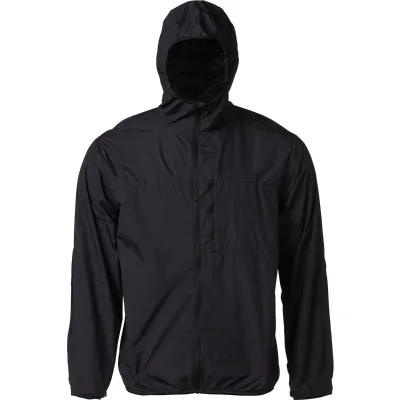
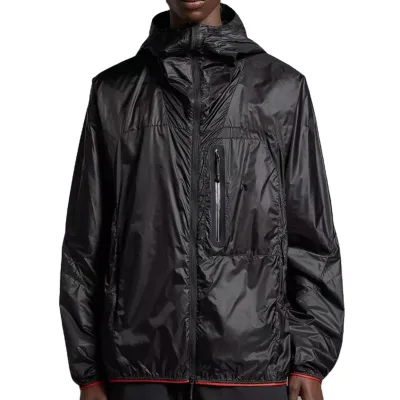
Factory Custom Printed Outdoor Windbreaker Jacket Mens Softshell Lightweight Packable Rain Jacket
$32.90 - $38.90
MOQ: 100 pieces

Kinglong Protective Products (Hubei) Co., Ltd.
- Verified by TUVRHEINLAND
- Combined
- China Hubei
- Lead time60 days
- Avg. response≤ 2h
Main productsWork Clothes, Workwear, Coveralls, Work Garment, Uniforms, Pants, Cargo Pants, Leisure Pants, Outdoor Wear
Main marketsSouth America,Southeast Asia/ Mideast,Europe
- Manufacturer, Trading Company, Buying Office
- Fujian, China
- Lead time0 days
- Avg. response≤ 2h
Main productsdrysuit,jacket,wader,skisuit,bag
Main marketsNorth America(40.00%), Eastern Europe(15.00%), South America(15.00%), Domestic Market(5.00%), Southern Europe(5.00%), Northern Europe(5.00%), Central America(5.00%), Western Europe(5.00%), Oceania(5.00%)
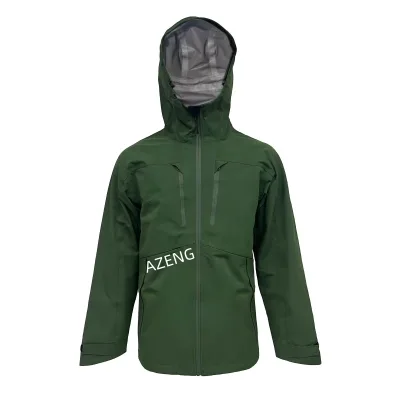
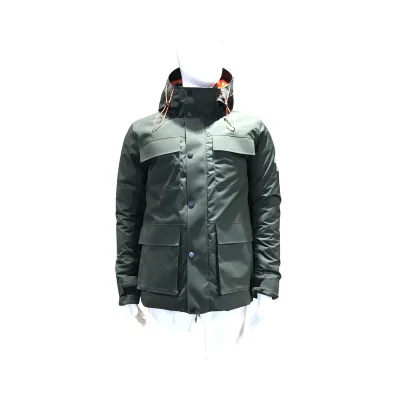
$30.5361 - $51.1129
MOQ: 100 pieces

Guangzhou Ouzun Clothing Co., Ltd.
- Verified by CTI
- Combined
- China Guangdong
- Lead time23 days
- Avg. response≤ 2h
Main productsUniforms, Pants, Suits&Blazer, T Shirt, Polo Shirt, Sportswear, Jacket, Hoodies&Sweatshirts
Main marketsDomestic


Windbreaker Coat Jacket Mens Lightweight Windproof for Outdoor Sports Hiking
$9.19 - $15.99
MOQ: 100 Pieces


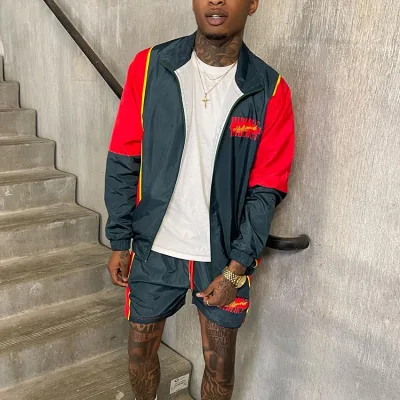
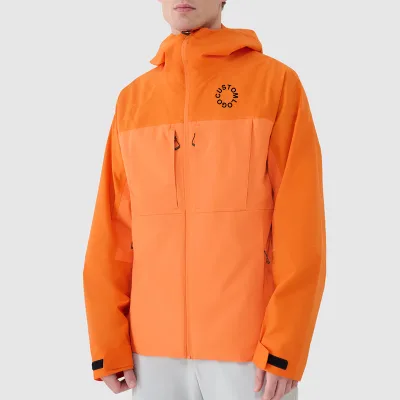
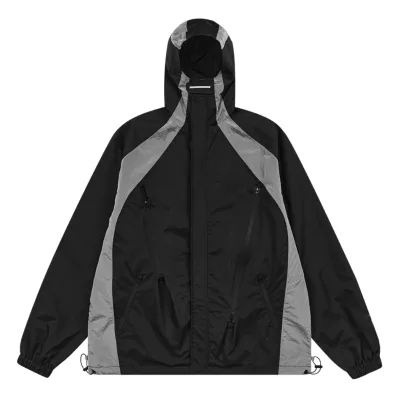
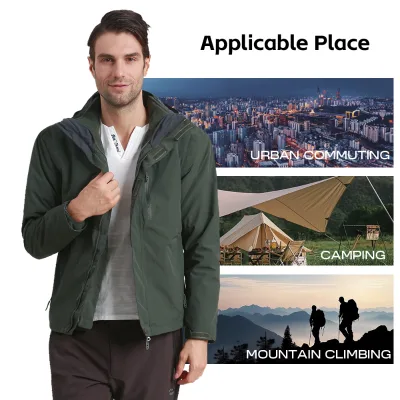
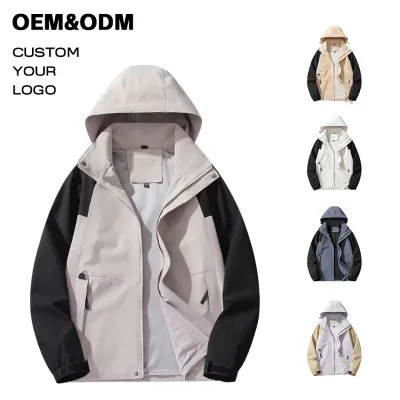
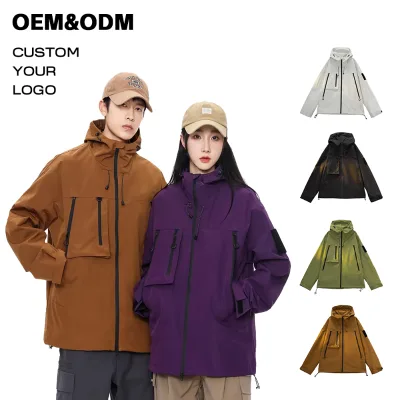
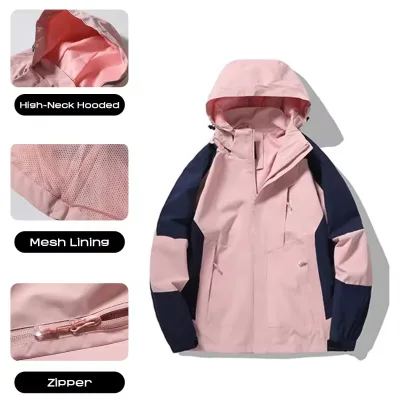
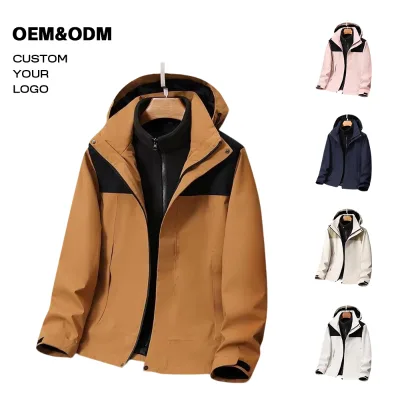
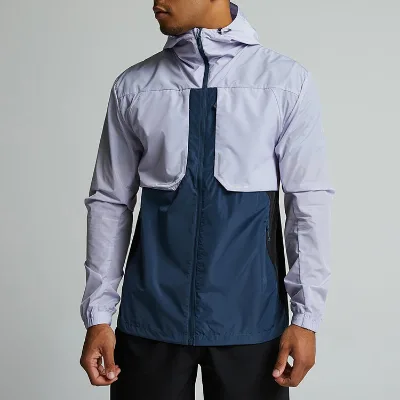


Comprehensive Sourcing Guide
Waterproof Windproof Coated Track Jacket Supplier Concentration and Factory Types
The sourcing landscape for waterproof windproof coated track jackets reveals a distinct concentration of manufacturing capabilities within specific Chinese provinces, particularly Fujian and Jiangxi. These regions have emerged as primary hubs for apparel production, offering a dense ecosystem of suppliers who specialize in technical outerwear and performance fabrics. Buyers evaluating these clusters will find that the local infrastructure supports the complex requirements of coated materials, which often demand specialized machinery for lamination and sealing processes that are not universally available in general garment factories. The presence of these suppliers in Fujian and Jiangxi indicates a mature supply chain where raw material access, such as polyester and cotton blends, is readily available, reducing logistical friction for both domestic and international orders. This geographic clustering allows for efficient coordination between fabric mills and cutting rooms, ensuring that the specific technical attributes of windproof and waterproof coatings are maintained throughout the production cycle without compromising the integrity of the track jacket design.
Within these manufacturing hubs, the supplier base is diverse, comprising both trading companies and direct manufacturers, each offering different advantages for sourcing waterproof windproof coated track jackets. Trading companies often provide a broader portfolio of styles and may facilitate easier communication for buyers who require consolidated shipping from multiple product lines, while manufacturers typically offer deeper control over the production process, including the application of waterproof coatings and windproof membranes. The distinction is critical because the quality of the coating application directly impacts the garment’s performance, and direct factory involvement can ensure stricter adherence to technical specifications. Buyers should assess whether a supplier’s primary business model aligns with their volume needs and quality expectations, as trading companies may act as intermediaries that add cost but also provide value-added services like quality inspection and logistics coordination. Understanding this dynamic helps buyers navigate the supplier landscape more effectively, ensuring they select partners who can reliably deliver the technical performance required for track jackets in competitive markets.
How to Verify Waterproof Windproof Coated Track Jacket Suppliers
Verifying the credibility of suppliers for waterproof windproof coated track jackets requires a rigorous examination of their certification portfolios and third-party verification status. Buyers should prioritize suppliers who hold recognized system certifications such as BSCI, ISO 9001, SEDEX, and ISO 14001, as these indicate a commitment to ethical labor practices, quality management, and environmental responsibility. The presence of these certifications is particularly important for technical apparel, as it suggests that the supplier has established processes for maintaining consistency in product quality, which is essential for garments that must meet specific waterproof and windproof standards. Additionally, verification badges from reputable inspection agencies like BV or Intertek provide an extra layer of assurance regarding the supplier’s operational legitimacy and financial stability. Buyers should request copies of these certificates and verify their validity through the issuing bodies, ensuring that the certifications are current and cover the specific facilities that will be producing the track jackets. This due diligence helps mitigate the risk of engaging with suppliers who may lack the necessary infrastructure or ethical standards to produce high-quality technical outerwear.
Beyond certifications, buyers must assess the supplier’s response time and verification history to gauge their reliability and operational efficiency. A supplier’s response time, often measured in hours, can serve as an indicator of their customer service quality and organizational structure; faster response times generally suggest a more responsive and organized team capable of handling complex sourcing requests. For instance, some suppliers demonstrate response times as low as 2.68 hours, which reflects a high level of engagement and readiness to address buyer inquiries promptly. This responsiveness is crucial during the sampling and negotiation phases, where quick feedback can accelerate the sourcing timeline and prevent delays. Furthermore, buyers should review the supplier’s verification status and any available audit reports to understand their production capabilities and compliance history. By combining certification checks with an analysis of response metrics and verification badges, buyers can build a comprehensive profile of each potential supplier, ensuring they partner with entities that are not only certified but also operationally efficient and transparent in their business practices.
What to Compare Across Waterproof Windproof Coated Track Jacket Suppliers
When evaluating suppliers for waterproof windproof coated track jackets, buyers must carefully compare key operational metrics such as lead times, minimum order quantities, and response speeds to determine the best fit for their business needs. Lead times vary significantly across the supplier base, with some offering rapid turnaround options while others require longer production windows, such as 30 or 60 days, to accommodate complex manufacturing processes. Understanding these lead time differences is essential for inventory planning and meeting seasonal demand, especially for track jackets that may be subject to fashion trends or weather-dependent sales cycles. Similarly, minimum order quantities (MOQs) can range from small batches suitable for testing markets to large volumes required for mass production, with some suppliers setting MOQs at 600 pieces or higher. Buyers should align these MOQs with their sales forecasts and storage capabilities, ensuring they do not overcommit to inventory that may not sell quickly. Comparing these metrics across multiple suppliers allows buyers to identify those who offer the most favorable balance of speed, volume flexibility, and cost efficiency for their specific sourcing requirements.
In addition to operational metrics, buyers should compare the technical specifications and customization options available from different suppliers to ensure the final product meets their brand’s standards. Attributes such as shell material composition, feature sets like windproof and waterproof capabilities, and customization options for logos and designs are critical differentiators in the track jacket market. Some suppliers offer OEM services with customizable printing methods and design options, allowing buyers to create unique products that stand out in the market. Others may focus on standard designs with fixed specifications, which can be advantageous for buyers seeking consistency and simplicity. Buyers should also consider the supplier’s main product focus, as those specializing in outdoor and sports apparel may have deeper expertise in technical fabrics and construction techniques compared to general apparel manufacturers. By systematically comparing these technical and customization attributes, buyers can select suppliers who not only meet their logistical needs but also provide the product quality and design flexibility required to succeed in the competitive track jacket market.
Common Waterproof Windproof Coated Track Jacket Sourcing Risks
One of the primary risks in sourcing waterproof windproof coated track jackets is the potential inconsistency in product quality, particularly regarding the durability and effectiveness of the waterproof and windproof coatings. These technical features are often achieved through specialized manufacturing processes that require precise control over temperature, pressure, and material application, and any deviation can result in garments that fail to perform as expected. Buyers may encounter issues such as peeling coatings, reduced breathability, or inadequate wind resistance, which can lead to customer dissatisfaction and returns. To mitigate this risk, buyers should request detailed product specifications and test reports that verify the performance of the coatings, ensuring they meet industry standards for waterproofness and windproofness. Additionally, conducting pre-shipment inspections or hiring third-party inspection services can help identify quality issues before the goods are shipped, allowing buyers to address problems early and avoid costly disputes. Understanding these quality risks is essential for maintaining brand reputation and ensuring that the track jackets delivered meet the functional requirements of end-users.
Another significant risk is the lack of transparency in supply chain practices, which can lead to ethical and compliance issues that may damage a buyer’s brand image. Suppliers may not always disclose their full production processes or labor practices, making it difficult for buyers to ensure that their track jackets are produced under ethical conditions. This risk is particularly relevant for buyers who prioritize sustainability and social responsibility in their sourcing decisions. To address this, buyers should verify suppliers’ compliance with international standards such as BSCI, SEDEX, and ISO 14001, which provide frameworks for ethical labor and environmental management. Requesting audit reports and conducting site visits, if possible, can provide deeper insights into the supplier’s operations and help identify any potential red flags. Furthermore, buyers should establish clear contractual terms that outline quality expectations, delivery schedules, and compliance requirements, ensuring that both parties are aligned on their responsibilities. By proactively addressing these supply chain risks, buyers can protect their brand integrity and build long-term relationships with reliable and responsible suppliers.
Waterproof Windproof Coated Track Jacket Regional Sourcing and Logistics
Sourcing waterproof windproof coated track jackets from regional hubs in China, such as Fujian and Jiangxi, offers logistical advantages due to the concentration of manufacturing infrastructure and supply chain networks in these areas. These regions are well-connected to major ports and transportation routes, facilitating efficient export processes and reducing transit times for international shipments. Buyers can benefit from the proximity of fabric mills, accessory suppliers, and finishing facilities, which streamlines the production process and minimizes delays caused by material shortages or logistical bottlenecks. Additionally, the presence of a dense supplier base in these regions fosters competition, which can lead to more favorable pricing and improved service levels. However, buyers must also consider the potential for regional disruptions, such as weather events or policy changes, that could impact production schedules and shipping availability. To mitigate these risks, buyers should diversify their supplier base across different regions and maintain open communication with their partners to stay informed about any potential disruptions. Understanding the logistical landscape of these sourcing regions is crucial for planning effective supply chain strategies and ensuring timely delivery of track jackets to global markets.
Logistics planning for waterproof windproof coated track jackets also involves managing packaging and shipping requirements to protect the garments during transit. These jackets, often made from delicate coated materials, require careful handling to prevent damage to the waterproof and windproof layers. Buyers should work with suppliers to establish standardized packaging protocols, such as using PE bags and cartons that provide adequate protection against moisture and physical impact. Additionally, considering the weight and volume of the shipments is essential for optimizing freight costs, as track jackets can be bulky and heavy depending on the materials used. Buyers should collaborate with their suppliers to determine the most cost-effective shipping methods, whether by sea, air, or rail, based on their urgency and budget constraints. For larger orders, sea freight may be the most economical option, while air freight may be necessary for urgent replenishments or smaller batches. By carefully planning the logistics and packaging aspects of their sourcing strategy, buyers can ensure that their track jackets arrive in pristine condition and at competitive shipping costs, enhancing overall supply chain efficiency.
Waterproof Windproof Coated Track Jacket Commercial Terms and Order Planning
Commercial terms for waterproof windproof coated track jackets often include specific pricing structures that reflect the complexity of the manufacturing process and the quality of materials used. Prices can vary based on factors such as the type of coating, fabric composition, and customization requirements, with some suppliers offering competitive rates for standard designs while charging premiums for bespoke features. Buyers should request detailed quotations that break down costs for materials, labor, and overhead, allowing them to compare offers accurately and identify any hidden fees. Additionally, understanding the payment terms and currency options is crucial for managing cash flow and minimizing financial risk. Many suppliers offer flexible payment arrangements, such as deposits and balance payments upon shipment, which can help buyers manage their working capital effectively. By negotiating favorable commercial terms and maintaining clear communication about pricing and payment expectations, buyers can build strong financial relationships with their suppliers and ensure a smooth transaction process for their track jacket orders.
Order planning for waterproof windproof coated track jackets requires careful coordination of production schedules, inventory management, and market demand forecasts to avoid stockouts or excess inventory. Buyers should work closely with their suppliers to establish realistic production timelines, taking into account lead times, sampling processes, and potential delays. For seasonal products, timing is critical, and buyers must ensure that their orders are placed well in advance to meet launch dates and avoid missing market opportunities. Additionally, buyers should consider the flexibility of their suppliers to handle rush orders or adjustments in production volumes, which can be valuable in responding to unexpected market changes. By developing a robust order planning strategy that incorporates these factors, buyers can optimize their supply chain operations and ensure that they have the right products available at
FAQs
What is the price range for waterproof windproof coated track jackets?
Prices typically range from $12 to $25.50 per unit depending on material and customization. Polyester options start around $12, while specialized tactical or ripstop versions cost up to $25.50. Buyers should confirm exact pricing based on order volume and specific feature requirements.
What is the minimum order quantity for these jackets?
The minimum order quantity is generally 600 pieces. This standard MOQ applies to most polyester-based outdoor and tactical jackets. Buyers seeking smaller quantities may need to negotiate directly with suppliers or look for stock items, though bulk orders usually secure better pricing tiers.
How long does production take for custom orders?
Lead times vary significantly by supplier, ranging from zero days for stock items to 60 days for complex custom orders. Some manufacturers offer rapid turnaround, while others with extensive OEM/ODM capabilities require up to two months. Always verify current production schedules before finalizing contracts.
Are these jackets available with custom logos and designs?
Yes, customization is widely available including custom logos, designs, and colors. Suppliers offer printing methods such as heat transfer, embroidery, and digital printing. Buyers can request specific quilted patterns, color blocks, or branded patches to meet their unique brand identity and product specifications.
What certifications do these jacket suppliers hold?
Suppliers commonly hold BSCI, ISO 9001, SEDEX, and WRAP certifications. Some also possess ISO 14001 for environmental management or CE marks for specific gear. These certifications ensure compliance with international labor, quality, and safety standards, providing buyers with confidence in manufacturing practices and product reliability.
Where are these jackets manufactured?
Manufacturing locations include Fujian, Jiangxi, and Hubei provinces in China. These regions are known for textile production and garment manufacturing. Buyers can filter suppliers by these specific locations to align with logistics preferences or regional sourcing strategies for their outdoor and tactical apparel needs.