Waterproof Windstopper Ski Jumpsuit Suppliers and Manufacturers
Find 26 verified suppliers offering waterproof windstopper ski jumpsuits with OEM and ODM capabilities. Compare locations in Jiangxi and Beijing, response times, lead times, and certifications like ISO 9001 and BSCI. Request samples to verify product specifications and pricing; review the available evidence before requesting comparable quotations from suitable candidates.
Updated
Suppliers List

Jiangxi Saloong Garment Co., Ltd
- Verified by BV
- Trading Company,Manufacturer/Factory
- China Jiangxi
- Lead time60 days
- Avg. response≤ 3h
Main productsPolar Fleece Jacket, Softshell Jacket, Work Wear, Overall, Windbreaker, Ski Suit, Winter Quilted Jacket, Fishing Jacket, Rain Jacket, Waterproof Jacket
Main marketsSouth America,Eastern Europe,North America,Southeast Asia,Western Europe,Africa

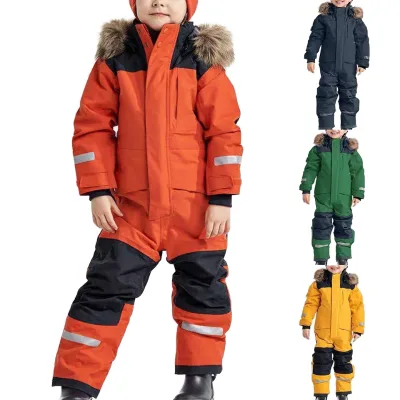
Professional Waterproof Jumpsuit for Skiing and Snow Sports Kids Jumpsuit
$24.50 - $30.96
MOQ: 500 Pieces


Women Men One Piece Snow Suits Waterproof Windproof Snowsuit Insulated Ski Jumpsuit
$45.00 - $55.00
MOQ: 500 Pieces

Winter Warm Outdoor One Piece Ski Suits Jumpsuit Waterproof Windproof Snowsuits
$46.50 - $55.80
MOQ: 500 Pieces


Dongchen Yuncheng (Beijing) Technology Co., Ltd.
- Verified by SGS
- Trading Company
- China Beijing
- Lead time30 days
- Avg. response≤ 1h
Main productsSki Wear, Snowboarding Suits, Ski Pants
Main marketsEurope
Fuzhou Xin Sunshinetex Garment Co., Ltd.
- Verified by SGS Group
- Manufacturer, Trading Company
- Lead time0 days
- Avg. response≤ 6h
Main products3 in 1 Jackets, Outdoor Waterproof Jackets, Ski Jackets, Ski Pants, Hard Shell Jackets
Main marketsDomestic Market(51%), Western Europe(49%)
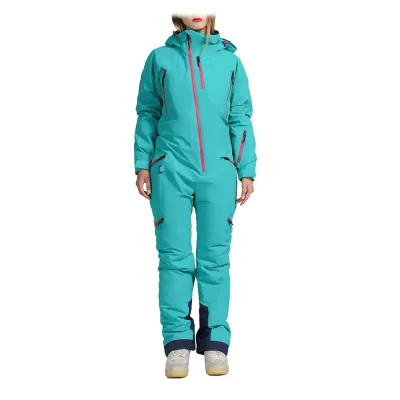
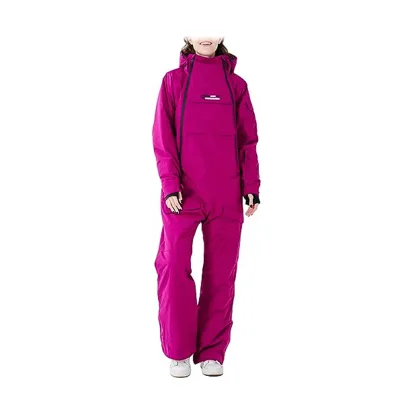
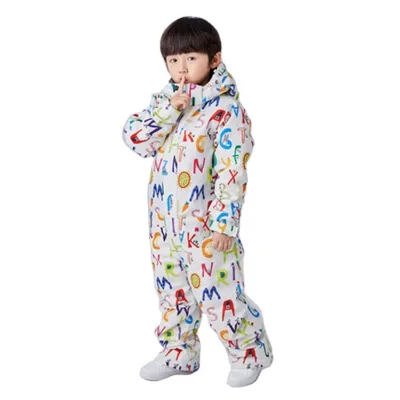
Boy's Ski Suits Conjoined Waterproof Windproof and Warm Ski Clothes and Pants
$14.50 - $20.50
MOQ: 500
Wuhan Jinteng Import & Export Co., Ltd.
- Verified by SGS Group
- Manufacturer, Trading Company
- Lead time30 days
- Avg. response≤ 5h
Main productsTactical Uniform, Tactical Boots, Raincoat, Tactical Back Packs, Tactical Vest
Main marketsNorth America(10%), South America(10%), Western Europe(10%)
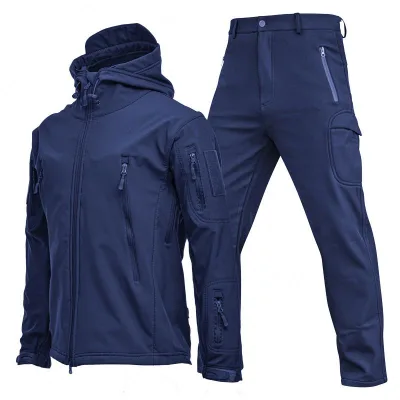
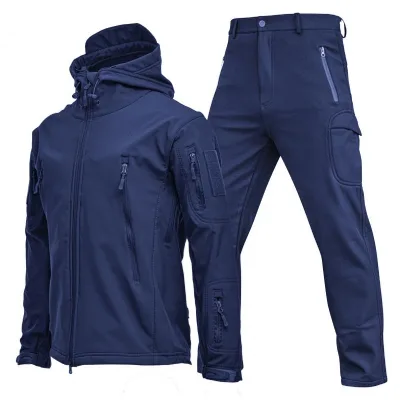
One Pieces Windproof Ski Wear Suit Waterproof Hooded Snowboard Jumpsuit for Snow Sports
$16.0288 - $18.2893
MOQ: 2 sets
$15.60 - $17.80
MOQ: 2 sets
Shenzhen Fly Technology Co., Ltd.
- Manufacturer, Trading Company
- Guangdong, China
- Lead time0 days
- Avg. response≤ 24h
Main productsJackets, Hoodies, Coat, Sport Set, Pants
Main marketsNorth America(50.00%), Oceania(20.00%), Western Europe(10.00%), Northern Europe(10.00%), Eastern Europe(5.00%), Southeast Asia(5.00%)
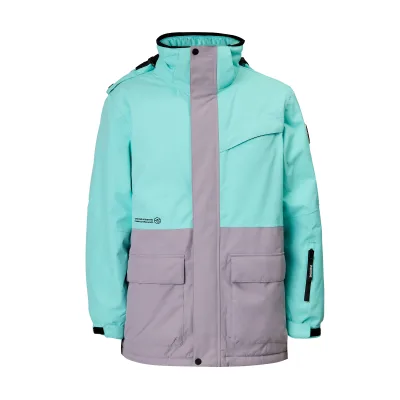
One Pieces Windproof Ski Wear Suit Waterproof Hooded Snowboard Jumpsuit for Snow Sports
$62.25 - $69.98
MOQ: 2 pieces
Fuzhou Longstrong Garment Co., Ltd.
- Manufacturer, Trading Company
- Fujian, China
- Lead time60 days
- Avg. response≤ 5h
Main productsWaterproof Jacket, Padding Jacket Vest, Down Jacket Vest, Softshell Jacket, Workwear
Main marketsWestern Europe(70.00%), North America(30.00%)
Xiamen Yingdilade E-commerce Co., Ltd.
- Verified by TüVRheinland
- Manufacturer, Trading Company
- Lead time45 days
- Avg. response≤ 3h
Main productsDown Jacket, One Piece Ski Suit, Waterproof Jacket, Ski Jacket, Workwear
Main marketsNorth America(70%), Western Europe(20%), South America(2%)
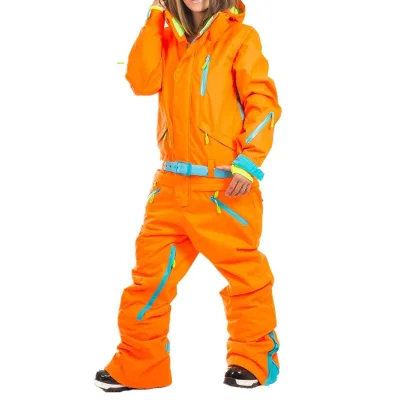
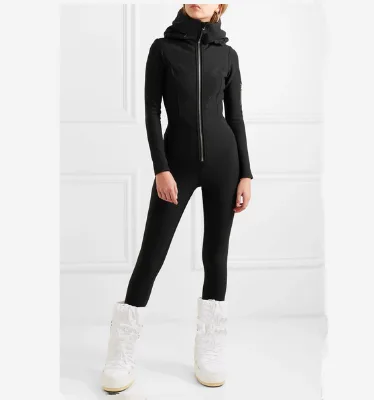
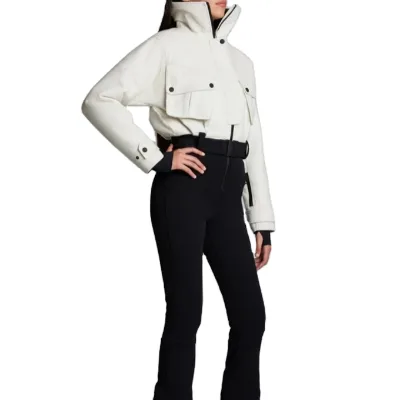
High Quality Fashion Luxury Women Ski Suit One Piece Snow Wear Custom Women Ski Jumpsuits
$85.40 - $97.40
MOQ: 100
Ganzhou Sunpon Garment Co., Ltd.
- Verified by TüVRheinland
- Manufacturer, Trading Company
- Lead time60 days
- Avg. response≤ 6h
Main productsJackets, Rain Jacket, Hoodies& Sweatshirts, Workwear, Pet Clothes
Main marketsWestern Europe(80%), Northern Europe(9%), Eastern Europe(5%)

Jinzhou City Hejin Clothing Co., Ltd.
- Verified by TUVRHEINLAND
- Combined
- China Hebei
- Lead time15 days
- Avg. response≤ 2h
Main productsRaincoat, Wader, Ski Jacket, Rain Jacket, Poncho, Rainwear, Workwear, Rainsuit, Rain Coat, Waterproof Raincoat
Main marketsAustralia,North America

Breathable Windproof Waterproof Cold Weather Insulated Outdoor Adventures Ski Jumpsuit
$28.49 - $30.39
MOQ: 500 Pieces

Heavy-Duty Outdoor Waterproof Ski Jumpsuit for Men and Women Winter Sports
$19.66 - $22.49
MOQ: 500 Pieces

Windproof Waterproof Extreme Sports with Detachable Hood Ski Jumpsuit Overall
$26.39 - $27.99
MOQ: 500 Pieces

Affordable Warm Ski Overall for Snow Enthusiasts and Winter Lovers Jumpsuit
$19.66 - $22.49
MOQ: 500 Pieces

High-Performance Windproof Skating Ski Jumpsuit for Winter Sports Gear Overall
$27.99 - $29.99
MOQ: 500 Pieces

Waterproof Windproof Snow Enthusiasts Wear-Resisting Removable Hood Ski Jumpsuit Coverall
$27.99 - $30.99
MOQ: 500 Pieces

Dongguan Deluo Industry & Trade Co., Ltd.
- Verified by SGS
- Manufacturer/Factory
- China Guangdong
- Lead time23 days
- Avg. response≤ 5h
Main productsHeat Transfer Label, Label, Boxing Shorts, Heat Transfer Logo, Garment Logo, Silicone Label, Bjj Gi Kimono, Brazilian Jiu Jitsu Uniform, Muay Thai Shorts, PVC Patch
Main marketsSouth America,Eastern Europe,Mid East,North America,Southeast Asia,Eastern Asia,Oceania,Western Europe,Africa

Popular Waterproof Women Snow Sports Wear Ski Jumpsuit Skiing Overall Snowboard Suit
$69.99
MOQ: 100 Pieces


Hangzhou Huanwei Trading Co., Ltd.
- Verified by TüVRheinland
- Manufacturer, Trading Company
- Lead time5 days
- Avg. response≤ 3h
Main productsSwimwear & Beachwear, Fitness Yoga Wear, Men's Clothing, Women's Clothing, Training & Jogging Wear
Main marketsNorth America(87%), South America(6%), Eastern Europe(3%)

Great Wall Products Mfg., Ltd.
- Verified by BV
- Manufacturer/Factory
- China Fujian
- Lead time90 days
- Avg. response≤ 3h
Main productsSafe Work Glove, Men Jacket, Workwear, Reflective Jacket, Mechanical Gloves, Labor Gloves, Women Jacket, Children Jacket, Ski Wear, Reflective Pants
Main marketsSouth America,Eastern Europe,North America,Western Europe


Premium Quality Ski Jumpsuit with Waterproof Windproof and Hood Coverall
$36.80 - $38.80
MOQ: 500 Pieces

Factory Direct Waterproof Ski Jumpsuit for Adults Winter Sports Gear Tracksuit Coverall
$36.80 - $38.80
MOQ: 500 Pieces

- Manufacturer, Trading Company
- Fujian, China
- Lead time30 days
- Avg. response≤ 3h
Main productsOutdoor Jackets,Men's Tracksuit,Yoga Sets,Short Sets,Sport Jersey
Main marketsNorth America(33.00%), Northern Europe(32.00%), Southern Europe(18.00%), Oceania(10.00%), Mid East(7.00%)
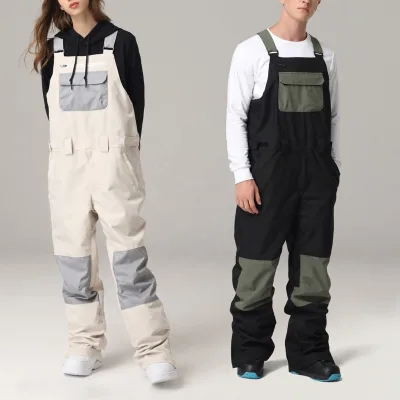
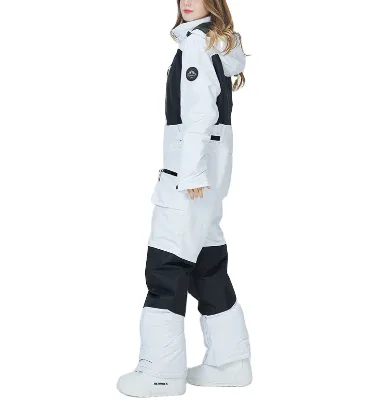
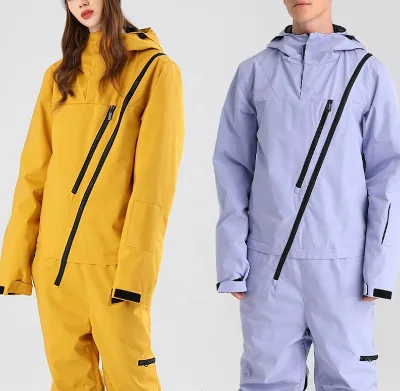
$82.0703 - $102.5916
MOQ: 50 pieces
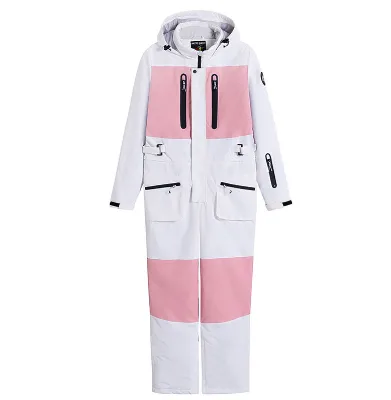
$61.7123 - $92.6202
MOQ: 100 pieces

Antu Clothing Customization (shenzhen) Co., Ltd.
- Manufacturer, Trading Company
- Guangdong, China
- Lead time20 days
- Avg. response≤ 10h
Main productsSki Clothing,Baseball Jacket,Rugby Uniform,Digital Printed Jersey,School Uniform Customization
Main marketsOceania(50.00%), North America(40.00%), South America(5.00%), Eastern Europe(5.00%)
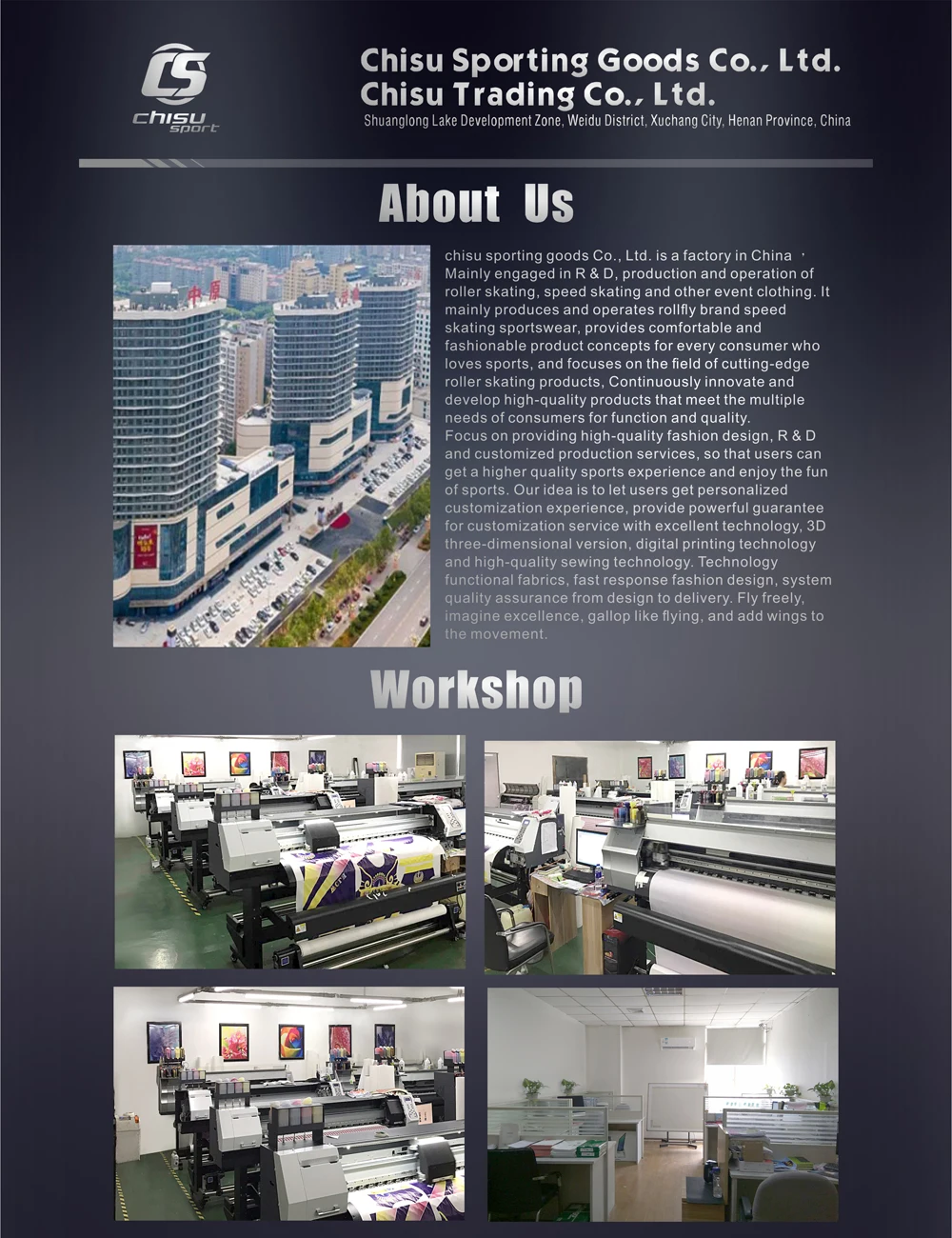
Xuchang Chisu Sports Goods Co., Ltd.
- Manufacturer, Trading Company
- Henan, China
- Lead time0 days
- Avg. response≤ 4h
Main productsskiing suits,skating suits,karting suits,hockey jersey
Main marketsNorth America(30.00%), Eastern Asia(20.00%), Southern Europe(10.00%), Northern Europe(10.00%), Western Europe(10.00%), Eastern Europe(10.00%), Oceania(10.00%)

Hangzhou Manbu Clothing Co., Ltd.
- Verified by BV
- Trading Company
- China Zhejiang
- Lead time30 days
- Avg. response≤ 2h
Main productsYoga Wear, Yoga Set, Workout Wear, Gym Sets, Fitness Wear, Yoga Jumpsuit, Yoga Bra, Yoga Leggings, Ski Wear, Outdoor Wear
Main marketsSouth America,Africa,Southeast Asia/ Mideast,East Asia(Japan/ South Korea),Europe,Australia,North America

Waterproof Snow Jumpsuit for Women Warm Snowboarding Overalls with Fur Collar One-Piece Ski Suits
$116.89 - $129.89
MOQ: 10 Sets

Women's Winter Waterproof Snowboard Hoodie Thickened Warm Ski Jumpsuit One-Piece Ski Suits
$119.89 - $129.89
MOQ: 10 Sets

- Verified by BV
- Trading Company,Manufacturer/Factory
- China Fujian
- Lead time23 days
- Avg. response≤ 3h
Main productsSports Bag, Backpack, Shopping Bag, Swimwear, Beach Dress
Main marketsSouth America,Eastern Europe,Mid East,North America,Southeast Asia,Eastern Asia,Oceania,Western Europe,Africa

SJ-HX1004 Custom Logo windproof and waterproof Snowboarding skiing snow jumpsuit
$83.87 - $113.23
MOQ: 50 Pieces

SJ-HX1003 Customized Unisex waterproof windproof breathable ski jumpsuit
$90.32 - $121.94
MOQ: 200 Pieces
Fultex Apparel (xiamen) Co., Ltd.
- Verified by SGS Group
- Manufacturer, Trading Company
- Lead time100 days
- Avg. response≤ 1h
Main productsSki Jacket, Down Jacket, 3 In 1 Jacket, Softshell Jacket, Outdoor Jacket
Main marketsDomestic Market(37%), Eastern Europe(30%), North America(13%)
Huaian Youtuo Trading Co., Ltd.
- Trading Company
- Jiangsu, China
- Lead time30 days
- Avg. response≤ 2h
Main productsSki jackets,Ski-pants,Underwear,Soft shell,reflective safety clothing
Main marketsNorth America(20.00%), Eastern Europe(15.00%), Western Europe(15.00%), Southern Europe(10.00%), South America(10.00%), Domestic Market(9.00%), Northern Europe(5.00%), Central America(5.00%), Africa(3.00%), Southeast Asia(3.00%), Mid East(3.00%), Oceania(2.00%)
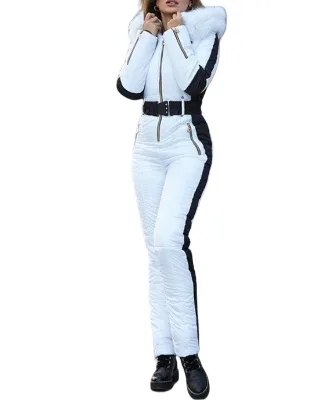
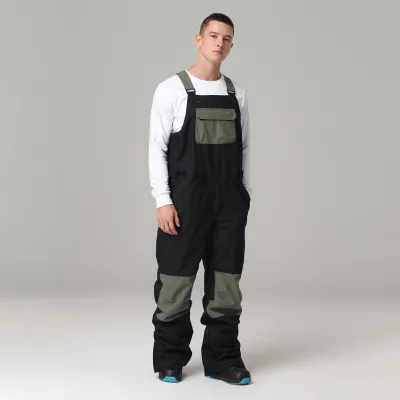
Men and Women's Ski Suit One Piece Jumpsuits Winter Outdoor Suits Waterproof Snowboard Jacke
$25.00 - $45.00
MOQ: 20 sets
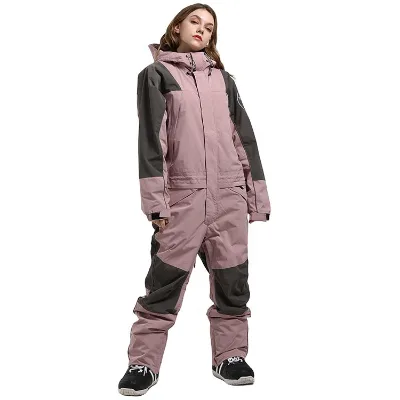
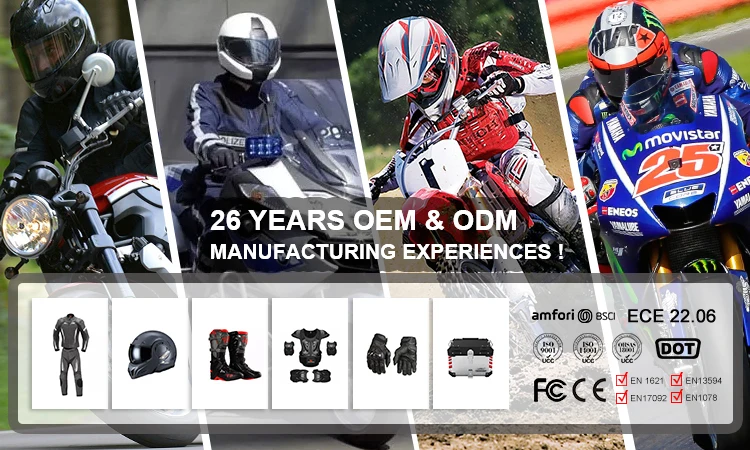
Tingguan (Dongguan) Apparel Accessories And Equipment Co., Ltd.
- Manufacturer, Trading Company
- Guangdong, China
- Lead time25 days
- Avg. response≤ 2h
Main productsski & snow boots and suits,MX Boots and Helmet,Safety Shoes,Hi Vi Clothing,Motorcycle apprael & Accessories
Main marketsEastern Europe(20.00%), North America(20.00%), Southeast Asia(15.00%), Oceania(15.00%), Mid East(10.00%), Northern Europe(10.00%), Southern Europe(3.00%), Western Europe(3.00%), Central America(2.00%), South Asia(1.00%), South America(1.00%)

Guang'an Xinli Garment Co., Ltd.
- Verified by SGS
- Trading Company
- China Sichuan
- Lead time15 days
- Avg. response≤ 8h
Main productsYoga Wear, Shell Jacket, Seamless Polo, Active Wear, Gym Wear, Ski Jacket, Outdoor Jacket, Hoodie
Main marketsNorth America

Unisex One-Piece Insulated Outfit Ski Suit Skiing Overall Outdoor Snow Sports Jumpsuit
$67.50
MOQ: 5000 Pieces


New Unisex Custom Conjoined Ski Suit Waterproof Windproof Breathable for Ski/Mountain
$82.80
MOQ: 5000 Pieces

Hubei Yuyuan Garments Co., Ltd.
- Verified by TUVRHEINLAND
- Combined
- China Hubei
- Lead time60 days
- Avg. response≤ 6h
Main productsOutdoor Clothing, Waterproof Jacket, Ski Jacket, Padded Jacket, 3 in 1 Jacket, Hiking Pants, Ski Pants, Softshell Jacket, Workwear, Windproof Jacket
Main marketsSouth America,Europe

Women's One Piece Ski Suits Waterproof Jumpsuit Warm Breathable Snowsuit for Outdoor Snow Sports
$20.10 - $38.20
MOQ: 800 pcs

Women's One-Piece Ski Suit Waterproof, Windproof Insulated Ski Jacket Snowboard for Outdoor
$20.10 - $35.20
MOQ: 800 pcs
Mengrui (shanghai) Industrial Development Co., Ltd.
- Verified by TüVRheinland
- Trading Company
- Shanghai, China
- Lead time旺季: "1 - 2":10,"3 - 30":20,"31 - 1000":30,"> 1000":"To be negotiated", 淡季: "1 - 2":10,"3 - 30":20,"31 - 1000":30,"> 1000":"To be negotiated"
- Avg. response≤ 7h
Main productsPilates Ring Kit, Yoga Mat Kit, Yoga Ball, Back Posturer Corrector, Massage Roller
Main marketsNorth America(30%), Western Europe(20%), South America(10%)

Xiamen Crownway Apparel Co., Ltd.
- Verified by TUVRHEINLAND
- Trading Company
- China Fujian
- Lead time30 days
- Avg. response≤ 5h
Main productsOutdoor/Ski/Waterproof/Down Jackets, Hiking/ Camping/Waterproof/Ski Pants, Yoga/Gym/Fitness Wear, Active Pants&Shorts, Hoody&Sweatshirt, Beachwear, Underwear, Cycling Wear/Running Wear, Equestrian Clothing/Breeches, Safety/Security Workwear
Main marketsSoutheast Asia/ Mideast,Europe,North America

2021 Fashion Customized Logo One Piece Plain Ski Suits Waterproof White Season Ski Wear Jumpsuits
$65.00 - $110.00
MOQ: 100 Pieces

2021 Fashion Men Women Customized One Piece Ski Suits Waterproof 10000mm Ski Wear Jumpsuits
$77.00 - $100.00
MOQ: 100 Pieces

New Customized Snowboard Suits Waterproof 10000mm Snow Ski Wear One Piece Jumpsuits for Men
$45.00 - $100.00
MOQ: 100 Pieces

Fujian Jerry Garment Co., Ltd.
- Manufacturer
- China Fujian
- Lead time30 days
- Avg. response≤ 12h
Main productsJacket, Softshell Jacket, Padding Jacket, Down Wear, Ski Wear, Windbreak Jacket, Knit Fleece Jacket, PU Raincoat, 3 Layer Jacket, Sport Wear
Main marketsSouth America,Europe,Australia
Shijiazhuang Longai Import & Export Trade Co., Ltd.
- Verified by SGS Group
- Manufacturer, Trading Company
- Lead time45 days
- Avg. response≤ 5h
Main productsRain Wear, Soft-Shell Jacket, Padding Wear, Children Wear, Baby Sleeping Bags
Main marketsNorthern Europe(30%), Western Europe(25%), North America(20%)


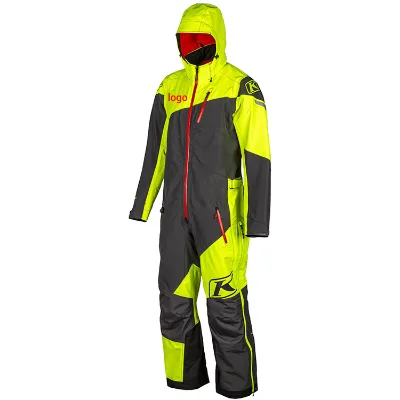
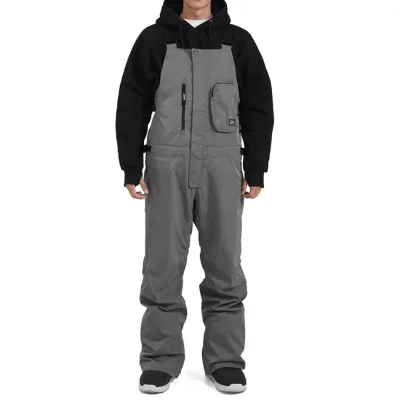
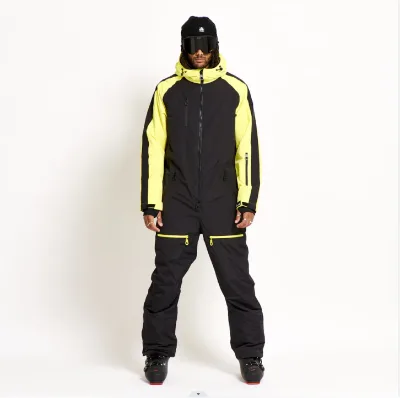
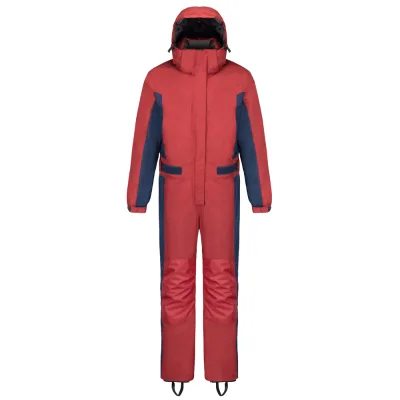
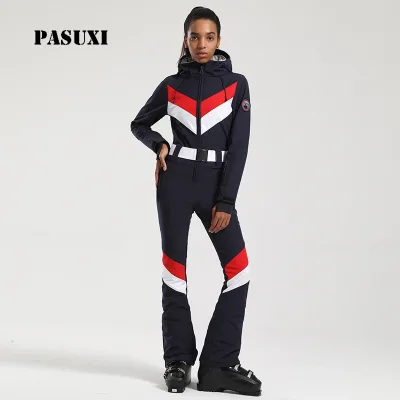
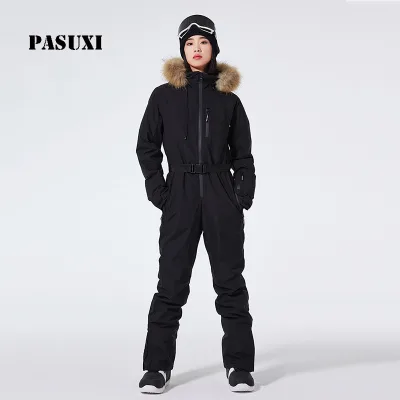
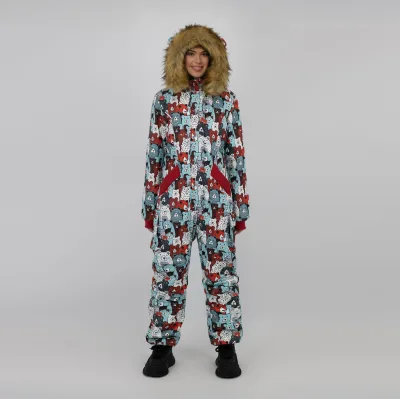
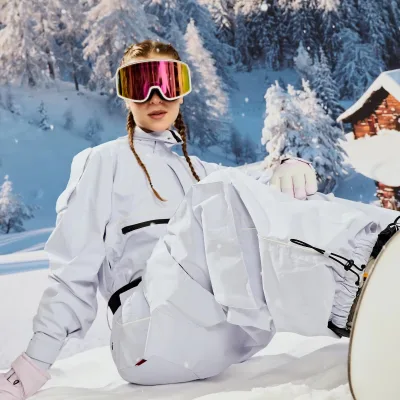
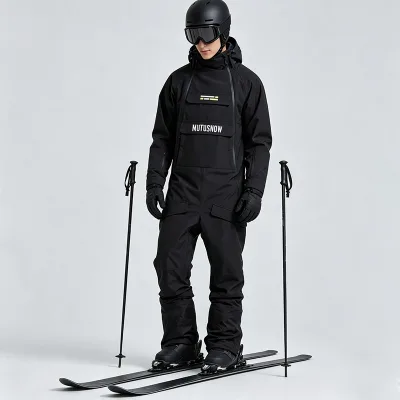
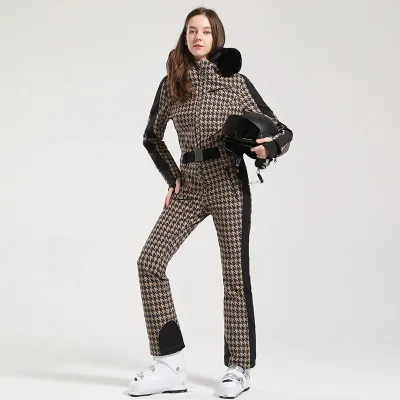
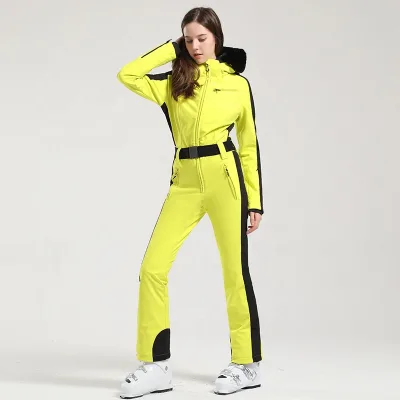
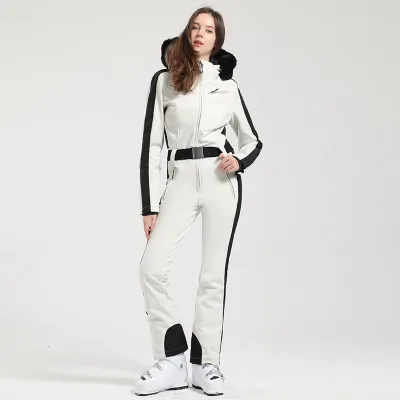


Comprehensive Sourcing Guide
Waterproof Windstopper Ski Jumpsuit Supplier Concentration and Factory Types
The current supplier landscape for waterproof windstopper ski jumpsuits reveals a distinct geographic concentration in China, with Jiangxi emerging as a notable manufacturing hub. Suppliers located in this region often operate as either trading companies or manufacturer/factories, offering a blend of direct production capabilities and supply chain management services. This dual nature allows buyers to access a wide array of main products, including polar fleece jackets, softshell jackets, work wear, overalls, windbreakers, ski suits, winter quilted jackets, fishing jackets, rain jackets, and waterproof jackets. The presence of both entity types in Jiangxi suggests a mature industrial ecosystem where specialized ski wear production coexists with broader outdoor apparel manufacturing. Buyers evaluating these suppliers should recognize that while some entities may primarily facilitate trade, others possess the physical infrastructure for OEM and ODM customization. This distinction is critical when assessing the ability to produce complex technical garments like ski jumpsuits that require specific material treatments and assembly techniques. The concentration in Jiangxi indicates a regional specialization that may offer logistical advantages for bulk orders, though buyers must verify the actual production capacity versus trading volume for each specific supplier.
In contrast to the Jiangxi cluster, other suppliers in the dataset are located in Beijing, often identifying primarily as trading companies. These entities may focus on different segments of the ski wear market, such as snowboarding suits and ski pants, while still offering one-piece ski suits. The company type distinction here is vital because trading companies in Beijing might leverage broader networks to source components or finished goods, whereas manufacturers in Jiangxi might control the entire production line from fabric sourcing to final packing. The Beijing-based suppliers often highlight capabilities in ODM and own brand development, suggesting a focus on design innovation and brand partnership rather than just volume manufacturing. This difference in operational focus means that buyers seeking custom design development might find value in Beijing-based trading companies, while those needing strict quality control over the manufacturing process might prefer Jiangxi-based factories. Understanding this geographic and structural divide helps buyers align their sourcing strategy with the specific operational model of the supplier, ensuring that the chosen partner can meet their specific needs for waterproof windstopper ski jumpsuits.
How to Verify Waterproof Windstopper Ski Jumpsuit Suppliers
Verification is a critical step in ensuring the reliability of suppliers offering waterproof windstopper ski jumpsuits, particularly when dealing with international manufacturing hubs. Buyers should prioritize suppliers that have undergone third-party verification processes, as indicated by badges such as BV or SGS. These verifications provide a layer of confidence regarding the supplier’s business legitimacy and operational stability. For instance, suppliers in Jiangxi may hold BV verification, while those in Beijing might display SGS verification. This distinction is important because it reflects different verification standards and scopes, which can impact the depth of the audit. Buyers should request detailed verification reports to understand what aspects of the business were assessed, including factory audits, social compliance checks, and quality management systems. Additionally, looking for system certifications such as WRAP, BSCI, ISO 14001, ISO 9001, and SEDEX can provide further assurance of the supplier’s commitment to ethical labor practices and environmental standards. These certifications are particularly relevant for ski wear manufacturers, as they often involve complex supply chains and significant resource usage.
Beyond verification badges, buyers should assess the supplier’s response time and communication efficiency, as these factors can indicate operational professionalism. A response time of 2.68 hours, as observed in some Jiangxi-based suppliers, suggests a moderate level of responsiveness, while a response time of 0.05 hours for Beijing-based suppliers indicates near-instantaneous communication. This disparity can influence the speed of negotiations and problem resolution during the sourcing process. Buyers should also examine the supplier’s product evidence, including detailed product attributes and specifications. For example, verifying that a ski jumpsuit is made from polyester with specific features like waterproof and breathable properties is essential. Buyers should request samples to physically test these attributes, as product listings alone may not fully capture the quality of the final product. Additionally, checking for customization options, such as logo application via heat transfer, printing, or embroidery, can help determine if the supplier can meet specific branding requirements. By combining verification badges, response times, and product evidence, buyers can build a comprehensive profile of each supplier’s reliability and capability.
What to Compare Across Waterproof Windstopper Ski Jumpsuit Suppliers
When comparing suppliers for waterproof windstopper ski jumpsuits, buyers should focus on key operational metrics such as lead time, minimum order quantity (MOQ), and pricing structures. Lead times can vary significantly, with some suppliers offering a 60-day lead time, while others may provide a 30-day lead time. This difference can impact inventory planning and market launch strategies, making it crucial for buyers to align lead times with their sales cycles. Similarly, MOQs can range from 500 pieces to 1000 pieces, depending on the supplier and product type. Buyers with smaller budgets or testing markets may prefer suppliers with lower MOQs, while those planning large-scale launches might benefit from the economies of scale offered by higher MOQs. Pricing is another critical factor, with prices ranging from approximately $23.10 to $109.00 per unit. This wide range reflects differences in material quality, design complexity, and customization options. Buyers should request detailed quotes that break down costs by material, labor, and customization to understand the value proposition of each supplier.
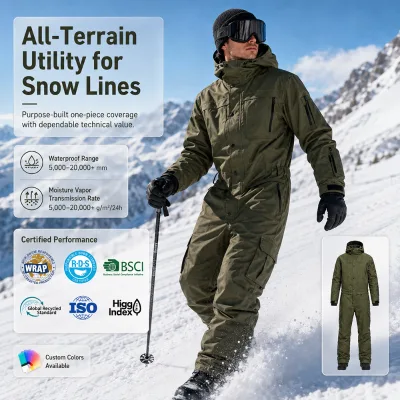
In addition to operational metrics, buyers should compare the customization capabilities and product specifications offered by each supplier. Some suppliers may offer OEM and ODM services, allowing for extensive customization of design and branding. Others may focus on standard products with limited customization options. Buyers should evaluate the available customization features, such as logo application methods, label acceptance, and packaging options. For example, some suppliers may offer customized packaging, while others may use standard polybag and carton packing. Additionally, comparing product attributes such as waterproof rating, breathability rating, and material composition can help buyers identify suppliers that meet their technical requirements. Suppliers may provide specific ratings, such as a 15,000mm waterproof rating and 15,000G/M²/24h breathability rating, which are critical for high-performance ski wear. By systematically comparing these factors, buyers can identify suppliers that offer the best balance of cost, quality, and customization for their specific needs.
Common Waterproof Windstopper Ski Jumpsuit Sourcing Risks
Sourcing waterproof windstopper ski jumpsuits from international suppliers involves several risks that buyers must proactively manage. One significant risk is the discrepancy between product specifications and actual quality. While suppliers may list attributes such as waterproof and breathable features, the actual performance of the garment may vary based on material quality and manufacturing processes. Buyers should request detailed product specifications and test reports to verify these claims. Additionally, the risk of delayed shipments is a common concern, particularly when dealing with suppliers with longer lead times. Buyers should establish clear communication channels and regular update schedules to monitor production progress and identify potential delays early. Another risk is the lack of customization flexibility, which can limit a buyer’s ability to differentiate their product in the market. Buyers should confirm customization options, such as logo application and packaging, before placing orders to ensure that the supplier can meet their branding requirements.
Quality control is another critical area where risks can arise, particularly when dealing with trading companies that may not have direct control over the manufacturing process. Buyers should verify the supplier’s quality control procedures and request pre-shipment inspections to ensure that the products meet their standards. Additionally, the risk of intellectual property infringement is a concern when working with suppliers that offer OEM services. Buyers should ensure that their designs and branding are protected through appropriate legal agreements and that the supplier adheres to confidentiality clauses. Furthermore, the risk of currency fluctuation and payment security can impact the overall cost and safety of the transaction. Buyers should use secure payment methods, such as escrow services, to protect their funds until the goods are received and verified. By identifying and mitigating these risks through thorough due diligence and clear contractual agreements, buyers can reduce the potential negative impacts of sourcing waterproof windstopper ski jumpsuits from international suppliers.
Waterproof Windstopper Ski Jumpsuit Regional Sourcing and Logistics
Regional sourcing plays a crucial role in determining the logistics and cost structure for waterproof windstopper ski jumpsuits. Suppliers located in Jiangxi, China, offer a concentrated manufacturing base that can provide logistical efficiencies for bulk orders. The presence of multiple suppliers in this region suggests a mature supply chain ecosystem, which can facilitate faster sourcing and potentially lower transportation costs. Buyers should consider the proximity of the supplier to major ports and transportation hubs when evaluating logistics options. Additionally, the type of supplier, whether a trading company or manufacturer, can impact logistics planning. Manufacturers may offer more control over production schedules and packaging, while trading companies may leverage broader networks to optimize shipping routes. Buyers should work with suppliers to develop a logistics strategy that aligns with their inventory needs and market demands, considering factors such as transit time, customs clearance, and warehousing requirements.
In contrast, suppliers located in Beijing, China, may offer different logistical advantages, particularly for buyers seeking faster response times and design-focused partnerships. The shorter response times observed in Beijing-based suppliers can facilitate quicker decision-making and order processing, which can be beneficial for time-sensitive projects. However, buyers should also consider the potential for higher logistics costs associated with sourcing from Beijing, depending on the final destination of the goods. Additionally, the focus on ODM and own brand development in Beijing may require more complex logistics planning, particularly if the supplier sources components from multiple locations. Buyers should collaborate with suppliers to understand the full supply chain and identify potential bottlenecks or delays. By carefully evaluating the regional sourcing options and logistics implications, buyers can optimize their supply chain for efficiency, cost-effectiveness, and reliability, ensuring that their waterproof windstopper ski jumpsuits reach the market in a timely manner.
Waterproof Windstopper Ski Jumpsuit Commercial Terms and Order Planning
Commercial terms and order planning are essential components of a successful sourcing strategy for waterproof windstopper ski jumpsuits. Buyers should negotiate clear payment terms, such as a deposit followed by balance payment upon shipment, to manage cash flow and risk. Additionally, understanding the supplier’s sample policy is crucial, as samples allow buyers to verify product quality before committing to large orders. Some suppliers may offer sample times of 7-10 days, which can impact the overall timeline of the sourcing process. Buyers should also consider the supplier’s production lead time, which can range from 30 to 60 days, and plan their orders accordingly to avoid stockouts or excess inventory. Furthermore, buyers should clarify the supplier’s return and refund policies in case of quality issues or non-conformance to specifications. By establishing clear commercial terms and planning orders strategically, buyers can minimize risks and ensure a smooth sourcing experience.
Order planning should also include considerations for customization and branding, which can add complexity to the production process. Buyers should provide detailed specifications for logos, labels, and packaging to ensure that the supplier can meet their requirements. Additionally, buyers should consider the supplier’s capacity for handling large orders, particularly if they plan to scale their business. Some suppliers may have limited production capacity, which can result in delays or quality issues during peak seasons. Buyers should communicate their volume requirements early in the sourcing process to ensure that the supplier can accommodate their needs. Furthermore, buyers should establish a long-term relationship with their supplier to benefit from potential discounts, priority production, and improved communication. By focusing on commercial terms and order planning, buyers can build a sustainable and efficient sourcing strategy for waterproof windstopper ski jumpsuits, ensuring that
FAQs
What is the price range for waterproof ski jumpsuits?
Prices for waterproof ski jumpsuits typically range from $23.10 to $109.00 per unit. The cost varies based on material quality, features like windproofing, and customization options. Basic models start around $23.10, while premium insulated suits can reach $109.00. Buyers should check specific product listings for exact pricing tiers.
What is the minimum order quantity for ski jumpsuits?
Minimum order quantities generally range from 300 to 1000 pieces. Some suppliers accept orders as low as 300 units, while others require 1000 pieces for standard production. Custom logo or specialized designs may have higher MOQs. Buyers should verify the specific MOQ with the supplier before placing an order.
How long does production take for ski jumpsuits?
Production lead times typically range from 30 to 60 days. Some suppliers offer faster turnaround times of 30 days, while others require up to 60 days for standard orders. Sample production usually takes 7-10 days. Buyers should confirm the exact lead time with the supplier based on order volume and customization needs.
What certifications do ski jumpsuit suppliers have?
Suppliers often hold certifications such as ISO 9001, ISO 14001, BSCI, WRAP, and SEDEX. These certifications ensure quality management, environmental responsibility, and social compliance. Buyers should verify specific certifications with the supplier to ensure they meet their compliance requirements and ethical sourcing standards.
Where are ski jumpsuit manufacturers located?
Manufacturers are primarily located in China, specifically in Jiangxi and Beijing regions. Jiangxi suppliers often focus on polyester-based waterproof suits, while Beijing suppliers may offer specialized windproof options. Buyers should verify the exact location and factory details with the supplier to ensure proximity and logistics efficiency.
Can I customize the logo on ski jumpsuits?
Yes, most suppliers offer customization options including heat transfer, printing, and embroidery. Custom logos, labels, and packaging are typically available. Buyers should confirm the customization methods, additional costs, and minimum order quantities for custom designs with the supplier before placing an order.