custom printed organic cotton t-shirt Suppliers and Manufacturers
Compare 28 verified suppliers offering custom printed organic cotton t-shirts with varying lead times, MOQs, and certifications. Review response times and product attributes to select a partner, then request quotes for specific designs; review the available evidence before requesting comparable quotations from suitable candidates.
Updated
Suppliers List

Guangzhou Shengli Clothing Co., Ltd.
- Verified by CTI
- Combined
- China Guangdong
- Lead time60 days
- Avg. response≤ 2h
Main productsSuit, Men Formal Suit, Medical Uniform, School Uniform, T-Shirt, Polo, Sports Apparel, Work Uniforms, Uniform, Hotel Uniform
Main marketsDomestic

Green Organic Cotton Knit Printed Pocket T-Shirt Men Custom Cotton T-Shirt
$2.00 - $18.00
MOQ: 100 Pieces


Shanghai Touch Industrial Development Co., Ltd.
- Verified by TUVRHEINLAND
- Combined
- China Shanghai
- Lead time15 days
- Avg. response≤ 5h
Main productsInstant Hot Pack, Hot Cold Pack, Gel Eye Mask, Gel Ice Pack, Gel Bottle Cooler, Instant Ice Pack, Hand Warmer, Heat Pack, Cooling Scarf, Gel Beads
Main marketsSouth America,Others(foreignTradeCapacity.exportBusinessCapacityMarketOther),Southeast Asia/ Mideast,East Asia(Japan/ South Korea),Domestic,Europe,Australia,North America

Guangzhou Vision Clothing Co., Ltd.
- Verified by BV
- Combined
- China Guangdong
- Lead time15 days
- Avg. response≤ 6h
Main productsT-Shirt, Hoodie, Polo Shirt, Sweatpants
Main marketsSouth America,Southeast Asia/ Mideast,Europe,Australia,North America

Custom Men′ S Pure-Color T-Shirt Eco-Friendly Shirt Organic Cotton T-Shirt
$4.99 - $7.39
MOQ: 30 Pieces

Blank Unisex T-Shirt 100% Cotton Organic T-Shirt Custom Design Printed Logo Men T-Shirt
$4.99 - $7.69
MOQ: 30 Pieces


Wholesale Blank Unisex T-Shirt 100% Cotton Organic T-Shirt Custom Design Printed Logo Men T-Shirt
$4.99 - $7.69
MOQ: 30 Pieces


Shenzhen Fly-High Industry Co., Ltd.
- Trading Company,Manufacturer/Factory,Group Corporation
- China Guangdong
- Lead time23 days
- Avg. response≤ 25h
Main productsT-Shirt, Polo Shirt, Promotional Items, Cap, Apron, Jacket, Scarf, Singlet, Towel, Hat
Main marketsSouth America,Eastern Europe,Mid East,North America,Southeast Asia,Eastern Asia,Oceania,Africa


Custom Printing Men's T-Shirt 100% Cotton O Neck Printed T Shirt Wholesale China
$1.98 - $7.50
MOQ: 500 Pieces

- Verified by CTI
- Trading Company
- China Anhui
- Lead time23 days
- Avg. response≤ 2h
Main productsFurniture, Home Furniture
Main marketsSoutheast Asia/ Mideast

Shanghai Easun Group Imp & Exp Co., Ltd.
- Verified by BV
- Trading Company
- China Shanghai
- Lead time15 days
- Avg. response≤ 21h
Main productsHoodies, Pajamas, T-Shirt, Bath Robe, Sleepwear, Polo Shirts, Safety Shoes
Main marketsAfrica

Yancheng Chimei Apparel Co., Ltd.
- Verified by CTI
- Trading Company
- China Jiangsu
- Lead time30 days
- Avg. response≤ 4h
Main productsT Shirt, Hoodie, Jacket
Main marketsSouth America,Europe,Australia,North America

High Quality Custom T-Shirts Regular Fit Printing 180GSM 100% Cotton T-Shirt
$2.88 - $8.28
MOQ: 100 Pieces


Wholesale Custom 100% Organic Cotton T Shirt with Custom Color Logo Printing
$2.88 - $8.28
MOQ: 100 Pieces


Short Sleeve High Quality Custom 100%Cotton Custom Screen Printing T-Shirt for Men
$2.88 - $8.28
MOQ: 100 Pieces

- Verified by SGS
- Trading Company
- China Zhejiang
- Lead time15 days
- Avg. response≤ 2h
Main productsT-Shirt, Hoodie, Shorts, Baseball Cap, Sweatshirt, Pants, Gym Wear, Football Jersey, Waistcoat, Hat
Main marketsSouth America,Southeast Asia/ Mideast,East Asia(Japan/ South Korea),Domestic,Europe,Australia,North America


High Quality Oversized Cotton Men's T-Shirts with Printing Custom T Shirt
$1.99 - $3.50
MOQ: 50 Pieces


Shanghai David International Trade Co., Ltd.
- Verified by TUVRHEINLAND
- Combined
- China Shanghai
- Lead time15 days
- Avg. response≤ 10h
Main productsPromotional Gifts, Gift Sets, Tshirts, Hats, Hot Packs, Hot Cold Packs, Ice Packs, Bags, Umbrellas, Water Bottles
Main marketsSouth America,Africa,Southeast Asia/ Mideast,East Asia(Japan/ South Korea),Domestic,Europe,Australia,North America
Taian Lianchuang Textile Co., Ltd.
- Manufacturer, Trading Company
- Lead time旺季: "1 - 10000":35,"> 10000":"To be negotiated", 淡季: "1 - 10000":35,"> 10000":"To be negotiated"
- Avg. response≤ 3h
Main productsAdult Clothing, Baby Clothing

Guangzhou Shangshang Industrial Co., Ltd.
- Combined
- China Guangdong
- Lead time15 days
- Avg. response≤ 17h
Main productsHoodies, T Shirt, Sweatpant, Shorts, Jacket
Main marketsDomestic
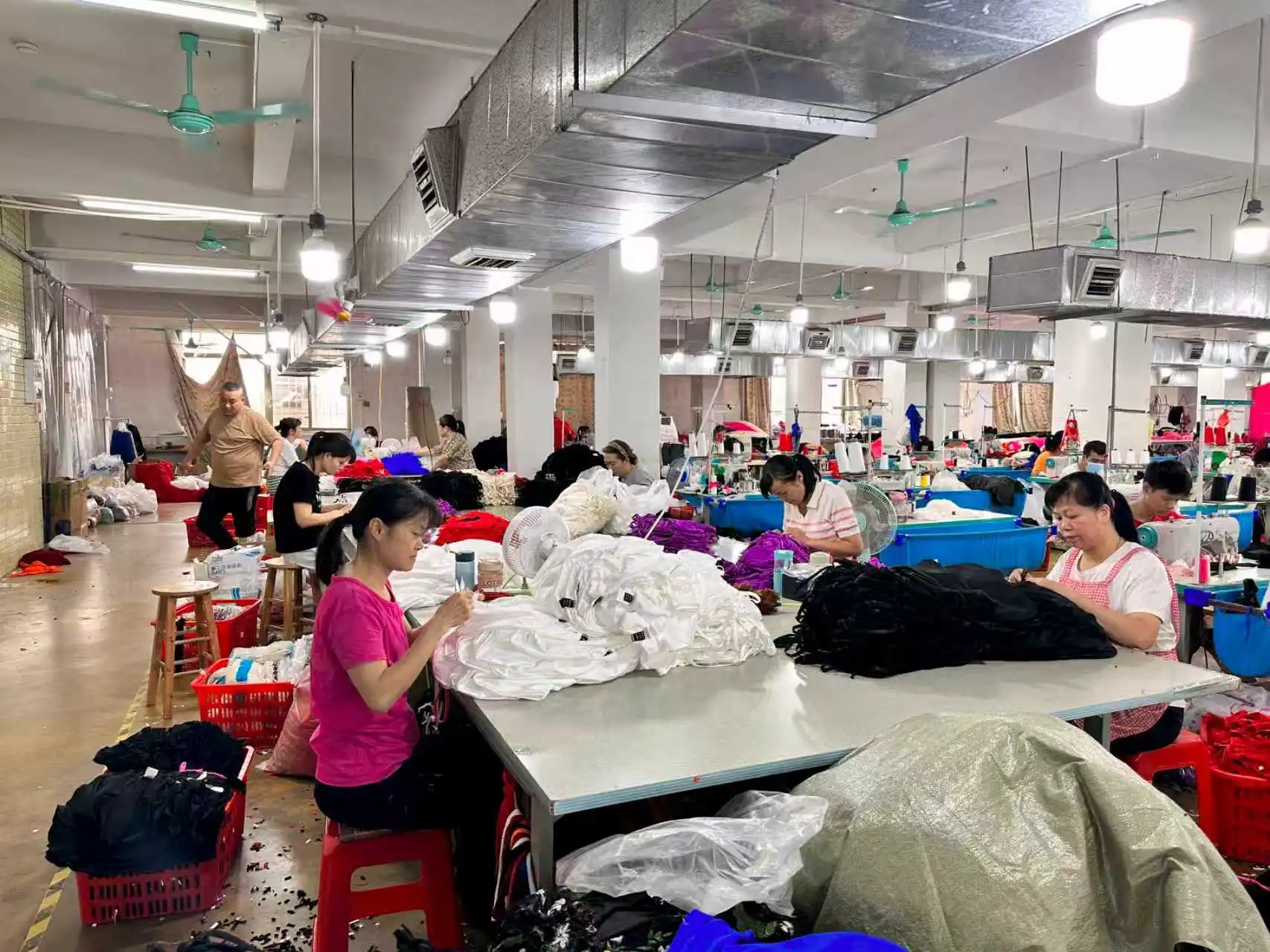
Fuzhou North Latitude Clothing Co., Ltd.
- Trading Company
- Fujian Province, China
- Lead time0 days
- Avg. response≤ 3h
Main productsLingerie,Corset top
Main marketsNorth America(35.00%), Southern Europe(20.00%), South America(20.00%), Northern Europe(15.00%), Eastern Europe(10.00%)
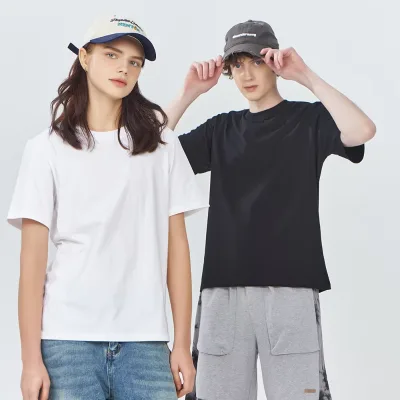
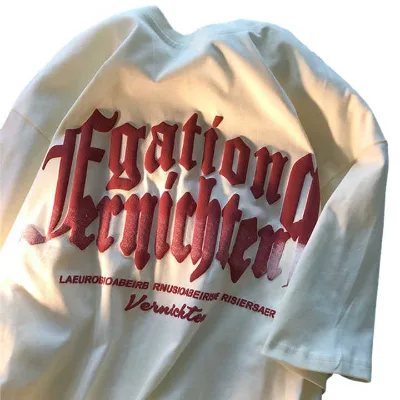

Custom O-Neck 100% Cotton Unisex T-Shirt Plus Size Basic Plain Solid T-Shirt
$3.43 - $3.96
MOQ: 10 pieces
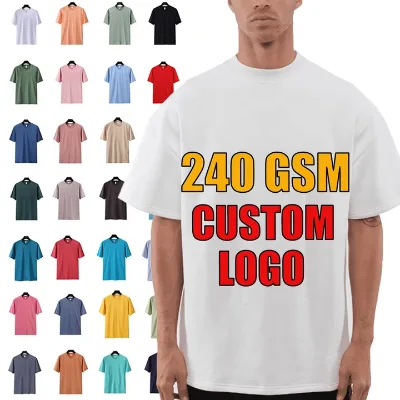
Custom Men's Short Sleeve T-Shirt 240gsm Pure Cotton New Solid Color Print Round Neck & Loose Fit
$5.73 - $6.59
MOQ: 10 pieces
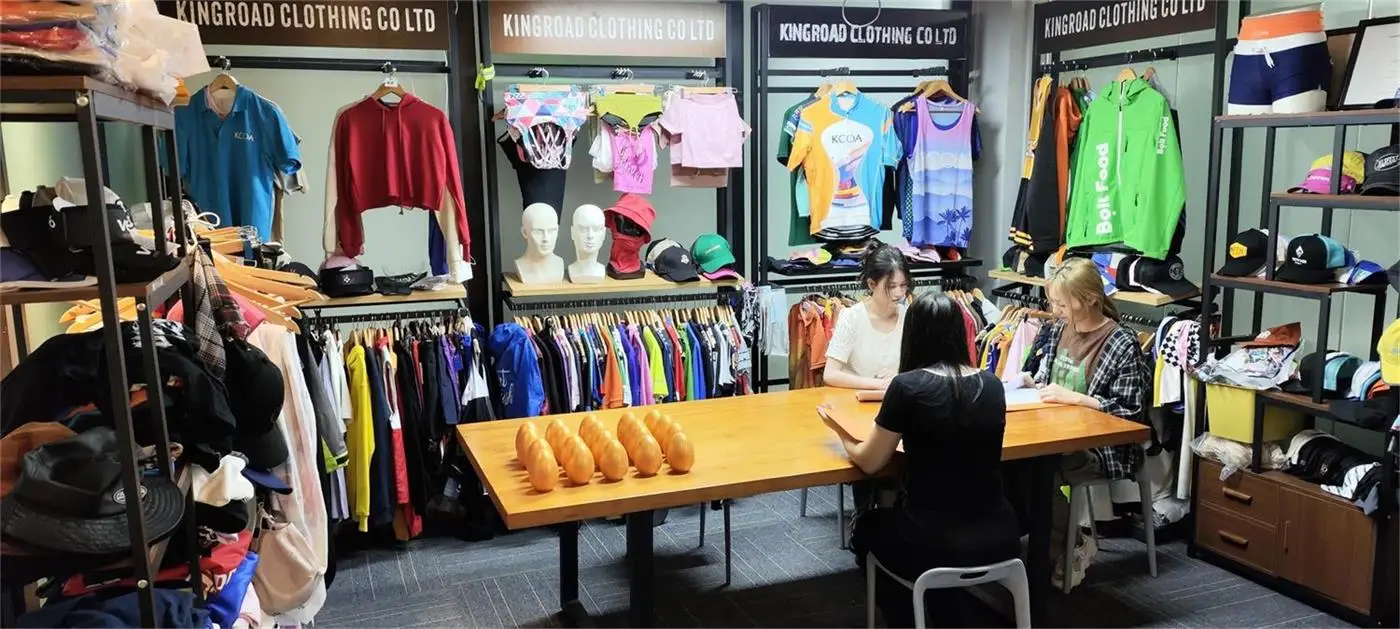
Guangzhou Kroad Clothing Co., Ltd.
- Manufacturer, Trading Company
- Guangdong, China
- Lead time7 days
- Avg. response≤ 4h
Main productsT shirt,Hoodies,Outdoor Jacket,Sports Cap,Sports Wear
Main marketsNorth America(30.00%), Western Europe(28.00%), Northern Europe(10.00%), Oceania(10.00%), Eastern Europe(5.00%), Mid East(5.00%), Southeast Asia(5.00%), South Asia(3.00%), Africa(2.00%), Southern Europe(2.00%)
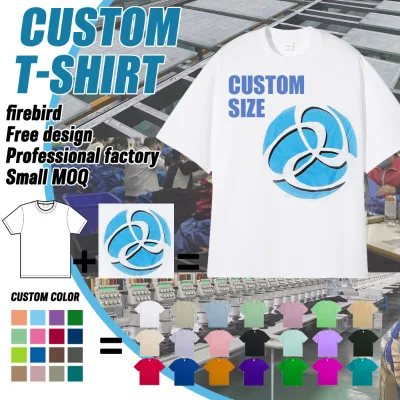
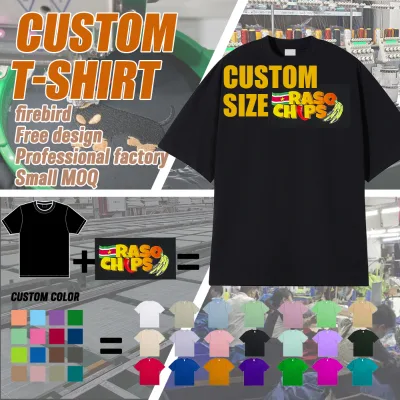
Fuzhou Firebird Sporting Goods Co., Ltd.
- Verified by Intertek
- Manufacturer, Trading Company
- Lead time10 days
- Avg. response≤ 2h
Main productsT-Shirt, Cap
Main marketsNorth America(30%), Oceania(25%), Western Europe(25%)
Fuzhou Depshine International Trading Co., Ltd.
- Verified by SGS Group
- Trading Company
- Lead time8 days
- Avg. response≤ 2h
Main productsT Shirt, Hoodie, Sweat Suit, Jacket, Hat
Main marketsNorth America(80%), Northern Europe(10%), Western Europe(8%)

Foshan Dopoo Sportswear Co., Ltd.
- Verified by TUVRHEINLAND
- Trading Company
- China Guangdong
- Lead time30 days
- Avg. response≤ 5h
Main productsSportswear, Hoodies, Baseball Jersey, Basketball Jersey, Fishing Shirts, Apparel, Jacket Jersey, Hockey Jersey, Cheerleading Uniform, Running Shirts
Main marketsNorth America

100% Organic Cotton T Shirts Black T Shirt 100% Cotton Custom T Shirt Printing
$2.10 - $5.00
MOQ: 1 Pieces


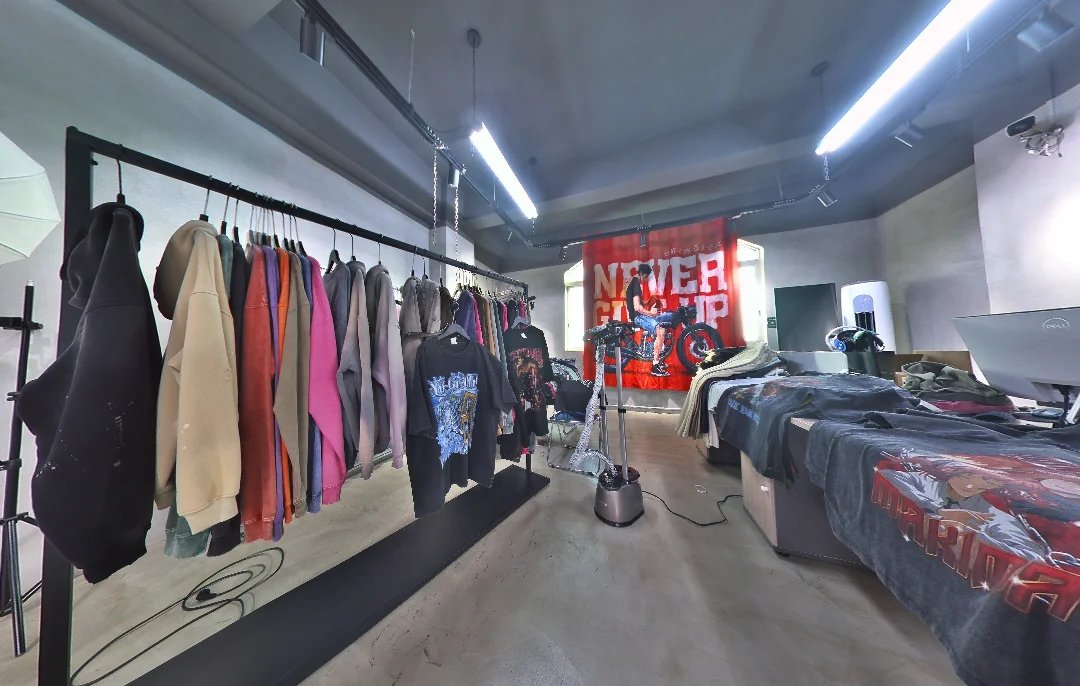
Guangzhou Esan Clothing Co., Ltd.
- Manufacturer, Trading Company
- Guangdong, China
- Lead time20 days
- Avg. response≤ 2h
Main productst-shirt,hoodies,sweatershirt,sport tee,shorts
Main marketsNorth America(50.00%), Southern Europe(10.00%), Northern Europe(10.00%), Western Europe(10.00%), Eastern Europe(10.00%), South America(10.00%)

Nuolang (Guangdong) Garment Industry Co., Ltd.
- Verified by BV
- Combined
- China Guangdong
- Lead time15 days
- Avg. response≤ 2h
Main productsT-Shirt, Polo Shirt, Shirt, Coverall, Suit, Uniform, Sportswear, Casual Wear
Main marketsSoutheast Asia/ Mideast


High Quality Wholesale Custom Logo Blank 100% Organic Cotton Plain Tshirt Men's T-Shirts
$2.99 - $4.99
MOQ: 200 Pieces

- Trading Company
- Hong Kong S.A.R.
- Lead time20 days
- Avg. response≤ 5h
Main productsPromotional Gifts,Party Supplies,Luggage & Bags,Medals & Trophies,Apparel & Caps
Main marketsNorth America(21.00%), Oceania(13.00%), Southeast Asia(12.00%), Western Europe(10.00%), Mid East(9.00%), Eastern Europe(8.00%), Southern Europe(7.00%), Africa(5.00%), Northern Europe(5.00%), Eastern Asia(5.00%), Central America(2.00%), South America(2.00%), South Asia(1.00%)

- Verified by TUVRHEINLAND
- Trading Company,Manufacturer/Factory
- China Chongqing
- Lead time38 days
- Avg. response≤ 5h
Main productsBaseball Cap, Beanie Hat, Trucker Hat, Bucket Hat, Snapback Hat, Scarf, Gloves, Apron, Sock, T Shirt&Polo Shirt
Main marketsSouth America,Eastern Europe,Mid East,North America,Southeast Asia,Eastern Asia,Oceania,Western Europe,Africa
Guangzhou Tomas Crafts Co., Limited
- Trading Company
- Lead time旺季: "1 - 500":32,"> 500":"To be negotiated", 淡季: "1 - 500":32,"> 500":"To be negotiated"
- Avg. response≤ 2h
Main productsPromotional Gift,Souvenir Gifts,Medals & Trophies Suppliers,Luggages & Bags,Party Supplies
Jiangxi Leebol Garment Co., Ltd.
- Verified by Intertek
- Manufacturer, Trading Company
- Lead time15 days
- Avg. response≤ 2h
Main productsHoodie, T shirt, Sweatshirt, Tracksuit, Pants
Main marketsNorth America(40%), Oceania(40%), Western Europe(20%)

Suning County Xiangbird Clothing Co., Ltd.
- Verified by SGS
- Combined
- China Hebei
- Lead time30 days
- Avg. response≤ 3h
Main productsT-Shirt, Hooded Sweatshirt, Seluar Jeans, Pakaian Pelindung Matahari
Main marketsDomestic
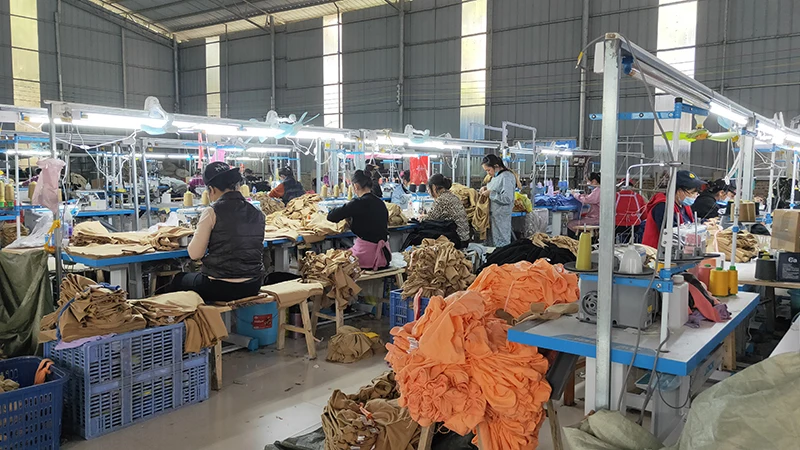
Guangxi Feibai Clothing Co., Ltd.
- Manufacturer, Trading Company
- Guangxi, China
- Lead time15 days
- Avg. response≤ 2h
Main productsSweatpants, Sweatshirt, T Shirts
Main marketsNorth America(30.00%), Oceania(25.00%), Northern Europe(25.00%), Domestic Market(10.00%), Western Europe(3.00%), Southeast Asia(3.00%), Southern Europe(2.00%), Eastern Europe(2.00%)

Jurong Mujie Apparel Co., Ltd.
- Verified by TUVRHEINLAND
- Combined
- China Jiangsu
- Lead time23 days
- Avg. response≤ 10h
Main productsJersey Beanie, Knitting Beanie, Knitting Scarf, Bandana
Main marketsDomestic

Zhousi (Shenzhen) Clothing Co., Ltd.
- Verified by CTI
- Trading Company
- China Guangdong
- Lead time23 days
- Avg. response≤ 2h
Main marketsDomestic

Guanxian Jinfang Garment Co., Ltd.
- Trading Company,Manufacturer/Factory
- China Shandong
- Lead time23 days
- Avg. response≤ 3h
Main productsGym Wear, Shirt, Down Jacket, Suit, School Uniform, Work Clothes, Ethnic Costumes, Tactical Uniform, Hats and Shoes, Clothing Accessories
Main marketsSouth America,Eastern Europe,Mid East,North America,Southeast Asia,Eastern Asia,Oceania,Western Europe,Africa

$0.80 - $1.10
MOQ: 2000 Pieces

Men's Cotton Crew Neck Short-Sleeve Casual T-Shirt, Customizable with Printing Options Clothing
$4.34 - $7.36
MOQ: 1000 Pieces


Jiangxi Komar Clothing Co., Ltd.
- Manufacturer, Trading Company
- Jiangxi, China
- Lead time30 days
- Avg. response≤ 4h
Main productsT shirts,hoodies,shorts,sports sets,yoga clothes
Main marketsSouth America(30.00%), Eastern Europe(25.00%), North America(25.00%), Southern Europe(5.00%), Northern Europe(5.00%), Western Europe(5.00%), Southeast Asia(5.00%)


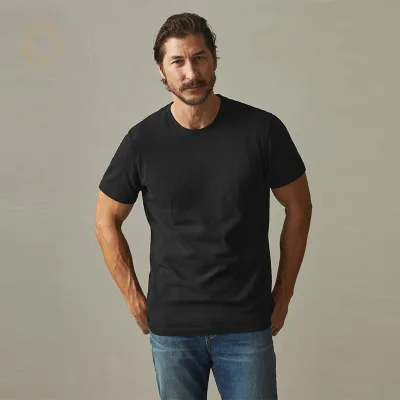









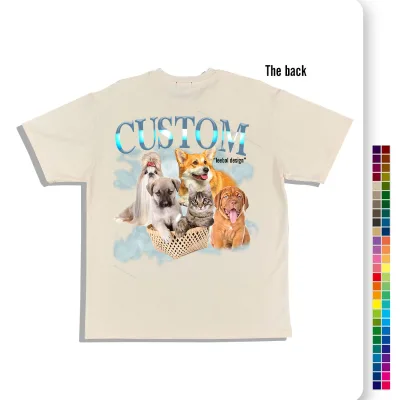
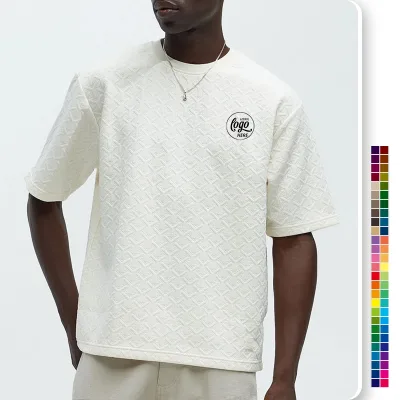


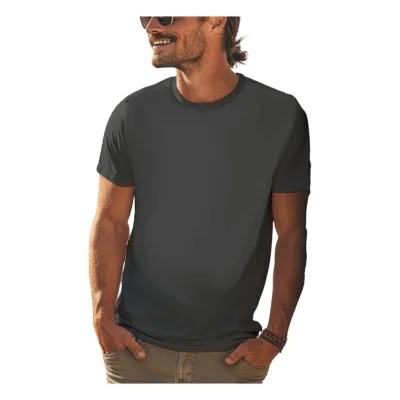
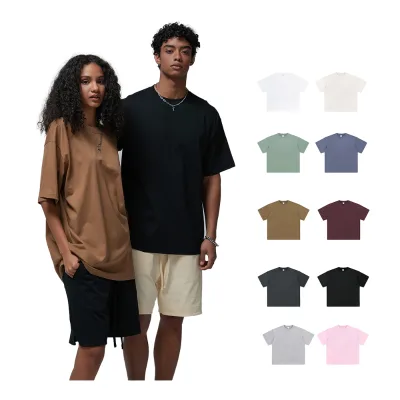




Comprehensive Sourcing Guide
Custom Printed Organic Cotton T-Shirt Supplier Concentration and Factory Types
The current supplier landscape for custom printed organic cotton t-shirts reveals a distinct geographic concentration in China, specifically within the Guangdong province. This region is a well-established hub for apparel manufacturing, offering a dense ecosystem of factories capable of handling complex customization requests. Buyers evaluating suppliers in this area will often encounter combined company types, which blend trading company flexibility with factory production capabilities. This hybrid model can be advantageous for international buyers who need a single point of contact for both communication and logistics, while still benefiting from direct manufacturing access. The presence of such entities suggests a mature supply chain where raw material sourcing, particularly for organic cotton, is integrated with garment construction and printing services.
In contrast to the Guangdong cluster, other suppliers in the dataset are located in Shanghai, indicating a broader national distribution of manufacturing capabilities. These Shanghai-based entities often focus on different product niches, such as promotional items or instant hot packs, but also offer t-shirt manufacturing services. The variation in location highlights the importance of verifying the specific manufacturing base rather than relying solely on the registered address. Some suppliers may list Shanghai as their headquarters while their actual production facilities are located in other provinces. Understanding this distinction is crucial for assessing the true cost structure and logistical efficiency of an order. Buyers should look for evidence of actual production capacity in the stated location to ensure that the quoted prices and lead times are realistic and achievable.
How to Verify Custom Printed Organic Cotton T-Shirt Suppliers
Verification is a critical step in mitigating risk when sourcing custom printed organic cotton t-shirts. The data indicates that suppliers undergo various third-party verification processes, with some holding CTI verification and others possessing TUVRHEINLAND certification. These credentials provide a layer of assurance regarding the supplier’s business legitimacy and operational standards. Buyers should prioritize suppliers who have undergone rigorous third-party audits, as these checks often validate the existence of the factory, the accuracy of the reported capacity, and the compliance with basic labor and safety standards. However, verification alone does not guarantee product quality, especially for specialized items like organic cotton garments. It is essential to look beyond the verification badge and examine the specific details of the audit report if available.
Beyond basic verification, buyers must assess the supplier’s ability to meet specific product requirements, such as the Global Organic Textile Standard (GOTS) certification mentioned in product attributes. This certification is vital for ensuring that the organic cotton used in the t-shirts meets strict environmental and social criteria. Buyers should request proof of this certification directly from the supplier, as it is a key differentiator in the market. Additionally, the response time of the supplier can serve as an indirect indicator of their operational efficiency. Suppliers with faster response times, such as those averaging two hours, may have more dedicated customer service teams or streamlined internal processes. This responsiveness is particularly important during the sampling and negotiation phases, where quick feedback can accelerate the overall sourcing timeline.
What to Compare Across Custom Printed Organic Cotton T-Shirt Suppliers
When comparing suppliers, several key dimensions emerge that can significantly impact the success of a sourcing project. Lead time is a critical factor, with some suppliers offering a turnaround of just fifteen days, while others may require up to sixty days. This variance can be influenced by the complexity of the design, the availability of raw materials, and the current production load. Buyers with tight deadlines should prioritize suppliers with shorter lead times, but they must also ensure that speed does not compromise quality. Another important metric is the minimum order quantity (MOQ), which ranges from one hundred pieces to one thousand pieces. Lower MOQs are beneficial for startups or small businesses testing the market, while higher MOQs may offer better unit economics for larger orders.
Price is another significant comparison point, with unit costs varying based on material quality, customization level, and order volume. For instance, some suppliers offer prices starting as low as one dollar, while others may charge up to eighteen dollars per unit. These price differences often reflect variations in fabric weight, printing techniques, and additional features like pocket designs or specific collar styles. Buyers should also consider the supplier’s main products to ensure alignment with their needs. Some suppliers specialize in formal suits or medical uniforms, while others focus on casual wear like t-shirts and polo shirts. A supplier with a strong focus on t-shirts is likely to have more refined processes and better quality control for this specific product category. Additionally, the availability of OEM and ODM services indicates the supplier’s flexibility in handling custom designs and branding requirements.
Common Custom Printed Organic Cotton T-Shirt Sourcing Risks
One of the primary risks in sourcing custom printed organic cotton t-shirts is the potential discrepancy between the claimed organic certification and the actual product quality. While some suppliers list their products as GOTS certified, buyers must verify this claim through independent testing or direct certification body verification. Without proper validation, there is a risk of receiving non-organic cotton products, which can damage brand reputation and lead to legal issues. Another risk is the inconsistency in product attributes, such as sleeve style, collar design, and fabric type. Suppliers may offer a wide range of options, but the actual production may not match the sample provided. This is particularly common with complex customizations like screen printing or embroidery, where minor deviations can affect the final appearance.
Logistical risks are also prevalent, especially when dealing with suppliers in different regions. Shipping delays, customs clearance issues, and damage during transit can disrupt the supply chain and increase costs. Buyers should carefully review the packing specifications and shipping terms provided by the supplier. For example, some suppliers pack t-shirts in cartons with specific dimensions, while others may use polybags. The choice of packaging can impact the efficiency of storage and distribution at the destination. Additionally, the supplier’s response time can be a risk factor if it is slow or inconsistent. Delays in communication can lead to misunderstandings regarding design specifications, production schedules, and quality standards. Buyers should establish clear communication protocols and regular check-ins to mitigate these risks and ensure that the project stays on track.
Custom Printed Organic Cotton T-Shirt Regional Sourcing and Logistics
Sourcing from China offers significant advantages in terms of cost efficiency and manufacturing scale, but it also presents logistical challenges that buyers must manage. The concentration of suppliers in Guangdong and Shanghai provides access to a robust infrastructure for shipping and export. However, buyers need to consider the lead times associated with international shipping, which can add several weeks to the overall delivery schedule. It is advisable to work with suppliers who have experience in exporting to the buyer’s region, as they can provide valuable insights into customs requirements and documentation. This experience can help streamline the logistics process and reduce the risk of delays or additional fees.
The choice of shipping method is another critical decision that impacts cost and delivery speed. Air freight is faster but more expensive, while sea freight is cost-effective but slower. Buyers should evaluate the urgency of their order and the volume of goods to determine the most suitable shipping option. Additionally, the supplier’s packing standards can influence the efficiency of the shipping process. Proper packaging not only protects the products during transit but also maximizes the use of container space, reducing per-unit shipping costs. Buyers should request detailed packing information from the supplier and ensure that it aligns with their storage and distribution capabilities. Clear communication regarding shipping terms, such as FOB or CIF, is essential to avoid misunderstandings and ensure that both parties are aligned on responsibilities and costs.
Custom Printed Organic Cotton T-Shirt Commercial Terms and Order Planning
Commercial terms play a crucial role in the success of a sourcing project, and buyers must carefully negotiate these terms to protect their interests. Payment terms, such as deposits and balance payments, should be clearly defined in the contract to avoid disputes. Buyers should also consider using secure payment methods, such as escrow services, to ensure that funds are only released upon satisfactory delivery of the goods. This provides an additional layer of protection against fraud and non-performance. Additionally, buyers should establish clear quality control standards and inspection procedures before shipment. This may involve hiring third-party inspection services to verify that the products meet the agreed-upon specifications.
Order planning is another essential aspect of commercial terms, as it impacts production schedules and inventory management. Buyers should provide accurate forecasts and order quantities to help suppliers plan their production runs efficiently. This helps to minimize lead times and reduce the risk of stockouts or overproduction. Buyers should also consider the flexibility of the supplier’s production capacity, especially if they anticipate fluctuations in demand. Suppliers with OEM and ODM capabilities are often more adaptable to changes in order volume and design requirements. By establishing a strong partnership with a reliable supplier, buyers can ensure a smooth and efficient sourcing process, leading to better product quality and customer satisfaction. Clear communication and mutual trust are key to building a successful long-term business relationship.
FAQs
What is the price range for custom organic cotton t-shirts?
Prices typically range from $1.00 to $28.00 per unit depending on material quality and customization complexity. Some suppliers offer organic cotton options starting at $2.00, while standard cotton shirts may cost as low as $0.99. Final pricing depends on order volume and specific design requirements.
What is the minimum order quantity for custom t-shirts?
Minimum order quantities vary significantly among suppliers. Some accept orders as low as 100 pieces, while others require 500 or even 1000 units. Buyers should verify the specific MOQ with each supplier before placing an order to ensure it aligns with their inventory needs.
How long does production take for custom orders?
Lead times generally range from 15 to 60 days depending on the supplier and order complexity. Some manufacturers in Shanghai offer faster turnaround times of 15 days, while others in Guangdong may require up to 60 days. Buyers should confirm specific timelines during the quotation process.
Are these t-shirts certified organic?
Yes, some suppliers offer products certified under the Global Organic Textile Standard. These items are made from 100% organic cotton and meet specific sustainability criteria. Buyers should request certification documents to verify the organic status of the materials used in their custom orders.
Where are the suppliers located?
Suppliers offering custom t-shirts are primarily located in China, specifically in Guangdong and Shanghai provinces. These regions are known for their strong apparel manufacturing capabilities. Buyers can filter results by location to find suppliers closer to their shipping preferences or logistical requirements.
What customization options are available?
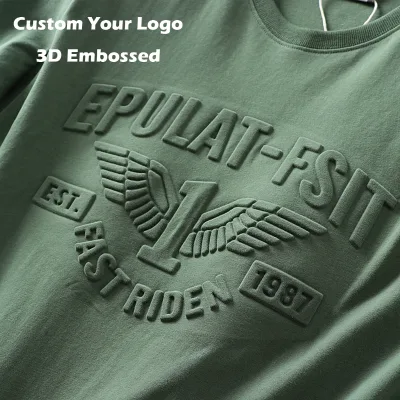
Suppliers provide various customization options including logo printing, custom designs, and specific fabric choices. Options range from screen printing to digital printing on cotton or organic cotton materials. Buyers can choose from different sleeve styles, collar types, and colors to meet their brand requirements.