Source Quick Dry Hooded Sweatshirt for Gym, Travel, and Work
Explore 30 listings for the Quick Dry Hooded Sweatshirt featuring breathable, anti-odor, and windproof properties. Buyers can compare OEM services, materials like cotton and polyester, and customization options for men, women, and unisex styles; compare the available evidence and request quotations based on your requirements.
Updated
Key considerations
Products List






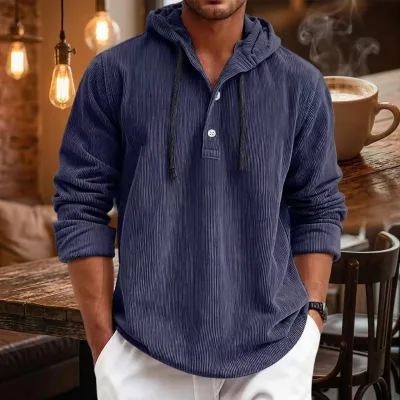
Comprehensive Sourcing Guide
Quick Dry Hooded Sweatshirt Sourcing Guide
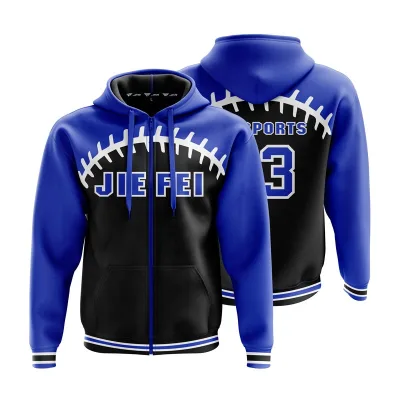
Sourcing quick dry hooded sweatshirts requires balancing performance fabric technology with traditional garment construction, particularly when targeting unisex or specific gender markets. The observed product landscape reveals a diverse array of materials, ranging from 100% cotton to 100% polyester and various blends, indicating that buyers must carefully define their material requirements before engaging suppliers. While the core keyword emphasizes quick-dry functionality, the actual listings show a mix of heavyweight and lightweight options, suggesting that "quick dry" may refer to specific fabric treatments or blends rather than a universal material property. Buyers should verify if the quick-dry claim applies to the entire garment or specific panels, as this impacts both comfort and performance in active use cases.
The supply chain for these items is heavily concentrated in China, with OEM services being the predominant supply type, which allows for extensive customization but requires rigorous quality control. Suppliers offer a wide range of technical processes, including automated cutting, various dyeing methods like yarn-dyed and tie-dye, and intricate embellishments such as bead embroidery and flocking. This variety means that a simple quick-dry sweatshirt can be transformed into a complex, high-value item through specific craft choices. Procurement teams must align their design specifications with the supplier’s actual capabilities, ensuring that desired features like reversible designs or anti-UV treatments are technically feasible within the chosen manufacturing framework.
Product Scope and Observed Listing Signals
The current market signals indicate a strong demand for versatile, multi-functional hooded sweatshirts that cater to diverse consumer needs, including maternity, plus-size, and unisex demographics. Listings frequently highlight features such as breathability, eco-friendliness, and anti-bacterial properties, which are critical for modern consumers seeking health-conscious and sustainable apparel options. The presence of attributes like four-way stretch and windproof capabilities suggests that these garments are positioned for active lifestyles or outdoor use, rather than purely casual loungewear. Buyers should note that while "quick dry" is a key search term, the actual product attributes often include a broader suite of performance features that enhance the garment’s utility in various weather conditions.
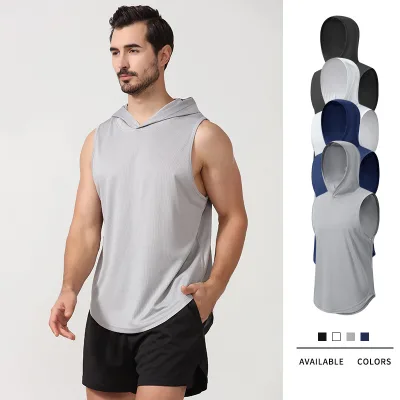
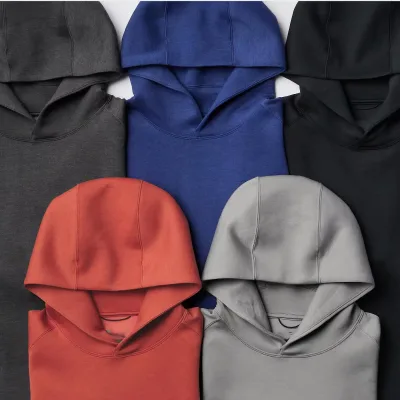
Color and pattern options are highly varied, with gray, white, deep blue, and black being common base colors, while patterns range from simple graphics to complex florals and stripes. The availability of customization services allows buyers to tailor these elements to their brand identity, but it also introduces complexity in the sampling and approval process. The observed single package size of 32x25x3 cm and a gross weight of 0.500 kg provide a baseline for logistics planning, though these metrics may vary significantly depending on the chosen material and thickness. Understanding these physical attributes is essential for accurate freight cost estimation and warehouse space allocation, particularly when ordering in bulk quantities that may exceed standard MOQs.
Technical Specifications to Verify
Verifying the technical specifications of quick dry hooded sweatshirts is critical to ensuring that the final product meets performance expectations, particularly regarding fabric composition and construction methods. Buyers must confirm whether the garment is made from 100% polyester, which typically offers superior quick-dry properties, or if it involves cotton blends that may compromise moisture-wicking efficiency. The thickness of the fabric, described as heavyweight in some listings, should be cross-referenced with the intended season of use, as heavier fabrics may not dry as quickly as lighter alternatives. Additionally, the sleeve length, whether short or long, and the hood type, such as fixed hoods, must be clearly defined in the tech pack to avoid manufacturing discrepancies.
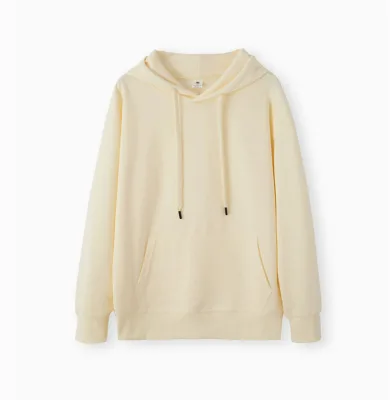
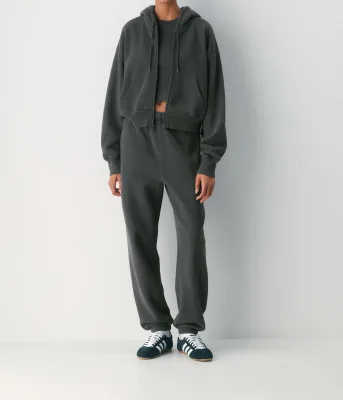
Closure types and fit are equally important technical details that influence the wearer’s experience and the garment’s overall aesthetic. The observed use of elastic waists and loose fits suggests a focus on comfort and ease of movement, which is desirable for many active wear applications. However, buyers should verify if these fit types are consistent across all size ranges, from M to 3XL, to ensure uniform quality and sizing accuracy. The knitting method, specified as knit in some instances, should be confirmed to ensure it aligns with the desired drape and durability. Furthermore, the presence of pockets, such as kangaroo or side pockets, adds functional value but must be integrated seamlessly into the garment’s structure to maintain its quick-dry performance and aesthetic integrity.
Compliance and Safety Documentation
Compliance and safety documentation are non-negotiable components of the sourcing process, especially when dealing with garments that claim specific performance features like anti-bacterial or anti-UV properties. Buyers must request detailed test reports from accredited laboratories to verify these claims, as unsubstantiated assertions can lead to regulatory issues and consumer distrust. While specific standards are not explicitly listed in the observed data, buyers should inquire about adherence to international safety regulations such as OEKO-TEX or REACH, which govern the use of chemicals in textiles. Ensuring that the dyeing and finishing processes, including techniques like bleach wash and dip dye, comply with environmental and safety standards is crucial for maintaining brand reputation and market access.
Eco-friendly claims require particular scrutiny, as they often involve complex supply chain verification and certification processes. Buyers should ask for evidence of sustainable sourcing practices, such as the use of organic cotton or recycled polyester, and verify that the manufacturing facilities adhere to ethical labor standards. The availability of OEM services implies that suppliers may have the flexibility to meet specific compliance requirements, but this must be explicitly stated in the contract. Additionally, buyers should ensure that all labeling and packaging comply with local regulations in the destination market, including fiber content labeling and care instructions, to avoid customs delays or penalties.
Cost Drivers and Commercial Terms
Cost drivers for quick dry hooded sweatshirts are influenced by a combination of material selection, production complexity, and order volume. The choice between 100% cotton, 100% polyester, and blends significantly impacts the base cost, with synthetic fibers often being more expensive due to their performance-enhancing properties. The inclusion of advanced features such as reversible designs, four-way stretch, and intricate embroidery adds to the production cost, as these require specialized machinery and skilled labor. Buyers should also consider the impact of customization options, such as heat-transfer printing and custom colors, which may incur additional setup fees and minimum order quantity requirements.
Commercial terms, including lead times and payment conditions, play a crucial role in the overall procurement strategy. The observed support for seven-day sample order lead times indicates a responsive supply chain, but bulk production lead times may vary depending on the complexity of the design and the supplier’s current capacity. Buyers should negotiate clear terms for sample approval and bulk production, ensuring that any delays are communicated promptly. Additionally, understanding the MOQ ranges, which vary from 2 to 1000 units, is essential for aligning order quantities with inventory needs and cash flow constraints. Clear communication regarding these terms helps mitigate risks and ensures a smoother procurement process.
Supplier Qualification and Quality Control
Supplier qualification is a critical step in ensuring the reliability and consistency of Quick Dry Hooded Sweatshirt production. Buyers should conduct thorough due diligence on potential suppliers, verifying their manufacturing capabilities, quality control processes, and past performance records. The presence of OEM services suggests that suppliers are equipped to handle custom orders, but buyers must assess their ability to maintain consistent quality across different batches. Requesting references from previous clients and conducting factory audits can provide valuable insights into the supplier’s operational efficiency and commitment to quality standards.
Quality control measures should be integrated into every stage of the production process, from raw material inspection to final product packaging. Buyers should establish clear quality criteria in the contract, including acceptable tolerances for dimensions, color fastness, and fabric performance. Implementing pre-production samples and in-line inspections can help identify and address potential issues early, reducing the risk of defective products. Additionally, buyers should consider hiring third-party inspection services for final random inspections to ensure that the shipped goods meet the agreed-upon specifications. This proactive approach to quality control helps protect the buyer’s brand reputation and minimizes the costs associated with returns and replacements.
Long-Term Procurement Checks
Long-term procurement checks are essential for maintaining a sustainable and efficient supply chain for quick dry hooded sweatshirts. Buyers should regularly review supplier performance metrics, including on-time delivery rates, quality consistency, and responsiveness to issues. Establishing a structured feedback loop with suppliers can help identify areas for improvement and foster a collaborative relationship. Additionally, buyers should stay informed about industry trends and technological advancements in fabric technology, as these can impact the performance and cost of quick dry garments. Regularly updating technical specifications and requirements ensures that the sourced products remain competitive and aligned with market demands.
Risk management is another critical aspect of long-term procurement, involving the diversification of suppliers and the development of contingency plans for potential disruptions. Buyers should avoid over-reliance on a single supplier, especially if they are located in a region prone to logistical or political challenges. Building relationships with multiple suppliers can provide flexibility and resilience in the face of unexpected events. Furthermore, buyers should continuously monitor regulatory changes and market dynamics that may affect the sourcing of textiles and apparel. By proactively addressing these long-term considerations, buyers can ensure a stable and cost-effective supply chain for their Quick Dry Hooded Sweatshirt products.
FAQs
Can I get a Quick Dry Hooded Sweatshirt with an elastic waist?
Yes, suppliers offer quick dry hooded sweatshirts featuring an elastic waist closure for a comfortable fit. These garments are available in loose fit styles and can be customized with various printing methods such as heat-transfer printing. Buyers can select from multiple colors including gray, white, and black, ensuring the design matches their brand requirements while maintaining breathability and quick-dry performance.
What materials are used for quick dry hooded sweatshirts?
Quick dry hooded sweatshirts are typically manufactured using 100% cotton or 100% polyester materials. Some variations may utilize cotton blends to enhance durability and comfort. The choice of material affects the garment's weight, with options ranging from lightweight to heavyweight constructions. These materials support features like breathability, anti-odor properties, and four-way stretch, making them suitable for various seasonal applications and active lifestyles.
How long is the sample order lead time for customization?
The sample order lead time for customization is supported within 7 days. This rapid turnaround allows buyers to verify quality, fit, and design details before committing to bulk production. OEM services are available, enabling specific branding and technical adjustments. This efficient process ensures that clients can quickly evaluate product samples against their requirements, facilitating faster decision-making and streamlined sourcing workflows for subsequent large-scale orders.
Which sizes are available for quick dry hooded sweatshirts?
Available sizes for quick dry hooded sweatshirts include M, L, XL, XXL, and 3XL. Additionally, some styles offer a free size option to accommodate a wider range of body types. These sizing options cater to both male and female demographics, with unisex designs also available. The loose fit type ensures comfort and ease of movement, making these garments versatile for casual wear, athletic activities, or layering in cooler autumn weather conditions.
What customization options are available for quick dry hooded sweatshirts?
Customization is available for quick dry hooded sweatshirts, including various printing methods like heat-transfer printing and graphic patterns. Buyers can choose from multiple colors such as blue, white, and deep blue. Technical options include automated cutting, garment dyeing, and different knitting methods. These customization capabilities allow brands to create unique products with specific features like kangaroo pockets, fixed hoods, and reversible designs, meeting diverse market demands and aesthetic preferences.