eco-friendly anti-pilling oversize t-shirts Suppliers and Manufacturers
Find 29 verified suppliers offering eco-friendly anti-pilling oversize t-shirts with ODM, OEM, and custom capabilities. Compare response times, lead times, certifications, and prices to source reliable partners for your apparel needs today; review the available evidence before requesting comparable quotations from suitable candidates.
Updated
Suppliers List

Guangzhou Shengli Clothing Co., Ltd.
- Verified by CTI
- Combined
- China Guangdong
- Lead time60 days
- Avg. response≤ 2h
Main productsSuit, Men Formal Suit, Medical Uniform, School Uniform, T-Shirt, Polo, Sports Apparel, Work Uniforms, Uniform, Hotel Uniform
Main marketsDomestic
Ruyi Guangzhou Industry Co., Ltd.
- Verified by SGS Group
- Manufacturer, Trading Company
- Lead time0 days
- Avg. response≤ 3h
Main productsHoodie, Jacket, Tracksuit, Sweater, T-Shirt
Main marketsNorth America(60%), South America(5%), Eastern Europe(5%)
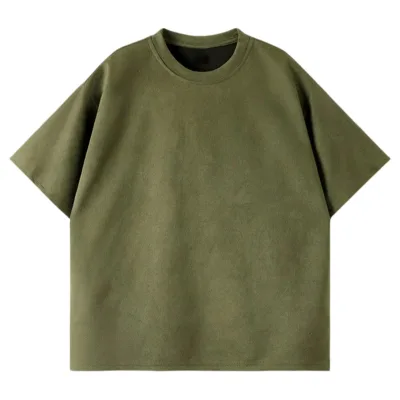
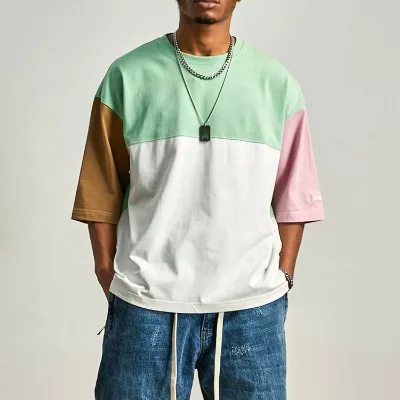
Custom Drop Shoulder t Shirt for Men Over Sized t Shirt Men Color Block Tshirt 2026
$5.0321 - $12.2183
MOQ: 50 pieces

Shanghai Easun Group Imp & Exp Co., Ltd.
- Verified by BV
- Trading Company
- China Shanghai
- Lead time15 days
- Avg. response≤ 21h
Main productsHoodies, Pajamas, T-Shirt, Bath Robe, Sleepwear, Polo Shirts, Safety Shoes
Main marketsAfrica

Suning County Xiangbird Clothing Co., Ltd.
- Verified by SGS
- Combined
- China Hebei
- Lead time30 days
- Avg. response≤ 3h
Main productsT-Shirt, Hooded Sweatshirt, Seluar Jeans, Pakaian Pelindung Matahari
Main marketsDomestic
RICH SOUL INTERNATIONAL LIMITED
- Trading Company
- Lead time旺季: "1 - 1000":30,"> 1000":"To be negotiated", 淡季: "1 - 1000":30,"> 1000":"To be negotiated"
- Avg. response≤ 2h
Main productsMen's T-Shirts,Men's hoodie

- Verified by CTI
- Trading Company
- China Anhui
- Lead time23 days
- Avg. response≤ 2h
Main productsFurniture, Home Furniture
Main marketsSoutheast Asia/ Mideast

- Verified by SGS
- Trading Company
- China Zhejiang
- Lead time15 days
- Avg. response≤ 2h
Main productsT-Shirt, Hoodie, Shorts, Baseball Cap, Sweatshirt, Pants, Gym Wear, Football Jersey, Waistcoat, Hat
Main marketsSouth America,Southeast Asia/ Mideast,East Asia(Japan/ South Korea),Domestic,Europe,Australia,North America
Dongyang Yinxin Apparel Co., Ltd.
- Verified by TüVRheinland
- Trading Company
- Lead time90 days
- Avg. response≤ 1h
Main productsMen's T-Shirts, Women's T-Shirts, Men's Hoodies, Women's Hoodies
Main marketsNorth America(50%), Western Europe(10%), South America(5%)
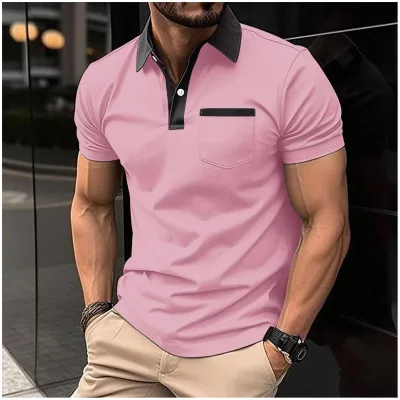
$6.0005 - $6.4382
MOQ: 10 pieces
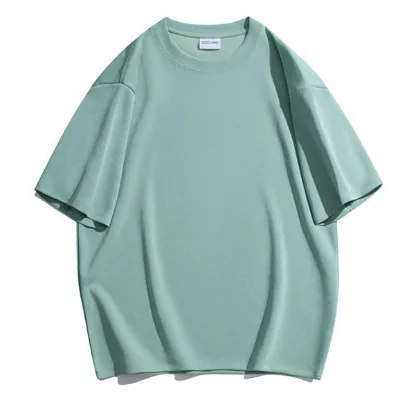
300 Grams Polyester / Cotton Undershirt T-shirt Custom Printing Logo Oversize Shirt
$4.90 - $5.60
MOQ: 50 pieces
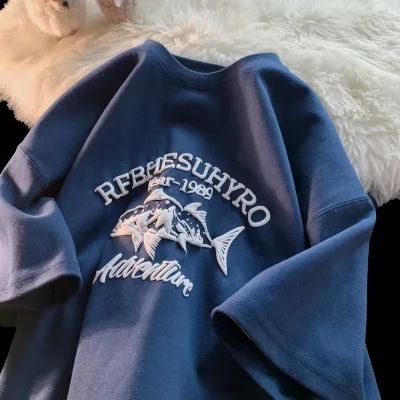
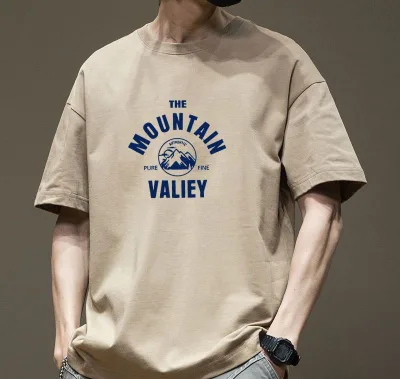
$4.6064 - $5.0666
MOQ: 50 pieces
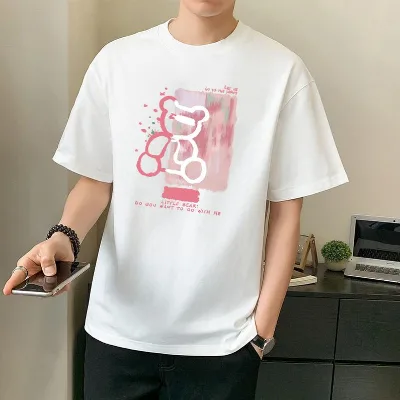
Cotton T-Shirt for Men Boy Custom Men's T Shirt Short Sleeves Cotton Men's T-Shirts
$4.0248 - $4.497
MOQ: 50 pieces

Baoding Yukaihe Clothing Import & Export Co., Ltd.
- Verified by TUVRHEINLAND
- Trading Company
- China Hebei
- Lead time15 days
- Avg. response≤ 6h
Main productsCap, Hat, Baseball Cap, Bucket Hat, Beanie, Running Hat, Snapback Caps, Sport Hat, Trucker Hat, Camp Caps
Main marketsSoutheast Asia/ Mideast,Europe,Australia,North America


Custom T-Shirts Plus Size Printing Cotton Oversized T-Shirts Fitted T-Shirt Custom Own Logo
$11.49 - $12.55
MOQ: 10 Pieces


Guangzhou Vision Clothing Co., Ltd.
- Verified by BV
- Combined
- China Guangdong
- Lead time15 days
- Avg. response≤ 6h
Main productsT-Shirt, Hoodie, Polo Shirt, Sweatpants
Main marketsSouth America,Southeast Asia/ Mideast,Europe,Australia,North America

Custom T Shirt Casual Streetwear T Shirt Blank Oversize Anti-Pilling High Quality Oversized T Shirt
$4.99 - $7.39
MOQ: 30 Pieces

$4.99 - $7.39
MOQ: 30 Pieces

Custom Men′ S Pure-Color T-Shirt Eco-Friendly Shirt Organic Cotton T-Shirt
$4.99 - $7.39
MOQ: 30 Pieces


Custom T Shirt Round Neck Black Pattern T-Shirts Oversize Unisex Plain 100% Cotton
$4.89 - $7.49
MOQ: 30 Pieces
- Verified by SGS Group
- Manufacturer, Trading Company
- Lead time20 days
- Avg. response≤ 2h
Main productsBaseball Cap/ Trucker Hat/ Beanie Hat, T Shirt/ Hoodies Sweatshirt
Main marketsEastern Europe(20%), North America(15%), South America(15%)
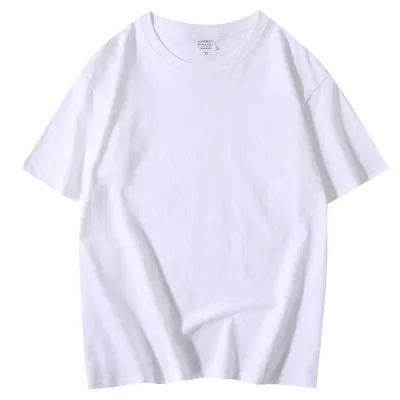
100% Cotton Oversized T-shirt Weight Heavy Custom 3d logo Men's Puff Print T-shirt
$1.96 - $3.98
MOQ: 1 pieces
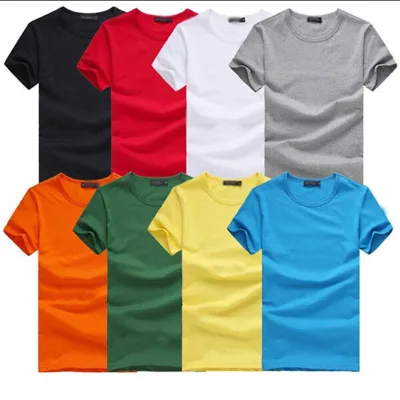
O-neck 100% Cotton Blanks Black t Shirt for Sale
$1.97 - $3.98
Dongguan Ensoul Garment Co., Ltd.
- Verified by TüVRheinland
- Manufacturer, Trading Company
- Lead time25 days
- Avg. response≤ 1h
Main productsHoodies, T Shirts, Jackets, Cargo Pants, Shorts
Main marketsNorth America(40%), Western Europe(20%), Oceania(15%)
- Trading Company
- Lead time旺季: "1 - 5000":35,"> 5000":"To be negotiated", 淡季: "1 - 5000":35,"> 5000":"To be negotiated"
- Avg. response≤ 11h
Main productsApparel,Fashion Accessories,UHMWPE Fiber,Fabric,webbing

Nuolang (Guangdong) Garment Industry Co., Ltd.
- Verified by BV
- Combined
- China Guangdong
- Lead time15 days
- Avg. response≤ 2h
Main productsT-Shirt, Polo Shirt, Shirt, Coverall, Suit, Uniform, Sportswear, Casual Wear
Main marketsSoutheast Asia/ Mideast
- Verified by TüVRheinland
- Trading Company
- Lead time10 days
- Avg. response≤ 2h
Main productsCustom T Shirts, Custom Polo Shirts, Custom Hoodies, Custom Baseball Caps, Custom Balaclavas
Main marketsNorth America(60%), Western Europe(30%), Oceania(10%)
Xiamen Ibestop Sport Co., Ltd.
- Trading Company, Distributor/Wholesaler
- Fujian, China
- Lead time10 days
- Avg. response≤ 5h
Main productscycling wear,Hoodies&Sweatshirt,T Shirt,training&jogging wear,Triathlon wear
Main marketsWestern Europe(20.00%), Southeast Asia(20.00%), North America(20.00%), South America(9.00%), Southern Europe(8.00%), Oceania(5.00%), Northern Europe(5.00%), South Asia(5.00%), Eastern Europe(5.00%), Central America(3.00%)
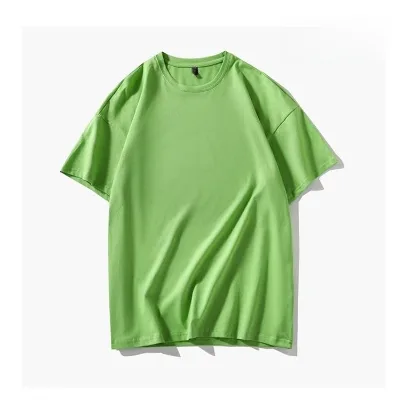
OEM Wholesale 100% Cotton Custom Design Man's t Shirt Plus Size Men's T-shirts
$4.30 - $5.20
MOQ: 2 pieces

- Verified by TUVRHEINLAND
- Combined
- China Shanghai
- Lead time15 days
- Avg. response≤ 3h
Main productsInfant Clothes, Baby Clothes, Kids Wear, Underwear, Sock, Pajama, Night Dress, Sleep Bag, Yoga Clothes, Nursing Tee
Main marketsEurope,Australia,North America

Men's Short Sleeve Tee Crew Neck T-Shirt Men's Undershirts Crew Neck T-Shirts
$5.54 - $6.26
MOQ: 100 Pieces


Guangdong Textiles Imp.&exp. Co., Limited
- Verified by Intertek
- Manufacturer, Trading Company
- Lead time20 days
- Avg. response≤ 4h
Main productsMen Hoodies, Men T-shirts, Men Denim, Women Sweaters, Women Jeans
Main marketsNorth America(38%), Western Europe(32%), Oceania(15%)
Beijing Tongweisheng Trading Co., Ltd.
- Verified by SGS Group
- Trading Company
- Lead time30 days
- Avg. response≤ 2h
Main productsT Shirt , Safety Shoes, Hoodie, Work Clothing
Main marketsNorth America(25%), South America(25%), Southeast Asia(20%)
Guangzhou Flugi Apparel Co., Ltd.
- Verified by TüVRheinland
- Manufacturer, Trading Company
- Lead time30 days
- Avg. response≤ 14h
Main productsLadies' T-shirt, Ladies' Shirts, Women's Pants, Men's T-shirt, Men's Sweatshirt
Main marketsNorth America(30%), South America(20%), Mid East(10%)
Jiangxi Yiqi Trading Co., Ltd.
- Manufacturer, Trading Company
- Jiangxi, China
- Lead time0 days
- Avg. response≤ 3h
Main productsT-Shirts, Pants, Polo Shirts, Hoodies, Coats
Main marketsNorth America(70.00%), Northern Europe(20.00%), Western Europe(10.00%)

Guangzhou Shangshang Industrial Co., Ltd.
- Combined
- China Guangdong
- Lead time15 days
- Avg. response≤ 17h
Main productsHoodies, T Shirt, Sweatpant, Shorts, Jacket
Main marketsDomestic
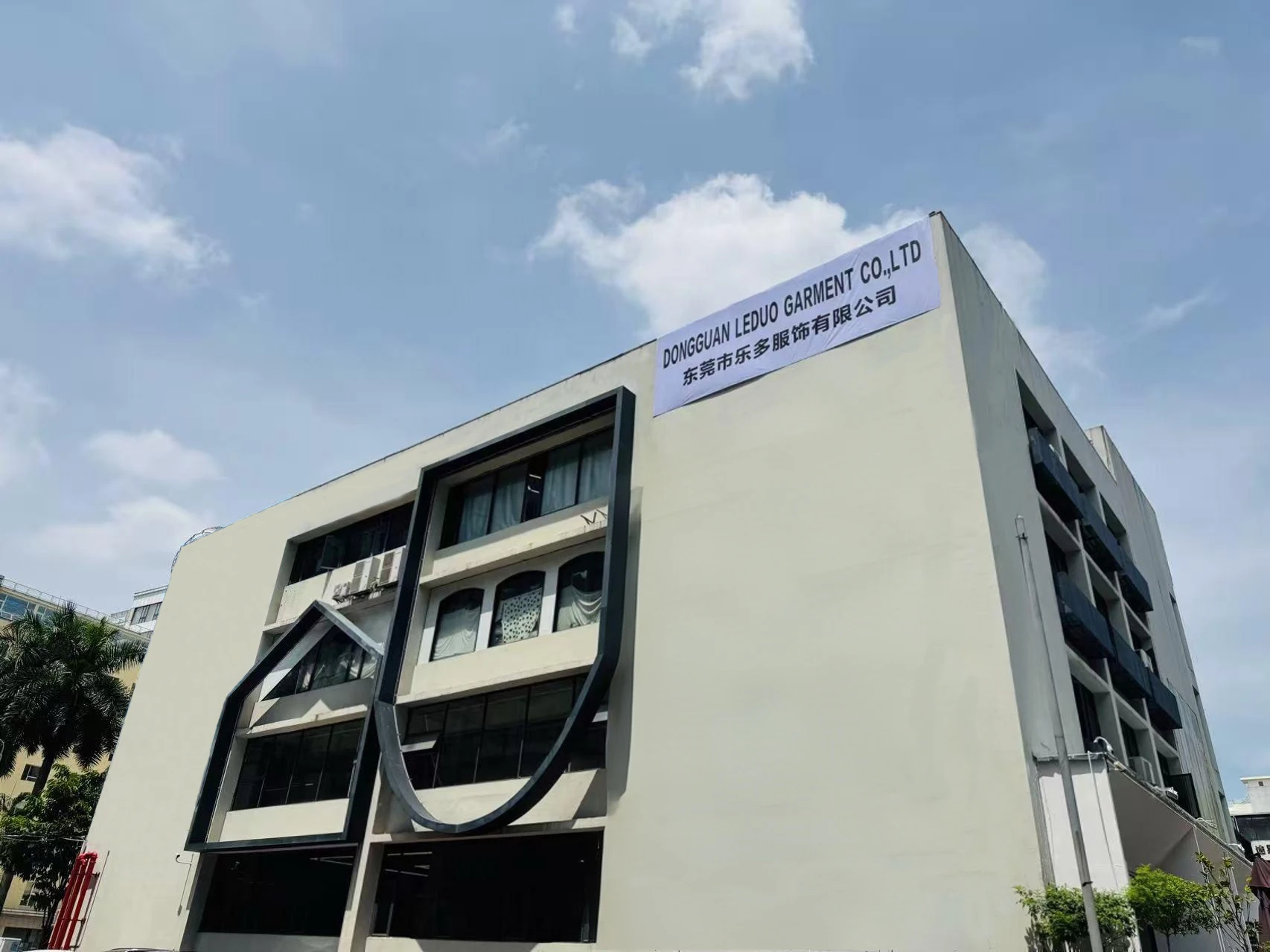
Dongguan Leduo Garment Co., Ltd.
- Manufacturer
- Guangdong, China
- Lead time20 days
- Avg. response≤ 2h
Main productsMen Jacket, Men Shorts , Men Hoodies, Men Tracksuit, Women Hoodies
Main marketsNorth America(50.00%), Oceania(30.00%), Western Europe(20.00%)
Yiwu Cosum Import & Export Co., Ltd.
- Manufacturer, Trading Company
- Lead time旺季: "1 - 20":20,"> 20":"To be negotiated", 淡季: "1 - 20":20,"> 20":"To be negotiated"
- Avg. response≤ 3h
Main productsHat, T-shirt, Hoodie, Beanies

Guangzhou Tianyuan Clothing Co., Ltd
- Verified by SGS
- Combined
- China Guangdong
- Lead time30 days
- Avg. response≤ 2h
Main productsPolo Shirt, Shirt, Suit, T-Shirt, School Uniform, Hooded Sweatshirt, Medical Uniform, Chef's Uniform, Trousers, Work Clothes
Main marketsDomestic
Dongguan Lianyishang Clothing Co., Ltd.
- Manufacturer
- Guangdong, China
- Lead time20 days
- Avg. response≤ 24h
Main productsT-shirt,Hoodie,Tracksuit,Jacket,Shorts
Main marketsNorth America(50.00%), Southern Europe(30.00%), Oceania(20.00%)

- Verified by SGS
- Combined
- China Fujian
- Lead time15 days
- Avg. response≤ 5h
Main marketsEurope
Jinan Runhang Textile Co., Ltd.
- Verified by SGS Group
- Manufacturer, Trading Company
- Lead time30 days
- Avg. response≤ 4h
Main productsT shirt, Hoodies & Sweatshirt, Polo Shirt, Uniform, Jacket
Main marketsNorth America(30%), Oceania(20%), Western Europe(20%)

Shanghai Touch Industrial Development Co., Ltd.
- Verified by TUVRHEINLAND
- Combined
- China Shanghai
- Lead time15 days
- Avg. response≤ 5h
Main productsInstant Hot Pack, Hot Cold Pack, Gel Eye Mask, Gel Ice Pack, Gel Bottle Cooler, Instant Ice Pack, Hand Warmer, Heat Pack, Cooling Scarf, Gel Beads
Main marketsSouth America,Others(foreignTradeCapacity.exportBusinessCapacityMarketOther),Southeast Asia/ Mideast,East Asia(Japan/ South Korea),Domestic,Europe,Australia,North America


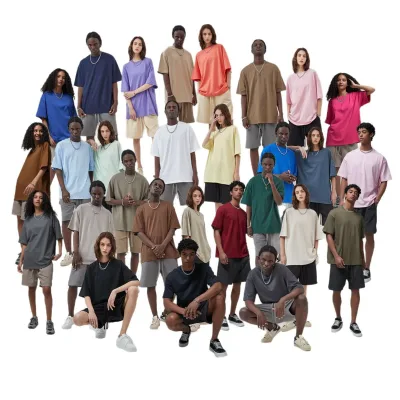
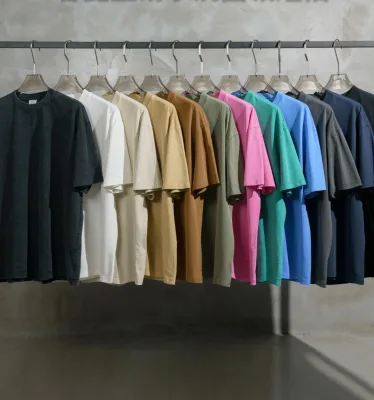
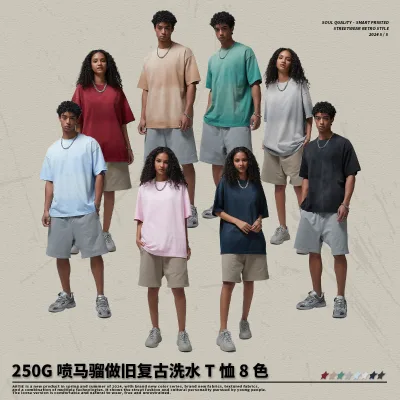








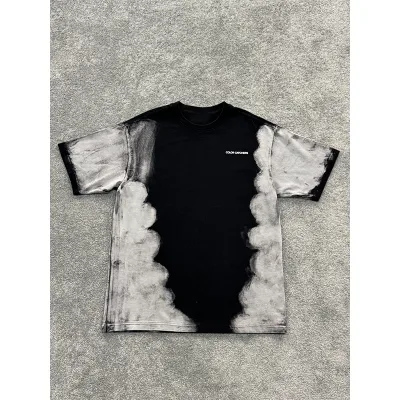
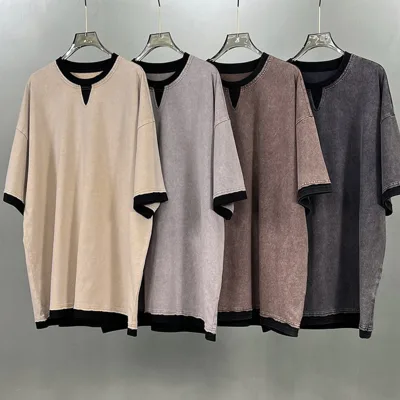
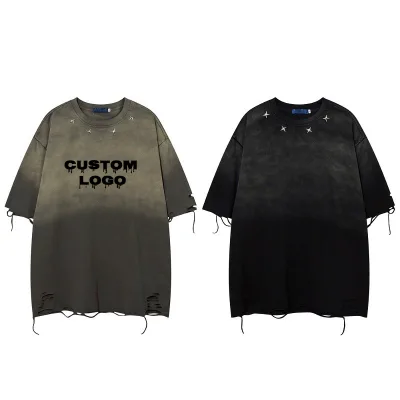
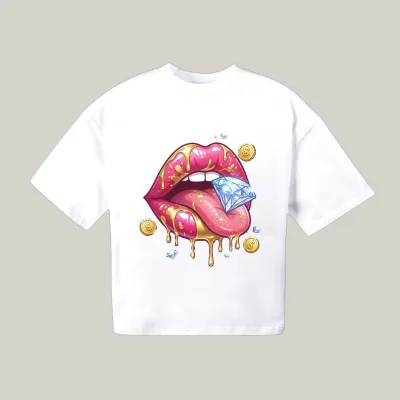
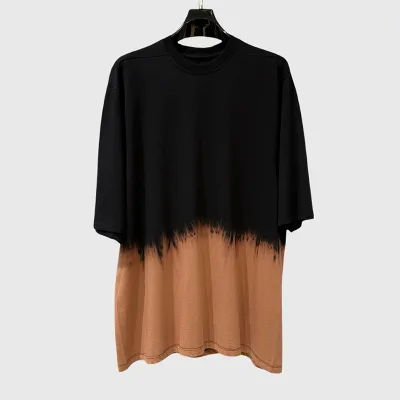


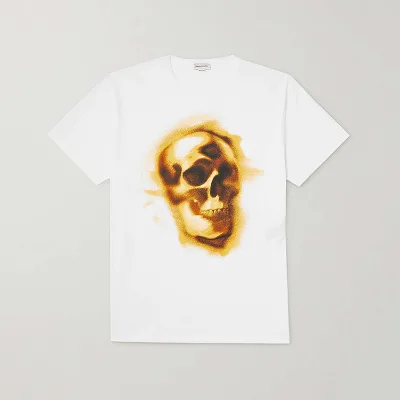
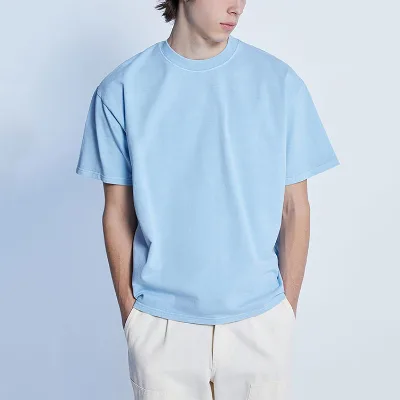


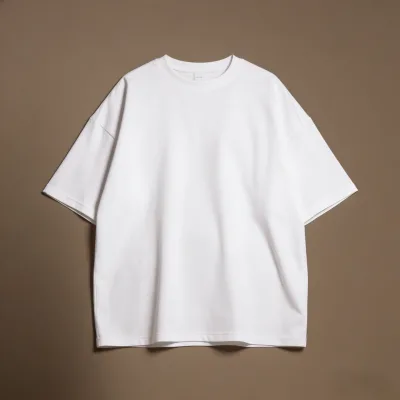



Comprehensive Sourcing Guide
Eco-Friendly Anti-Pilling Oversize T-Shirts Supplier Concentration and Factory Types
The current supplier landscape for eco-friendly anti-pilling oversize t-shirts reveals a distinct geographic and operational concentration that buyers must navigate carefully. Evidence indicates that a significant portion of available suppliers are located in China Guangdong, a region historically known for its robust textile manufacturing infrastructure. This location is particularly relevant for buyers seeking products with specific material compositions, such as 100% Organic Cotton or 100% Polyester blends, which are frequently listed in the product attributes of these suppliers. The presence of suppliers in this region suggests a mature supply chain capable of handling the complexities of both natural and synthetic fiber processing, which is essential for producing garments that claim anti-pilling properties while maintaining an oversized fit. Buyers should recognize that this geographic clustering often correlates with specialized expertise in fabric treatment and finishing processes that are critical for achieving the desired durability and texture in oversize t-shirts.
In terms of company structure, the market offers a mix of Combined entities, Manufacturers, and Trading Companies, each presenting different advantages for sourcing eco-friendly apparel. Some suppliers identify as Combined or Manufacturer types, indicating they may have direct control over the production process, which can be crucial for verifying claims about organic materials or anti-pilling treatments. Others operate as Trading Companies, which might offer a broader range of styles, such as hoodies, jackets, or tracksuits, alongside t-shirts, providing one-stop sourcing convenience. The distinction is vital because manufacturers may offer more flexibility in customization, such as ODM or OEM services, while trading companies might provide faster access to existing stock or a wider variety of main products like school uniforms or medical attire. Understanding this mix helps buyers align their sourcing strategy with their need for direct factory interaction versus broad product availability.
How to Verify Eco-Friendly Anti-Pilling Oversize T-Shirts Suppliers
Verifying the legitimacy and capabilities of suppliers requires a close examination of their verification badges and certification records, which serve as primary indicators of reliability. In the current results, some suppliers display CTI verification, while others are verified by SGS Group, a globally recognized inspection and certification body. These third-party validations provide a layer of assurance regarding the supplier’s business operations and product quality standards. Buyers should prioritize suppliers with these established verification marks, as they indicate that an independent party has assessed the company’s authenticity. Additionally, the presence of system certifications such as BSCI, Sedex, FAMA, and CPSC-CH-E1003 on some supplier profiles suggests adherence to specific social compliance and safety standards. These certifications are particularly important for eco-friendly products, as they often encompass environmental management and ethical labor practices, which are core components of sustainable sourcing.
Beyond verification badges, buyers must scrutinize the specific product attributes and sustainability statements provided in the listings to confirm eco-friendly claims. For instance, one product listing explicitly mentions a "Global Organic Textile Standard Certified Products" sustainability statement, which is a critical detail for buyers seeking genuinely organic materials. Another product highlights a material composition of 100% Organic Cotton, which aligns with eco-friendly sourcing goals. However, buyers should be cautious and verify that these claims are backed by valid documentation, as not all suppliers provide such detailed evidence. The presence of specific care instructions, such as "Low Temperature Drying" or "Machine Washable at Water Temperature of 40° C," can also indirectly support quality claims, as durable, anti-pilling garments often require specific maintenance to retain their integrity. Buyers should request certificates of analysis or audit reports for any claimed certifications to ensure they are current and applicable to the specific products being ordered.
What to Compare Across Eco-Friendly Anti-Pilling Oversize T-Shirts Suppliers
When evaluating multiple suppliers, buyers should systematically compare key operational metrics such as lead times, minimum order quantities (MOQs), and response times to determine which partner best fits their production schedule and budget. The data shows a wide variance in these metrics; for example, one supplier lists a lead time of 60 days, while another indicates a lead time of 0 days, which may imply ready-to-ship stock or a different production model. Similarly, MOQs range from 50 pieces to 100 pieces, offering flexibility for smaller orders or larger bulk purchases. Response times also vary, with some suppliers responding within 2.00 hours and others taking 3 hours, which can impact the efficiency of negotiations and sample requests. Buyers should create a comparison matrix to weigh these factors against their specific needs, such as urgent delivery requirements or budget constraints associated with lower MOQs.
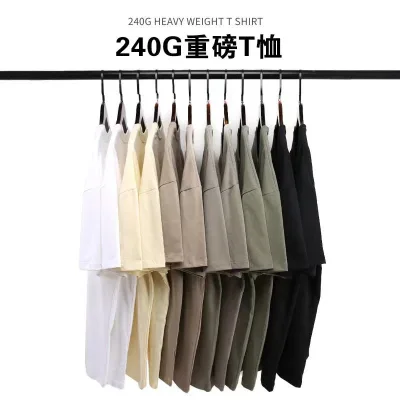
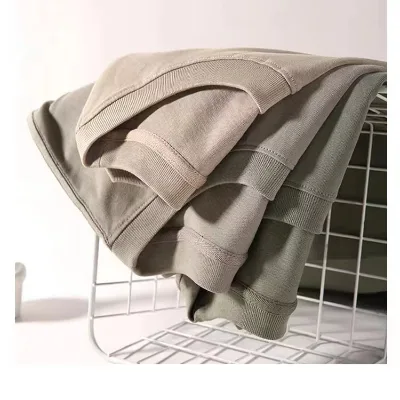
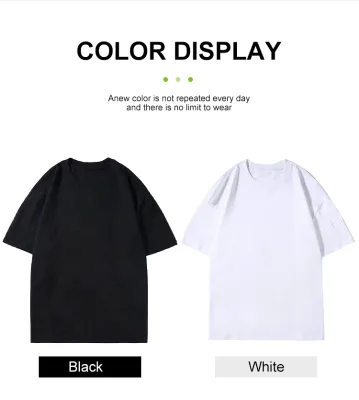
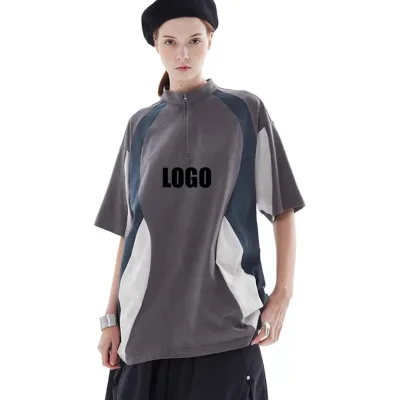
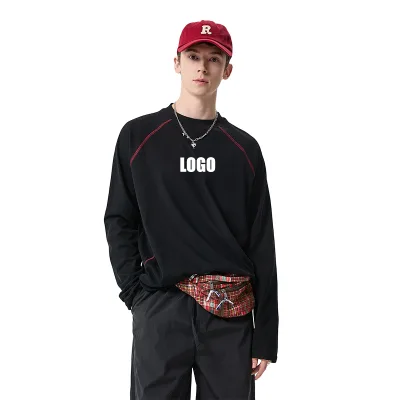
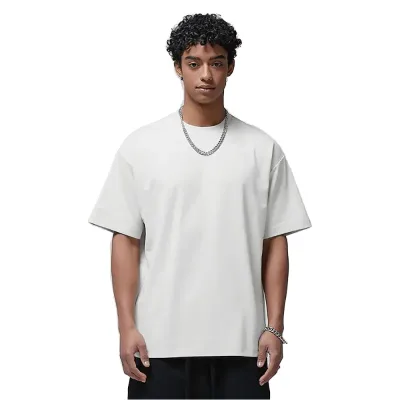
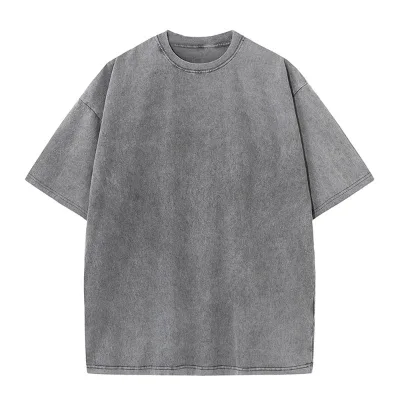
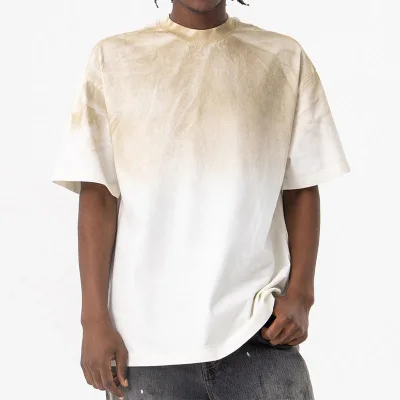
In addition to operational metrics, buyers must compare the technical specifications and customization options available for the t-shirts. Product attributes reveal differences in material composition, with options ranging from 100% Organic Cotton to 100% Polyester, each offering distinct benefits regarding breathability, durability, and environmental impact. The fabric weight, such as 180gsm, and sleeve styles, like long sleeve or short sleeve, also vary and should be matched to the target market’s preferences. Customization capabilities, including logo placement, pattern types, and color options, are another critical comparison point. Some suppliers offer simple designs with clear patterns, while others provide color-blocked or letter-patterned options. Buyers should assess whether the supplier’s customization limits align with their brand’s design requirements, ensuring that the final product meets both aesthetic and functional standards for anti-pilling performance and oversized fit.
Common Eco-Friendly Anti-Pilling Oversize T-Shirts Sourcing Risks
One significant risk in sourcing eco-friendly t-shirts is the potential discrepancy between claimed sustainability attributes and actual product composition. While some listings explicitly state "100% Organic Cotton" or reference Global Organic Textile Standard certification, others may use vague terminology without providing verifiable proof. Buyers must be vigilant in verifying these claims, as mislabeling can lead to compliance issues and damage brand reputation. Additionally, the term "anti-pilling" is often used in product descriptions, but the actual performance can vary based on fabric construction and finishing processes. Without specific test results or standardized testing protocols, buyers cannot be certain that the garments will maintain their quality after multiple washes. This risk is compounded by the fact that some suppliers may not provide detailed fabric weight or weaving method information, making it difficult to assess the inherent durability of the material.
Another risk involves the reliability of lead times and production capacity, which can directly impact supply chain stability. The observed lead times range from 0 to 60 days, indicating a lack of standardization in production scheduling. A supplier claiming a 0-day lead time might be offering stock items, which could limit customization options, while a 60-day lead time might be necessary for custom orders but could delay market entry. Buyers must also consider the supplier’s response time, as slower responses can hinder effective communication and problem-solving during the production process. Furthermore, the mix of manufacturer and trading company types introduces variability in quality control; trading companies may have less direct oversight over the manufacturing process, potentially leading to inconsistencies in product quality. Buyers should mitigate these risks by establishing clear communication protocols and requesting regular production updates to ensure adherence to agreed-upon timelines and quality standards.
Eco-Friendly Anti-Pilling Oversize T-Shirts Regional Sourcing and Logistics
The geographic location of suppliers plays a crucial role in determining logistics costs, shipping times, and overall supply chain efficiency. The current results highlight a concentration of suppliers in China Guangdong, a major manufacturing hub known for its textile industry. Sourcing from this region can offer advantages in terms of specialized expertise and competitive pricing, but buyers must also consider the logistical implications of importing from China. Shipping costs and transit times can vary significantly depending on the destination country and the chosen shipping method, whether by sea or air. Buyers should factor these logistics costs into their total landed cost calculations to ensure that the final product remains competitive in their target market. Additionally, the presence of suppliers in other regions, such as China Shanghai, may offer alternative sourcing options with different logistical profiles, potentially reducing dependency on a single geographic cluster.
Logistics planning also involves understanding the packaging and shipping specifications provided by suppliers, which can impact handling and storage efficiency. Product attributes often include single package sizes, such as 40X32X0.6 cm or 865335=10 Sets, which are critical for calculating container load quantities and warehouse space requirements. Buyers should work closely with suppliers to optimize packaging dimensions to minimize shipping costs and reduce the risk of damage during transit. Furthermore, the origin of the products, consistently listed as China, must be accurately declared for customs clearance and compliance with import regulations. Buyers should ensure that all necessary documentation, including certificates of origin and material safety data sheets, is prepared in advance to facilitate smooth customs processing. By carefully planning logistics and packaging, buyers can enhance supply chain resilience and reduce the overall cost of sourcing eco-friendly t-shirts.
Eco-Friendly Anti-Pilling Oversize T-Shirts Commercial Terms and Order Planning
Commercial terms, including pricing structures and payment conditions, are fundamental to successful order planning and risk management. The price ranges observed in the supplier results vary widely, from as low as $1.00 to as high as $22.00 per unit, reflecting differences in material quality, customization complexity, and order volume. Buyers must analyze these prices in the context of their target retail margins and budget constraints, ensuring that the cost of goods sold allows for profitability. It is essential to clarify whether the quoted prices include shipping, taxes, and other duties, as these factors can significantly impact the final cost. Additionally, buyers should negotiate clear payment terms, such as deposits and balance payments, to protect their financial interests and ensure that the supplier is committed to fulfilling the order. Understanding the full cost structure is crucial for accurate financial planning and avoiding unexpected expenses.
Order planning also requires careful consideration of customization options and production capabilities to align with market demand. Suppliers offering ODM, OEM, and own brand services provide flexibility for buyers looking to create unique products or private label their offerings. Buyers should assess the supplier’s ability to handle specific customization requests, such as logo printing, color blocking, or unique sleeve styles, and ensure that these capabilities are documented in the contract. Furthermore, buyers should plan for sample orders to verify product quality and fit before committing to large production runs. Some suppliers support 7-day sample order lead times, which can accelerate the product development process. By integrating commercial terms and customization capabilities into their order planning, buyers can optimize their sourcing strategy, reduce lead times, and ensure that the final products meet their quality and sustainability standards.
FAQs
What is the price range for oversize t-shirts?
Prices for oversize t-shirts typically range from $1.00 to $22.00 per unit. This wide variation depends on material choices, such as organic cotton versus polyester, and customization levels. Buyers should expect lower costs for bulk orders meeting the minimum quantity requirements set by individual suppliers.
What is the minimum order quantity for custom t-shirts?
The minimum order quantity varies between 50 and 100 pieces depending on the supplier. Some manufacturers accept orders starting at fifty units for customized designs, while others require a hundred pieces. Buyers should verify the specific MOQ with their chosen supplier before placing an order.
How long does production take for custom orders?
Standard lead times for production are approximately sixty days. However, some suppliers offer faster sample processing or specific quick-turnaround options. Buyers should confirm the exact delivery schedule with the manufacturer, as lead times can vary based on order volume and customization complexity.
Are these t-shirts certified for sustainability?
Yes, certain oversize t-shirts are Global Organic Textile Standard certified. These products are made from 100% organic cotton and meet specific sustainability criteria. Buyers looking for eco-friendly options should look for this certification to ensure the materials meet recognized environmental and social standards.
What materials are used for anti-pilling t-shirts?
T-shirts are available in 100% polyester and 100% cotton. Polyester options often feature quick-dry and anti-pilling properties, while cotton versions offer softness and breathability. Buyers should select the material that best fits their performance requirements and target market preferences for durability and comfort.
Where are these suppliers located?
Suppliers are primarily located in Guangdong and Shanghai, China. These regions are known for their strong apparel manufacturing capabilities. Buyers can source from these locations to benefit from established supply chains and efficient logistics for international shipping of custom apparel orders.
What verification standards do suppliers meet?
Suppliers hold various certifications including BSCI, Sedex, and SGS Group verification. These standards ensure compliance with social responsibility and quality management systems. Buyers can rely on these verifications to assess supplier reliability and ethical manufacturing practices when sourcing custom oversize t-shirts for their business.