Casual Breathable Cargo Pants Suppliers and Manufacturers
Compare 25 verified suppliers offering Casual Breathable Cargo Pants with varying lead times, certifications, and customization options. Review response times and MOQs to select a factory in China Fujian, Hubei, or Anhui for your next order; review the available evidence before requesting comparable quotations from suitable candidates.
Updated
Suppliers List

Power Ascent (Xiamen) International Ltd.
- Verified by BV
- Trading Company,Manufacturer/Factory
- China Fujian
- Lead time90 days
- Avg. response≤ 25h
Main productsMen's Suit, Business Suit, Shirt, Trousers, Casual Jacket, Ski Wears, Softshell Jacket, Function Garments, Office Uniform, Worker Uniform
Main marketsSouth America,Eastern Europe,Mid East,North America,Oceania,Western Europe

Kinglong Protective Products (Hubei) Co., Ltd.
- Verified by TUVRHEINLAND
- Combined
- China Hubei
- Lead time60 days
- Avg. response≤ 2h
Main productsWork Clothes, Workwear, Coveralls, Work Garment, Uniforms, Pants, Cargo Pants, Leisure Pants, Outdoor Wear
Main marketsSouth America,Southeast Asia/ Mideast,Europe


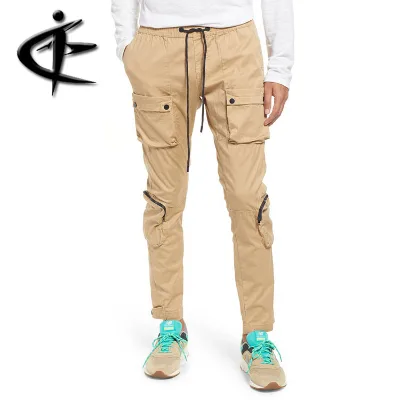
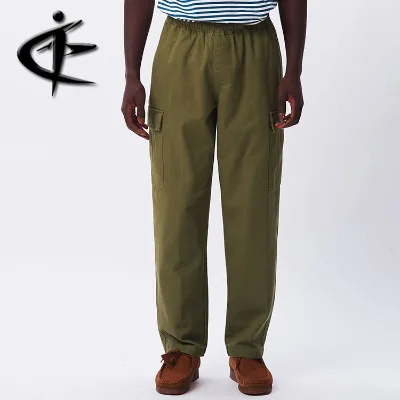
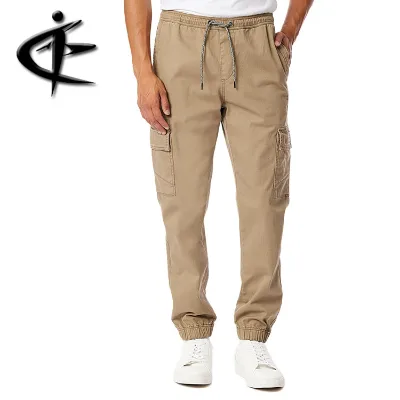
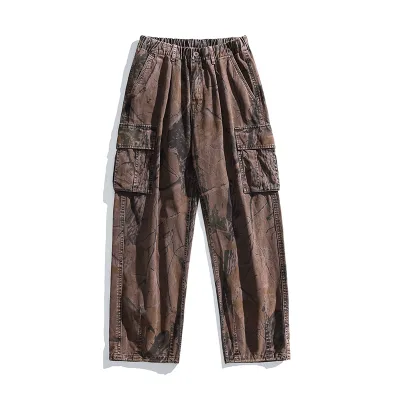
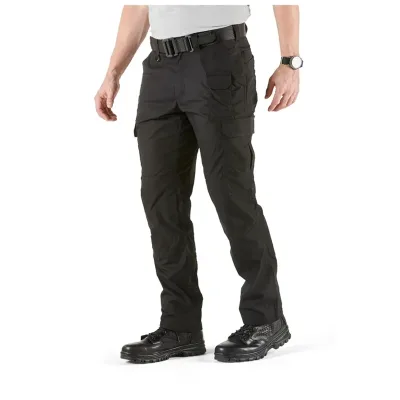
Men's Cargo Work Pant- Casual Pants for Men Relaxed Fit Cargo Trousers Workwear Trousers
$5.56 - $6.89
MOQ: 3000 piece


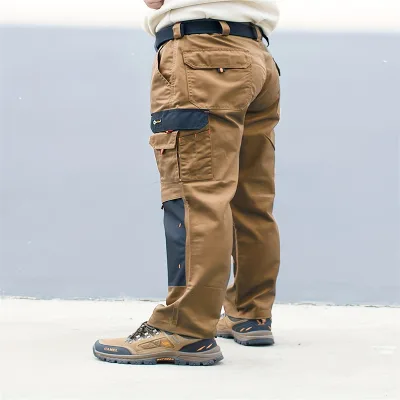
High Quality Custom Casual Multi Pocket Straight Outdoor Cargo Pants Men's Elastic Pants
$6.80 - $9.50
MOQ: 3000 piece

- Verified by CTI
- Trading Company
- China Anhui
- Lead time23 days
- Avg. response≤ 2h
Main productsFurniture, Home Furniture
Main marketsSoutheast Asia/ Mideast

Shenyang Sunnytex Apparel Co., Ltd.
- Verified by BV
- Trading Company
- China Liaoning
- Lead time30 days
- Avg. response≤ 4h
Main productsPants, Jackets, Workwear, Cargo Pants, Swimwear, Uniform, Vest, Coverall, Reflective Clothes, Work Clothes
Main marketsEast Asia(Japan/ South Korea),Europe,Australia
Fuzhou Changtai Textile Co., Ltd.
- Verified by Intertek
- Trading Company
- Lead time45 days
- Avg. response≤ 4h
Main productsMen's Softshell Jackets, Men's Waterproof Jackets, Men's Pants, Men's Vests, Safety Jacket
Main marketsWestern Europe(72%), South America(10%), Oceania(8%)
Dongguan Yunmei Clothing Co., Ltd.
- Verified by SGS Group
- Manufacturer, Trading Company
- Lead time20 days
- Avg. response≤ 2h
Main productsHoodies, T-shirt, Tracksuit, Jacket, Men's Pants
Main marketsNorth America(45%), Domestic Market(40%), South America(5%)
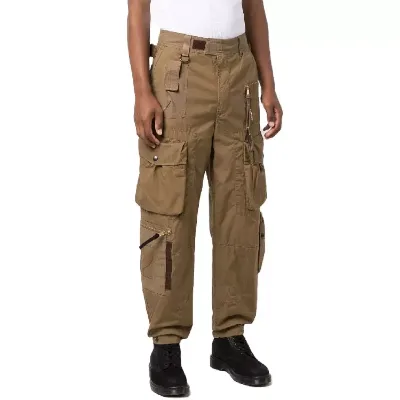
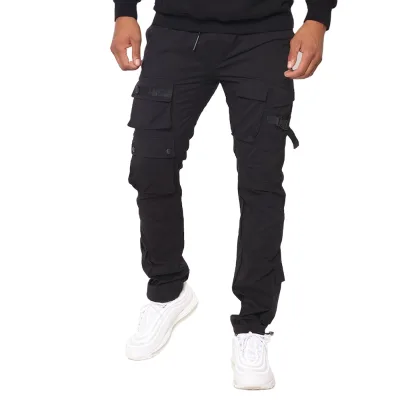
2022 New Coming Multiple Pocket Pantalon Cargo Homme 100% Nylon Men's Cargo Pants
$9.90 - $15.90
MOQ: 50 pieces
Dongguan Lianyishang Clothing Co., Ltd.
- Manufacturer
- Guangdong, China
- Lead time20 days
- Avg. response≤ 24h
Main productsT-shirt,Hoodie,Tracksuit,Jacket,Shorts
Main marketsNorth America(50.00%), Southern Europe(30.00%), Oceania(20.00%)

Guangzhou Ouzun Clothing Co., Ltd.
- Verified by CTI
- Combined
- China Guangdong
- Lead time23 days
- Avg. response≤ 2h
Main productsUniforms, Pants, Suits&Blazer, T Shirt, Polo Shirt, Sportswear, Jacket, Hoodies&Sweatshirts
Main marketsDomestic


Comfortable Wear Easy Match Cotton Men Cargo Pant for Outdoor Activities
$5.99 - $9.99
MOQ: 100 Pieces


Huizhou Chaoli Gravity Technology Co., Ltd.
- Verified by SGS
- Trading Company
- China Guangdong
- Lead time15 days
- Avg. response≤ 11h
Main productsHoodie, Jeans, T-Shirt, Sweatshirt, Sweatpants, Tank Top, Sports Wear, Jersey
Main marketsEurope,Australia,North America
Nange Clothing Industry (dongguan) Co., Ltd.
- Verified by TüVRheinland
- Manufacturer, Trading Company
- Lead time30 days
- Avg. response≤ 2h
Main productsT-Shirts, Hoodies, Tracksuit, Shorts, Pants
Main marketsNorth America(35%), Western Europe(15%), Southeast Asia(8%)
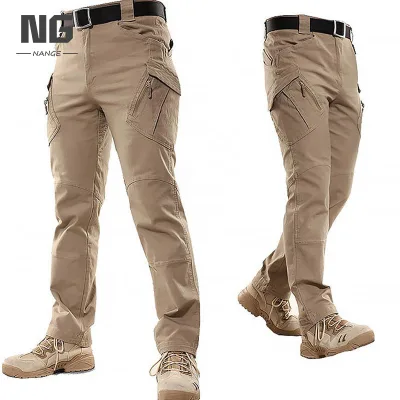
Hot Sale Pants Casual Fashion Custom Design Mens Outdoor Cargo Pants
$11.6187 - $18.0959
MOQ: 50 pieces
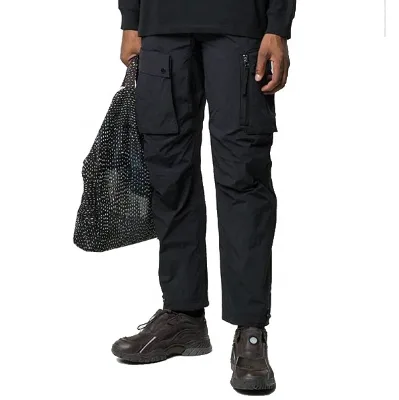

Nanchang Ketai Safety Protective Articles Co., Ltd.
- Verified by TUVRHEINLAND
- Trading Company
- China Jiangxi
- Lead time30 days
- Avg. response≤ 12h
Main productsWorkwear, Uniform, Work Clothing, Work Pants, Work Shirts, Coveralls, Jackets, Salon Uniform, Lab Coat, Hospital Uniform
Main marketsSouth America,Africa,Southeast Asia/ Mideast,East Asia(Japan/ South Korea),Europe,Australia,North America
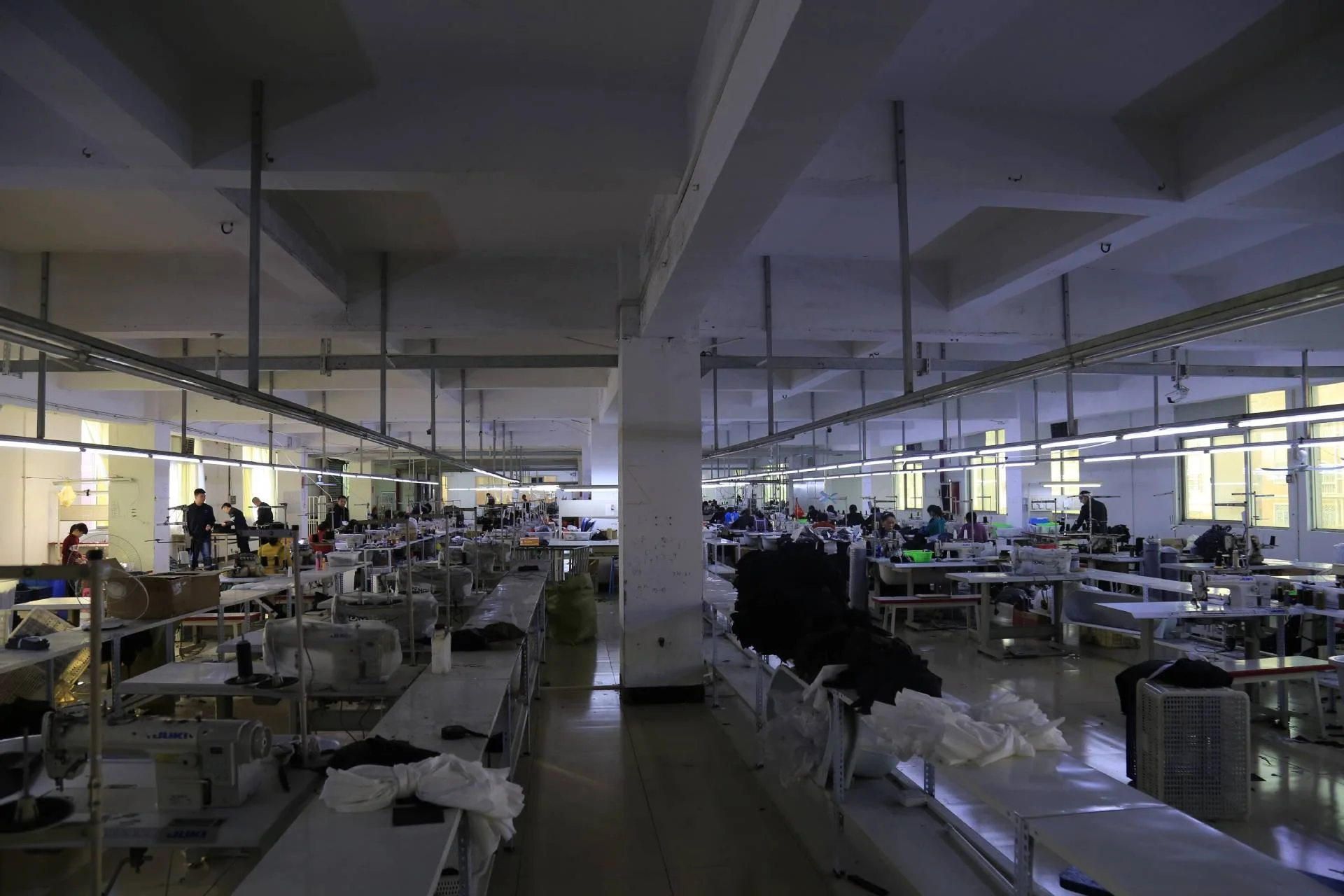
Shishi Hopeford Trade Co., Ltd.
- Trading Company
- Fujian, China
- Lead time0 days
- Avg. response≤ 2h
Main productsmens shorts,mens pants,mens beach shorts,mens sweatshirts,mens T shirt
Main marketsNorth America(40.00%), Western Europe(20.00%), South America(20.00%), South Asia(10.00%), Eastern Europe(10.00%)

Isaiah Trading (Linyi) Co., Ltd.
- Verified by SGS
- Trading Company
- China Shandong
- Lead time60 days
- Avg. response≤ 2h
Main productsDenim Coat, Denim Jacket, Jeans, Western Shirt, Casual Coat, Denim Shirts, Trucker Jacket, Windbreaker Coat, Trench Coat, Women Jeans
Main marketsNorth America


Men's Customized Casual 4 Pockets Elastic Waist Loose Fit Sports Cargo Pants
$9.20 - $15.00
MOQ: 100 PC

Men's Wholesale Casual Cotton 4 Pockets Elastic Waist Loose Straight Cargo Pants
$9.20 - $15.00
MOQ: 100 PC

- Verified by CTI
- Manufacturer/Factory
- China Hebei
- Lead time0 days
- Avg. response≤ 19h
Main productsWork Clothes, Men's Clothes, Women's Clothes, Children's Clothes, Ski Suit, High Visibility Workwear Jacket, Winter Jacket, Beach Pants, High Visibility Workwear Pants, Fashion Shirt


Men's Dual Color Multifunctional Casual Workwear Pants, Men's Cargo Pants
$8.00 - $8.50
MOQ: 1000 pieces


$9.50 - $10.00
MOQ: 1000 pieces
Dongguan Maoyuan Clothing Co., Ltd.
- Verified by SGS Group
- Manufacturer, Trading Company
- Lead time0 days
- Avg. response≤ 2h
Main productsT Shirt, Polo Shirt, Hoodie, Sportswear

- Manufacturer, Trading Company
- Fujian, China
- Lead time30 days
- Avg. response≤ 3h
Main productsOutdoor Jackets,Men's Tracksuit,Yoga Sets,Short Sets,Sport Jersey
Main marketsNorth America(33.00%), Northern Europe(32.00%), Southern Europe(18.00%), Oceania(10.00%), Mid East(7.00%)
Dongguan Dali Clothing Co., Ltd.
- Manufacturer, Trading Company
- Guangdong, China
- Lead time30 days
- Avg. response≤ 4h
Main productsMen's Clothing
Main marketsNorth America(40.00%), Oceania(30.00%), Western Europe(15.00%), South Asia(5.00%), Northern Europe(5.00%), Southeast Asia(5.00%)
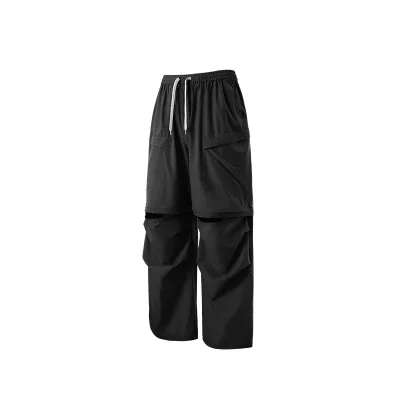
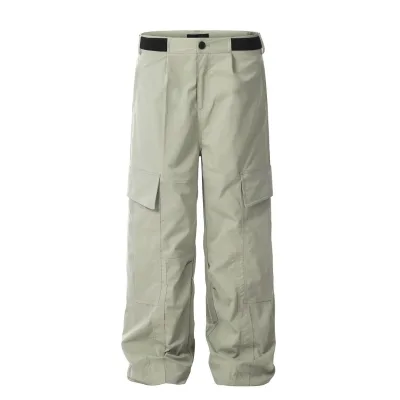
Spring Solid Color Straight Loose Fashion Comfortable Work Pants Design Sense Men's Cargo Pants
$17.60 - $19.80
MOQ: 100 pieces
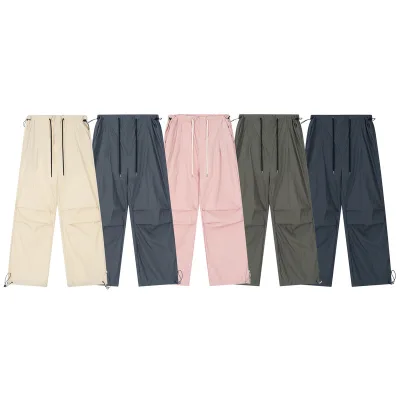
Xiamen Sunrise Trading Co., Ltd.
- Manufacturer, Distributor/Wholesaler
- Fujian, China
- Lead time45 days
- Avg. response≤ 6h
Main productsCustom cotton and linen shirts,Custom t-shirts,Custom men's hoodies,Custom men's jackets,Custom jeans
Main marketsWestern Europe(30.00%), Central America(20.00%), South America(15.00%), North America(10.00%), Southeast Asia(5.00%), Eastern Asia(5.00%), Eastern Europe(5.00%), Northern Europe(4.00%), South Asia(3.00%), Mid East(3.00%)
Guangzhou Jiexiang Clothing Co., Ltd.
- Verified by Intertek
- Manufacturer, Trading Company
- Lead time12 days
- Avg. response≤ 3h
Main productsJogger Sweatpant Chino, Hoodies Sweatshirt, Hoodie Set, Shorts , Jeans Denim Shorts
Main marketsNorth America(58%), Western Europe(22%), Eastern Europe(10%)
Dongguan Yueweier Apparel Co., Ltd.
- Verified by Intertek
- Trading Company
- Lead time15 days
- Avg. response≤ 2h
Main productsJackets, Pants, Hoodies Sweatshirt, Dresses, Shirts
Main marketsNorth America(70%), Western Europe(15%), Oceania(15%)
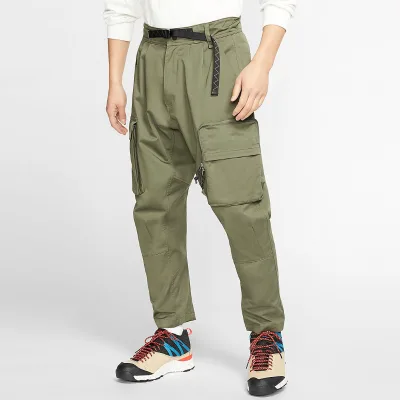
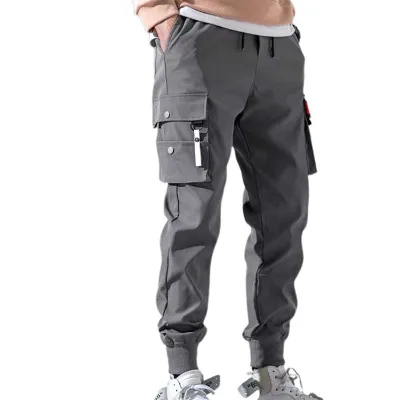
Casual Outdoor Bottom Jogger Men Woven Streetwear Working Pocket Cargo Pants for Men
$9.80 - $14.00
MOQ: 300
Dongguan Hongguan Garment Co., Ltd.
- Verified by TüVRheinland
- Manufacturer, Trading Company
- Lead time20 days
- Avg. response≤ 4h
Main productsHoodies, T-Shirts, Sweatpants, Jackets
Main marketsNorth America(45%), Domestic Market(20%), Western Europe(10%)
Dongguan Senzhou Garment Co., Ltd.
- Verified by TüVRheinland
- Manufacturer, Trading Company
- Lead time15 days
- Avg. response≤ 2h
Main productsTracksuit, T-Shirts, Hoodie, Shorts, Jacket
Main marketsNorth America(28%), Western Europe(22%), Domestic Market(20%)
Dongguan Jinhui Clothing Co., Ltd.
- Verified by TüVRheinland
- Manufacturer, Trading Company
- Lead time15 days
- Avg. response≤ 3h
Main productsHoodie, T-Shirts, Shorts, Jackets, Coats
Main marketsEastern Europe(40%), North America(30%), Oceania(10%)
Guangzhou Tianhe Huangcun Lookfie Commercial And Trade Department
- Manufacturer, Trading Company, Distributor/Wholesaler
- Guangdong, China
- Lead time30 days
- Avg. response≤ 10h
Main productsHoodie,T-shirt,Polo shirt,Jogger,Jacket
Main marketsNorth America(80.00%)
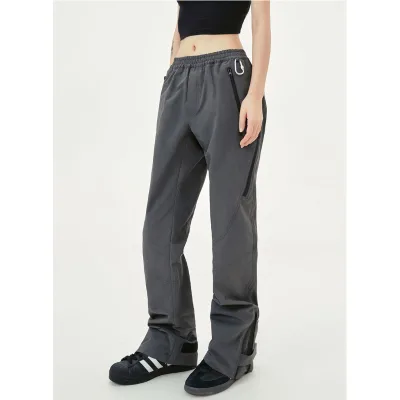
$14.1626 - $16.2597
MOQ: 200 pieces
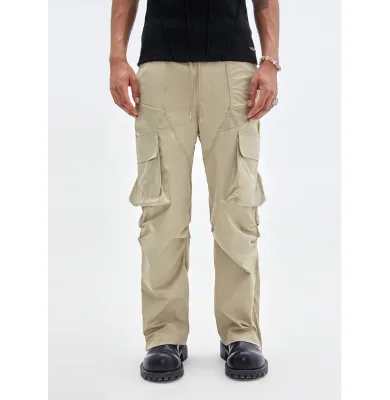
High Quality Men's Work Pants Factory Supplier's Mid-Waist Straight Pattern Cargo Pants Dropship
$16.2492 - $18.3448
MOQ: 200 pieces
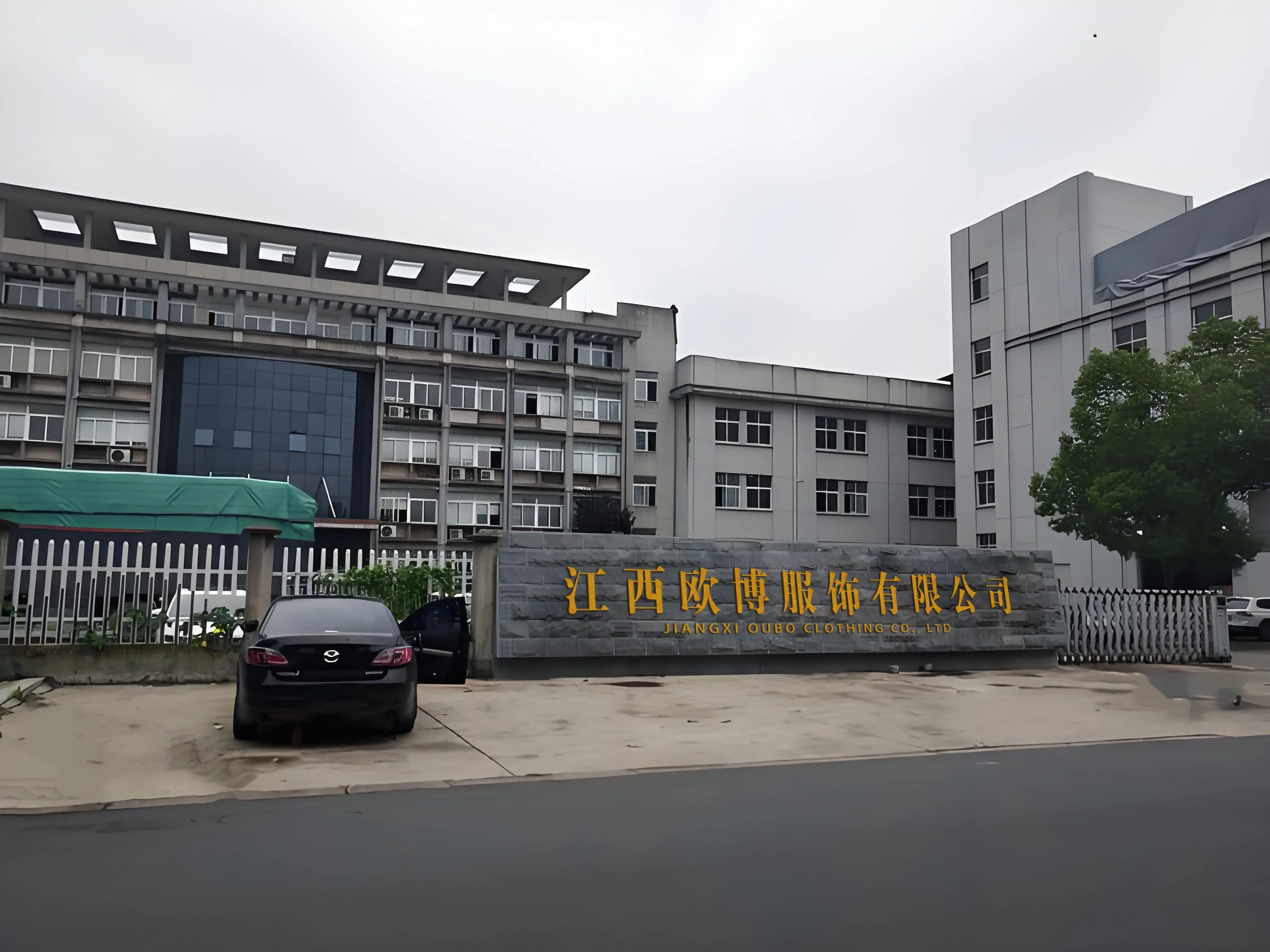
Jiangxi Oubo Garment Co., Ltd.
- Manufacturer, Trading Company
- jiangxi, China
- Lead time10 days
- Avg. response≤ 2h
Main productshoodie,T-shirt,pants,sweater,tank top
Main marketsNorth America(70.00%), Northern Europe(20.00%), Mid East(10.00%)


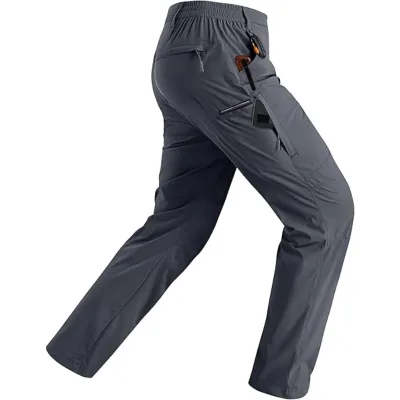
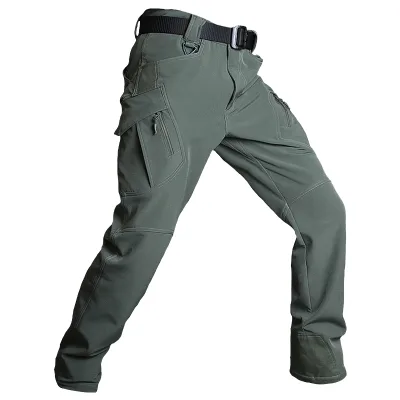


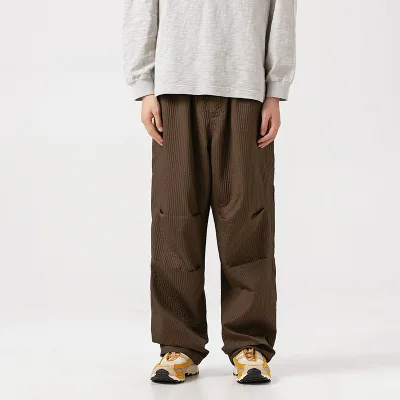
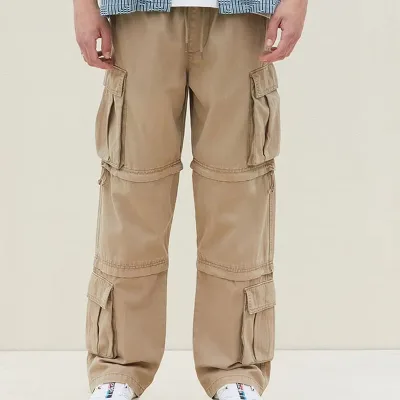
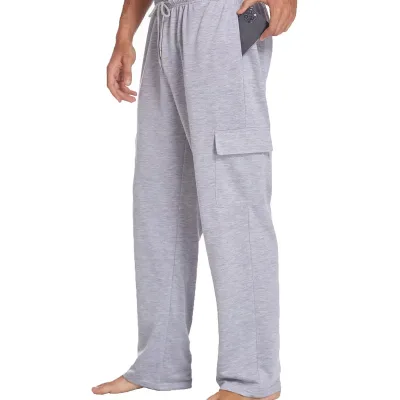
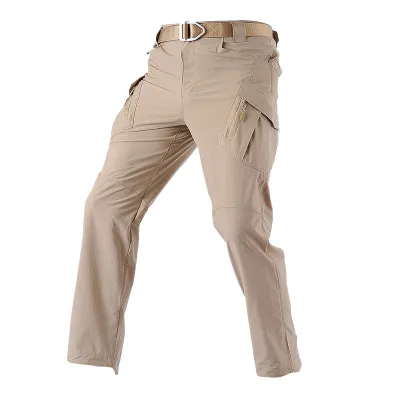
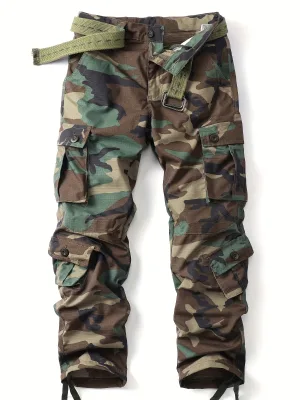
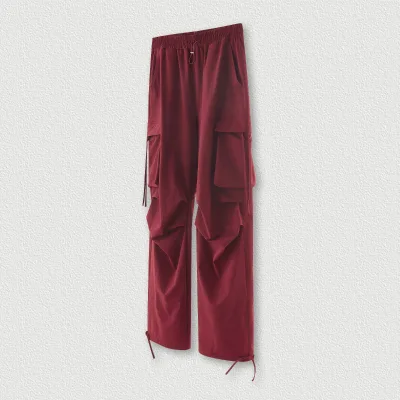
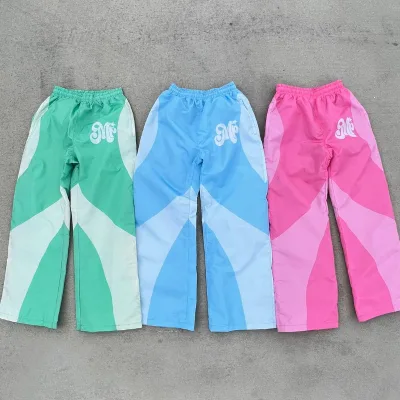
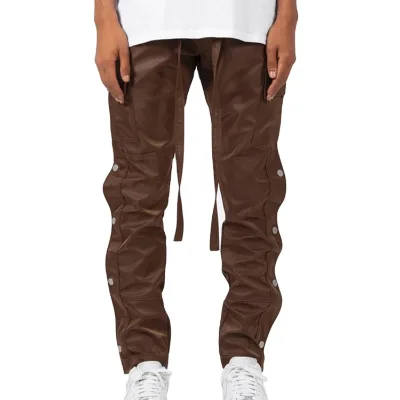
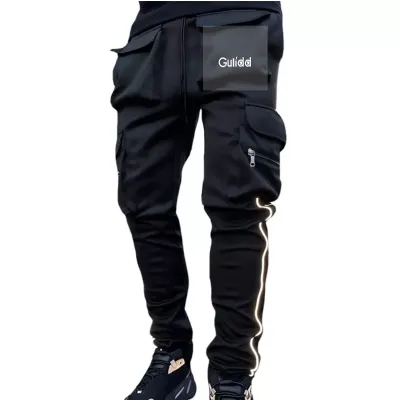
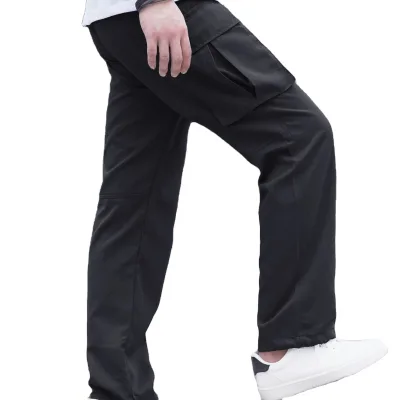
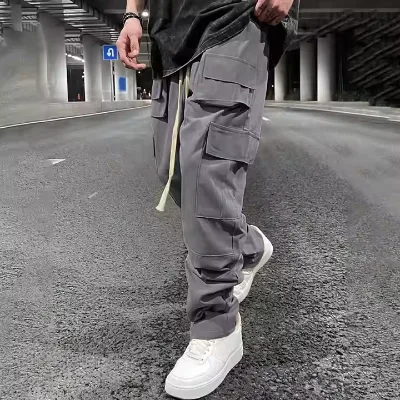
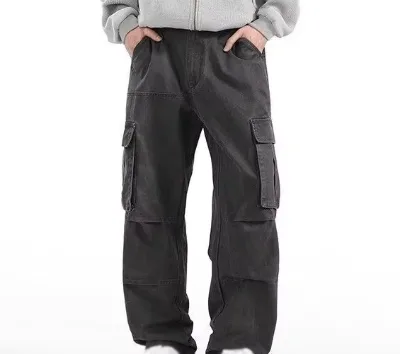
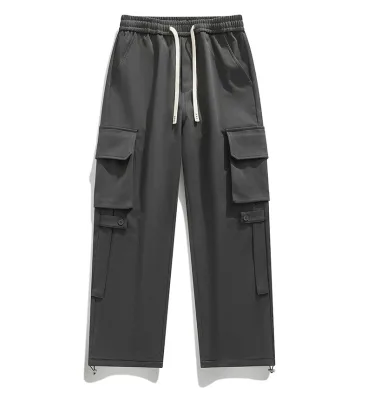
Comprehensive Sourcing Guide
Casual Breathable Cargo Pants Supplier Concentration and Factory Types
The current supplier landscape for Casual Breathable Cargo Pants reveals a diverse mix of manufacturing capabilities concentrated in specific Chinese provinces. Data indicates that suppliers are located in regions such as Fujian, Hubei, and Anhui, with Fujian appearing as a notable hub for apparel production. Within these clusters, the company types vary significantly, ranging from pure trading companies to combined entities that function as both manufacturers and factories. This structural diversity is critical for buyers to understand, as it directly impacts the level of control, communication, and pricing flexibility available during the sourcing process. For instance, some suppliers in Fujian are identified as trading companies or manufacturer/factory hybrids, offering a blend of direct production access and trade facilitation services.
In contrast, suppliers in Hubei are categorized as combined entities, suggesting a versatile operational model that may handle both OEM and ODM requests. Meanwhile, suppliers in Anhui are listed primarily as trading companies, which might offer a broader range of furniture and home goods alongside apparel, potentially indicating a diversified portfolio rather than specialized apparel manufacturing. This variation means that buyers cannot assume a uniform production environment across all results. The presence of both dedicated apparel manufacturers and general trading companies requires careful vetting to ensure that the supplier’s core competency aligns with the specific technical demands of producing breathable, multi-pocket cargo pants. Understanding these factory types helps buyers anticipate whether they will be dealing with a direct production line or an intermediary, influencing decisions on site visits and quality control protocols.
How to Verify Casual Breathable Cargo Pants Suppliers
Verification is a critical step in mitigating risk when sourcing Casual Breathable Cargo Pants, as the market includes various types of entities with differing levels of transparency. Buyers should prioritize suppliers who have undergone third-party verification processes, as this provides an external validation of their business legitimacy and operational capabilities. In the current results, several suppliers display verification badges from recognized agencies, such as BV, TÜV Rheinland, and CTI. These certifications serve as a foundational layer of trust, indicating that the supplier’s business license, factory conditions, or product quality has been inspected by an independent party. However, buyers must recognize that verification status alone does not guarantee product quality or delivery reliability; it merely confirms that the entity exists and has passed a specific audit threshold.
Beyond basic verification, buyers should assess the specific scope of the certification and the supplier’s claimed capabilities. For example, some suppliers hold ISO 9001 or ISO 13485 certifications, which speak to their quality management systems, while others may have specific product-related audits. It is also important to cross-reference the supplier’s stated company type with their actual output. A supplier claiming to be a manufacturer should be able to provide evidence of production lines, while a trading company should demonstrate strong supply chain management skills. Buyers are advised to request recent verification reports or conduct video audits to see the factory floor in real-time. This due diligence helps distinguish between a genuine production facility and a trading company that may be subcontracting work, ensuring that the buyer’s expectations for quality control and communication are met.
What to Compare Across Casual Breathable Cargo Pants Suppliers
When evaluating multiple suppliers for Casual Breathable Cargo Pants, buyers must compare key operational metrics to determine the best fit for their specific business needs. One of the most significant differentiators is the lead time, which varies considerably among suppliers. For instance, some suppliers in Fujian report a lead time of 90 days, while others in Hubei offer a much faster turnaround of 60 days, and suppliers in Anhui may have even shorter lead times of 23 days. This variance can be decisive for buyers with tight inventory cycles or seasonal demands. Additionally, the minimum order quantity (MOQ) is a crucial factor, with some suppliers requiring orders as low as 1,000 pieces, while others may demand 3,000 pieces or more. Buyers should align these thresholds with their sales forecasts to avoid excessive inventory costs or stockouts.
Another vital aspect to compare is the response time and the range of customization options offered. Suppliers with faster response times, such as those under two days, can facilitate quicker decision-making and problem resolution during the production process. Furthermore, the availability of OEM and ODM services should be scrutinized. Some suppliers explicitly state support for custom colors, logos, and fabric choices, which is essential for brands seeking unique product differentiation. Buyers should also examine the product specifications, such as material composition (e.g., cotton, poly-cotton blends) and features like breathability and stretch, to ensure they match the target market’s preferences. By systematically comparing these dimensions, buyers can create a shortlist of suppliers that not only meet their logistical requirements but also offer the flexibility needed for brand development.
Common Casual Breathable Cargo Pants Sourcing Risks
Sourcing Casual Breathable Cargo Pants from international suppliers introduces several risks that buyers must proactively manage to ensure a smooth procurement process. One significant risk is the discrepancy between sample quality and bulk production output. While suppliers may provide high-quality samples that meet all specifications, the mass production run might suffer from inconsistencies in stitching, fabric weight, or color fastness. This risk is particularly relevant for products with complex features like multiple pockets and elastic waists, where precision is key. Buyers should mitigate this by implementing strict quality control measures, including pre-shipment inspections and third-party testing for fabric durability and safety standards. Without these checks, buyers risk receiving goods that do not meet their brand’s quality expectations, leading to customer dissatisfaction and returns.
Another common risk is the potential for communication breakdowns and delays, especially when dealing with trading companies or suppliers with high order volumes. Misunderstandings regarding technical specifications, such as size charts, packaging requirements, or labeling instructions, can lead to costly errors and rework. Additionally, the reliance on specific materials, such as breathable cotton blends or stretch fabrics, may expose buyers to supply chain disruptions if raw material prices fluctuate or availability becomes scarce. Buyers should also be cautious of suppliers who do not clearly disclose their production capacity or lead times, as this can result in missed delivery deadlines. To address these risks, buyers should establish clear communication channels, request detailed production schedules, and include penalty clauses for delays in their contracts. Regular follow-ups and transparent dialogue are essential to maintaining control over the sourcing process.
Casual Breathable Cargo Pants Regional Sourcing and Logistics
The geographic location of suppliers plays a pivotal role in determining logistics costs, transit times, and overall supply chain efficiency for Casual Breathable Cargo Pants. Current data highlights suppliers located in Fujian, Hubei, and Anhui, each offering distinct logistical advantages. Fujian, being a coastal province, typically provides easier access to major ports, which can facilitate faster and more cost-effective shipping for international buyers. This region’s concentration of apparel manufacturers suggests a mature supply chain ecosystem, potentially offering better infrastructure and support services. Buyers sourcing from Fujian may benefit from established shipping routes and a higher density of logistics providers, which can streamline the export process and reduce handling times.
In contrast, suppliers in Hubei and Anhui, located in central and eastern China respectively, may offer different logistical dynamics. Hubei’s inland location might result in longer transit times to coastal ports, potentially increasing shipping costs and lead times. However, these regions may also offer competitive pricing due to lower operational costs. Buyers should consider the total landed cost, including freight, insurance, and customs duties, when evaluating suppliers from different regions. Additionally, the proximity of the supplier to the buyer’s distribution center can impact inventory management strategies. For buyers requiring rapid replenishment, sourcing from regions with efficient logistics networks is crucial. It is advisable for buyers to consult with their freight forwarders to obtain accurate shipping quotes and transit estimates for each supplier location, ensuring that the chosen region aligns with their logistical constraints and budget.
Casual Breathable Cargo Pants Commercial Terms and Order Planning
Effective order planning for Casual Breathable Cargo Pants requires a thorough understanding of the commercial terms offered by suppliers, including pricing, payment conditions, and customization policies. Pricing structures can vary widely, with some suppliers offering competitive rates for standard items while charging premiums for custom designs or specialized fabrics. Buyers should request detailed quotations that break down costs for materials, labor, and overhead, allowing for accurate margin calculations. Additionally, the minimum order quantity (MOQ) directly impacts pricing, with larger orders often qualifying for volume discounts. Buyers must balance their order size with their sales projections to optimize costs without overstocking inventory. It is also important to clarify whether the quoted price includes packaging, labeling, and any additional services, as these can add significant hidden costs.
Payment terms and escrow services are another critical aspect of commercial planning. Buyers should negotiate favorable payment terms, such as a deposit followed by balance payment upon shipment, to manage cash flow effectively. Utilizing escrow services can provide an additional layer of security, ensuring that funds are only released when the goods meet the agreed-upon specifications. Furthermore, buyers should establish clear policies for handling defects, returns, and disputes to protect their interests. Understanding the supplier’s return and refund policies is essential, especially when dealing with customized products that may not be resalable. By carefully reviewing and negotiating these commercial terms, buyers can create a robust sourcing strategy that minimizes financial risk and ensures a successful partnership with their suppliers.
FAQs
What is the typical lead time for cargo pants?
Lead times vary by supplier location and order volume. Some manufacturers in Fujian offer a 90-day production window, while others in Hubei can deliver within 60 days. Buyers should confirm specific timelines based on their customization needs and current factory capacity before placing orders.
What are the minimum order quantities for these pants?
Minimum order quantities differ significantly across suppliers. Some factories require 1000 pieces per style, while others set the threshold at 3000 units. Buyers must verify the specific MOQ for their chosen model, as bulk discounts often apply only after meeting these baseline quantity requirements.
Are customization options available for cargo pants?
Yes, most suppliers support customization for colors, logos, and size specifications. Many factories allow clients to provide their own size specs or request specific fabric blends. Buyers should confirm if the supplier offers OEM or ODM services to ensure their unique design requirements are met effectively.
What certifications do the suppliers hold?
Suppliers in this category often hold ISO 9001 or ISO 13485 certifications. Some vendors also possess verification from BV or TÜV Rheinland. Buyers should request current certificates to ensure the manufacturer meets international quality and safety standards required for their specific market or industry applications.
Where are the manufacturers located?
Manufacturers are primarily located in Fujian, Hubei, and Anhui provinces in China. Fujian suppliers often specialize in men's suits and casual wear, while Hubei vendors focus on workwear and breathable fabrics. Buyers should select a location based on logistics preferences and specific product expertise.
What is the price range for these pants?
Prices typically range from 5.56 to 15.00 USD per unit depending on material and order size. Lower costs are often associated with basic cotton twill models, while premium features like quick-dry fabrics may increase the price. Buyers should compare quotes to find the best value for their budget.
How quickly do suppliers respond to inquiries?
Response times vary, with some suppliers replying within 1.13 hours and others taking up to 24.90 hours. Faster response times often indicate higher availability or dedicated sales teams. Buyers should prioritize suppliers with quick reply rates to ensure efficient communication during the sourcing process.