Source Touch Control Desk Fan with UL Approval for Hotel, Office, Home
Find 30 Touch Control Desk Fan with UL Approval options for hotel, office, and home use. Compare features like 3-speed settings, LED lights, and portable designs from China suppliers. Request quotes for commercial and household applications; compare the available evidence and request quotations based on your requirements.
Updated
Key considerations
Products List






Comprehensive Sourcing Guide
Touch Control Desk Fan with UL Approval Sourcing Guide
Sourcing a Touch Control Desk Fan with UL Approval requires balancing modern interface preferences with rigorous safety standards. Buyers must recognize that "touch control" implies a capacitive or resistive interface, which differs significantly from the mechanical switches observed in many standard table fans. The presence of UL approval signals that the electrical components and housing have undergone specific safety testing, a critical factor for commercial and residential markets in North America. This guide helps procurement teams navigate the gap between observed product attributes and the specific requirements for certified, touch-enabled units.
The core challenge lies in verifying that the touch interface does not compromise the UL certification. Many manufacturers offer customizable features, but adding touch controls may require re-evaluation of the internal circuitry and insulation. Buyers should prioritize suppliers who can demonstrate that the touch module is integrated without voiding the safety listing. Understanding the distinction between a standard electric fan and a smart-enabled unit is essential for accurate specification and budgeting.
Product Scope and Observed Listing Signals
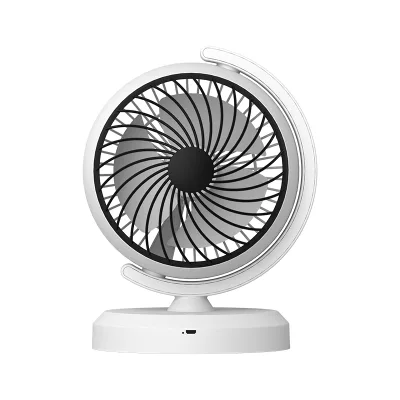
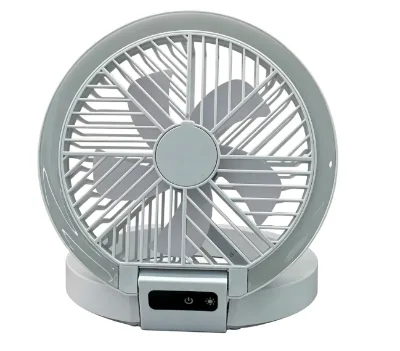
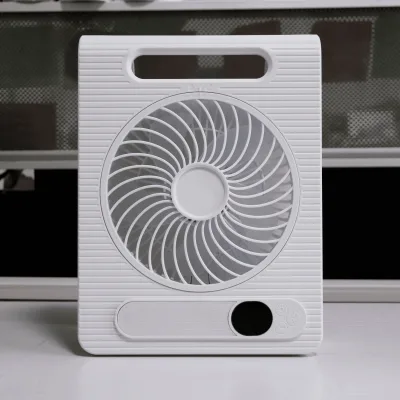
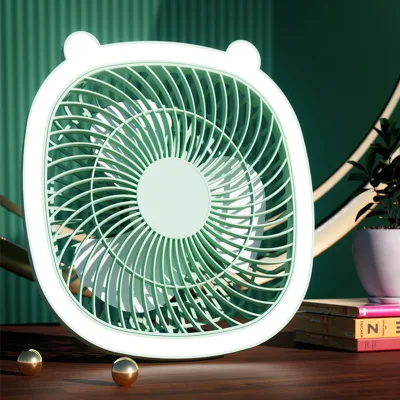
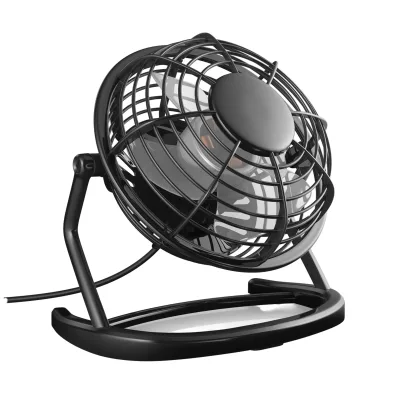
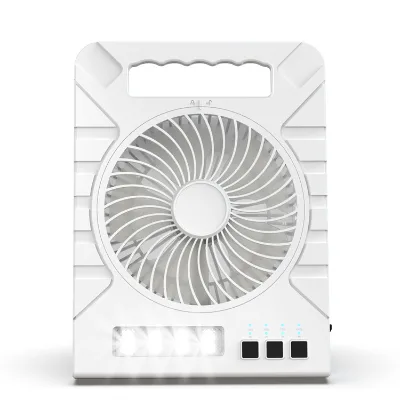
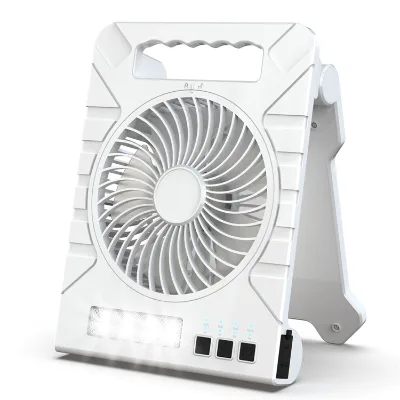
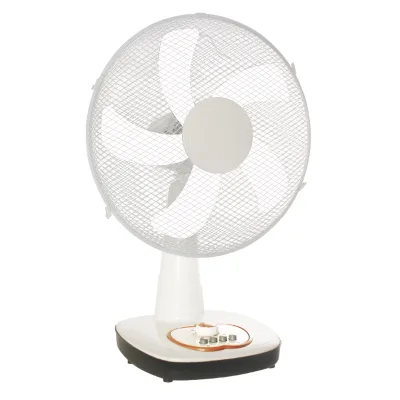
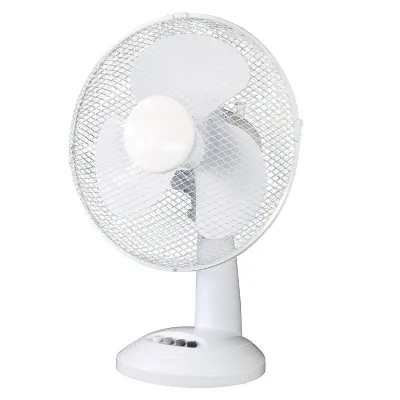
Current market listings reveal a diverse range of desk fans, with prices observed between $1.3 and $60 USD. The minimum order quantities (MOQ) typically range from 2 to 1000 units, indicating flexibility for both small boutique orders and large commercial procurements. Most observed products are made of plastic, featuring either 3, 4, or 5 blades, with a standard 10-inch box fan configuration. These physical attributes suggest a mature supply chain for basic air cooling units, though the specific touch control variant may represent a premium segment within this category.
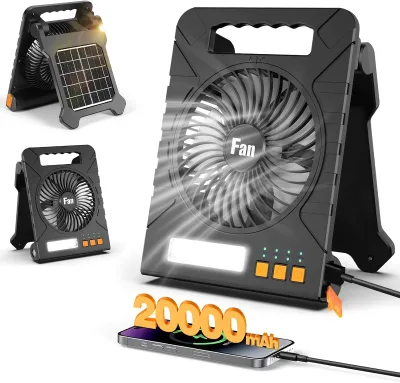
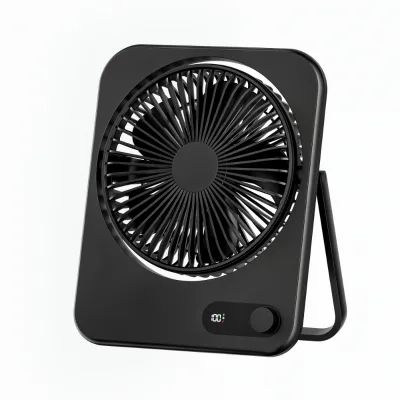
Observed specifications include various power sources such as electric, USB, and battery options, with some units featuring 1200mAh lithium batteries. The dimensions for single packages often measure around 18.5 x 24.5 x 17.5 cm, weighing approximately 0.900 kg. While many listings indicate "without remote control," the touch interface serves as the primary input method. Buyers should note that features like LED lights and adjustable speeds are common, but the integration of these with a UL-certified touch panel requires careful verification of the final assembly.
Technical Specifications to Verify
When evaluating touch control desk fans, the input voltage and power supply method are critical technical parameters. Observed data shows inputs ranging from DC 5V at 1A for USB-powered models to 220-240V for direct electric connections. Buyers must verify that the touch sensor module is compatible with the selected voltage and does not introduce leakage currents that could fail UL safety tests. The control type is often mechanical in standard models, so confirming the presence of a capacitive touch interface is a primary verification step.
The blade diameter and air cooling efficiency are also key performance indicators. Observed blade diameters range from 7 to 9.9 inches, which influences the airflow volume and noise level. For touch-controlled units, the responsiveness of the interface under varying humidity and temperature conditions must be assessed. Additionally, the battery capacity, if applicable, should be checked to ensure it supports the power demands of the touch circuitry without significant voltage drop during operation.
Compliance and Safety Documentation
UL approval is a non-negotiable requirement for many North American buyers, ensuring that the fan meets strict electrical safety standards. Buyers must request the UL file number and verify its validity on the UL database to confirm that the specific model and manufacturing facility are listed. The certification often covers components such as the motor, wiring, and plug type, so it is essential to ensure that the touch control module is included in the certified assembly.
Other certifications like CE, ROHS, and CCC may also be present, indicating compliance with international environmental and safety regulations. However, these do not substitute for UL approval in the US market. Buyers should verify that the product labeling includes all required safety warnings and rating plates as mandated by UL standards. Documentation should also confirm that the plastic housing materials are flame-retardant and meet specific burn tests required for electrical appliances.
Cost Drivers and Commercial Terms
The cost of a Touch Control Desk Fan with UL Approval is influenced by several factors, including the complexity of the touch interface and the certification fees. Prices observed in the market range from $1.3 to $60, with higher-end models featuring advanced touch controls and additional features like LED lighting commanding premium prices. The MOQ of 2 to 1000 units allows for scalable purchasing, but larger orders may benefit from negotiated pricing tiers.
Packaging and logistics also impact the total landed cost. Observed packaging includes export standard cartons and color boxes, which protect the unit during transit but add to the volume and weight. Buyers should consider the single gross weight of approximately 0.900 kg when calculating freight costs. Additionally, the availability of private molds and custom logo printing may incur setup fees, which should be factored into the overall procurement budget.
Supplier Qualification and Quality Control
Selecting a qualified supplier for UL-certified touch fans requires due diligence beyond basic product specifications. Buyers should verify the supplier’s manufacturing capabilities, particularly their ability to integrate touch control modules without compromising safety. Suppliers with private molds and customization options may offer better long-term value, but their quality control processes must be robust to ensure consistency.
Quality control checks should include functional testing of the touch interface, electrical safety tests, and durability assessments. Buyers should request sample units to evaluate the responsiveness and reliability of the touch controls in real-world conditions. Additionally, verifying the supplier’s after-sales service, such as free spare parts, can mitigate risks associated with potential defects. Establishing clear quality acceptance criteria before production begins is essential for maintaining product integrity.
Long-Term Procurement Checks
Long-term procurement success depends on ongoing monitoring of product performance and supplier compliance. Buyers should track field failure rates, particularly related to the touch interface and electrical components, to identify any emerging quality issues. Regular audits of the supplier’s quality management system can help ensure that UL certification standards are consistently met during production.
Supply chain resilience is also critical, especially for components like touch sensors and lithium batteries. Buyers should assess the supplier’s ability to source these components reliably and maintain inventory levels. Additionally, staying informed about changes in UL standards and regulatory requirements ensures that the procured fans remain compliant over time. Building a strong partnership with the supplier can facilitate continuous improvement and innovation in product design.
FAQs
What certifications are available for these fans?
These fans are available with CB, CE, ROHS, and CCC certifications. While UL approval is a common requirement for North American markets, the supplied product facts confirm these specific standards. Buyers should verify if UL-listed variants exist separately, as the current data highlights compliance with international safety and environmental norms for export.
Can I customize the logo on the fan?
Yes, customization is available for these fans. The product features silk screen printing for logo and graphic design applications. This allows buyers to brand the unit for corporate gifts or retail distribution. The customization service supports private molds, ensuring unique design elements can be integrated into the final product packaging and body.
What power sources does the fan support?
The fan supports multiple power sources including electric, USB, and battery options. Specific models feature a 1200mAh lithium battery and Type-C USB input. Other variants operate on 220-240V electric power. This versatility allows use in households, hotels, and outdoor settings, providing reliable cooling whether connected to mains power or running on portable battery capacity.
What is the typical packaging for these fans?
The fans are packaged in export standard cartons, often with individual color boxes. The single package dimensions are approximately 18.5x24.5x17.5 cm, with a gross weight of 0.900 kg. This packaging ensures safe transit and retail readiness. The master carton configuration supports efficient bulk shipping for commercial orders while maintaining product protection during handling.
Where are these fans manufactured?
These fans are manufactured in Guangdong, China. The production origin is clearly documented as China, with specific regional sourcing from Guangdong province. This location is a major hub for electronics and appliance manufacturing, offering established supply chains for plastic components, motors, and assembly processes required for producing these portable and table fans.
What blade configurations are offered?
The product line offers various blade configurations including 3, 4, and 5 blade options. The blade diameter typically ranges from 7 to 9.9 inches. These variations allow buyers to select airflow patterns that suit specific cooling needs. The blades are integrated into new PP bodies, ensuring durability and consistent performance across different speed settings and usage environments.