Wild Ginkgo Biloba Extract Powder Suppliers and Manufacturers
Compare 25 verified Wild Ginkgo Biloba Extract Powder suppliers by location, lead time, and certifications. Review product specifications like 24% flavone glycosides and 6% terpene lactones to source the right grade for your needs; review the available evidence before requesting comparable quotations from suitable candidates.
Updated
Suppliers List

- Verified by TUVRHEINLAND
- Trading Company
- China Hunan
- Lead time15 days
- Avg. response≤ 6h
Main productsBotanical Extract Herbal Extract, Herbal Ingredients Artemisia, Elderberry Extract Cranberry Extract, Resveratrol Polydatin Polygonum Extract, Myricetin Dihydromyricetin Phloridzin, Neohesperidin Dihydrochalcone Carnosic Acid, Sea Buckthorn Seed Oil Reishi Spore Oil, Echinacea Purpurea Extract Isatis Extract, Zerumbone Mangiferin Rosmarinic Acid, Olive Leaf Extract Oleuropein Maslinic Acid
Main marketsEurope
Qingdao Chibio Biotech Co., Ltd
- Trading Company
- Shandong, China
- Lead time15 days
- Avg. response≤ 6h
Main productsAspergillus Chitosan,Mushroom Chitosan,Hyaluronic Acid,Theacrine,Beta-Glucan
Main marketsNorth America(20.00%), Southern Europe(10.00%), Northern Europe(10.00%), Western Europe(10.00%), South America(10.00%), South Asia(5.00%), Africa(5.00%), Southeast Asia(5.00%), Central America(5.00%), Eastern Europe(5.00%), Eastern Asia(5.00%), Mid East(5.00%), Oceania(5.00%)

Xi'an Sheerherb Biological Technology Co., Ltd.
- Verified by BV
- Manufacturer/Factory
- China Shaanxi
- Lead time15 days
- Avg. response≤ 10h
Main productsNmn, Collagen, Nicotinamide Ribose, Liposomes, Plant Extract, Chemicals Product, Pharmaceutical Intermediates
Main marketsSouth America,Eastern Europe,Mid East,North America,Southeast Asia,Eastern Asia,Oceania,Western Europe,Africa


Health Supplement 100% Natural Organic Ginkgo Biloba Extract Powder Healthy Herbal Supplement
$35.00 - $75.00
MOQ: 1 kg

- Verified by BV
- Combined
- China Shaanxi
- Lead time15 days
- Avg. response≤ 10h
Main productsBroccli Extract, Yucca Extract, Plant Extract
Main marketsEurope


Factory Supply Ginkgo Biloba Extract Nutritional Supplements Ginkgo Biloba Leaf Extract Powder
$70.00 - $90.00
MOQ: 1 Pieces

Pure Natural Ginkgo Biloba Extract 10: 1 20: 1 Ginkgo Biloba Leaf Extract Powder
$45.00 - $65.00
MOQ: 1 kg

High Quality Ginkgo Biloba Leaf Extract Powder Bulk Ginkgo Biloba Extract
$20.00 - $50.00
MOQ: 1 kilograms

Wellgreen Bulk Sale Ginkgo Biloba Leaf Extract Powder Free Sample Ginkgo Biloba Extract
$10.00 - $22.00
MOQ: 1 kilograms

- Manufacturer
- China Shaanxi
- Lead time15 days
- Avg. response≤ 4h
Main productsReishi Extract, Ginseng Extract, Lutein Powder, Chlorophyll, Quercetin, Phycocyanin, Astaxanthin, Kojic Acid, Beetroot Powder, Cherry Powder
Main marketsSouth America,Africa,Southeast Asia/ Mideast,East Asia(Japan/ South Korea),Domestic,Europe,Australia,North America

Anhui Keynovo Biotech Co., Ltd.
- Verified by SGS
- Trading Company
- China Anhui
- Lead time15 days
- Avg. response≤ 4h
Main productsFood Additive, Plant Extract, Peptide, Food Supplement, Hyaluronic Acid Powder, Health Food, Nutritional Products, Pharmaceutical Intermediates
Main marketsSouth America,East Asia(Japan/ South Korea),Europe,Australia,North America

Natural Ginkgo Biloba Leaf Extract Powder Egb 761 Supplement Ginkgo Biloba Extract
$64.28 - $95.87
MOQ: 1 kg


Premium Quality Wholesale Best Quality Plant Extract 100% Pure Gingko Biloba Extract Powder
$64.28 - $95.87
MOQ: 1 kg

Nanjing NutriHerb BioTech Co., Ltd.
- Verified by TUVRHEINLAND
- Manufacturer/Factory
- China Jiangsu
- Lead time15 days
- Avg. response≤ 2h
Main productsBotanical Extracts, Functional Ingredients, Natural Colors, Fruit & Vegetable Powders, Liposomal Ingredients, Mushroom Extracts, Tea Extracts, Cosmetics Ingredients
Main marketsNorth America,Eastern Asia,Western Europe

Qingdao Songwal Biotech Co., Ltd.
- Manufacturer/Factory
- China Shandong
- Lead time23 days
- Avg. response≤ 4h
Main productsAmino Acid, Food Additives, Feed Additives, Chemicals, Pharmaceutical Intermediates, Vitamin, Water Reducing Agent, Pharm Raw Materials
Main marketsSouth America,Eastern Europe,Mid East,North America,Southeast Asia,Eastern Asia,Oceania,Western Europe,Africa


Ginkgo Leaf Powder Ginkgo Biloba Folium Extract Powder Ginkgo Biloba Extract
$25.00 - $30.00
MOQ: 25 kg


Xi'an July Health Bio-Tech Co., Ltd
- Trading Company
- Shaanxi, China
- Lead time7 days
- Avg. response≤ 1h
Main productsExtract Powder,Food additive,Cosmetic Ingredients,Health supplements,Enzyme
Main marketsNorth America(25.00%), Northern Europe(15.00%), Eastern Asia(10.00%), Oceania(8.00%), Southeast Asia(8.00%), Western Europe(5.00%), South America(5.00%), Southern Europe(5.00%), Domestic Market(2.00%), Africa(2.00%), Central America(1.00%), South Asia(1.00%), Mid East(1.00%)
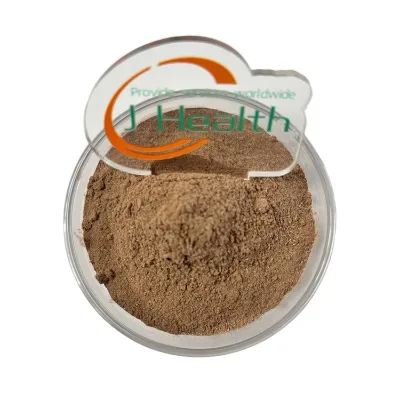
Ginkgo Leaf Powder Ginkgo Biloba Folium Extract Powder Ginkgo Biloba Extract
$4.50 - $70.00
MOQ: 1 Minimum
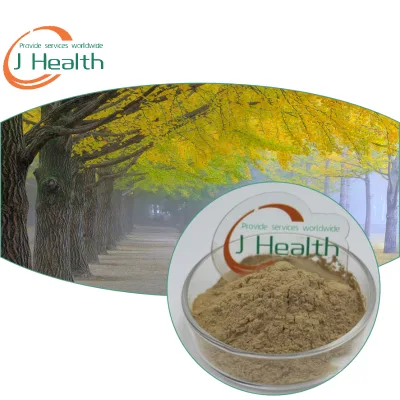
Factory Direct Wholesale Ginkgo Biloba Extract Powder for Health & Herbal Use
$9.8284 - $18.6216
MOQ: 1 Minimum
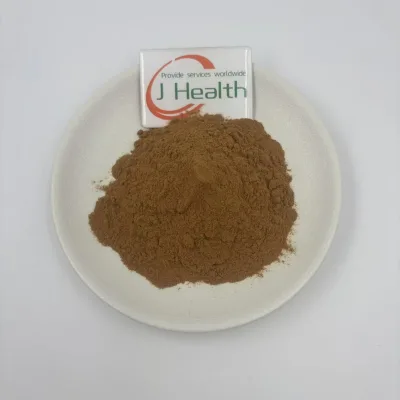

Xi'an Sentian Biotechnology Co., Ltd.
- Verified by SGS
- Manufacturer/Factory
- China Shaanxi
- Lead time0 days
- Avg. response≤ 7h
Main productsBenfotiamine, Rennet, Chymosin, Alpha Lipoic Acid, Olmesartana Medoxomil, Rosuvastatin Calcium
Main marketsSouth America,Eastern Europe,North America,Western Europe


Ginkgo Biloba Leaf Extract Ginkgo Biloba Extract Powder Ginkgo Biloba Flavonoids
$25.00 - $50.00
MOQ: 1 kg


- Manufacturer/Factory
- China Hunan
- Lead time15 days
- Avg. response≤ 9h
Main productsGlutathione, Yeast Beta Glucan, Active Feed Yeast, Indole-3-Cabinol, Dim, L-Theanine, Tongkat Ali Extract, Curcumin/Turmeric Extract, Rutin
Main marketsSouth America,Eastern Europe,Mid East,North America,Southeast Asia,Eastern Asia,Oceania,Western Europe,Africa


100% Natural Ginkgo Biloba Extract Lower Blood Pressure Ginkgo Biloba Extract
$15.00 - $150.00
MOQ: 25 kg

Xi'an Ly Health Technology Co., Ltd.
- Trading Company
- Shaanxi, China
- Lead time3 days
- Avg. response≤ 3h
Main productsNMN,Resveratrol,Hyaluronic acid,Arbutin,Kojic acid
Main marketsNorth America(30.00%), Western Europe(20.00%), Northern Europe(10.00%), Oceania(10.00%), Southeast Asia(10.00%), South America(10.00%), Eastern Asia(5.00%), Eastern Europe(5.00%)

Hunan New Mstar Biotechnology Co., Ltd.
- Trading Company,Manufacturer/Factory
- China Hunan
- Lead time15 days
- Avg. response≤ 13h
Main productsGreen Tea Extract L-Theanine, Soapberry/Soapnut/Sapindus Extract, Cranberry Extract, Lemon Balm Extract, Saw Palmetto Extract, Balck Garlic Extract, Milk Thistle Extract, Grape Seed Extract, Hibiscus Extract, Stevia Extract
Main marketsSouth America,Eastern Europe,Mid East,North America,Southeast Asia,Eastern Asia,Oceania,Western Europe
Huaqing (Xi'an) Natural Ingredients Co.,Ltd
- Verified by Intertek
- Trading Company
- Lead time0 days
- Avg. response≤ 5h
Main productsAloe Vera Extract, Paeonia Albiflora Root Extract, Centella Asiatica Extract, Glabridin, Ursolic acid
Main marketsNorthern Europe(30%), Western Europe(28%), North America(10%)
Xi An Sunray Biotechnology Co., Ltd.
- Verified by SGS Group
- Manufacturer, Trading Company
- Lead time3 days
- Avg. response≤ 1h
Main productsPlant Extract, Amino Acid, Vitamin, Mushroom Extract, Fruit Juice Powder
Main marketsWestern Europe(50%), North America(30%), Eastern Asia(20%)
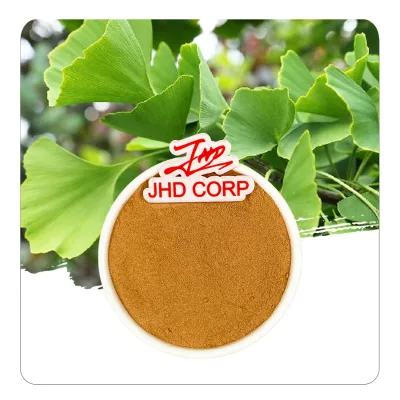
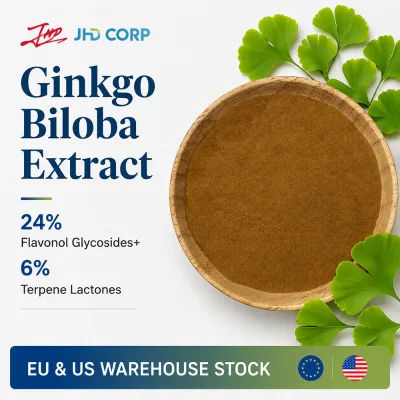
USA / EU Warehouse High Quality Ginkgo Biloba Leaf Ginkgo Biloba Extract Powder
$36.0359 - $82.366
MOQ: 1 Minimum
- Verified by SGS Group
- Manufacturer, Trading Company
- Lead time7 days
- Avg. response≤ 3h
Main productsPlant Extract, Phytochemicals & chemicals, Amino Acids, Food Additives, Vitamins & Supplements
Main marketsNorth America(33%), Eastern Europe(18%), Western Europe(10%)
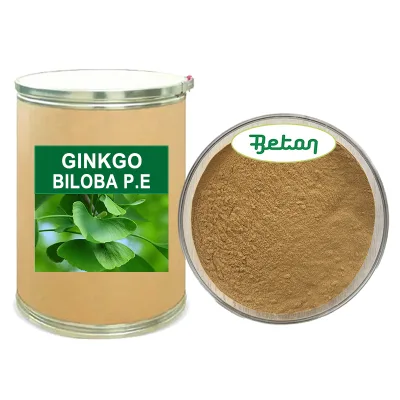
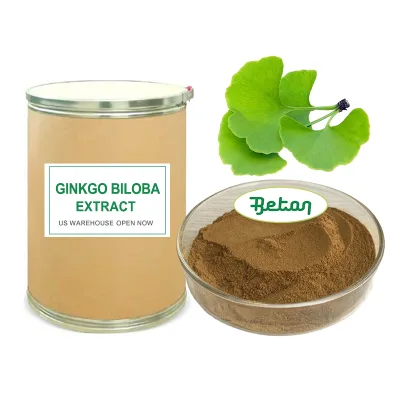
Fast Delivery Natural Organic Ginkgo Biloba Leaf Extract Powder 24% Flavones 6% Lactones
$21.6806 - $36.1348
MOQ: 25 Minimum

Qingdao Vital Nutraceutical Ingredients Bioscience Co., Ltd.
- Trading Company
- China Shandong
- Lead time15 days
- Avg. response≤ 4h
Main productsGarlic Extract, Red Yeast Rice Extract, Mushroom Extract, Phosphatidylserine, Resveratrol, Horse Chestnut Extract, Saw Palmetto Extract, Peptide, Goji Extract, Black Garlic Extract
Main marketsSouth America,Southeast Asia/ Mideast,Europe

Wuhan Hanweishi Pharmchem Co., Ltd.
- Verified by SGS
- Trading Company,Manufacturer/Factory
- China Hubei
- Lead time15 days
- Avg. response≤ 10h
Main productsApis, Vet Apis, Fine Chemicals, Intermediates, Pharmaceutical Excipients, Natural Extracts, Cosmetic Chemicals, Food Additives, Nutritions, Phytoextraction
Main marketsSouth America,Eastern Europe,Mid East,North America,Southeast Asia,Eastern Asia,Western Europe,Africa


Plant Extract Factory Supply High Quality Ginkgo Biloba Extract CAS#90045-36-6
$1.00 - $100.00
MOQ: 1 kg
Linzhou Zanjia Trading Co., Ltd.
- Trading Company
- Henan, China
- Lead time15 days
- Avg. response≤ 2h
Main productsFood additives,Health supplements,OEM/ODM Services,Fruit and Vegetable Powder,Traditional Chinese medicinal herbs
Main marketsNorth America(30.00%), Northern Europe(28.00%), Mid East(20.00%), Domestic Market(2.00%), South Asia(2.00%), Southern Europe(2.00%), South America(2.00%), Central America(2.00%), Western Europe(2.00%), Eastern Asia(2.00%), Eastern Europe(2.00%), Oceania(2.00%), Africa(2.00%), Southeast Asia(2.00%)
Shaanxi Dennis Biotechnology Co., Ltd.
- Verified by Intertek
- Trading Company
- Lead time0 days
- Avg. response≤ 2h
Main productsSolid Drinks, Xanthan Gum, Locust Bean Gum, White Tuckahoe Extract, American Ginseng Extract

- Verified by TUVRHEINLAND
- Trading Company,Manufacturer/Factory,Other
- China Jiangsu
- Lead time23 days
- Avg. response≤ 7h
Main productsFine Chemical, Nutraceutical, Animal Nutrition, Crop Science, API, Intermediate, Nutrition Supplement, Food Additive, Feed Additive, Reagents
Main marketsSouth America,Eastern Europe,Mid East,North America,Southeast Asia,Eastern Asia,Oceania,Western Europe,Africa

- Trading Company
- China Hunan
- Lead time15 days
- Avg. response≤ 14h
Main productsPlant Extract
Main marketsEast Asia(Japan/ South Korea),Europe,North America


Wholesale Price Grade Ginkgo Biloba Leaf Extract Organic Ginkgo Biloba Extract Powder Gingko Extract
$20.00 - $240.00
MOQ: 1 kg


Shaanxi Integreen Biotech Co., Ltd.
- Trading Company
- Shaanxi, China
- Lead time7 days
- Avg. response≤ 2h
Main productsPlant Extracts,Food Additives,Cosmetic Raw Materials,Chemical Raw Materials,OEM&ODM Customization Service
Main marketsCentral America(25.00%), North America(15.00%), Northern Europe(0.50%), Mid East(0.16%)
Shaanxi Bohong Health Industry Co., Ltd.
- Verified by SGS Group
- Manufacturer, Trading Company
- Lead time5 days
- Avg. response≤ 2h
Main productsMatcha powder, UBE powder, Pdrn powder, Moringa powder, Mushroom coffee
Main marketsNorth America(40%), Western Europe(10%), Northern Europe(10%)
Xi'an Inbol Biotechnology Co., Ltd.
- Verified by TüVRheinland
- Trading Company
- Lead time7 days
- Avg. response≤ 2h
Main productsProtein Powder, Collagen, Creamine, Supplements
Main marketsNorth America(70%), Western Europe(20%), Oceania(10%)










Comprehensive Sourcing Guide
Wild Ginkgo Biloba Extract Powder Supplier Concentration and Factory Types
The current supplier landscape for Wild Ginkgo Biloba Extract Powder reveals a distinct geographic concentration in China, with specific operational hubs identified in Hunan and Shandong provinces. Suppliers located in Hunan, such as those verified by TÜV Rheinland, often operate as trading companies rather than direct manufacturing facilities, which influences their inventory management and supply chain flexibility. These entities typically source from regional botanical gardens or agricultural cooperatives, leveraging the province’s established herbal infrastructure to aggregate high-quality raw materials. The presence of stock availability, such as the 500kg inventory noted for certain Ginkgo Biloba Leaf Extract products, indicates that these trading companies maintain ready-to-ship buffers to accommodate urgent procurement needs. This model allows buyers to access standardized extracts without waiting for production cycles, although it introduces an intermediary layer into the supply chain.
In contrast, suppliers based in Shandong, China, present a different operational profile, often focusing on specific product attributes like antioxidant functions and precise chemical specifications. These entities may offer products with distinct model numbers, such as GBSGB-005, and provide detailed technical data including melting points and molecular formulas. The main products listed for these suppliers often include a broader range of botanical extracts, suggesting a diversified portfolio that can support multi-product procurement strategies. Buyers should recognize that while Hunan-based suppliers might emphasize trading efficiency and stock availability, Shandong-based suppliers may focus on technical precision and specific application forms. Understanding this regional and structural distinction is crucial for aligning supplier capabilities with specific project requirements, whether the priority is rapid delivery or specialized chemical composition.
How to Verify Wild Ginkgo Biloba Extract Powder Suppliers
Verification of Wild Ginkgo Biloba Extract Powder suppliers requires a multi-layered approach that prioritizes third-party certifications and independent audit results over self-reported claims. Buyers should look for suppliers who have undergone rigorous verification processes, such as those conducted by TÜV Rheinland, which provide an objective assessment of the company’s operational legitimacy and compliance standards. Additionally, product-level certifications like HACCP, FDA, and ISO are critical indicators of quality management systems, particularly when the extract is intended for health care products or food applications. These certifications ensure that the manufacturing and handling processes meet international safety and hygiene standards, reducing the risk of contamination or adulteration. Buyers must carefully review the specific scope of these certifications to ensure they cover the relevant stages of production and distribution for the specific extract grade required.
Beyond certifications, buyers should scrutinize the assay methods and quality specifications provided in product listings to verify consistency and accuracy. The use of High-Performance Liquid Chromatography (HPLC) for assaying active ingredients like flavonoid glycosides and terpene lactones is a standard practice for ensuring potency and purity. Suppliers should clearly state their assay methods and provide detailed specifications, such as the 24% flavonoid and 6% terpene content with ginkgolic acid limited to 5ppm, which are critical for therapeutic efficacy and safety. Buyers should request recent test reports to confirm that the supplier’s internal quality control aligns with the stated specifications. Furthermore, verifying the extraction type, such as solvent extraction, and the part used, such as dried leaf, helps ensure that the product matches the desired botanical profile. This technical due diligence is essential for mitigating risks associated with substandard or mislabeled extracts.
What to Compare Across Wild Ginkgo Biloba Extract Powder Suppliers
When evaluating multiple suppliers, buyers must compare key operational metrics such as lead times, minimum order quantities (MOQs), and response speeds to determine logistical compatibility. Lead times can vary significantly, with some suppliers offering a 15-day turnaround, which is suitable for planned inventory replenishment but may be too slow for urgent needs. MOQs also differ, ranging from as low as 1kg for trial orders to 25kg for standard commercial shipments, allowing buyers to scale their procurement based on demand forecasts. Response times, measured in hours, indicate the supplier’s responsiveness to inquiries, with faster responses often correlating with better customer service and quicker issue resolution. Buyers should prioritize suppliers who demonstrate both technical reliability and operational efficiency, ensuring that their procurement process is not hindered by delays or communication gaps.
Price and customization options are equally critical factors in supplier comparison, as they directly impact cost structure and product flexibility. Prices for ginkgo biloba extract powder can range widely, from as low as $1.00 to over $200.00 per kilogram, depending on the grade, concentration, and certification level. Buyers should analyze these price variations in the context of the product specifications, such as food grade versus pharmaceutical grade, to ensure they are comparing equivalent quality levels. Customization availability is another key differentiator, with some suppliers offering tailored extraction ratios or packaging options to meet specific client requirements. Additionally, buyers should consider the supplier’s main product range, as those offering a diverse portfolio of botanical extracts may provide better value through consolidated shipping and simplified vendor management. This holistic comparison helps identify suppliers who offer the best balance of cost, quality, and service.
Common Wild Ginkgo Biloba Extract Powder Sourcing Risks
One of the primary risks in sourcing Wild Ginkgo Biloba Extract Powder is the potential inconsistency in active ingredient concentrations, which can affect the product’s efficacy and safety. Suppliers may vary in their ability to maintain strict control over the extraction process, leading to batches that do not meet the specified 24% flavonoid and 6% terpene content. This inconsistency can be exacerbated by differences in raw material quality, such as variations in the age and origin of the ginkgo leaves. Buyers must mitigate this risk by demanding detailed batch-specific test reports and establishing clear acceptance criteria in their purchase agreements. Regular quality audits and third-party testing can help ensure that the supplier consistently delivers products that meet the required specifications, reducing the risk of product failure or regulatory non-compliance.
Another significant risk is the potential for mislabeling or adulteration, particularly when dealing with trading companies that may not have direct control over the manufacturing process. Suppliers might list products with generic specifications that do not accurately reflect the actual content, leading to discrepancies between the ordered and delivered goods. This risk is heightened when suppliers offer multiple grades of extract without clear differentiation in their product listings. Buyers should verify the supplier’s supply chain transparency and request detailed information about the raw material sources and extraction methods. Additionally, buyers should be cautious of suppliers who do not provide clear information about their quality control processes or who are reluctant to share test results. Establishing strong contractual safeguards and conducting pre-shipment inspections can help protect against these risks, ensuring that the purchased extract meets the intended quality standards.
Wild Ginkgo Biloba Extract Powder Regional Sourcing and Logistics
Sourcing Wild Ginkgo Biloba Extract Powder from China involves navigating distinct regional logistics networks that impact delivery times and costs. Suppliers in Hunan and Shandong provinces benefit from established infrastructure for herbal product distribution, but buyers must account for the specific logistical requirements of each region. Products packed in fiber drums with LDPE bag interiors, weighing 25kg per drum, require careful handling to prevent damage during transit. Buyers should work with suppliers who have experience in international shipping and can provide reliable freight forwarding services to ensure timely delivery. The location of the supplier also influences the choice of port and transportation mode, with coastal provinces like Shandong potentially offering more direct shipping options to international markets. Understanding these regional logistics nuances helps buyers optimize their supply chain and minimize transit-related risks.
Packaging and storage conditions are critical factors in maintaining the quality of ginkgo biloba extract powder during transportation. The specified packaging, such as drums with inner liners, is designed to protect the powder from moisture and contamination, but buyers must ensure that the supplier follows proper sealing and labeling practices. Storage conditions, including temperature and humidity control, are also important to preserve the stability of the extract, especially for products with a two-year shelf life. Buyers should verify that the supplier uses appropriate packaging materials and provides clear storage instructions to prevent degradation during transit and storage. Additionally, buyers should consider the environmental impact of packaging materials and explore sustainable options if required by their corporate policies. Proper logistics management ensures that the product arrives in optimal condition, ready for use in health care products or food applications.
Wild Ginkgo Biloba Extract Powder Commercial Terms and Order Planning
Commercial terms for Wild Ginkgo Biloba Extract Powder orders typically include specific payment conditions, delivery terms, and warranty provisions that buyers must carefully review. Suppliers may offer various payment options, such as letters of credit or advance payments, depending on the order size and relationship history. Delivery terms, such as FOB or CIF, determine who is responsible for shipping costs and insurance, impacting the total landed cost of the product. Buyers should negotiate terms that align with their cash flow and risk tolerance, ensuring that they have adequate protection against delays or damages. Additionally, buyers should clarify the warranty period and return policies for non-conforming products, as this provides recourse in case of quality issues. Clear commercial terms help establish a transparent and fair trading relationship, reducing the potential for disputes.
Order planning for ginkgo biloba extract powder requires careful consideration of production cycles, stock availability, and demand forecasts. Suppliers with available stock, such as the 500kg inventory mentioned, can accommodate urgent orders, but buyers should still plan for lead times to avoid stockouts. Buyers should establish a regular ordering schedule based on consumption rates and market demand, ensuring a steady supply of high-quality extract. Collaboration with suppliers on demand forecasting can help optimize production planning and reduce inventory holding costs. Additionally, buyers should consider the scalability of their orders, as larger quantities may qualify for better pricing or priority production slots. Effective order planning ensures that the supply chain remains resilient and responsive to market changes, supporting the continuous production of health care products and food items.
FAQs
What is the price range for Wild Ginkgo Biloba Extract Powder?
Prices for ginkgo biloba extract powder range from $1.00 to $235.00 per kilogram depending on the grade and specifications. Standard food-grade options are available at lower price points, while pharmaceutical-grade extracts with specific assay methods like HPLC testing command higher costs. Buyers should verify the exact concentration of flavone glycosides and terpene lactones to determine the accurate price for their specific application needs.
What is the minimum order quantity for ginkgo biloba extract?
The minimum order quantity varies significantly by supplier and product grade. Some suppliers offer a minimum order of just one kilogram, making it suitable for small-scale testing or sample orders. Other suppliers, particularly those providing pharmaceutical-grade extracts, require a minimum order of twenty-five kilograms. Buyers must check the specific product listing to confirm the exact MOQ before placing an order.
How long does it take to receive ginkgo biloba extract orders?
Lead times for ginkgo biloba extract powder are typically around fifteen days from the date of order confirmation. This timeframe allows suppliers to process the solvent extraction and prepare the powder for shipment. Buyers should confirm the exact lead time with the supplier, as stock availability and custom packaging requirements may influence the final delivery schedule for international shipments.
Where are ginkgo biloba extract suppliers located?
Suppliers of ginkgo biloba extract powder are primarily located in China, with specific manufacturing hubs in Hunan and Shandong provinces. These regions are known for their botanical extraction capabilities and supply chain infrastructure. Buyers can source products from trading companies based in these areas, ensuring access to a wide variety of herbal extracts and standardized plant powders for global distribution.
What certifications are available for ginkgo biloba extract powder?
Many ginkgo biloba extract products are certified with HACCP, FDA, and ISO standards to ensure quality and safety. These certifications verify that the extraction process meets international food and health care product regulations. Buyers should request valid certification documents to confirm compliance, especially when using the extract in pharmaceutical applications or high-end health supplements requiring strict quality control measures.
What is the typical response time for ginkgo biloba suppliers?
Suppliers typically respond to inquiries within approximately six hours, ensuring prompt communication for potential buyers. This quick response time helps facilitate efficient negotiation and order processing for bulk purchases. Buyers can expect timely updates regarding stock availability, pricing, and shipping details, which is crucial for maintaining supply chain continuity in the herbal extract industry.