Wire Tension Spring Suppliers and Manufacturers in China
Explore 27 verified options for Wire Tension Spring suppliers and manufacturers located in China. Buyers can compare response times, lead times, certifications, and product specifications like material and shape before contacting factories directly; review the available evidence before requesting comparable quotations from suitable candidates.
Updated
Suppliers List

Zhuji Bosswinn Springs Co., Ltd.
- Verified by TUVRHEINLAND
- Combined
- China Zhejiang
- Lead time30 days
- Avg. response≤ 10h
Main productsCompression Spring, Tension Spring, Auto Spring, Torsion Spring, Punching / Stamping Parts, Spiral Spring, Disc Spring, Fine Machining Parts, Small Spring, Die / Moulds Spring
Main marketsEurope

Yangzhou Mingfeng Spring Co., Ltd.
- Verified by BV
- Combined
- China Jiangsu
- Lead time15 days
- Avg. response≤ 25h
Main productsSpring, Precision Spring, Bearing Spring, Serpentine Spring, Deformed Spring, Extension Spring, Compression Spring, Constant-Force Spring, Torsion Spring, Oil Seal Spirng
Main marketsEurope

Farview International Trade Co., Ltd. Beijing
- Verified by BV
- Trading Company
- China Beijing
- Lead time15 days
- Avg. response≤ 4h
Main productsSprings Hardwares and Stamping Parts
Main marketsSouth America,Africa,Southeast Asia/ Mideast,Domestic

Wuxi Ingks Metal Parts Co., Ltd.
- Verified by SGS
- Trading Company,Manufacturer/Factory
- China Jiangsu
- Lead time23 days
- Avg. response≤ 3h
Main productsFasteners, Springs, Indexing Plunger, Quick Release Pin, Screw Stainless Steel, Wood Insert Nut, Clevis Pin, Wood Screw, Torx Screw, Self Drilling Screw
Main marketsSouth America,Eastern Europe,North America,Oceania,Western Europe

Shijiazhuang Huagu Technology Co., Ltd.
- Trading Company,Manufacturer/Factory
- China Hebei
- Lead time15 days
- Avg. response≤ 16h
Main productsEvery Kinds of Spring, Punching Parts
Main marketsSouth America,Eastern Europe,Mid East,North America,Southeast Asia,Eastern Asia,Oceania,Western Europe,Africa
- Trading Company
- Guangdong, China
- Lead time15 days
- Avg. response≤ 5h
Main productsCNC Machining Parts , Lathe Turning Parts, Metal Stamping Parts, Silver Electrical Contacts, Rivet
Main marketsNorth America(35.00%), Eastern Europe(35.00%), Western Europe(19.00%), South America(2.00%), South Asia(1.00%), Eastern Asia(1.00%), Oceania(1.00%), Southern Europe(1.00%), Central America(1.00%), Northern Europe(1.00%), Africa(1.00%), Mid East(1.00%), Southeast Asia(1.00%)
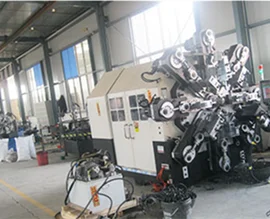
Botou Yongchuang Spring Manufacturing Co., Ltd.
- Manufacturer, Trading Company
- Hebei, China
- Lead time30 days
- Avg. response≤ 3h
Main productsExtension Spring,Torsional Spring,Compression Spring,Special Shape Spring,Hose Clamp
Main marketsDomestic Market(50.00%), Southeast Asia(10.00%), North America(10.00%), Eastern Asia(10.00%), Africa(5.00%), Eastern Europe(4.00%), Western Europe(3.00%), South Asia(2.00%), Oceania(1.00%), South America(1.00%), Southern Europe(1.00%), Northern Europe(1.00%), Central America(1.00%), Mid East(1.00%)

Wenzhou Ruitan Hardware Co., Ltd.
- Verified by TUVRHEINLAND
- Trading Company,Manufacturer/Factory
- China Zhejiang
- Lead time45 days
- Avg. response≤ 22h
Main productsWheel Nut and Spring Washer, Spring, Suspension Spring, Fastener, Spring Clip, Snap Ring, Blank Keys, Flange Plate, Lock Cylinders, Spring Cotter
Main marketsSouth America,Eastern Europe,Mid East,North America,Southeast Asia,Eastern Asia,Oceania,Western Europe,Africa
Guangdong Shuangxin Precision Components Co., Ltd.
- Verified by SGS Group
- Manufacturer, Trading Company
- Lead time15 days
- Avg. response≤ 3h
Main productsHardware Products (Stamping Part, Auto Lathe & CNC Turning Parts, CNC Milling Parts, Spring, Shaft, Fastener)
Main marketsNorth America(30%), Domestic Market(30%), Western Europe(10%)

Fujian Ydl Spring Technology Co., Ltd.
- Verified by SGS
- Combined
- China Fujian
- Lead time15 days
- Avg. response≤ 1h
Main marketsDomestic

Yancheng Foreign Machinery Parts Co., Ltd.
- Trading Company
- Jiangsu, China
- Lead time20 days
- Avg. response≤ 13h
Main productsPiston,Liner,Gasket,Bearing,Gear
Main marketsSouth America(30.00%), Africa(20.00%), Eastern Asia(20.00%), Eastern Europe(10.00%), Mid East(10.00%)
Xiamen Finewe Industry Co., Ltd.
- Verified by Intertek
- Manufacturer, Trading Company
- Lead time25 days
- Avg. response≤ 2h
Main productsCompression Springs, Torsion Springs, Wire Forms Springs, Lighting Springs Clips, Tension Springs
Main marketsNorth America(25%), Eastern Europe(13%), Western Europe(13%)
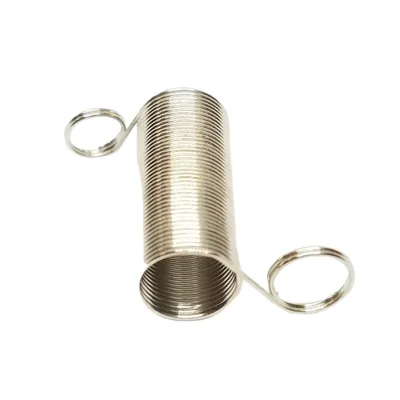
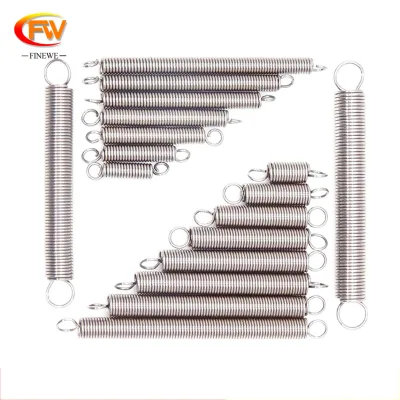
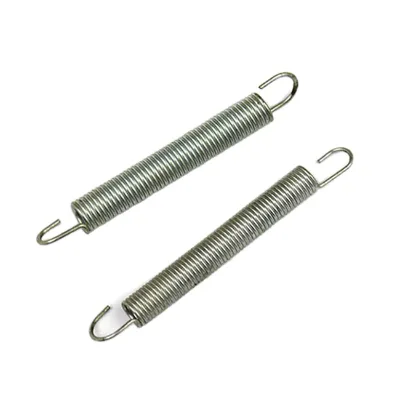
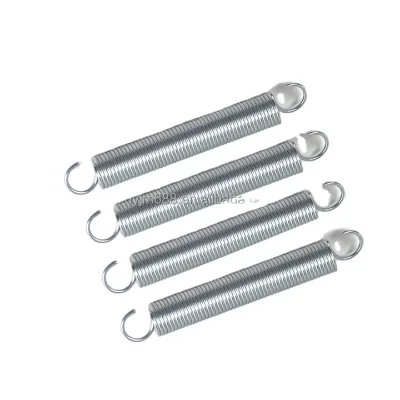
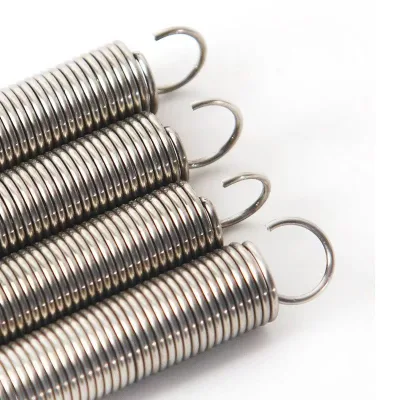
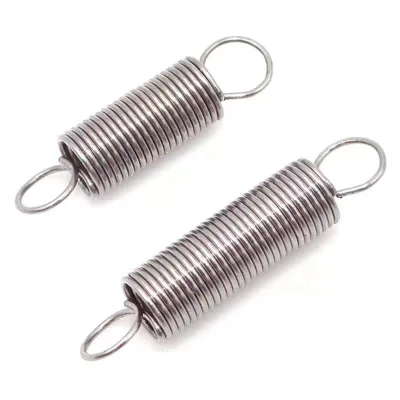
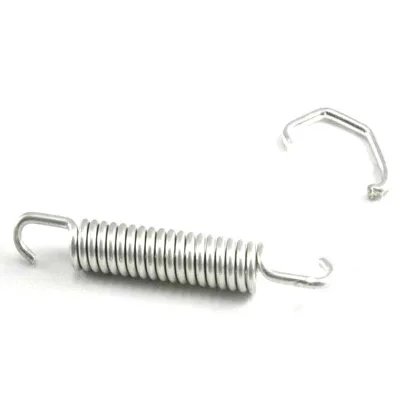
OEM Nickel Plated Stainless Steel Extension Tension Spring with Double Hooks
$0.0307 - $0.1025
MOQ: 1 pieces
Guangdong Hershey Spring Industrial Co., Ltd.
- Verified by SGS Group
- Manufacturer, Trading Company
- Lead time20 days
- Avg. response≤ 2h
Main productsCompression Spring, Extension Spring, Torsion Spring, Copper Busbar, Metal Stamping Parts
Main marketsSouthern Europe(40%), Domestic Market(40%), Western Europe(8%)
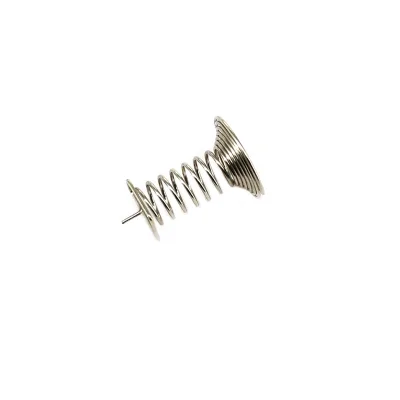
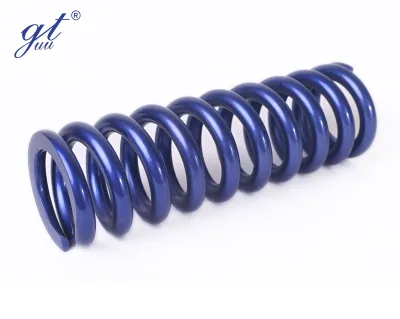
Oil Tempered Spring Steel Helical Spring Switch Tension Compression Springs
$0.0207 - $0.0414
MOQ: 2000 pieces
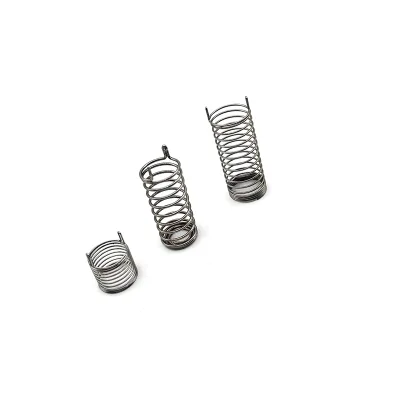
Switch Tension Compression Springs 304 Stainless Steel Micro Small Compression Spring Touch Spring
$0.0207 - $0.0413
MOQ: 2000 pieces
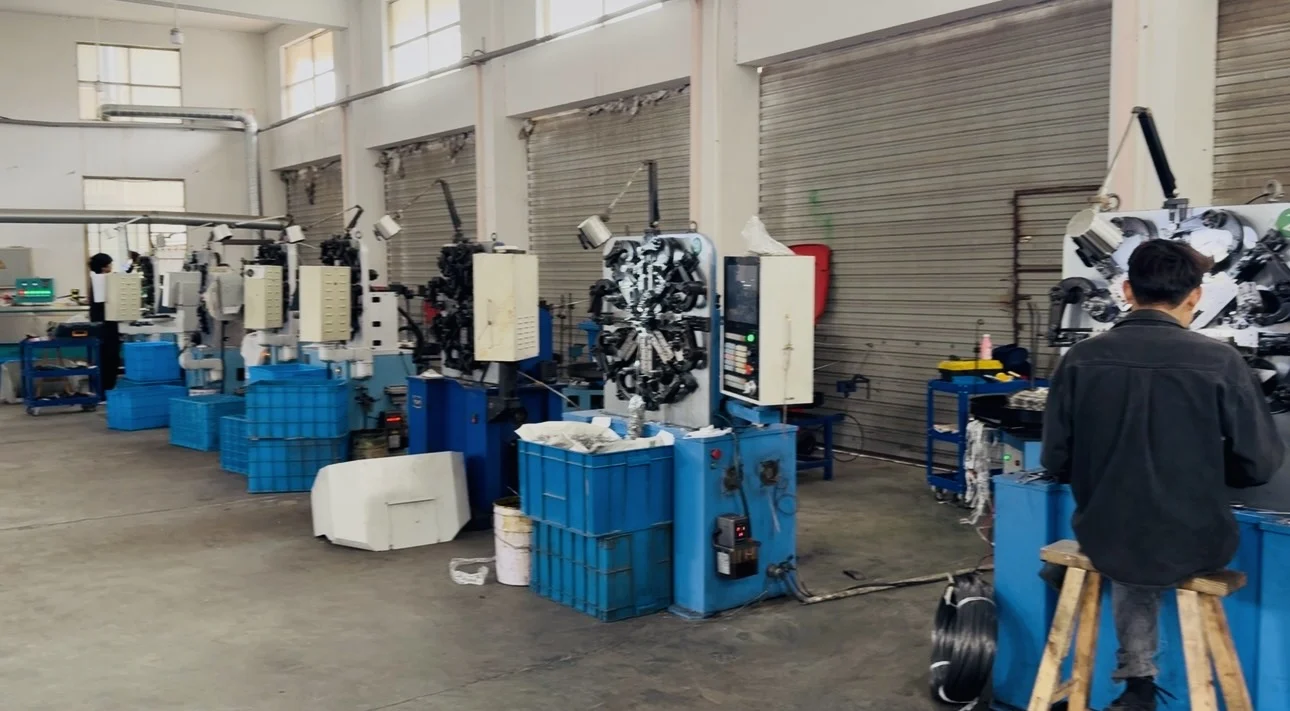
Cixi Zhouxiang Huifeng Spring Factory
- Manufacturer
- zhejiang, China
- Lead time15 days
- Avg. response≤ 3h
Main productsStainless steel spring,Compression spring,Stretching the spring,Torsion spring,Shaped spring
Main marketsAfrica(50.00%), Domestic Market(30.00%), Mid East(10.00%), North America(5.00%), South Asia(2.00%), Southeast Asia(2.00%), Western Europe(1.00%)
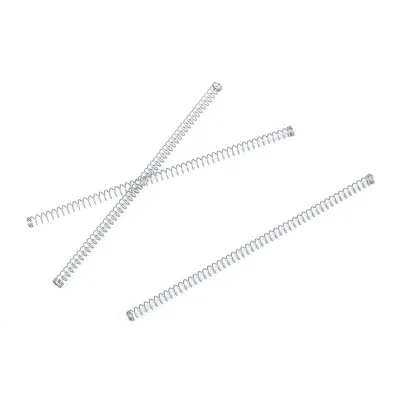
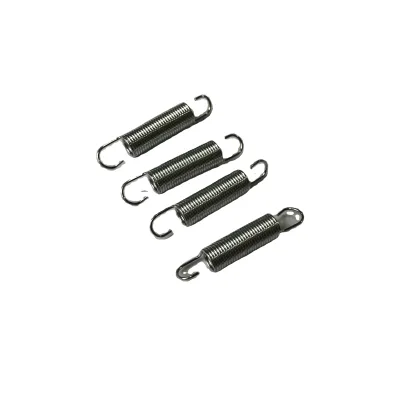
Tension Spring Wire Spring Factory Customized Shaped Springs Welcome to Consult
$0.05 - $0.50
MOQ: 100 pieces
Dongguan Yongsheng Hardware Spring Products Co., Ltd.
- Manufacturer
- Guangdong, China
- Lead time5 days
- Avg. response≤ 3h
Main productsPower Spring,Variable Force Spring,Spiral Springs,Retractable Cord Reels,Mechanical Reels
Main marketsDomestic Market(50.00%), North America(15.00%), Oceania(10.00%), Western Europe(10.00%), Southeast Asia(5.00%), Mid East(5.00%), South America(3.00%), Northern Europe(2.00%)
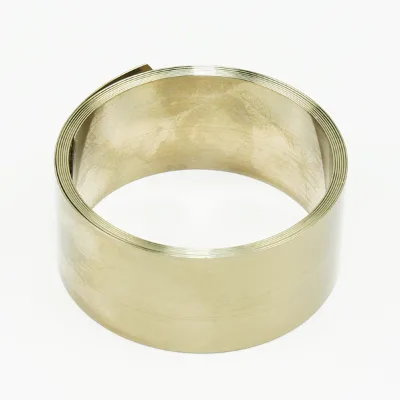
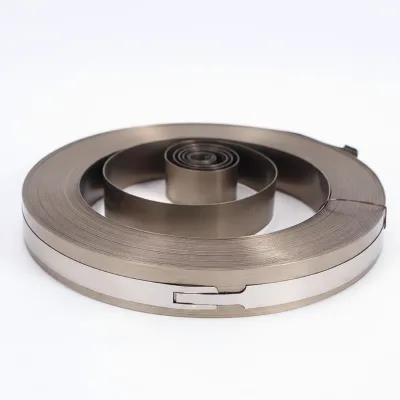
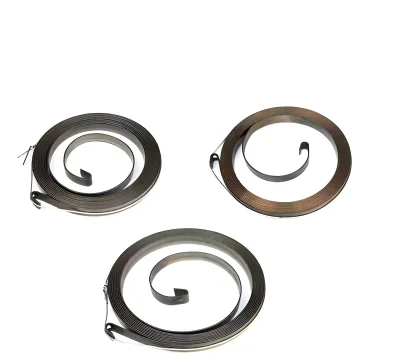
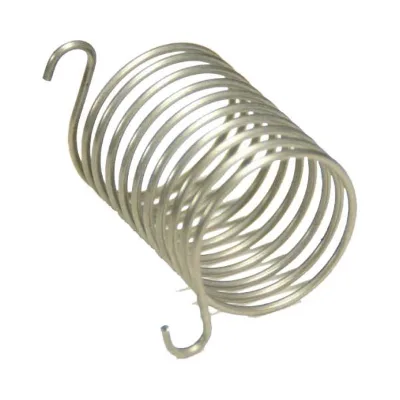
Compressure Constant Torque Spring Coil Spring
$0.23 - $0.25
Dongguan Junhao Hardware Products Co., Ltd.
- Verified by SGS Group
- Manufacturer, Trading Company
- Lead time20 days
- Avg. response≤ 2h
Main productsMetal Hook, Extension Spring, Torsion Spring, Metal Crafts, Steel Wire Bending
Main marketsDomestic Market(30%), North America(20%), Eastern Asia(15%)
Jiangmen Hengxin Precision Parts Co., Ltd.
- Verified by Intertek
- Manufacturer, Trading Company
- Lead time20 days
- Avg. response≤ 3h
Main productsSpring, Stamping Part
Main marketsDomestic Market(39%), South America(11%), North America(10%)

Cixi Zhouxiang Huifeng Spring Factory
- Verified by SGS
- Combined
- China Zhejiang
- Lead time15 days
- Avg. response≤ 1h
Main productssprings
Main marketsDomestic
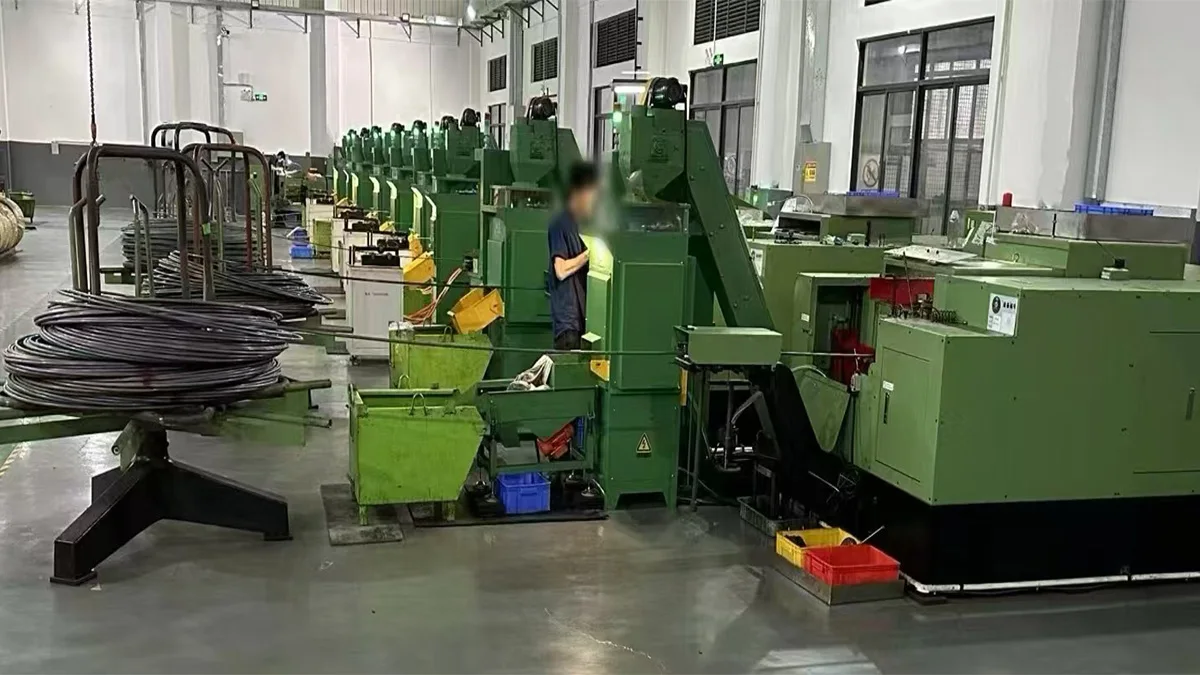
Shenzhen Hongyan Precision Hardware Co., Ltd.
- Manufacturer, Trading Company, Distributor/Wholesaler
- Guangdong, China
- Lead time0 days
- Avg. response≤ 1h
Main productsspring,screw,die-casting,motor,nut
Main marketsEastern Europe(30.00%), South America(30.00%), North America(30.00%)
- Manufacturer, Trading Company
- Lead time旺季: "1 - 10000":9,"> 10000":"To be negotiated", 淡季: "1 - 10000":9,"> 10000":"To be negotiated"
- Avg. response≤ 2h
Main productsCNC Parts, Screws, Nuts, Rivets, Pins
Ganzhou Huanyou Spring Co., Ltd.
- Manufacturer, Trading Company
- Jiangxi, China
- Lead time15 days
- Avg. response≤ 4h
Main productsScreening mechanical springs, Industrial spring, Stretch spring, Compressed spring , Torsion spring
Main marketsMid East(30.00%), Southeast Asia(20.00%), North America(10.00%), South America(10.00%), Eastern Europe(10.00%), Africa(10.00%), Northern Europe(10.00%)
Zhejiang Jianchengfa Spring Manufacturing Co., Ltd.
- Manufacturer
- Zhejiang, China
- Lead time0 days
- Avg. response≤ 1h
Main productsAuto Spring,Suspension Spring,Shock Absorber For Motorcycle,car spring,Shock Absorber spring
Main marketsWestern Europe(12.50%), Eastern Asia(12.50%), Mid East(12.50%), Oceania(12.50%), Southeast Asia(12.50%), Eastern Europe(12.50%), South America(12.50%), North America(12.50%)

Hebei Ruibo Import&Export Trading Co., Ltd.
- Trading Company
- China Hebei
- Lead time23 days
- Avg. response≤ 8h
Main productsCoil Spring, Cabin/Air. Oil/Fuel Filter, Shock Absorber, Brake Pads, Brake Shoes
Main marketsSoutheast Asia/ Mideast,Europe,North America
Dingliu Tianjin) Machinery Equipment Manufacturing Co., Ltd.
- Manufacturer, Trading Company
- Tianjin, China
- Lead time15 days
- Avg. response≤ 5h
Main productstorsion springs,spring tower,extension springs,Stainless steel compression spring,Custom Wave Spring
Main marketsSoutheast Asia(20.00%), South America(20.00%), North America(20.00%), Central America(15.00%), Mid East(15.00%)

Focan Electronic Factory (wujin)
- Manufacturer, Trading Company
- Jiangsu, China
- Lead time15 days
- Avg. response≤ 11h
Main productsTravel adapter,power cord & power strip,HDMI Cable,car antenna cable,Siren speaker & Warning light
Main marketsNorth America(18.00%), Western Europe(15.00%), South America(12.00%), Southeast Asia(11.00%), Domestic Market(10.00%), Eastern Europe(10.00%), Africa(9.00%), Oceania(3.00%), South Asia(3.00%), Southern Europe(3.00%), Northern Europe(3.00%), Central America(3.00%)
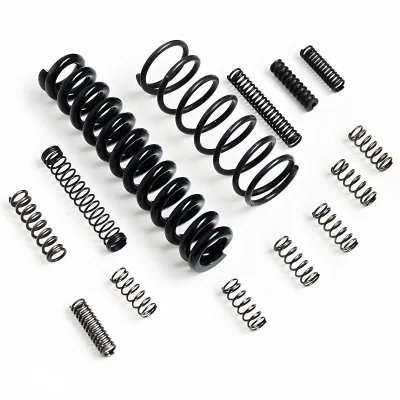
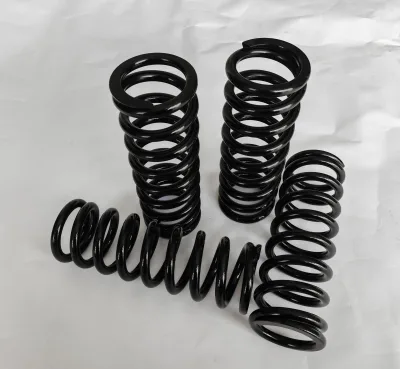
Compressed spring automotive application field Carbon steel, spring steel, alloy spring steel
$0.083 - $2.075
MOQ: 5 pieces
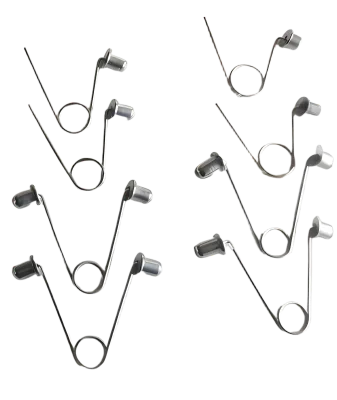
$0.0314 - $0.0523
MOQ: 5 pieces
Guangdong Shuangxin Precision Components Co., Ltd.
- Manufacturer, Trading Company
- Lead time旺季: "1 - 3000":35,"3001 - 10000":45,"> 10000":"To be negotiated", 淡季: "1 - 3000":35,"3001 - 10000":45,"> 10000":"To be negotiated"
- Avg. response≤ 3h
Main productsFasteners, Metal Stamping Parts, CNC Machining Part, CNC Turning Parts, Springs
Dongguan City Hui Xuan Hardware Co., Ltd.
- Verified by TüVRheinland
- Manufacturer, Trading Company
- Lead time7 days
- Avg. response≤ 2h
Main productsSprings, Screws, Washers, Screw With Spring, CNC Machining
Main marketsDomestic Market(35%), North America(10%), Southeast Asia(10%)


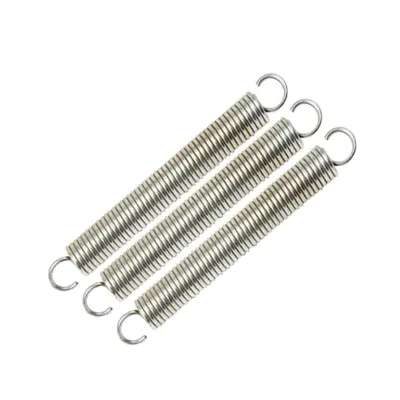






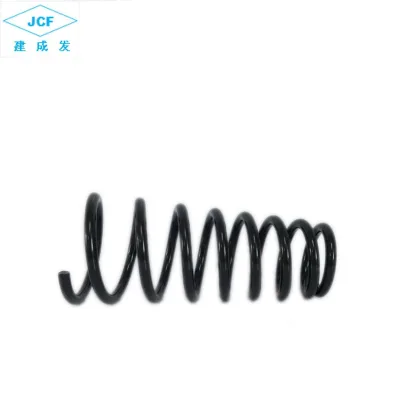
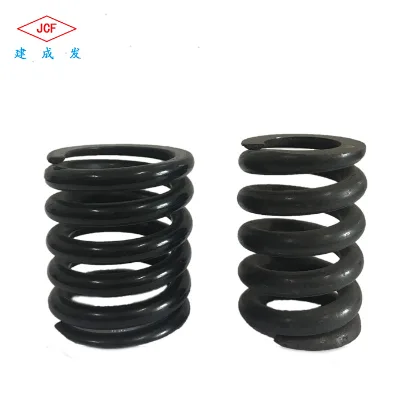
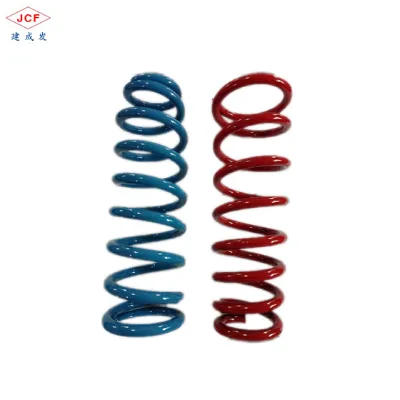


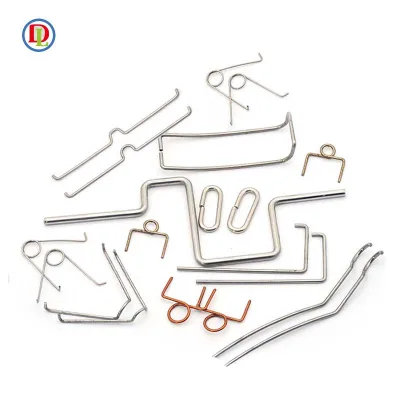
Comprehensive Sourcing Guide
Wire Tension Spring Supplier Concentration and Factory Types
The current supplier landscape for wire tension springs shows a distinct concentration of manufacturing capabilities within specific Chinese provinces, with Zhejiang and Jiangsu emerging as primary hubs for production. Fact-based observations indicate that suppliers in Zhejiang focus on a broad range of spring types including compression, torsion, and fine machining parts, often operating as combined entities capable of both manufacturing and trading. In contrast, suppliers located in Jiangsu demonstrate a specialized focus on precision springs, bearing springs, and constant-force springs, frequently holding ISO9001:2015 and ISO14001:2015 certifications. A third cluster in Beijing appears to operate primarily as a trading company, offering a mix of hardware and stamping parts rather than direct factory production. Buyers should verify the specific province of operation to align with their quality expectations, as the Zhejiang cluster often emphasizes high-volume cold roll processes while the Jiangsu cluster highlights precision and stainless steel applications.
Factory types vary significantly across these regions, influencing the buyer's choice between direct manufacturing and trading intermediaries. The data reveals a mix of combined companies and trading firms, where combined entities typically offer ODM and own-brand capabilities alongside OEM services. These combined suppliers often possess in-house R&D capacity, allowing for customization of load types, shapes, and materials ranging from standard steel to stainless steel. Trading companies, such as those observed in Beijing, may offer lower minimum order quantities and faster response times but lack direct manufacturing control. Buyers must distinguish between these models by checking the company type field; a combined entity suggests direct factory access, whereas a trading company implies a reseller model. Understanding this distinction is critical for negotiating prices and ensuring that the production process, whether cold roll or hot roll, matches the specific application requirements of the Wire Tension Spring.
How to Verify Wire Tension Spring Suppliers
Verification of Wire Tension Spring suppliers relies heavily on third-party audit results and specific certification documents rather than general claims. The available data highlights that some suppliers hold TUVRHEINLAND verification status, while others possess BV verification, indicating different levels of external scrutiny regarding their business operations and factory conditions. Additionally, specific product attributes often reference compliance with standards such as TS16949, SGS, and ISO9001, which serve as tangible evidence of quality management systems. Buyers should prioritize suppliers who display these specific verification badges and certification numbers in their product listings, as these are concrete indicators of a supplier's commitment to maintaining consistent quality standards. It is essential to request copies of these certificates directly from the supplier to confirm their validity and ensure they cover the specific manufacturing processes used for the wire tension springs.
Beyond certifications, response time and lead time serve as practical metrics for verifying supplier reliability and operational efficiency. The observed data shows response times ranging from approximately 4 hours to 25 hours, with lead times varying between 15 and 30 days depending on the supplier's location and capacity. A supplier with a rapid response time, such as under 10 hours, may indicate a more agile operation capable of handling urgent inquiries, while a longer lead time might suggest a more established production schedule or higher volume capacity. Buyers should compare these metrics against their own project timelines to assess feasibility. Furthermore, the presence of detailed product attributes, such as specific load types, materials, and production processes like cold roll or hot roll, provides evidence of technical competence. Verifying that a supplier can accurately describe these technical details confirms their expertise and reduces the risk of receiving non-compliant products.
What to Compare Across Wire Tension Spring Suppliers
When evaluating multiple suppliers for wire tension springs, buyers must compare key operational dimensions including lead time, minimum order quantity, and response speed to determine the best fit for their specific needs. The data indicates significant variation in these areas; for instance, some suppliers offer a lead time of 15 days, while others require 30 days, and minimum order quantities can range from as low as 100 units to as high as 10,000,000 units. This disparity means that a buyer with a small prototype order must seek suppliers with lower MOQs, whereas a large-scale production run might benefit from suppliers with higher capacity and longer lead times. Response times also vary, with some suppliers replying within 4 hours and others taking up to 25 hours, which can impact the speed of negotiation and order placement. Buyers should create a comparison matrix to visualize these differences and select a supplier whose operational parameters align with their production schedule and budget constraints.
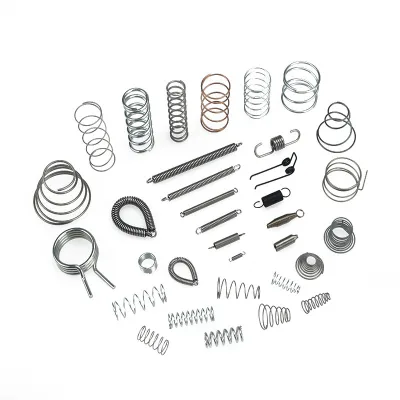
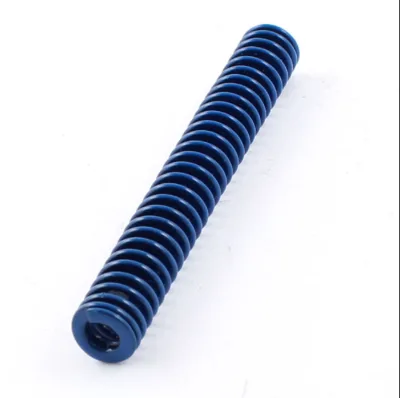
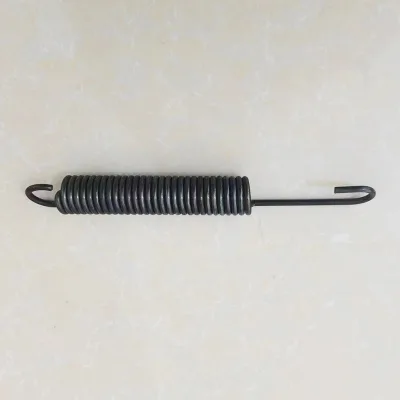
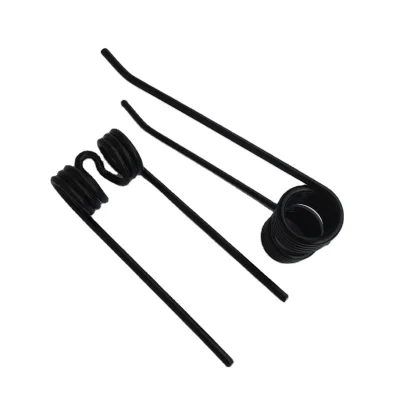
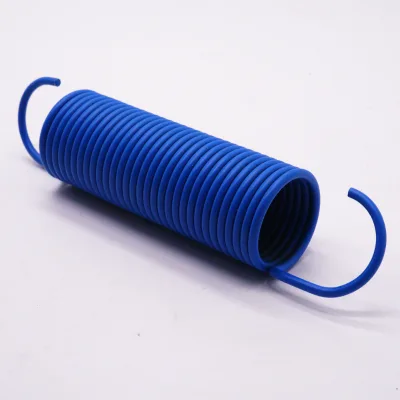
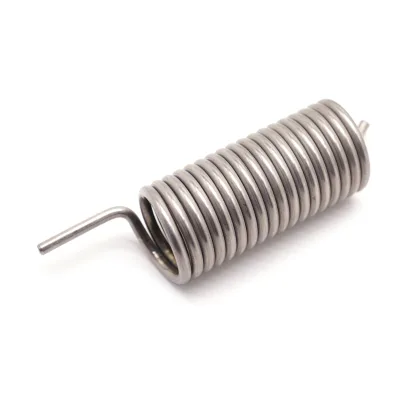
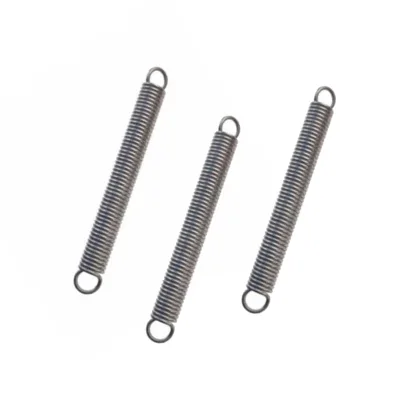
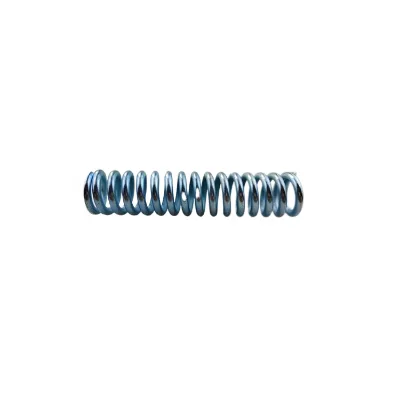
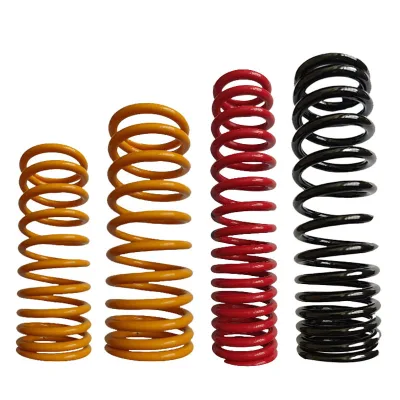
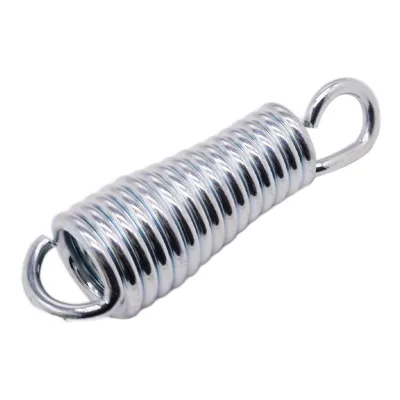
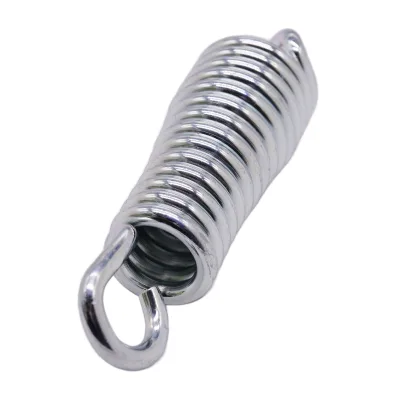
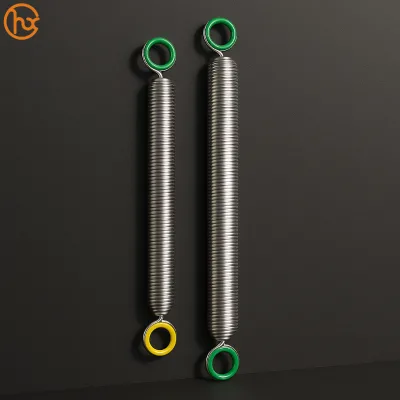
Product specifications and customization capabilities are another critical area for comparison across different Wire Tension Spring suppliers. The observed product evidence shows variations in load types, including extension and compression, as well as diverse materials such as steel and stainless steel. Some suppliers offer customization for shape, such as conical or cylindrical forms, and specific functions like measurement, restoration, or drive. Buyers should verify if the supplier can accommodate custom requirements, as indicated by the "Customization: Available" attribute found in several listings. Additionally, the production process, whether cold roll or hot roll, affects the final product properties and should be matched to the application's performance needs. Comparing these technical attributes ensures that the selected supplier can deliver a Wire Tension Spring that meets the exact functional and material requirements of the end product, preventing costly mismatches or performance failures.
Common Wire Tension Spring Sourcing Risks
One significant risk in sourcing wire tension springs is the potential mismatch between the stated product attributes and the actual manufacturing capabilities of the supplier. The data shows that while many listings claim customization availability, the specific production processes, such as cold roll or hot roll, vary between suppliers. If a buyer requires a specific process to achieve certain mechanical properties, selecting a supplier without the correct equipment could lead to product failure. Furthermore, the wide range of minimum order quantities poses a financial risk; some suppliers demand orders of 10,000,000 units, which may be prohibitive for small businesses or prototype development. Buyers must carefully review the MOQ and price per unit to ensure the total cost aligns with their budget, as high-volume requirements can lock capital into inventory that may not be immediately needed.
Another risk involves the reliability of the supply chain and the consistency of product quality over time. While some suppliers hold certifications like ISO9001:2015, the absence of such documentation in other listings, such as those marked with "NIL" certification, introduces uncertainty regarding quality control. Buyers should be cautious of suppliers who do not provide clear evidence of their quality management systems or who have inconsistent response times. Additionally, the variation in lead times, ranging from 15 to 30 days, can disrupt production schedules if not managed correctly. A delay in one batch of wire tension springs can halt an entire assembly line, making it crucial to verify the supplier's ability to meet deadlines consistently. Buyers should also consider the location of the supplier, as logistics from different provinces in China may introduce varying levels of shipping complexity and potential delays.
Wire Tension Spring Regional Sourcing and Logistics
Sourcing wire tension springs from specific regions in China offers distinct logistical advantages and challenges that buyers must consider. The data indicates that suppliers are concentrated in Zhejiang, Jiangsu, and Beijing, each with different implications for shipping and communication. Zhejiang-based suppliers often handle high-volume production with a focus on combined manufacturing and trading, which may streamline logistics for large orders. Jiangsu suppliers, known for precision springs and holding international certifications, might offer higher quality assurance but could have different shipping routes. Beijing-based trading companies may provide faster communication but could involve additional layers in the supply chain. Buyers should evaluate the proximity of the supplier to major ports to minimize shipping costs and transit times, as the distance from the factory to the port can significantly impact the overall delivery timeline.
Logistics planning must also account for the specific packaging and handling requirements of wire tension springs to prevent damage during transit. The product evidence shows that suppliers use various packaging methods, including cartons, carton pallets, and custom-made packaging. For large orders, the use of carton pallets suggests a more robust shipping method suitable for industrial transport, while custom packaging might be necessary for specialized or delicate components. Buyers should confirm the packaging details with the supplier to ensure that the wire tension springs are protected against moisture, impact, and deformation during shipping. Additionally, the origin of the product, such as Yangzhou or other specific cities within the provinces, can affect customs clearance procedures and import duties. Understanding these regional logistics nuances helps buyers optimize their supply chain and avoid unexpected costs or delays associated with international shipping.
Wire Tension Spring Commercial Terms and Order Planning
Commercial terms for wire tension springs vary widely based on the supplier's location, capacity, and product specifications. The observed data reveals price points ranging from $0.01 to $1.20 per unit, with minimum order quantities spanning from 100 to 10,000,000 units. Buyers must carefully calculate the total cost of ownership, including the unit price multiplied by the MOQ, to determine the financial feasibility of each supplier. High-volume suppliers may offer lower per-unit costs but require significant upfront investment, while low-MOQ suppliers might charge higher prices per unit but reduce initial capital outlay. It is essential to negotiate terms that balance cost efficiency with cash flow management, ensuring that the order size aligns with the buyer's inventory strategy and production needs. Buyers should also inquire about payment terms, such as escrow options, to mitigate financial risks during the transaction.
Order planning for wire tension springs requires a strategic approach to align with the supplier's lead times and production schedules. The data shows lead times ranging from 15 to 30 days, which must be factored into the overall project timeline to avoid delays. Buyers should plan their orders well in advance, considering the supplier's response time and the time required for quality inspections and shipping. For urgent orders, selecting a supplier with a shorter lead time and faster response time is crucial. Additionally, buyers should consider the customization options available, as custom specifications may extend the lead time. By understanding the supplier's capacity and production capabilities, buyers can create a realistic order plan that ensures timely delivery and maintains the quality standards required for their specific applications. Effective order planning also involves maintaining open communication with the supplier to address any potential issues proactively.
FAQs
What is the typical lead time for wire tension springs?
The typical lead time for wire tension springs is 30 days based on current supplier data. Some suppliers offer faster delivery with a 15-day lead time. Buyers should verify specific timelines with the manufacturer before placing large orders to ensure production schedules are met.
What is the minimum order quantity for these springs?
Minimum order quantities vary significantly among suppliers. Some listings require 10 million units, while others accept orders as low as 100 units. Buyers must check individual product pages to confirm the specific MOQ required for their desired material and customization needs.
Which certifications do these spring manufacturers hold?
Certifications include ISO9001:2015, ISO14001:2015, and TS16949 for some suppliers. Verification services like TÜV Rheinland and BV are also available for certain manufacturers. Buyers should request specific certification documents to ensure compliance with their industry standards before finalizing a purchase.
Where are the Wire Tension Spring manufacturers located?
Manufacturers are primarily located in China, specifically in Zhejiang, Jiangsu, and Beijing provinces. Buyers can filter results by these regions to find suppliers with specific logistical advantages. Location data helps estimate shipping costs and delivery times for international orders effectively.
What materials are used for wire tension springs?
Common materials include steel and stainless steel for various applications. Some products specify cold roll or hot roll production processes depending on the load type. Buyers should select materials based on corrosion resistance and strength requirements for their specific industrial or automotive usage scenarios.
How fast do suppliers typically respond to inquiries?
Response times vary, with some suppliers responding within 4 hours and others taking up to 25 hours. The average response time observed is around 9.67 hours. Buyers seeking urgent quotes should prioritize suppliers with faster response metrics to avoid project delays.
Can these springs be customized for specific needs?
Yes, customization is available for most Wire Tension Spring products listed. Suppliers offer options for different shapes, sizes, and load types like extension or compression. Buyers should provide detailed specifications to ensure the final product meets their exact functional and dimensional requirements.