Source Washable Polyester Area Rugs for Home, Hotel, and Prayer
Find 30 Washable Polyester Area Rugs with anti-slip features and modern designs. Compare options for home, hotel, and commercial use, including hand-made and printed styles with customizable sizes and shapes; compare the available evidence and request quotations based on your requirements.
Updated
Key considerations
Products List


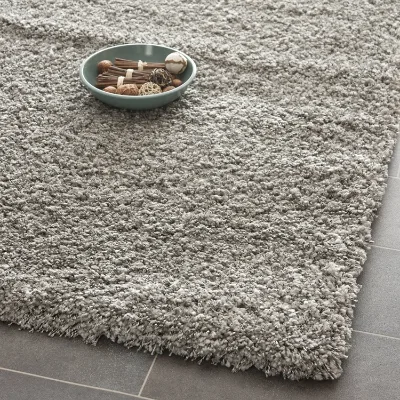


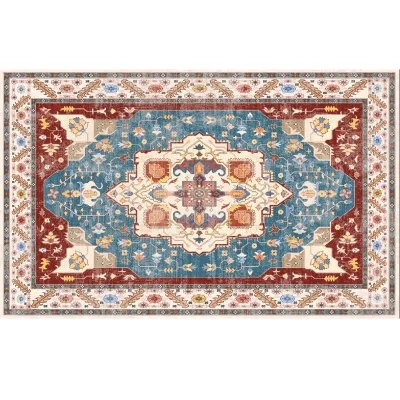
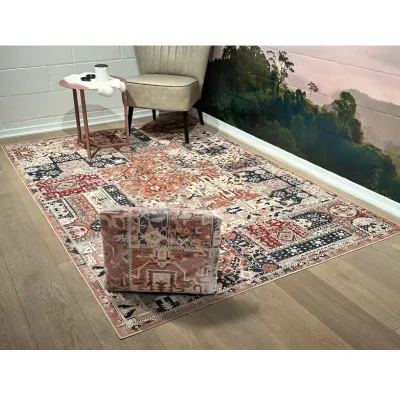
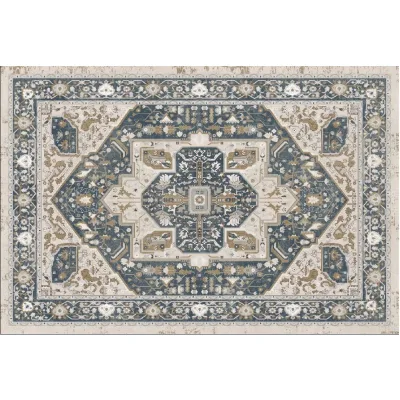
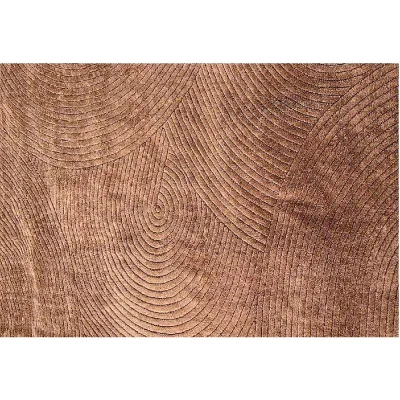

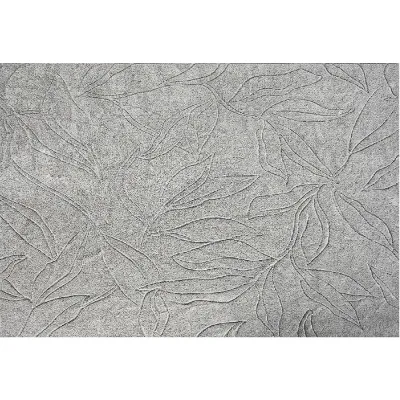

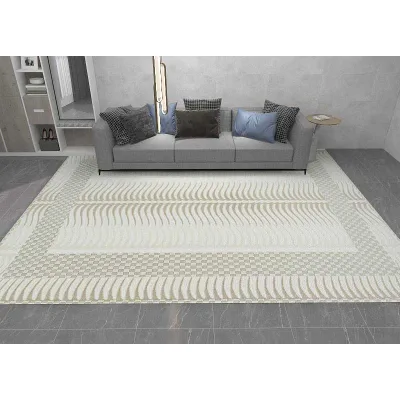


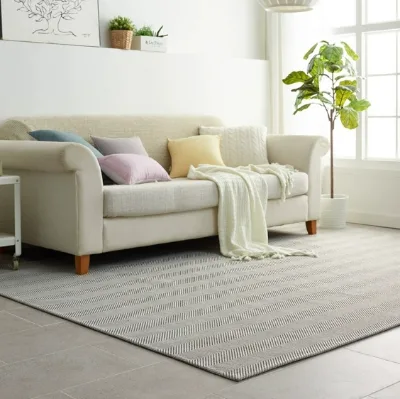
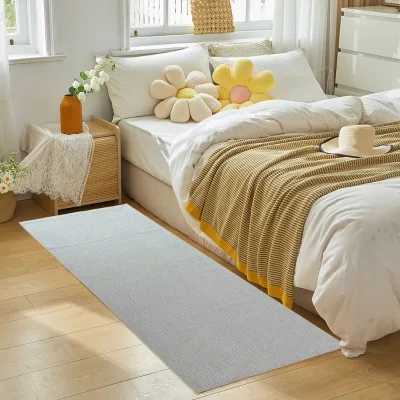
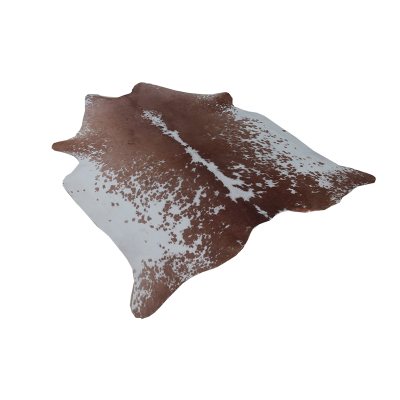
Anti slip Suede Backing Printed Animal Design Polyester Synthetic Cowhide Rugs
$4.75 - $8.00
MOQ: 300 square
Comprehensive Sourcing Guide
Washable Polyester Area Rugs Sourcing Guide
Procuring Washable Polyester Area Rugs requires a strategic approach to balancing aesthetic versatility with functional durability. Buyers must navigate a market where customization options are abundant, ranging from modern designs to oriental patterns, ensuring the final product aligns with specific interior requirements. The availability of hand-made, printed, and tufted techniques allows for diverse textural outcomes, while the inherent properties of polyester provide a cost-effective solution for high-traffic environments. Understanding these material distinctions is crucial for selecting rugs that meet both visual and performance expectations.
The sourcing landscape is characterized by significant variability in product specifications, from thickness levels to standard dimensions. Suppliers often offer customized sizes and shapes, accommodating unique spatial needs for homes, hotels, and commercial spaces. However, this flexibility necessitates rigorous verification of technical details to ensure consistency across large orders. Buyers should prioritize suppliers who provide clear documentation on production methods and material composition, as these factors directly influence the longevity and maintenance requirements of the finished rugs.
Product Scope and Observed Listing Signals
The observed product range includes various rug types categorized by their installation location, primarily floor carpets, and their product form, which is consistently listed as rugs. Key attributes highlight a strong emphasis on customization, with options for modern, oriental, and custom designs. The technics employed range from hand-made and jacquard to printed and tufted methods, indicating a diverse manufacturing base. Features such as anti-slip properties and specific usage scenarios like prayer, hotel, and home decoration are frequently noted, suggesting a broad applicability across residential and commercial sectors.
Observed listing signals also reveal variations in packing and origin, with products originating from China, specifically Guangzhou and Guangdong regions. Packing methods include woven bags, plastic packaging, and individual rolls wrapped in polybags, reflecting different logistical considerations. Standard sizes such as 120160cm, 140200cm, and 180*260cm are common, alongside customized dimensions. These signals provide a baseline for understanding market offerings, but buyers must verify specific product details against their own quality standards to ensure compatibility with their supply chain requirements.
Technical Specifications to Verify
Thickness is a critical technical specification that varies significantly among listed products, with observations noting thicknesses of 5mm, 10mm, and 11mm. Buyers must verify the exact pile height and density to ensure the rug meets comfort and durability expectations for its intended use. Additionally, the material composition is predominantly chemical fiber, which aligns with the washable nature of polyester rugs. Confirming the specific type of chemical fiber and its blend ratios is essential for assessing stain resistance, colorfastness, and overall longevity under regular cleaning regimes.
Surface treatment and texture options also require careful verification, with opaque finishes and cut pile loop pile textures observed. The self-adhesive attribute is noted as not self-adhesive, indicating these are loose-lay rugs rather than wall coverings, despite some overlapping application data. Buyers should request physical samples to evaluate the tactile quality and visual appeal of different technics, such as hand-embroidered or jacquard weaves. Verifying these specifications ensures that the final product matches the design intent and functional requirements of the project.
Compliance and Safety Documentation
Compliance documentation is a vital component of the sourcing process, with ISO certification observed for some products. Buyers should verify the specific ISO standards applicable to the rugs, such as those related to quality management or environmental sustainability. While specific safety certifications are not explicitly detailed in the observed data, it is crucial to inquire about flammability ratings and chemical safety compliance, especially for rugs intended for commercial or hospitality use. Ensuring that suppliers can provide relevant test reports helps mitigate risks associated with product liability and regulatory non-compliance.
Eco-friendly attributes are also a consideration, with washable properties noted as an eco-friendly feature. Buyers should investigate the sustainability of the chemical fiber used and the environmental impact of the manufacturing process. Requesting documentation on dyeing processes and waste management practices can provide insights into the supplier’s commitment to sustainable production. Verifying these compliance aspects ensures that the sourced rugs align with corporate social responsibility goals and meet any specific regulatory requirements in the target market.
Cost Drivers and Commercial Terms
Cost drivers for Washable Polyester Area Rugs include the complexity of the design, the technics used, and the customization level. Hand-made and hand-embroidered rugs typically command higher prices due to labor intensity, while printed and tufted options may be more cost-effective. The observed MOQ range of 1-2000 units suggests flexibility for both small and large orders, but buyers should negotiate terms based on volume. Understanding the cost structure helps in budgeting accurately and identifying opportunities for cost savings without compromising on quality or design integrity.
Commercial terms such as packing and lead times are also significant factors. Observed packing methods vary, with some products packed in rolls per bag and others in individual polybags. Buyers should clarify packing specifications to ensure protection during transit and efficient storage. Lead times can vary based on customization requirements and production capacity, so establishing clear timelines is essential for project planning. Negotiating favorable payment terms and delivery schedules can enhance cash flow management and reduce supply chain disruptions.
Supplier Qualification and Quality Control
Supplier qualification involves assessing the manufacturer’s production capabilities, quality control processes, and track record. Buyers should verify the supplier’s experience in producing washable polyester rugs and their ability to handle custom orders. Requesting references and reviewing past performance can provide insights into reliability and consistency. Additionally, evaluating the supplier’s infrastructure, including machinery and skilled labor, ensures they can meet the technical specifications and design requirements of the order.
Quality control measures should be clearly defined and agreed upon before production begins. Buyers should specify inspection criteria, such as color consistency, stitching quality, and dimensional accuracy. Implementing pre-shipment inspections or third-party quality audits can help identify and rectify defects before delivery. Establishing a robust quality control framework ensures that the sourced rugs meet the expected standards and reduces the risk of receiving subpar products, thereby protecting the buyer’s brand reputation.
Long-Term Procurement Checks
Long-term procurement checks focus on maintaining supplier performance and adapting to market changes. Regularly reviewing supplier metrics, such as on-time delivery rates and defect percentages, helps identify potential issues early. Building a strong relationship with suppliers through consistent communication and feedback can foster collaboration and continuous improvement. Additionally, staying informed about industry trends and technological advancements in rug manufacturing allows buyers to make informed decisions and stay competitive in the market.
Sustainability and ethical sourcing practices should be continuously monitored to align with evolving consumer expectations and regulatory requirements. Buyers should periodically reassess their suppliers’ compliance with environmental and social standards, ensuring that the supply chain remains responsible and transparent. By implementing these long-term checks, buyers can secure a reliable supply of high-quality Washable Polyester Area Rugs while contributing to a sustainable and ethical procurement ecosystem.
FAQs
How are these rugs customized for buyers?
Customization is available for these rugs, allowing buyers to specify unique designs and shapes. You can request any design, custom size, and custom shape to meet specific project needs. This flexibility supports diverse applications in homes, hotels, and commercial spaces.
What certifications do the rugs have?
The rugs hold ISO certification, ensuring they meet recognized quality and safety standards. This certification applies to the manufacturing process and product attributes. Buyers can rely on this standard when sourcing for commercial or hotel decoration projects requiring verified quality.
Which thickness options are available for these rugs?
Available thickness options include 5mm, 10mm, and 11mm depending on the specific model. These variations allow selection based on the intended usage, such as prayer areas or high-traffic commercial zones. The thickness contributes to the overall durability and comfort of the rug.
Can buyers order rugs with specific packing requirements?
Yes, packing options vary by product type, including woven bags, plastic, or PP bags. Some items are packed as 15-20 rolls per bag, while others use individual wrapping. Buyers should specify their preferred packing method to ensure safe transport and storage of the rugs.
What are the standard sizes for these rugs?
Standard sizes include 120x160cm, 140x200cm, 180x260cm, 200x300cm, and 160x230cm. Custom sizes are also available upon request to fit specific room dimensions. These dimensions cover common needs for home decoration, hotel lobbies, and prayer areas.
How are the rugs manufactured technically?
The rugs are produced using various techniques including hand-made, printed, jacquard, and tufted methods. Some feature hand embroidery for added detail. These techniques ensure the rugs meet modern or oriental design preferences while maintaining structural integrity for long-term use.
Where are these rugs manufactured and shipped from?
The rugs originate from China, specifically from Guangzhou and Guangdong regions. This location allows for efficient logistics and competitive pricing. Buyers sourcing from these areas can expect reliable supply chains for both standard and customized rug orders.