y series three-phase induction motor Suppliers and Manufacturers
Explore 28 verified sources for the y series three-phase induction motor to compare lead times, response times, certifications, and pricing. Review product specifications like copper wire standards and customization options before contacting suppliers directly; review the available evidence before requesting comparable quotations from suitable candidates.
Updated
Suppliers List

Fangda Electric Machine Co., Ltd.
- Combined
- China Zhejiang
- Lead time30 days
- Avg. response≤ 25h
Main productsElectric Motors, Induction Motors, Three Phase Motors, Asynchronous Motors, Single Phase Motors, Y2 Series, Y Series, Yl Series, Jy Series, Yc Series
Main marketsDomestic

Taizhou Julante Electromechanical Technology Co., Ltd.
- Combined
- China Zhejiang
- Lead time15 days
- Avg. response≤ 6h
Main productsElectric Motors, Concrete Vibrators, Floor Polishers, Rebar Benders, Bench Grinder
Main marketsSouth America,Africa,East Asia(Japan/ South Korea),Domestic,Europe

Zhejiang Qiantao Pumps Co., Ltd.
- Verified by TUVRHEINLAND
- Combined
- China Zhejiang
- Lead time15 days
- Avg. response≤ 7h
Main productsSubmersible Pump, Water Pump, Electric Motors, AC Pumps, DC Pumps, Single Phase Motors, Three Phase Motors, Deep Well Pumps, Clear Water Pump, Sewage Pump
Main marketsSouth America,Africa,Southeast Asia/ Mideast
Shanghai Goldgun M&E Hi-Tech Co., Ltd.
- Trading Company
- Lead time旺季: "1 - 1":20,"2 - 30":30,"31 - 50":40,"> 50":"To be negotiated", 淡季: "1 - 1":20,"2 - 30":30,"31 - 50":40,"> 50":"To be negotiated"
- Avg. response≤ 2h
Main productsSpeed Reducers, Motor, Gearboxes, Harmonic
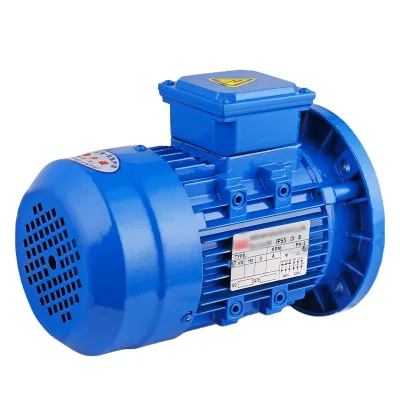
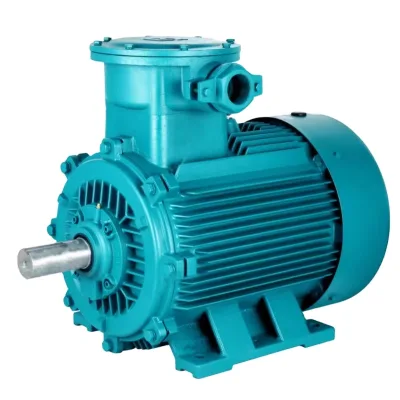
$135.7255 - $158.2614
MOQ: 1 sets

Wenling Shellmax Equipment Manufacturing Co., Ltd.
- Combined
- China Zhejiang
- Lead time15 days
- Avg. response≤ 23h
Main productsGarage Equipments, Welding Machine, Quartz Machinery, Feeding Machine, Spot Welder, Fuel Saver Kit, Electric Motor, Aerator, Auto Parts, OEM Products
Main marketsSouth America,Southeast Asia/ Mideast,North America

Shanghai Pinnxun Electric Motor Co., Ltd.
- Verified by BV
- Trading Company,Manufacturer/Factory
- China Shanghai
- Lead time23 days
- Avg. response≤ 13h
Main productsAC Motor, High Voltage Motor, Slip Ring Motor, Explosion-Proof Motor, Squirrel Cage Motor, Mining Motor, Pump Motor, Blower and Fan Motor, Conveyor Motor, Hoists Motor
Main marketsSouth America,Eastern Europe,Mid East,North America,Southeast Asia,Eastern Asia,Oceania,Western Europe,Africa
- Manufacturer
- Zhejiang, China
- Lead time0 days
- Avg. response≤ 2h
Main productsSubmersible Pump,In-line Pump,Solar Pump,Deep Well Pump
Main marketsSoutheast Asia(15.00%), South Asia(14.00%)
Tianjin Wingo Star Tech Co., Ltd.
- Trading Company
- Tianjin, China
- Lead time25 days
- Avg. response≤ 4h
Main productsElectric Motor,ac motor,slip ring motor,squirrel cage motor,dc motor
Main marketsSoutheast Asia(15.00%), Eastern Europe(15.00%), South America(15.00%), Central America(10.00%), Western Europe(10.00%), Eastern Asia(10.00%), Mid East(10.00%), Africa(10.00%), South Asia(5.00%)

Taizhou Huage Mechanical And Electrical Co., Ltd.
- Manufacturer, Trading Company
- Zhejiang, China
- Lead time30 days
- Avg. response≤ 4h
Main productsAir Compressor, Air Pump, Electric Motor
Main marketsNorth America(35.00%), South America(20.00%), Mid East(15.00%), Western Europe(10.00%), Africa(10.00%), Southeast Asia(10.00%)
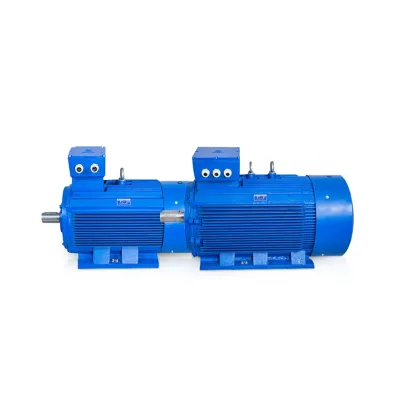
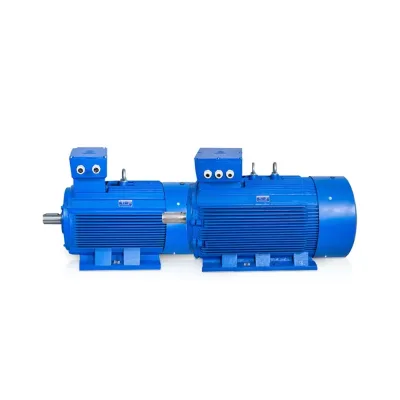
Guaranteed Quality Y3 Type 400v 1.5kw 2hp Induction Electric Ac air Compressor Motor
$34.0693 - $49.5554
MOQ: 100 pieces
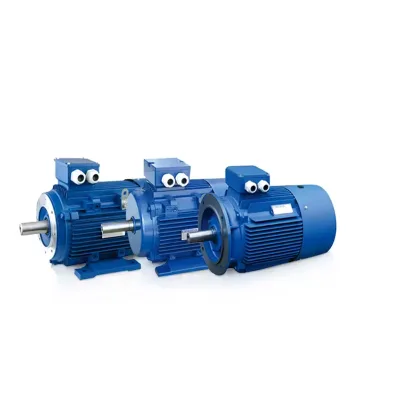
Small Motor Induction 4 Poles Asynchronous 3 Phase 1.5kw Electric Motor for Sale
$34.1862 - $49.7263
MOQ: 100 pieces
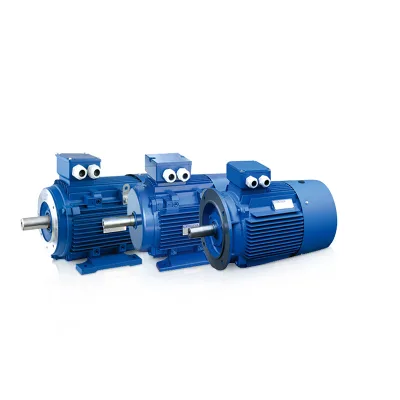
Best Supplier 380 Volt 2 Pole Three Phase Induction 4kw Electric Motor
$56.5858 - $72.018
MOQ: 100 pieces
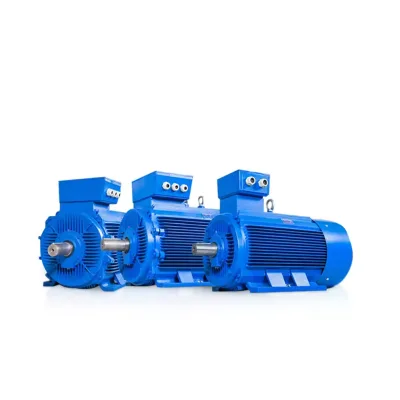
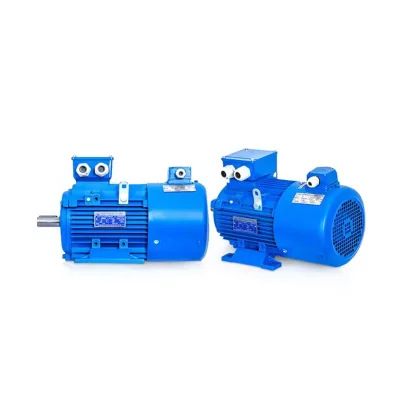
Induction Asynchronous Motor Small Variable Frequency Conversion Ac 3000 Watt Electric Motor
$56.5858 - $72.018
MOQ: 100 pieces
Ningbo Fenghua Hongma Motor Co., Ltd.
- Verified by TüVRheinland
- Manufacturer, Trading Company
- Lead time20 days
- Avg. response≤ 3h
Main productsElectric Motor, Servo Motor, Brake Motor, Single Phase Electric Motor, Textile Electric Motor
Main marketsDomestic Market(50%), Western Europe(15%), Southeast Asia(6%)
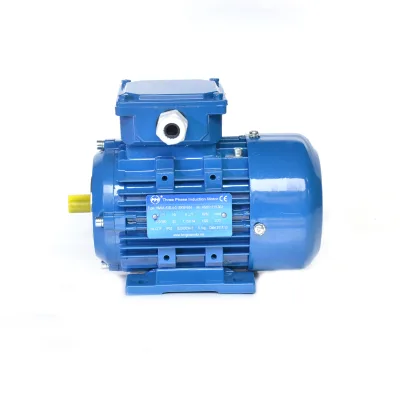
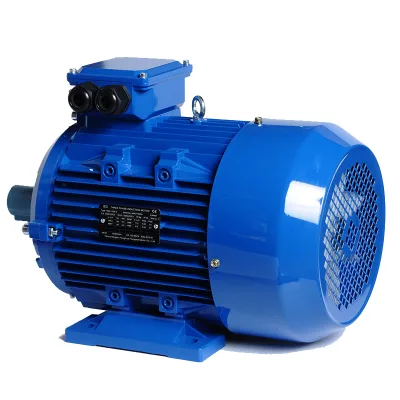
$190.2021 - $210.7654
MOQ: 5 pieces

Shanghai AXD Heavy Machinery Co., Ltd.
- Verified by TUVRHEINLAND
- Trading Company,Manufacturer/Factory
- China Shanghai
- Lead time60 days
- Avg. response≤ 12h
Main productsElectric Motor, AC Motor, DC Motor, Melting Furnace, Induction Furnace, Vhs Motor, Electric Arc Furnace, NEMA Electric Motor, NEMA Motor, Motor NEMA
Main marketsSouth America,Eastern Europe,Mid East,North America,Southeast Asia,Eastern Asia,Oceania,Western Europe,Africa

- Verified by BV
- Combined
- China Fujian
- Lead time23 days
- Avg. response≤ 20h
Main productsWater Pump, Electric Motor, a C Motor, Three Phase Motor, Single Phase Motor, Swinning Pool Pump, Gentrifugal Pump, Self-Priming Pump, Peripheral Pump
Main marketsSouth America,Southeast Asia/ Mideast,Europe,Australia,North America


Good Quality Y2 Series 3-Phase 1400rpm 2800rpm 3HP 4HP 1/3HP 5.5HP Induction Motor
$46.00 - $50.00
MOQ: 100 Pieces

NINGBO KILOMEGA INTERNATIONAL TRADE CO., LTD.
- Verified by BV
- Trading Company,Manufacturer/Factory
- China Zhejiang
- Lead time45 days
- Avg. response≤ 2h
Main productsRubber Conveyor Belt, Rubber Belt, Conveyor Roller, Transmission Belt, Screen Mesh, Conveyor Accessories, Crusher Spare Parts, Motor Gearbox, Chevron Conveyor Belt
Main marketsSouth America,Eastern Europe,Mid East,North America,Southeast Asia,Eastern Asia,Oceania,Western Europe,Africa
Victory Machinery Technology Co., Ltd.
- Verified by TüVRheinland
- Manufacturer, Trading Company
- Lead time10 days
- Avg. response≤ 2h
Main productsMotor, Reducer
Main marketsNorth America(45%), Southeast Asia(12%), South America(10%)
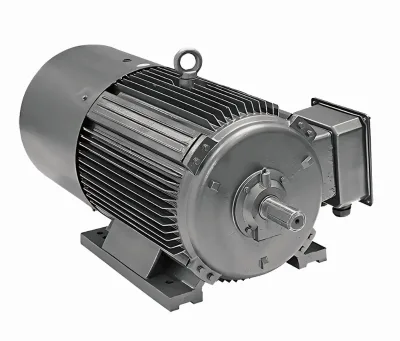
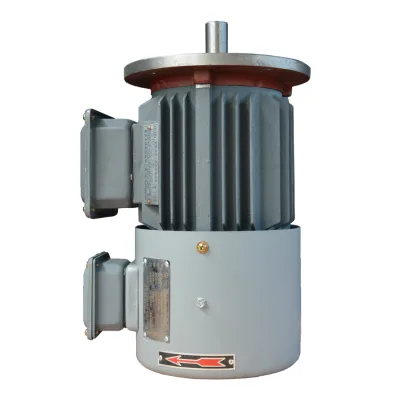
$71.92 - $91.31
MOQ: 1 Minimum
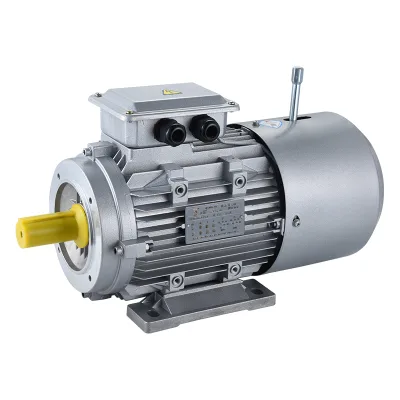
$114.672 - $159.0949
MOQ: 1 Minimum
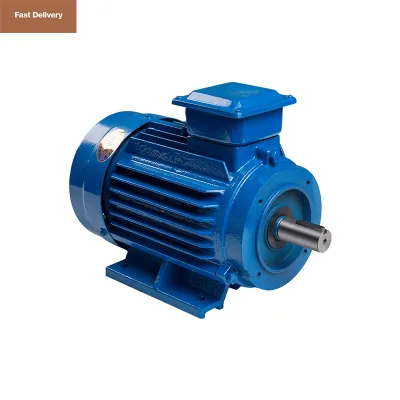
Hangzhou Shengjie Reducer Co., Ltd.
- Manufacturer, Trading Company
- Zhejiang, China
- Lead time15 days
- Avg. response≤ 3h
Main productsWP series Worm Gearbox,NMRV series Worm Gearbox,R F K S series helical geared motor,SWL series worm screw jack,AC motor
Main marketsDomestic Market(40.00%), Mid East(10.00%), Africa(10.00%), Southeast Asia(10.00%), Eastern Europe(10.00%), South America(10.00%), North America(10.00%)
Zhejiang Hongda Group Dafeng Electronics Co., Ltd.
- Manufacturer
- Zhejiang, China
- Lead time30 days
- Avg. response≤ 4h
Main productsGOST standard electric motor,IEC electric motor,Three Phase Motor,Single Phase Motor,Fuel dispenser motor
Main marketsEastern Europe(70.00%), Domestic Market(10.00%), Southeast Asia(10.00%), Mid East(5.00%), Western Europe(5.00%)
Guangdong Taichuang Hydraulic Technology Co., Ltd.
- Verified by TüVRheinland
- Manufacturer, Trading Company
- Lead time0 days
- Avg. response≤ 1h
Main productsHydraulic Power Pack
Main marketsNorth America(16%), South America(15%), Southeast Asia(10%)
Zhejiang Juqiang Mechanical And Electrical Co., Ltd.
- Verified by TüVRheinland
- Manufacturer, Trading Company
- Lead time30 days
Main productsElectric Motor
Main marketsDomestic Market(40%), South America(15%), Southeast Asia(15%)
Chongqing Lijia Jieneng Automation Technology Co., Ltd.
- Trading Company
- Chongqing, China
- Lead time15 days
- Avg. response≤ 8h
Main productsYE3 Series Three-phase Asynchronous Motor, YE4 Series Three-phase Asynchronous Motor, YE5 Series Three-phase Asynchronous Motor, YVF2 Series Variable Frequency Speed Regulation Three-phase Asynchronous Moto, Permanent Magnet Synchronous Motor
Main marketsEastern Asia(100.00%)
Ningbo Fenghua Gogo Automatic Trading Company Limited
- Trading Company
- Lead time旺季: "1 - 2":31,"> 2":"To be negotiated", 淡季: "1 - 2":31,"> 2":"To be negotiated"
- Avg. response≤ 7h
Main productsMechanical Parts, Auto Parts, Electric Parts, Pneumatic, Valve
Hebei Daye Motor Manufacturing Co., Ltd.
- Manufacturer, Trading Company
- Hebei, China
- Lead time7 days
- Avg. response≤ 4h
Main productsExplosion-proof electric motor, Variable frequency motor, Frequency control three-phase motor, Industrial electric motor, Brake motor
Main marketsDomestic Market(100.00%)
Changwei Transmission (Jiangsu) Co., Ltd.
- Verified by TüVRheinland
- Manufacturer, Trading Company
- Lead time0 days
- Avg. response≤ 2h
Main productsFour Major Series of Reducers, Precision Planetary Gearbox, Precision Planetary Gearboxer
Main marketsDomestic Market(90%), Eastern Europe(2%), Southeast Asia(2%)
$15.4442 - $20.5918
MOQ: 1 Minimum

ZHEJIANG JUAO MOTOR MANUFACTURING CO., LTD.
- Manufacturer
- China Zhejiang
- Lead time30 days
- Avg. response≤ 11h
Main productsFan Motor
Main marketsSoutheast Asia/ Mideast,East Asia(Japan/ South Korea),Europe,North America

$25.00 - $100.00
MOQ: 100 Pieces

$25.00 - $100.00
MOQ: 100 Pieces
- Verified by Intertek
- Manufacturer, Trading Company
- Lead time15 days
- Avg. response≤ 3h
Main productsElectric Motor, Alternator, Generator Set
Main marketsMid East(30%), Southeast Asia(25%), South America(20%)

Shandong Langrui Industrial Co., Ltd.
- Verified by SGS
- Manufacturer/Factory
- China Shandong
- Lead time23 days
- Avg. response≤ 2h
Main products3 Phase Motor, Single Phase Motor, Squirrel Cage Motor, Slip Ring Motor, GOST Motor, Explosion Proof Motor, Gear Motor, DC Motor, Brake Motor, Asynchronous Motor
Main marketsSouth America,Eastern Europe,Mid East,North America,Southeast Asia,Eastern Asia,Oceania,Western Europe,Africa

Xiangtan Xemc Motor Sales Corporation Limited
- Manufacturer/Factory
- China Hunan
- Lead time15 days
- Avg. response≤ 12h
Main productsElectric Motor, AC Motor, Asynchronous Motor, DC Motor, High Voltage Motor, Energy Saving Motor, Low Voltage Motor, Squirrel Cage Motor, Slip Ring Motor, Three Phase Electric Motor
Main marketsSouth America,Mid East,Southeast Asia,Eastern Asia,Oceania,Africa

CE certificated 3HP high efficiency 3 phase AC asynchronous induction motor
$20.00 - $2000.00
MOQ: 1 Pieces


HANGZHOU HENGBAI GEAR REDUCER CO., LTD.
- Verified by Intertek
- Manufacturer, Trading Company
- Lead time30 days
- Avg. response≤ 8h
Main productsSpeed Reducers
Main marketsDomestic Market(60%), Western Europe(10%), North America(8%)

LUAN JIANGHUAI MOTOR CO., LTD.
- Verified by CTI
- Combined
- China Anhui
- Lead time30 days
- Avg. response≤ 7h
Main productsElectric Motor
Main marketsSouth America,Domestic,Europe






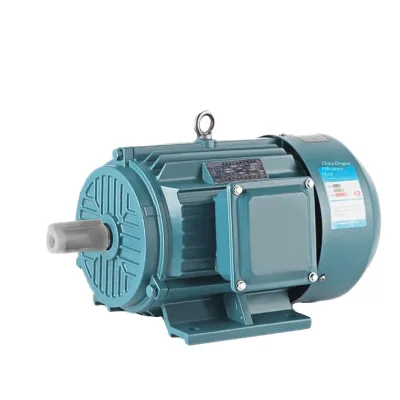


Comprehensive Sourcing Guide
Y Series Three-Phase Induction Motor Supplier Concentration and Factory Types
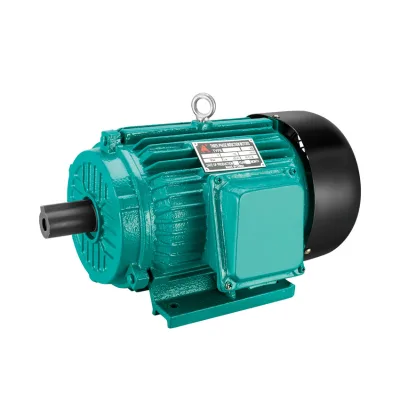
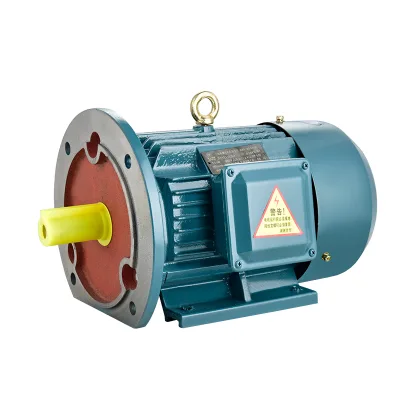
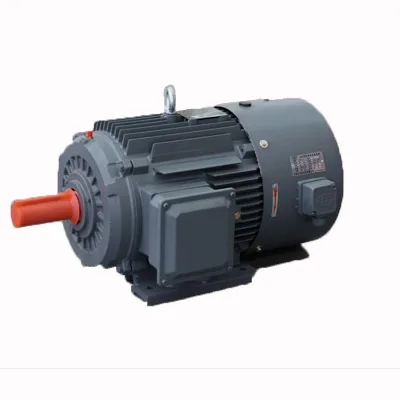
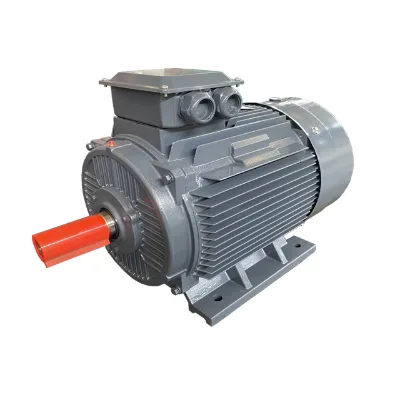
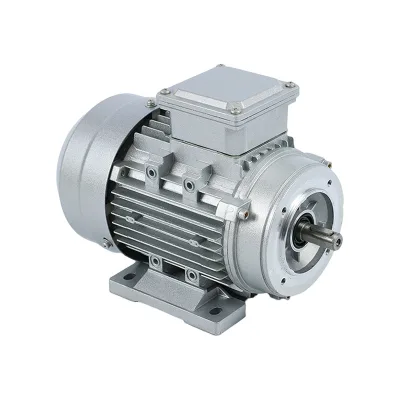
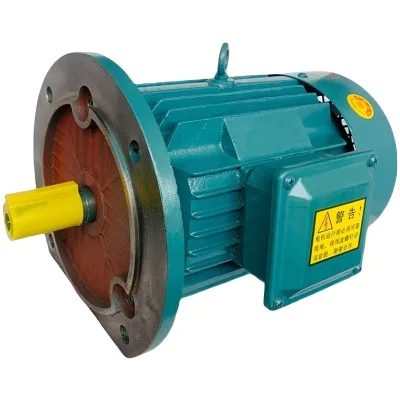
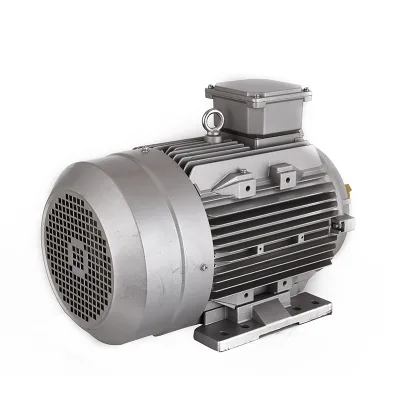
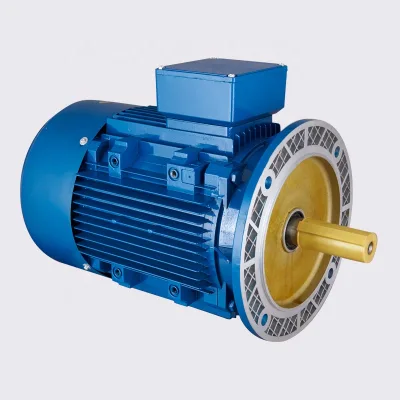
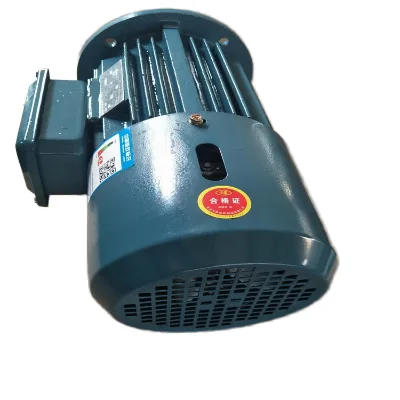
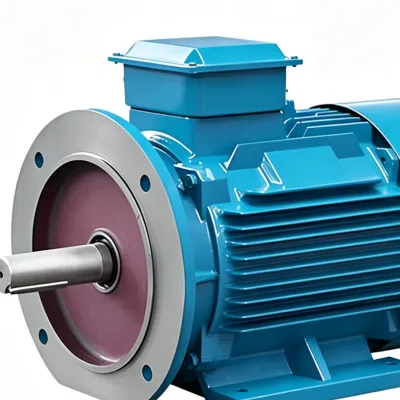
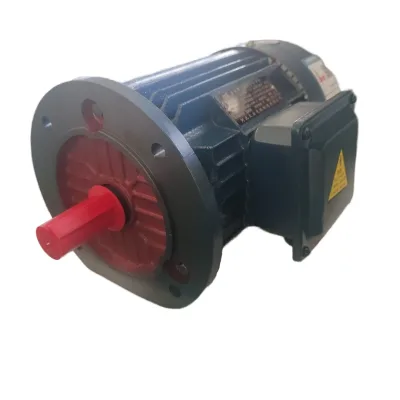
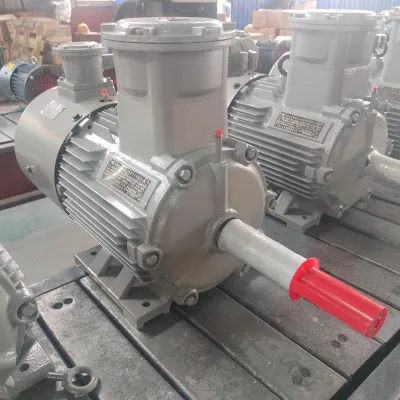
The current supplier landscape for Y Series Three-Phase Induction Motors reveals a distinct concentration in China, specifically within the Zhejiang province. This geographic clustering is significant for buyers because it indicates a mature industrial ecosystem where specialized manufacturing capabilities are concentrated. Factories in this region often benefit from established supply chains for raw materials such as copper wire and cast iron, which are critical components for motor construction. The presence of suppliers in Taizhou, Zhejiang, further suggests a hub for electric motor production, where logistical efficiency and component availability can reduce overall procurement friction. Buyers should recognize that this regional focus is not random but rather a result of historical industrial development and infrastructure investment in the area. Understanding this concentration helps in anticipating the types of suppliers available, as they are likely to be accustomed to international standards and export requirements due to the competitive nature of the local market.
Supplier types in this category vary, with many entities operating as combined entities that blend manufacturing with trading functions. This hybrid model allows for greater flexibility in order sizes and customization options, which is particularly relevant for the Y Series motors that often require specific adaptations for different industrial applications. Some suppliers offer OEM and ODM services, indicating an ability to produce under private labels or modify designs to meet unique client specifications. This capability is essential for buyers who need motors that fit specific spatial constraints or operational parameters beyond standard off-the-shelf models. The combination of manufacturing and trading capabilities also means that these suppliers can often provide more comprehensive support, from technical consultation to after-sales service, leveraging their dual role in the supply chain. This structure supports a more integrated sourcing experience, reducing the need for buyers to manage multiple separate vendors for production and logistics.
How to Verify Y Series Three-Phase Induction Motor Suppliers
Verification is a critical step in ensuring the reliability and quality of Y Series Three-Phase Induction Motor suppliers. One key indicator of supplier credibility is the possession of relevant system certifications, such as ISO9001:2015, which demonstrates a commitment to quality management systems. Buyers should actively seek out suppliers who display these certifications, as they provide a baseline assurance of consistent manufacturing processes. Additionally, product-specific certifications like CCC are important for markets that require strict compliance with local safety and performance standards. These certifications are not merely decorative; they reflect rigorous testing and adherence to international or regional norms. Buyers should request copies of these certificates and verify their validity through the issuing bodies to ensure they are current and applicable to the specific motor models being considered. This due diligence helps mitigate the risk of receiving substandard products that may fail in critical industrial applications.
Another vital aspect of verification is the supplier's response time and overall engagement level. A quick response time, such as those observed in the range of five to twenty-five hours, can indicate a well-staffed and responsive sales team. This responsiveness is crucial for resolving technical queries, negotiating terms, and addressing any issues that arise during the procurement process. Buyers should also look for verification badges from reputable third-party inspection agencies, such as TÜV Rheinland, which provide an additional layer of trust regarding the supplier's operational integrity. These badges often signify that the supplier has undergone thorough audits of their facilities, financial stability, and business practices. By combining certification checks with an assessment of communication efficiency and third-party verifications, buyers can build a more accurate profile of each supplier's reliability. This multi-faceted approach to verification helps in filtering out less credible entities and focusing on partners who are likely to deliver on their promises.
What to Compare Across Y Series Three-Phase Induction Motor Suppliers
When evaluating multiple suppliers for Y Series Three-Phase Induction Motors, it is essential to compare key operational metrics to determine the best fit for your specific needs. Lead times are a primary differentiator, with some suppliers offering production cycles as short as fifteen days, while others may require up to thirty days. This variance can significantly impact your inventory management and project timelines, so it is crucial to align supplier lead times with your delivery requirements. Additionally, minimum order quantities (MOQs) vary widely, ranging from as low as twenty units to as high as one hundred units. Buyers with smaller volume needs should prioritize suppliers with lower MOQs to avoid excessive inventory costs, while those with larger demands may benefit from the economies of scale offered by suppliers with higher thresholds. Comparing these logistical parameters helps in selecting a supplier that matches your operational scale and flexibility requirements.
Price ranges and customization capabilities are also critical factors in the comparison process. The price spectrum for these motors can be broad, with some models starting at very low entry points and others reaching significantly higher price tiers depending on power output and features. Buyers should analyze the price-to-performance ratio rather than just the lowest cost, considering factors like material quality and efficiency ratings. Furthermore, the availability of customization options, such as specific casing protections, starting modes, or color painting, can be a decisive factor for specialized applications. Suppliers that offer flexible customization, including ODM and OEM services, provide greater value for buyers with unique requirements. By systematically comparing lead times, MOQs, pricing structures, and customization options, buyers can make informed decisions that balance cost, speed, and technical suitability. This structured comparison ensures that the selected supplier aligns with both immediate procurement needs and long-term strategic goals.
Common Y Series Three-Phase Induction Motor Sourcing Risks
One significant risk in sourcing Y Series Three-Phase Induction Motors is the potential discrepancy between advertised specifications and actual product performance. Buyers must be vigilant about verifying technical attributes such as rotor structure, starting mode, and insulation class, as these directly impact motor efficiency and lifespan. For instance, while many suppliers claim squirrel-cage rotors and direct-on-line starting capabilities, the actual quality of materials like copper wire versus aluminum can vary. This variation can lead to unexpected energy losses or premature failure in industrial settings. To mitigate this risk, buyers should request detailed technical datasheets and, if possible, conduct third-party testing on sample units before committing to large orders. Ensuring that the motor meets the required power range and protection class, such as IP54 or IP55, is also essential to prevent operational issues in harsh environments.
Another common risk involves the reliability of supply chain commitments, including lead times and after-sales support. Suppliers may promise rapid delivery but fail to meet these deadlines due to production bottlenecks or material shortages. This can disrupt downstream operations and lead to significant financial losses. Additionally, the lack of clear warranty terms or support structures can leave buyers vulnerable if defects arise post-delivery. Buyers should carefully review the supplier's track record for on-time delivery and their policies regarding returns, repairs, or replacements. It is also important to verify the supplier's capacity to handle your order volume without compromising quality. By proactively identifying and addressing these risks through thorough due diligence and clear contractual agreements, buyers can protect their interests and ensure a smoother sourcing experience. This proactive approach helps in building a resilient supply chain that can withstand potential disruptions.
Y Series Three-Phase Induction Motor Regional Sourcing and Logistics
Sourcing Y Series Three-Phase Induction Motors from regional hubs like Zhejiang, China, offers distinct logistical advantages due to the area's advanced manufacturing infrastructure. The concentration of factories in this region facilitates efficient consolidation of shipments, reducing transportation costs and lead times for international buyers. Taizhou, in particular, is known for its robust export capabilities, with many suppliers experienced in handling complex logistics requirements. Buyers should leverage this regional expertise by working with suppliers who have established relationships with freight forwarders and customs brokers. This can streamline the export process, ensuring that motors are packaged and shipped according to international standards, such as export-standard packaging or wooden boxes, to prevent damage during transit. Understanding the local logistics landscape helps in planning more accurate delivery schedules and minimizing unexpected delays.
However, regional sourcing also requires careful attention to import regulations and compliance requirements in the buyer's home country. Different regions have varying standards for electrical equipment, and buyers must ensure that the motors they source meet these local regulations. This may involve obtaining additional certifications or undergoing specific testing procedures upon arrival. Buyers should also consider the environmental impact of transportation and explore options for more sustainable shipping methods if applicable. Additionally, currency fluctuations and trade policies can affect the final landed cost of the motors, so it is advisable to monitor these factors closely. By integrating logistical planning with regulatory compliance, buyers can optimize their sourcing strategy from regional hubs. This holistic approach ensures that the benefits of regional manufacturing are fully realized while mitigating potential logistical and regulatory challenges.
Y Series Three-Phase Induction Motor Commercial Terms and Order Planning
Effective order planning for Y Series Three-Phase Induction Motors requires a clear understanding of commercial terms, including payment structures and warranty provisions. Buyers should negotiate terms that protect their interests, such as using escrow services for secure transactions or establishing milestone-based payments for large orders. This approach reduces financial risk and ensures that suppliers are incentivized to meet quality and delivery standards. Additionally, it is crucial to define the scope of customization and any associated costs upfront to avoid unexpected charges. Clear communication regarding packaging requirements, such as carton or wooden box packing, helps in preventing damage and ensuring that the motors arrive in optimal condition. By establishing robust commercial terms, buyers can create a stable foundation for their supplier relationships, fostering trust and reliability.
Long-term order planning should also consider the scalability of the supplier's production capacity and their ability to handle volume fluctuations. Buyers should assess whether the supplier can ramp up production during peak demand periods without compromising quality or lead times. This is particularly important for industries with seasonal variations or rapid growth trajectories. Furthermore, buyers should establish a feedback loop with their suppliers to continuously improve the sourcing process. This includes sharing performance data, addressing any issues promptly, and exploring opportunities for cost optimization or product enhancement. By integrating commercial terms with strategic order planning, buyers can build a resilient and efficient supply chain. This strategic approach ensures that the procurement of Y Series Three-Phase Induction Motors supports broader business objectives and operational excellence.
FAQs
What is the price range for Y Series motors?
The price range for Y Series three-phase induction motors typically spans from $29 to $5,000 depending on specifications. Buyers should verify exact pricing for specific power ratings and configurations. Minimum order quantities often start at 50 units, influencing the final per-unit cost for bulk procurement.
What certifications do these motors hold?
Y Series motors generally hold CCC and ISO certifications, ensuring compliance with safety and quality standards. Some suppliers also provide ISO9001:2015 system certification. Buyers should request specific certificate copies to verify compliance with their local regulatory requirements before placing orders.
What is the typical lead time for delivery?
Typical lead times for Y Series motors range from 15 to 30 days. This duration depends on the supplier's current production capacity and order volume. Buyers should confirm the exact delivery schedule with the supplier to ensure it aligns with their project timelines.
Where are these motors manufactured?
These motors are primarily manufactured in China, specifically in Zhejiang Province and Taizhou City. Buyers should verify the exact origin on product listings to ensure alignment with their sourcing preferences and any potential trade restrictions or logistics considerations for their region.
What is the minimum order quantity?
The minimum order quantity for Y Series motors is often 50 units, though some suppliers may require 20 or 100 units. Buyers should check the specific MOQ listed for each product to determine if it fits their procurement volume and budget constraints.
What is the supplier response time?
Supplier response times vary, with some responding within 5.36 hours and others taking up to 25 hours. Buyers should prioritize suppliers with faster response times to ensure efficient communication and quicker resolution of any technical or logistical questions during the sourcing process.