Source 3D Astronaut Cat Keychain for Bags, Keys, and Gifts
Find 30 listings for the 3D Astronaut Cat Keychain, featuring materials like zinc alloy, acrylic, and PVC. Compare options with custom logos, embossing, and UV printing from Guangdong suppliers. MOQs start at 10 pieces for bulk orders; compare the available evidence and request quotations based on your requirements.
Updated
Key considerations
Products List
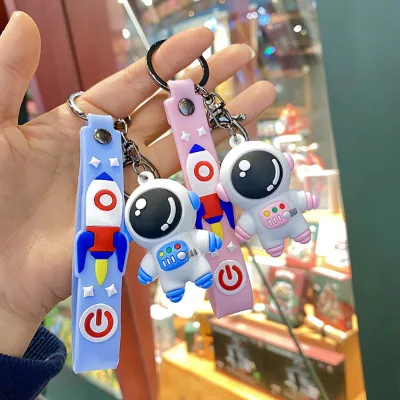


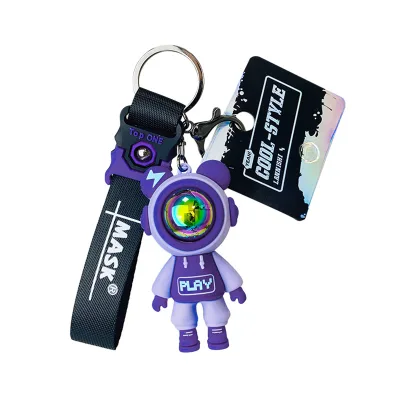


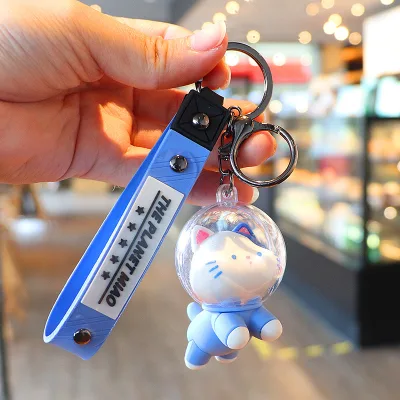


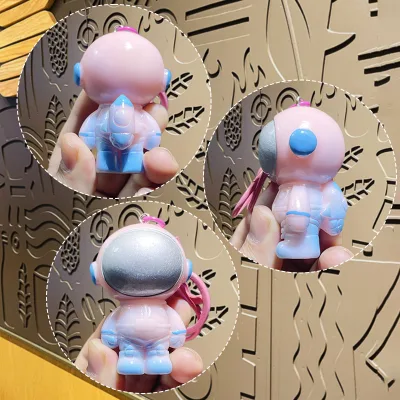
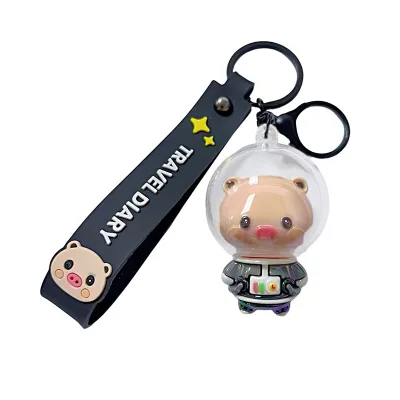
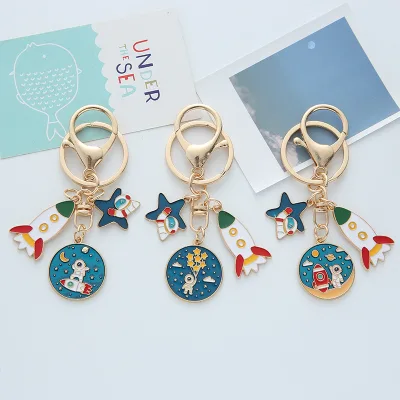
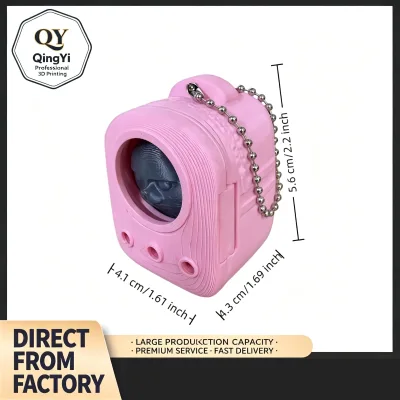
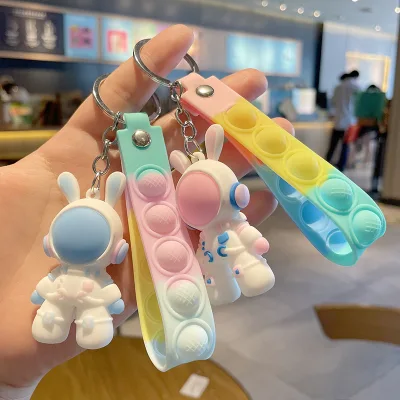

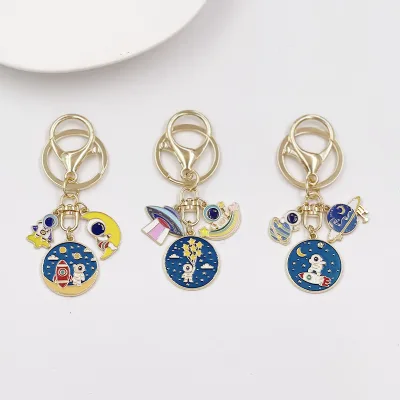
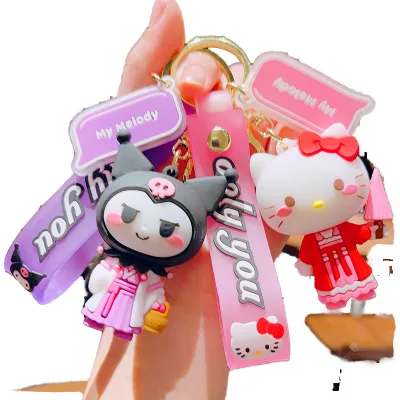


Comprehensive Sourcing Guide
3D Astronaut Cat Keychain Sourcing Guide
Sourcing a 3D Astronaut Cat Keychain requires navigating a diverse market of promotional items that vary significantly in material composition and manufacturing technique. Buyers must distinguish between products marketed as "3D" which may actually utilize flat acrylic or PVC die-cutting, versus those employing true three-dimensional molding or metal casting. The observed product landscape includes metal zinc alloy chains, acrylic pieces, and rubber or PVC variants, each offering distinct aesthetic and durability profiles. Understanding these material distinctions is critical for aligning the final product with brand identity and functional requirements.
Procurement decisions should be guided by the specific usage context, whether for bag pendants, key accessories, or promotional gifts. The available data indicates a wide range of customization options, including custom logos, embossing, and digital printing techniques. Buyers need to evaluate how these printing methods interact with the chosen material, as embossing on metal yields a different tactile experience compared to UV printing on acrylic or rubber. This evaluation ensures that the visual impact of the astronaut cat design is preserved and that the keychain serves its intended purpose as a durable, attractive accessory.
Product Scope and Observed Listing Signals
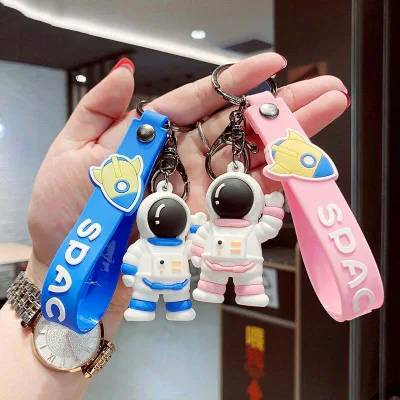
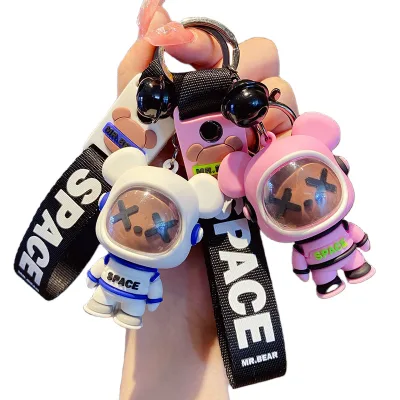
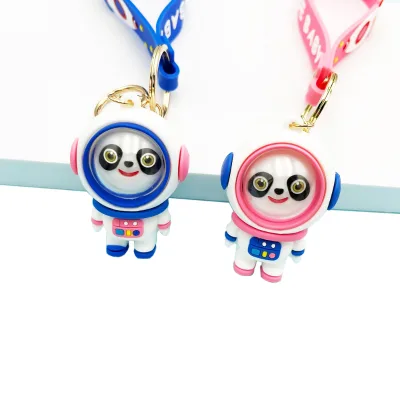
The current market signals indicate a broad spectrum of keychain types that may fulfill the "3D astronaut cat" requirement, ranging from metal zinc alloy pieces to acrylic and rubber constructions. Observed listings feature products with model numbers such as 090914-5 and MX-80094, highlighting the importance of verifying the specific model against the desired 3D aesthetic. Some products are explicitly described as "Metal 3D Key Chain" or "Custom Acrylic Keychain," while others are labeled simply as "Light Keychain" or "keychains" with PVC materials. This variety necessitates careful scrutiny of product images and detailed descriptions to confirm the actual dimensionality of the astronaut cat figure.
Price and minimum order quantity (MOQ) signals suggest a flexible entry point for buyers, with observed prices ranging from $0.12 to $2.99 and MOQs starting as low as 10 pieces. This accessibility allows for small-batch testing of designs before committing to larger production runs. However, the variation in materials, such as zinc alloy, acrylic, rubber, and glass, directly influences the final unit cost and perceived value. Buyers should correlate the observed price points with the specified materials and printing techniques, such as embossing or die-cutting, to ensure that the quoted price reflects the true complexity and quality of the 3D Astronaut Cat Keychain.
Technical Specifications to Verify
Verifying the material composition is the first critical step in technical specification validation, as products may be listed under generic terms while using specific alloys or plastics. Buyers must confirm whether the keychain is constructed from zinc alloy, acrylic, rubber, PVC, or glass, as each material offers different weight, durability, and finish characteristics. For instance, zinc alloy provides a premium metallic feel, while PVC or rubber offers flexibility and vibrant color options. The observed data includes specific metal types like aluminum and plating options such as gold, which must be explicitly confirmed to match the desired aesthetic and functional requirements of the astronaut cat design.
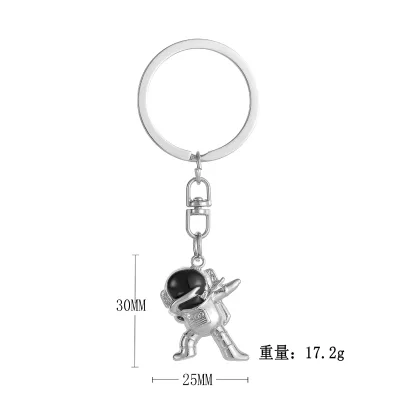
Printing and finishing techniques significantly impact the visual fidelity of the 3D effect, requiring verification of methods like embossing, die-cutting, UV printing, or digital printing. Buyers should inquire about the specific print method used to achieve the astronaut cat imagery, as techniques like 2-color printing or enamel work offer different levels of detail and texture. Additionally, dimensions such as 3.5cm5cm or 6.1cm4cm, and single package sizes, must be checked to ensure the keychain fits standard keyrings or bag attachments. Confirming these technical details prevents mismatches between the expected 3D appearance and the actual flat or semi-dimensional product received.
Compliance and Safety Documentation
While specific certification statuses are not universally confirmed for all listed products, buyers must proactively request compliance documentation to ensure market readiness, particularly for regions with strict safety regulations. The presence of CE certification in background contexts suggests that some suppliers may adhere to European safety standards, but this cannot be assumed for every item. Buyers should verify if the materials used, such as zinc alloy, acrylic, or PVC, comply with relevant chemical restrictions, such as REACH or Prop 65, to avoid regulatory hurdles. This is especially important for promotional items that may be distributed to children or used in environments where material safety is paramount.
Documentation should also cover the safety of the printing inks and plating processes, ensuring that no harmful substances are present in the final product. Buyers need to confirm that the custom logo and astronaut cat design are applied using non-toxic, durable inks that resist fading or peeling. Requesting test reports from accredited laboratories can provide assurance that the keychain meets international safety standards. Without this verification, buyers risk encountering compliance issues that could lead to product recalls or legal liabilities, undermining the promotional value of the 3D Astronaut Cat Keychain.
Cost Drivers and Commercial Terms
The cost of a 3D Astronaut Cat Keychain is primarily driven by the choice of material, the complexity of the 3D design, and the selected printing or finishing technique. Zinc alloy and metal casting typically incur higher tooling and production costs compared to acrylic or PVC, which can be produced more efficiently through die-cutting or molding. Buyers should analyze how these material choices impact the unit price, keeping in mind that observed price ranges from $0.12 to $2.99 reflect significant variations in quality and manufacturing complexity. Understanding these cost drivers allows for more accurate budgeting and negotiation with suppliers.
Commercial terms, including MOQ and packing specifications, also play a crucial role in the total procurement cost. With MOQs as low as 10 pieces, buyers have flexibility to test market response, but larger orders may benefit from volume discounts. Packing options, such as OPP bags or customized packaging, can add to the per-unit cost but enhance the product's presentation for retail or promotional use. Buyers should clarify all commercial terms upfront, including lead times and shipping arrangements, to avoid hidden costs. Transparent communication regarding these terms ensures that the final invoice aligns with the initial budget and project expectations.
Supplier Qualification and Quality Control
Supplier qualification should begin with verifying the manufacturer's location and production capabilities, as many observed products originate from Guangdong, China, a hub for keychain manufacturing. Buyers should assess the supplier's experience with 3D designs and their ability to handle custom logos and specific printing techniques like embossing or UV printing. Requesting samples is essential to evaluate the quality of the 3D effect, material finish, and print durability. This hands-on inspection helps identify potential issues with design fidelity or material quality before committing to a larger order.
Quality control processes must be clearly defined to ensure consistency across the production run. Buyers should inquire about the supplier's QC protocols, including inspections for defects in plating, printing alignment, and structural integrity. For products with custom shapes or sizes, verifying that the final output matches the approved sample is critical. Establishing a clear communication channel for addressing quality issues and defining acceptable defect rates helps maintain product standards. A robust QC framework ensures that the 3D astronaut cat keychains meet the buyer's expectations for appearance and functionality.
Long-Term Procurement Checks
Long-term procurement success depends on establishing a reliable supply chain that can accommodate future design updates and volume changes. Buyers should monitor supplier performance over time, tracking metrics such as on-time delivery, consistency in quality, and responsiveness to custom requests. Maintaining open communication with the supplier allows for timely adjustments to designs, such as updating the astronaut cat imagery or changing materials based on market feedback. This agility ensures that the keychain remains relevant and appealing to the target audience.
Additionally, buyers should periodically review market trends and competitor offerings to stay ahead in the promotional item space. Observing new printing techniques, material innovations, or design styles can inform future sourcing decisions. Building a relationship with a trusted supplier facilitates smoother negotiations and better access to new product developments. By focusing on long-term partnership and continuous improvement, buyers can ensure a steady supply of high-quality 3D astronaut cat keychains that effectively support their branding and promotional goals.
FAQs
What materials are used for 3d astronaut cat keychains?
These keychains are crafted from various materials including zinc alloy, acrylic, rubber, PVC, glass, and aluminum. The specific material depends on the design and customization options selected by the buyer. Metal types like zinc alloy and aluminum offer durability, while acrylic and PVC provide vibrant color options for detailed 3D printing effects.
Can I customize the logo on these keychains?
Yes, custom logos are available for these keychains. Buyers can choose from printing methods such as embossing, die cutting, UV printing, digital printing, or enamel techniques. The brand SW and JIAYU offer OEM and ODM services, allowing for personalized designs that meet specific branding requirements for promotional gifts or retail sales.
What is the minimum order quantity for these items?
The minimum order quantity is typically 10 pieces for these keychains. This low MOQ allows buyers to test the market or order small batches for specific needs. Customized packing options are also available, ensuring that the products are protected during shipping while meeting the buyer's specific packaging preferences for retail or wholesale distribution.
Where are these keychains manufactured?
These keychains are manufactured in Guangdong, China. This region is known for its robust manufacturing capabilities and supply chain efficiency. Buyers can expect consistent quality and timely production from factories located in this area, which specializes in producing metal, acrylic, and rubber accessories for global markets.
What printing methods are supported for these keychains?
Supported printing methods include embossing, die cutting, UV printing, digital printing, and enamel techniques. The choice of method depends on the material, such as zinc alloy, acrylic, or PVC. These methods allow for high-quality, detailed designs, making the keychains suitable for promotional gifts, retail items, or personalized accessories with custom shapes and colors.
Are these keychains suitable for promotional gifts?
Yes, these keychains are ideal for promotional gifts. They are available in various materials like metal, acrylic, and rubber, with options for custom logos and shapes. The low minimum order quantity of 10 pieces makes them accessible for small campaigns, while their durable construction and attractive designs ensure they are valued by recipients.