Source 40 Blades Rotary Tiller for Farming, Orchard, and Garden
Compare 30 listings of 40 Blades Rotary Tiller machines from verified Chinese suppliers. Evaluate models like 1BQX-1.1 and HHGT-001 based on power source, drive type, and warranty terms for agricultural soil preparation; compare the available evidence and request quotations based on your requirements.
Updated
Key considerations
Products List


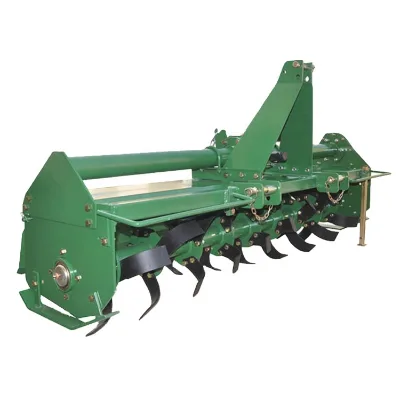

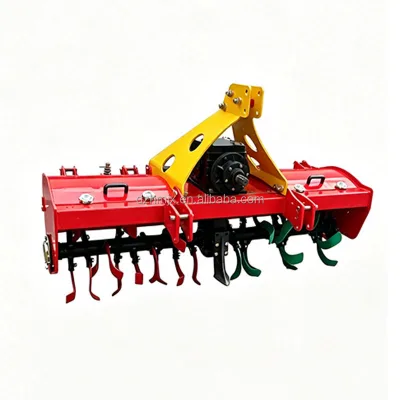
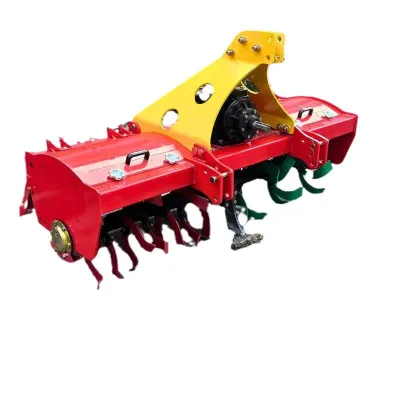
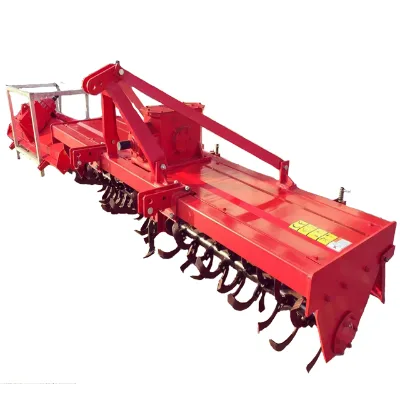
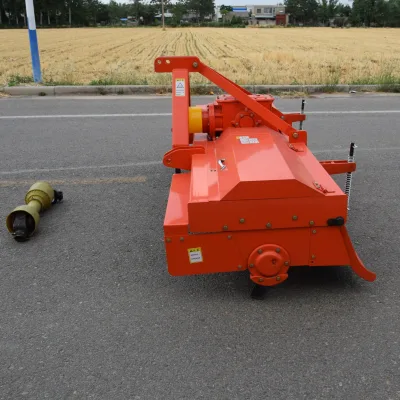
1800mm working width 36 blades or 54 blades Gear drive rotary tiller
$1000.00 - $1230.00
MOQ: 1 Pieces


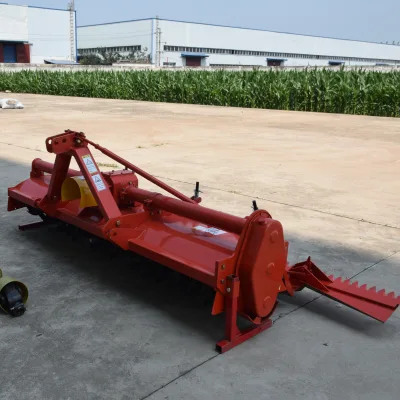
Farm Machinery Tractor Rotary Tiller
$470.00 - $1285.00
MOQ: 1 Pieces
Shandong Liying Agricultural Technology Development Co., Ltd.

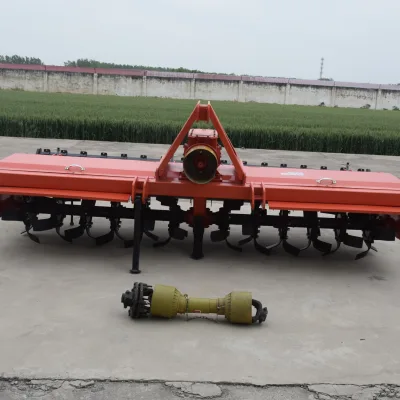
Agricultural Machinery 3 Point Rotary Tiller
$470.00 - $1285.00
MOQ: 1 Pieces
Shandong Liying Agricultural Technology Development Co., Ltd.


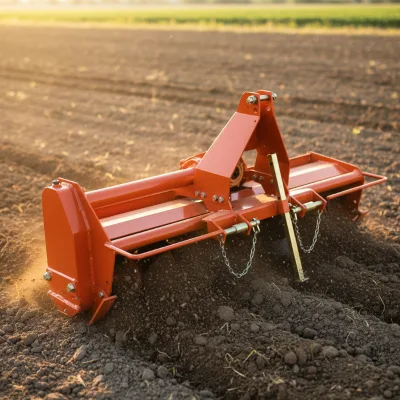
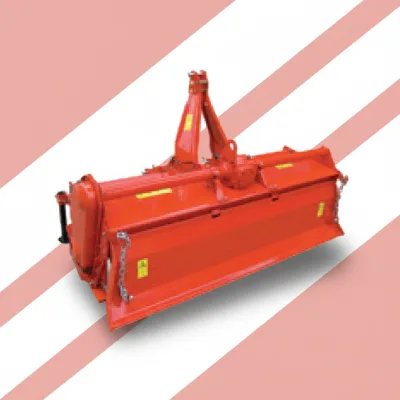
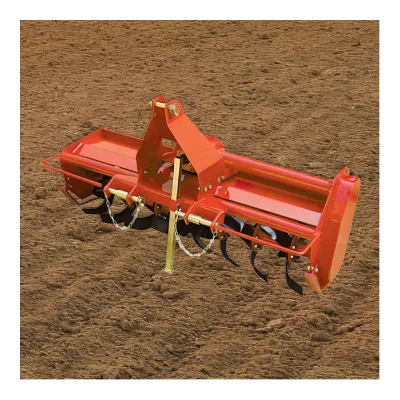
Comprehensive Sourcing Guide
40 Blades Rotary Tiller Sourcing Guide
Sourcing a 40-blade rotary tiller requires careful evaluation of agricultural machinery specifications, particularly for soil preparation tasks in farming operations. Buyers must distinguish between diesel-powered standalone units and tractor-mounted implements, as the power source significantly impacts operational flexibility and compatibility with existing farm equipment. The observed market includes models with vertical shaft configurations and gear drive systems, which are essential for durable performance in heavy-duty tilling applications. Understanding these fundamental mechanical differences is the first step in selecting the right machinery for specific field conditions.
Procurement decisions should also account for the diverse product attributes available, such as color options, packing methods, and after-sales service provisions. While some listings highlight standard export packaging in iron cases, others offer carton or plywood box solutions, which affect shipping costs and product protection during transit. Buyers need to verify whether the supplier provides free spare parts and repair services, as these factors influence long-term operational costs. Additionally, confirming the machinery test report availability and warranty terms ensures that the purchased equipment meets quality expectations and provides adequate support throughout its lifecycle.
Product Scope and Observed Listing Signals
The current market for rotary tillers displays a wide range of models, including specific designations like 1BQX-1.1, HHGT-001, and TM-150, each catering to different agricultural needs. Observed price points range from 150 to 1890 USD, reflecting variations in power output, blade configuration, and build quality. The minimum order quantity (MOQ) typically spans from 1 to 30 units, allowing both individual farmers and large agricultural enterprises to procure equipment according to their scale. Buyers should note that customization is available for many suppliers, enabling tailored solutions for specific soil types or field dimensions.
Listing signals indicate that these machines are primarily designed for dry cultivating machinery applications, with a focus on high productivity and continuous running operation. The observed power sources include diesel engines with displacements around 420cc and tractor-mounted units with power ratings between 35-40HP. Fuel tank capacities of 6.5 liters are noted for certain models, supporting extended field operations without frequent refueling. Buyers must carefully review the supply ability, which is listed as 500 acres per month for some suppliers, to ensure timely delivery for large-scale agricultural projects.
Technical Specifications to Verify
When evaluating rotary tillers, buyers must verify critical technical specifications such as drive type, traction method, and core components. The observed gear drive systems and traction-based operation are vital for maintaining consistent performance in varied soil conditions. Core components like gears, bearings, and gearboxes should be inspected for quality, as they directly impact the machine's durability and maintenance requirements. Additionally, the machinery test report provided by suppliers offers valuable insights into the equipment's performance under standard operating conditions, helping buyers assess reliability before purchase.
Weight and dimensions are also crucial factors, with observed weights around 226 KG and dimensions such as 15080100cm or 2050x730x730mm for different models. These specifications influence transportation logistics and field maneuverability, so buyers should align them with their operational constraints. The vertical shaft arbor configuration is a common feature, affecting how the tiller interacts with the soil and its overall efficiency. Buyers must confirm these details with suppliers to ensure the selected model meets their specific agricultural requirements and operational standards.
Compliance and Safety Documentation
Compliance with international standards is essential for rotary tillers intended for global markets, with certifications like SGS, ISO9001:2015, ECE, and CE being commonly observed. These certifications indicate that the manufacturer adheres to recognized quality and safety protocols, providing buyers with confidence in the product's reliability. Buyers should request copies of these certificates to verify their validity and ensure they cover the specific models being purchased. Compliance with these standards is particularly important for machinery exported to regions with strict regulatory requirements, such as the European Union.
Safety documentation should also include detailed operation manuals and maintenance guidelines, which are crucial for safe and efficient use of the equipment. Buyers must ensure that the supplier provides comprehensive instructions for soil preparation machinery operation, including safety precautions and troubleshooting steps. The availability of machinery test reports further supports compliance efforts by demonstrating that the equipment has undergone rigorous testing. Buyers should verify that all safety-related documentation is provided in the required language and format to facilitate proper training and usage.
Cost Drivers and Commercial Terms
Several factors influence the total cost of acquiring a 40-blade rotary tiller, including power source, blade configuration, and after-sales service provisions. Diesel-powered units with higher horsepower ratings typically command higher prices, while tractor-mounted models may offer cost savings for farms with existing tractors. The observed price range of 150-1890 USD reflects these variations, along with differences in packing methods and warranty terms. Buyers should consider the total cost of ownership, including maintenance, spare parts, and potential downtime, rather than focusing solely on the initial purchase price.
Commercial terms such as MOQ, lead times, and port of dispatch also play a significant role in procurement planning. The observed MOQ of 1-30 units allows for flexible ordering, while the port of dispatch from Shanghai facilitates international shipping. Buyers should negotiate clear terms regarding payment methods, shipping responsibilities, and warranty coverage to avoid unexpected costs. Additionally, the supplier's supply ability of 500 acres per month should be considered when planning large-scale agricultural projects, ensuring that equipment delivery aligns with operational timelines.
Supplier Qualification and Quality Control
Supplier qualification is a critical step in the procurement process, requiring verification of manufacturing capabilities, quality control systems, and after-sales support. Buyers should assess whether the supplier holds relevant certifications like ISO9001:2015 and SGS, which indicate a commitment to quality management. The provision of machinery test reports and free spare parts further demonstrates the supplier's confidence in their product and willingness to support customers post-purchase. Buyers must also evaluate the supplier's production capacity and lead times to ensure they can meet project deadlines.
Quality control measures should include regular inspections of core components like gears, bearings, and gearboxes, as well as thorough testing of the machinery before shipment. Buyers should request detailed information about the supplier's quality assurance processes and any third-party inspections conducted. The observed warranty of 1 year and after-warranty repair service provide additional layers of protection, but buyers should clarify the scope of coverage and response times. Establishing a strong relationship with a qualified supplier ensures consistent quality and reliable support throughout the equipment's lifecycle.
Long-Term Procurement Checks
Long-term procurement success depends on establishing ongoing relationships with suppliers who can provide consistent quality and support. Buyers should monitor supplier performance metrics, such as delivery times, product defect rates, and after-sales service responsiveness, to identify potential issues early. Regular communication with suppliers regarding maintenance needs and spare parts availability helps prevent downtime and extends the equipment's lifespan. Buyers should also stay informed about industry trends and technological advancements to ensure their machinery remains competitive and efficient.
Continuous evaluation of the total cost of ownership, including fuel consumption, maintenance expenses, and operational efficiency, is essential for making informed procurement decisions. Buyers should compare different models and suppliers based on these long-term factors rather than just initial costs. Additionally, maintaining detailed records of equipment performance and maintenance activities provides valuable data for future purchasing decisions. By focusing on long-term value and supplier reliability, buyers can optimize their agricultural operations and achieve sustainable growth.
FAQs
What power sources are available for 40 blades rotary tillers?
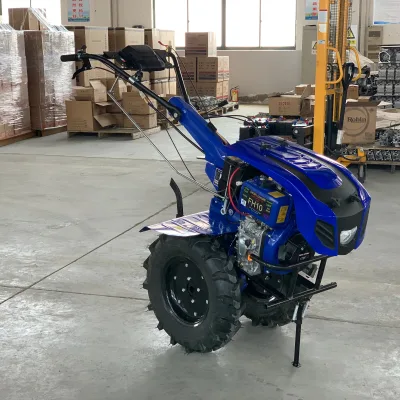
Diesel engines and tractor-mounted drives are the primary power sources for these machines. Diesel models typically feature a 420cc displacement and operate as independent units. Tractor-driven versions require a compatible PTO connection and are designed for continuous running operation in arable fields.
Can I customize the color of a 40 Blades Rotary Tiller?
Yes, customization is available for these agricultural machines. While standard models often appear in orange or red, buyers can request specific color requirements to match their fleet or branding needs. This customization option allows for greater flexibility in procurement and operational integration.
Which certifications apply to 40 blades rotary tillers?
These tillers commonly hold ECE and CE certifications, ensuring compliance with international safety and performance standards. Manufacturers also adhere to ISO9001:2015 quality management systems and provide SGS standards documentation. These certifications verify the machinery's reliability for global agricultural usage and export requirements.
How is the 40 Blades Rotary Tiller packed for shipping?
Packaging varies by model and supplier. Some units are shipped in standard export iron cases for heavy-duty protection, while others use cartons or plywood boxes. Dimensions such as 150*80*100cm or 2050x730x730mm are observed, ensuring safe transport via the Shanghai port of dispatch.
What is the warranty and after-sales service for these tillers?
A one-year warranty is typically provided for core components like gears, bearings, and gearboxes. After-sales support includes free spare parts and repair services. Machinery test reports are provided to verify performance, ensuring buyers receive reliable agricultural machinery with comprehensive support for long-term field operations.
What is the typical weight and capacity of a 40 Blades Rotary Tiller?
Units generally weigh around 226 KG, providing stability during soil preparation. Supply abilities can reach 500 acres per month, indicating high productivity. These machines are designed for movable operation and efficient farming, handling various soil conditions with their vertical shaft and gear drive configurations.