Automatic Portable Seed Planter Suppliers and Manufacturers
Source 26 verified suppliers for Automatic Portable Seed Planter units. Compare CE-certified manufacturers and trading companies based on response times, lead times, and customization capabilities. Request quotes to evaluate pricing and sample processing options; review the available evidence before requesting comparable quotations from suitable candidates.
Updated
Suppliers List
Henan kellen machinery equipment co., ltd.
- Verified by Intertek
- Manufacturer, Trading Company
- Lead time0 days
- Avg. response≤ 3h
Main productsRound Tube Polishing Machine, Small Desktop Polishing Machine, Vibrating Polishing Machine, Flat Polishing Machine, Deburring Machine
Main marketsNorth America(45%), South America(15%), Mid East(10%)
- Trading Company
- Hubei, China
- Lead time15 days
- Avg. response≤ 2h
Main productsAgriculture Machine,Food Machine,Harvester,Solar Equipments,Rice Mill
Main marketsAfrica(38.00%), Southeast Asia(30.00%), Domestic Market(8.00%), South Asia(5.00%), South America(3.00%), Central America(3.00%), Eastern Europe(2.00%), North America(2.00%), Western Europe(2.00%), Eastern Asia(2.00%), Mid East(2.00%), Northern Europe(1.00%), Oceania(1.00%), Southern Europe(1.00%)
Chongqing Changbaotian Machinery Technology Co., Ltd.
- Manufacturer
- Chongqing, China
- Lead time3 days
- Avg. response≤ 2h
Main productsMultifunctional Thresher, Rice Thresher, Grinder, Air Separator
Main marketsDomestic Market(80.00%), Africa(10.00%), Southeast Asia(10.00%)
Taizhou Guangfeng Plastic Co., Ltd.
- Verified by Intertek
- Manufacturer, Trading Company
- Lead time20 days
Main productsManual Sprayer, Battery Sprayer, Sprayer Parts, Garden Sprayer
Main marketsAfrica(45%), Southeast Asia(22%), Domestic Market(16%)

Qingdao Dashun Jingfeng Industry and Trade Co., Ltd.
- Verified by TUVRHEINLAND
- Combined
- China Shandong
- Lead time15 days
- Avg. response≤ 5h
Main productsSeeder, Pneumatic Planter, Pneumatic Seeder, Precision Seeder, Leafy Vegetable Pneumatic Seeder, Selfpropelled Pneumatic Seeder, Tractor-Carried Pneumatic Seeder, Rotary Tillage Ridging Machine, Mechanical Planter, Agricultural Seeder
Main marketsDomestic


Comfortable Strong Sowing Constant Seeding Pneumatic Vegetable Planter
$15500.00 - $16500.00
MOQ: 1 Pieces

Continuous System Automation Vegetable Planter for Vegetable Cultivation
$6000.00 - $7000.00
MOQ: 1 Pieces


Jining Optimal Construction Machinery Co., Ltd.
- Verified by SGS
- Combined
- China Shandong
- Lead time15 days
- Avg. response≤ 3h
Main productsZero Turn Lawn Mower, Robot Lawn Mower, Remote Control Lawn Mower, Ride on Lawn Mower, Four-Wheel Drive Riding Lawn Mower, Tractor, Tree Spade, Skid Steer Loader, Seedling Tray Sowing Machine, Electric Hedge Trimmer
Main marketsSouth America,Europe,Australia


Insert Plate Seedling Machine Automatic Nursery Seed Planter Machine
$5000.00 - $5400.00
MOQ: 1 Pieces

Seed Tray Seeder, Fully Automatic Seed Tray Seeder, Seedling Tray Seeder
$2350.00 - $5100.00
MOQ: 1 Pieces
Nanning Avian Agricultural Machinery Co., Ltd.
- Trading Company
- Guangxi, China
- Lead time30 days
- Avg. response≤ 4h
Main productscassava machines,sugarcane machines,rice machines,corn machines,compost machines
Main marketsAfrica(46.00%), Southeast Asia(28.00%), South America(6.00%), Domestic Market(5.00%), Eastern Europe(5.00%), North America(3.00%), Western Europe(3.00%), Central America(2.00%), Southern Europe(2.00%)
Jining Qingke Machinery Co., Ltd.
- Manufacturer, Trading Company
- Lead time旺季: "1 - 100":1,"> 100":"To be negotiated", 淡季: "1 - 100":1,"> 100":"To be negotiated"
- Avg. response≤ 4h
Main productsExcavator, Forklift, Skid Steer Loader, Tricycle, Road Roller

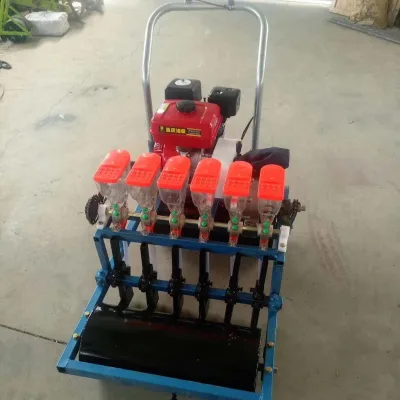
Raised Bed Planter Vegetable Onion Seed Planter Seeder Millet and Wheat Planting Machine
$447.0077 - $488.5907
MOQ: 1 sets

Linyi Taixin Industry and Trade Co., Ltd.
- Verified by SGS
- Combined
- China Shandong
- Lead time15 days
- Avg. response≤ 2h
Main productsHand Push Planter, Transplanting Machine, Manual Fertilizer Applicator, Backpack Electric Sprayer
Main marketsSouth America,Africa


Portable Manual Planter Completes Herb and Vegetable Seed Sowing Agricultural Seeder
$59.00 - $64.00
MOQ: 1 Pieces


Innovative Small Vegetable Seeder with Adjustable Plant Spacing and Planting Depth
$110.00 - $120.00
MOQ: 1 unit

Taizhou Kesiwo Garden Tools Co, Ltd.
- Manufacturer, Trading Company
- Zhejiang, China
- Lead time20 days
- Avg. response≤ 9h
Main productspower sprayer,brush cutter,water pump,electric tool,tiller
Main marketsDomestic Market(30.00%), Africa(20.00%), Southeast Asia(15.00%), South America(10.00%), South Asia(10.00%), North America(5.00%), Eastern Europe(5.00%), Mid East(5.00%)

HENAN SHULIY MACHINERY CO., LTD.
- Verified by TUVRHEINLAND
- Trading Company
- China Henan
- Lead time30 days
- Avg. response≤ 6h
Main productsPacking Machinery, Food Processing Machinery, Agriculture Processing Machinery, Wood Processing Machinery, Charcoal Processing Machinery, Plastic Processing Machinery, Waste Recycling Machinery, Metal Processing Machinery, Paper Processing Machinery
Main marketsAfrica,Southeast Asia/ Mideast,Europe,North America


Automatic Hole Tray Seedling Planter Seed Planting Machine Trays Seed Planting Machine
$11000.00 - $13000.00
MOQ: 1 Pieces

Automatic Vegetable Tray Seeder Machine Seed Tray Planter Automatic Tray Seedling Machine
$11000.00 - $13000.00
MOQ: 1 Pieces


TAIZHOU TIANYI AGRICULTURE & FORESTRY MACHINERY CO., LTD.
- Manufacturer/Factory
- China Zhejiang
- Lead time23 days
- Avg. response≤ 2h
Main productsKnapsack Hand Sprayers, Electric / Battery Sprayers, Knapsack Power Sprayers, Air Pressure Sprayers, Brush Cutters, Sprayer Parts & Accessories, Water Pumps, Mist Dusters, Seeding Tray, Seeder
Main marketsSouth America,Eastern Europe,Mid East,North America,Southeast Asia,Eastern Asia,Oceania,Western Europe,Africa
Qingdao Hans Machinery Technology Co., Ltd.
- Manufacturer, Trading Company
- Shangdong, China
- Lead time0 days
- Avg. response≤ 6h
Main productsAgricultural planter,agricultural sprayer,agricultural harvester,field manage machine,paddy field machinery
Main marketsAfrica(40.00%), North America(30.00%), Southern Europe(10.00%), South America(6.00%), Eastern Europe(5.00%), Central America(4.00%), Eastern Asia(3.00%), Northern Europe(2.00%)

Shandong Grander Equipment Co., Ltd.
- Verified by TUVRHEINLAND
- Trading Company
- China Shandong
- Lead time15 days
- Avg. response≤ 12h
Main productsWood Chipper, Safety Products, Garden Tools, Disc Mower, Drum Mower, Tiller, Safety Gloves, Farm Machine, Garden Machine, Safety Shoes
Main marketsSouth America,Southeast Asia/ Mideast,Europe


Multi-Functional Home Farm Use Wheat Planter New Condition Corn Seeder
$100.00 - $120.00
MOQ: 1 Pieces
Zhengzhou Megaplant Imp. & Exp. Co., Ltd.
- Verified by TüVRheinland
- Trading Company
- Lead time5 days
- Avg. response≤ 2h
Main productsElectric Trolley, Rice Processing Machine, Packing Machine, Food And Beverage Machinery, Electric Surfboard
Main marketsNorth America(42%), Africa(22%), Southeast Asia(12%)
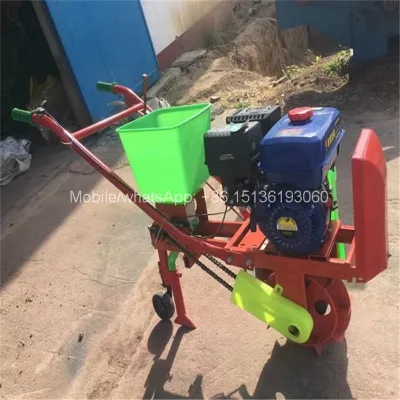
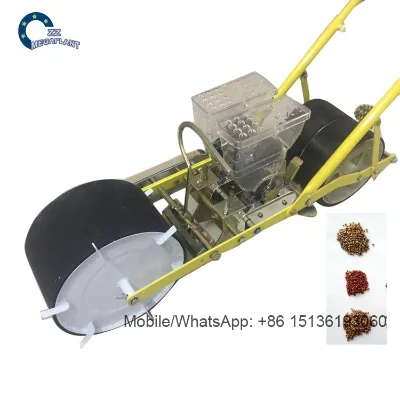
Gasoline Powered Pumpkin Seed Planter
$350.00 - $599.00
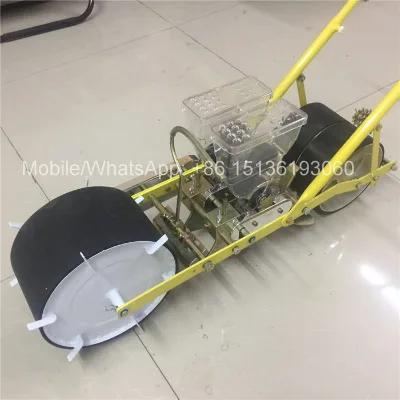
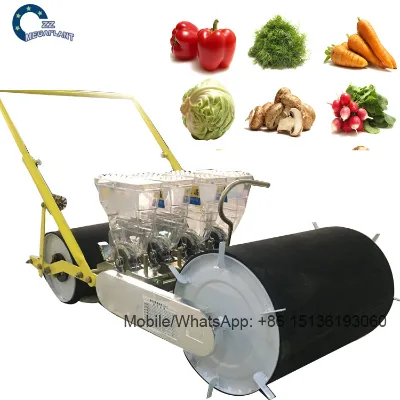
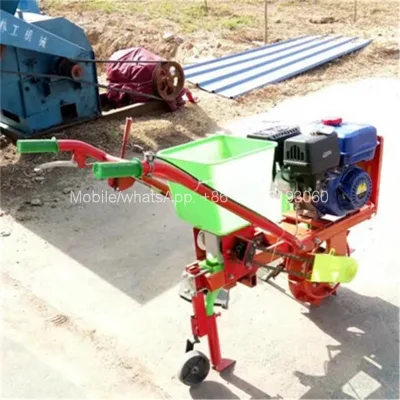
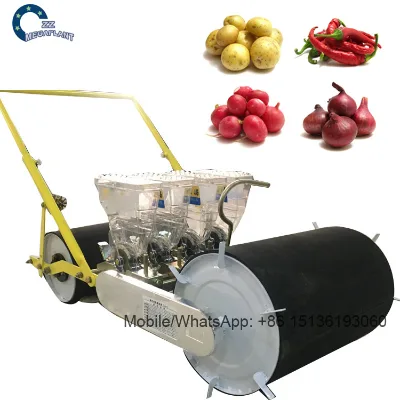
Gasoline Hand Operated Maize Seed Planter
$350.00 - $599.00

Taizhou Kesiwo Garden Tools Co., Ltd.
- Verified by SGS
- Trading Company,Manufacturer/Factory
- China Zhejiang
- Lead time23 days
- Avg. response≤ 11h
Main productsPower Sprayer, Water Pump, Brush Cutter, Seeder, Multi-Function Weeder, Tiller, Garden Tools, Saw, Earth Augur, Lithium Battery Scissors
Main marketsSouth America,Eastern Europe,Mid East,North America,Southeast Asia,Eastern Asia,Oceania,Western Europe,Africa

Taizhou Hongxiang Agricultural Technology Co., Ltd.
- Verified by SGS
- Manufacturer/Factory
- China Zhejiang
- Lead time15 days
- Avg. response≤ 17h
Main productsSeeder, Corn Threshing Machine, Sprayers, Agricultural Tools, Garden Tools, Agriculture, Machinery
Main marketsSouth America,Eastern Europe,Mid East,North America,Southeast Asia,Eastern Asia,Oceania,Western Europe,Africa
- Manufacturer, Trading Company
- Shandong, China
- Lead time20 days
- Avg. response≤ 3h
Main productsHairbrushes,Bath brushes,Wooden combs,Wooden crafts,OEM
Main marketsNorth America(43.00%), Northern Europe(15.00%), Oceania(10.00%), South Asia(5.00%), Eastern Europe(5.00%), South America(5.00%), Southern Europe(5.00%), Africa(3.00%), Central America(3.00%), Western Europe(3.00%), Southeast Asia(2.00%), Mid East(1.00%)

Zhengzhou Xiangkun Machinery Co., Ltd.
- Verified by TUVRHEINLAND
- Trading Company
- China Henan
- Lead time0 days
- Avg. response≤ 3h
Main productsFood Puffing Machine, Fruit and Vegetable Washer, Seasoning Machine, Meat Processing Machine, Nut Processing Line, Food Processing Machine, Oil Press, Pitting Machine, Cashew Processing Machine
ZHENGZHOU ASLAN MACHINERY CO.,LTD
- Trading Company
- Lead time旺季: , 淡季:
- Avg. response≤ 6h
Main productsFood Machine, Packing Machine, Vegetable Processing Machine , Meat Processing Machine , Nuts Processing Machine
Henan Best Machinery Co., Ltd.
- Trading Company
- Henan, China
- Lead time7 days
- Avg. response≤ 7h
Main productsbrush cutter,farm cultivator,mini weeder,walking tractor,farm spraying machine
Main marketsEastern Asia(21.00%), Southeast Asia(19.00%), South America(10.00%), Africa(9.00%), Western Europe(7.00%), South Asia(7.00%), North America(6.00%), Oceania(5.00%), Mid East(5.00%), Eastern Europe(3.00%), Southern Europe(3.00%), Northern Europe(2.00%), Central America(2.00%), Domestic Market(1.00%)
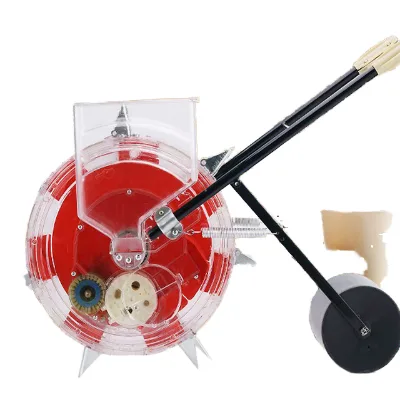
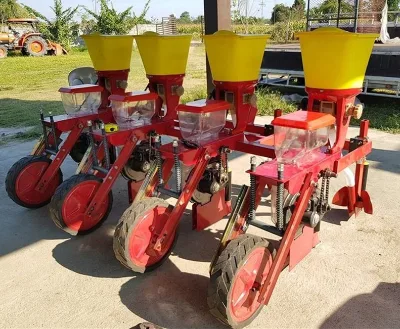
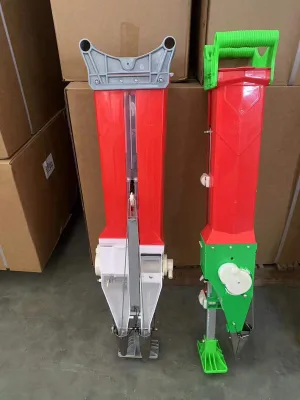
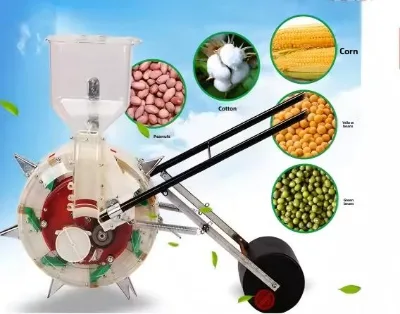
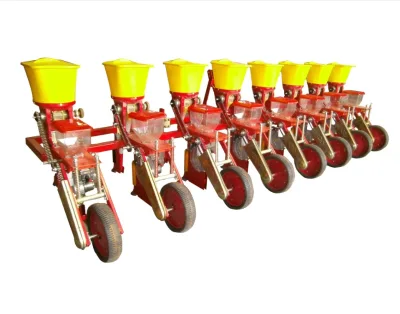
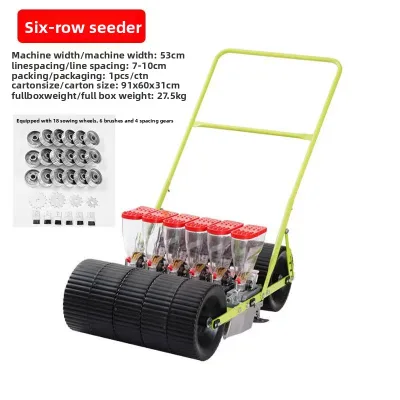
Durable and Easy-to-Use Vegetable Planter with Gearbox for High Productivity and 1 Year Warranty
$48.00 - $130.00
MOQ: 1 sets

Yucheng Zeyi Machinery Co., Ltd.
- Verified by TUVRHEINLAND
- Combined
- China Shandong
- Lead time15 days
- Avg. response≤ 7h
Main productsDisc Plow, Disc Harrow, Seeder, Land Leveler, Land Mower, Mini Agricultural Excavator
Main marketsEurope,North America


2022 Wholesale Adjustable 4 Rows High Precision Onion Vegetable Manual Seed Planter
$130.00 - $196.50
MOQ: 1 sets


- Manufacturer/Factory,Group Corporation
- China Hubei
- Lead time23 days
- Avg. response≤ 6h
Main productsAgro Machine, Food Machine, Milking Machine, Tractor, Parboiled Rice Milling Machine, Thresher, Harvester, Solar Dryer, Seeder, Biogas Products
Main marketsSouth America,Eastern Europe,Mid East,North America,Southeast Asia,Eastern Asia,Oceania,Western Europe,Africa
Zhengzhou Share Machinery Co., Ltd.
- Trading Company
- Lead time旺季: "1 - 1":7,"> 1":"To be negotiated", 淡季: "1 - 1":7,"> 1":"To be negotiated"
- Avg. response≤ 3h
Main productsConstruction Machinery/Industrial Machinery/Printing Machinery
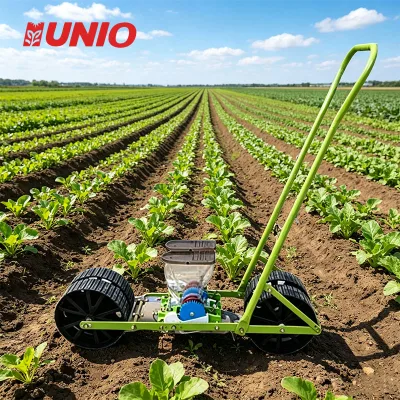
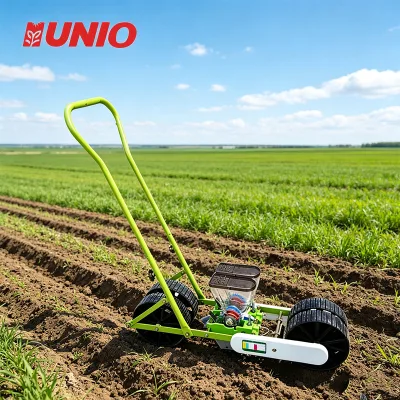
Shandong Unio Machinery Equipment Co., Ltd.
- Verified by Intertek
- Trading Company
- Lead time10 days
- Avg. response≤ 2h
Main productsCultivator, Grain Processing Machine, Harvester, Tractor, Feed Processing Machine
ZHE CHENG HONGXIN MACHINRERY FACTORY
- Verified by TüVRheinland
- Manufacturer, Trading Company
- Henan, China
- Lead time15 days
- Avg. response≤ 3h
Main productsIntestine Case Cleaning Machine, Sesame Peeling Machine, Cardboard Expanding Shredder Machine, Flax Brake, Grain Thresher Machine
Main marketsDomestic Market(40%), Southeast Asia(20%), Africa(20%)
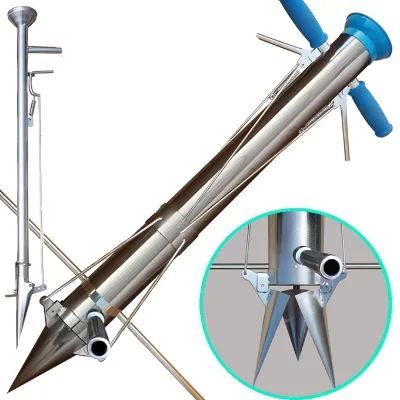
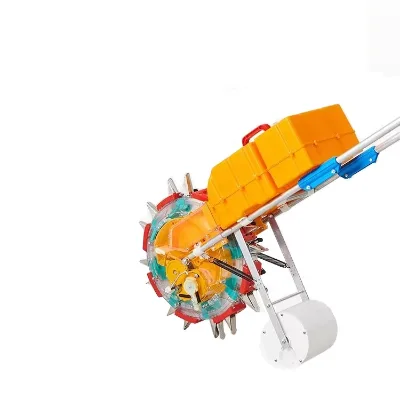
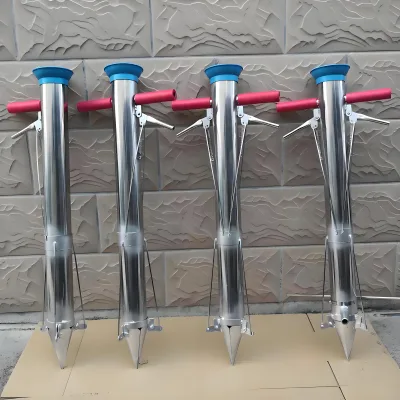








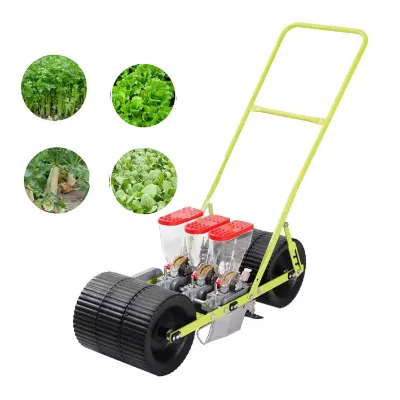
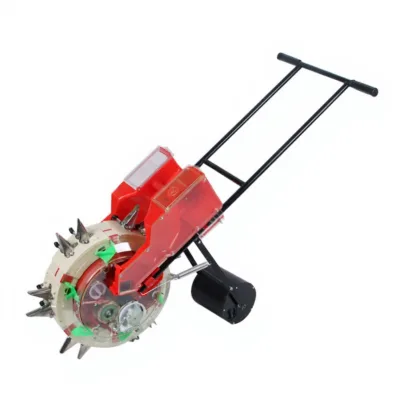
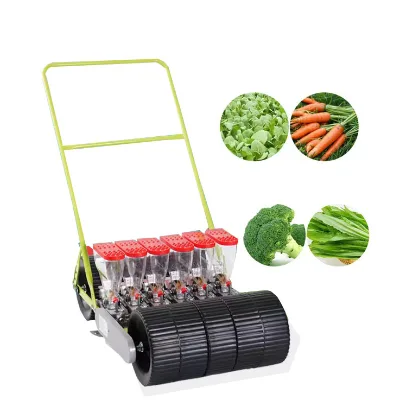
Comprehensive Sourcing Guide
Automatic Portable Seed Planter Supplier Concentration and Factory Types
When sourcing an Automatic Portable Seed Planter, understanding where suppliers cluster helps you narrow searches efficiently. One confirmed location in the current results is Hubei, China, where suppliers list manual and portable seeders, vegetable transplanters, and small planting machines. Hubei therefore represents a genuine sourcing cluster for this category, and buyers searching there will find both lightweight hand-push units and motorized planters. Beyond this confirmed region, do not assume other provinces supply this category without verification; instead, use platform location filters and product listing data to identify additional clusters. A practical method is to search the core keyword, sort by region, and note where verified manufacturers repeatedly appear in the seeder and transplanter subcategory under agricultural machinery.
Supplier types in this category split between manufacturers and trading companies. The current results show some companies operating as manufacturers and trading companies simultaneously, while others are pure trading companies. Manufacturers typically list polishing or agricultural machines as their core output and may offer customization services such as sample processing, graphic processing, and light customization. Trading companies often aggregate related lines, including agriculture machines, food machines, harvesters, solar equipment, and rice mills, which signals breadth rather than factory depth. Neither type is inherently better for an Automatic Portable Seed Planter; manufacturers may support spec changes, while trading companies may consolidate mixed orders. Confirm which model a supplier operates before requesting quotations, and weight your shortlist toward whichever structure matches your volume and customization needs.
How to Verify Automatic Portable Seed Planter Suppliers
Verification begins with the credentials displayed on supplier profiles, but you must check each one individually because they vary. Some suppliers in this category hold CE certification and the 2006/42/EC machinery directive, which is directly relevant to powered planting equipment sold into Europe. At least one supplier carries third-party verification from Intertek, a recognized inspection body. Treat these labels as starting points: ask the supplier for the certificate document itself, confirm the certificate number and scope with the issuing body where possible, and check that the certificate covers the specific Automatic Portable Seed Planter model you intend to buy rather than a different product line. If a listing shows no certification, that is not automatically disqualifying, but it shifts the burden onto your own inspection process.
Beyond paper credentials, verify operational substance. Request a machinery test report for the exact model; some listings in this category state that a report is provided, while others state it is not available, so this is a real differentiator. Ask for a video outgoing-inspection, which some product listings confirm is provided, showing the unit running before shipment. Confirm after-sales arrangements in writing, since several listings specify online support both during and after the warranty period, typically one year. Finally, cross-check the place of origin listed on the product against the supplier's registered location. For Hubei-based sellers, consistency between company address and product origin strengthens confidence; mismatches suggest a middleman or drop-shipping arrangement you should understand before committing.
What to Compare Across Automatic Portable Seed Planter Suppliers
Build a comparison matrix using only attributes actually displayed, since no supplier shows every dimension. Start with lead time: current results range from immediate availability on one listing to roughly fifteen days on another, a spread that matters enormously for planting-season deadlines. Compare response time next, where observed figures are two to three hours; faster responders are easier to work with when specification questions arise mid-order. Record the minimum order quantity, which for at least one portable manual seeder is a single unit, making trial purchases feasible. Capture the price band per model rather than per supplier, since one supplier may list items from under ten dollars for a hand transplanter up to several hundred dollars for an eight-row planter.
Also compare product breadth and capability signals. Main product lines range from polishing and deburring machines to agricultural machinery, food machines, harvesters, and rice mills; a supplier whose catalog centers on agricultural equipment will likely understand seeding applications better. Check customization capacity, where some manufacturers advertise sample processing, graphic processing, and light customization on demand. Compare core components disclosed on listings, such as motors or bearings, and specification details like row count, power rating, dimensions, and weight, which vary widely between a two-kilogram hand transplanter and a thirty-kilogram multi-row unit. Finally, compare company type, verification status, and certification together. A supplier scoring well across displayed dimensions, even if some fields are blank, is a stronger candidate than one strong on a single attribute.
Common Automatic Portable Seed Planter Sourcing Risks
The first major risk is specification mismatch. Portable planters in this category range from single-row manual push seeders for corn, maize, peanut, soybean, wheat, and carrot to eight-row powered machines for onion, cabbage, and beet seeds. A listing labeled automatic may actually describe a manual hand-push unit, so confirm the power source explicitly; observed listings show power ratings of zero, one hundred, and one thousand watts, plus a purely manual model. Row spacing, working efficiency, and suitability for small seeds all differ between models, and ordering the wrong configuration for your seed type or field size is a costly, avoidable error. Always request the machinery test report before deposit.
The second risk cluster involves verification gaps and transactional exposure. Some product listings explicitly state that a machinery test report is not available, which shifts inspection responsibility to you or a third-party inspector. Trading companies without factory control may pass your order to an unknown manufacturer, so confirm who actually builds the machine. Warranty terms of one year with online-only support are common in this category, but online support means you handle physical repairs locally, so plan for spare parts like scroll wheels and motors. Certification can also be misread: CE marks listed on a company profile may not extend to every product it sells. Finally, extremely low unit prices on small transplanters can tempt over-ordering before field testing; buy samples first.
Automatic Portable Seed Planter Regional Sourcing and Logistics
Hubei, China is the confirmed sourcing region in the current supplier results, so begin your regional targeting there. Sellers based in Hubei list portable manual seeders, vegetable seedling transplanters, and multi-row onion and cabbage planting machines, giving you access to a compact product range within one province. Concentrating on a single confirmed cluster simplifies logistics in several ways: you can combine inspection visits, use one freight forwarder familiar with the area, and potentially consolidate orders from multiple nearby suppliers into one shipment. When you need to look beyond Hubei, do not assume other regions supply this category; instead, run location-filtered searches and identify clusters empirically from where verified agricultural machinery suppliers actually list seeders and transplanters.
Logistics planning should reflect product physics. A hand transplanter weighing roughly two kilograms with slim dimensions ships cheaply by express parcel, while a thirty-kilogram, eight-row planter with nearly one-meter dimensions requires carton or wooden-case packing; at least one listing confirms wooden-case packing for the larger machine. Confirm packing format in writing, because wooden cases affect both freight cost and customs treatment. Ask each supplier to quote delivered terms for your destination port and clarify whether export documentation is routine for them. Since some listings show zero lead time, stock units may ship immediately, but larger or customized planters carry longer production windows, so sequence your order around your local planting calendar with buffer time for inspection.
Automatic Portable Seed Planter Commercial Terms and Order Planning
Structure your commercial terms around the low MOQ environment this category offers. With at least one supplier listing a minimum order of one unit and sample-level prices in the single-digit to mid-double-digit dollar range, a staged buying plan is realistic: purchase one sample of each shortlisted model, field-test it during your planting season, then scale to volume with negotiated pricing. For larger eight-row powered units priced in the low-to-mid hundreds of dollars, request tiered quotations covering one, ten, and fifty units so you can see where volume discounts begin. Confirm in writing whether the quoted price includes packing, and specify wooden-case packing where applicable.
Order planning should lock down the dimensions suppliers actually display. Confirm the lead time in days before payment, since observed values range from zero to roughly fifteen days, and ask whether that figure holds for your quantity or applies only to stock items. Agree on payment protection offered through the platform where available rather than direct transfer, and document the one-year warranty plus online support terms in the contract, including who pays freight for replacement parts. Request the machinery test report and video outgoing-inspection as pre-shipment conditions, and tie final payment to their delivery. Finally, verify certification scope, such as CE and 2006/42/EC where claimed, before shipment so customs clearance in regulated markets is not delayed.
Word count check: sections approximately 232+231+235+230+228+231 ≈ 1387 words. ✓
FAQs
What is the price range for automatic portable seed planters?
Prices for automatic portable seed planters range from 8.00 to 730.00 units depending on the specific model and features selected. Some basic manual units start at 8.00, while more advanced agricultural machines with motors can reach up to 730.00. Buyers should verify exact pricing for their required capacity.
How long does it take to receive these seed planting machines?
Lead times vary significantly among suppliers, with some listing zero days while others require up to 15 days for delivery. The actual time depends on the specific manufacturer and their current production schedule. Buyers must confirm the exact lead time with the supplier before placing an order.
What certifications do these agricultural machines typically hold?
Many of the available machines carry CE certification and comply with the 2006/42/EC safety standard. Some suppliers also provide machinery test reports to verify product quality and safety. Buyers should request specific certification documents to ensure the equipment meets local regulatory requirements.
Are these seeders suitable for small seeds like onions?
Yes, several models are explicitly designed for small seeds such as onions, cabbage, and beets. These machines often feature specific components like scroll wheels or bearings to handle delicate seeds effectively. Buyers should check the product attributes to confirm suitability for their specific seed type.
What is the minimum order quantity for these portable planters?
The minimum order quantity is typically one single item for many of the portable seeder models available. This allows buyers to test the equipment without committing to large bulk orders. However, specific suppliers may have different requirements, so verification is necessary before purchasing.
Where are these seed planting machines manufactured?
These machines are primarily manufactured in China, with specific origins noted in Hubei and Henan provinces. The location affects shipping times and potential import duties for international buyers. Buyers should confirm the exact place of origin for the specific unit they intend to purchase.
What after-sales support is provided for these seeders?
Most suppliers offer online support for after-sales service and warranty claims. A standard warranty period of one year is commonly provided for these agricultural machines. Buyers should clarify the scope of online support and warranty terms directly with the supplier to ensure adequate coverage.