Garlic Harvesting Machine Suppliers and Manufacturers
Source 27 verified suppliers for Garlic Harvesting Machine equipment. Compare attributes like CE certification, Henan origin, and 15-day lead times. Filter by OEM capabilities and response metrics to identify suitable partners; review the available evidence before requesting comparable quotations from suitable candidates.
Updated
Suppliers List

Zhengzhou Share Machinery Co., Ltd.
- Verified by BV
- Trading Company,Manufacturer/Factory
- China Henan
- Lead time15 days
- Avg. response≤ 4h
Main productsRoll Forming Machine, Purlin Making Machine, Storage Rack Making Machine, Hydraulic Baler, Brick Making Machine, Quilting Machine, Bag Printing Machine, Soap Stamping Machine, Water Well Drilling Rig, Wax Granules Making Machine
Main marketsSouth America,Eastern Europe,Mid East,North America,Southeast Asia,Eastern Asia,Oceania,Western Europe,Africa
Henan Share M&E Equipment Co.,Ltd
- Verified by SGS Group
- Trading Company
- Lead time7 days
- Avg. response≤ 3h
Main productsTextile Machinery, Printing Machinery, Construction Machinery, Wood Machinery
Main marketsNorth America(20%), South America(20%), Eastern Europe(10%)

Zhengzhou Hento Machinery Co., Ltd.
- Verified by SGS
- Trading Company,Manufacturer/Factory,Group Corporation
- China Henan
- Lead time15 days
- Avg. response≤ 7h
Main productsMeat Processing Machinery, Egg Processing Machinery, Dairy Processing Machinery, Fruit & Vegetable Processing Machinery, Grain Product Making Machines, Snack Machines, Nuts Processing Machinery, Packing Machines, Drying Machines, Commodity Making Machines
Main marketsSouth America,Eastern Europe,Mid East,North America,Southeast Asia,Eastern Asia,Oceania,Western Europe,Africa

Agricultural Garlic Harvester / Peanut Harvesting Machine / Harvesting Machine
$609.00 - $829.00
MOQ: 1 set

Multi-Use Potato Harvester / Garlic Harvesting Machine / Peanut Harvester
$609.00 - $829.00
MOQ: 1 set

Zhengzhou Benfu Industrial Co., Ltd.
- Verified by CTI
- Manufacturer/Factory
- China Henan
- Lead time38 days
- Avg. response≤ 4h
Main productsDry Ice Pelletizer, Fruit Sorting Machine, Chain Trencher, Charcoal Briquette Machine, Fruit Pitting Machine, Wood Log Splitter, Wall Spraying Machine, Paper Tube Cutting Machine, Wood Chipper, Toothpick Making Machine
Main marketsSouth America,Eastern Europe,Mid East,North America,Southeast Asia,Eastern Asia,Oceania,Western Europe,Africa


Agriculture Harvesting Machine Garlic Harvesting Machine Self-Propelled Garlic Harvester
$2100.00 - $9800.00
MOQ: 1 Sets

Farm-Oriented Agricultural Harvesting Equipment Multifunctional Garlic Harvesting Machine
$25000.00 - $34500.00
MOQ: 1 Sets


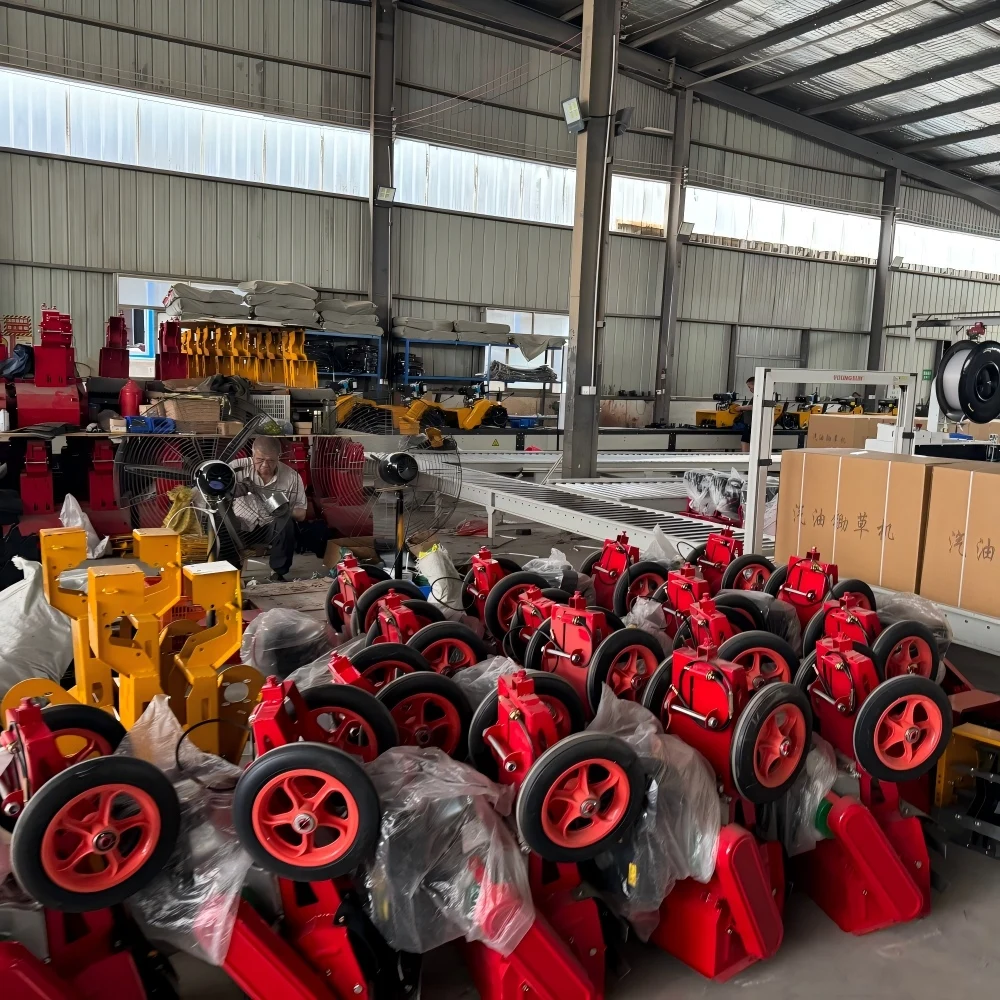
Landale New Materials (shandong) Co., Ltd.
- Manufacturer, Trading Company
- Shandong, China
- Lead time7 days
- Avg. response≤ 2h
Main productsweeder machine,mini-tiller,Small agricultural machinery,weeding machine,Polycarbonate sheet machined parts
Main marketsNorth America(20.00%), Eastern Europe(15.00%), Western Europe(10.00%), Eastern Asia(10.00%), South Asia(9.00%), Central America(6.00%), Northern Europe(5.00%), Southeast Asia(5.00%), South America(5.00%), Mid East(5.00%), Southern Europe(3.00%), Africa(3.00%), Domestic Market(2.00%), Oceania(2.00%)
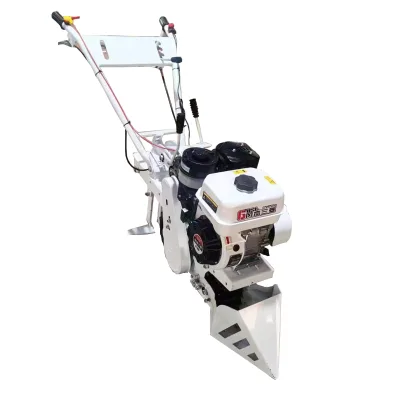
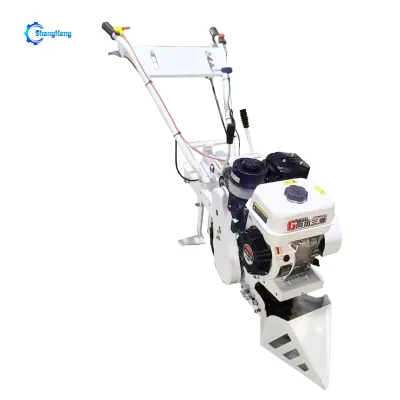
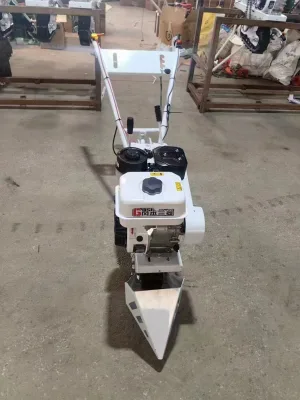
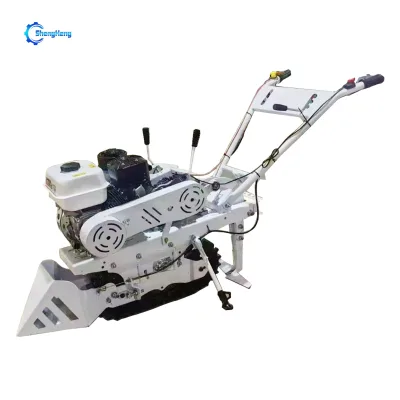
Hot Selling Gasoline Stale Garlic Harvester Machine for Garlic Core Component Engine
$335.00 - $472.00
MOQ: 1 combos
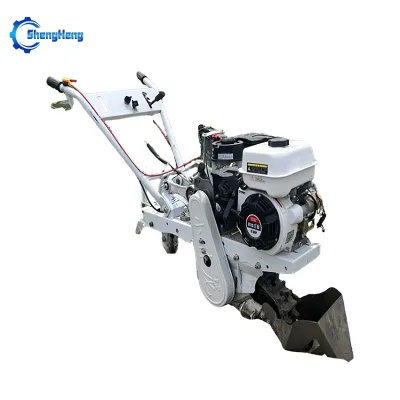
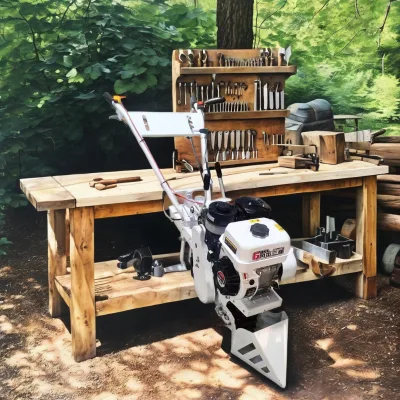
Farm Use Mini Garlic Harvester with Motor High Efficiency Two Row Digging Machine
$352.4105
MOQ: 1 Minimum
Jiaozuo Zhoufeng Machinery Co., Ltd.
- Trading Company
- Henan, China
- Lead time5 days
- Avg. response≤ 9h
Main productsFood machine,Farm machine,environmental protection machine,Home use machine,Biomass briquette production line
Main marketsMid East(10.00%), South Asia(10.00%), Africa(10.00%), Southeast Asia(10.00%), Domestic Market(10.00%), Central America(10.00%), North America(10.00%), South America(8.00%), Eastern Asia(7.00%), Northern Europe(5.00%), Western Europe(5.00%), Oceania(2.00%), Eastern Europe(2.00%), Southern Europe(1.00%)

Landale New Materials (Shandong) Co., Ltd.
- Verified by SGS
- Manufacturer/Factory,Group Corporation
- China Shandong
- Lead time23 days
- Avg. response≤ 3h
Main productsWeeder Machines, Weeding Machines, Micro-Tiller/Cultivator, Small Agricultural Machinery, Track-Type Mini Tiller, Small Corn Harvester, Polycarbonate Sheet Injection Molding, Seed Mixing Machine, Thermoforming of Polycarbonate Sheets, Polycarbonate Sheet Engraving Punching Bending
Main marketsSouth America,Eastern Europe,Mid East,North America,Southeast Asia,Oceania,Western Europe,Africa

Agricultural Machine Tractor Garlic Harvester Small Scale Garlic Harvesting Machine
$335.00 - $472.00
MOQ: 1 combo

$335.00 - $472.00
MOQ: 1 combo


$335.00 - $472.00
MOQ: 1 combo

Zhengzhou Jieyuan Machinery Manufacturing Co., Ltd.
- Trading Company
- Henan, China
- Lead time7 days
- Avg. response≤ 2h
Main productsCurtain machine,quilt machine,cotton fiber machine,Aluminum cutting machine,Pipe bending machine
Main marketsSouthern Europe(20.00%), Western Europe(20.00%), South Asia(10.00%), Africa(10.00%), Central America(10.00%), Mid East(5.00%), South America(5.00%), Northern Europe(5.00%), Southeast Asia(5.00%), North America(5.00%), Eastern Asia(5.00%)
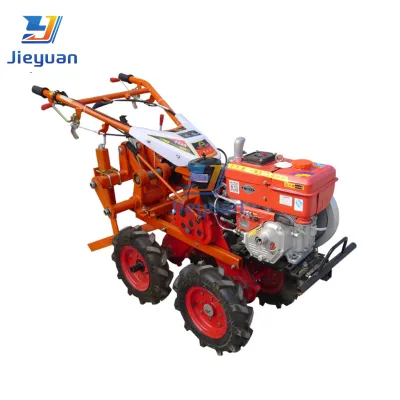
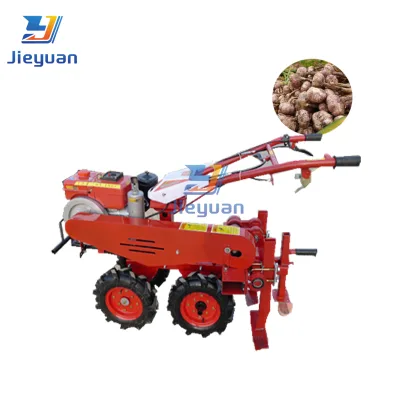
Four Wheel Self Propelled Garlic Harvester Machine Hydraulic Garlic Harvesting for Garlics
$1100.00 - $1300.00
MOQ: 1 sets
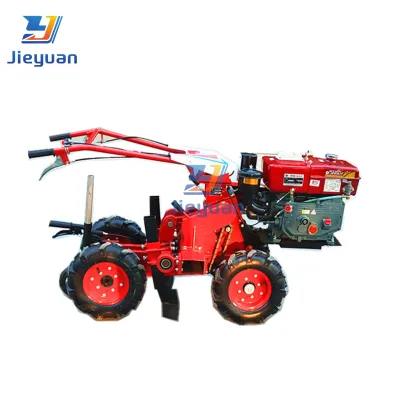
Walking Tractor Garlic Harvesting Equipment Remover Garlic Harvester Machine with Four Wheel
$1100.00 - $1300.00
MOQ: 1 sets
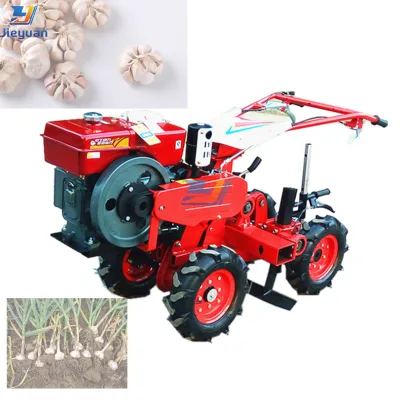
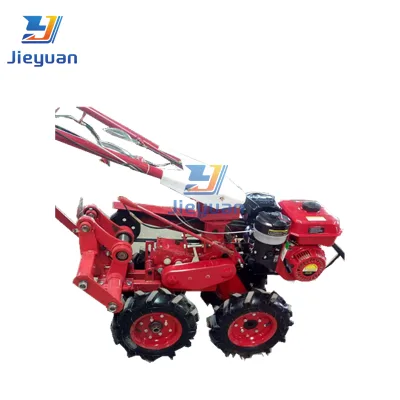

YUCHENG LIANSHENG MACHINERY CO., LTD.
- Verified by SGS
- Trading Company,Manufacturer/Factory
- China Shandong
- Lead time23 days
- Avg. response≤ 6h
Main productsPlough, Harrow, Seeding Machine, Mower, Thresher, Harvester, Boom Sprayer, Fertilizer Spreader, Agricultural Spare Parts, Grain Harvesting Equipment
Main marketsSouth America,Eastern Europe,Mid East,North America,Southeast Asia,Eastern Asia,Oceania,Western Europe,Africa


Garlic Harvesting Machine Garlic Harveater Garlic Digging Machine for 18-24HP Tractor
$720.00 - $750.00
MOQ: 1 Pieces


Garlic and Peanut Harvesters That Are Driven by Small Tractors. Rotary Garlic Harvester.
$800.00 - $900.00
MOQ: 1 Pieces
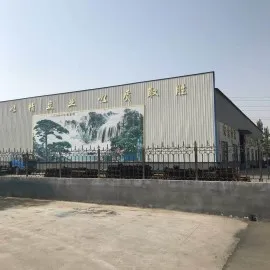
Taian Aike Machinery Co., Ltd.
- Manufacturer, Trading Company
- Shandong, China
- Lead time7 days
- Avg. response≤ 4h
Main productsPeanut seeder machine,crops harvester machine,wheat seeder machine,rice planter,peanut thresher
Main marketsSoutheast Asia(50.00%), Africa(30.00%), South Asia(10.00%), Mid East(10.00%)
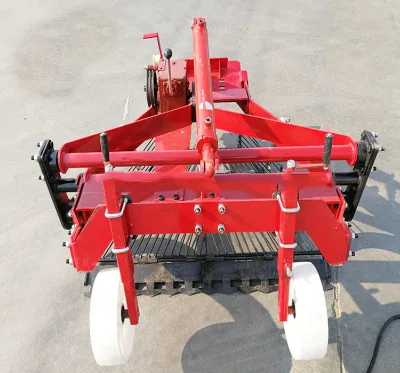
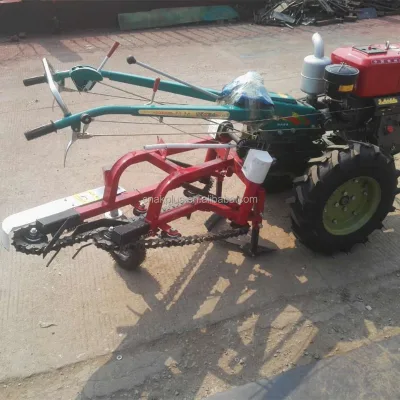
Portable Efficient Small Peanut and Garlic Harvester Machine
$350.00 - $380.00

Yucheng Xinyi Machinery Manufacturing Co., Ltd
- Verified by SGS
- Combined
- China Shandong
- Lead time30 days
- Avg. response≤ 4h
Main marketsDomestic,North America

Zhengzhou Dream Machinery Co., Ltd.
- Verified by SGS
- Trading Company
- China Henan
- Lead time15 days
- Avg. response≤ 3h
Main productsquilting machine
Main marketsSouth America,Others(foreignTradeCapacity.exportBusinessCapacityMarketOther),Southeast Asia/ Mideast,North America
ZHE CHENG HONGXIN MACHINRERY FACTORY
- Verified by TüVRheinland
- Manufacturer, Trading Company
- Henan, China
- Lead time15 days
- Avg. response≤ 3h
Main productsIntestine Case Cleaning Machine, Sesame Peeling Machine, Cardboard Expanding Shredder Machine, Flax Brake, Grain Thresher Machine
Main marketsDomestic Market(40%), Southeast Asia(20%), Africa(20%)
Zhengzhou Longer Machinery Co., Ltd.
- Verified by Intertek
- Manufacturer, Trading Company
- Lead time30 days
Main productsPeanut Butter Production Line, Fruit and Vegetable Processing Machines, Biscuit Production Line, French Fries Production Line, Cocoa Bean Processing Machines
Main marketsNorth America(25%), South America(20%), Africa(13%)
Shandong Unio Machinery Equipment Co., Ltd.
- Verified by Intertek
- Trading Company
- Lead time10 days
- Avg. response≤ 2h
Main productsCultivator, Grain Processing Machine, Harvester, Tractor, Feed Processing Machine
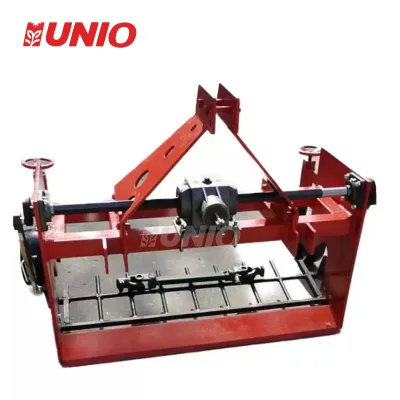
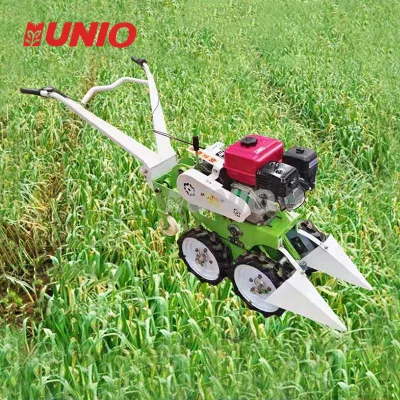
Agriculture Gralic Cutting Machine Garlic Harvesting Equipment for Sale
$575.5256 - $657.8901
MOQ: 1 sets
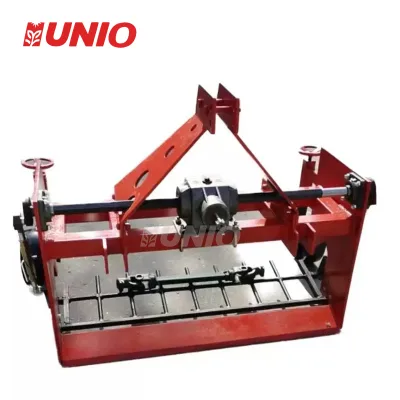
$575.5256 - $657.8901
MOQ: 1 sets
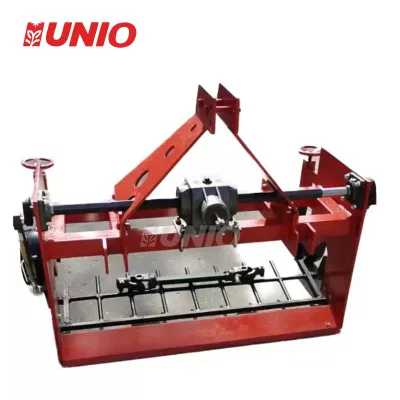
Small Saplings, Strawberry Seedlings, Garlic, Onion Harvester, Seedling Lifters
$575.5256 - $657.8901
MOQ: 1 sets
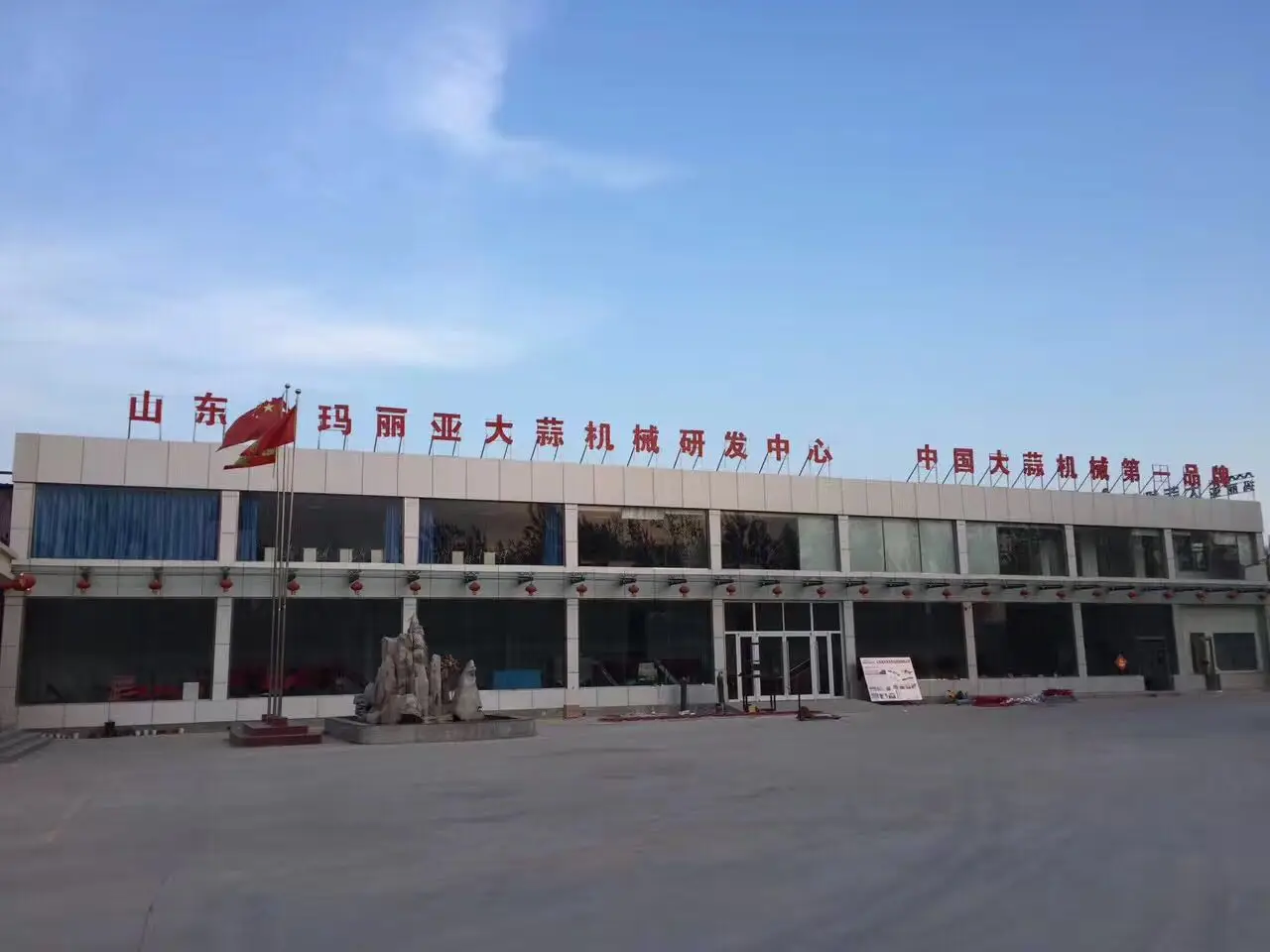
Shandong Maria Agricultural Machinery Co., Ltd.
- Manufacturer, Trading Company
- Shandong, China
- Lead time30 days
- Avg. response≤ 9h
Main productsgarlic machine,sorting machine,garlic splitter,harvester,planter
Main marketsSouth America(20.00%), Southern Europe(10.00%), Africa(10.00%), Southeast Asia(10.00%), Eastern Asia(10.00%), North America(10.00%), South Asia(5.00%), Oceania(5.00%), Northern Europe(5.00%), Western Europe(5.00%), Eastern Europe(5.00%), Mid East(5.00%)
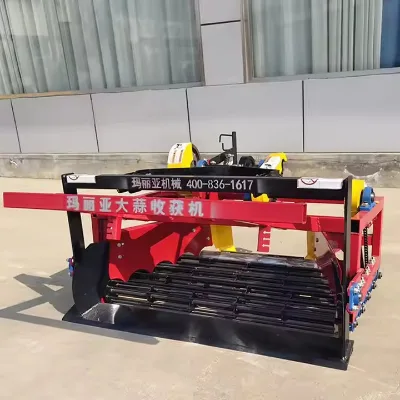
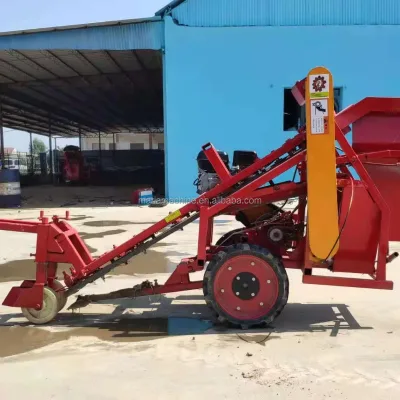
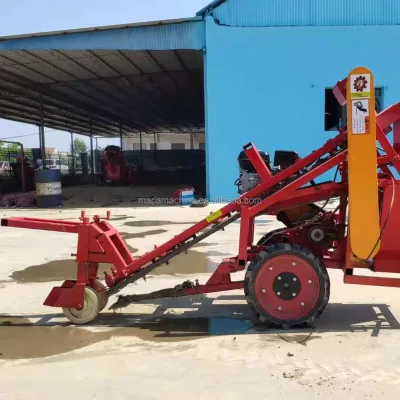
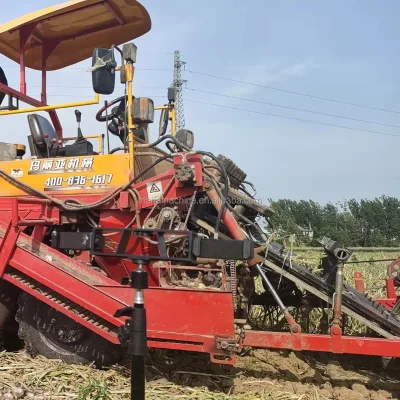
Garlic Harvesting Machinery Garlic Harvester 4DS-154A Agricultural Machinery
$3900.00 - $4000.00

Jinan Xinyiyin Import and Export Trading Co., Ltd.
- Verified by CTI
- Combined
- China Shandong
- Lead time23 days
- Avg. response≤ 6h
Main productsDisc Harrow, Disc Plough, Irrigation System, Harvesting Machine, Mower, Grain Cart, Manure Fertilizer Spreader, Farm Trailer, Land Leveler, Stone Picker
Main marketsDomestic

Henan Share M&E Equipment Co., Ltd
- Verified by TUVRHEINLAND
- Trading Company
- China Henan
- Lead time15 days
- Avg. response≤ 4h
Main productsBag Printing Machine, Brick Making Machine, Quilting Machine, Water Well Drilling Rig, Roll Forming Machine
Main marketsSouth America,Africa,Others(foreignTradeCapacity.exportBusinessCapacityMarketOther),Southeast Asia/ Mideast,East Asia(Japan/ South Korea),Domestic,Europe,Australia,North America

Zhengzhou Xifu Machinery Equipment Co., Ltd.
- Verified by CTI
- Manufacturer/Factory
- China Henan
- Lead time15 days
- Avg. response≤ 6h
Main productsHarvester Machine, Animal Feed Pellet Machine, Grinding Milling Machine, Chopper Machine, Baler Corn Silage Wrapping Machine, Chaff Cutter Machine, Oil Press Machine, Threser Machine, Cursher Machine, Milking Machine
Main marketsMid East,Southeast Asia,Africa


Sweet Potato Digging Machines Garlic Harvester Onion Harvesting Machine
$2200.00 - $6600.00
MOQ: 1 Pieces

Peanut Harvester Garlic Harvesting Equipment Onion Potato Harvesting Machine
$2200.00 - $6600.00
MOQ: 1 Pieces

Garlic Carrots Potato Digger Harvester Mini Walking Tractor Potato Harvesting Machine
$2200.00 - $6600.00
MOQ: 1 Pieces

Machines Planting Harvesting Garlic Tractor Potato Harvester Machinery
$2200.00 - $6600.00
MOQ: 1 Pieces

Harvesting Machine Sweet Potato Harvester Peanut Harvest Onion Harvesting Machine
$2200.00 - $6600.00
MOQ: 1 Pieces
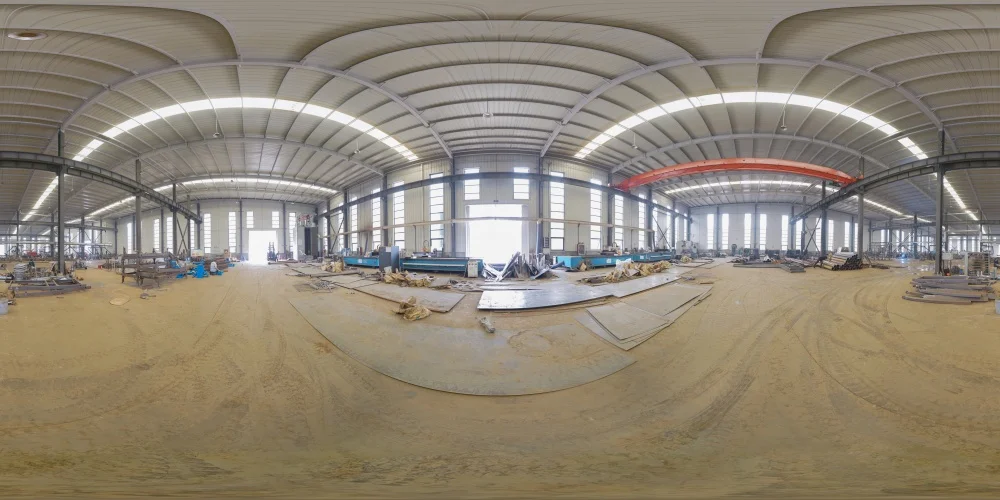
YUCHENG LIANSHENG MACHINERY CO., LTD.
- Manufacturer, Trading Company
- Shandong, China
- Lead time15 days
- Avg. response≤ 4h
Main productsfarm machines,seeder,plough and harrow,mower slasher,Cultivator/subsoiler
Main marketsAfrica(20.00%), North America(15.00%), Oceania(13.00%), Eastern Europe(8.00%), Southern Europe(5.00%), Southeast Asia(5.00%), Northern Europe(5.00%), Central America(5.00%), Western Europe(5.00%), Mid East(5.00%), South Asia(5.00%), South America(4.00%), Domestic Market(3.00%), Eastern Asia(2.00%)
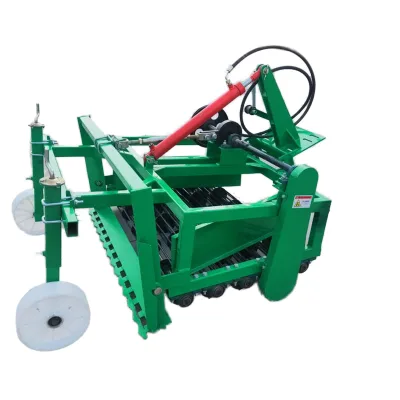
Small Garlic Harvester 18-24 Horsepower Tractor Supporting Garlic Harvester Garlic Extractor
$829.3407
MOQ: 1 Minimum
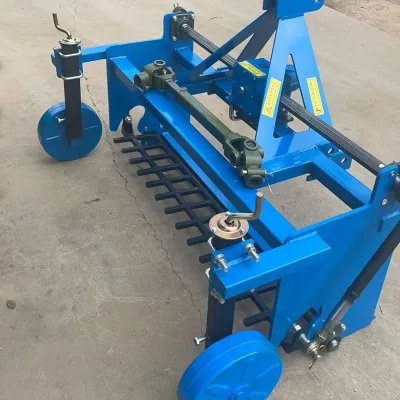
Small Harvester Garlic Carrot Harvester Cilantro Strawberry Seedlings Harvesting Machine
$413.8135
MOQ: 1 Minimum
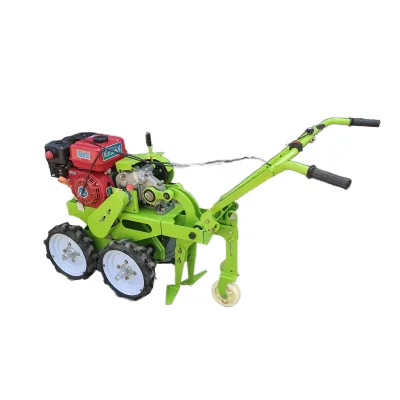
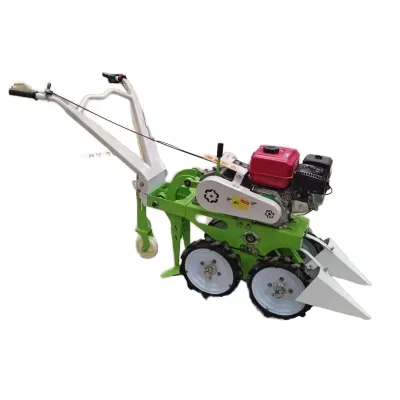

Zhengzhou Honest Machinery Co., Ltd.
- Trading Company,Manufacturer/Factory
- China Henan
- Lead time15 days
- Avg. response≤ 6h
Main productsFood Machinery, Packing Machines, Microwave Equipment, Drying Machines, Grain Product Making Machines, Commodity Making Machines, Texitle Machines, Construction Machinery
Main marketsSouth America,Eastern Europe,Mid East,North America,Southeast Asia,Eastern Asia,Oceania,Western Europe,Africa

Labor Saving Sweet Potato Harvesting Machine / Cassava Harvester / Garlic Harvester Machine
$539.00 - $699.00
MOQ: 1 set

Easy Operation Potato Harvesting Machine / Tractor Potato Harvester / Garlic Harvester
$539.00 - $699.00
MOQ: 1 set
Henan Jinfuda Machinery Equipment Co., Ltd.
- Trading Company
- Henan, China
- Lead time0 days
- Avg. response≤ 3h
Main productsAgricultural Machinery, Food Machinery, Construction And Building Materials Machinery, Construction Machinery, Packaging Machinery
Main marketsCentral America(20.00%), Southern Europe(10.00%), Northern Europe(10.00%), Mid East(10.00%), Domestic Market(5.00%), South Asia(5.00%), Southeast Asia(5.00%), Eastern Europe(5.00%), North America(5.00%), Western Europe(5.00%), Eastern Asia(5.00%), South America(5.00%), Oceania(5.00%), Africa(5.00%)
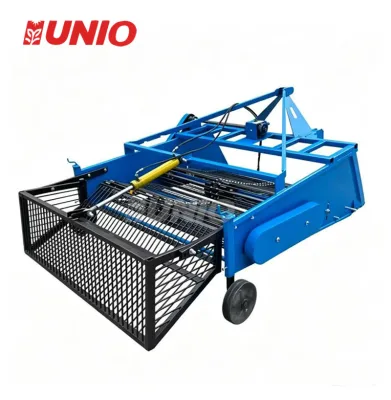
Factory Supply Garlic/onion/potato Harvest Machine
$519.00 - $589.00
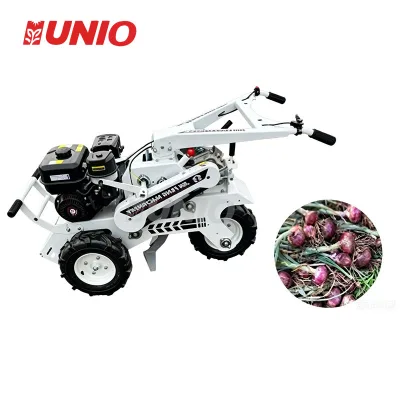
Heavy Duty Durable Engine-Powered High Productivity Garlic Harvester
$439.00 - $449.00
Mini Tractor Mounted Garlic and Potato Digger Harvest
$519.00 - $589.00
Taian Mingyi Machinery Equipment Co., Ltd.
- Manufacturer, Trading Company
- Shandong, China
- Lead time0 days
- Avg. response≤ 2h
Main productsWalking Tractor,Chaff Cutter,Crops Harvester,Power tiller,Crops Thresher
Main marketsAfrica(20.00%), Eastern Asia(10.00%), Mid East(10.00%), North America(10.00%), Southeast Asia(10.00%), Eastern Europe(10.00%), South Asia(10.00%), South America(5.00%), Northern Europe(5.00%), Central America(5.00%), Western Europe(5.00%)

QINGDAO HANNSTAR TECHNOLOGY COMPANY LIMITED
- Trading Company
- China Shandong
- Lead time0 days
- Avg. response≤ 12h
Main productsCombine Harvester, Ride on Mower, Lawn Robot, Mini Tiller Cultivator, Baler Machine, Plough, Spare Parts, Tractor Cutting, Walking Tractor
Henan Saloni Machinery Equipment Co., Ltd.
- Verified by SGS Group
- Trading Company
- Lead time0 days
- Avg. response≤ 1h
Main productsAgricultural Machinery, Breeding Machinery, Engineering Machinery, Food Machinery
Main marketsNorth America(35%), South America(15%), Southeast Asia(15%)

Yucheng Hengshing Machinery Co., Ltd.
- Verified by BV
- Combined
- China Shandong
- Lead time30 days
- Avg. response≤ 22h
Main productsPlow, Disc Plough, Disc Harrow, Cultivator, Farm Mower, Farm Trailer, Potato Harvester, Potato Planter, Corn Thresher, Peanut Thresher
Main marketsSouth America,Africa,Southeast Asia/ Mideast,Europe,Australia,North America


Factory Supply Professional Garlic/Potato Harvester for 4 Wheel Tractor
$350.00 - $600.00
MOQ: 5 Pieces
Yucheng Restone Machinery And Equipment Co., Ltd.
- Trading Company
- Shandong, China
- Lead time10 days
- Avg. response≤ 2h
Main productsagricultural machinery,forestry machinery,food processing machinery,feed machinery,spare parts and other products
Main marketsAfrica(40.00%), South America(20.00%), Eastern Europe(10.00%), North America(5.00%), Domestic Market(5.00%), South Asia(4.00%), Eastern Asia(3.00%), Northern Europe(3.00%), Southern Europe(2.00%), Mid East(2.00%), Central America(2.00%), Southeast Asia(2.00%), Western Europe(1.00%), Oceania(1.00%)








Comprehensive Sourcing Guide
Garlic Harvesting Machine Supplier Concentration and Factory Types
When you begin mapping suppliers of garlic harvesting machines, the first practical step is to understand which supplier types dominate the listings. On major B2B platforms you will typically encounter three profiles: pure trading companies, manufacturer/factory entities, and hybrid businesses that register as both trading company and manufacturer/factory. In the current supplier results for this category, the hybrid profile appears alongside pure trading companies, which means buyers cannot assume that every listing represents a direct factory. A hybrid or factory-type listing may offer OEM and ODM capability, while a trading company may compensate with broader product portfolios and faster sampling arrangements. Neither profile is inherently better; what matters is whether the profile matches your order structure.
Regional concentration is the second element to assess. The verified location data visible in these results points to Henan, China, which is consistent with the machinery categories these suppliers list, including agricultural machines and industrial equipment. Henan appears both as a supplier location and as a stated place of origin for specific garlic harvester models, so it can reasonably be treated as a cluster to investigate. For buyers who cannot confirm cluster locations from listings alone, the recommended method is to cross-check the "place of origin" attribute on product pages, the province named in company profiles, and the shipment origin quoted in freight discussions. Where these three signals agree across multiple suppliers, you have identified a cluster worth comparing on depth, not just price.
How to Verify Garlic Harvesting Machine Suppliers
Verification starts with third-party assessment status. In the current results, suppliers carry third-party verification from entities such as BV and SGS, and several hold system certifications including ISO 9000, ISO 9001, ISO 14001, and CE marks on individual machines. Treat these as screening filters rather than guarantees: a verified badge tells you an auditing body has checked business registration and basic operations, while a certification label should prompt you to request the certificate number and scope so you can confirm it covers the machinery category and is currently valid. Do not assume every supplier on a results page holds the same credentials; the labels differ from listing to listing and should be checked per supplier.
Beyond badges, verify operational substance. Ask each candidate for a machinery test report and video outgoing-inspection documentation; in this category at least some listings state that both are provided, which gives you a concrete item to request and compare. Confirm the exact legal entity name, ask whether the entity that signs the contract is the same one that manufactures the machine, and request a live video walkthrough of the production or stocking site. For a Garlic Harvesting Machine, ask to see the specific model assembled and running, since a supplier may stock one model while sourcing others from nearby workshops. Finally, test responsiveness under realistic conditions: measured response times in the results range from roughly three to just over six hours, so record how quickly each supplier answers technical questions, not just greetings.
What to Compare Across Garlic Harvesting Machine Suppliers
Build a comparison sheet using the attributes that suppliers actually display, then fill gaps by asking. Useful dimensions in this category include lead time, minimum order quantity, response speed, supplier type, location, verification status, certifications, and main product lines. The current results show lead times as short as seven days and as long as fifteen days for machinery suppliers, and MOQs as low as one unit for garlic harvester listings, which suits buyers testing a market or equipping a single farm operation. Response times cluster around three to six hours, a meaningful spread when you are iterating on technical questions. Note that not every supplier publishes every attribute; absence of a displayed value is a reason to ask, not an assumption to fill.
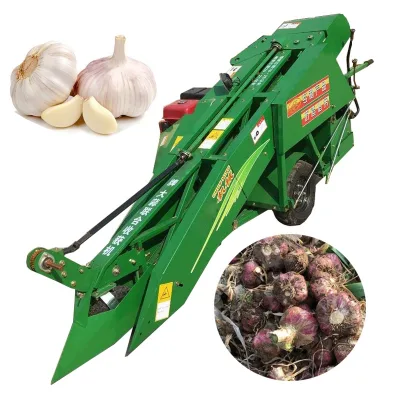
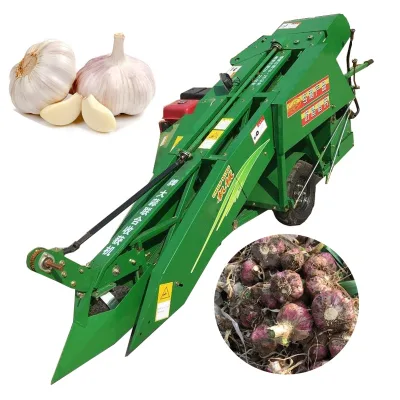
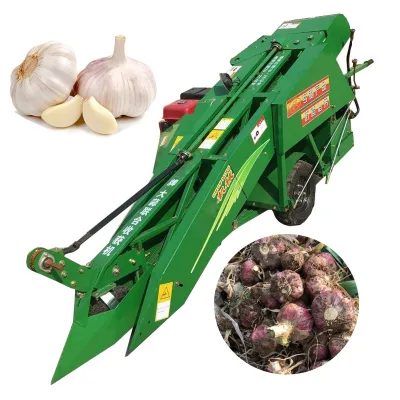
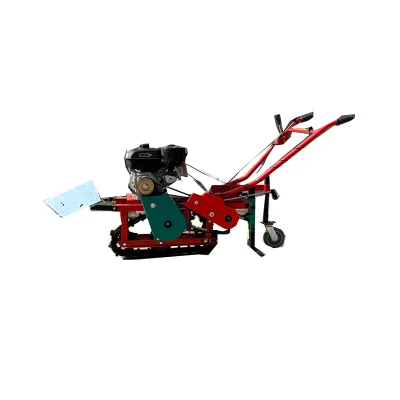
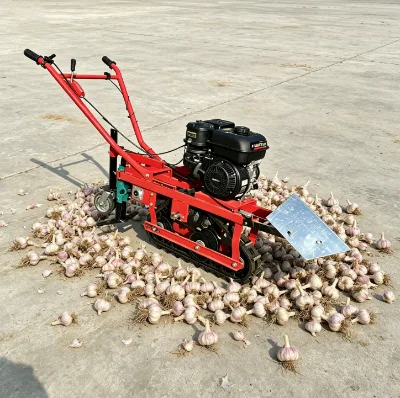
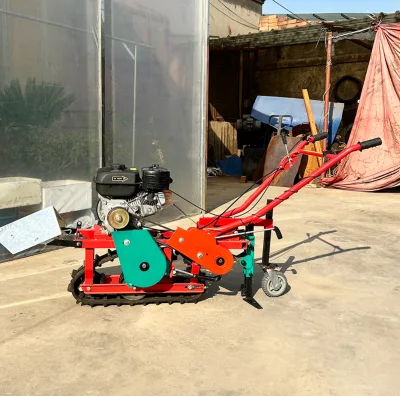
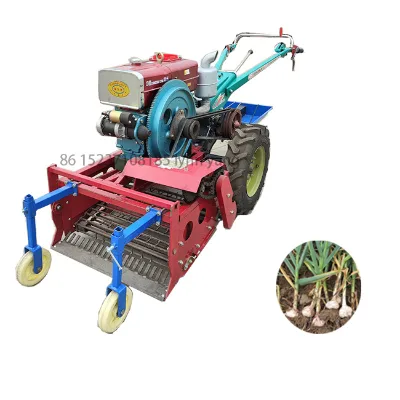
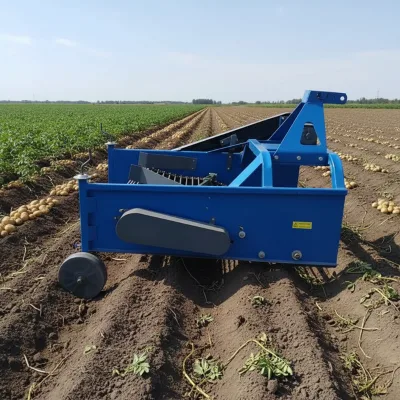
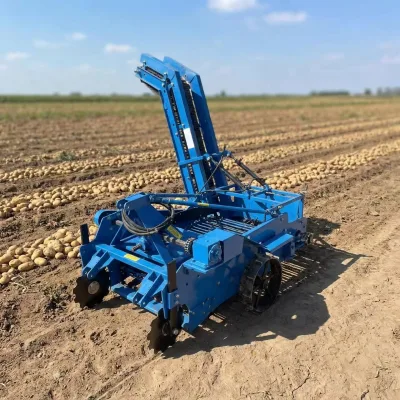
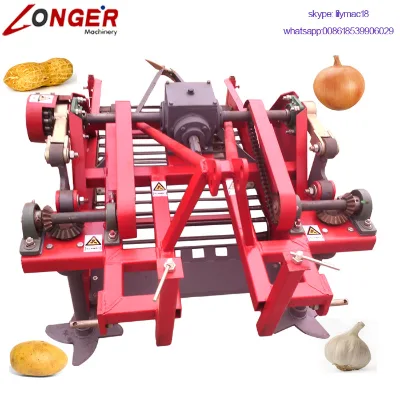
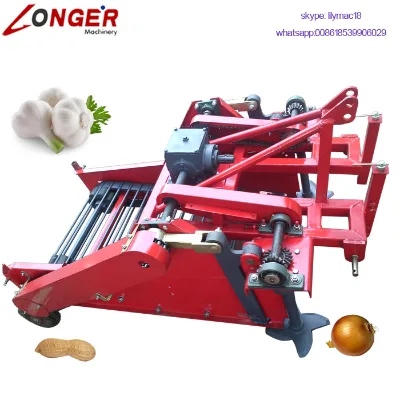
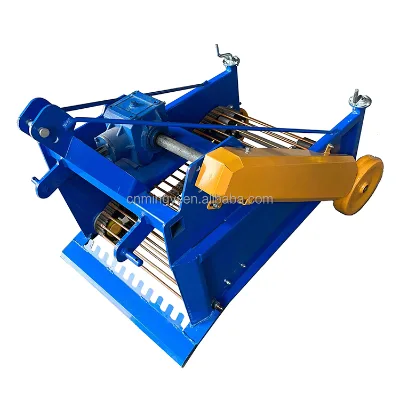
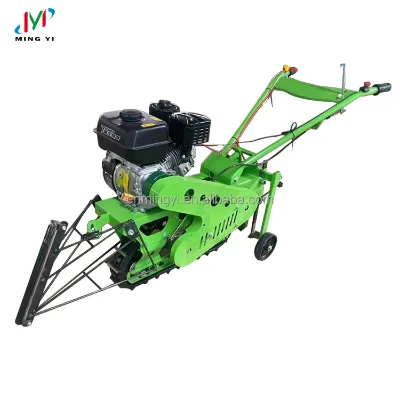
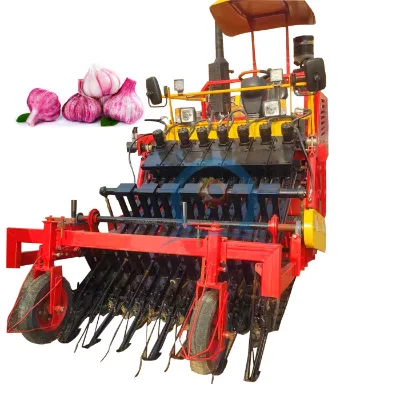
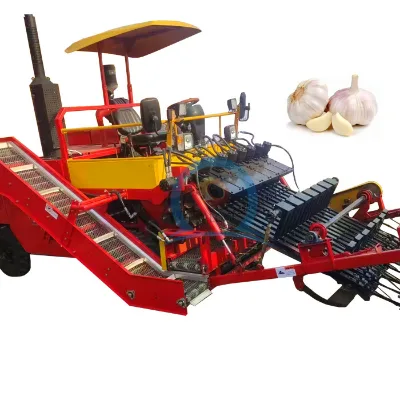
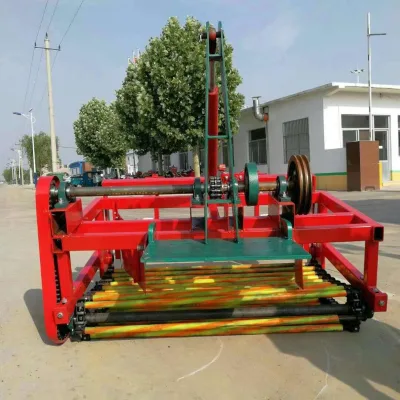
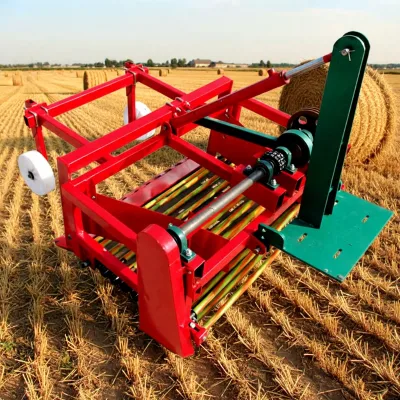
Compare product-level specifications with the same discipline. In the results, garlic harvester models vary widely: one diesel-powered, backpack-type portable unit with soft-shaft transmission and CE certification; another tractor-mounted, side-hanging type with hard shaft and gear drive; and a two-row combine-style machine rated at 11–12 HP with a working width of 450 mm, row spacing of 180–250 mm, and a weight of 600 kg. Customization availability, warranty length, and whether core components carry their own warranty are also shown on some listings. Rank suppliers on the fit between these specifications and your garlic bed spacing, tractor compatibility, and harvest volume, then weigh price differences only among machines that are genuinely comparable.
Common Garlic Harvesting Machine Sourcing Risks
The most frequent risk in this category is specification ambiguity. Listings for garlic harvesters show overlapping terminology—portable harvester, combine harvester, tractor-mounted unit, backpack type, side-hanging type—sometimes within a single supplier's catalog. A buyer who orders based on a headline photo may receive a machine with a different transmission type, power source, or harvest method than intended. Mitigate this by writing the purchased specification into the contract: model number, number of rows, working width, row distance, engine power, drive type, transmission type, weight, and overall dimensions. In the results, dimensions such as 2850×1000×1480 mm and weights of 600 kg appear on specific models, so insist on the same granularity for the unit you buy.
A second risk is after-sales exposure. Machines of this type depend on engine and driveline components, and listings vary in whether machinery test reports, video outgoing inspections, and one-year warranties—including warranties on core components—are explicitly provided. If a supplier does not state these, clarify in writing what happens on failure during your first season, where spare parts ship from, and at what cost. A third risk is mixed-role suppliers: trading companies and hybrid entities both appear here, so the party invoicing you may not control the factory schedule. Confirm who holds the production capacity and who bears responsibility for delays. Finally, do not treat a single verified badge as covering the machine itself; verification and product certification are separate checks with separate scopes.
Garlic Harvesting Machine Regional Sourcing and Logistics
For this category, the credible sourcing geography visible in the results is Henan, China. Henan appears as the supplier location for multiple machinery manufacturers and trading companies, and at least one garlic harvester listing explicitly states Henan as the place of origin. Concentrating your shortlist in a confirmed cluster has practical benefits: it is easier to schedule a combined factory visit covering several candidates, local component supply chains are usually more developed, and freight forwarders familiar with the region can quote consolidated shipments. When shortlisting outside a confirmed cluster, require the same triple confirmation—company address, product origin, and loading point—before committing time to evaluation.
Logistics planning should account for the physical profile of the machines. A garlic harvester model in the results weighs 600 kg with a footprint of 2850×1000×1480 mm and ships in wooden packing, so confirm packaging type, crate dimensions, and whether the quoted price includes export-standard packing. Ask each supplier which port or airport they normally load from, since inland provinces involve an overland leg before ocean freight, and get the inland cost stated separately. Confirm whether a machinery test report and video outgoing inspection will be produced before shipment, as some listings commit to these and others do not. Finally, align lead time with your planting calendar: with quoted lead times in this category ranging from about seven to fifteen days, place orders well ahead of your harvest window so a production slip does not cost you a season.
Garlic Harvesting Machine Commercial Terms and Order Planning
Commercial terms in this category can be favorable to first-time buyers. Current listings show a minimum order quantity of one unit for garlic harvester machines and a single listed price point for a specific model, so you can often pilot with a single machine before scaling. When comparing quotes, normalize them: ask each supplier for a unit price that includes wooden export packing, inland haulage to the loading port, and a stated Incoterms basis. Where suppliers display certifications such as CE or ISO 9001, use those as talking points to negotiate inspection rights rather than as automatic price premiums. Keep customization requests—color, branding, drive configuration—separately priced, since some listings state customization is available while others do not mention it.
Order planning should reflect the pilot-then-scale structure. Structure a first order around one machine, a documented acceptance test, and a defined spare-parts kit; use the machinery test report and video inspection some suppliers provide as your acceptance evidence. For follow-up orders, the differentiated lead times seen here—roughly seven days from one supplier versus fifteen from another—matter more than small price gaps when your harvest season is fixed. Agree on payment milestones tied to inspection events rather than calendar dates, and confirm warranty coverage in the contract, noting that some listings specify one-year warranties including core components. Finally, record measured response times during negotiation; suppliers answering within a few hours before the sale are more likely to remain reachable when a spare part is urgent.
FAQs
What is the price range for a Garlic Harvesting Machine?
The listed price for a Garlic Harvesting Machine is 3399.00 USD per unit. This cost applies to the specific model available with a minimum order quantity of one. Buyers should confirm final pricing based on customization needs and shipping terms.
What certifications do these garlic harvesters have?
Garlic harvesting machines typically carry CE certification for product compliance. Suppliers also hold ISO 9001 and ISO 14001 system certifications. These credentials ensure quality management and environmental standards are met during manufacturing and operation of the agricultural equipment.
How long does delivery take for these machines?
Lead times for garlic harvesting machines range from 7 to 15 days. This variation depends on the specific supplier and production schedule. Buyers should verify the exact delivery window with the manufacturer before placing an order to ensure timely arrival.
Where are these machines manufactured?
These garlic harvesting machines are manufactured in Henan, China. The region is known for producing various agricultural and industrial machinery. Buyers can expect products to originate from this location, which influences shipping logistics and supply chain dynamics for international orders.
What power source do these harvesters use?
Garlic harvesters are available with diesel power sources or tractor-mounted drives. Some models feature 11-12 HP engines for standalone operation. Others rely on tractor power for enhanced mobility and efficiency in the field, depending on the specific machine type selected.
Is customization available for these machines?
Customization is available for many garlic harvesting machines. Suppliers offer OEM and ODM services to meet specific requirements. Buyers can request modifications to dimensions, colors, or functional components to suit their particular agricultural needs and operational environments effectively.