High Efficiency Peanut Picking Machine Suppliers and Manufacturers
Compare 25 verified suppliers of high efficiency peanut picking machines by location, lead time, and certifications. Review product specs like production capacity and drive type, then request quotes to finalize your sourcing decision; review the available evidence before requesting comparable quotations from suitable candidates.
Updated
Suppliers List

Zhengzhou Xifu Machinery Equipment Co., Ltd.
- Verified by CTI
- Manufacturer/Factory
- China Henan
- Lead time15 days
- Avg. response≤ 6h
Main productsHarvester Machine, Animal Feed Pellet Machine, Grinding Milling Machine, Chopper Machine, Baler Corn Silage Wrapping Machine, Chaff Cutter Machine, Oil Press Machine, Threser Machine, Cursher Machine, Milking Machine
Main marketsMid East,Southeast Asia,Africa

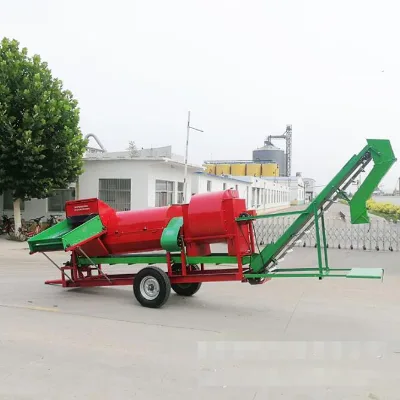
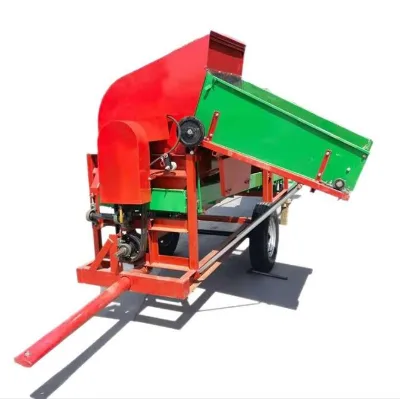
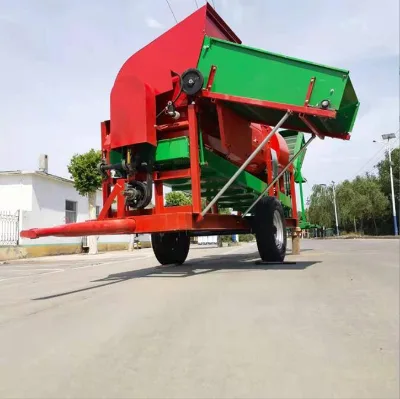
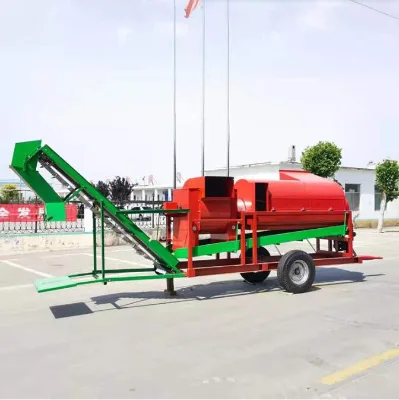
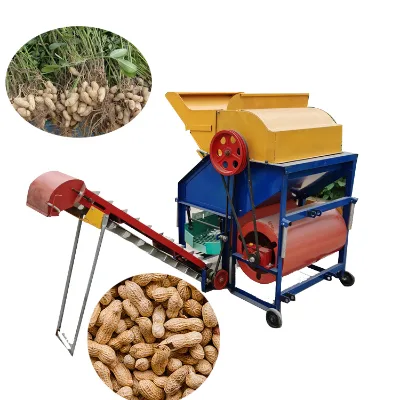
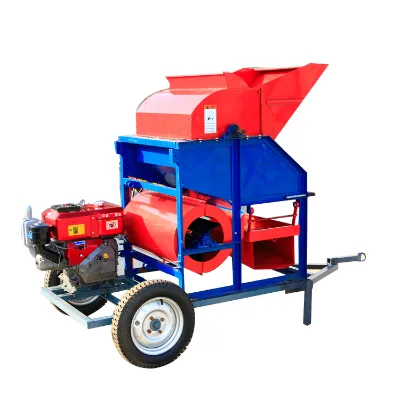
High Efficiency Agriculture Groundnut Harvesting Picking Machine Peanut Picker
$900.00 - $3500.00
MOQ: 1 Pieces

High Efficiency Hot Sale Best Price Peanut Picking Machine Groundnut Picker Peanut Harvester
$900.00 - $3500.00
MOQ: 1 Pieces

$900.00 - $3500.00
MOQ: 1 Pieces

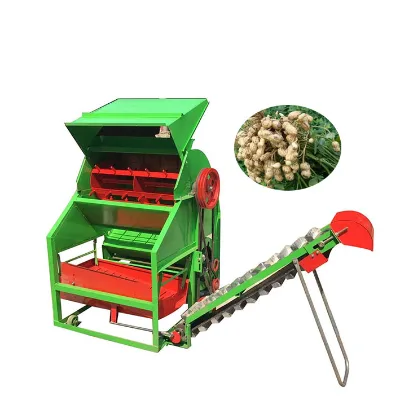
Peanut Picking Machine Seed Picking Cleaning Machine Medium Peanut Harvesting
$900.00 - $3200.00
MOQ: 1 Pieces


Peanut Picker Machine Peanut Harvest Machine Raspberry Picking Machine
$900.00 - $3500.00
MOQ: 1 Pieces

YUCHENG LIANSHENG MACHINERY CO., LTD.
- Verified by SGS
- Trading Company,Manufacturer/Factory
- China Shandong
- Lead time23 days
- Avg. response≤ 6h
Main productsPlough, Harrow, Seeding Machine, Mower, Thresher, Harvester, Boom Sprayer, Fertilizer Spreader, Agricultural Spare Parts, Grain Harvesting Equipment
Main marketsSouth America,Eastern Europe,Mid East,North America,Southeast Asia,Eastern Asia,Oceania,Western Europe,Africa

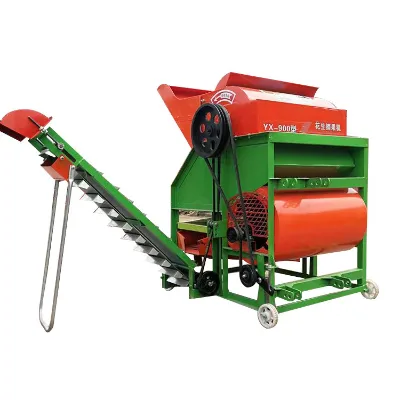
High Efficiency Peanut Picking Machine Peanut Picker Groundnut Earthnut Harvesting Machine
$650.00 - $700.00
MOQ: 1 Pieces


Peanut Picking Machine Peanut Picker Peanut Combine Harvesting Machine
$1900.00 - $2100.00
MOQ: 1 Pieces

Peanut Picker, Peanut Picking Machine, Peanut Combine Harvesting Machine
$2000.00 - $2100.00
MOQ: 1 Pieces


Zhengzhou Xiangkun Machinery Co., Ltd.
- Verified by TUVRHEINLAND
- Trading Company
- China Henan
- Lead time0 days
- Avg. response≤ 3h
Main productsFood Puffing Machine, Fruit and Vegetable Washer, Seasoning Machine, Meat Processing Machine, Nut Processing Line, Food Processing Machine, Oil Press, Pitting Machine, Cashew Processing Machine

Zhengzhou Faithin Machinery Equipment Co., Ltd
- Verified by SGS
- Manufacturer/Factory
- China Henan
- Lead time15 days
- Avg. response≤ 3h
Main productsChaff Cutter, Pellet Machine, Mixing Machine, Rice Mill Machine, Oil Press Machine, Disc Mill Machine, Hammer Mill Machine, Hammer Crusher, Jaw Crusher
Main marketsSouth America,Eastern Europe,Mid East,North America,Southeast Asia,Eastern Asia,Oceania,Western Europe,Africa

High Efficiency Easy Operation Groundnut Picking Machine Peanut Harvester Peanut Harvesting Machine
$880.00 - $3500.00
MOQ: 1 Pieces

$880.00 - $3500.00
MOQ: 1 Pieces

$880.00 - $3500.00
MOQ: 1 Pieces

Zhengzhou Shuliy Machinery Co., Ltd.
- Verified by SGS
- Trading Company,Manufacturer/Factory
- China Henan
- Lead time0 days
- Avg. response≤ 6h
Main productsPacking Machinery, Food Processing Machinery, Agriculture Processing Machinery, Wood Processing Machinery, Plastic Processing Machinery, Charcoal Processing Machinery, Baler Machinery, Recycling Machinery, Metal Processing Machinery

High Quality Peanut Harvesting Machine Groundnut Picker Picking Machine
$1500.00 - $3500.00
MOQ: 1 Sets

Zhengzhou Caleb Machinery Co., Ltd.
- Verified by SGS Group
- Trading Company
- Lead time10 days
- Avg. response≤ 1h
Main productsAgricultural Machinery, Harvesting Machine, TMR Mixer, Silage Machine, Food Machinery
Main marketsSoutheast Asia(25%), North America(20%), Western Europe(15%)
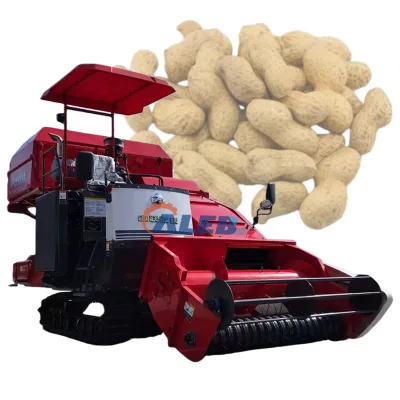
Saving Labor Peanut Picking Harvester Machine Automatic Groundnut Harvesting Machine Peanut Picker
$19752.0648
MOQ: 1 Minimum
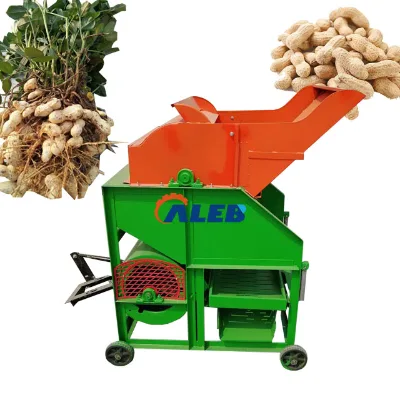
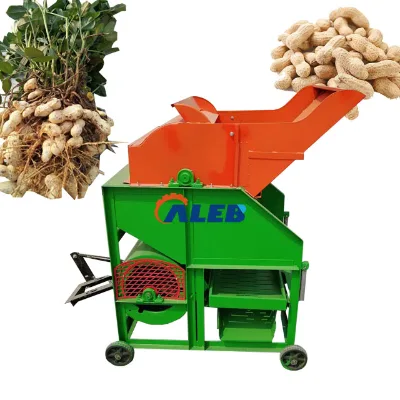
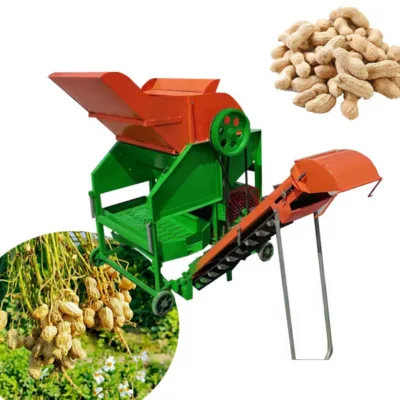
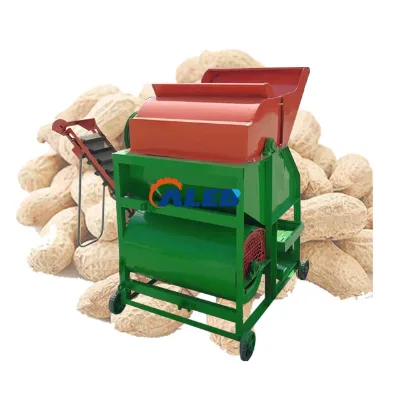
Easy to Operate diesel Electric Drive Peanut Picking Machine Fully Automatic Peanut Picking Machine
$900.00 - $980.00
MOQ: 1 sets
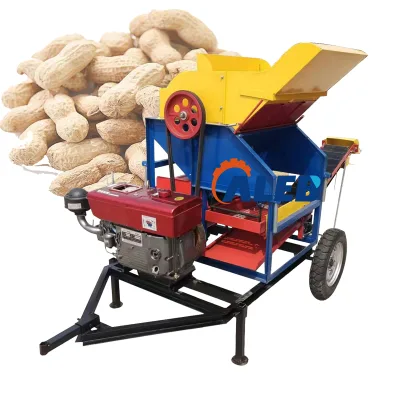
Automatic Peanut Harvesting Machine Peanut Picker Machine for Small Farm
$870.00 - $980.00
MOQ: 1 sets

- Verified by BV
- Trading Company
- China Jiangxi
- Lead time15 days
- Avg. response≤ 4h
Main productsIncubator, Egg Incubator, Chicken Egg Incubator, Automatic Incubator, Automatic Egg Incubator, Chicken Incubator, Plucker, Chicken Plucker, Depilator, Plucker Machine
Main marketsOthers(foreignTradeCapacity.exportBusinessCapacityMarketOther)
Luohe Tengli Mechanical And Electrical Equipment Co., Ltd.
- Verified by SGS Group
- Manufacturer, Trading Company
- Lead time0 days
- Avg. response≤ 2h
Main productsVegetable Cutter, Packaging Machine, Pasta Machinery, Meat Machinery
Main marketsNorth America(28%), Africa(21%), Northern Europe(17%)
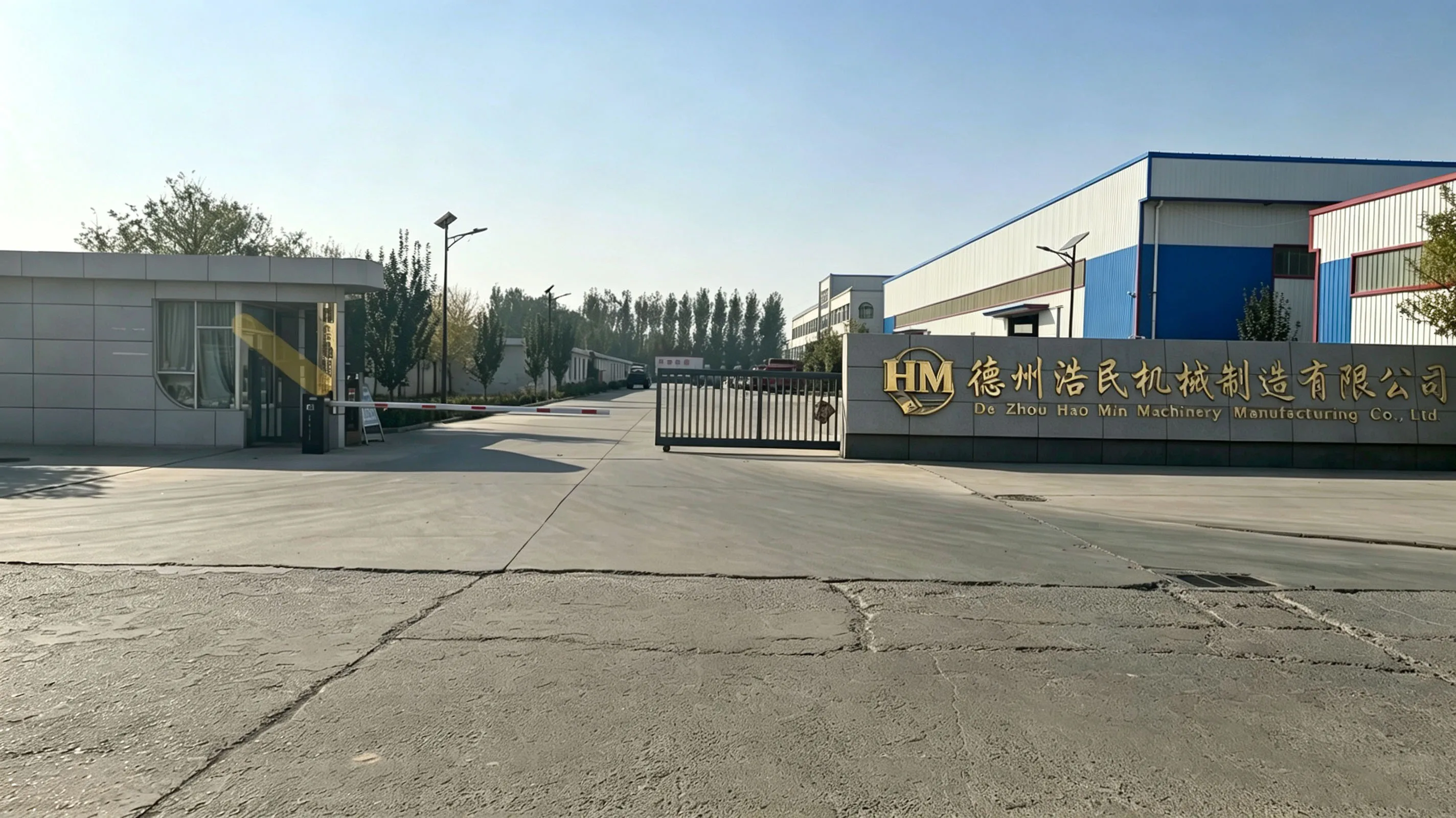
Dezhou Haomin Machinery Equipment Co., Ltd.
- Trading Company
- Shandong Province, China
- Lead time10 days
- Avg. response≤ 1h
Main productsTillage machinery,Harvesting machinery,Fertilizer,Sowing machinery,Spraying machinery
Main marketsDomestic Market(46.00%), Africa(20.00%), Southeast Asia(15.00%), South America(8.00%), Eastern Asia(3.00%), Central America(2.00%), North America(2.00%), South Asia(2.00%), Oceania(1.00%), Mid East(1.00%)
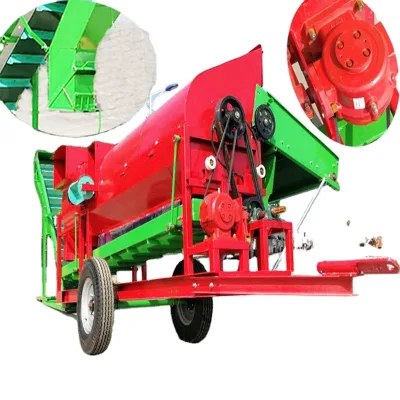
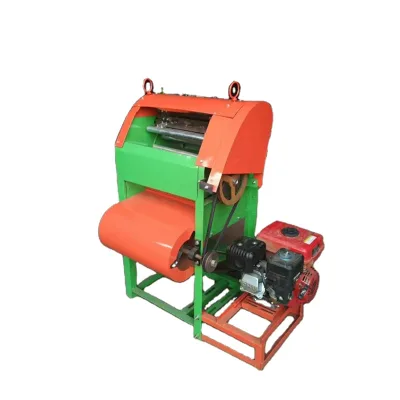
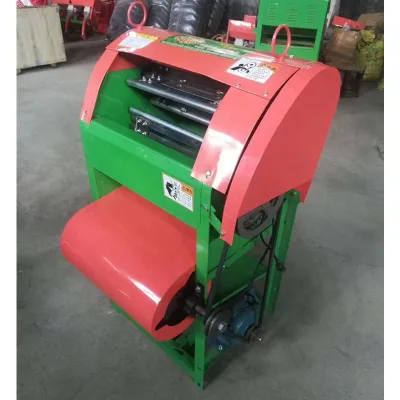
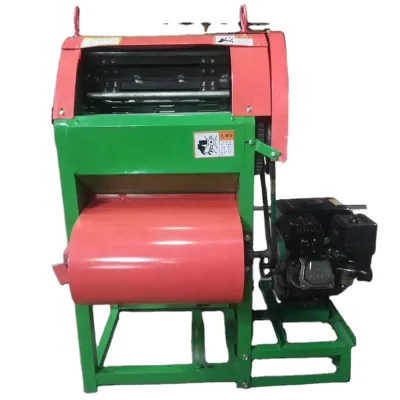
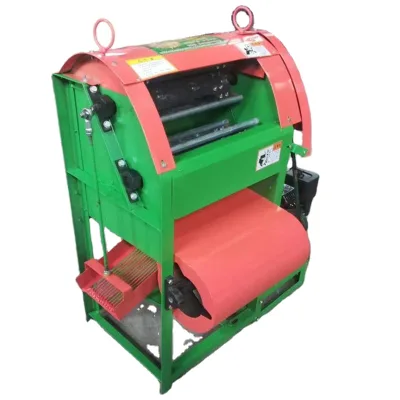
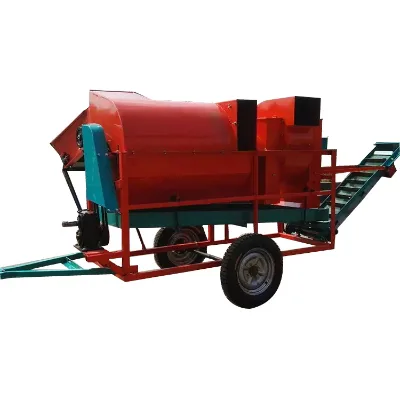
Tractor-drawn Large Peanut Picker Peanut Picking Machine Groundnut Picker Peanut Harvester
$1826.09 - $1884.06
MOQ: 1 sets
Zhengzhou Liangpu Imp. & Exp. Co., Ltd.
- Trading Company
- Henan, China
- Lead time7 days
- Avg. response≤ 2h
Main productsBone Crushing Machine,Manure Dewatering Machine,Electric Trolley,Rice Mill,Pillow Filling Machine
Main marketsSoutheast Asia(40.00%), North America(20.00%), Mid East(20.00%), South America(10.00%), Africa(10.00%)
Shandong Unio Machinery Equipment Co., Ltd.
- Verified by Intertek
- Trading Company
- Lead time10 days
- Avg. response≤ 2h
Main productsCultivator, Grain Processing Machine, Harvester, Tractor, Feed Processing Machine
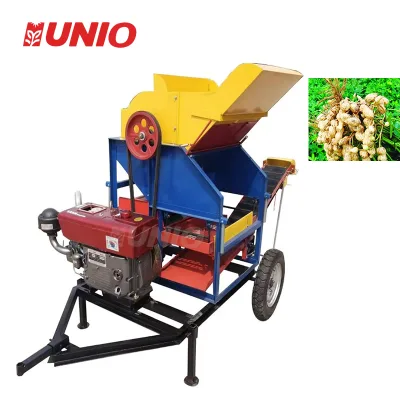
$529.4921 - $560.3359
MOQ: 1 sets
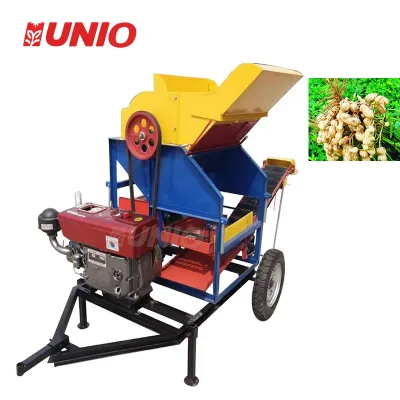
$529.4921 - $560.3359
MOQ: 1 sets
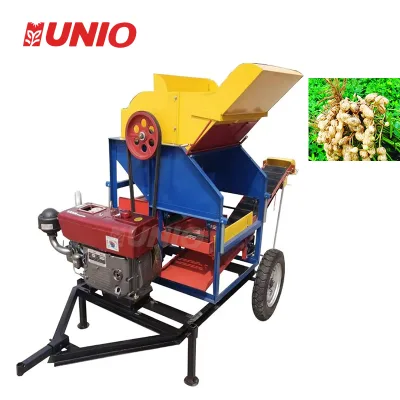
$529.4921 - $560.3359
MOQ: 1 sets
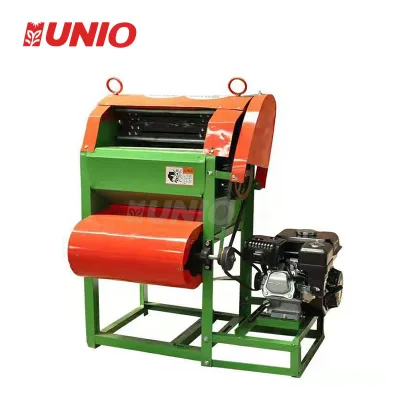
Hot Sale Groundnut Picker Peanut Picker Machine Groundnut Peanut Picker
$179.00 - $259.00
MOQ: 1 Minimum
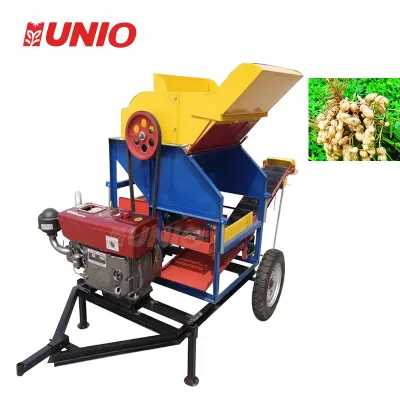
$529.4921 - $560.3359
MOQ: 1 sets
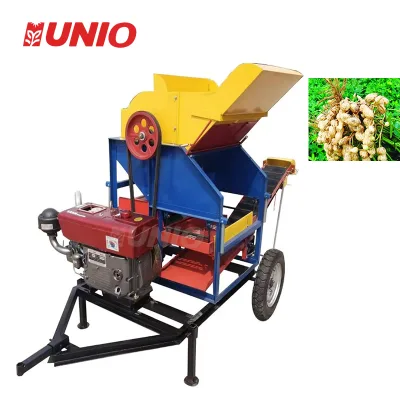
$529.4921 - $560.3359
MOQ: 1 sets
Zhengzhou Guoyi Baifen Trading Co., Ltd.
- Trading Company
- Henan, China
- Lead time0 days
- Avg. response≤ 2h
Main productsVertical baler,Rotary dryer,Brick machine,Wood crusher,Briquette machine
Main marketsAfrica(25.00%), Southeast Asia(25.00%), South America(25.00%), North America(25.00%)
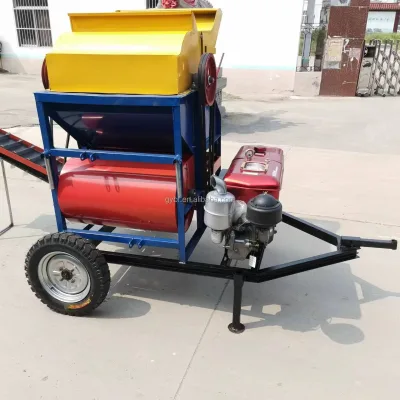
Automatic Peanut Picker - High - Capacity Peanut Stem Leaf Removal Machine
$499.00 - $539.00
MOQ: 1 sets
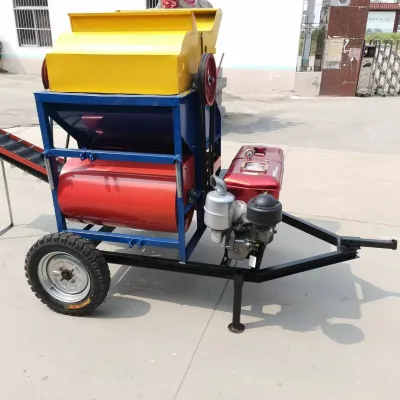
Made in China Automatic Peanut Harvesting Machine Picker peanuts Cheap Peanut Harvesting Machine
$499.00 - $539.00
MOQ: 1 sets
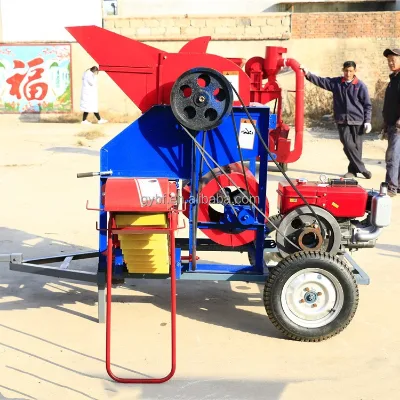
Henan Sincerely Industrial Co., Ltd.
- Manufacturer, Trading Company
- Henan, China
- Lead time10 days
- Avg. response≤ 4h
Main productsfarm machinery,agricultural machinery,forklift,animal husbandry machinery,grass cutters
Main marketsSouth America(20.00%), South Asia(10.00%), Africa(10.00%), Eastern Asia(10.00%), Southern Europe(8.00%), Western Europe(6.00%), Northern Europe(5.00%), Central America(5.00%), Southeast Asia(5.00%), North America(5.00%), Mid East(5.00%), Oceania(4.00%), Domestic Market(4.00%), Eastern Europe(3.00%)
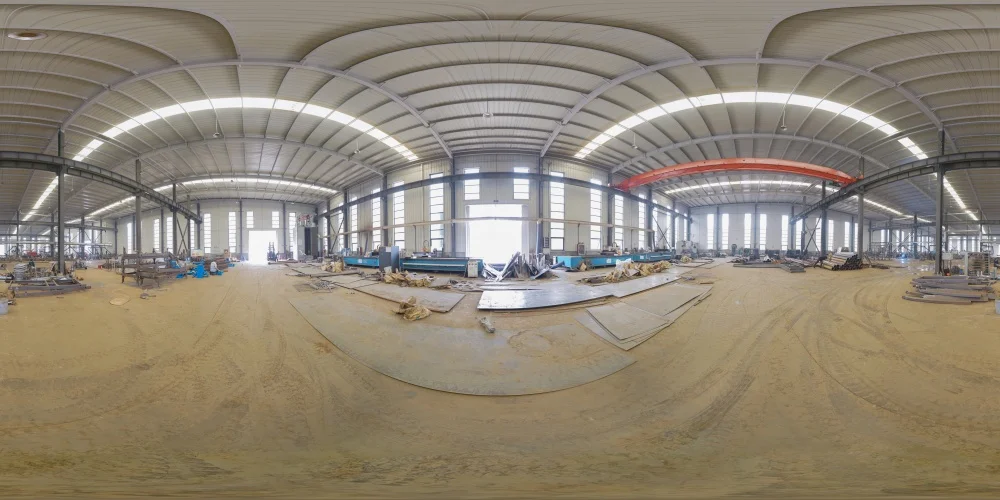
YUCHENG LIANSHENG MACHINERY CO., LTD.
- Manufacturer, Trading Company
- Shandong, China
- Lead time15 days
- Avg. response≤ 4h
Main productsfarm machines,seeder,plough and harrow,mower slasher,Cultivator/subsoiler
Main marketsAfrica(20.00%), North America(15.00%), Oceania(13.00%), Eastern Europe(8.00%), Southern Europe(5.00%), Southeast Asia(5.00%), Northern Europe(5.00%), Central America(5.00%), Western Europe(5.00%), Mid East(5.00%), South Asia(5.00%), South America(4.00%), Domestic Market(3.00%), Eastern Asia(2.00%)
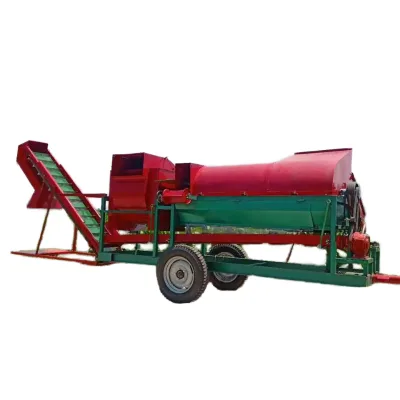
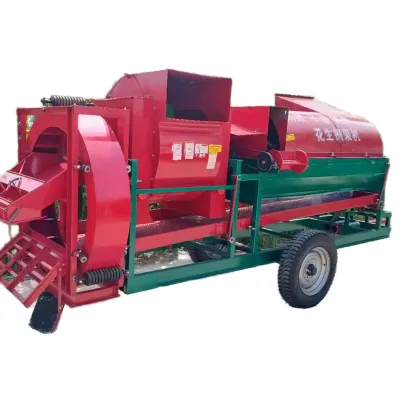
$2057.6828 - $2160.5669
MOQ: 1 pieces

Zhengzhou Runxiang Machinery Equipment Co., Ltd.
- Verified by TUVRHEINLAND
- Trading Company,Manufacturer/Factory
- China Henan
- Lead time15 days
- Avg. response≤ 4h
Main productsFeed Pellet Machine, Nut Processing Machine, Briquette Processing Machine, Grinder Crusher Machine, Dryer Machine, Construction Machine
Main marketsSouth America,Eastern Europe,Mid East,North America,Southeast Asia,Eastern Asia,Oceania,Western Europe,Africa
ZHENGZHOU HONGSHI MACHINERY CO.,LTD
- Verified by TüVRheinland
- Manufacturer, Trading Company
- Lead time15 days
- Avg. response≤ 4h
Main productsAgricultural Machinery, Food Machinery, Paraffin Machinery, Textile Machinery, Environmental Protection Machinery
Main marketsNorth America(36%), Southeast Asia(15%), South America(12%)
$1244.874 - $1400.4832
MOQ: 1 pieces
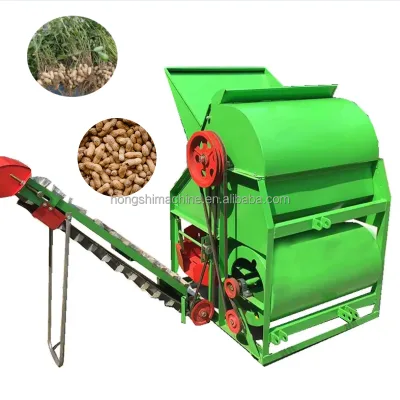
$1000.00 - $1050.00
MOQ: 1 pieces
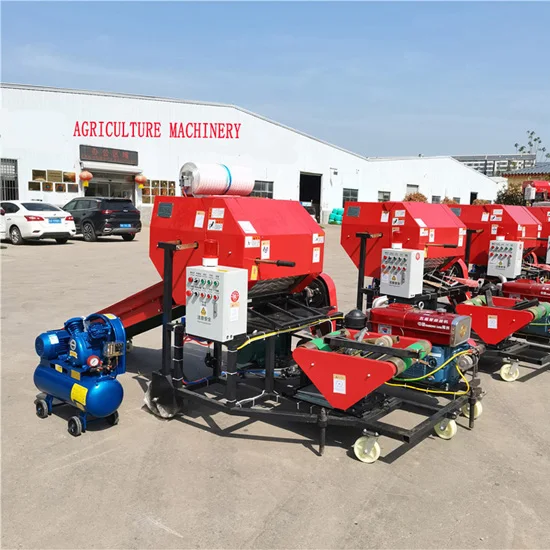
Zhengzhou Agriwell Machinery Co., Ltd.
- Trading Company
- Henan, China
- Lead time0 days
- Avg. response≤ 3h
Main productssilage baler machine,silage harvester and livestock process,rice bean maize peanut thresher and sheller,chaff cutter,rice milling machine
Main marketsSouth America(10.00%), North America(10.00%), Africa(6.00%), Central America(5.00%)
Jingdezhen Huiju Technologies Co., Ltd.
- Manufacturer, Trading Company
- Lead time旺季: "1 - 1":30,"> 1":"To be negotiated", 淡季: "1 - 1":30,"> 1":"To be negotiated"
- Avg. response≤ 3h
Main productsOil Press Machine, Egg Incubator, Poultry Feed Pellet Machine
Dongguan Strong Machinery Equipment Co., Ltd.
- Trading Company
- Lead time旺季: "1 - 1":31,"> 1":"To be negotiated", 淡季: "1 - 1":31,"> 1":"To be negotiated"
- Avg. response≤ 8h
Main productsElectrical equipment
ZHE CHENG HONGXIN MACHINRERY FACTORY
- Verified by TüVRheinland
- Manufacturer, Trading Company
- Henan, China
- Lead time15 days
- Avg. response≤ 3h
Main productsIntestine Case Cleaning Machine, Sesame Peeling Machine, Cardboard Expanding Shredder Machine, Flax Brake, Grain Thresher Machine
Main marketsDomestic Market(40%), Southeast Asia(20%), Africa(20%)
Zhengzhou Hanchuang Machinery Co., Ltd
- Trading Company
- Henan, China
- Lead time20 days
- Avg. response≤ 2h
Main productsPeeling machine,vegetable processing machine,meat processing machine,potato sorting machine,food sterilizer machine
Main marketsSouth Asia(35.00%), Southeast Asia(20.00%), Mid East(15.00%), Africa(15.00%), North America(10.00%), Eastern Asia(5.00%)
Henan Jinfuda Trading Co., Ltd.
- Trading Company
- Lead time旺季: "1 - 1":7,"> 1":"To be negotiated", 淡季: "1 - 1":7,"> 1":"To be negotiated"
- Avg. response≤ 3h
Main productsFruit Vegetables Processing Machines, Meat Processing Machines, Bakery Pastry Processing Machines, Snack Processing Machines, Packaging Machines
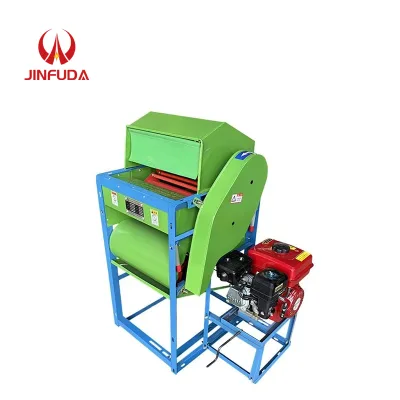
High Quality Dry and Wet Peanut Picker Machine Farm Machinery for Efficient Peanut Picking
$186.6029 - $331.7366
MOQ: 1 Minimum
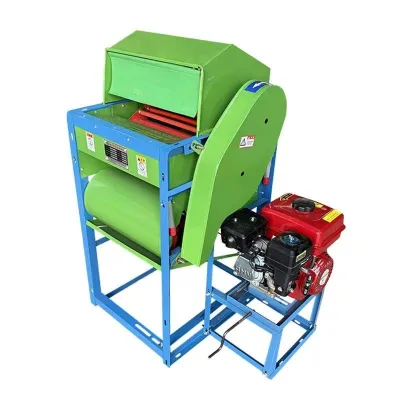
Good Economical Groundnut Pickers Machine for Home Use Good Price Peanut Picker Farm Machine
$184.9386 - $328.7795
MOQ: 1 Minimum
Henan Formend Imp. & Exp. Co., Ltd
- Verified by SGS Group
- Trading Company
- Lead time10 days
- Avg. response≤ 3h
Main productsTractor, Sprayer, Grass Mower, Rice Mill, Disc Mill
Main marketsAfrica(40%), Southeast Asia(30%), Eastern Europe(10%)
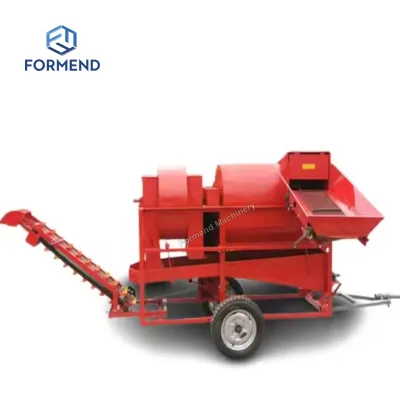
Versatile Peanut Picking Equipment Multi Crop Harvester for Peanuts and Legumes
$748.9985 - $790.0407
MOQ: 1 sets
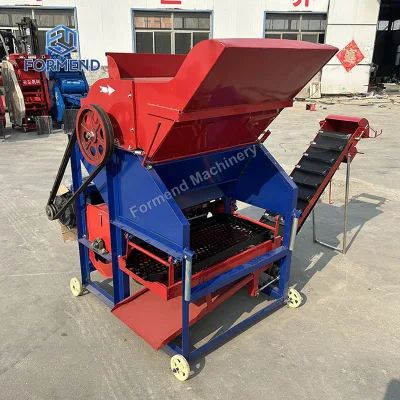
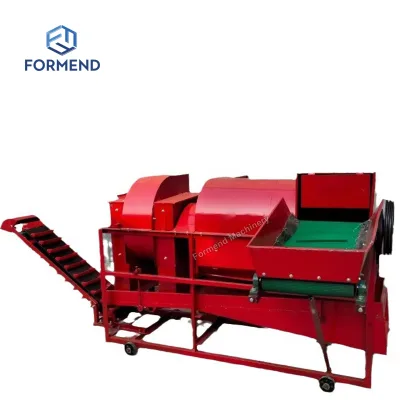
Robust Peanut Stripping Machine Durable Picker for Continuous Farm Work
$748.9985 - $790.0407
MOQ: 1 sets
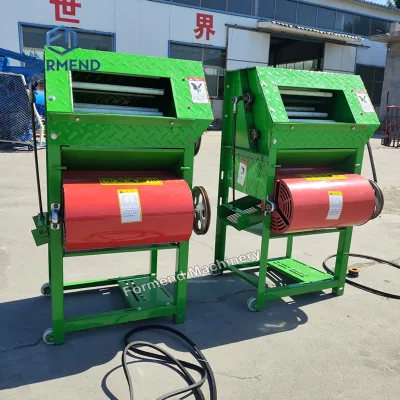
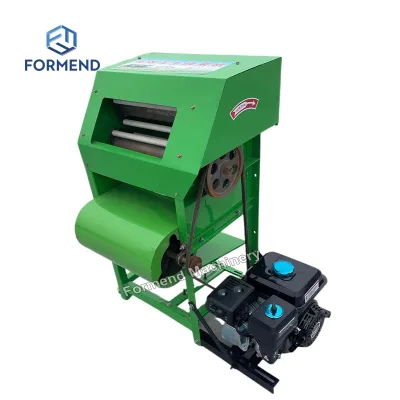
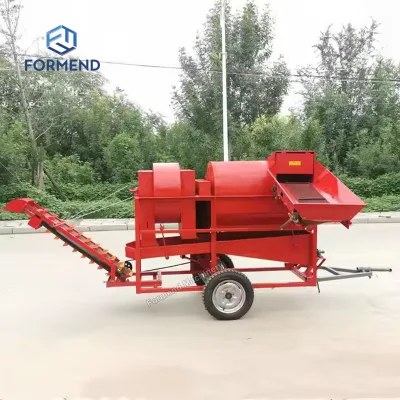
Farm Use Peanut Picker Compact Harvesting Machine for Small to Medium Plots
$748.9985 - $790.0407
MOQ: 1 sets
Henan Domax Machinery Co., Ltd.
- Trading Company
- Henan, China
- Lead time20 days
- Avg. response≤ 4h
Main productsMeat Processing Machinery,Fruit & Vegetable Machinery,Nuts & Grains Machinery,Snack Machinery,Recycling Machinery
Main marketsDomestic Market(15.00%), Africa(15.00%), North America(15.00%), Mid East(10.00%), Southeast Asia(10.00%), South America(10.00%), Oceania(5.00%), South Asia(5.00%), Southern Europe(5.00%), Central America(5.00%), Western Europe(5.00%)
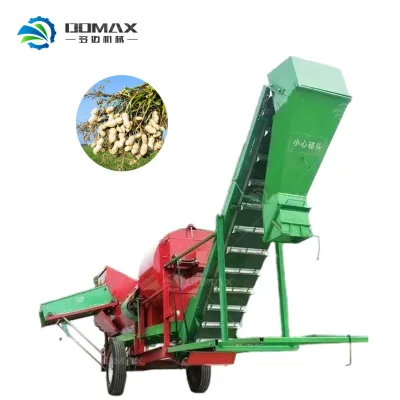
$3220.00 - $3420.00
MOQ: 1 sets

Zhengzhou Lerford Machinery Equipment Co., Ltd.
- Verified by SGS
- Trading Company
- China Henan
- Lead time15 days
- Avg. response≤ 5h
Main productsPellet Machine, Packing Machine, Vegetable Processing Machine, Fruit Washing Machine, Dryer Machine, Briquette Machine, Toothpick Machine, Snack Machine, Oil Press, Potato Chips Machine
Main marketsSouth America,Africa,Others(foreignTradeCapacity.exportBusinessCapacityMarketOther),Europe,North America





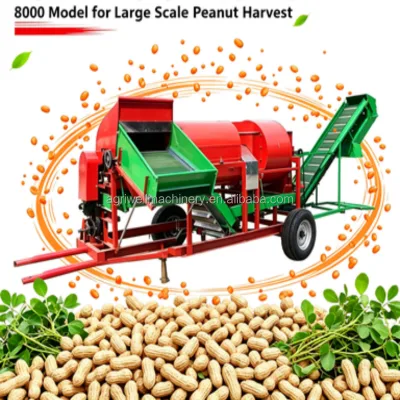
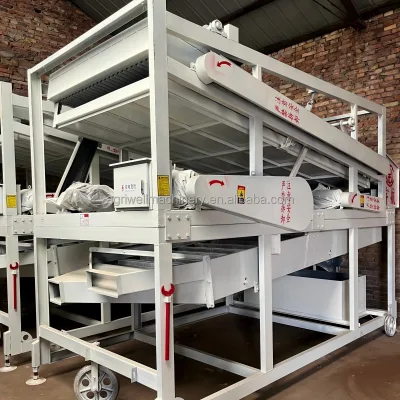
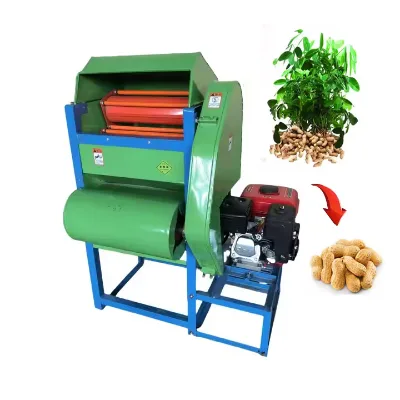
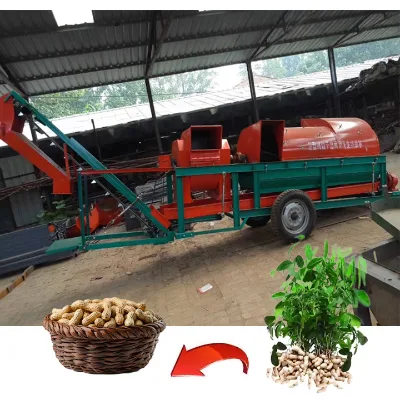


Comprehensive Sourcing Guide
High Efficiency Peanut Picking Machine Supplier Concentration and Factory Types
The current supplier landscape for high efficiency peanut picking machines reveals a distinct geographic concentration in China, specifically within the provinces of Henan and Shandong. These regions serve as primary manufacturing hubs for agricultural machinery, offering buyers access to a dense network of production facilities. In Henan, suppliers are predominantly identified as manufacturers or factories, indicating a direct link to production capabilities rather than mere distribution. This structural advantage often translates to greater control over the manufacturing process, allowing for more consistent quality assurance and potentially faster adaptation to specific technical requirements. The presence of established industrial clusters in these areas suggests a mature supply chain ecosystem, where components and specialized labor are readily available, supporting the efficient production of complex harvesting equipment.
In contrast, the supplier base in Shandong presents a more diversified company type structure, including both trading companies and manufacturers or factories. This mix introduces variability in how buyers interact with the source of the goods. Trading companies may offer a broader portfolio of related agricultural equipment, such as ploughs, harvesters, and fertilizer spreaders, potentially simplifying the procurement of complementary machinery. However, the presence of trading entities also means that buyers must carefully distinguish between direct factory sources and intermediaries. Understanding this distinction is crucial for evaluating pricing structures, communication efficiency, and the depth of technical support available. The coexistence of these different business models within the same regional cluster provides buyers with options, but it also necessitates a more rigorous due diligence process to ensure alignment with specific project needs and quality expectations.
How to Verify High Efficiency Peanut Picking Machine Suppliers
Verification of suppliers requires a multi-layered approach that goes beyond basic company profiles, focusing on third-party certifications and independent audit results. Several suppliers in the current results hold ISO 9001 system certification, which serves as a baseline indicator of standardized quality management processes. However, buyers should look for additional verification marks that provide deeper insights into operational integrity. For instance, some suppliers display CTI verification, while others are verified by SGS or TÜV Rheinland. These third-party validations offer objective assessments of the supplier’s business legitimacy, production capacity, and compliance with international standards. The presence of these specific verification badges allows buyers to gauge the reliability of the supplier’s claims regarding their manufacturing capabilities and financial stability, reducing the risk of engaging with unverified entities.
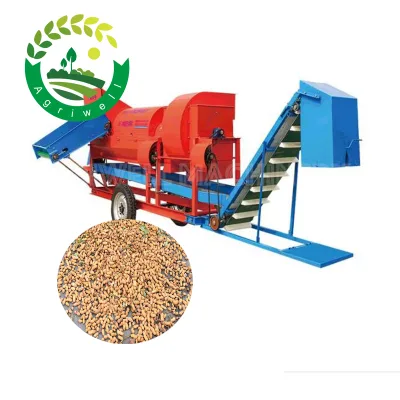
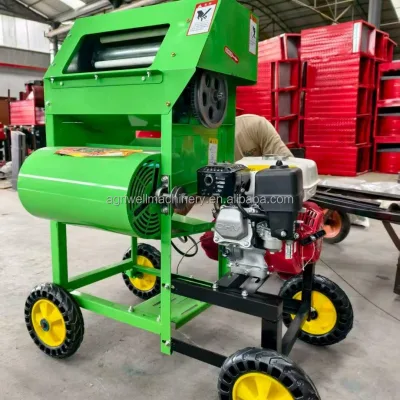
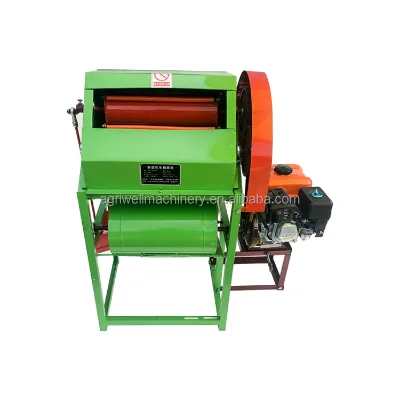
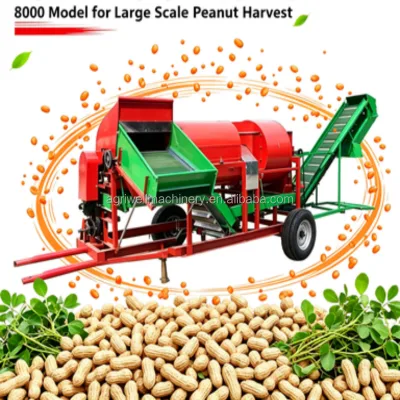
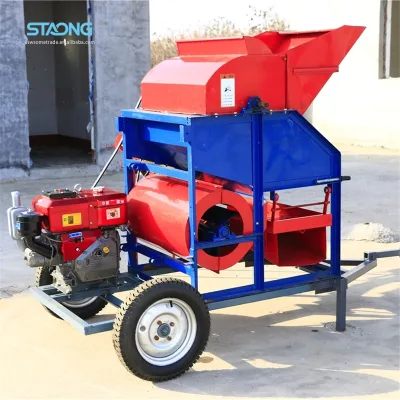
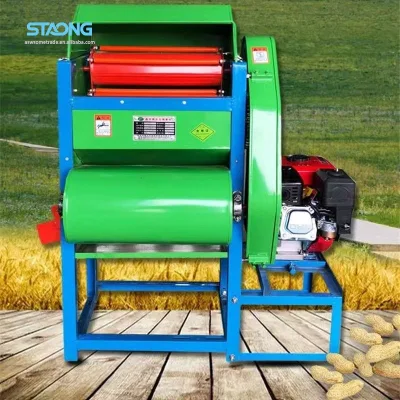
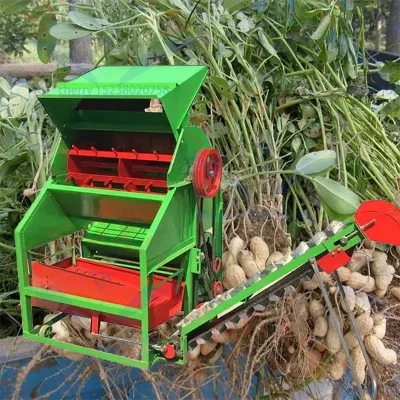
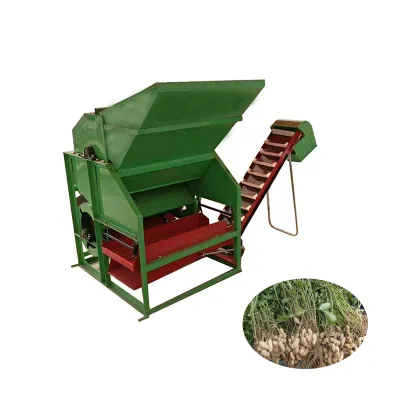
Beyond certifications, buyers should scrutinize the specific product attributes and technical specifications provided in the supplier listings to assess manufacturing competence. Detailed product data, such as transmission types, drive mechanisms, and power sources, indicates a level of technical transparency that is often lacking in less reputable listings. For example, specifications mentioning soft shaft transmission, gear drive, or specific power outputs like 7.5kw/12HP or 2.2kw demonstrate a clear understanding of the machinery’s operational requirements. Buyers should cross-reference these technical details with the supplier’s main product lists to ensure consistency. A supplier claiming to specialize in peanut pickers should have a coherent product line that aligns with these technical descriptions. Additionally, checking for certifications like CE, ISO9001:GMP, QS, or UL on specific product models can further validate the supplier’s commitment to safety and regulatory compliance, ensuring that the machinery meets the necessary standards for operation in various markets.
What to Compare Across High Efficiency Peanut Picking Machine Suppliers
When evaluating multiple suppliers, buyers must compare key operational metrics such as lead times, response speeds, and minimum order quantities to determine the best fit for their procurement strategy. Lead times vary significantly across the supplier base, with some offering a 15-day turnaround while others indicate a 23-day period. These differences can impact project timelines and inventory management, making it essential to align supplier capabilities with production schedules. Response times also differ, ranging from approximately 2.65 hours to 5.76 hours, which reflects the supplier’s responsiveness and customer service efficiency. Faster response times can be critical for resolving technical queries or negotiating customizations, ensuring that potential issues are addressed promptly. Buyers should prioritize suppliers whose operational metrics align with their urgency and communication preferences.
Price ranges and customization options are another critical dimension for comparison, as they directly influence the total cost of ownership and product suitability. Prices for high efficiency peanut picking machines span from as low as $650 to over $3,500, reflecting variations in model complexity, power output, and included features. Some suppliers offer models with production capacities of 400-600kg/H, while others provide different specifications tailored to specific agricultural needs. Customization is widely available, with many suppliers offering options for color, transmission type, and portable harvester configurations. Buyers should assess whether the available customization options meet their specific operational requirements, such as the need for side-hanging or backpack-type harvesters. Additionally, comparing the packaging methods, such as special tailored wooden cases versus iron net boxes, can provide insights into the supplier’s attention to detail and commitment to protecting the machinery during transit, which is vital for maintaining product integrity.
Common High Efficiency Peanut Picking Machine Sourcing Risks
One significant risk in sourcing high efficiency peanut picking machines is the potential mismatch between advertised specifications and actual product performance, particularly regarding power sources and drive types. Suppliers may list machines with electric power sources, while others offer diesel-powered options, each with distinct operational implications. Buyers must carefully verify the power source and drive mechanism, such as gear drive or vee belt, to ensure compatibility with their existing infrastructure and fuel availability. Misalignment in these technical specifications can lead to operational inefficiencies or additional costs for modifications. Furthermore, the variation in production capacities, ranging from 200kg/H to 600kg/H, requires buyers to accurately assess their harvesting volume needs to avoid under- or over-procurement. Failure to match the machine’s capacity with actual field requirements can result in bottlenecks or underutilized equipment, impacting overall farm productivity.
Another risk involves the variability in certification and compliance standards across different suppliers and product models. While some products display comprehensive certifications like CE, ISO9001:GMP, QS, and UL, others may only list basic ISO 9001 or lack detailed certification information. Buyers operating in regulated markets must ensure that the machinery meets all local safety and environmental standards. The absence of clear certification details can pose compliance risks, potentially leading to customs delays or legal issues upon import. Additionally, the diversity in application fields, including agriculture, livestock, aquaculture, and forestry, suggests that some machines may be marketed for multiple uses. Buyers should verify that the specific model they are purchasing is optimized for peanut harvesting and not a multi-purpose machine that may lack the specialized features required for efficient peanut picking. This verification is crucial to ensure that the investment yields the expected efficiency and reliability in the intended agricultural context.
High Efficiency Peanut Picking Machine Regional Sourcing and Logistics
Sourcing from China, particularly from the Henan and Shandong provinces, offers logistical advantages due to the established infrastructure for heavy machinery export. These regions are well-connected to major ports and transportation networks, facilitating the efficient shipment of large agricultural equipment. Buyers should consider the packaging methods specified by suppliers, such as special tailored wooden cases or iron net box packages, as these directly impact shipping costs and protection during transit. Wooden cases, while more expensive, often provide superior protection for delicate components, reducing the risk of damage during long-distance shipping. Understanding the packaging standards helps buyers estimate freight costs and insurance requirements more accurately. Additionally, the origin of the products, often listed as Henan Province or Dezhou, provides insight into the supply chain’s geographic flow, allowing buyers to plan logistics routes that minimize transit times and costs.
Logistical planning also involves coordinating with suppliers to ensure that all necessary documentation is prepared in advance, including commercial invoices, packing lists, and certificates of origin. Suppliers with faster response times may be more adept at handling these administrative tasks efficiently, reducing the likelihood of delays at customs. Buyers should also consider the weight and dimensions of the machinery, as these factors influence container loading and freight charges. For instance, machines weighing around 170kg or 30kg will have different space requirements and handling needs. By aligning logistical plans with the supplier’s packaging and shipping capabilities, buyers can streamline the import process and ensure that the high efficiency peanut picking machines arrive at their destination in optimal condition. This proactive approach to logistics management is essential for maintaining project timelines and avoiding unexpected costs associated with shipping delays or damage.
High Efficiency Peanut Picking Machine Commercial Terms and Order Planning
Commercial terms and order planning are critical components of a successful procurement strategy, requiring careful attention to minimum order quantities and payment structures. Many suppliers offer an MOQ of 1, which provides flexibility for buyers who need to test the market or replace individual units. This low barrier to entry allows for smaller initial orders, reducing financial risk and enabling buyers to evaluate the machine’s performance before committing to larger purchases. However, buyers should also consider the potential for volume discounts or favorable terms for larger orders, which can significantly reduce the per-unit cost. Understanding the pricing structure, including any additional fees for customization or expedited shipping, is essential for accurate budgeting. Buyers should request detailed quotations that break down costs for the machine, packaging, and shipping to ensure transparency and avoid hidden charges.
Order planning should also account for the supplier’s lead times and production capacity to ensure timely delivery. Suppliers with lead times of 15 to 23 days require buyers to plan their procurement cycles accordingly, allowing sufficient time for manufacturing, quality checks, and shipping. Buyers should establish clear communication channels with suppliers to monitor production progress and address any potential delays promptly. Additionally, considering the supplier’s response time can help in managing expectations and ensuring that queries are resolved quickly. By aligning order planning with the supplier’s operational capabilities and commercial terms, buyers can optimize their procurement process, minimize risks, and ensure that the high efficiency peanut picking machines are delivered as needed to support their agricultural operations. This strategic approach to commercial terms and order planning is vital for achieving a smooth and efficient sourcing experience.
FAQs
What production capacity can I expect from a High Efficiency Peanut Picking Machine?
Models listed in these results report a production rate of 400-600kg per hour, suitable for small and mid-sized farms. Larger industrial units may offer different throughput, so confirm capacity for your harvest volume. Also check the power requirement, since listed machines typically run at 7.5kw or 12HP, and verify the model matches your acreage before ordering.
What is the typical price range for a peanut picking machine?
Listed prices on this page range from about 650 to 3,500 US dollars depending on model, capacity, and configuration. Entry-level compact pickers sit at the lower end, while higher-capacity or multi-function harvesters cost more. Request a formal quotation with your required voltage, capacity, and destination port, because freight and optional customization are usually priced separately.
Do suppliers require a minimum order quantity for peanut picking machines?
Several machines on this page are listed with a minimum order quantity of just one unit, which suits buyers testing a new market or starting small. Larger orders may unlock better unit pricing and consolidated freight. Always confirm the current MOQ in writing before paying, as listed values can change with promotions or material costs.
How long does delivery usually take after payment?
Lead times reported by suppliers on this page range from roughly 15 to 23 days after order confirmation. Production schedules, customization requests, and order volume can extend this window, so agree on a firm delivery date in the contract. Sea freight time to your port should be added separately when planning your harvest season timeline.
What certifications should I verify before ordering a peanut picking machine?
Several listed suppliers hold ISO 9001 system certification, and some machine listings state CE, ISO9001, GQS, or similar marks. Ask for copies of valid certificates and confirm they apply to the exact model you are buying. Third-party verification badges such as CTI or SGS audited status can add reassurance, but you should still request recent inspection or test reports.
Which regions in China are these peanut picker machines sourced from?
The suppliers featured here are located in Henan and Shandong provinces, both established agricultural machinery manufacturing regions. Henan suppliers list harvester, feed pellet, and milling machines among their main products, while Shandong suppliers focus on ploughs, harvesters, and grain equipment. Location affects shipping port and inland freight cost, so factor this into your total landed price.
Can peanut picking machines be customized for my local requirements?
Yes, customization is listed as available on the featured machine listings, including color options such as red, blue, green, yellow, or a specified shade. Customization may also cover voltage, drive type, and packing. Expect customized orders to need a longer lead time than stock units, and confirm any extra charges in the proforma invoice before production begins.
How quickly do these suppliers typically respond to buyer inquiries?
Average response times reported for suppliers on this page range from about 2.7 to 5.8 hours. Fast response matters during harvest season planning, so message several suppliers with the same detailed inquiry covering capacity, power, and destination port. Compare not only speed but also the completeness of answers before choosing whom to negotiate with.