Low Noise Rice Grader Suppliers and Manufacturers
Compare 20 verified suppliers offering Low Noise Rice Grader machines with varying lead times, capacities, and certifications. Review response times and MOQs to select the right factory for your grain processing needs; review the available evidence before requesting comparable quotations from suitable candidates.
Updated
Suppliers List

Kaifeng Lecheng Machinery Co., Ltd.
- Verified by BV
- Trading Company,Manufacturer/Factory
- China Henan
- Lead time23 days
- Avg. response≤ 4h
Main productsSeed Cleaner, Vibration Cleaner, Gravity Separator, Gravity Table, Seed Treater, Packing Scale, Air Screen Seed Cleaner, De-Stoner, Soybean Cleaner, Bucket Elevator
Main marketsSouth America,Eastern Europe,Mid East,North America,Southeast Asia,Eastern Asia,Oceania,Western Europe,Africa


Rice Length Sorting Grading Equipment Length Grader for Rice Mill Plant
$5000.00 - $6500.00
MOQ: 1 set


HEBEI RUIXUE GRAIN SELECTING MACHINERY CO., LTD.
- Verified by SGS
- Combined
- China Hebei
- Lead time15 days
- Avg. response≤ 7h
Main productsSeed Cleaner & Grader, Seed Cleaning Machine, Gravity Separator, Destoner, Seed Treater, Seed Processing Line, Bagging Scale System, Bean Polishing Machine, Indented Cycliner, Elevators
Main marketsSouth America,Africa,Others(foreignTradeCapacity.exportBusinessCapacityMarketOther),East Asia(Japan/ South Korea),Domestic,Europe,Australia,North America

Hunan Xiang Liang Machinery Manufacture Co., Ltd.
- Manufacturer/Factory
- China Hunan
- Lead time23 days
- Avg. response≤ 17h
Main productsGrain Unloader, Wagon Unloader, Ship Unloader, Silo Unloader, Port Grain Unloader, Rice Milling Machine, Mobile Pneumatic Grain Unloader, Rice Processing Plant, Complete Set Rice Milling, Rice Polisher
Main marketsSouth America,Eastern Europe,Mid East,North America,Southeast Asia,Eastern Asia,Oceania,Western Europe,Africa
Guangzhou Fengtai Machinery Co., Ltd.
- Association
- Guangdong, China
- Lead time10 days
- Avg. response≤ 1h
Main productsRice Mill Machine,Rice Polisher,Destoner Machinery,Color Sorter,Grain Dryer
Main marketsAfrica(40.00%), Southeast Asia(25.00%), South America(25.00%), North America(5.00%), Eastern Europe(5.00%)
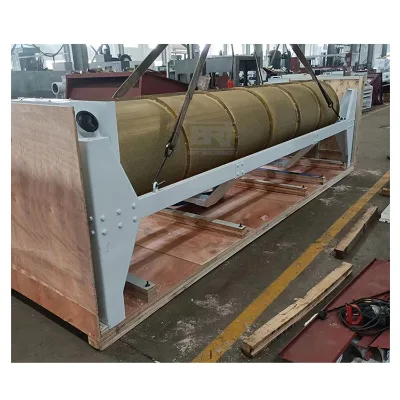
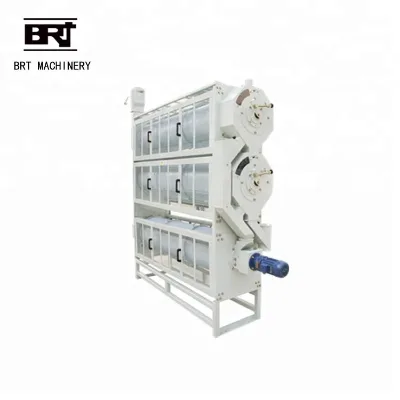
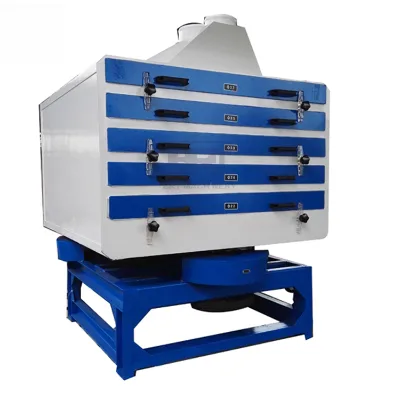
MMJP125*4 Rice Grader Rotary Rice Grading Machine Dandeka Rice Length Grader
$1000.00 - $1100.00
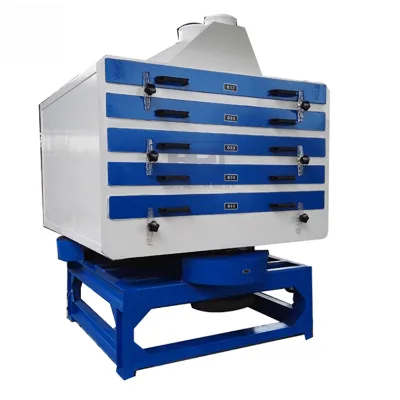
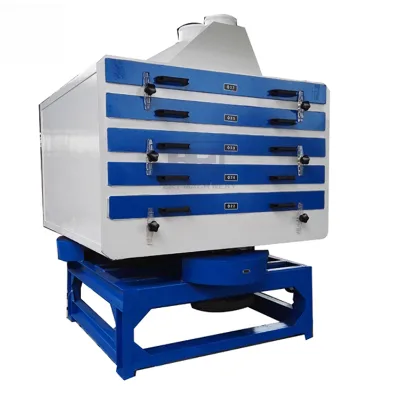
High Quality Factory Price Rotary 2t/h 4t/h Shape Rice Grader Machine
$1000.00 - $1100.00
MOQ: 1 units
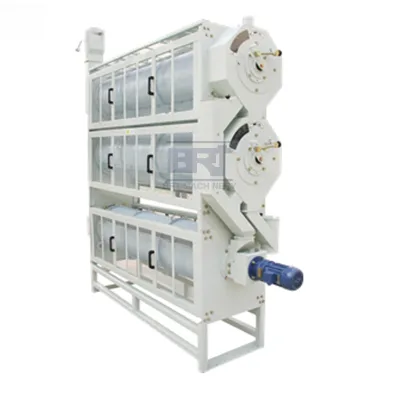
Jiangsu Jialiang Machinery Co., Ltd.
- Manufacturer, Trading Company
- Jiangsu, China
- Lead time15 days
- Avg. response≤ 18h
Main productsRice Milling Machinery
Main marketsDomestic Market(80.00%), Africa(13.00%), Southeast Asia(5.00%), South America(2.00%), South Asia(0.00%), Eastern Asia(0.00%), North America(0.00%), Oceania(0.00%), Western Europe(0.00%), Southern Europe(0.00%), Central America(0.00%), Northern Europe(0.00%), Eastern Europe(0.00%), Mid East(0.00%)
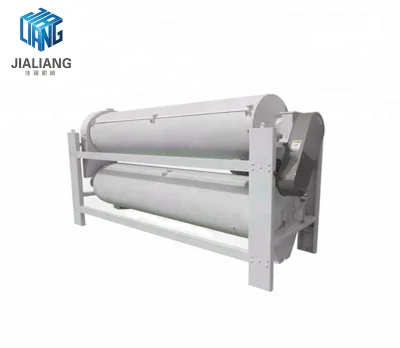
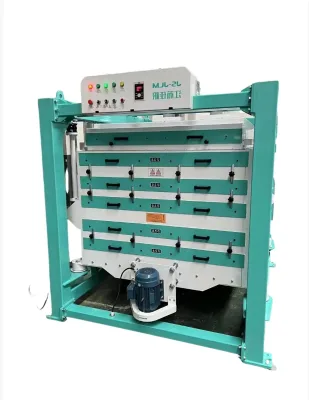
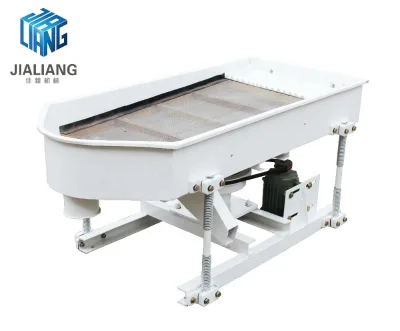
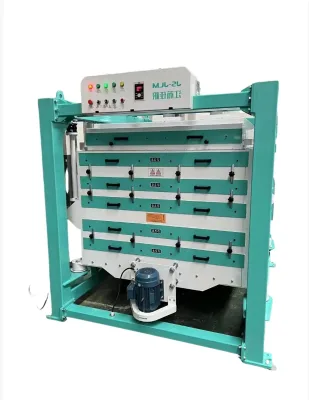
Rice Rotary Sifter Sorter Rice Shape Grader Sieve for Rice Processing
$5600.00 - $6000.00
Henan Formend Imp. & Exp. Co., Ltd
- Verified by SGS Group
- Trading Company
- Lead time10 days
- Avg. response≤ 3h
Main productsTractor, Sprayer, Grass Mower, Rice Mill, Disc Mill
Main marketsAfrica(40%), Southeast Asia(30%), Eastern Europe(10%)
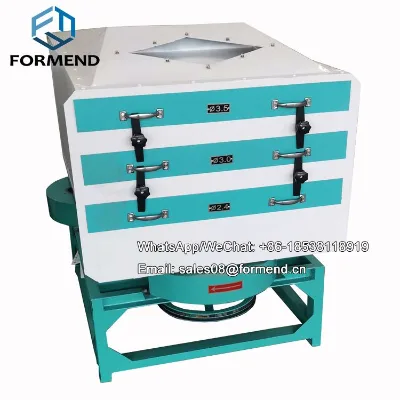
Rice Color Sorting Broken White Rice Grader
$680.00 - $750.00
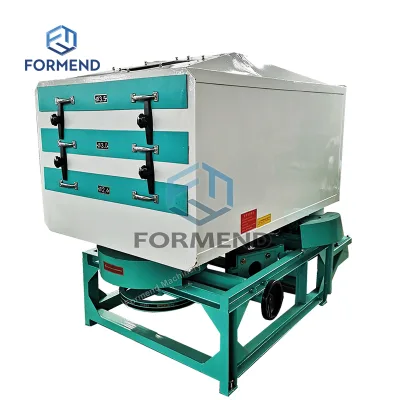
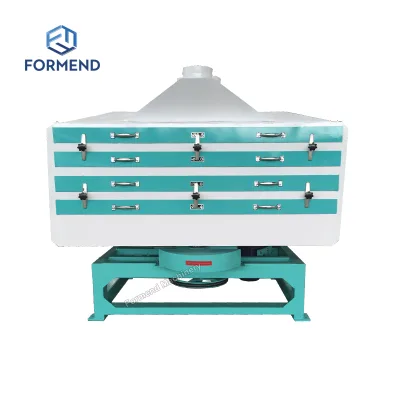
Compact Structure Rice Grader Sorter Suitable for Rice Factory and Grain Processing Plant
$974.7246 - $1128.6277
MOQ: 1 sets
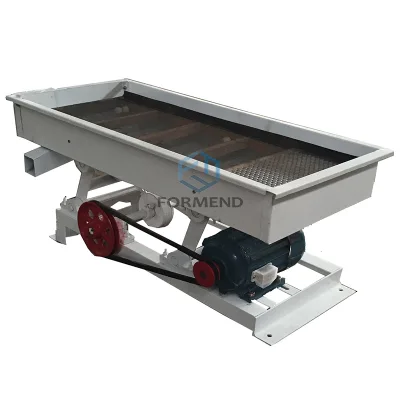
Zhengzhou Kovi Machinery Co., Ltd.
- Verified by SGS Group
- Trading Company
- Lead time6 days
- Avg. response≤ 4h
Main productsFiber Opening Pillow Filling Machine, Quilting Machine, Fabric Rolling Machine, Paper Tube Cutting Machine, Fabric Pleating Machine
Main marketsNorth America(20%), South America(20%), Eastern Europe(15%)
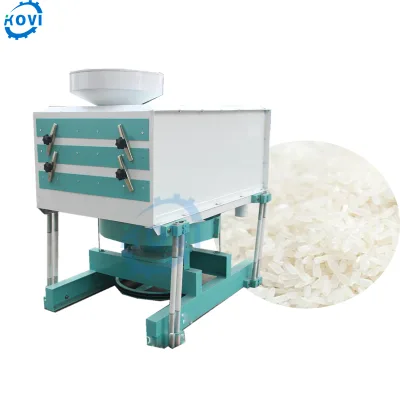
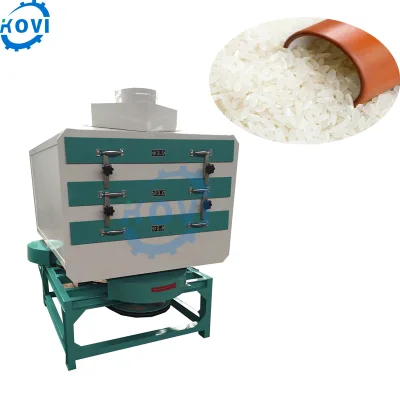
Factory Price Rice Grader Machine Rice Sorting Machine Automatic Rice Paddy Separator Machine
$827.0518 - $930.4333
MOQ: 1 sets

Hunan Chenzhou Grain And Oil Machinery Co., Ltd.
- Manufacturer
- Hunan, China
- Lead time0 days
- Avg. response≤ 21h
Main productsRice Milling Machine,Rice Processing Machines,Paddy Dryer,Grain processing machines,grain dryer
Main marketsSoutheast Asia(25.00%), Domestic Market(25.00%), South America(15.00%), South Asia(10.00%), Southern Europe(10.00%), Africa(10.00%), North America(5.00%)
Wuhan Dingxin Mechnical & Electic Equipment Co., Ltd.
- Trading Company
- Hubei, China
- Lead time20 days
- Avg. response≤ 4h
Main productsRice Whitener,Rice Polisher,Paddy Separator,Rice Husking Machine,Rice Grader
Main marketsMid East(30.00%), Southeast Asia(27.00%), Africa(15.00%), South Asia(10.00%), Eastern Asia(5.00%), North America(5.00%), South America(3.00%), Eastern Europe(3.00%), Oceania(2.00%)
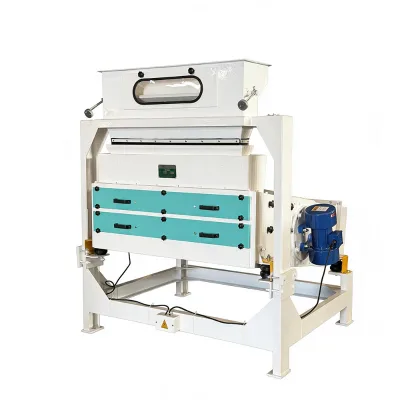
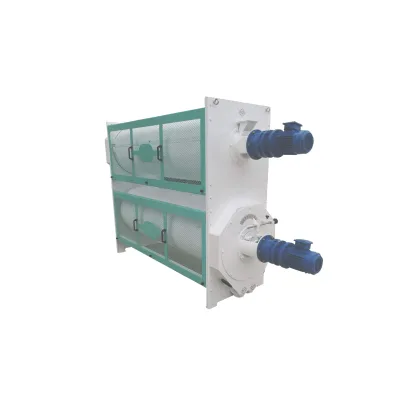
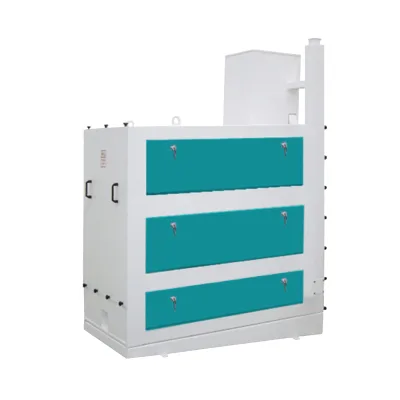
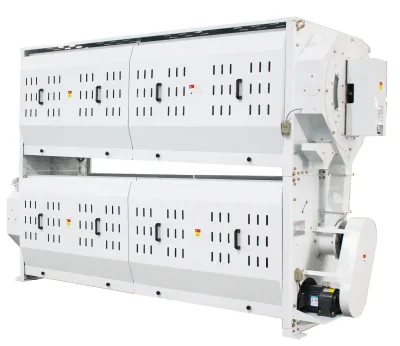
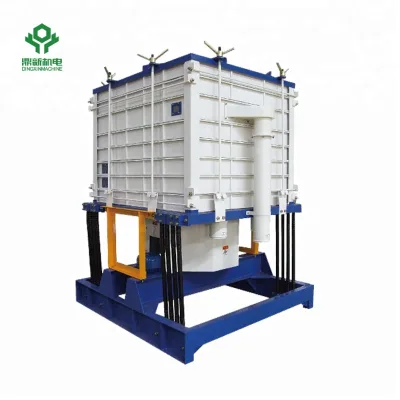
Best Price HS Rice Thickness Grader/Rice Separating Machine/Rice Grader for Sale
$3000.00 - $6000.00
MOQ: 1 sets
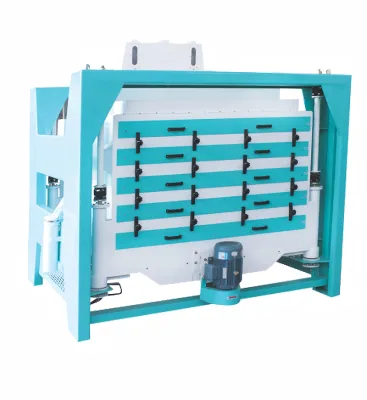
DM rice grader Rice Grading Machine Spares Rice Grader Machine Spares White Rice Plansifter
$1026.7292 - $1129.4021
MOQ: 1 units
Zhengzhou Taizy Trading Co., Ltd.
- Verified by TüVRheinland
- Trading Company
- Lead time7 days
- Avg. response≤ 3h
Main productsSnack Frying Machine, Fruit Vegetable Washing Line, Nuts Roasting Seasoning Line, Grain Product Making Machine, Multifunction Packing Machine
Main marketsSoutheast Asia(17%), Domestic Market(14%), North America(11%)
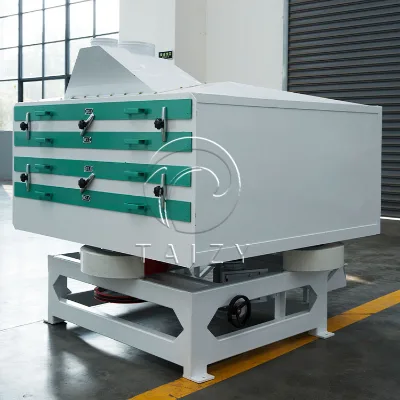
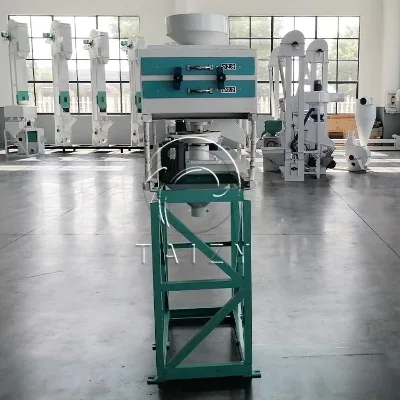
Rice Graded Sifter Shape Grader Shape Sorting Machine Rice Selected Grader Rice Mill Plant
$1100.00 - $2900.00
MOQ: 1 sets
Hubei Wufeng Grain Machine Imp & Exp Co., Ltd.
- Manufacturer, Trading Company
- Hubei, China
- Lead time15 days
- Avg. response≤ 3h
Main productsRice Mill Plant,Rice Whitener,Rice Polisher,Rice Huller,Paddy Separator
Main marketsDomestic Market(45.00%), Southeast Asia(15.00%), South Asia(10.00%), Mid East(8.00%), North America(5.00%), South America(5.00%), Africa(5.00%), Eastern Europe(2.00%), Southern Europe(2.00%), Eastern Asia(1.00%), Northern Europe(1.00%), Western Europe(1.00%)
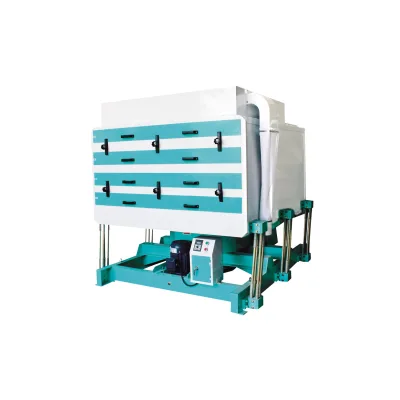
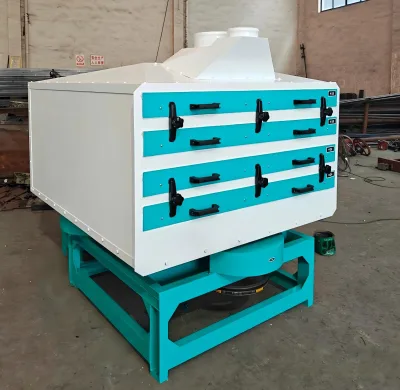
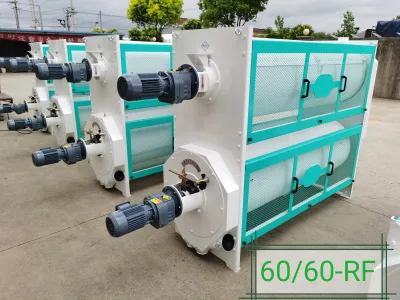
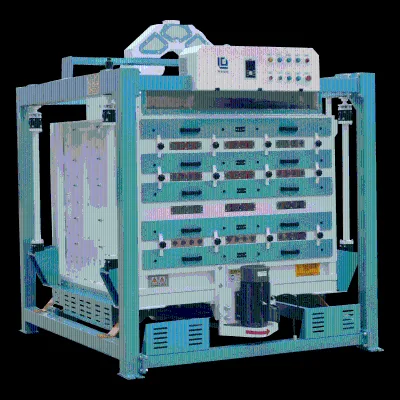
$5693.8905 - $7246.7697
MOQ: 1 Minimum
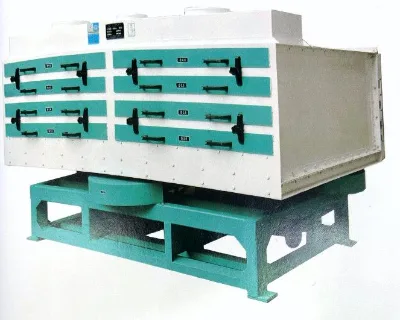
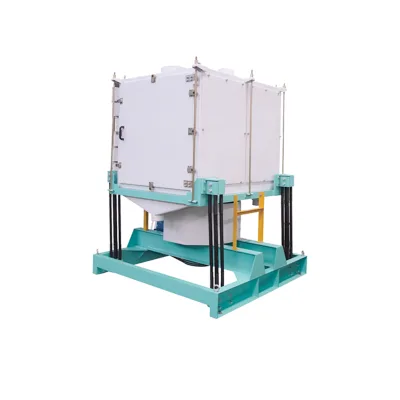
Shandong Unio Machinery Equipment Co., Ltd.
- Verified by Intertek
- Trading Company
- Lead time10 days
- Avg. response≤ 2h
Main productsCultivator, Grain Processing Machine, Harvester, Tractor, Feed Processing Machine
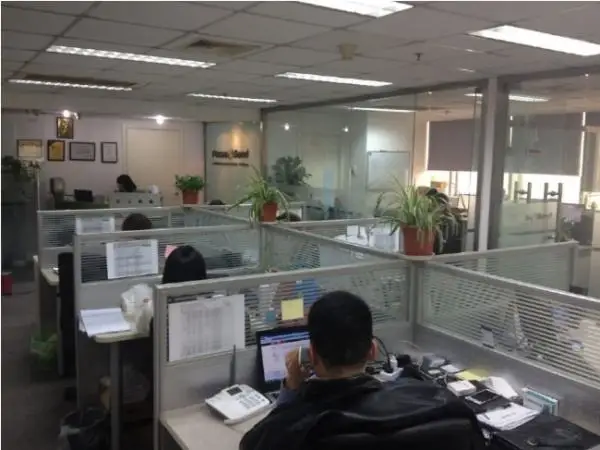
Zhengzhou Awisy Machinery Equipment Co., Ltd.
- Trading Company
- Henan, China
- Lead time20 days
- Avg. response≤ 2h
Main productsRice machine,fruit vegetable processing machines,Packing machine,Food cart,snack making machine
Main marketsAfrica(35.00%), Western Europe(20.00%), North America(20.00%), South America(20.00%), Mid East(5.00%)
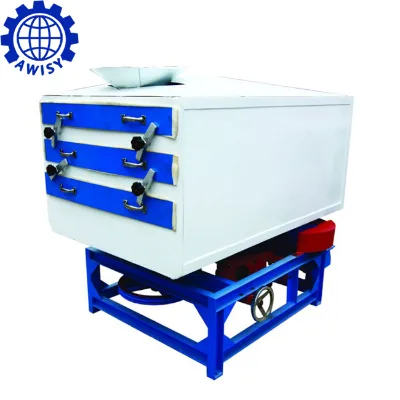
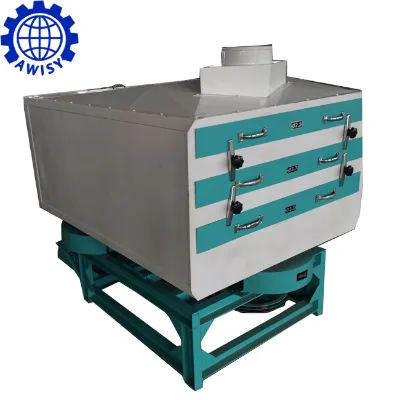
White Rice Grading Rotary Sieve
$1000.00

JIANGSU HUALIANG MACHINERY CO., LTD.
- Combined
- China Jiangsu
- Lead time30 days
- Avg. response≤ 2h
Main productsScrew Conveyor, Bucket Elevator, Scraper Conveyor, Tube Chain Conveyor, Belt Conveyor, Indent Cylinder Separator
Main marketsSouth America,Africa,Southeast Asia/ Mideast,Domestic,Europe,Australia
Zhengzhou Jieyuan Machinery Manufacturing Co., Ltd.
- Trading Company
- Henan, China
- Lead time7 days
- Avg. response≤ 2h
Main productsCurtain machine,quilt machine,cotton fiber machine,Aluminum cutting machine,Pipe bending machine
Main marketsSouthern Europe(20.00%), Western Europe(20.00%), South Asia(10.00%), Africa(10.00%), Central America(10.00%), Mid East(5.00%), South America(5.00%), Northern Europe(5.00%), Southeast Asia(5.00%), North America(5.00%), Eastern Asia(5.00%)
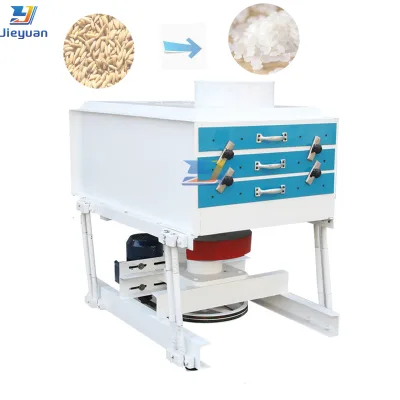
New Condition Rice Grading Machine Broken Paddy Shifter Planer Home Use Selected Rice Shape Grader
$700.00 - $800.00
MOQ: 1 sets
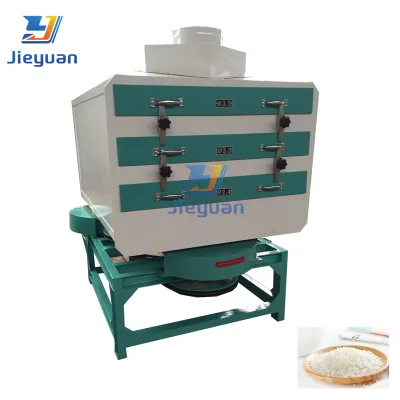
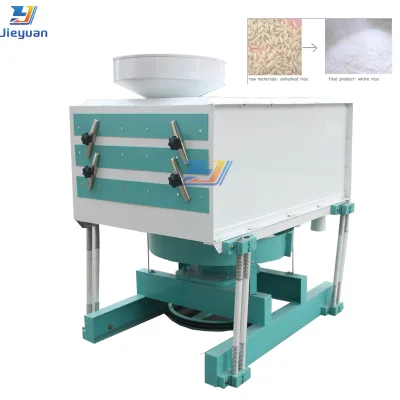
White Rice Panning Sifter Machine Efficient Rice Grading Tool for Grain Cleaning and Grading
$700.00 - $800.00
MOQ: 1

Wuhan Bailong Star Machinery Co., Ltd.
- Trading Company
- Hubei, China
- Lead time20 days
- Avg. response≤ 3h
Main productsFood Processing Machinery,Poultry Equipment,Agricultural Machinery,Rice Milling Machinery,Industry Machine
Main marketsSouth Asia(31.00%), Southeast Asia(20.00%), Domestic Market(11.00%), Africa(10.00%), South America(8.00%), Eastern Asia(7.00%), Central America(4.00%), Northern Europe(2.00%), Mid East(2.00%), North America(2.00%), Eastern Europe(1.00%), Western Europe(1.00%), Southern Europe(1.00%)
Zhengzhou Jialiang Machinery Co., Ltd.
- Trading Company
- Henan, China
- Lead time30 days
- Avg. response≤ 5h
Main productsGrain Cleaning Machine,Food Processing Machine,Wheat Flour Mill,Maize Flour Milling,Rice Mill
Main marketsAfrica(40.00%), Mid East(10.00%), North America(10.00%), Southeast Asia(10.00%), Eastern Europe(10.00%), Southern Europe(5.00%), Northern Europe(5.00%), Western Europe(5.00%), Eastern Asia(5.00%)
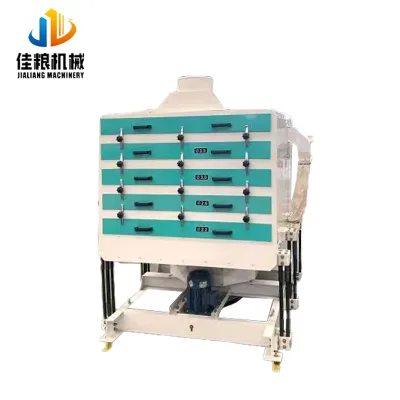
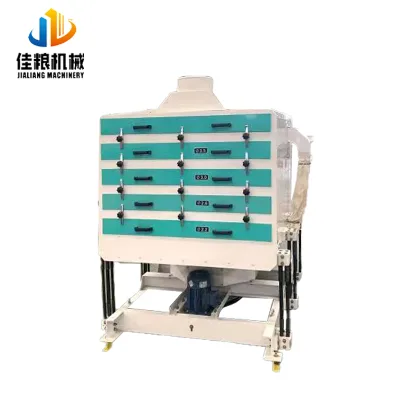
Gravity Rice Grader Machine with Bearing Core High Capacity for Farm and Rice Factory Use
$1034.5338
MOQ: 1 Minimum
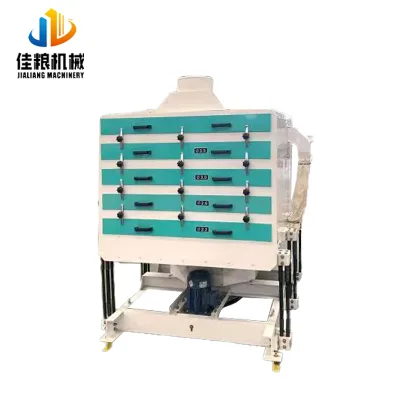
2Tons Multi-layered White Rice Grader Machine Grain Beans Sifter Rice Rotary Sifter
$1137.9872
MOQ: 1 Minimum
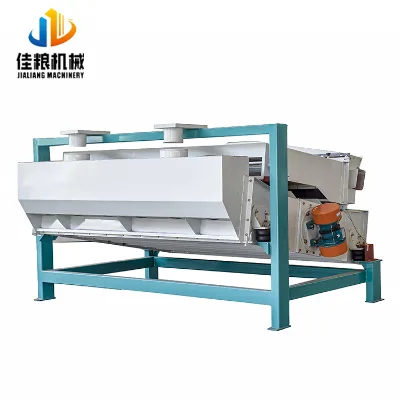
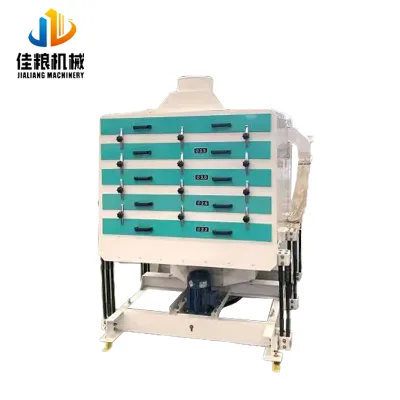
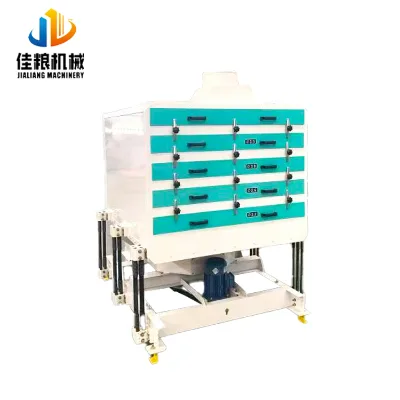
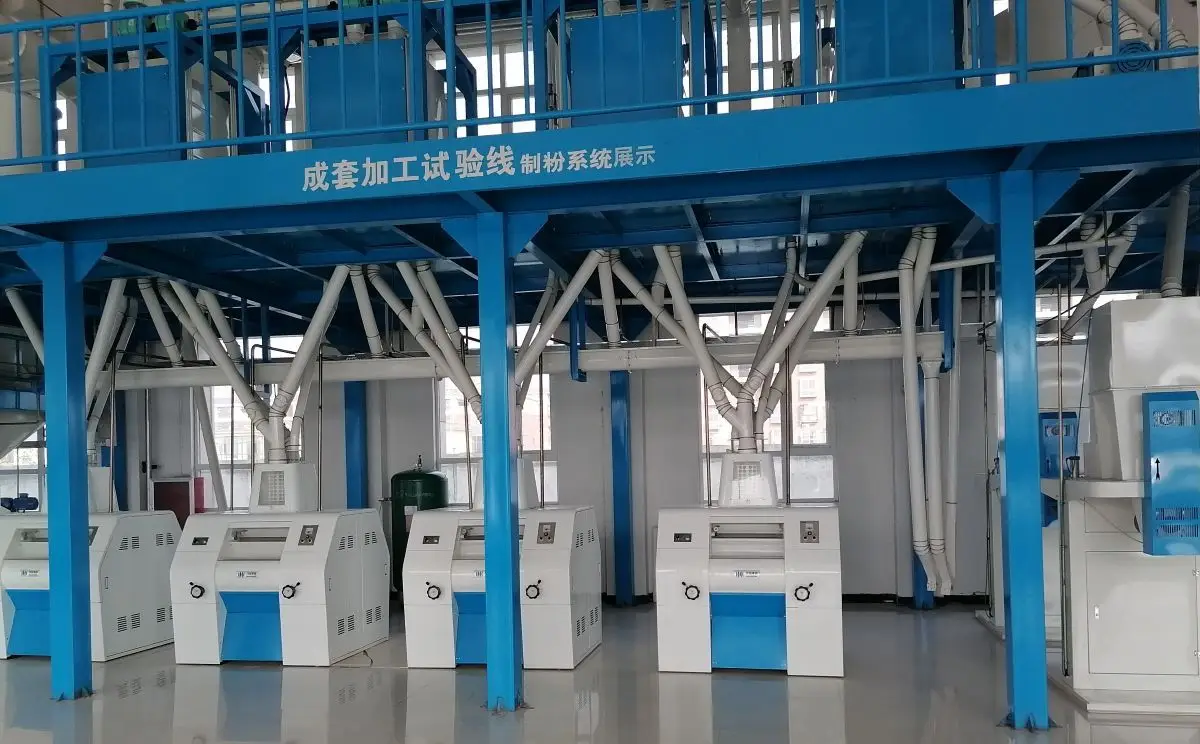
TQLZ Vibrating Cleaner Grader for Paddy Rice with Dust and Light Impurity Remova
$1634.9292 - $3065.4922
MOQ: 1 Minimum
Wuhan Good Rain Machinery Co., Ltd.
- Manufacturer, Trading Company
- Hubei, China
- Lead time15 days
- Avg. response≤ 8h
Main productsRice milling machinery,flour milling machinery,Agricultural machinery,Food and beverage machinery,grain proceesing machinery
Main marketsSoutheast Asia(25.00%), Mid East(20.00%), South America(20.00%), Domestic Market(15.00%), Africa(10.00%), Eastern Europe(3.00%), South Asia(2.00%), North America(1.00%), Eastern Asia(1.00%), Southern Europe(1.00%), Central America(1.00%), Western Europe(1.00%)

Hebei HELIDA Grain Selecting Machinery Technology Co., Ltd.
- Verified by TUVRHEINLAND
- Combined
- China Hebei
- Lead time30 days
- Avg. response≤ 4h
Main productsSeed Cleaner, Seed Cleaning Machine, Combined Seed Cleaner, Gravity Destoner, Gravity Separator, Packing Machine, Color Soter, Grader, Fine Seed Cleaner
Main marketsSouth America,Africa,Southeast Asia/ Mideast,Europe,North America

Shijiazhuang Green Torch Seed Machinery Co., Ltd.
- Combined
- China Hebei
- Lead time23 days
- Avg. response≤ 1h
Main productsGrain Seed Cleaning Machine
Main marketsAfrica,Southeast Asia/ Mideast,Domestic






Comprehensive Sourcing Guide
Low Noise Rice Grader Supplier Concentration and Factory Types
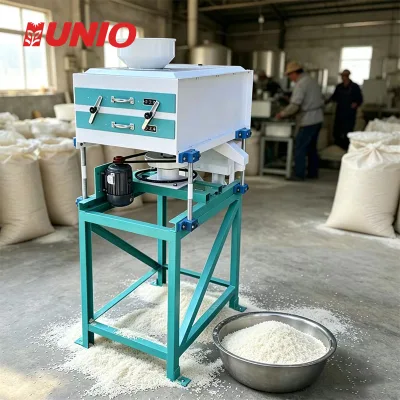
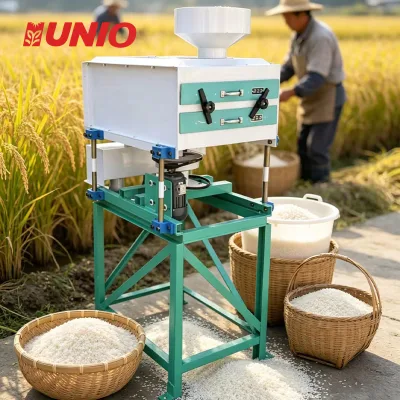
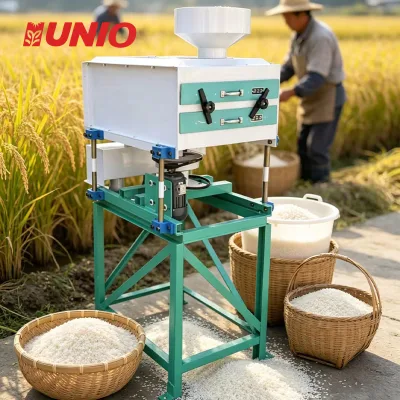
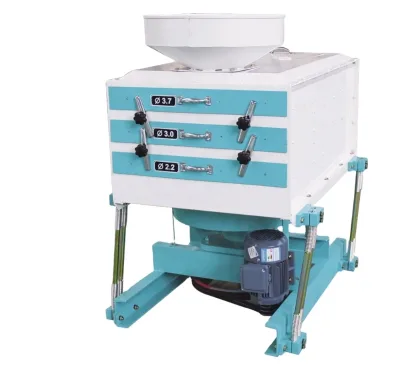
The current supplier landscape for Low Noise Rice Grader equipment reveals a distinct geographic concentration in China, specifically within the Henan and Hebei provinces. These regions serve as primary manufacturing hubs for grain processing machinery, including seed cleaners, gravity separators, and length graders. Suppliers located in Henan often operate as either trading companies or manufacturer/factories, offering a blend of direct production capabilities and broader market access. This dual nature allows buyers to access a wider variety of models, such as the Indented Cylinder Separator or Vibration Cleaners, while still benefiting from localized supply chain efficiencies. The presence of these facilities in Kaifeng, Henan, indicates a specialized cluster where technical expertise in grain cleaning and grading is deeply rooted. Buyers evaluating suppliers should recognize that this regional density facilitates easier communication and potentially faster logistics for heavy machinery components. However, the distinction between a pure trading entity and a factory with its own brand or OEM/ODM capacity is critical. A manufacturer/factory type typically offers more direct control over customization and quality assurance processes, whereas a trading company might provide better flexibility in sourcing complementary parts like bucket elevators or packing scales. Understanding this structural difference helps in assessing who holds the actual technical knowledge for low noise operations. The concentration in these specific Chinese provinces suggests that buyers will find a competitive market with multiple options for vertical and horizontal grader configurations. It is essential to verify the actual operational status of these entities, as some may primarily act as intermediaries despite claiming manufacturing capabilities. The availability of both OEM and own brand options further complicates the landscape, requiring careful due diligence to ensure the supplier’s stated type aligns with their actual production resources. This regional focus provides a solid foundation for sourcing, but the internal structure of each supplier dictates the level of service and technical support available.
How to Verify Low Noise Rice Grader Suppliers
Verification is a critical step when sourcing Low Noise Rice Grader equipment, as the market includes both verified and unverified entities. Current data indicates that some suppliers hold BV (Bureau Veritas) verification, while others possess SGS certification. These third-party validations provide a baseline of trust regarding the supplier’s business legitimacy and operational stability. Buyers should prioritize suppliers with these specific verification badges, as they undergo rigorous audits of their financial standing and business practices. Beyond basic verification, system certifications offer deeper insights into quality management and environmental standards. Many suppliers in this sector display ISO 9001, ISO 14001, or ISO 22000 certifications, which are relevant for food-grade machinery like rice graders. Some also hold CE certification, which is crucial for compliance in international markets, particularly in Europe and regions adopting similar standards. The presence of ISO 9001:2015 or ISO 9001:2008 certificates suggests a structured approach to quality control, which is vital for ensuring the low noise performance of the machinery. Buyers must actively check these credentials rather than assuming their validity. It is also important to note that some suppliers may list multiple certifications, such as HACCP or GMP, which indicate a broader commitment to food safety standards. However, the relevance of these certifications varies; for a mechanical grader, ISO and CE are typically more pertinent than agricultural-specific standards. Buyers should request copies of these certificates and verify their expiration dates and scope. Additionally, the response time of a supplier can be an indirect indicator of their operational efficiency. A faster response time, such as under four hours, often correlates with a more organized and responsive support team. Conversely, slower response times may signal potential delays in communication or after-sales service. By combining verification badges, certification checks, and response time analysis, buyers can build a comprehensive profile of each supplier’s reliability. This multi-layered verification process reduces the risk of engaging with unreliable entities and ensures that the chosen supplier meets international quality and safety benchmarks.
What to Compare Across Low Noise Rice Grader Suppliers
When comparing suppliers for Low Noise Rice Grader equipment, several key dimensions must be evaluated to ensure the best value and performance. Lead time is a significant factor, with current data showing variations such as 15 days and 23 days. A shorter lead time can be crucial for projects with tight deadlines, but it should not come at the expense of quality. Buyers should also consider the minimum order quantity (MOQ), which is often set at one unit for these machines, allowing for flexible purchasing. Response time is another critical metric; suppliers with faster response rates, such as those under four hours, are generally more reliable for addressing technical queries and resolving issues quickly. The main products offered by each supplier provide insight into their specialization. Some focus heavily on seed cleaners and gravity separators, while others offer a broader range including destoners and seed treaters. This specialization can indicate a deeper expertise in specific types of grain processing. Capacity and customization options are also vital; suppliers offering OEM, ODM, and own brand services provide greater flexibility for tailored solutions. The voltage and power requirements of the machinery, such as 380V or electric power sources, must match the buyer’s facility infrastructure. Additionally, the application range, whether for rice, wheat, beans, or flour, determines the versatility of the equipment. Buyers should compare the physical dimensions and weight of the machines, as these affect installation and space requirements. For instance, some models have specific overall dimensions like 217015501530mm, which must fit within the available plant space. The certification of the product itself, such as ISOCE or CE, ensures compliance with safety and quality standards. By systematically comparing these attributes, buyers can identify suppliers that best align with their operational needs and technical specifications. This comparative analysis helps in making an informed decision that balances cost, speed, and technical suitability.
Common Low Noise Rice Grader Sourcing Risks
Sourcing Low Noise Rice Grader equipment from international suppliers, particularly in China, involves several inherent risks that buyers must mitigate. One primary risk is the discrepancy between advertised specifications and actual product performance. Suppliers may claim low noise operations, but without specific decibel ratings or test reports, this remains an unverified assertion. Buyers should be cautious of suppliers who do not provide detailed technical data on noise levels, vibration isolation, or acoustic treatments. Another significant risk is the variability in build quality and materials. While some suppliers offer robust constructions with specific weights and dimensions, others may use inferior components that degrade quickly. The risk of receiving machinery that does not meet the stated capacity, such as the 3 T/H or 1-10ton ranges, is also present if quality control is lax. Buyers must verify the actual processing capacity through third-party testing or detailed performance guarantees. Additionally, the risk of logistical damage is high due to the heavy nature of these machines, which can weigh up to 1300kg or more. Improper packing, such as inadequate wooden cases or plastic wrapping, can lead to damage during transit. Buyers should insist on robust packing standards and consider insurance for high-value shipments. There is also the risk of after-sales support failures. If a supplier has a slow response time or lacks local service partners, resolving mechanical issues can be costly and time-consuming. Buyers should assess the supplier’s commitment to post-sale support, including warranty terms and availability of spare parts. The risk of non-compliance with local regulations is another concern, especially if the supplier’s certifications, such as CE or ISO, are not valid in the buyer’s country. Buyers must verify the authenticity and scope of these certifications. Finally, the risk of currency fluctuation and payment security cannot be ignored. Using secure payment methods and escrow services can protect buyers from financial loss. By identifying and addressing these risks proactively, buyers can ensure a smoother sourcing experience and secure reliable Low Noise Rice Grader equipment.
Low Noise Rice Grader Regional Sourcing and Logistics
Regional sourcing from China, specifically Henan and Hebei provinces, offers distinct logistical advantages and challenges for Low Noise Rice Grader procurement. The concentration of suppliers in these areas facilitates efficient consolidation of shipments, reducing overall freight costs. However, the heavy weight of the machinery, often exceeding 500kg to 1300kg, requires specialized handling and robust packaging. Buyers must ensure that the supplier uses appropriate packing methods, such as wooden cases or containers, to protect the equipment during transit. The distance from the factory to the nearest port can impact lead times and shipping costs. Suppliers in Kaifeng, Henan, may have different logistical routes compared to those in Hebei, affecting the total delivery time. Buyers should work closely with their suppliers to determine the most cost-effective shipping method, whether by sea or air, depending on the urgency of the order. Sea freight is generally more economical for heavy machinery, but it requires careful planning to avoid delays. The risk of port congestion or customs clearance issues can also affect delivery schedules. Buyers should factor in potential delays when planning their installation timelines. Additionally, the regional infrastructure in these manufacturing hubs is well-developed, which aids in the efficient movement of goods. However, buyers must be aware of local export regulations and documentation requirements. Ensuring that all necessary certificates, such as CE or ISO, are included in the shipping documents is crucial for smooth customs clearance. The choice of supplier location can also influence the availability of local support and spare parts. Suppliers in established industrial clusters may have better access to component suppliers, reducing the risk of production delays. Buyers should consider the total landed cost, including freight, insurance, and duties, when evaluating suppliers from different regions. By understanding the logistical implications of regional sourcing, buyers can optimize their supply chain and ensure timely delivery of their Low Noise Rice Grader equipment.
Low Noise Rice Grader Commercial Terms and Order Planning
Commercial terms and order planning are pivotal in securing the best value for Low Noise Rice Grader equipment. Pricing varies significantly based on the model, capacity, and customization options. Current data shows price ranges from approximately $2,015 to $30,000, depending on the complexity and features of the machine. Buyers should request detailed quotations that break down costs for the base unit, customization, and shipping. It is essential to clarify whether the price includes installation, training, or after-sales support. Payment terms are another critical aspect; buyers should negotiate favorable conditions, such as a deposit followed by payment upon shipment or delivery. Using secure payment methods and escrow services can protect against fraud and ensure that funds are released only upon satisfactory delivery. The minimum order quantity (MOQ) is often flexible, with many suppliers accepting single-unit orders, which is beneficial for small-scale operations. However, bulk orders may attract discounts, so buyers should evaluate their long-term needs before placing large orders. Warranty terms should be clearly defined, covering parts, labor, and duration. Buyers should also inquire about the availability of spare parts and the cost of maintenance. Customization options, such as specific voltage requirements or dimensions, may incur additional costs and extend lead times. Buyers must communicate their specific requirements clearly to avoid misunderstandings. The lead time, ranging from 15 to 23 days, should be factored into the project schedule. Buyers should also consider the supplier’s response time for technical queries, as quick communication can prevent delays. Finally, buyers should plan for installation and commissioning, ensuring that their facility is ready to receive and operate the new equipment. By carefully managing commercial terms and order planning, buyers can minimize risks and ensure a successful procurement process for their Low Noise Rice Grader needs.
FAQs
What noise levels should I expect from a rice grader?
Suppliers rarely publish exact decibel figures for rice graders, so you should request measured noise data at your intended operating speed before ordering. Noise depends on cylinder rotation speed, bearing condition, vibration isolation, and installation base. Ask whether a sound test can be performed during factory inspection, and confirm the machine frame and anchors are specified to reduce vibration transfer in your rice mill plant.
What capacity options are available for rice length graders?
Listed models cover a wide range, including an indented cylinder separator rated at 3 T/H, a length grader line spanning 1-10 tons, and a rice or paddy grader with 2-20 T/H capacity using 1-4 cylinders. Match capacity to your paddy throughput and upstream cleaner. Confirm whether quoted capacity refers to raw paddy or milled rice, since bulk density differences affect real output.
What is the typical price range for a rice grader machine?
Observed listings range from roughly 2,015 to 30,000 US dollars depending on model and configuration. Smaller vibration cleaners sit at the lower end, mid-size length graders quote between 4,200 and 6,500 dollars, and fine seed cleaner and grader units reach 11,000 to 30,000 dollars. Always confirm what accessories, spare cylinders, and packaging are included before comparing offers.
Can rice graders be customized for my mill layout?
Yes, customization is listed as available across the featured machines, including cylinder count, cylinder type, and connection in series or parallel. Options include single, parallel, series, or multi-cylinder layouts with 1.2 to 3 meter cylinder lengths. Provide your grain type, floor space, voltage, and required capacity so the supplier can propose a suitable configuration and confirm any price adjustment.
What is the minimum order quantity for a rice grader?
A minimum order quantity of 1 set is shown for the indented cylinder separator listing, which is typical for this machinery category. Confirm the MOQ in writing for the specific model you want, because custom configurations may carry different terms. Also verify whether spare parts, additional cylinders, or installation support can be ordered together with the initial single-unit purchase.
What certifications should I verify before ordering a rice grader?
Listed machines reference ISO9001:2008 and CE, and one supplier holds an ISO9001:2015 certificate with SGS verification. Ask for copies of current certificates and confirm they apply to the exact model quoted, not just the factory. For destination markets, check whether additional marks such as SONCAP are needed for customs clearance and request test reports for electrical safety and performance.
How fast do rice grader suppliers respond to inquiries?
Recorded average response times among the listed suppliers are about 3.88 and 6.38 hours, which indicates replies within the same working day in many cases. Response speed can vary with time zones and inquiry complexity. Include your grain type, target capacity, voltage, and destination port in the first message so suppliers can quote accurately without repeated clarification rounds.
How long does production and delivery of a rice grader take?
Observed lead times among listed suppliers are about 23 days and 15 days respectively, excluding shipping. Actual timing depends on model availability, customization level, and order queue at the time of purchase. Ask the supplier to confirm a production schedule in the proforma invoice, and plan for sea freight and destination customs separately when calculating your project timeline.