Source 8 Person Fiberglass Fishing Boat for fishing, drifting, and runabout
Compare 30 listings for an 8 Person Fiberglass Fishing Boat with features like vacuum absorption technology and 5-year hull guarantees. Buyers can evaluate specifications including capacity, fuel type, and customization options from verified suppliers in China; compare the available evidence and request quotations based on your requirements.
Updated
Key considerations
Products List


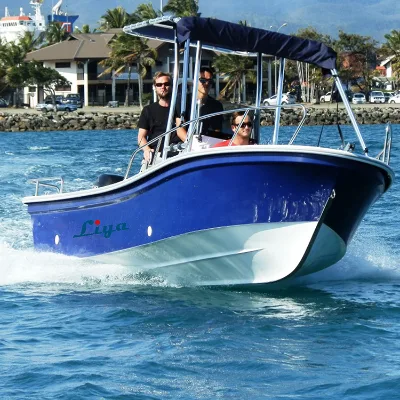
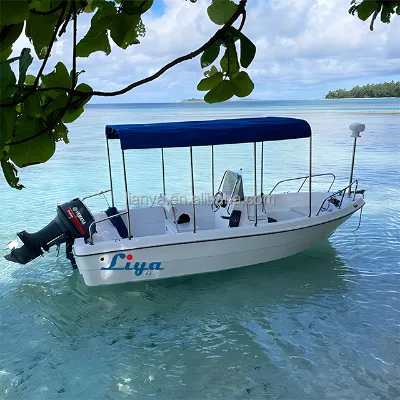
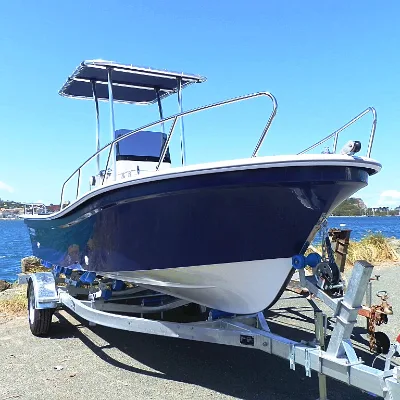


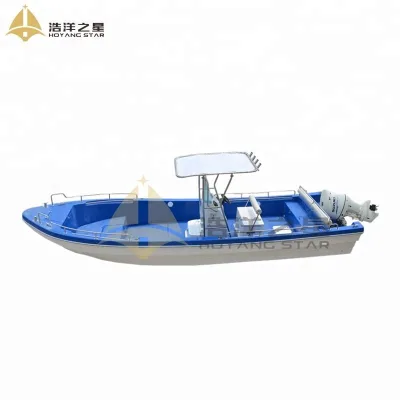
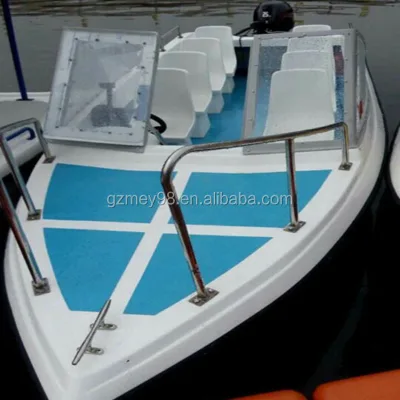
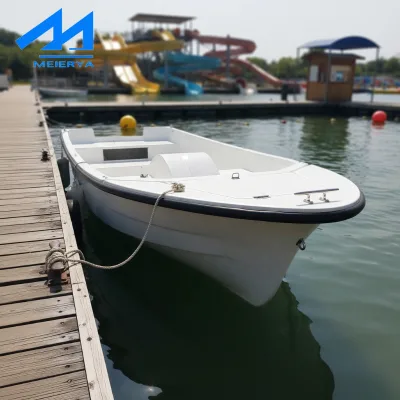
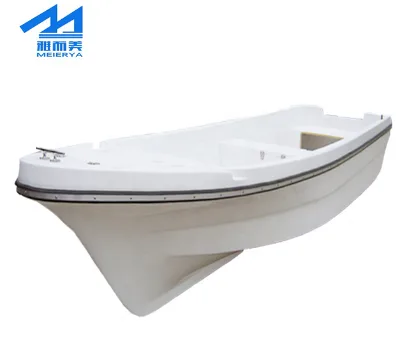
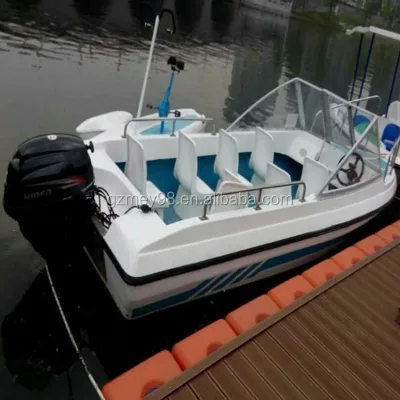
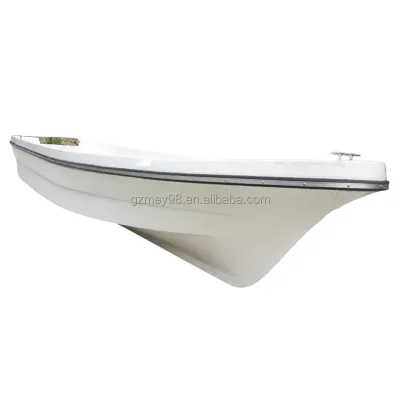
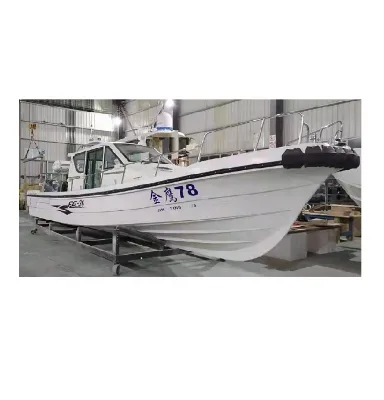
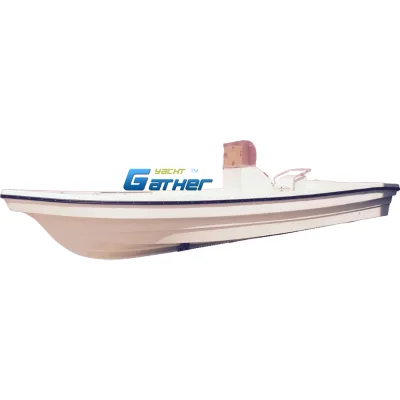
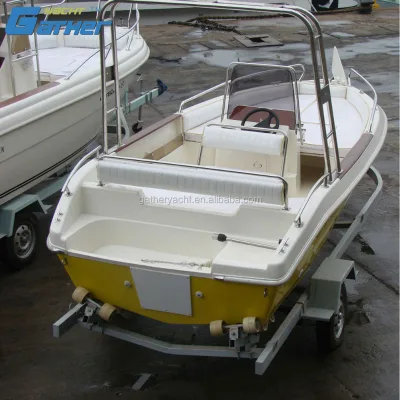
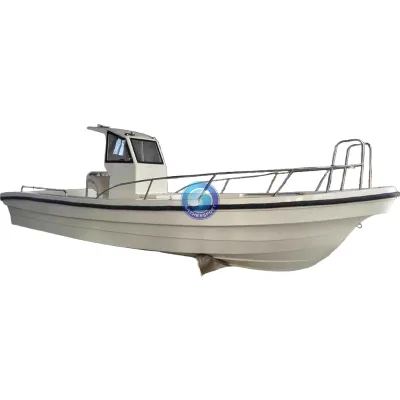
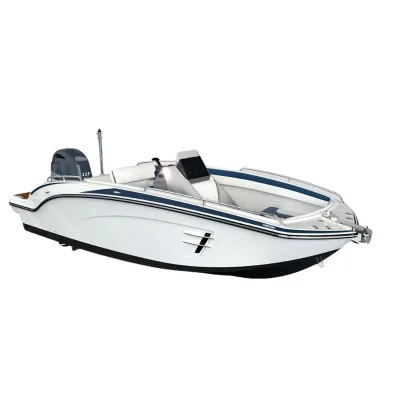
Budget-friendly 19ft Fiberglass Boat-5.8m Fishing & Sport Combo, Ce Certificated
$7201.7656 - $9259.4129
MOQ: 1 sets
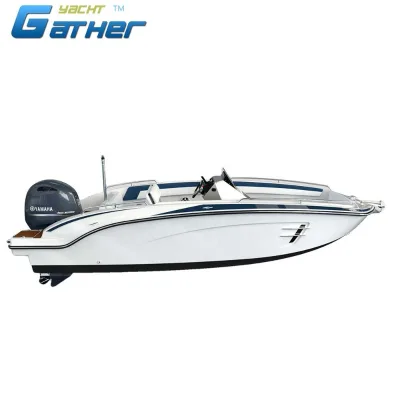
Factory supply agent wanted hot sale 6 persons 19ft fiberglass speed boat frp 580
$7054.1021 - $7780.2597
MOQ: 1 pieces
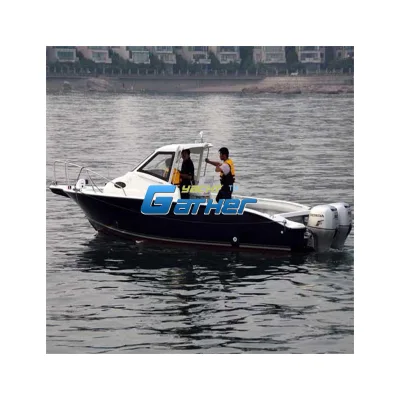


7.2m/24FT Sport Speed Fiberglass Fishing Boat for Fisherman with 8 Person Capacity
$24160.00 - $26500.00
MOQ: 1 Pieces

5.5m Fishing Boat for 6 Person 3-Year Warranty Assurance Fiberglass Motor Boat
$12560.00 - $13550.00
MOQ: 1 Pieces
Comprehensive Sourcing Guide
8 Person Fiberglass Fishing Boat Sourcing Guide
Procuring a dedicated 8-person fiberglass fishing boat requires careful alignment of vessel specifications with intended operational use, particularly for individual or small-group drifting and fishing activities. Buyers must prioritize hull integrity and material composition, as the structural longevity of the vessel directly impacts safety and maintenance costs over time. The observed market signals indicate a strong preference for vessels constructed using vacuum absorption technology, which enhances the strength and consistency of the fiberglass laminate compared to traditional hand-lay methods. This manufacturing process ensures a more uniform distribution of resin and reinforcement, reducing the risk of delamination or water ingress in critical stress areas.
When evaluating listings, it is essential to verify that the boat’s design supports the specific weight and gear requirements of an eight-person crew. The core deck structure often utilizes PVC core materials instead of traditional wood, offering superior resistance to rot and moisture absorption, which is vital for long-term durability in marine environments. Buyers should also confirm the inclusion of a removable fuel tank inside the hull, as this design choice simplifies maintenance and allows for easier access to internal compartments. Understanding these foundational construction details helps in distinguishing between basic recreational runabouts and robust fishing platforms capable of handling demanding offshore conditions.
Product Scope and Observed Listing Signals
The current market for 8-person fiberglass fishing boats presents a wide price range, typically observed between $1,200 and $61,000 USD, reflecting significant variations in brand reputation, material quality, and included accessories. This broad spectrum necessitates a thorough review of what is included in the base price, as some listings may only cover the hull and basic deck, while others include outboard motors, navigation equipment, and specialized fishing gear. The minimum order quantity (MOQ) is frequently listed as one unit, allowing for flexible procurement strategies whether for personal use or small fleet expansion, though bulk orders may offer different commercial terms.
Listings often highlight customization options, including various color choices and OEM services, which allow buyers to tailor the vessel to specific branding or aesthetic preferences. The standard length for these vessels is approximately 5.8 meters, fitting comfortably within the sub-6-meter category, which offers maneuverability and ease of transport. Buyers should note that while some products are described as "runabouts" or "sport yachts," their primary application is often cited as drifting and fishing, indicating a design optimized for stability and utility rather than high-speed performance. Verifying the exact configuration against these observed signals ensures that the purchased vessel meets the specific operational needs of the end-user.
Technical Specifications to Verify
A critical technical aspect to verify is the engine compatibility and power recommendations, as the vessel’s performance is heavily dependent on the installed outboard motor. Suppliers often recommend a horsepower rating of 50HP, which should be sufficient for general fishing and drifting tasks, but buyers must ensure that the transom height and weight capacity align with their chosen engine model. The fuel tank capacity is another key specification, with some models featuring a 150-liter tank to extend range and reduce the frequency of refueling stops during extended fishing trips. Confirming these powertrain details prevents mismatches between the hull’s design limits and the engine’s output, ensuring safe and efficient operation.
The hull material and gel-coat quality are paramount for long-term durability and aesthetic preservation. High-quality listings specify the use of Ashland gel-coat from America, which provides excellent UV resistance and a smooth, glossy finish that protects the underlying fiberglass layers. Additionally, the tube material options, such as PVC or Hypalon, may be relevant for specific inflatable components or fendering, though the primary hull is rigid fiberglass. Buyers should also check the guarantee terms, which often include a five-year warranty on the fiberglass hull and a one-year warranty on accessories, providing a safety net against manufacturing defects and material failures.
Compliance and Safety Documentation
Ensuring that the vessel meets relevant safety and construction standards is a non-negotiable aspect of the procurement process. Buyers must verify that the boat carries valid certification marks, such as CE or ISO, which indicate compliance with European or international quality and safety regulations. These certifications are not merely decorative; they serve as proof that the manufacturer has adhered to strict guidelines regarding structural integrity, stability, and fire safety. Without proper documentation, importing or operating the vessel in certain jurisdictions may be illegal or result in significant insurance complications, making it essential to request and validate these certificates before finalizing any purchase.
In addition to formal certifications, buyers should inquire about the quality control processes employed by the manufacturer. Professional workmanship and rigorous quality control procedures are often cited as key differentiators, ensuring that each vessel undergoes thorough inspection before shipment. This includes checking for voids in the laminate, proper bonding of deck components, and the correct installation of fittings and hardware. Buyers should also confirm the packaging details, as specialized export packaging is crucial to prevent damage during transit. Understanding the extent of these quality assurance measures helps in assessing the reliability of the supplier and the long-term performance of the vessel.
Cost Drivers and Commercial Terms
The final cost of an 8-person fiberglass fishing boat is influenced by several factors, including the choice of materials, customization options, and the inclusion of additional equipment. While the base price may appear competitive, buyers should be aware that upgrades such as premium gel-coats, reinforced hulls, or specialized fishing accessories can significantly increase the total expenditure. The observed MOQ of one unit suggests that pricing is often negotiated on a per-unit basis, but buyers should explore potential discounts for multiple orders or long-term partnerships. Understanding the breakdown of costs helps in budgeting accurately and avoiding unexpected expenses during the procurement process.
Shipping and logistics also play a significant role in the overall cost structure. The standard export package is designed to fit two boats into a 20-foot container, which can optimize freight costs for buyers purchasing multiple units. However, buyers must account for additional expenses such as insurance, customs duties, and inland transportation from the port of discharge. The origin of the vessel, often listed as Qingdao or Shandong in China, may affect shipping routes and transit times. Clarifying these commercial terms, including payment methods and delivery schedules, ensures a transparent transaction and minimizes the risk of delays or hidden fees.
Supplier Qualification and Quality Control
Selecting a reliable supplier is crucial for ensuring the quality and consistency of the 8-person fiberglass fishing boat. Buyers should prioritize manufacturers with a proven track record in producing vessels using advanced techniques like vacuum absorption, which indicates a commitment to modern manufacturing standards. Verifying the supplier’s ability to provide OEM services and customization options can also be a sign of their flexibility and customer-centric approach. It is advisable to request samples or detailed photos of previous projects to assess the workmanship and attention to detail, as these factors are strong indicators of the supplier’s capability to deliver a high-quality product.
Quality control should be an ongoing process, not just a one-time check before shipment. Buyers should establish clear communication channels with the supplier to monitor production progress and address any issues promptly. Implementing third-party inspection services can provide an additional layer of assurance, verifying that the vessel meets the agreed-upon specifications and quality standards. This proactive approach helps in identifying potential defects early in the production cycle, allowing for corrective actions before the vessel is shipped. Building a strong relationship with a qualified supplier fosters trust and ensures a smoother procurement experience.
Long-Term Procurement Checks
Long-term success in procuring fiberglass fishing boats depends on establishing a robust framework for ongoing supplier evaluation and performance monitoring. Buyers should regularly review supplier performance metrics, such as on-time delivery rates, product quality consistency, and responsiveness to issues. This continuous assessment helps in identifying potential risks and opportunities for improvement, ensuring that the supply chain remains resilient and efficient. Maintaining open lines of communication with the supplier facilitates timely updates on industry trends, new technologies, and regulatory changes, allowing buyers to stay ahead of market developments.
Additionally, buyers should plan for the long-term maintenance and support needs of the vessel. Establishing a relationship with the supplier for spare parts and technical support ensures that any repairs or upgrades can be handled efficiently. This long-term perspective helps in maximizing the lifespan and value of the investment, reducing downtime and operational costs. By focusing on sustainable procurement practices and building strong supplier relationships, buyers can secure a reliable source of high-quality fishing boats that meet their evolving needs and expectations.
FAQs
What is the capacity of the Liya 5.8m fiberglass fishing boat?
The Liya 5.8m fiberglass fishing boat accommodates up to eight persons. This capacity is designed for individual use, making it suitable for small fishing groups or family outings. The vessel features a robust hull structure that ensures stability and safety while drifting or fishing on various water bodies.
Can the 8 Person Fiberglass Fishing Boat be customized?
Yes, customization is available for this fiberglass fishing boat. Buyers can choose from different colors and opt for OEM services to tailor specific features. The manufacturer supports customized requirements, allowing clients to adjust aspects like the core deck material or other design elements to meet their specific operational needs.
What material is used for the hull of this fishing boat?
The hull is constructed from high-quality fiberglass, also known as FRP. This material provides durability and resistance to corrosion. The manufacturing process utilizes vacuum absorption technology to ensure the fiberglass is stronger and more consistent. Additionally, the gel-coat material is sourced from Ashland in America for superior finish.
What certifications does this fiberglass fishing boat hold?
This fiberglass fishing boat holds CE and ISO certifications. These standards ensure that the vessel meets specific safety and quality requirements for international markets. The CE certificate confirms compliance with European health, safety, and environmental protection standards, providing buyers with confidence in the product's regulatory adherence and manufacturing quality.
How is the 8 Person Fiberglass Fishing Boat packaged for shipping?
The boat is packaged in a standard export package suitable for container shipping. Specifically, a 20-foot container can fit two pieces of this boat. This efficient packing method reduces shipping costs and ensures the vessel arrives safely. The special packing details are designed to protect the fiberglass hull and accessories during transit.
What is the recommended engine power for this fishing boat?
The recommended engine power for this fishing boat is 50HP. It is designed to work with outboard motors, providing adequate performance for drifting and fishing activities. The vessel includes a removable fuel tank inside with a capacity of 150 liters, ensuring sufficient range for extended trips without compromising onboard space.