Source CE Certified Patrol Boat for Transportation, Patrol, Speed
Find 30 CE Certified Patrol Boat options for transportation, patrol, and speed applications. Compare specifications like speed, capacity, and engine types from verified Chinese manufacturers to select the right vessel for your needs; compare the available evidence and request quotations based on your requirements.
Updated
Key considerations
Products List


11 Meters 33FT High Speed Aluminum Patrol Boat with CE Certificate
$108000.00 - $110000.00
MOQ: 1 Pieces


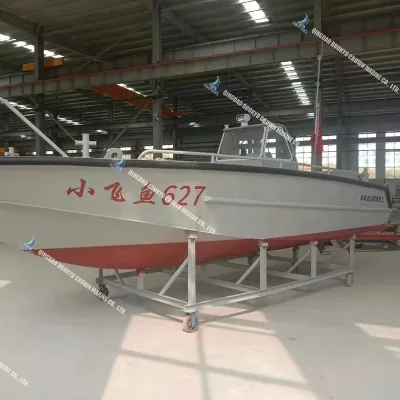
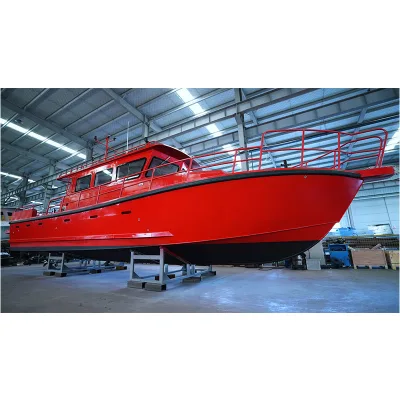
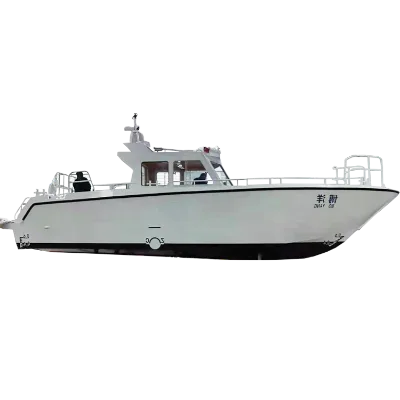
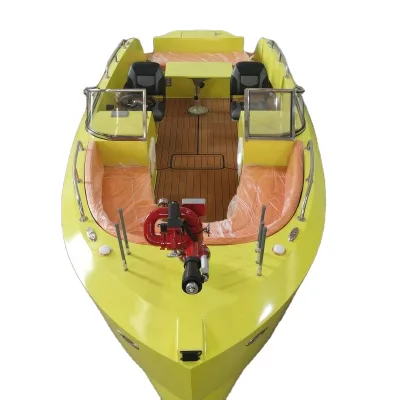

China Aluminum Boat Manufacturer Can Customized Patrol Pilot Boat with CE Certificate
$5000.00 - $300000.00
MOQ: 1 Pieces
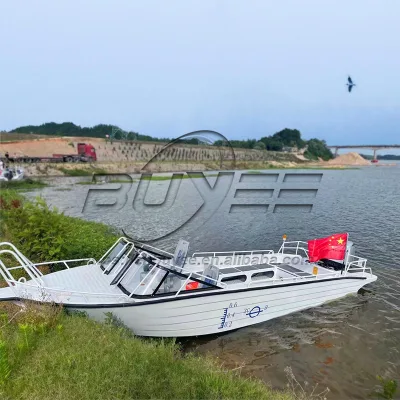
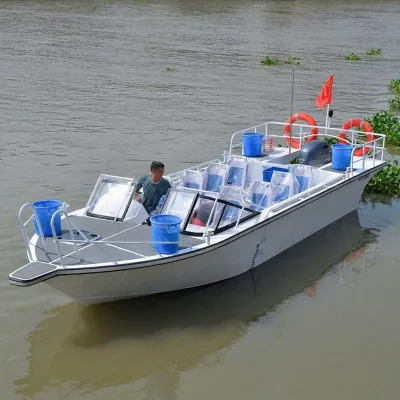
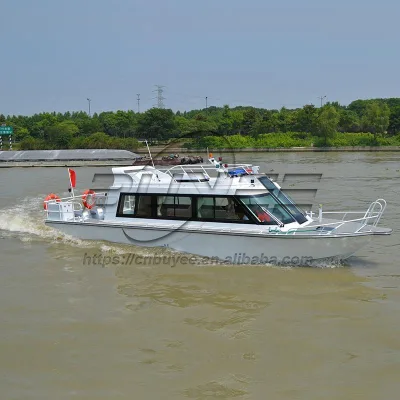
New Listings Speed Boat With Cabin 9.8M/32.2ft Large Space Aluminum Material Rescue Patrol Boat
$43119.7708 - $45173.1909
MOQ: 1 sets
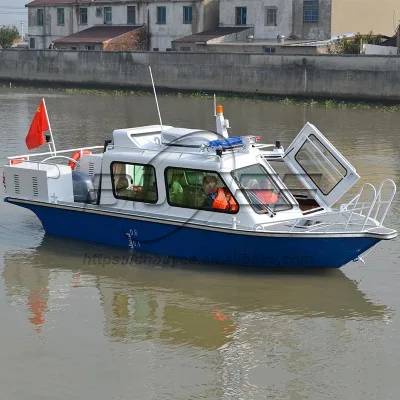
$22806.5505 - $24244.9309
MOQ: 1 sets
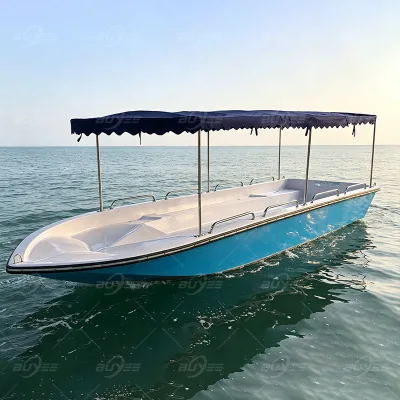
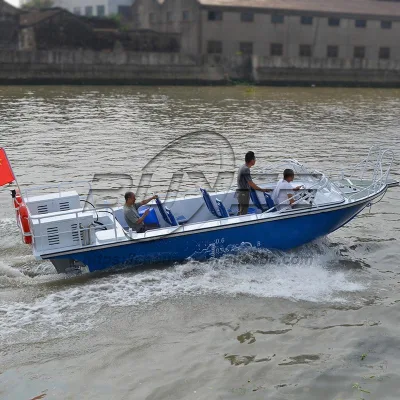


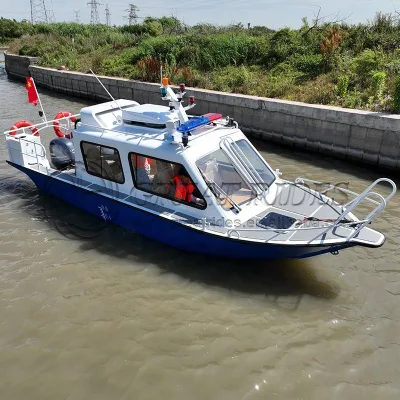
Customized 60-150HP Aluminum Alloy Rescue Patrol Boat Leisure Fishing Boat Higher Safety Speedboat
$22790.9114 - $24741.6606
MOQ: 1 sets
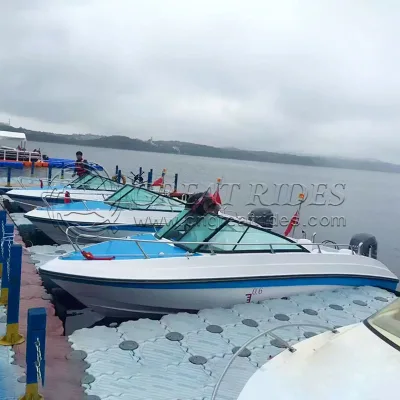
Multifunctional Open Boat 19.6Feet 6m Fiberglass Hull Fishing Boat Gasoline Patrol Cruiser
$5501.1126 - $6158.2083
MOQ: 1 sets
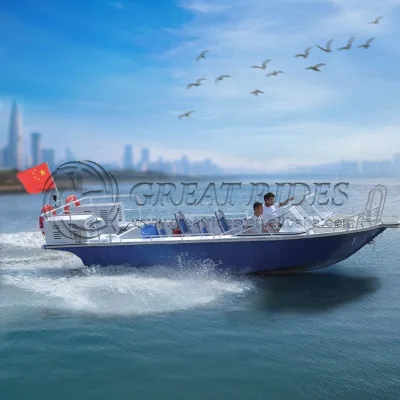
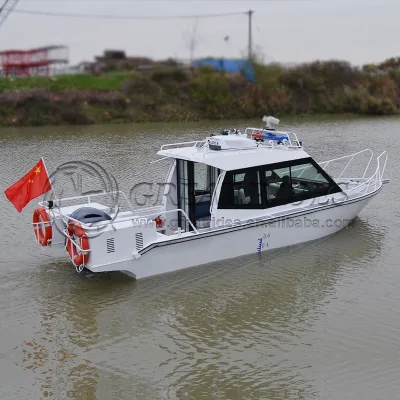
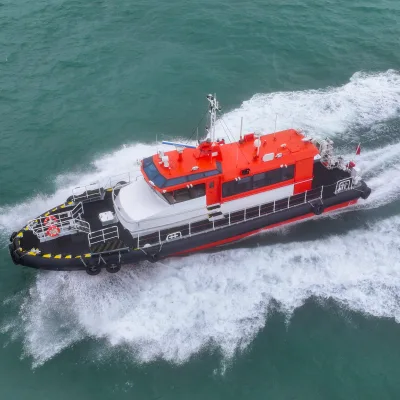
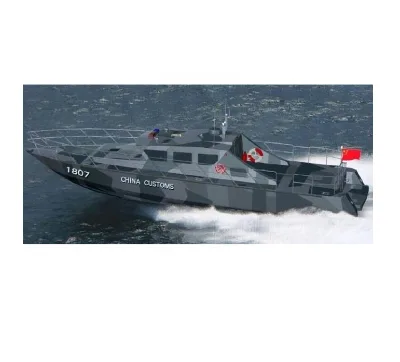
Multi Functional 21.3ft 6.5m Open Patrol Boat for Transport Security and Sightseeing on Water
$18684.0711 - $20018.7942
MOQ: 1 sets
Comprehensive Sourcing Guide
CE Certified Patrol Boat Sourcing Guide
Procuring a CE Certified Patrol Boat requires a disciplined approach to verifying both regulatory compliance and operational suitability for maritime security or coastal surveillance tasks. Buyers must prioritize vessels that explicitly display CE marking, which indicates conformity with European health, safety, and environmental protection standards. This certification is not merely a label but a legal requirement for placing equipment on the market within the European Economic Area, ensuring that the hull design, stability, and propulsion systems meet rigorous engineering benchmarks. Sourcing from regions like Shandong, China, offers access to specialized aluminum hull manufacturers who are accustomed to exporting to international markets, but due diligence is essential to confirm that the specific model listed carries valid certification documentation rather than generic claims.
The procurement process involves evaluating a wide range of vessel configurations, from small aluminum work boats to larger patrol craft capable of high-speed operations. Observed listings indicate a diverse product scope, with models ranging from 8 meters to over 13 meters in length, catering to different mission profiles such as pilot transfer, speed patrol, or general transportation. Buyers should note that while many suppliers offer customized solutions, the core technical attributes like beam width, draft, and displacement vary significantly across models. Understanding these physical dimensions is critical for determining whether a vessel can operate in shallow coastal waters or requires deeper harbors, directly impacting its utility for specific patrol routes and operational constraints.
Product Scope and Observed Listing Signals
The current market for patrol boats exhibits a broad spectrum of specifications, with observed prices ranging from approximately $1,598 to over $3.2 million USD, reflecting the disparity between small utility craft and large, complex patrol vessels. Minimum order quantities are typically set at one unit, allowing buyers to procure single vessels for immediate deployment or fleet expansion without committing to large-scale industrial orders. This flexibility is advantageous for government agencies or private security firms looking to test specific hull designs before scaling up procurement. However, the wide price variance necessitates careful comparison of included features, such as engine power, fuel capacity, and onboard systems, to ensure that the quoted price accurately reflects the vessel’s capabilities and build quality.
Listings frequently highlight customization options, with many suppliers offering tailored solutions for specific operational needs, including specialized seating arrangements and equipment integration. For instance, some models are designed with a five-seater configuration, while others accommodate up to ten personnel, depending on the intended mission profile. The material composition is predominantly aluminum, chosen for its lightweight properties and corrosion resistance, which are vital for maintaining speed and efficiency in patrol operations. Buyers should scrutinize the "Customized" attribute to understand the extent of modifications available, such as changes to the hydraulic steering system or the integration of specific communication gear, ensuring that the final product aligns with their tactical requirements.
Technical Specifications to Verify
When evaluating patrol boats, verifying key technical specifications is paramount to ensuring operational readiness and safety. Buyers should focus on critical dimensions such as length, beam, and draft, which directly influence the vessel’s stability and maneuverability in various water conditions. For example, some models feature a beam of 2.7 meters and a draft of 0.4 meters, making them suitable for shallow coastal waters, while larger vessels may have a beam of 3.8 meters and a deeper draft for enhanced stability in open seas. Additionally, the maximum speed, often cited in knots (KN), is a crucial performance metric, with some boats capable of reaching speeds up to 26 KN, which is essential for rapid response and interception tasks during patrol missions.
Propulsion and power systems are another vital area of verification, as they determine the vessel’s endurance and payload capacity. Buyers should confirm the engine type, whether inboard or outboard, and the total horsepower, which can range from 90hp to dual engines of 320hp. Fuel tank capacity, such as 800 liters, impacts the operational range and refueling frequency, which is critical for long-duration patrols. Furthermore, the full load displacement, observed at 10.8 tons for some models, provides insight into the vessel’s buoyancy and load-bearing capabilities. Ensuring that these specifications match the intended operational environment is essential for avoiding performance shortfalls and ensuring the vessel can handle the expected workload without compromising safety or efficiency.
Compliance and Safety Documentation
Securing proper compliance documentation is a non-negotiable step in the procurement of CE certified patrol boats, as it ensures legal operation and insurance validity in target markets. Buyers must request and verify the CE declaration of conformity, which confirms that the vessel meets all relevant European directives, including those related to machinery, electromagnetic compatibility, and noise emissions. This documentation should be accompanied by detailed technical files that outline the design, construction, and testing procedures used to achieve compliance. Without these documents, buyers risk facing legal penalties, import restrictions, or difficulties in obtaining marine insurance, making it essential to work with suppliers who can provide transparent and verifiable certification records.
In addition to CE certification, buyers should inquire about other relevant safety standards and testing reports that may apply to the vessel’s specific components. For instance, the hydraulic steering system and outboard engines should have their own compliance certificates, ensuring that critical safety systems function reliably under stress. It is also advisable to verify the vessel’s stability calculations and load capacity ratings, which are often required for regulatory approval. By demanding comprehensive documentation, buyers can mitigate risks associated with non-compliant equipment and ensure that the patrol boat is fit for purpose, providing a solid foundation for safe and legal maritime operations.
Cost Drivers and Commercial Terms
Understanding the factors that influence the cost of patrol boats is essential for effective budgeting and negotiation. Key cost drivers include the vessel’s size, material quality, engine power, and the level of customization required. Larger vessels with higher horsepower engines and advanced navigation systems will naturally command higher prices, while smaller, simpler craft may be more cost-effective for basic patrol duties. Buyers should also consider the impact of packaging and shipping costs, as vessels are often transported in specialized containers or on flat racks, which can add significant expenses to the total procurement cost. Transparent pricing that breaks down these components allows for more accurate comparisons between different suppliers and models.
Commercial terms, such as payment conditions, lead times, and warranty provisions, also play a crucial role in the overall cost of ownership. Buyers should negotiate favorable payment terms, such as partial upfront payments with the balance due upon delivery, to manage cash flow and mitigate financial risk. Lead times can vary significantly depending on the level of customization and the supplier’s production schedule, so it is important to establish clear delivery timelines in the contract. Additionally, warranty coverage for the hull, engine, and other critical components should be clearly defined, ensuring that any defects or issues are addressed promptly without incurring additional costs.
Supplier Qualification and Quality Control
Selecting a qualified supplier is critical to ensuring the quality and reliability of the patrol boat. Buyers should conduct thorough due diligence on potential suppliers, verifying their business licenses, manufacturing capabilities, and past performance in the maritime industry. Suppliers with a proven track record of exporting CE certified vessels are preferable, as they are likely to have established quality control processes and compliance expertise. It is also advisable to request references or case studies from previous clients to gain insights into the supplier’s reliability, communication, and after-sales support. This information can help buyers assess the supplier’s ability to meet their specific requirements and deliver a vessel that performs as expected.
Quality control measures should be implemented throughout the manufacturing process to ensure that the patrol boat meets the agreed-upon specifications and standards. Buyers should consider engaging third-party inspection services to conduct pre-shipment inspections, verifying the vessel’s construction, equipment installation, and functional testing. These inspections can identify any defects or discrepancies early, allowing for corrections before the vessel is shipped. Additionally, buyers should establish clear quality acceptance criteria in the contract, including performance tests for speed, stability, and engine performance, to ensure that the final product meets their operational needs and regulatory requirements.
Long-Term Procurement Checks
Long-term procurement success depends on establishing robust relationships with suppliers and implementing continuous improvement strategies. Buyers should regularly review supplier performance, assessing factors such as delivery reliability, product quality, and responsiveness to issues. This ongoing evaluation helps identify potential risks and opportunities for improvement, allowing buyers to make informed decisions about future procurement activities. Building a strong partnership with a reliable supplier can lead to better pricing, priority production, and enhanced support, which are valuable assets in the competitive maritime industry. Regular communication and feedback loops can also help align supplier capabilities with evolving buyer needs and market trends.
Additionally, buyers should stay informed about changes in regulatory requirements and technological advancements that may impact the procurement of patrol boats. Keeping abreast of new CE directives, safety standards, and engine technologies ensures that future purchases remain compliant and competitive. Buyers should also consider the lifecycle costs of the vessel, including maintenance, repairs, and upgrades, when evaluating long-term value. By adopting a strategic approach to procurement that emphasizes quality, compliance, and supplier collaboration, buyers can secure patrol boats that deliver reliable performance and support their operational objectives over the long term.
FAQs
What certifications do these patrol boats hold?
These patrol boats hold ISO and CE certifications, ensuring compliance with international safety and quality standards. The CE mark confirms adherence to European regulatory requirements for marine vessels. Buyers can rely on these documented certifications for import clearance and operational safety in regulated markets without additional verification steps.
Can these boats be customized for specific needs?
Yes, customization is available for these patrol boats to meet specific operational requirements. The products are listed as customized, allowing for tailored configurations. Buyers can request specific modifications to suit their unique patrol or transportation needs, ensuring the vessel aligns perfectly with their intended application and operational environment.
What is the maximum speed of the patrol boat?
The maximum speed of the patrol boat is 25 knots, with some models reaching up to 26 knots. This speed is achieved using outboard engines, such as a 90hp unit, or inboard configurations with higher power outputs. The speed ensures efficient patrol operations and rapid response capabilities for various maritime tasks.
What is the load capacity of the aluminum patrol boat?
The aluminum patrol boat has a load capacity of 1200kg, supporting up to 9 passengers or 10 crew members depending on the model. This capacity is suitable for working, transportation, and patrol applications. The vessel's design ensures stability and safety while carrying the specified load across various water conditions.
Where are these patrol boats manufactured?
These patrol boats are manufactured in China, specifically in Shandong province. The origin is clearly documented for all listed models. Buyers can expect consistent manufacturing standards and supply chain logistics from this region, which is known for producing high-quality aluminum vessels for global maritime applications.
What is the minimum order quantity for these boats?
The minimum order quantity for these patrol boats is 1 unit. This allows buyers to purchase single vessels for immediate deployment or testing. The flexible MOQ supports both small-scale procurement and larger fleet expansions, making it accessible for various budget levels and operational requirements without bulk purchase mandates.