Source Natural Alcohol Free Reed Diffuser for Home and Office
Find 30 Natural Alcohol Free Reed Diffuser options from China. Compare glass, rattan, and wooden designs with eco-friendly features. View specs, MOQs, and pricing for home decoration and fresh air applications; compare the available evidence and request quotations based on your requirements.
Updated
Key considerations
Products List
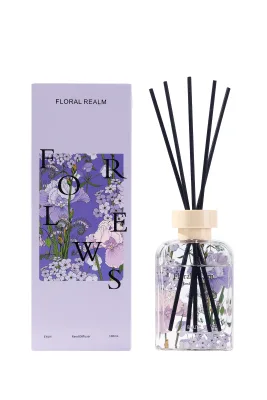
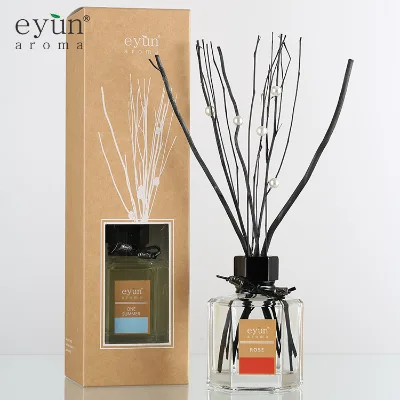


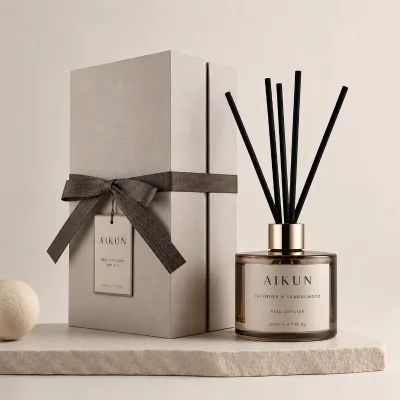
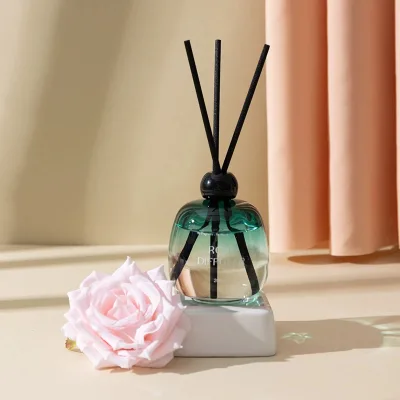
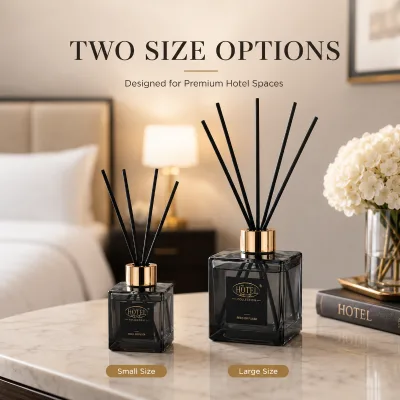


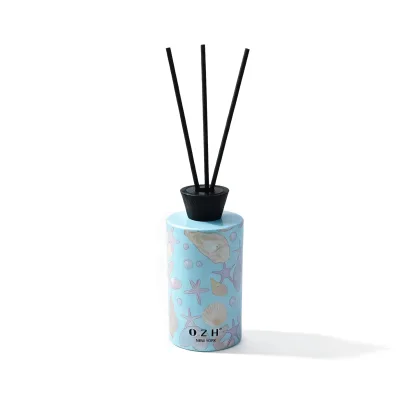

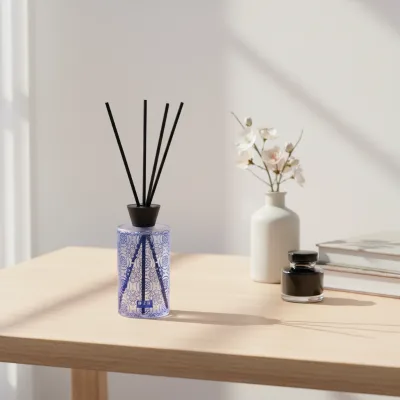
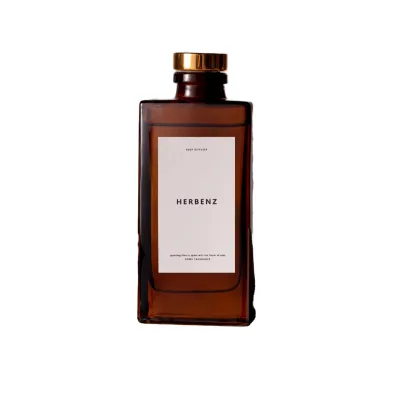
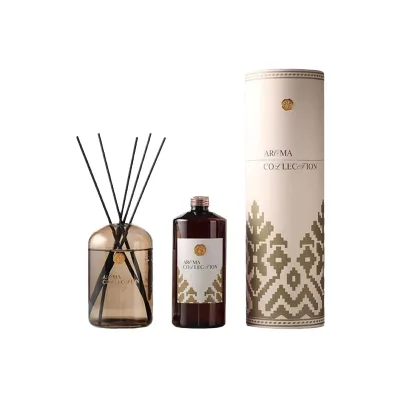



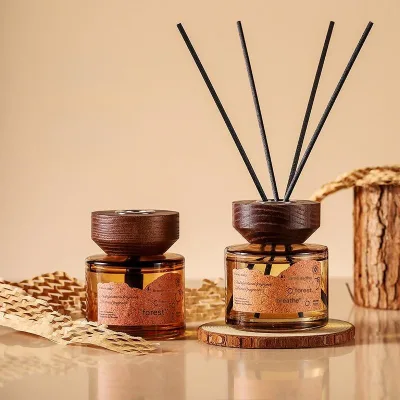
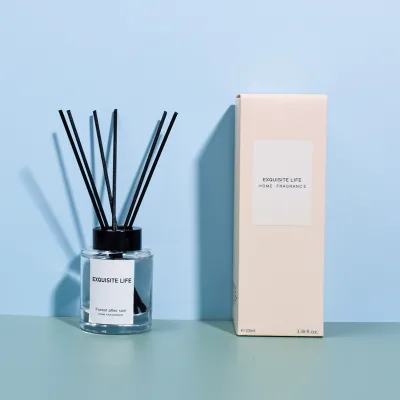
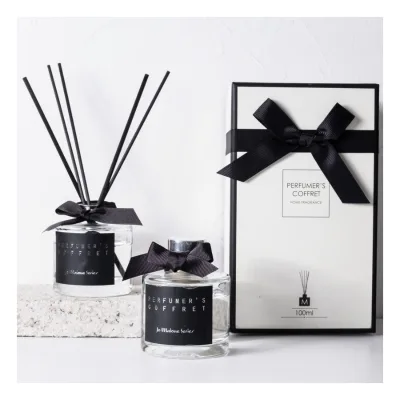
Comprehensive Sourcing Guide
Natural Alcohol Free Reed Diffuser Sourcing Guide
Buyers seeking natural alcohol-free reed diffusers must first verify that the product explicitly lists "Alcohol Free" as a core attribute to ensure compliance with sensitive market demands. The supplied data confirms that specific listings identify this feature, distinguishing them from traditional diffusers that rely on ethanol as a carrier solvent. This distinction is critical for brands targeting health-conscious consumers or those requiring products suitable for environments where alcohol fumes are restricted.
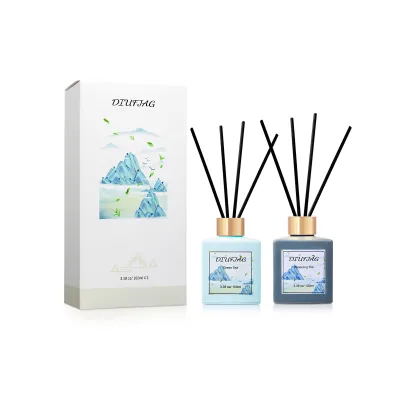
Procurement teams should also scrutinize the material composition to ensure the diffuser aligns with the "natural" claim often associated with this category. While some listings specify glass bottles, others indicate the use of rattan, fiber, or wooden components, which serve as the primary medium for volatilizing the fragrance oil. Understanding these material variations is essential for selecting a product that meets both aesthetic preferences and functional requirements for home decoration and air freshening.
Product Scope and Observed Listing Signals
The observed market signals indicate a diverse range of product types, including specific models like the E16 and ODMF series, which vary significantly in size and capacity. Listings show capacities as small as 100 mL and dimensions ranging from less than 5 cm in diameter to larger units measuring over 28 cm in height. Buyers must carefully match these physical specifications to their target retail channels, as the "Small" size category and specific model numbers dictate the intended usage scenario for home or gift markets.
Commercial availability signals reveal that selling units are often structured as multiples of 48 items or single items, depending on the specific supplier configuration. The data also highlights that customization is available for logos and colors, with some suppliers offering sticker applications or custom printing on boxes. This flexibility allows buyers to tailor the product for specific branding needs, though the minimum order quantities can vary widely, ranging from single items to thousands of pieces based on the customization level required.
Technical Specifications to Verify
When evaluating technical specifications, buyers must confirm the working mechanism is strictly volatilization, which is the standard method for reed diffusers to disperse scent without heat or electricity. The product attributes explicitly state "Volatilize" as the working way, ensuring the fragrance release relies on capillary action through the reeds. Verifying this mechanism is vital to ensure the product functions correctly as a passive air freshener and does not require external power sources or heating elements.
Dimensional and weight specifications vary across the observed listings, requiring precise verification against the intended packaging and shipping constraints. Some units are listed with weights around 0.74 kg or 0.38 kg, while others are significantly lighter at 0.78 g, indicating a wide variance in product density and material usage. Buyers should cross-reference these weights with the stated packing configurations, such as 8 pieces per carton or 6 pieces per carton, to accurately calculate shipping costs and ensure the packaging standards meet the required logistical thresholds.
Compliance and Safety Documentation
Safety documentation is a non-negotiable aspect of sourcing, particularly for products intended for home use and health care applications. The supplied facts explicitly mention MSDS (Material Safety Data Sheet) as a provided certificate for certain listings, which is essential for verifying the chemical composition and safety handling of the fragrance oils and carrier liquids. Buyers must request this documentation for every batch to ensure the product meets international safety standards and does not contain prohibited substances.
Beyond the MSDS, buyers should verify that the product claims of being "BPA Free" and "Eco-Friendly" are supported by relevant testing or certification records. While the attributes list these features, the absence of specific certification bodies in the provided text means buyers cannot assume universal compliance without further inquiry. It is prudent to ask suppliers for third-party test reports that validate these eco-friendly and safety claims, ensuring the product is safe for use in environments with children or pets.
Cost Drivers and Commercial Terms
Cost drivers in this category are heavily influenced by the material composition and the level of customization requested for branding. Listings show materials ranging from simple glass to more complex combinations involving rattan, fiber, and wood, which directly impact the unit price. Additionally, the availability of custom logos, colors, and specialized packaging like 350g paper boxes with CMYK printing adds variable costs that must be factored into the total landed cost calculation.
Commercial terms such as Minimum Order Quantity (MOQ) and lead times are critical variables that affect procurement strategy and cash flow. The observed data indicates MOQs can range from as low as 1 piece to as high as 3000 pieces, depending on the supplier and the specific product model. Furthermore, sample times are noted to be between 7 to 15 days, which buyers must account for when planning product launches or restocking cycles to avoid supply chain disruptions.
Supplier Qualification and Quality Control
Supplier qualification requires a thorough review of the place of origin and the specific manufacturing capabilities indicated in the product listings. The data points to origins in Guangdong and Shanghai, China, which are major manufacturing hubs for home fragrance products. Buyers should verify the specific factory capabilities in these regions to ensure they can consistently produce the required materials, such as glass bottles or wooden diffusers, while maintaining the "Eco-Friendly" and "BPA Free" standards.
Quality control protocols must be established to ensure consistency across different production batches, especially given the variation in observed weights and dimensions. Since some listings show significant differences in weight for similar product types, buyers should implement strict incoming quality checks to verify that the final product matches the agreed-upon specifications. This includes checking the integrity of the packaging, such as the 3-layer corrugated boxes with paper inserts, to prevent damage during transit.
Long-Term Procurement Checks
Long-term procurement success depends on monitoring the stability of the supply chain and the consistency of product attributes over time. Buyers should regularly audit the supplier's ability to maintain the "Alcohol Free" and "BPA Free" claims, as these are critical selling points that can be compromised by changes in raw material sourcing. Continuous verification ensures that the product remains compliant with evolving market regulations and consumer expectations regarding natural ingredients.
Finally, buyers must track the performance of the product in the market to ensure it continues to meet the intended usage requirements for fresh air, beauty, and odor removal. The observed usage categories are broad, covering home decoration, gifts, and health care, which means the product must perform reliably across different environments. Regular feedback loops with end-users and periodic re-evaluation of the supplier's quality control measures will help maintain a competitive edge and ensure long-term customer satisfaction.
FAQs
What materials are used in these reed diffusers?
The products utilize glass bottles combined with rattan, fiber, and wooden components for the diffuser sticks. Some listings specify wooden air diffusers with glass bottle packaging. These materials support the alcohol-free formula and eco-friendly feature claims observed in the product data.
Can I customize the logo and packaging?
Yes, customization is available for both logos and packaging. Suppliers offer sticker logos and can print your logo on the box. Packaging options include 350g paper boxes with CMYK printing and hot stamping, or 3-layer corrugated boxes with paper inserts to meet specific branding needs.
What is the typical MOQ for orders?
The minimum order quantity varies by product model. One specific wooden air diffuser model lists an MOQ of 1000 pieces. Other items may have different thresholds, with observed ranges spanning from 1 to 3000 units depending on the specific supplier and product configuration selected.
Are these diffusers safe for home use?
Yes, they are suitable for home use and designed for fresh air, odor removal, and decoration. The products are alcohol-free and BPA-free, enhancing safety. They function by volatilizing the liquid to provide health care and beauty benefits without the use of harsh alcoholic ingredients.
What certifications do the products hold?
The products are documented with MSDS certification, ensuring safety standards for the materials and liquid contents. This certification supports their use in home environments for air freshening and decoration. Buyers should verify specific compliance documents with suppliers for international shipping requirements.
How long does sample production take?
Sample production typically requires 7 to 15 days. This lead time allows for the creation of customized packaging and logo application. Buyers should plan their sourcing timeline accordingly, as production lead times for bulk orders may vary based on the specific model and customization complexity.