Source Refractory Castable Steel Fiber for Concrete, Mortar, Bridge Decks
Find 30 listings for Refractory Castable Steel Fiber suitable for bridge decks, mortar, and concrete applications. Compare specifications including tensile strength, diameter, and length to identify suitable materials for construction projects; compare the available evidence and request quotations based on your requirements.
Updated
Key considerations
Products List


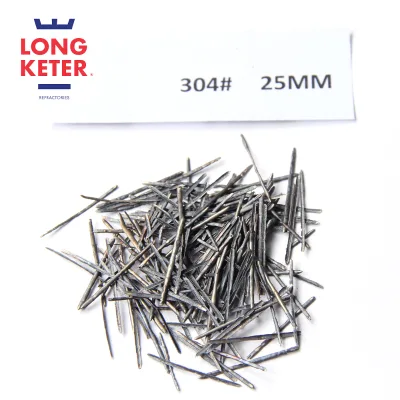
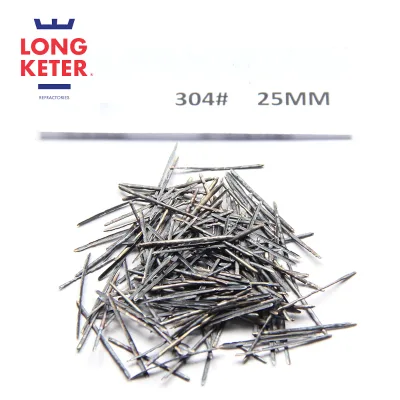
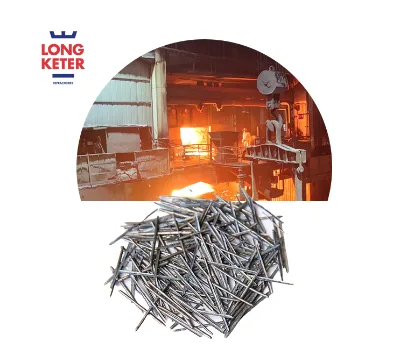
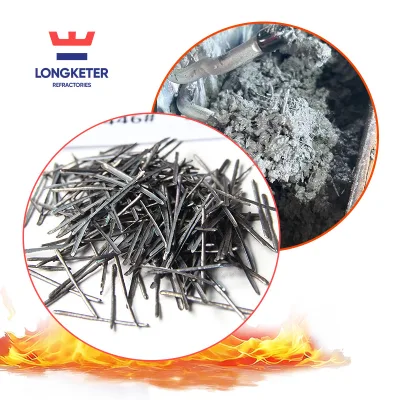


High Alumina Castable Refractory Castable Material Stainless Steel Fiber for Kilns
$880.00 - $1050.00
MOQ: 10 Tons

High-Performance Steel Fiber Castable for Durable Construction Solutions
$680.00 - $850.00
MOQ: 10 Tons

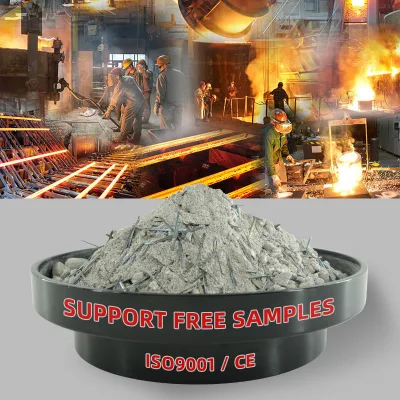
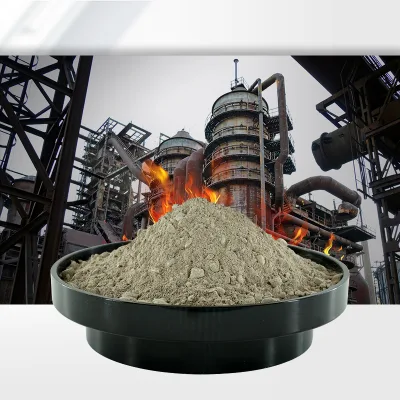
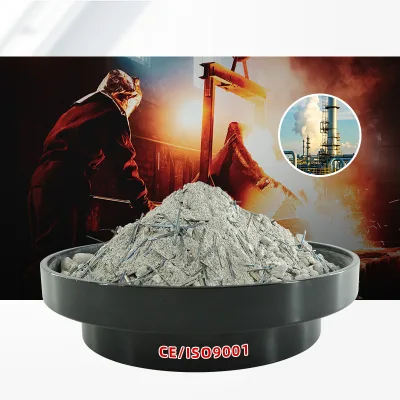


Factory Price Good Wear Resistant Castable Refractory Steel Fiber Reinforcement Castable
$350.00 - $400.00
MOQ: 1 Tons

Reinforced Shock Resistance Roof Resin Steel Fiber Silicon Carbide Refractory Castables
$325.00 - $385.00
MOQ: 5 Tons
Comprehensive Sourcing Guide
Refractory Castable Steel Fiber Sourcing Guide
Procuring refractory castable steel fibers requires a nuanced understanding of material compatibility and performance metrics in high-temperature environments. Buyers must distinguish between standard construction steel fibers and those engineered specifically for refractory applications, as the latter demands higher melting points and specific geometric profiles to ensure structural integrity. The observed market data indicates a diverse range of products, including melt-extracted and hooked-end types, which serve different reinforcement needs in mortar and concrete matrices. Understanding these distinctions is critical for selecting the right fiber to prevent spalling and enhance thermal shock resistance in industrial settings.
This guide focuses on evidence-based sourcing strategies derived from current market listings and supplier specifications. It emphasizes the verification of technical attributes such as tensile strength, diameter, and length, which directly influence the mechanical performance of the final castable product. By aligning procurement decisions with verified supplier data, buyers can mitigate risks associated with material failure and ensure compliance with industry standards. The following sections provide a structured approach to evaluating suppliers, interpreting technical data, and establishing robust quality control protocols for refractory steel fiber acquisitions.
Product Scope and Observed Listing Signals
The current market for refractory steel fibers presents a wide spectrum of product types, ranging from standard deformed fibers to specialized melt-extracted variants. Listings frequently highlight attributes such as high corrosion resistance and specific shapes like crescent or brick forms, which are tailored for distinct application scenarios. Buyers should note that while some products are marketed for general construction use, others are explicitly labeled for refractory applications with specified melting points exceeding 1400 degrees Celsius. This differentiation is crucial, as standard steel fibers may not withstand the extreme thermal conditions required in refractory castables, leading to potential structural compromises.
Observed product models and specifications vary significantly, with dimensions such as 0.3-0.6mm diameter and lengths ranging from 20-35mm being common. Some listings specify exact models like YS-88 or 0.5*25, indicating a standardized approach to manufacturing for certain suppliers. Additionally, the presence of products labeled as "Stainless Steel Fiber" suggests options for environments where corrosion resistance is paramount. Buyers must carefully review these specific identifiers to ensure the selected fiber matches the operational requirements of their refractory systems, avoiding generic construction fibers that lack the necessary thermal stability.
Technical Specifications to Verify
Verifying the tensile strength and physical dimensions of steel fibers is essential for ensuring the mechanical integrity of refractory castables. The observed data indicates a tensile strength of 1200 MPa for certain products, a critical metric for reinforcing materials under stress. Buyers should confirm that the fiber diameter and length are consistent with the mix design of their castables, as improper proportions can lead to clumping or inadequate reinforcement. The melting point, often cited as greater than 1400 degrees Celsius, is another vital specification that must be validated to ensure the fiber remains stable during the curing and operational phases of refractory applications.
In addition to mechanical properties, the shape and surface texture of the fibers play a significant role in their performance. Hooked-end and deformed types are commonly observed, designed to enhance mechanical interlock within the matrix. Buyers should also consider the material composition, with options including standard metal and specific alloys like 446, which may offer enhanced durability. It is imperative to request detailed technical datasheets that confirm these attributes, as variations in shape and material can significantly impact the final product's resistance to thermal shock and mechanical wear.
Compliance and Safety Documentation
Compliance with international standards is a fundamental requirement for sourcing refractory steel fibers, ensuring that products meet rigorous quality and safety benchmarks. The observed market includes products certified under CE and ISO standards, with specific mentions of ISO9001 and ASTM standards. Buyers must verify that the supplier holds valid certifications relevant to the product's intended use, as these certifications indicate adherence to established manufacturing and quality management practices. The presence of SGS certification in some listings further suggests a commitment to independent verification of product quality and performance.
Safety documentation should also include detailed information on the material's behavior under high-temperature conditions, including refractoriness ranges. Products with refractoriness between 1580 and 1770 degrees Celsius are suitable for specific high-heat applications, and buyers must ensure that the selected fiber aligns with their thermal requirements. Additionally, buyers should request test reports that validate the fiber's corrosion resistance and tensile strength, as these documents provide objective evidence of the product's performance capabilities. Ensuring comprehensive compliance documentation helps mitigate risks and supports regulatory adherence in industrial projects.
Cost Drivers and Commercial Terms
The cost of refractory steel fibers is influenced by several factors, including material composition, manufacturing complexity, and certification requirements. Products with higher tensile strength and specialized shapes, such as melt-extracted fibers, may command a premium due to the additional processing involved. Buyers should also consider the impact of packaging and logistics, as observed packing methods like bags or cartons can affect handling and storage costs. The minimum order quantity (MOQ) ranges from 1 to 5000 units, allowing for flexibility in procurement but potentially impacting unit prices for smaller orders.
Commercial terms such as after-sales service and warranty periods are also significant considerations in the total cost of ownership. Listings often include a one-year after-sales service, which can provide valuable support in case of product issues or performance concerns. Buyers should negotiate clear terms regarding delivery lead times and payment conditions, as these can affect cash flow and project timelines. Understanding the full cost structure, including any additional fees for certification or specialized packaging, enables buyers to make informed decisions that balance cost efficiency with product quality and reliability.
Supplier Qualification and Quality Control
Evaluating supplier qualifications is a critical step in ensuring the reliability and consistency of refractory steel fiber supplies. Buyers should prioritize suppliers with established manufacturing bases in regions known for industrial production, such as Anping, Hebei, or other areas in China Mainland. The presence of brand names like Yusen in listings indicates a level of market recognition, but buyers must conduct due diligence to verify the supplier's production capabilities and quality control processes. Requesting samples and conducting independent testing can provide valuable insights into the actual performance of the fibers.
Quality control protocols should include regular audits of the supplier's manufacturing facilities and verification of their certification status. Buyers should ensure that the supplier maintains consistent quality across batches, as variations in fiber dimensions or material composition can lead to performance issues. Establishing a clear communication channel for addressing quality concerns and requesting detailed inspection reports can help maintain high standards. By focusing on supplier reliability and robust quality control measures, buyers can minimize the risk of supply chain disruptions and ensure the long-term success of their refractory projects.
Long-Term Procurement Checks
Establishing long-term procurement checks is essential for maintaining the quality and performance of refractory steel fibers over time. Buyers should implement a system for regular performance reviews, assessing the fibers' behavior in actual application scenarios and comparing results against initial specifications. This ongoing evaluation helps identify any trends in product degradation or performance issues that may require adjustments in sourcing strategies. Maintaining detailed records of supplier performance and product test results can facilitate data-driven decision-making and support continuous improvement efforts.
Additionally, buyers should stay informed about changes in industry standards and technological advancements that may impact the selection of refractory steel fibers. Engaging with suppliers to discuss potential product improvements or new offerings can help ensure that procurement strategies remain aligned with evolving industry needs. Regularly reviewing commercial terms and supplier relationships can also help identify opportunities for cost optimization and enhanced service levels. By adopting a proactive approach to long-term procurement, buyers can build resilient supply chains that support the sustained success of their refractory applications.
FAQs
What certifications do the steel fibers hold?
The steel fibers hold CE and ISO certifications, including ISO9001. These standards ensure quality management and product safety for construction applications like bridge decks and mortar reinforcement.
How long is the typical delivery lead time?
Lead times vary by supplier and order volume, but customization is available for specific needs. Buyers should verify current schedules with manufacturers in Anping Hebei or China Mainland for accurate estimates.
What is the tensile strength of the steel fiber?
The steel fiber exhibits a tensile strength of 1200 MPa. This high strength makes it suitable for strengthening concrete and mortar in demanding construction environments requiring durability and structural integrity.
Can the product be customized for specific projects?
Yes, customization is available for the steel fiber products. Buyers can request specific dimensions or shapes, such as the 0.3-0.6mm diameter or 25mm length, to match their unique construction requirements.
What is the melting point of the steel fiber?
The melting point exceeds 1400 degrees Celsius. This high thermal resistance ensures the material remains stable in high-temperature applications, supporting its use as a refractory material in industrial settings.
Which standards does the product comply with?
The product complies with ASTM and CE standards, alongside ISO9001:2000 certification. These standards validate the quality and performance of the steel fiber for use in mortar and concrete applications.
What is the after-sales service period?
The after-sales service period is one year for the steel fiber products. This support ensures buyers receive assistance with installation or performance issues during the initial operational phase of their projects.