anti-corrosion pultrusion fiberglass pipes Suppliers and Manufacturers
Source anti-corrosion pultrusion fiberglass pipes from 24 verified suppliers. Compare dimensions, lead times, MOQs, and response rates to find the right fit. Review product specs and request quotes directly; review the available evidence before requesting comparable quotations from suitable candidates.
Updated
Suppliers List
Dongguan Juli Composite Technology Co., Ltd.
- Manufacturer, Trading Company
- Lead time旺季: "1 - 1000":15,"> 1000":"To be negotiated", 淡季: "1 - 1000":15,"> 1000":"To be negotiated"
- Avg. response≤ 6h
Main products3K Carbon Fiber Tubes, 3K Carbon Fiber Sheet, Carbon Fiber Molding Parts, Carbon Fiber Propellers, Fiberglass Tube
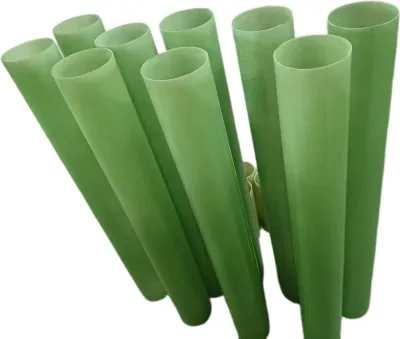
Reinforced Pultrusion Fiber Glass Pipe Different Sizes Fiberglass Pipe
$0.50 - $3.00
MOQ: 1000 Minimum
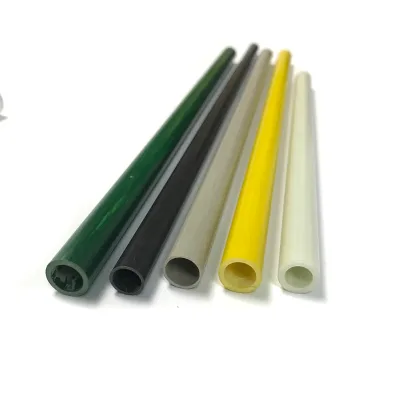
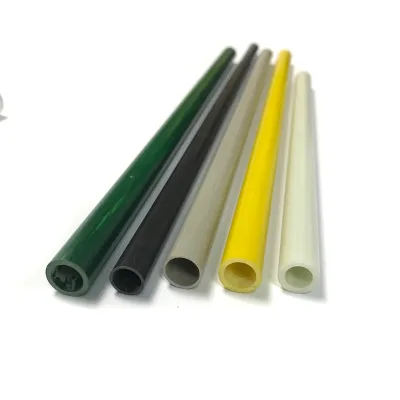
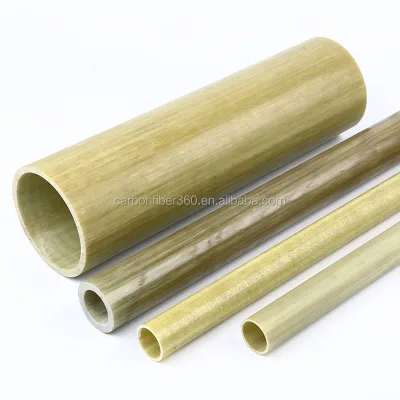
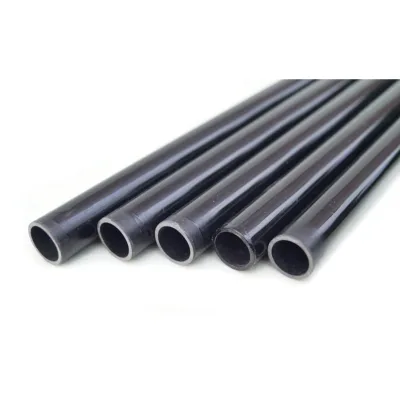
Black Fiberglass Pipe, Fibreglass Grp Tubes
$0.50 - $2.00
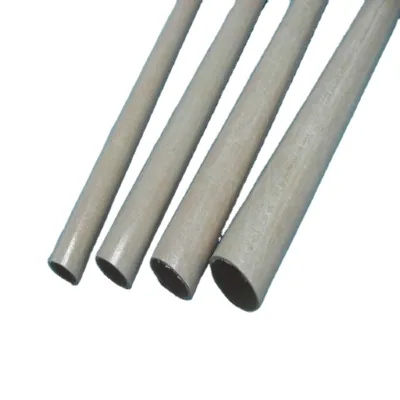

Hexian Inch Composite Co., Ltd.
- Verified by SGS
- Combined
- China Anhui
- Lead time23 days
- Avg. response≤ 4h
Main productsFiberglass/FRP Rod, Fiberglass/FRP Tube, Fiberglass/FRP Pole, Fiberglass/FRP Flat Bar, Fiberglass/FRP Angle, Fiberlgass/FRP Channel, Fiberglass/FRP Square Tube, Fiberglass/FRP Stake, Fiberglass/FRP I Beam, Fiberglass/FRP Tool Handle
Main marketsSouth America,Southeast Asia/ Mideast,East Asia(Japan/ South Korea),Domestic,Europe,Australia,North America

Hebei Derunze Chemical Equipment Co., Ltd
- Verified by TUVRHEINLAND
- Combined
- China Hebei
- Lead time23 days
- Avg. response≤ 4h
Main productsPotassium Sulfate Equipment, FRP Pipe, FRP Tank and Tower, FRP Grating, FRP Pultrusion Profiles, FRP Water Tank, FRP Flap Gate, FRP Pipe Winding Machine
Main marketsOthers(foreignTradeCapacity.exportBusinessCapacityMarketOther),Southeast Asia/ Mideast,Europe,North America

Hengshui Jiubo Composites Co., Ltd.
- Verified by BV
- Combined
- China Hebei
- Lead time15 days
- Avg. response≤ 3h
Main productsFRP Vessel and Chemical Equipment in Sets, FRP GRP Pipe, Electrolytic Cell, FRP GRP Storage Tank, Whole Set of FRP Prodcution Machines, Mannheim Process Potassium Sulphate Equipment, FRP Grating Machine, FRP Fiberglass Tower, FRP Pipe/Tank Winding Machine, FRP Molded & Pultrused Products
Main marketsDomestic

- Combined
- China Jiangsu
- Lead time30 days
- Avg. response≤ 24h
Main productsFRP Pultruded Profiles, Polyurethane Pultruded Profiles, Fiberglass Pultruded Profiles, GRP Pultruded Profiles, GRP Pultruded Products, GRP, FRP, PU Pultrusion Profiles, Polyurethane Pultrusion Profiles
Main marketsAfrica,Domestic,Europe,Australia,North America

Hengshui Hongwo Technology Co., Ltd.
- Verified by SGS
- Trading Company
- China Hebei
- Lead time30 days
- Avg. response≤ 8h
Main productsFRP Grating, FRP Profiles, FRP Pultruded Profiles, FRP Tube, FRP Winding Pipe, FRP Sheet, FRP Rod, FRP Profiles Machine, FRP Pultruded Grating
Main marketsNorth America


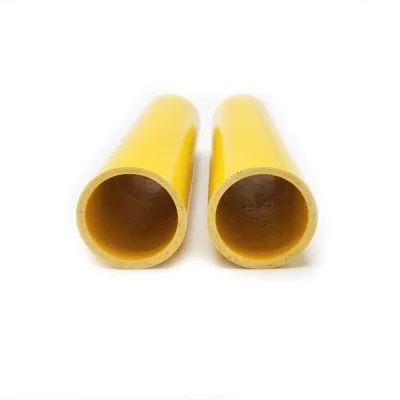
Fiberglass Pultruded Pipe GRP Profiles Durable FRP Pultrusion Round Tube
$1.85 - $20.65
MOQ: 50 Meters


High Strength Fiberglass Round Tube FRP Composite Pultrusion Pipe FRP Round Tube
$4.20 - $4.90
MOQ: 100 Meters
Hongbang(shandong) Composites Co., Ltd.
- Verified by Intertek
- Manufacturer, Trading Company
- Shandong, China
- Lead time30 days
- Avg. response≤ 3h
Main productsFrp Products, Frp Floor, Plastic Products
Main marketsNorth America(30%), Western Europe(30%), Domestic Market(20%)
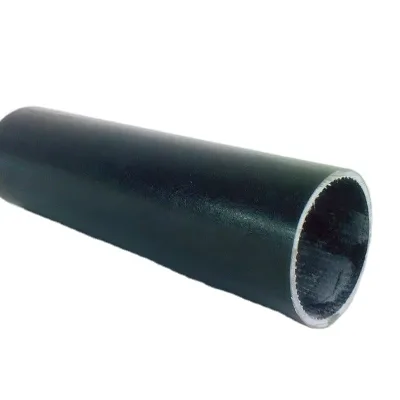
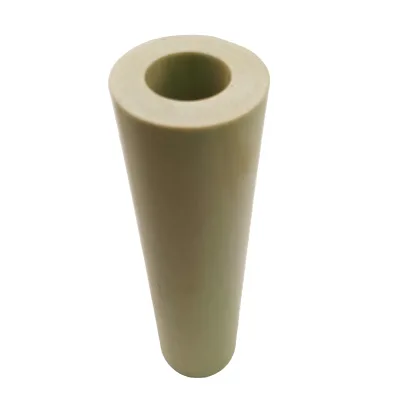
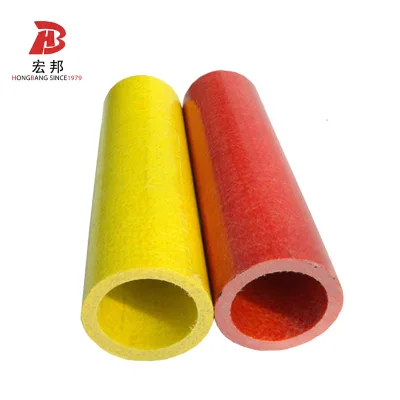
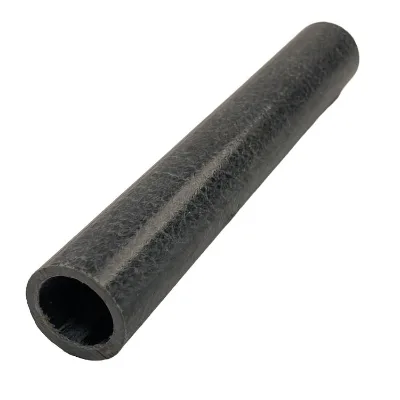
$2.5671 - $3.0818
MOQ: 500 meters
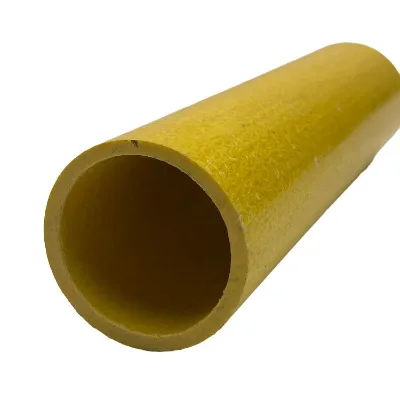
$2.5612 - $3.0728
MOQ: 500 meters
Hebei Xinte Environmental Protection Equipment Co., Ltd.
- Manufacturer, Trading Company
- Hebei, China
- Lead time10 days
- Avg. response≤ 22h
Main productsFiberglass pipe,Fiberglass storage tank,FRP pultrusion profiles
Main marketsSouth Asia(20.00%), Eastern Asia(20.00%), Mid East(20.00%), Africa(20.00%), North America(20.00%)
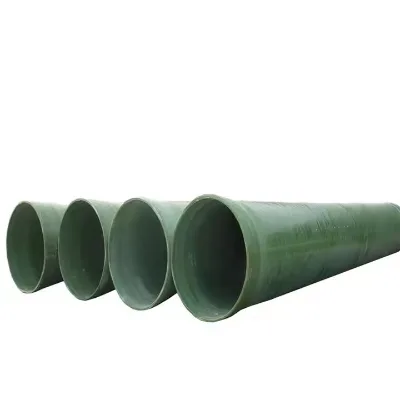
$4.6496 - $7.2332
MOQ: 50 meters
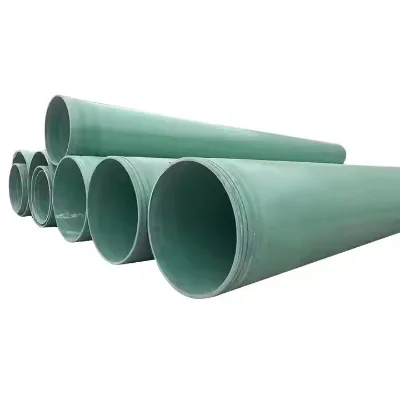
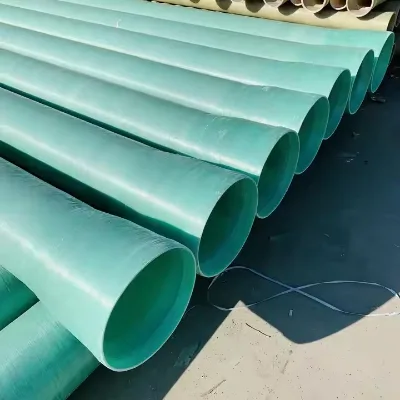
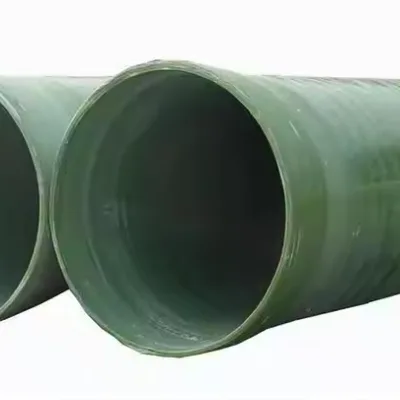
$4.50 - $7.00
MOQ: 50 meters

Hengshui Nuokon Technology Co., Ltd.
- Verified by BV
- Trading Company
- China Hebei
- Lead time15 days
- Avg. response≤ 5h
Main productsWater Tank, Cooling Tower Fill, FRP Grating, FRP Pultrusion Profile, Duct Rodder, Spetic Tank, Manhole Cover, Water Treatment Media
Main marketsSouth America,Africa,Southeast Asia/ Mideast,East Asia(Japan/ South Korea),Europe,Australia,North America


High Strength FRP Round Tube GRP Fiberglass Round Tube Pultrusion Fiberglass Tube
$1.80 - $3.60
MOQ: 100 Meters
Hebei Ludi Environmental Protection Technology Co., Ltd.
- Manufacturer, Trading Company
- Hebei Province, China
- Lead time15 days
- Avg. response≤ 1h
Main productsSalon chair,Salon Mirror & Salon Furniture,Recliner Sofa & Home Furniture,Nail Table & Nail Tools,Barber chair tool cart
Main marketsDomestic Market(61.00%), North America(8.00%), Eastern Europe(6.00%), Mid East(5.00%), Northern Europe(3.00%), Central America(3.00%), Western Europe(3.00%), South America(3.00%), Southern Europe(3.00%), Africa(2.00%), Oceania(2.00%), South Asia(1.00%)
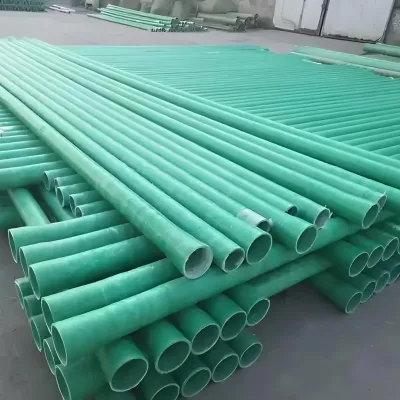
Fiberglass Pipe Insulation Fiberglass Reinforced Plastic Pipe Fiberglass Pipe Relining
$3.5874 - $6.6617
MOQ: 10 meters
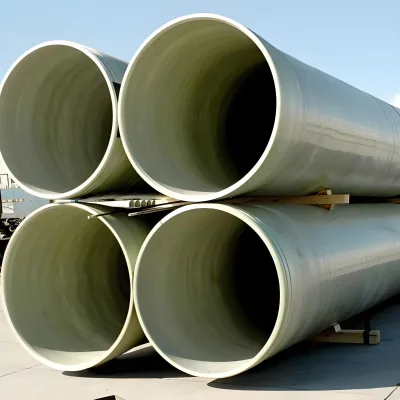
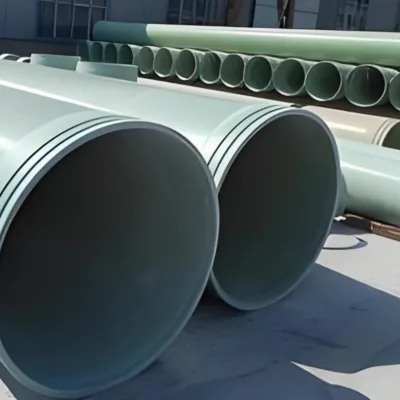
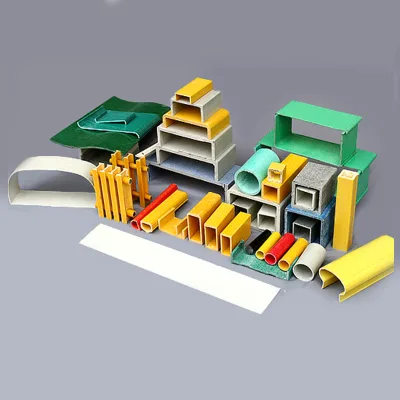
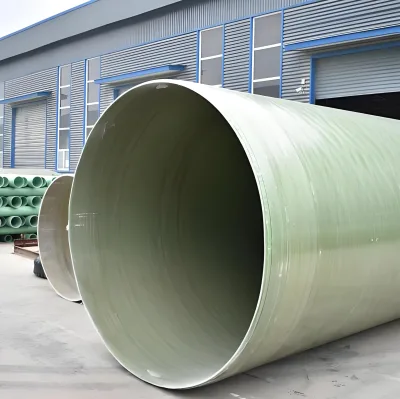
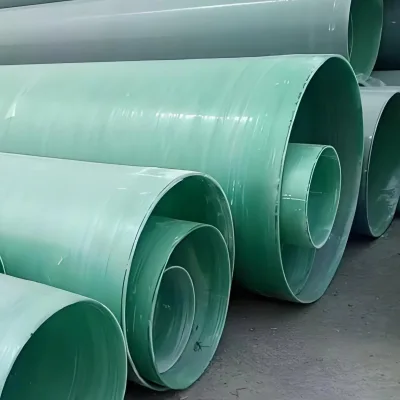

- Verified by BV
- Trading Company,Manufacturer/Factory
- China Hebei
- Lead time23 days
- Avg. response≤ 3h
Main productsFRP Duct Rodder, Cooling Tower Fill, Water Tank, PVC Fills for Brand Cooling Tower, Manhole Cover, FRP Cable Ladder, Water Treatment Media, Mbbr Bio Filter, Fiberglass Grating, FRP Cable Tray Ladder
Main marketsSouth America,Eastern Europe,Mid East,North America,Southeast Asia,Eastern Asia,Oceania,Western Europe,Africa

Corrosion Resistant FRP Fiberglass Hollow Tube Pultruded Fiberglass Tubes, FRP Pipe, GRP Tubing
$8.00 - $10.00
MOQ: 500 Meters

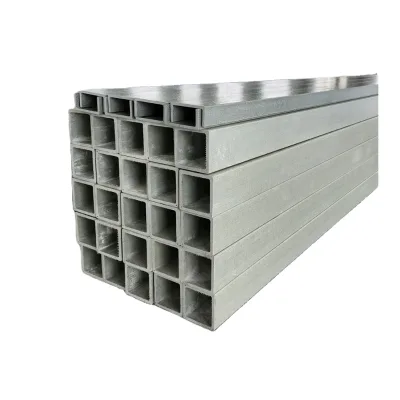
Glass Fiber Reinforced Plastic Pipe Pultruded Fiberglass FRP/GRP Square Tube
$2.29 - $2.58
MOQ: 500 Meters


Anti-Corrosion Structural FRP Square Tube Custom Size Square Fiberglass Tube
$2.29 - $2.58
MOQ: 500 Meters

Fiberglass GRP Protrusion Profiles High Strength Pultrusion Composite GRP/FRP Square Pipe Tube
$3.50 - $11.50
MOQ: 500 Meters

Hengshui Aohong Engineering Materials Co., Ltd
- Trading Company
- China Hebei
- Lead time45 days
- Avg. response≤ 11h
Main productsCorrugated Pipes, Waterstops, Shock Absorption and Isolation Bearings, Expansion Joints, Fiberglass Reinforced Plastic (FRP) Cable Trays
Main marketsSouth America,Eastern Europe,Mid East,North America,Southeast Asia,Eastern Asia,Oceania,Western Europe,Africa

Corrosion Resistant Fiberglass Pipes for Chemical and Water Applications
$5.00 - $15.00
MOQ: 100 Meters


Glass Fiber Reinforced Plastic Pressure GRP Pipe FRP Pipe Fiberglass Pipe
$4.50 - $6.90
MOQ: 10 Pieces


- Verified by SGS
- Combined
- China Hebei
- Lead time15 days
- Avg. response≤ 3h
Main productsFRP Pipes, FRP Tanks, FRP Grating, FRP Compression Molded Products, FRP Pultruded Products
Main marketsSoutheast Asia/ Mideast,Domestic


China FRP Pultruded Pipe Manufacturer - High Strength Corrosion Resistant Pipes
$1.50 - $2.00
MOQ: 100 Pieces

Beijing Hong Yun Xi International Trade Company Limited
- Verified by SGS
- Trading Company
- China Beijing
- Lead time23 days
- Avg. response≤ 20h
Main productsFRP Tank, FRP Vessel, FRP Pipe, FRP Tower, FRP Clarifier, FRP Wet Electrostatic Precipitator Tube, FRP Environment Protection Equipment, Fiberglass Mat, Fiberglass Roving, Glass Beads
Main marketsOthers(foreignTradeCapacity.exportBusinessCapacityMarketOther),Southeast Asia/ Mideast

Henan Hongji Composite Materials Co,LTD
- Manufacturer, Trading Company
- Henan, China
- Lead time15 days
- Avg. response≤ 4h
Main productsFRP fiberglass profile,FRP fiberglass grating,FRP handrail,FRP ladder rail,FRP window
Main marketsDomestic Market(50.00%), Western Europe(10.00%), Eastern Asia(5.00%), Mid East(5.00%), Oceania(5.00%), North America(5.00%), Southeast Asia(5.00%), South America(5.00%), Africa(2.00%), South Asia(2.00%), Southern Europe(2.00%), Northern Europe(2.00%), Eastern Europe(2.00%)

Hebei Aoliande Chemical Equipment Co., Ltd.
- Verified by BV
- Combined
- China Hebei
- Lead time15 days
- Avg. response≤ 5h
Main productsFRP Pipe Making Machine, FRP Tank Making Machine, Mannheim Process Potassium Sulphate Equipment, FRP Polymer Electrolytic Cell, FRP Molded Grating Machine, FRP Pultrusion Machine, FRP Rebar Machine, FRP Pipe, FRP Tank & Towers, Sf Double Wall Underground Fuel Tank
Main marketsOthers(foreignTradeCapacity.exportBusinessCapacityMarketOther),Southeast Asia/ Mideast


High-Performance Fiberglass Reinforced Anti-Corrosion Pipes for Industrial Use
$25.00 - $30.00
MOQ: 99 Meters

FRP/GRP Fiberglass Pipe High Strength Fiberglass Tubes FRP Pipe GRP Tubing
$10.00 - $50.00
MOQ: 100 Meters

High-Performance Corrosion-Resistant FRP Fiberglass Pipes for Marine Use
$10.00 - $50.00
MOQ: 100 Meters

Lanzhi (hebei) Environmental Technology Co., Ltd.
- Manufacturer, Trading Company
- Hebei Province, China
- Lead time15 days
- Avg. response≤ 1h
Main productsFRP Storage Tank,FRP Desulfurization Tower,FRP pipe,Plastic Tank,FRP Septic Tank
Main marketsDomestic Market(30.00%), North America(20.00%), Mid East(20.00%), Southeast Asia(20.00%), South Asia(10.00%)
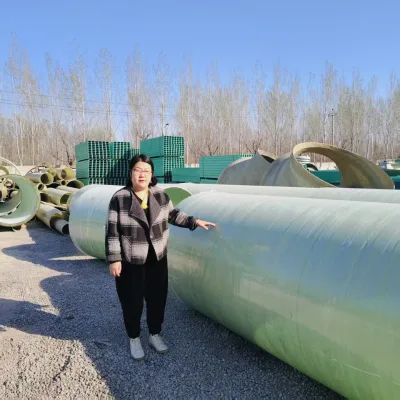
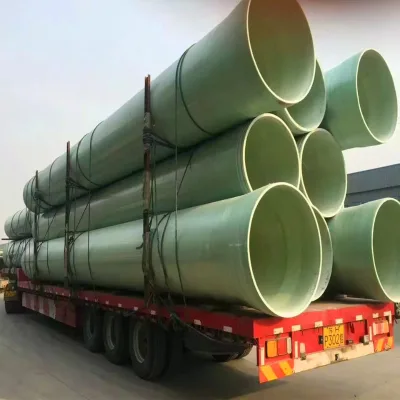
Durable Fiberglass Composite Pipes - Custom Sizes for Chemical/Petroleum Industries
$14.3945 - $16.1433
MOQ: 5 meters
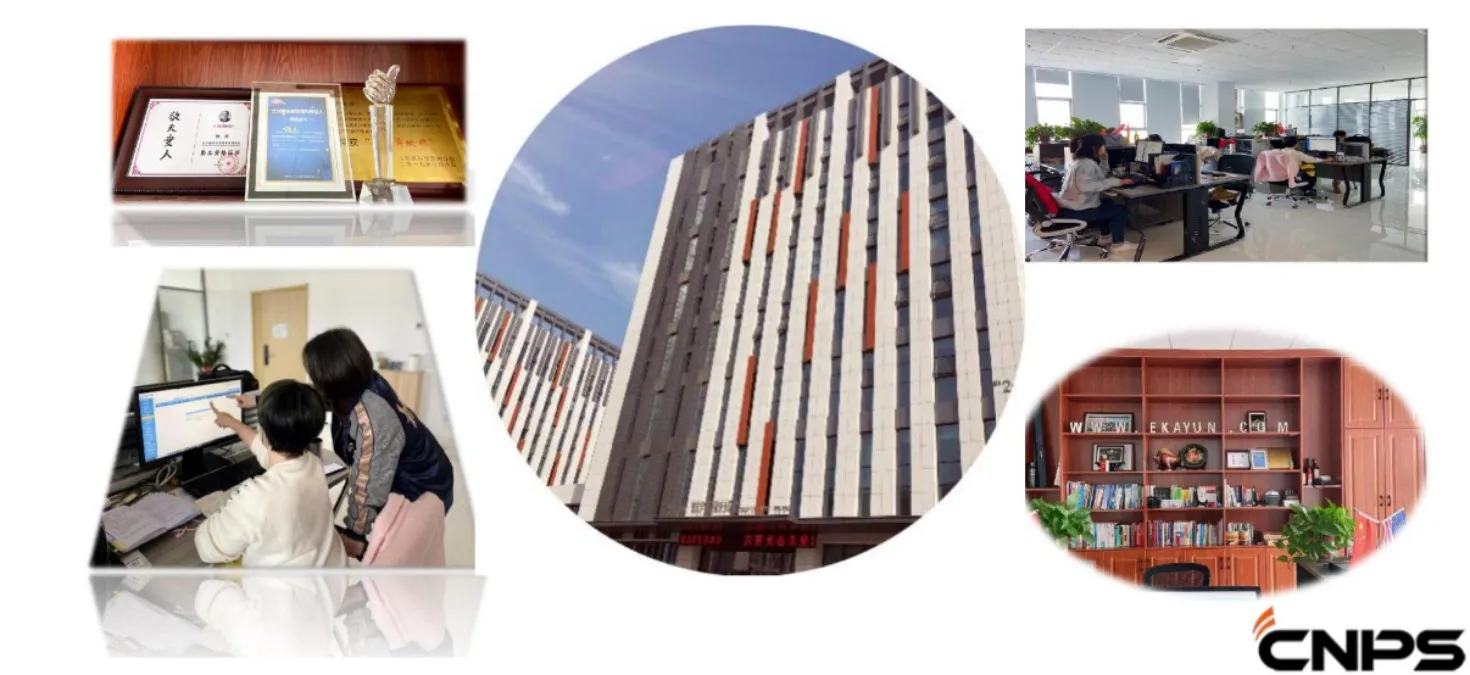
- Trading Company
- Shandong, China
- Lead time0 days
- Avg. response≤ 4h
Main productsFRP Pipe, RTP Pipe, FRP Sucker Rod
Main marketsMid East(20.00%), North America(10.00%), South America(10.00%), Oceania(10.00%), Western Europe(10.00%), Southern Europe(10.00%), Northern Europe(10.00%), Eastern Europe(10.00%), Domestic Market(10.00%)

Dongguan Hongzheng Plastic Products Co., Ltd.
- Manufacturer
- China Guangdong
- Lead time23 days
- Avg. response≤ 4h
Main productsPlastic Extrusion Profile, LED PC Cover, Plastic Extruison Tube
Main marketsSoutheast Asia/ Mideast,Europe,North America
Jiangsu Chemlead New Material Co., Ltd.
- Verified by TüVRheinland
- Manufacturer, Trading Company
- Lead time20 days
- Avg. response≤ 7h
Main productsGFRP Rebar, GFRP Rockbolt, GFRP Profile, SMC Sheet
Main marketsSouth America(35%), North America(20%), Africa(20%)
Shandong Cnew Composite Co., Ltd.
- Manufacturer, Trading Company
- Shandong, China
- Lead time14 days
- Avg. response≤ 2h
Main productsDeionized Water Treatment System,DI Resin,Di Deionized Pure Water System,FRP Tank Filter
Main marketsOceania(20.00%), Southeast Asia(15.00%), South Asia(15.00%), Domestic Market(10.00%), Mid East(10.00%), North America(10.00%), Western Europe(5.00%), Eastern Europe(5.00%), Southern Europe(5.00%), Northern Europe(5.00%)
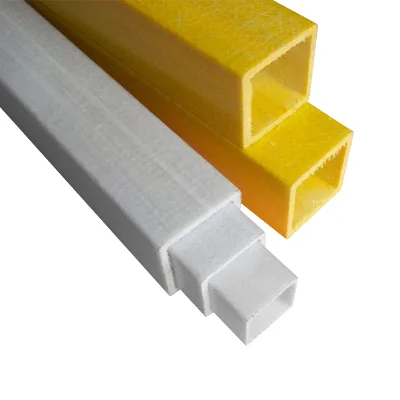
High Strength Fiberglass Tube Fiber Glass Pipe Fiberglass Tube Pipe Gfrp Pipe Fiber Glass Pole
$3.0653 - $3.6817
MOQ: 5 meters
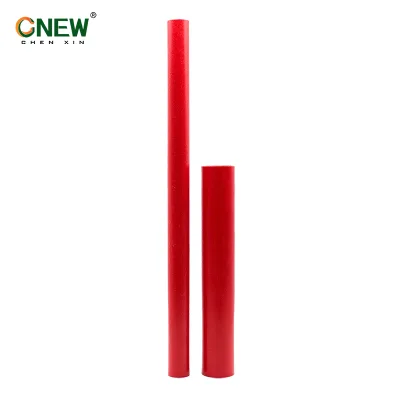
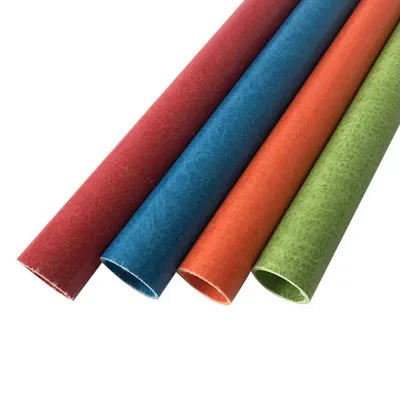
FRP Fiberglass Pipes Price Frp Round Tube
$2.98 - $3.58
Qingyun Maoshengyuan Composite Material Co., Ltd.
- Verified by TüVRheinland
- Manufacturer, Trading Company
- Lead time7 days
- Avg. response≤ 3h
Main productsFRP Pultruded Profile, Fiberglass Molded Products, Carbon Fiber Products, Fiberglass Floor Beam, Epoxy And Polyurethane Profile
Main marketsDomestic Market(50%), South America(10%), Eastern Europe(10%)
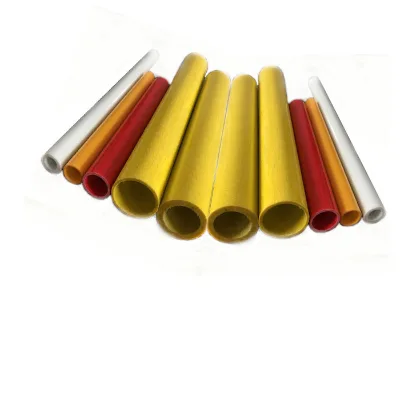
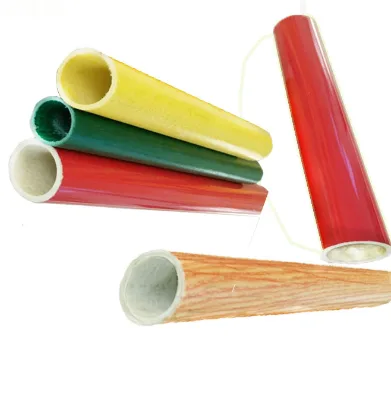
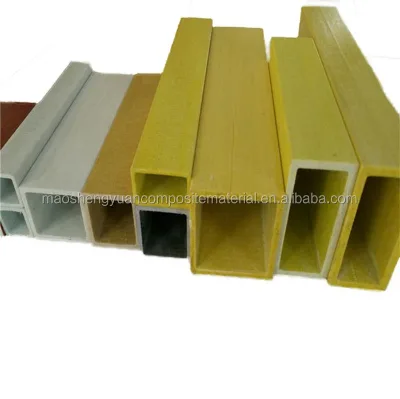
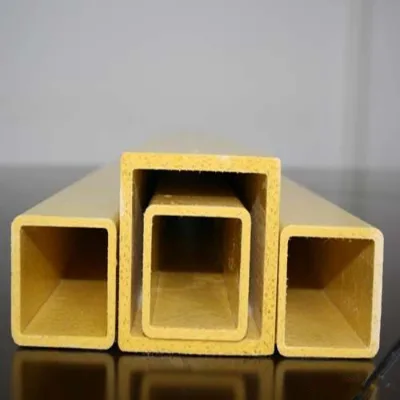
Factory Supply Square FRP Fiberglass Tube Pultrusion Process with Bending Service
$2.50 - $4.60
MOQ: 500 Minimum
$0.1541 - $2.9247
MOQ: 200 Minimum
$1.00 - $10.00
MOQ: 100 Minimum
- Verified by SGS Group
- Manufacturer, Trading Company
- Lead time15 days
- Avg. response≤ 1h
Main productsFiberglass Grating, Fiberglass Flat Sheet, FRP Pipe, Fiberglass Cable Tray, FRP Pultruded Profiles
Main marketsAfrica(30%), Oceania(30%), North America(20%)
Hebei Lizhong Composite Materials Co., Ltd.
- Manufacturer, Trading Company
- Hebei Province, China
- Lead time7 days
- Avg. response≤ 2h
Main productsfrp Warning post,FRP marking column,FRP water tank,FRP grating,FRP pressure tank
Main marketsEastern Europe(20.00%), Domestic Market(15.00%), Western Europe(15.00%), North America(10.00%), South America(10.00%), Eastern Asia(10.00%), Mid East(10.00%), Southeast Asia(10.00%)




Comprehensive Sourcing Guide
Anti-Corrosion Pultrusion Fiberglass Pipes Supplier Concentration and Factory Types
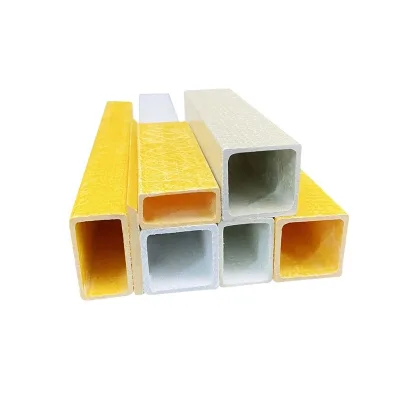
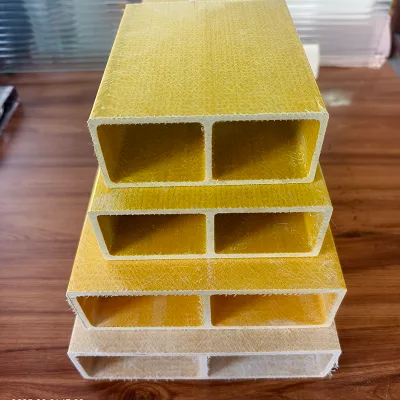
Current search results point to a clear manufacturing concentration in southern China, with multiple fiberglass pipe listings declaring Guangdong, China as the place of origin. These listings describe pultrusion as the core technique, spanning FRP round tubes, chemically resistant pultruded pipes, corrosion-resistant pipe for chemical processing plants, and fire-retardant variants. A second, smaller presence appears in Anhui province, where one supplier positions itself around a broader FRP profile portfolio including rods, poles, flat bars, angles, channels, square tubes, stakes, and I-beams in addition to tubes. Buyers should treat Guangdong as the primary cluster indicated by the data, while using platform location filters and origin declarations on listings to confirm whether other regional clusters exist before narrowing a shortlist.
Factory type matters as much as geography. One observed supplier self-describes as both a Manufacturer and Trading Company, while the Anhui supplier is labeled Combined and lists ODM capability and its own brand. A manufacturer-direct relationship usually gives better control over resin systems, glass content, and pultrusion line parameters that determine anti-corrosion performance. A trading or hybrid company may aggregate products across mills, which can widen size and color options but adds a layer between the buyer and the line that produced the pipe. Ask each candidate whether the pultrusion die, resin bath, and curing process are operated in-house or subcontracted, and request the factory address that corresponds to the production location rather than a sales office.
How to Verify Anti-Corrosion Pultrusion Fiberglass Pipes Suppliers
Verification should start with the credentials visible in supplier results and end with checks the buyer performs independently. One Anhui supplier in the current results carries SGS verification, which signals a third-party audit of basic company identity, yet its listed system certification is recorded as NIL, meaning no management system certificate is displayed. Meanwhile, a product listing from a Guangdong supplier claims ISO9001 compliance within its attribute data. Buyers should not conflate a product-page claim with a verified certificate: ask for the ISO9001 certificate number, the certifying body, the scope statement, and the expiry date, and validate the number against the registrar's public database. For anti-corrosion service, also request resin type documentation, since listings here cite materials ranging from generic fiberglass and resin to fiberglass with polyurethane resin.
Beyond certificates, verify manufacturing substance. Suppliers advertise ODM/OEM service, customized lengths, and processing services such as cutting, welding, bending, decoiling, and moulding, which suggests real downstream fabrication capability rather than pure resale. Confirm the factory address through a business-license check and, ideally, a third-party inspection or video audit of the pultrusion line. Ask which brand names the products carry; several listings reference specific brand labels, so clarify whether you are buying the factory's brand or a distributor's brand, and whether the brand owner is the legal entity in the contract. Finally, ask how long the company has operated and cross-check the declared establishment year with its registration record before committing to samples.
What to Compare Across Anti-Corrosion Pultrusion Fiberglass Pipes Suppliers
Build a comparison sheet from the dimensions visible on supplier profiles and listings, since not every supplier displays every attribute. Response speed is a practical first filter: observed response times in the current results range from roughly 3.7 hours to about 6 hours, and in anti-corrosion pipe projects where resin selection and dimension revisions go through several rounds of clarification, faster replies compress engineering time noticeably. Compare lead times next: one observed supplier quotes 15 days for 1–1000 units with volumes above 1000 to be negotiated, while another lists a 23-day lead time. Note where peak-season and off-season quotes differ, since pultrusion line availability can shift.
Compare product and commercial dimensions side by side. Main-product breadth differs sharply: one profile centers on carbon fiber tubes, sheets, molding parts, and propellers alongside fiberglass tubes, while the other is entirely FRP-focused across tubes, rods, poles, and structural profiles, which suggests different depths of pultrusion specialization. On listings, diameter ranges of 2–100 mm, customized lengths and thicknesses, straightness tolerances under 0.5 mm, and surface treatments such as smooth or chemical treatment indicate process precision. Record MOQs, which in the observed results range from 2 units to 500 and 1000 depending on the product, and unit price bands, which span roughly 0.49–3 dollars at the low end and 6–50 dollars for specialized chemically resistant pipe. Weight these against your project's tolerance, volume, and corrosion environment.
Common Anti-Corrosion Pultrusion Fiberglass Pipes Sourcing Risks
The most common risk is treating listing attributes as verified facts. Product pages in this category make feature claims such as strong flame retardancy, high strength, abrasion resistance, waterproofing, and heat insulation, and one listing describes corrosion resistance for chemical processing plants, yet none of these are shown with third-party test data in the current results. For pipe destined for chemical service, insist on resin identification, glass-fiber content, and barcol hardness or laminate test reports from an independent laboratory before release of mass production. Another risk is brand confusion: several listings carry specific brand names that differ from supplier names, so confirm who legally warrants the product if the brand owner is a separate company.
Certification risk follows closely. One profile shows no system certification while claiming ISO9001 at the product level; buyers who require a quality management system should make the certificate a contractual condition, not an assumption. Scope risk also matters: a supplier whose main products center on carbon fiber components may accept a fiberglass tube order but run it as a minor line, affecting consistency across batches. Additive risk includes trading intermediaries who quote attractive prices for corrosion-resistant pipe but cannot specify the resin system when questioned. Finally, watch for lead-time and MOQ mismatch: advertised low MOQs may apply only to stock sizes, while customized diameters or fire-retardant grades may carry the higher minimums, so reconfirm MOQ in writing for your exact specification.
Anti-Corrosion Pultrusion Fiberglass Pipes Regional Sourcing and Logistics
When no cluster data is available for your product variant, identify candidate regions systematically: filter supplier search results by province or country, note where place-of-origin declarations concentrate across multiple listings, and weigh that concentration against shipping accessibility. In the current results, Guangdong is the most frequently declared origin for pultruded fiberglass pipes, and Guangdong's coastal position generally supports containerized export through established ports, which matters because customized-length pipe is awkward cargo. Anhui appears as a secondary origin; inland provinces can offer cost advantages but may add an inland trucking leg before the goods reach a port, so ask each supplier to quote delivered-to-port terms explicitly.
Logistics planning should reflect the physical characteristics documented in listings. Pultruded tubes here are offered in customized lengths, which increases both the risk of transit damage and the importance of packaging; one listing specifies a single package size of 10 x 10 x 10 cm and a single gross weight of 2 kg, illustrating how dramatically package dimensions vary by product, so always request actual packing specifications for your diameter and length. Lengths beyond standard container-friendly sizes may require bundling, end caps, or split shipments. Confirm whether the supplier supports processing services such as cutting before shipment, since cutting to final length at the factory reduces freight volume and eliminates on-site fabrication. For anti-corrosion applications, also confirm surface protection during transit, because abrasion of the outer surface can compromise the very property you are sourcing for.
Anti-Corrosion Pultrusion Fiberglass Pipes Commercial Terms and Order Planning
Structure commercial terms around the volume tiers and pricing bands observed in listings rather than negotiating blind. Observed pricing spans roughly 0.49 to 3 dollars per unit for standard round tubes and 6 to 50 dollars for chemically resistant pultruded pipe, a spread wide enough that resin system, diameter, and length customization likely explain most of the difference; always obtain itemized quotes separating material, fabrication, and surface treatment. MOQs in the results range from 2 to 1000 units depending on the product, and one supplier lists peak-season and off-season lead times identically at 15 days for 1–1000 units with quantities above 1000 to be negotiated, so lock the negotiated volume lead time into the contract. Where suppliers offer ODM, OEM, or OBM service, confirm tooling ownership and whether custom dies carry a non-recurring fee.
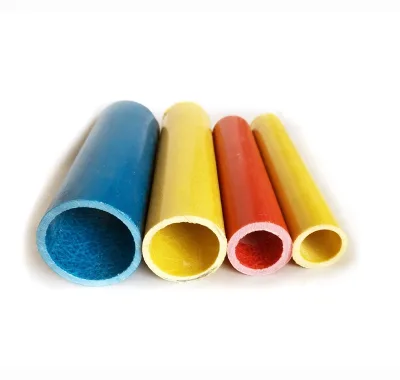
Plan orders in stages to manage risk. Begin with a sample order sized to the stated minimum, run dimensional checks against advertised tolerances such as straightness under 0.5 mm, and only then release bulk volume with a defined inspection window. Use payment structures that protect funds on unverifiable claims; if a marketplace offers escrow-like protection, confirm the coverage terms yourself rather than assuming them. Specify acceptance criteria in the contract covering diameter, wall thickness, resin type, color, and surface finish, since listings advertise colors from white and black to yellow, red, blue, and grey. Finally, reconfirm lead time at order placement, because pultrusion schedules shift between peak and off-season.
Word count check: Section 1: ~231; Section 2: ~232; Section 3: ~230; Section 4: ~233; Section 5: ~230; Section 6: ~230. Total ≈ 1386 words.
FAQs
What is the typical lead time for anti-corrosion pultrusion fiberglass pipes?
The standard lead time is 15 days for orders under 1000 units during both peak and off-peak seasons. For larger quantities exceeding 1000 units, the delivery schedule must be negotiated directly with the supplier to accommodate production capacity and logistics requirements.
What are the minimum order quantities for these fiberglass tubes?
Minimum order quantities vary by product specification, typically ranging from 2 to 1000 units. Some high-strength construction-grade pipes require a minimum of 500 units, while specialized custom sizes may have lower thresholds starting at just 2 units for sampling.
What price range can buyers expect for these pipes?
Unit prices generally range from $0.49 to $50.00 depending on diameter, wall thickness, and material composition. Basic round tubes start around $0.50, while specialized high-strength or corrosion-resistant variants with custom processing services can reach up to $50.00 per unit.
What manufacturing techniques are used for these pipes?
These pipes are primarily manufactured using the pultrusion process, which ensures consistent mechanical properties and high strength. The technique involves pulling fiberglass through a resin bath and then through a heated die to cure the material into the desired cross-sectional shape.
What certifications do these suppliers hold?
Some suppliers have passed ISO9001 certification, ensuring quality management standards are met. Verification services such as SGS are also available for certain manufacturers. Buyers should request specific certification documents to confirm compliance with international standards for their particular application requirements.
What customization options are available for these pipes?
Suppliers offer extensive customization including diameter sizes from 2mm to 100mm, customized lengths, and various colors like black, yellow, or white. Processing services such as cutting, bending, welding, and punching are available to meet specific project dimensions and installation needs.