Refractory Castable Steel Fiber Suppliers and Manufacturers
Source Refractory Castable Steel Fiber from 25 verified suppliers in China Hebei. Compare ISO 9001 certified manufacturers offering OEM capabilities, 23-day lead times, and prices from $1400 to $4000. Request quotes to verify specific tensile strength and customization options; review the available evidence before requesting comparable quotations from suitable candidates.
Updated
Suppliers List

Hebei Yusen Metal Wire Mesh Co., Ltd.
- Verified by TUVRHEINLAND
- Trading Company,Manufacturer/Factory
- China Hebei
- Lead time23 days
- Avg. response≤ 11h
Main productsSteel Fiber, Micro Steel Fiber, Barbed Wire, Wire Mesh Reinforcement, Welded Wire Mesh, Plastic Flat Net, Wire Mesh Fence
Main marketsSouth America,Eastern Europe,Mid East,North America,Southeast Asia,Eastern Asia,Oceania,Western Europe
Zibo Long Keter New Materials Co., Ltd.
- Verified by Intertek
- Trading Company
- Lead time30 days
- Avg. response≤ 2h
Main productsFire Bricks, Refractory Slide Gate Plates, Tabular Alumina, Refractory Cement and Castable, Ceramic Fiber Blanket
Main marketsWestern Europe(30%), Mid East(25%), Southeast Asia(23%)
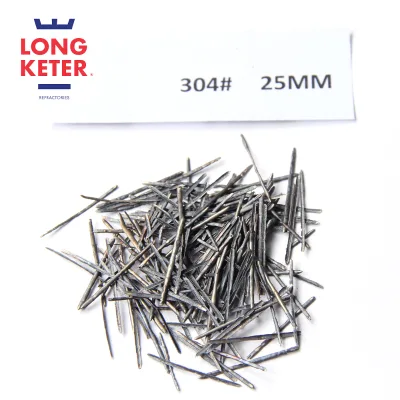
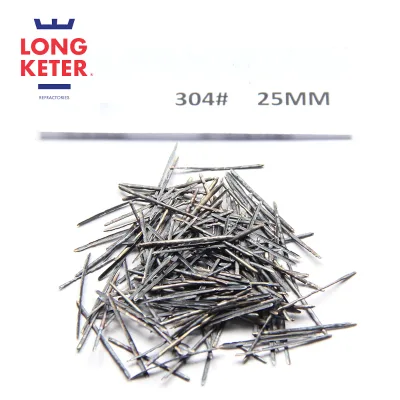
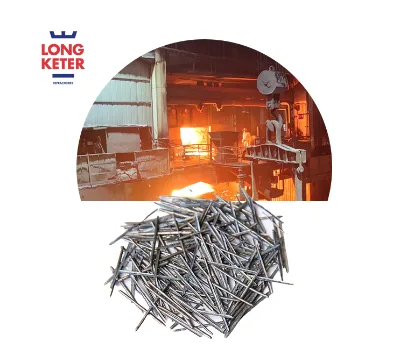
Refractory Steel Fiber for Concrete Reinforcement UHPC Clad Copper Microconcrete Steel Fiber
$1.0233 - $2.0465
MOQ: 10 Minimum

Greenergy Refractory and Insulation Material Co., Ltd.
- Verified by SGS
- Trading Company,Manufacturer/Factory
- China Anhui
- Lead time0 days
- Avg. response≤ 2h
Main productsThermal Insulation, Ceramic Fiber, Calcium Silicate, Fire Brick, Refractory Material, Refractory, Ceramic Fiber Blanket, Ceramic Fiber Module, Aerogel, Castables
Main marketsSouth America,Eastern Europe,Mid East,North America,Southeast Asia,Eastern Asia,Oceania,Western Europe,Africa

Greenergy Refractory Castable Cement Stainless Steel Fiber Castable for Blast Furnace
$1.00 - $2.00
MOQ: 1 Tons

Greenergy High Temperature Melting Pool Castable Steel Fiber High Strength Refractory Castable
$1.00 - $2.00
MOQ: 1 Tons


Henan Fireramo Industrial Co., Ltd.
- Verified by CTI
- Trading Company
- China Henan
- Lead time30 days
- Avg. response≤ 1h
Main productsRefractory Brick, Refractories, Refractory Castable, Fire Bricks, Fire Mortar
Main marketsEurope

Refractory Castable Corundum Steel Fiber Reinforced Wear Resistance Refractory Castable
$680.00 - $1050.00
MOQ: 10 Tons


High Alumina Castable Refractory Castable Material Stainless Steel Fiber for Kilns
$880.00 - $1050.00
MOQ: 10 Tons

High-Performance Steel Fiber Castable for Durable Construction Solutions
$680.00 - $850.00
MOQ: 10 Tons

Zhengzhou Highland Refractory Material Co., Ltd.
- Verified by Intertek
- Manufacturer, Trading Company
- Lead time30 days
- Avg. response≤ 1h
Main productsRefractory Brick, High Alumina Bricks, Refractory Castable, Unshaped Monolithic Refractories, Refractory Raw Material
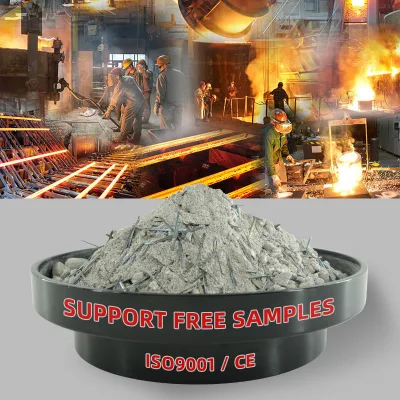
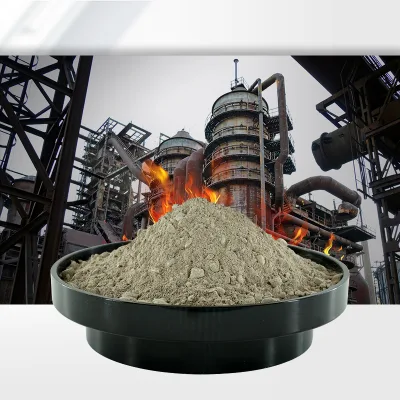
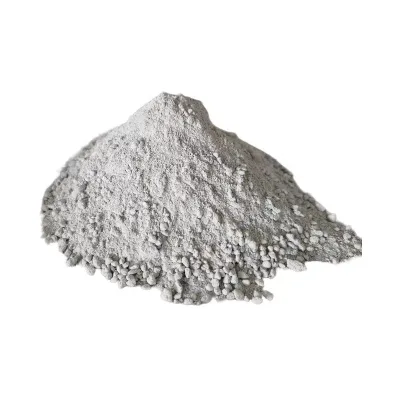
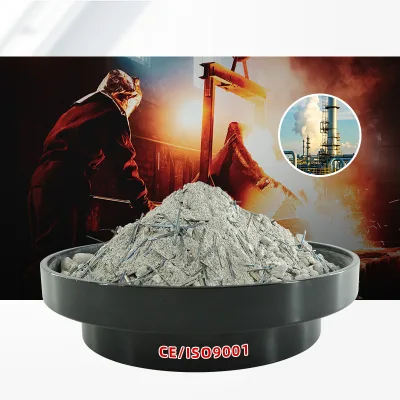
Steel Fiber Wear Resistance Castable Industry Furnace Unshaped Monolithic Refractory Castable
$250.00 - $300.00
MOQ: 1 tons

- Verified by TUVRHEINLAND
- Trading Company
- China Shandong
- Lead time30 days
- Avg. response≤ 2h
Main productsRefractory Bricks, Ceramic Fiber Blanket, Refractory Castable, Thermal Insulation Ceramic Fiber Product, Hot Stamping Magnesium Plate, Ceramic Fiber Board, Fireclay Brick, Insulation Brick, High Alumina Brick, Etching Machine
Main marketsSouth America,Eastern Europe,Mid East,North America,Southeast Asia,Eastern Asia,Oceania,Western Europe,Africa


Factory Price Good Wear Resistant Castable Refractory Steel Fiber Reinforcement Castable
$350.00 - $400.00
MOQ: 1 Tons

Reinforced Shock Resistance Roof Resin Steel Fiber Silicon Carbide Refractory Castables
$325.00 - $385.00
MOQ: 5 Tons

Professional Manufacturer Refractory Steel Fiber Corundum Wear Resistantance Castables
$275.00 - $350.00
MOQ: 5 Tons

High Abrasion Resistance Castable Plastic Refractories Plastic Castable for Boiler
$182.00 - $350.00
MOQ: 1 Tons

Factory High Strength Lightweight Insulating Refractory Castable for Sale
$182.00 - $350.00
MOQ: 1 Tons

LUOYANG SHENGJIE NEW MATERIALS CO., LTD
- Verified by CTI
- Combined
- China Henan
- Lead time30 days
- Avg. response≤ 4h
Main productsrefractory castable
Main marketsSoutheast Asia/ Mideast,North America

High Strength and Wear Resistance Refractory Castable Steel Fiber Castable
$599.00 - $880.00
MOQ: 1 Tons

Shengjie Factory Price Concrete Cement Refractory Castable Steel Fiber Fire Resistant Castable
$599.00 - $880.00
MOQ: 1 Tons

High-Temperature Refractory Cement Steel Fiber Castable for Kiln Insulation
$599.00 - $880.00
MOQ: 1 Tons

High Temperature Fire Clay Castables Ceramic Fiber Refractory Castable High Alumina Fiber
$15.00 - $95.00
MOQ: 50 Pieces

High Temperature Castable Fire Resistant Cement Mortar Steel Fiber Castable
$599.00 - $880.00
MOQ: 1 Tons

Henan Xinyuan Refractory Co., Ltd.
- Verified by TüVRheinland
- Manufacturer, Trading Company
- Lead time0 days
- Avg. response≤ 7h
Main productsRefractory Brick, Refractory Material, Castable, Ceramic Fiber, Graphite Crucible
Main marketsNorth America(42%), Southeast Asia(20%), South America(18%)
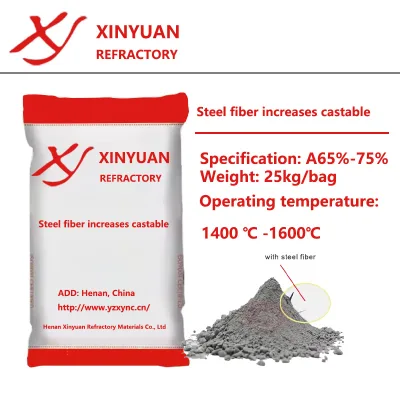
$180.00 - $600.00
MOQ: 50 Minimum
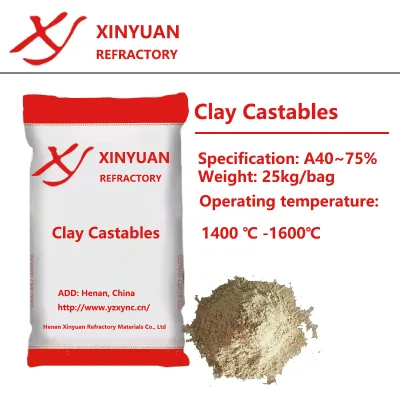
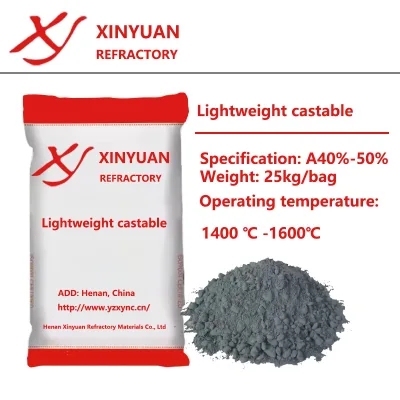
$200.00 - $800.00
MOQ: 50 Minimum
Gongyi Rongxin Carbon Products Co., Ltd.
- Trading Company
- Henan, China
- Lead time5 days
- Avg. response≤ 1h
Main productselectrode paste,graphite electrode,cold ramming paste,calcined petroleum coke,Carbon block
Main marketsMid East(30.00%), South Asia(30.00%), Southeast Asia(20.00%)
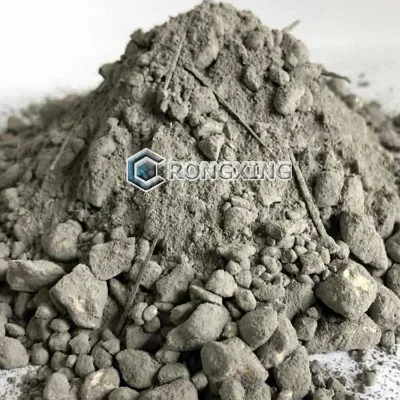
High Temperature Refractory Castable Anti Erosion Steel Fibre Refractory Castable for Blast Furnace
$153.699 - $204.9311
MOQ: 5 tons
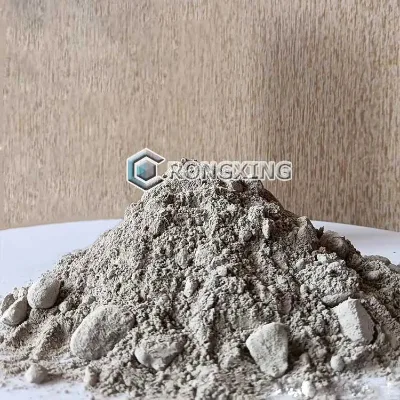
Steel Industry Refractory Castable High Alumina Refractory Castable for Furnace Lining
$155.2938 - $207.0584
MOQ: 5 tons
Zibo Hitech Material Co., Ltd.
- Trading Company
- Shandong, China
- Lead time30 days
- Avg. response≤ 14h
Main productsRefractoy bricks,Monolithic materials,Steel continous casting refractories,Ceramic fibers,Nickel-based alloys
Main marketsMid East(50.00%), South America(10.00%), South Asia(8.00%), North America(8.00%), Eastern Asia(6.00%), Southeast Asia(5.00%), Western Europe(5.00%), Africa(1.50%), Southern Europe(1.50%), Northern Europe(1.50%), Central America(1.50%), Eastern Europe(1.50%), Domestic Market(0.50%)

Luoyang Zhongwei Metallurgical Material Technology Co., Ltd.
- Verified by SGS
- Combined
- China Henan
- Lead time30 days
- Avg. response≤ 13h
Main productsEco-Friendly Taphole Clay, Redactories for Blast Furnace Ironmaking, Castables for Iron Trough, Refractories for Continus Casting Tundish, Metallurgical Auxiliary Materials
Main marketsSoutheast Asia/ Mideast

High-Performance Corundum Steel Fiber Castables for Refractory Applications
$200.00 - $980.00
MOQ: 1 Tons

Vibratable Steel Fiber Reinforced Castable for Monolithic Refractory Construction
$350.00 - $465.00
MOQ: 1 Tons


Corrosion-Resistant Refractory Material Castables for Steel, Electric and Chemical Industry
$350.00 - $460.00
MOQ: 1 Tons

ZHENGZHOU RONGSHENG REFRACTORY CO., LIMITED
- Verified by BV
- Combined
- China Henan
- Lead time23 days
- Avg. response≤ 3h
Main productsRefractory Brick, Refractory Castable, Graphite Electrode, Refractory Cement, Ramming Mass, High Alumina Bricks, Magnesia Bricks, Corundum Bricks, Mullite Bricks, Insulation Bricks
Main marketsSouth America,Africa,Others(foreignTradeCapacity.exportBusinessCapacityMarketOther),Southeast Asia/ Mideast,Europe

$200.00 - $300.00
MOQ: 1 Tons

High Quality Alumina Castable Steel Fiber Castable Refractory Material Suppliers
$200.00 - $400.00
MOQ: 1 Tons


Rongsheng High Quality High Alumina Castable Steel Fiber Refractory Castable
$100.00 - $480.00
MOQ: 1 Tons

High Strength Steel Fiber Reinforced Castable Kilns Refractory Wear-Resistant Low Cement Castable
$260.00 - $620.00
MOQ: 1 Tons

High Strength Furnace Liner Wear-Resistant Steel Fiber Refractory Castable for Kiln
$260.00 - $620.00
MOQ: 1 Tons

ZHENGZHOU JANSINCERE REFRACTORY CO.,LTD.
- Verified by SGS
- Combined
- China Henan
- Lead time30 days
- Avg. response≤ 9h
Main productsrefractory
Main marketsSoutheast Asia/ Mideast,Europe


Steel Fiber Enhanced Refractory Castable, High Wear Resistant, for Industrial Furnace Lining
$200.00 - $400.00
MOQ: 1 Tons

Henan Xintai Refractory Material Co., Ltd.
- Verified by Intertek
- Manufacturer, Trading Company
- Lead time0 days
- Avg. response≤ 3h
Main productsHigh-alumina Brick, Clay Brick, Refractory Castables
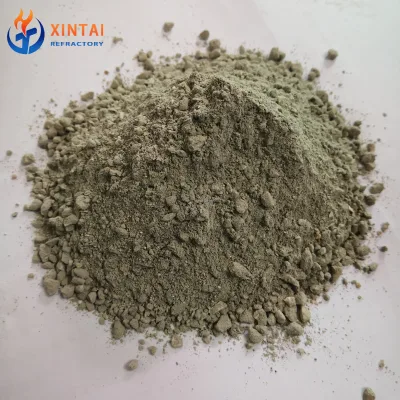
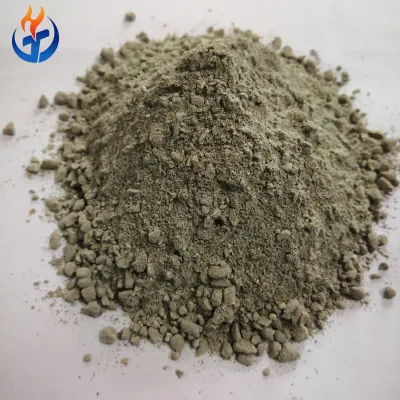
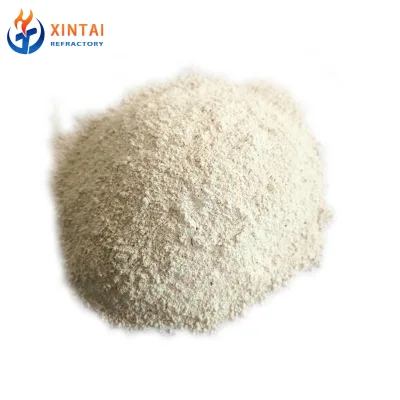
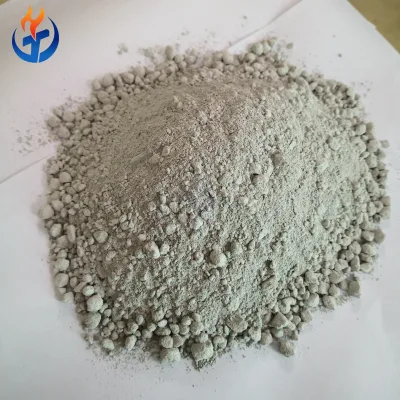
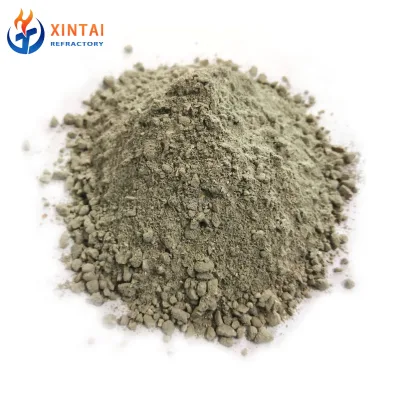
$92.2194 - $153.699
MOQ: 1 tons
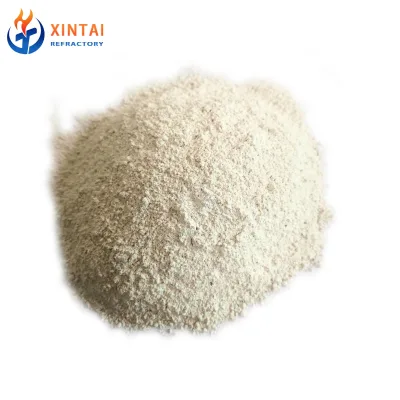
$297.1505 - $399.616
MOQ: 1 tons

Henan Rongxing Carbon Products Co., Ltd.
- Trading Company
- China Henan
- Lead time15 days
- Avg. response≤ 3h
Main productsGraphite Electrode, Electrode Paste, Calcined Petroleum Coke (CPC), Graphitized Petroleum Coke (GPC), Carbon Graphite Block, Cold Ramming Paste, Semi Coke, Silicon Carbide, Brown Fused Alumina, Tabular Alumina
Main marketsSouth America,Southeast Asia/ Mideast,Europe

High Temperature Refractory Castable Anti Erosion Steel Fibre Refractory Castable for Blast Furnace
$160.00 - $300.00
MOQ: 20 Tons

Steel Industry Refractory Castable High Alumina Refractory Castable for Furnace Lining
$160.00 - $300.00
MOQ: 20 Tons

$160.00 - $300.00
MOQ: 20 Tons
Zhengzhou Shuojin Refractory Material Co., Ltd.
- Manufacturer, Trading Company
- Henan, China
- Lead time0 days
- Avg. response≤ 15h
Main productsRefractory brick,Anhydrous Cannon Clay,Refractory castable,Kiln furniture,Ceramic Fiber Products
Main marketsDomestic Market(70.00%), Southeast Asia(15.00%), North America(10.00%), Africa(5.00%)
Dalian Huayu Refractories International Co., Ltd.
- Trading Company
- Liaoning, China
- Lead time30 days
- Avg. response≤ 3h
Main productsIndustrial Ceramics,Refractory Bricks,Refractories,Graphite Electrode,Crucible
Main marketsEastern Asia(25.00%), Eastern Europe(25.00%), Northern Europe(25.00%), Southeast Asia(10.00%), South America(10.00%), Africa(5.00%)
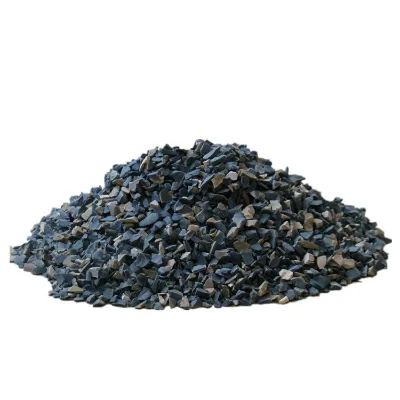
Alkali Resistant Best Quality Refractory Castable for Steel Melting Furnace
$175.00 - $180.00
MOQ: 1 tons
Zhengzhou Kerui (Group) Refractory Co., Ltd.
- Verified by SGS Group
- Manufacturer, Trading Company
- Lead time15 days
- Avg. response≤ 2h
Main productsRefractory Brick, Ceramic Fiber Products, Insulation Brick, Magnesia Brick, Refractory Castable
Main marketsDomestic Market(57%), Eastern Europe(15%), Southeast Asia(12%)
Nanning Elaiter Environmental Technologies Co., Ltd.
- Trading Company
- Guangxi, China
- Lead time10 days
- Avg. response≤ 15h
Main productsCeramic foam filter,Ceramic Honeycomb Monolith,Metallic substrates,Diesel particulate filter (DPF),MBBR bio filter media
Main marketsSouth America(45.00%), North America(20.00%), Domestic Market(10.00%), Western Europe(10.00%), Southeast Asia(3.00%), Eastern Asia(3.00%), South Asia(2.00%), Eastern Europe(2.00%), Oceania(1.00%), Africa(1.00%), Southern Europe(1.00%), Central America(1.00%), Mid East(1.00%)
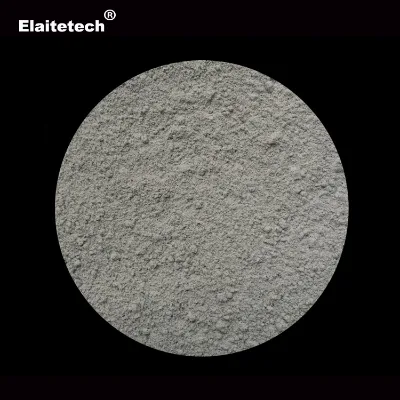
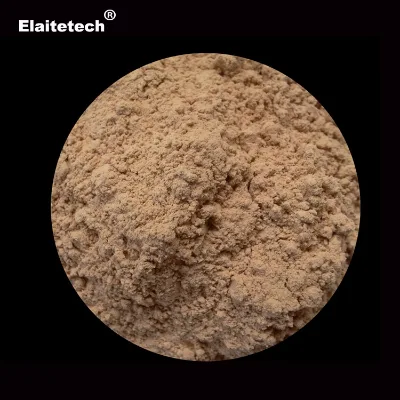
Corundum Mullite Insulating Refractory Castable Cement for Iron Making Furnaces
$259.9046 - $935.6538
MOQ: 1 Minimum

Shandong Hitech Material Co., Ltd.
- Verified by SGS
- Trading Company,Manufacturer/Factory
- China Shandong
- Lead time23 days
- Avg. response≤ 8h
Main productsRefractory, Nickel Alloy, Refractory Castable, Refractory Bricks, Precast Shape Refractory, Inconel, Incoloy, Monel, Hastelloy, Refractory Monolithic
Main marketsSouth America,Eastern Europe,North America,Southeast Asia,Eastern Asia,Western Europe,Africa
Henan Ruitai Refractory Materials Technology Co., Ltd. Xinmi Branch
- Verified by Intertek
- Manufacturer, Trading Company
- Lead time60 days
Main productsRefractory
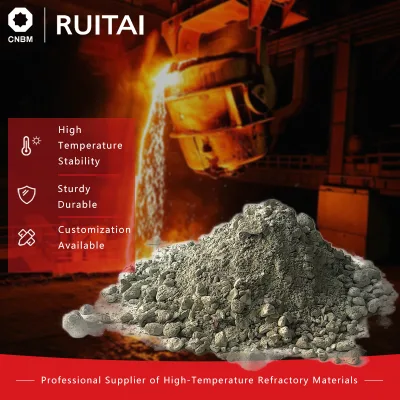
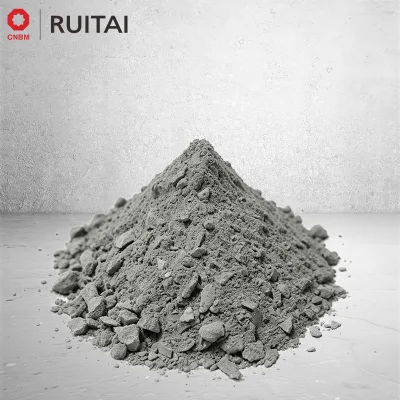
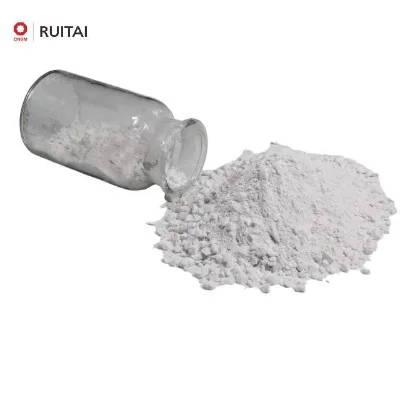
$585.00 - $720.00
MOQ: 1 Minimum

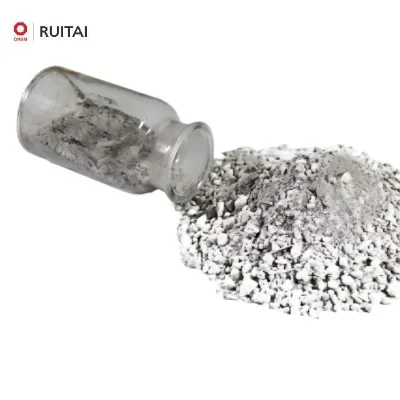
$292.50 - $742.50
MOQ: 1 Minimum
Jiangxi Fengshuo Refractory Material Co., Ltd.
- Manufacturer, Trading Company
- Jiangxi Province, China
- Lead time0 days
- Avg. response≤ 16h
Main productsRefractory Bricks, Unshaped Refractory, Refractory Castables, Insulation Materials, Insulation Bricks
Main marketsDomestic Market(70.00%), Southeast Asia(15.00%), South Asia(5.00%), Oceania(5.00%), Africa(5.00%)

Guangdong Rongke Industrial Equipment Co., Ltd
- Verified by BV
- Manufacturer/Factory
- China Guangdong
- Lead time150 days
- Avg. response≤ 4h
Main productsIntermediate Frequency Induction Furnace, Intermediate Frequency Power Cabinet, Pouring System, Dust Removal System, Automatic Transferring System
Main marketsSouth America,Eastern Europe,Mid East,North America,Southeast Asia,Eastern Asia,Oceania,Western Europe,Africa

Hebei Xingshi New Material Technology Co., Ltd
- Verified by TUVRHEINLAND
- Group Corporation
- China Hebei
- Lead time23 days
- Avg. response≤ 5h
Main productsCathode Carbon Block, Natural Graphite, Natural Flake Graphite, Graphite Powder, Anti-Acid Graphite Bricks, Flexible Graphite, Silicon Carbide, Graphitized Petroleum Coke, Graphite Emulsion, Flexible Graphite Sheet
Main marketsSouth America,Eastern Europe,Mid East,North America,Southeast Asia,Eastern Asia,Oceania,Western Europe,Africa
Xiamen Han Jia New Materials Technology Co., Ltd.
- Manufacturer, Trading Company, Buying Office
- Fujian Province, China
- Lead time0 days
- Avg. response≤ 2h
Main productsMullite Insulating Bricks,Lightweight Thermal Insulation Bricks,Heavy-Duty High Alumina Bricks,Castable Refractories
Main marketsMid East(60.00%), Africa(20.00%), South America(10.00%), North America(10.00%)
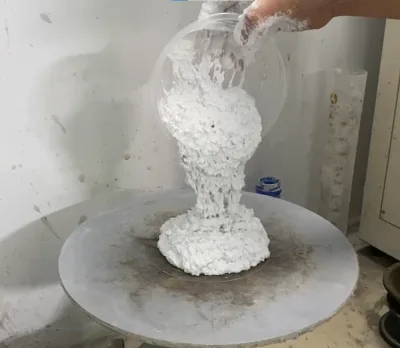
Alkali-Resistant Fused Refractory Castable Cost-Effective Industrial Material
$0.16 - $0.31
MOQ: 1 Minimum
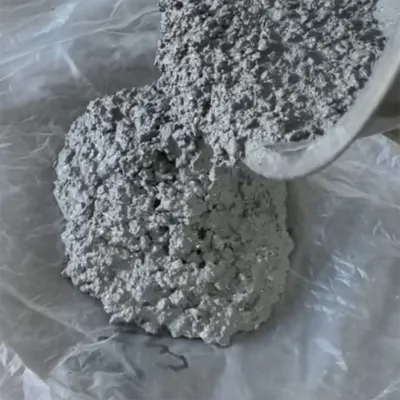
Dual Anti-Seepage Refractory Castable Low Thermal Conductivity & High Infiltration Resistance
$0.16 - $0.31
MOQ: 1 Minimum






Comprehensive Sourcing Guide
Refractory Castable Steel Fiber Supplier Concentration and Factory Types
The current supplier landscape for Refractory Castable Steel Fiber reveals a distinct concentration in China, with Hebei province emerging as a primary manufacturing hub. This regional clustering is significant because it indicates a mature industrial ecosystem where raw material access, specialized processing equipment, and logistical infrastructure are optimized for metal fiber production. Buyers evaluating potential partners should recognize that suppliers located in this region often benefit from established supply chains for stainless steel and carbon steel inputs, which are critical for producing melt-extracted fibers with consistent mechanical properties. The presence of both trading companies and manufacturer/factory entities in the results suggests a diverse market structure. Trading companies may offer broader product portfolios and streamlined communication for international buyers, while direct manufacturers typically provide greater control over production parameters, such as tensile strength and diameter specifications. Understanding this dichotomy is essential for sourcing, as the choice between a trader and a factory can impact lead times, customization flexibility, and direct technical support.
Within this concentrated region, the types of facilities producing these materials vary in their operational focus and capabilities. Many suppliers in Hebei operate as comprehensive factories capable of handling the entire production cycle, from melting raw steel to extracting and cutting fibers to precise lengths. This vertical integration allows for tighter quality control over critical attributes like the hooked end type, corrosion resistance, and melting point stability, which are vital for refractory applications. Some suppliers also emphasize OEM capabilities, indicating they can tailor fiber dimensions and material grades to specific customer requirements, such as producing fibers with diameters ranging from 0.3 to 0.6 mm or lengths between 20 and 35 mm. This flexibility is particularly important for buyers who need specialized fibers for high-temperature environments, where standard specifications might not suffice. The concentration of these diverse factory types in a single geographic area facilitates easier comparison and due diligence, as buyers can potentially visit multiple facilities to assess their production capacity, testing laboratories, and quality assurance processes in a single trip.
How to Verify Refractory Castable Steel Fiber Suppliers
Verifying the legitimacy and capability of Refractory Castable Steel Fiber suppliers requires a multi-layered approach that goes beyond basic company profiles. One critical step is to confirm third-party verification status, as some suppliers in the current results display verification from recognized entities like TÜV Rheinland. This external validation provides an additional layer of confidence regarding the supplier’s business operations and compliance with international standards. Buyers should prioritize suppliers who have undergone rigorous on-site audits, as these audits often verify the existence of actual manufacturing facilities rather than just trading offices. Additionally, checking for system certifications such as ISO 9001 is essential, as this standard indicates a structured quality management system that ensures consistent product quality across batches. For refractory applications, where material integrity is paramount, having a certified quality management system is a strong indicator that the supplier adheres to strict production protocols and continuous improvement practices.
Beyond certifications, buyers must verify the technical specifications and product evidence provided by suppliers. This involves cross-referencing the claimed product attributes, such as tensile strength, diameter, and length, with independent test reports or material data sheets. For instance, some suppliers list tensile strengths of 1200 MPa and specific melting points above 1400 degrees, which are critical for ensuring the fibers can withstand the thermal and mechanical stresses of refractory castables. Buyers should request these test reports to confirm that the products meet relevant standards, such as ASTM A820 or CE marking requirements. Furthermore, examining the supplier’s response time and communication efficiency can provide insights into their operational maturity. A quick response time, such as the 10.01 hours observed in some results, suggests a responsive customer service team that can address technical queries and order updates promptly. This responsiveness is crucial for resolving any discrepancies in product specifications or shipping details before they impact the supply chain.
What to Compare Across Refractory Castable Steel Fiber Suppliers
When evaluating multiple suppliers for Refractory Castable Steel Fiber, buyers should systematically compare key operational and commercial metrics to identify the most suitable partner. One of the most important factors is the lead time, which directly impacts inventory management and project scheduling. In the current market, lead times can vary, with some suppliers offering a 23-day turnaround, which buyers must align with their production timelines. Comparing lead times across different suppliers helps in assessing their production capacity and reliability. Additionally, the minimum order quantity (MOQ) is a critical consideration, especially for smaller projects or trial orders. Some suppliers offer an MOQ of just 1 unit, providing flexibility for buyers who need to test product quality before committing to larger volumes. This low barrier to entry allows buyers to evaluate the supplier’s product consistency and service quality without significant financial risk.
Another vital aspect of comparison is the range of product attributes and customization options available. Buyers should compare specifications such as fiber diameter, length, shape, and material composition to ensure they match their specific application requirements. For example, some suppliers offer fibers with diameters between 0.3 and 0.6 mm and lengths of 20-35 mm, while others provide specific models like 0.5*25 mm for refractory applications. Comparing these technical details helps in selecting the right product for the intended use, whether it is for bridge decks, mortar, or high-temperature refractory materials. Furthermore, buyers should compare the after-sales service and warranty terms offered by different suppliers. A one-year warranty and after-sales service, as seen in some listings, indicates the supplier’s confidence in their product’s durability and their commitment to customer support. Comparing these commercial terms alongside technical specifications ensures a holistic evaluation of the supplier’s value proposition.
Common Refractory Castable Steel Fiber Sourcing Risks
Sourcing Refractory Castable Steel Fiber from international suppliers involves several potential risks that buyers must proactively manage to ensure a smooth procurement process. One significant risk is the variability in product quality, particularly regarding mechanical properties like tensile strength and corrosion resistance. If a supplier fails to adhere to specified standards, the resulting fibers may not perform adequately in high-stress or high-temperature environments, leading to structural failures in the final refractory castable. This risk is exacerbated if the buyer does not conduct thorough due diligence on the supplier’s quality control processes. Another risk is the discrepancy between the advertised product specifications and the actual delivered goods. For instance, variations in fiber length or diameter can affect the mixing and distribution of fibers in the castable, impacting its overall performance. Buyers must implement strict incoming quality control measures to verify that the delivered products match the agreed-upon specifications.
Logistical and communication risks also pose challenges in international sourcing. Delays in shipping or customs clearance can disrupt production schedules, especially if the supplier’s lead times are not accurately communicated or if there are unforeseen logistical bottlenecks. Additionally, language barriers and time zone differences can lead to misunderstandings regarding technical requirements or order details. To mitigate these risks, buyers should establish clear communication channels and request detailed documentation, including packing lists and material certificates, before shipment. Another risk is the potential for hidden costs, such as unexpected shipping fees or taxes, which can impact the total cost of ownership. Buyers should clarify all commercial terms, including Incoterms, to avoid surprises. Furthermore, relying on a single supplier can create vulnerability to supply chain disruptions. Diversifying the supplier base and maintaining relationships with multiple vendors can help mitigate the impact of any single supplier’s failure to deliver.
Refractory Castable Steel Fiber Regional Sourcing and Logistics
The geographic concentration of Refractory Castable Steel Fiber suppliers in China, particularly in Hebei province, offers both advantages and logistical considerations for international buyers. Sourcing from this region can provide access to a wide variety of suppliers with established manufacturing capabilities and competitive pricing. The clustering of suppliers in Hebei also facilitates efficient logistics, as the region is well-connected to major ports and transportation networks. This infrastructure support can lead to faster and more reliable shipping options, reducing transit times and ensuring timely delivery of goods. Buyers should leverage this regional advantage by working with suppliers who have experience in international shipping and can handle the necessary export documentation. Additionally, the proximity to raw material sources in China can contribute to cost efficiencies, as suppliers can procure stainless steel and other inputs locally, minimizing transportation costs for raw materials.
However, buyers must also consider the logistical complexities associated with importing from China, including customs clearance and compliance with international trade regulations. Different countries have varying import duties, taxes, and product standards that must be met before the goods can be cleared. Buyers should ensure that their suppliers are familiar with these requirements and can provide the necessary certificates, such as CE or ISO certifications, to facilitate smooth customs processing. Furthermore, the choice of shipping method, whether by sea or air, will impact the cost and speed of delivery. For large volumes, sea freight is often more cost-effective, while air freight may be necessary for urgent orders. Buyers should work closely with their suppliers to determine the most efficient shipping strategy based on their specific needs and budget. Additionally, considering the environmental impact of transportation and exploring options for consolidated shipping can help reduce the carbon footprint of the supply chain.
Refractory Castable Steel Fiber Commercial Terms and Order Planning
Effective order planning and negotiation of commercial terms are crucial for securing Refractory Castable Steel Fiber at competitive prices while maintaining quality and reliability. The price range for these products can vary significantly, with some suppliers offering prices between $1400 and $1700 per ton, depending on the specifications and order volume. Buyers should compare these prices across multiple suppliers to identify the best value, considering not just the unit price but also the total cost of ownership, including shipping, taxes, and potential quality control costs. Negotiating favorable payment terms, such as partial upfront payment and the balance upon delivery, can help manage cash flow and reduce financial risk. Additionally, buyers should clarify the packaging details, as some suppliers offer 20kg bags or cartons, which can impact handling and storage requirements at the destination.
Order planning should also account for the supplier’s production capacity and lead times to ensure timely delivery. Buyers should establish a clear timeline for ordering, production, and shipping, allowing for buffer periods to handle any unforeseen delays. It is also important to consider the supplier’s customization capabilities, as some buyers may require specific fiber dimensions or material grades. Working with suppliers who offer OEM services can provide the flexibility needed to meet unique project requirements. Furthermore, buyers should review the supplier’s warranty and after-sales service policies to ensure they have adequate support in case of product issues. A one-year warranty, as seen in some listings, provides a safety net for buyers, but it is essential to understand the terms and conditions of this warranty. By carefully planning orders and negotiating favorable commercial terms, buyers can optimize their supply chain and achieve cost-effective procurement of Refractory Castable Steel Fiber.
FAQs
What is the price range for Refractory Castable Steel Fiber?
Prices typically range from $1400 to $1700 per ton based on current market data. Specific costs vary depending on the material grade, such as 446 stainless steel, and the required length or diameter specifications. Buyers should request quotes for exact quantities to determine final pricing.
What certifications are available for these steel fibers?
Suppliers commonly provide ISO 9001 and CE certifications for their products. Some manufacturers also hold SGS or ASTM A820 standards for quality assurance. These certifications ensure the materials meet international requirements for refractory applications and construction safety, providing buyers with verified quality assurance.
What is the typical lead time for orders?
The standard lead time is approximately 23 days for production and delivery. This duration allows for manufacturing, quality control, and packaging processes. Buyers should confirm specific timelines with suppliers, as rush orders or custom specifications may alter the standard delivery schedule significantly.
What is the minimum order quantity for these products?
The minimum order quantity is generally set at one unit, allowing for flexible purchasing. This low MOQ supports both trial orders and larger industrial requirements. Buyers can order small batches to test material performance before committing to larger volumes for extensive construction or refractory projects.
Where are these steel fibers manufactured?
Most suppliers are located in Hebei, China, a major hub for metal building materials. This region offers established manufacturing infrastructure and supply chains. Buyers sourcing from this location benefit from competitive pricing and access to a wide variety of steel fiber types and specifications.
What are the key technical specifications of the fiber?
Key specs include a tensile strength of 1200 MPa and a melting point above 1400 degrees. Diameters typically range from 0.3 to 0.6 mm, with lengths between 20 and 35 mm. These properties ensure high corrosion resistance and effective strengthening in concrete and refractory applications.