Black and Transparent Carbon Fiber Tape Suppliers and Manufacturers
Source Black and Transparent Carbon Fiber Tape from 23 verified suppliers in China. Compare key dimensions including lead times, MOQs, and ISO certifications to identify suitable partners. Request quotes directly to evaluate pricing and customization options for your specific project requirements.
Updated
Suppliers List

Ningbo Ruifeng Sealing Materials Co., Ltd.
- Verified by TUVRHEINLAND
- Combined
- China Zhejiang
- Lead time30 days
- Avg. response≤ 12h
Main productsSealing Gland Packing, Glass Fiber Products, Asbestos Products, Carbon Fiber Products, PTFE/Teflon, Ceramic Fiber Products, Braided Packing, Expanded Graphite Products, Heat Insulation, Fireproof
Main marketsAustralia

- Verified by TUVRHEINLAND
- Combined
- China Jiangsu
- Lead time15 days
- Avg. response≤ 8h
Main productsFRP Tools, Paint Rollers, Paint Brushes, Fasteners, Adjustable Desk Frames, PVC Foam Board, Bristle Roller, Carbon Fiber, Welding Stud, Boat
Main marketsSoutheast Asia/ Mideast,Domestic,Europe

JINSOR-TECH INDUSTRIAL CORPORATION
- Trading Company
- Taiwan, China
- Lead time20 days
- Avg. response≤ 1h
Main productsCarbon fiber fabric,ballistic fiber fabric,kevlar fiber fabric,vectran fiber fabric,thermoplastic composite sheet
Main marketsSouth Asia(7.69%), Southern Europe(7.69%), Northern Europe(7.69%), Central America(7.69%), Western Europe(7.69%), Eastern Asia(7.69%), Mid East(7.69%), Oceania(7.69%), Africa(7.69%), Southeast Asia(7.69%), Eastern Europe(7.69%), South America(7.69%), North America(7.69%)
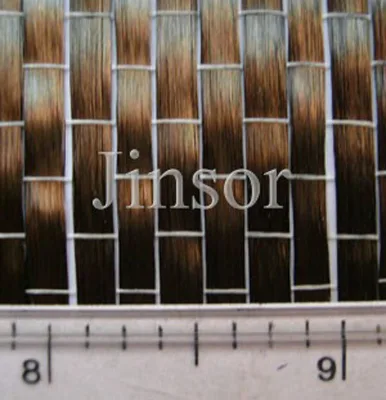
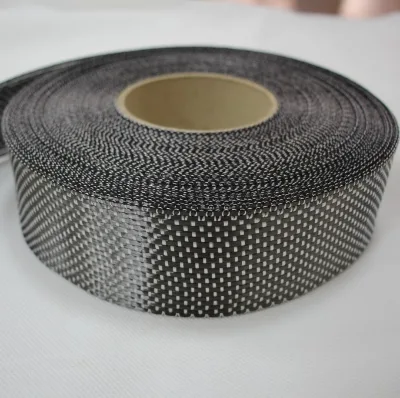
Unidirectional 50mm Wide Woven Eco-Friendly Carbon Fiber Tape for Industry Use
$0.5116 - $1.5349
MOQ: 3 Minimum
Chongqing Yangkai Import & Export Trade Co., Ltd.
- Verified by SGS Group
- Trading Company
- Lead time30 days
- Avg. response≤ 2h
Main productsVacuum Insulation Panel (VIP in brief ), Aerogel Mat, Vacuum Glass, Cooling Box or Containers, Modular Buildings
Main marketsMid East(26%), Southern Europe(21%), North America(10%)
Shijiazhuang Liantu Import And Export Trading Co., Ltd.
- Verified by TüVRheinland
- Trading Company
- Lead time20 days
- Avg. response≤ 3h
Main productsPVC Electrical Tape, BOPP Packing Tape, Masking Tape, Silicone Rubber Self Amalgamating Tape, Industry Protection Tape
Main marketsSouth America(15%), Eastern Europe(15%), Eastern Asia(15%)
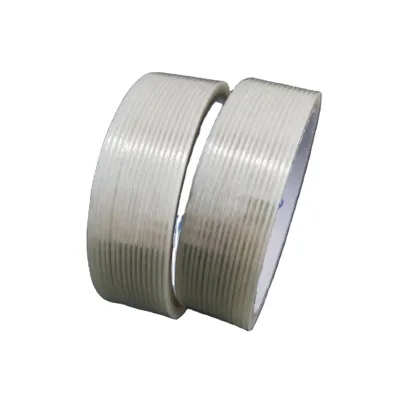
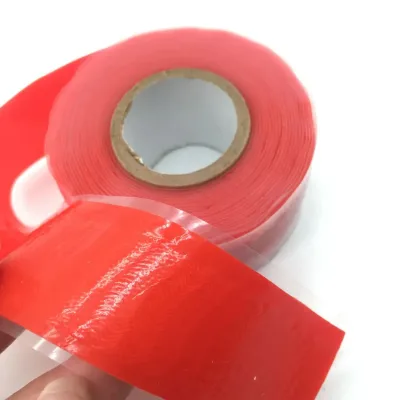
FiberGlass Reinforced Silicone Tape Self Fusing Tape
$6.50 - $10.00
Hengshui Aohong Technology Co., Ltd.
- Trading Company
- Lead time旺季: "1 - 10":30,"> 10":"To be negotiated", 淡季: "1 - 10":30,"> 10":"To be negotiated"
- Avg. response≤ 2h
Main productsNon Asbestos Gasket Sheet, Composite Gasket Sheet, Gland Packing, Beater Paper, PTFE Products
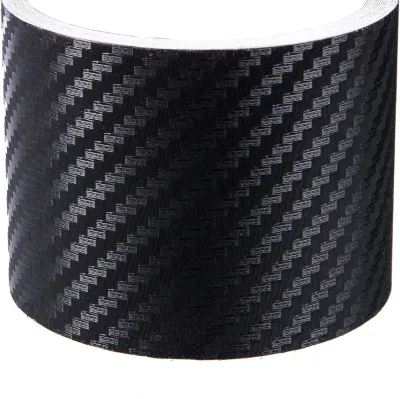
$1.1744 - $2.4504
MOQ: 10 pieces
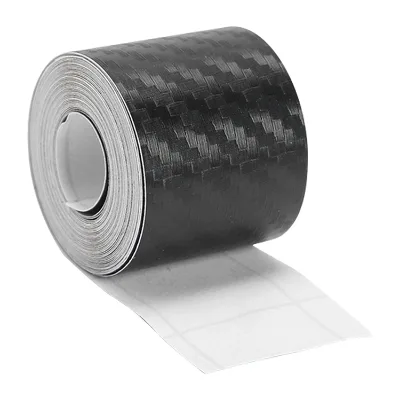
GUANGZHOU NEW VISION NEW MATERIAL TECHNOLOGY CO., LTD.
- Trading Company
- Lead time旺季: "1 - 5000":7,"> 5000":"To be negotiated", 淡季: "1 - 5000":7,"> 5000":"To be negotiated"
- Avg. response≤ 6h
Main productsAutomobile Atmosphere Lamp,double side tape,single side tape,reflective tape,adhesive products

Hebei Chaoda Seal Products Co., Ltd.
- Verified by SGS
- Combined
- China Hebei
- Lead time15 days
- Avg. response≤ 1h
Main productsElectrial Tape, Duct Tape, Silicone Tape
Main marketsOthers(foreignTradeCapacity.exportBusinessCapacityMarketOther),Southeast Asia/ Mideast,Domestic
Guangzhou Hongyuan Adhesive Material Technology Co., Ltd.
- Trading Company
- Guangdong, China
- Lead time15 days
- Avg. response≤ 5h
Main productsPrintable vinyl,Cold lamination film,Color cutting vinyl,Automobile packaging vinyl,Window film
Main marketsSouth Asia(50.00%), Eastern Asia(20.00%), North America(10.00%), Mid East(10.00%), South America(5.00%), Central America(5.00%)

Yangzhou Guotai Fiberglass Co., Ltd.
- Trading Company,Manufacturer/Factory
- China Jiangsu
- Lead time23 days
- Avg. response≤ 4h
Main productsFiberglass Roofing Tissue, Chopped Strand Mat, Silicone Baking Mat, Core Combination Mat, Grc Roving, Silicone Coated Fiberglass Fabric, PVC Battery Separator, PE Battery Separator, Silicone Bread Form, Neoprene Coated Fiberglass Fabric
Main marketsSouth America,Eastern Europe,Mid East,North America,Southeast Asia,Eastern Asia,Oceania,Western Europe,Africa

Wenzhou Lianyi Wire Harness Tape Co., Ltd.
- Manufacturer/Factory
- China Zhejiang
- Lead time23 days
- Avg. response≤ 25h
Main productsAdhesive Tape, Tape, PVC Tape, Fleece Tape
Main marketsSouth America,Eastern Europe,Mid East,North America,Southeast Asia,Eastern Asia,Oceania,Western Europe,Africa
Zhengzhou Guolian Machinery Co., Ltd.
- Manufacturer, Trading Company
- Henan, China
- Lead time7 days
- Avg. response≤ 2h
Main productsTape Machine,Tape Cutting Machine,Tape coating machine,Gluing Machine
Main marketsSoutheast Asia(30.00%), Domestic Market(20.00%), Eastern Europe(20.00%), South America(10.00%), Western Europe(10.00%), Mid East(5.00%), Africa(5.00%)

Beijing Tianxing Ceramic Fiber Composite Materials Corp.
- Trading Company
- China Beijing
- Lead time30 days
- Avg. response≤ 25h
Main productsCeramic Fiber, Fiberglass, Ceramic Fiber Products, Refractory Fiber Products, Refractory Fiber Textiles, Thermal Insulation Products, Biosoluble Fiber Products, High Silica Fiber Products
Main marketsOthers(foreignTradeCapacity.exportBusinessCapacityMarketOther),East Asia(Japan/ South Korea)

Henan Youcheng Technology Co., Ltd
- Verified by SGS
- Trading Company
- China Henan
- Lead time30 days
- Avg. response≤ 6h
Main productsPVC Automotive Wiring Harness Tape, PVC Flame Retardant Tape, PVC Electrical Insulation Tape, PVC Double-Color Tape, PVC Wter-Resistance Tape, PVC Easy-Tear Tape, PVC Pipe Protection Tape, PVC Warining Tape
Main marketsAfrica,Europe

Qingdao Yulong Packaging Machinery Co., Ltd.
- Verified by BV
- Combined
- China Shandong
- Lead time30 days
- Avg. response≤ 8h
Main productsSlitting Machine, Cutting Machine, Tape, BOPP Tape, Tape Jumbo Roll, Rewinding Machine, Coating Machine, Stretch Film, Tape Machine, Packing Machine
Main marketsSouth America,Africa,Southeast Asia/ Mideast,East Asia(Japan/ South Korea),Europe

- Manufacturer/Factory
- China Beijing
- Lead time23 days
- Avg. response≤ 2h
Main productsPackaging Tape, Industrial Tape, Electrical Tape, Tape Dispenser, Adhesive Tape, Double Sided Tape, Foam Tape, Special Tape, PVC Tape
Main marketsSouth America,Eastern Europe,Mid East,North America,Southeast Asia,Eastern Asia,Oceania,Western Europe,Africa
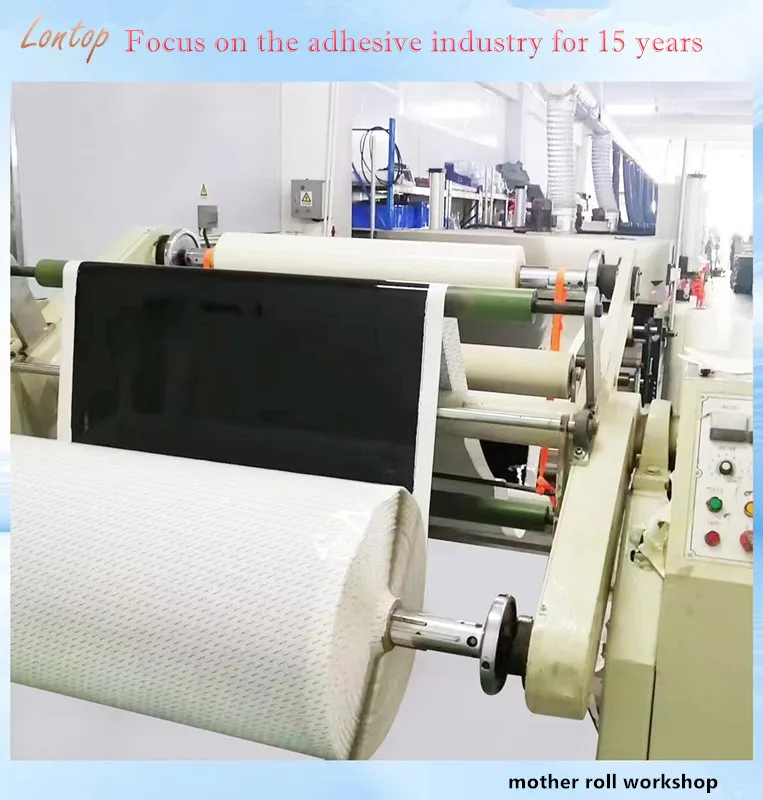
Shenzhen Lontop New Material Technology Co., Ltd.
- Manufacturer, Trading Company, Distributor/Wholesaler
- Guangdong, China
- Lead time7 days
- Avg. response≤ 4h
Main productscarpet tape,double sided self adhesive tape,rug gripper,door stopper,die-cutting adhesive pads
Main marketsNorth America(14.00%), Southern Europe(10.00%), Eastern Europe(10.00%), Western Europe(10.00%), Northern Europe(9.00%), Domestic Market(8.00%), Central America(8.00%), Mid East(5.00%), Africa(5.00%), South Asia(5.00%), South America(5.00%), Eastern Asia(5.00%), Southeast Asia(3.00%), Oceania(3.00%)

Shenzhen Jieshuntong Industrial Co., Ltd.
- Verified by CTI
- Combined
- China Guangdong
- Lead time15 days
- Avg. response≤ 18h
Main productsadhesive products
Main marketsDomestic

Ningbo Yiyuankang International Trade Co., Ltd.
- Combined
- China Zhejiang
- Lead time30 days
- Avg. response≤ 23h
Main productsMedical Bandage, Tape, Medical First Aid, Alcohol Pad, Face Mask, Adhesive Bandage, Bandage
Main marketsSouth America,Africa,Southeast Asia/ Mideast,East Asia(Japan/ South Korea),Europe,Australia,North America
- Manufacturer, Trading Company, Agent, Distributor/Wholesaler
- Guangdong, China
- Lead time2 days
- Avg. response≤ 3h
Main productstesa tape,double side tape,foam tape,Dual lock tape,high sticky tape
Main marketsDomestic Market(20.00%), Central America(20.00%), Mid East(10.00%), Southeast Asia(10.00%), South Asia(10.00%), South America(5.00%), Eastern Asia(5.00%), Northern Europe(5.00%), Southern Europe(4.00%), Oceania(3.00%), Western Europe(3.00%), Eastern Europe(2.00%), North America(2.00%), Africa(1.00%)
Dongguan Caihe Printing Co., Ltd.
- Verified by TüVRheinland
- Manufacturer, Trading Company
- Lead time1 days
- Avg. response≤ 4h
Main productsPackaging Label, Instruction Manual
Main marketsNorth America(30%), Oceania(15%), Western Europe(15%)

- Verified by TUVRHEINLAND
- Combined
- China Jiangsu
- Lead time23 days
- Avg. response≤ 12h
Main productsFilm, Tape, Plastic Film, Protective Film, Protection Tape, PE Protective Film, PE Protection Tape, Adhesive Tape, Double Sided Tape, Double Sided Foam Tape
Main marketsEast Asia(Japan/ South Korea),Domestic,Europe,Australia,North America

Shenzhen World Packing Industrial Limited
- Verified by CTI
- Manufacturer/Factory
- China Guangdong
- Lead time23 days
- Avg. response≤ 1h
Main productsStretch Film, Adhesive Tape, Shrink Film, Masking Tape, Duct Cloth Tape, Double Side Tape, Logo Printed Tape, Invisible Tape, PVC Electrical Tape, PE Warning Tape
Main marketsSouth America,Eastern Europe,Mid East,North America,Southeast Asia,Eastern Asia,Oceania,Western Europe,Africa


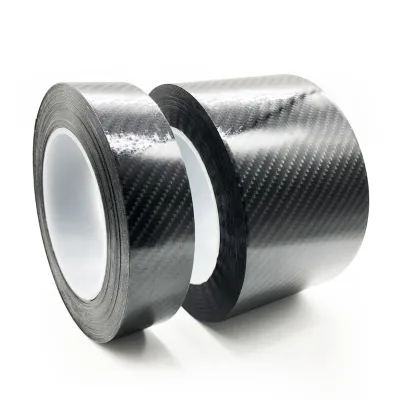
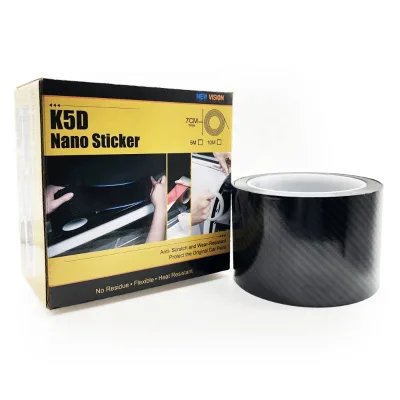


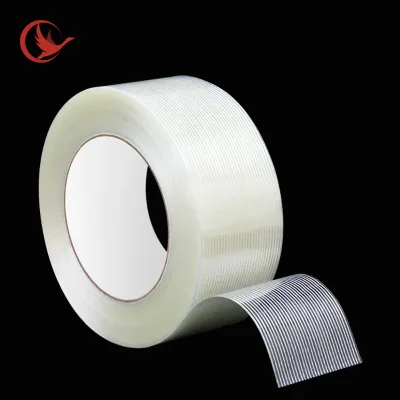
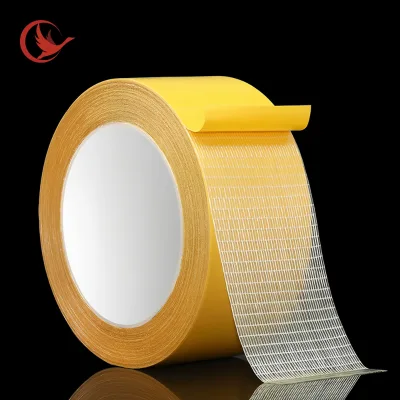




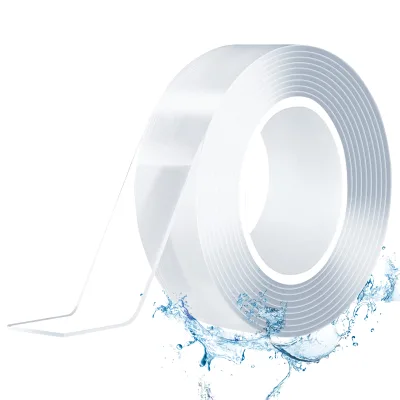


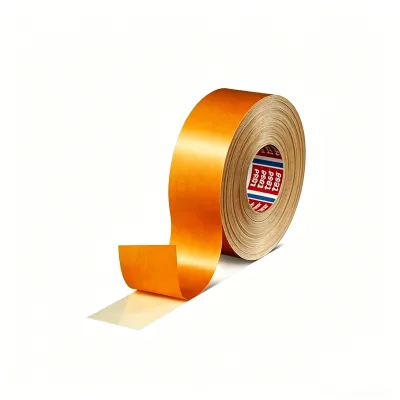
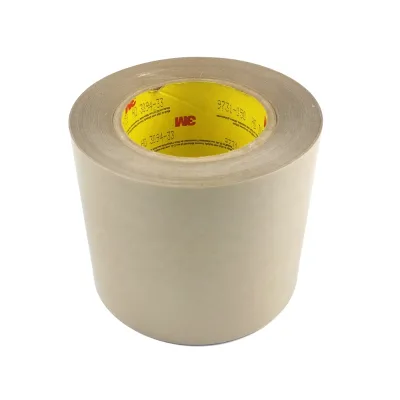
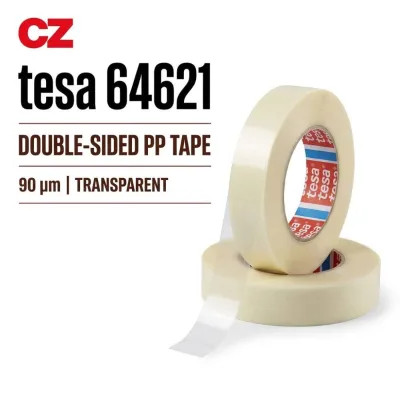


Comprehensive Sourcing Guide
Black and Transparent Carbon Fiber Tape Supplier Concentration and Factory Types
Suppliers of Black and Transparent Carbon Fiber Tape appear in China's eastern provinces, with two regional concentrations visible in current results: one cluster in Zhejiang and another in Jiangsu. The Zhejiang-based companies tend to be combined manufacturers whose main product lines extend beyond tape into sealing gland packing, glass fiber, ceramic fiber, PTFE, expanded graphite and fireproof insulation products, so carbon fiber tape is often one SKU inside a broader sealing and insulation catalog. Jiangsu suppliers frequently sit in a different ecosystem, listing tape alongside FRP tools, paint rollers, fasteners and PVC foam board, which signals a composites-and-hardware orientation rather than a sealing-materials orientation. Both orientations can produce suitable tape, but they shape how a factory answers technical questions about weave, coating and refractoriness.
Factory types also differ in scope. Several listings describe combined manufacturers with ODM and OEM capability, and at least one Jiangsu company additionally claims its own brand. Product-level evidence shows pitch-based carbon fiber as a raw material, short filament or filament states, and weave structures such as plain and plain twill. Widths from 15mm to 150mm, weights around 200gsm to 300gsm, and refractoriness ranges from roughly 200°C to 1200°C appear in current listings. Buyers should treat these as examples of what documented suppliers disclose, then request equivalent documentation from any supplier under consideration rather than assuming all factories publish comparable specifications.
How to Verify Black and Transparent Carbon Fiber Tape Suppliers
Verification starts with the credentials a supplier has already been assessed against. In the current results, one Zhejiang supplier holds an ISO9001:2015 system certificate and has been verified by TÜV Rheinland, which are meaningful baseline signals but say nothing about tape-specific quality. At least one Jiangsu listing cites an ISO certification at product level. Buyers should ask for the actual certificate numbers and scope, confirm they are current, and check whether the scope covers woven or braided carbon fiber products rather than a different product family. Verification documents should be cross-checked against the company's registered location and business scope.
Second, verify capability through the product record itself. Strong listings disclose raw material type, filament state, weave, weight, width range, refractoriness, packing and origin; several current listings do, including models with documented carton or plastic-bag packing and origins stated as Cixi, Zhejiang. A supplier who documents these attributes is easier to audit than one who only lists a keyword string. Third, verify responsiveness and operational maturity before committing: record how quickly each supplier answers technical questions, confirm whether ODM or OEM customization is genuinely available, and ask for a pre-production sample cut from the same weave and width as your target specification. Finally, confirm factory status directly—whether the entity manufactures or trades—since combined manufacturers may outsource certain widths or coatings, and that distinction changes who controls tolerance, dyeing consistency and transparency in the finished tape.
What to Compare Across Black and Transparent Carbon Fiber Tape Suppliers
Build a comparison sheet using dimensions that suppliers actually display. Lead time is one of the clearest differences in current results: a Jiangsu supplier lists a 15-day lead time while the Zhejiang sealing-and-insulation specialist lists 30 days, a gap that matters for time-sensitive FRP reinforcement or insulation projects. Response time is the second differentiator; observed values include roughly 7.9 hours for one supplier and about 11.5 hours for another, so log reply speed during initial inquiries and weight suppliers who answer technical questions substantively rather than only commercially.
Compare MOQs and quoted prices together, because they interact. Current listings show MOQs of 100, 200 and 500 units on different carbon fiber tape products, with unit prices ranging from about 4.0 to 8.8 on some SKUs and 1.0 to 10.0 on others, so normalize quotes to a per-meter or per-roll basis at your required width and weight before ranking suppliers. Also compare product breadth: main product lines ranging from sealing and insulation materials to FRP and hardware tell you whether tape is a core competency or a side item. Verify customization depth—width customization from 15mm to 150mm, weave choice between plain and plain twill, and coating options appear in current evidence but are not universal. Finally, compare establishment year, escrow availability and ODM/OEM labels where shown, and note which suppliers display no value at all, since absent data is itself a screening signal.
Common Black and Transparent Carbon Fiber Tape Sourcing Risks
The most common risk is specification drift between sample and production. Because carbon fiber tape is defined by weave, weight (gsm), width and filament type, a supplier can ship visually similar tape that differs in tensile performance. Listings in current results document ranges like 200gsm–300gsm and 260gsm–300gsm, which means a vague "carbon fiber tape" order can legally be fulfilled at the low end of a range. Mitigate this by writing weight, width, weave and filament state into the purchase contract, and requiring a retained golden sample.
A second risk is material substitution, particularly between pitch-based and other carbon fiber feedstocks and between 100% carbon fiber and blended or coated alternatives; some listings explicitly claim 100% carbon fiber content, so require equivalent declarations from every bidder. Refractoriness is another trap: current evidence shows widely different service ranges, from roughly 200–450°C on one heat-insulation tape to 280–1200 on another, so a buyer specifying high-temperature sealing could receive a tape rated for far lower service. Third, beware region-of-origin ambiguity—one listing spells its origin inconsistently—and verify the actual manufacturing site, not just the sales office. Finally, verification labels may be present or absent; a supplier without a displayed certificate is not necessarily disqualified, but you must then fund your own audit or third-party inspection, and quotation comparisons should account for that added verification cost.
Black and Transparent Carbon Fiber Tape Regional Sourcing and Logistics
Regional sourcing should start from documented evidence rather than assumptions. Current results place qualifying suppliers in Zhejiang and Jiangsu, and both provinces sit in eastern China's manufacturing corridor with established export logistics. Zhejiang's cluster, exemplified by an origin stated as Cixi, is anchored in sealing, insulation and fiber products, so buyers seeking tape for gaskets, heat insulation or fireproof applications may find deeper material knowledge there. Jiangsu's cluster leans toward composites and FRP consumables, with tape described as an application for FRP and GRP work, which suits structural reinforcement buyers. Treat these patterns as starting filters, not rules; suppliers move, and product evidence matters more than provincial stereotypes.
Logistics planning should reflect packing and lead-time facts already documented. Carton packing appears on multiple listings, with one heat-insulation tape packed in plastic bag plus carton, and rolls commonly offered at 50m or 100m per roll—dimensions that determine carton cube and freight class, so ask suppliers to state rolls per carton and net weight for an accurate freight quote. Lead times of 15 and 30 days appear in current data, so build your replenishment calendar around the slower figure unless a supplier confirms otherwise in writing. When comparing suppliers, ask each to quote ex-works, FOB and delivered terms for the same roll count, and confirm whether customized widths (listings show 15mm–150mm or customized) add production time beyond the standard lead time.
Black and Transparent Carbon Fiber Tape Commercial Terms and Order Planning
Order planning should begin with MOQ alignment. Current listings show MOQs of 100, 200 and 500 units on different tape products, so a pilot order may fit one supplier's terms but not another's. A practical sequence is a paid sample, then a first production order at or near MOQ in your required width and weight, then scale-up once incoming inspection confirms weave, gsm, refractoriness and transparency characteristics. Because one supplier advertises customization as available on multiple listings, negotiate whether customized widths carry a higher MOQ or price than catalog widths before committing.
On commercial terms, anchor every quote to the same basis: normalized unit price at identical width, weight and roll length, using observed reference points such as the 4.0–8.8 price band on some SKUs as a sanity check rather than a market benchmark. Ask about payment protection—whether escrow or trade assurance is available—and about warranty and after-sales terms, which at least one listing explicitly states exist. Confirm the lead time in the contract: documented figures of 15 and 30 days should be treated as starting points, with penalties or rescheduling rights if missed. For repeat orders, lock a golden sample and re-verify each batch against it. Finally, verify ODM/OEM claims contractually—request the supplier's private-label process, packaging options (carton versus plastic bag plus carton appear in evidence), and intellectual-property handling before sharing proprietary width or coating specifications with any candidate factory.
FAQs
What is the price range for carbon fiber tape?
Prices for carbon fiber tape range from $4.00 to $10.00 per unit depending on specifications. Specific items like woven heat insulation tape are priced at $4.00, while conductive braided options may reach $10.00. Buyers should verify exact costs based on width and customization needs.
What is the minimum order quantity for these tapes?
Minimum order quantities vary by product type. Some carbon fiber tapes require a minimum of 100 units, while others demand 200 or 500 units. Buyers must check specific product listings to confirm the exact MOQ applicable to their desired width, weave, and application requirements.
How long does production take for these items?
Lead times for carbon fiber tape production typically range from 15 to 30 days. Suppliers in Jiangsu may offer faster turnaround times around 15 days, while those in Zhejiang often require up to 30 days. Buyers should confirm delivery schedules directly with suppliers before placing orders.
Are these tapes customizable for specific widths?
Yes, customization is available for many carbon fiber tape products. Suppliers offer widths ranging from 15mm to 35mm, with options for 25mm or 100m rolls. Buyers can request specific dimensions to fit FRP, GRP, or sealing applications, ensuring the tape meets precise engineering standards.
What certifications do these suppliers hold?
Suppliers hold ISO9001:2015 system certifications and are verified by TÜV Rheinland. Some products also carry ISO certifications for quality assurance. Buyers should request valid certificates to ensure compliance with international standards for high-performance carbon fiber materials used in industrial and construction applications.
Where are these carbon fiber tapes manufactured?
These carbon fiber tapes are manufactured in China, specifically in Zhejiang and Jiangsu provinces. Products originate from locations like Cixi in Zhejiang. Buyers can source directly from these regions to benefit from established manufacturing hubs specializing in carbon fiber and sealing materials.