Source App Controlled Chasing Angel Eyes for cars, trucks, and SUVs
Compare 26 listings for App Controlled Chasing Angel Eyes featuring RGBW options and universal fitment. Buyers can evaluate specifications like wattage, LED counts, and control methods to find suitable replacements for various vehicle models; compare the available evidence and request quotations based on your requirements.
Updated
Key considerations
Products List


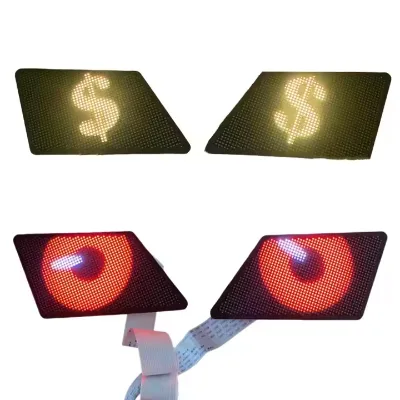
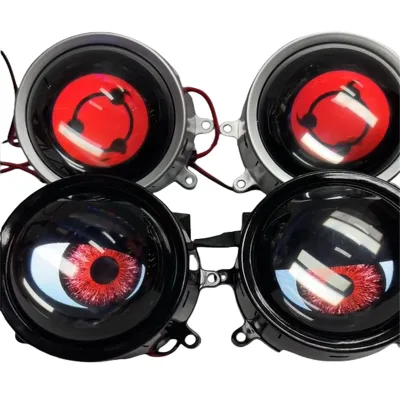
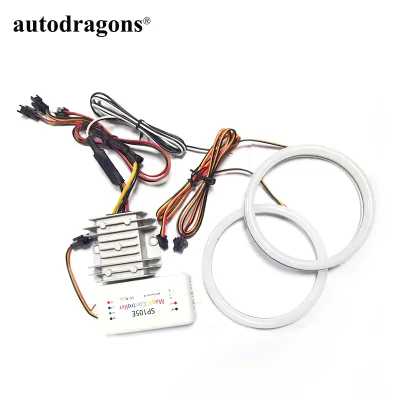
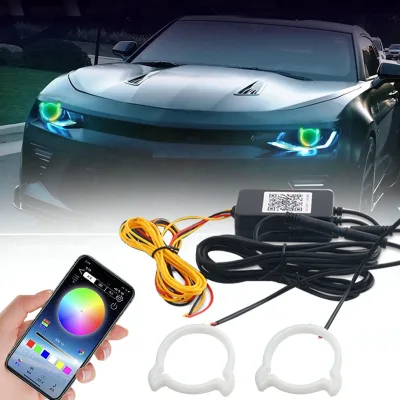
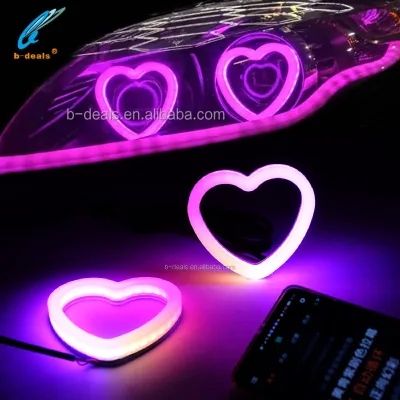
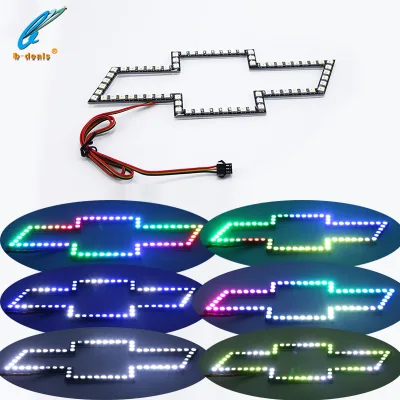
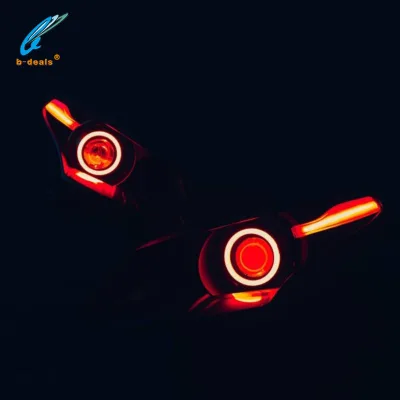
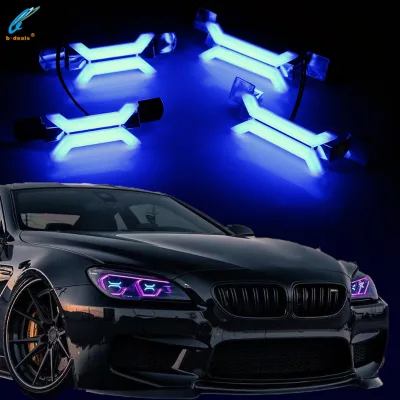
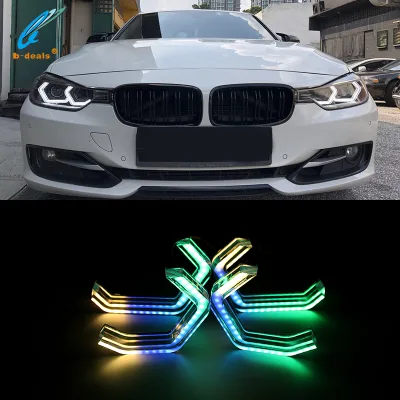
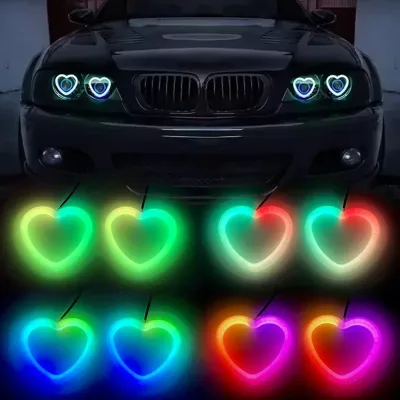
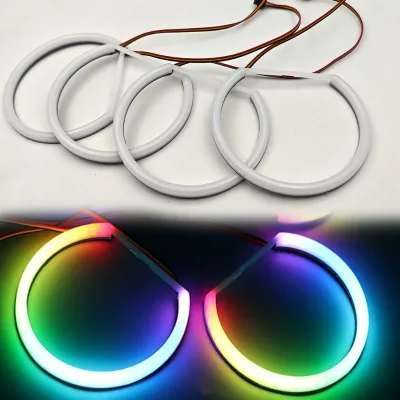
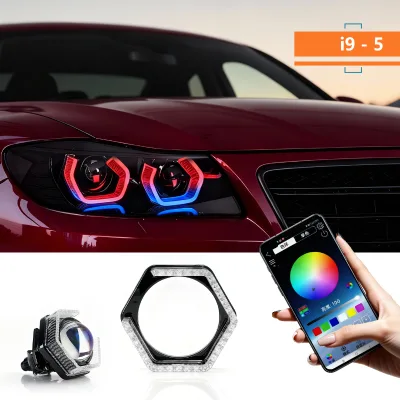
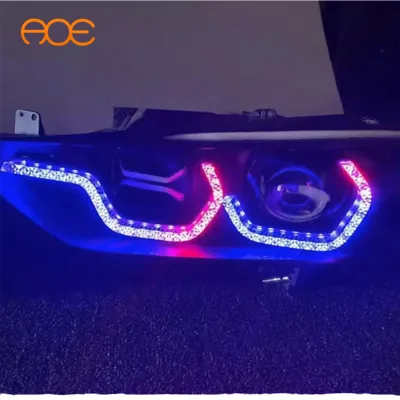
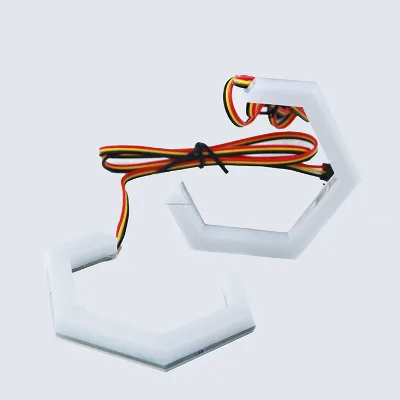
New RGBW Chasing for M4 Style Iconic Angel Eyes Crystal for B.mw F30 F32 F82 F80
$95.3049 - $127.1077
MOQ: 5 Minimum
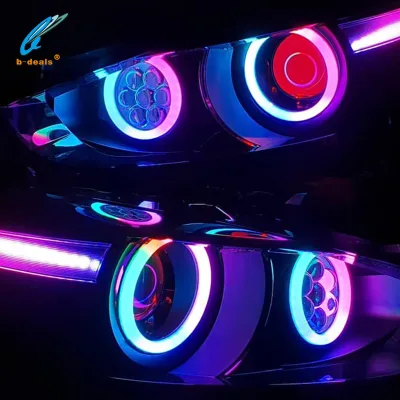
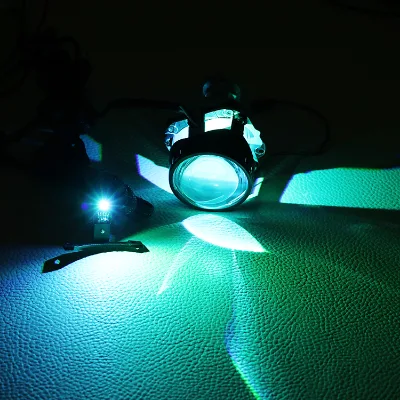
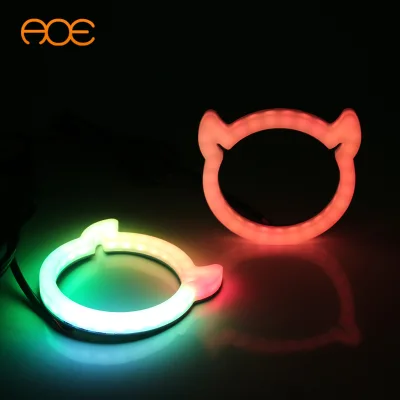
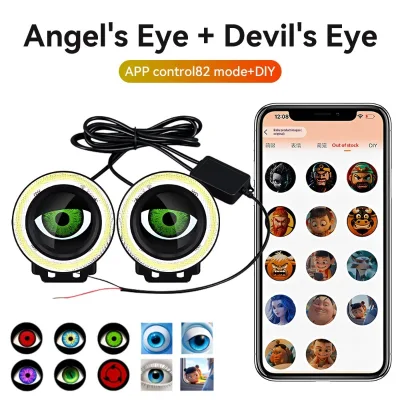
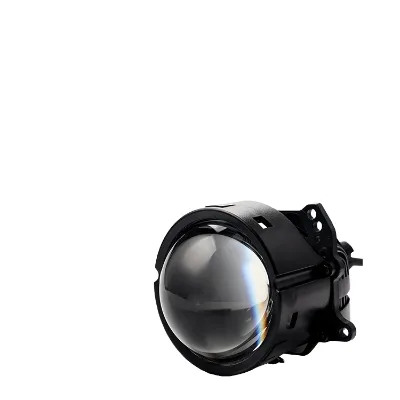
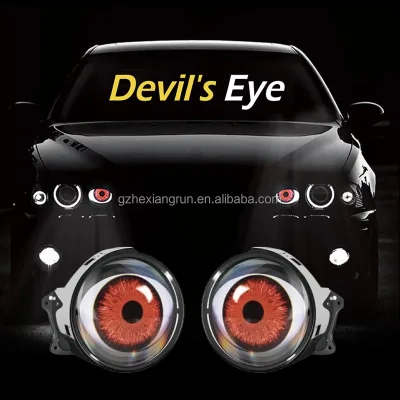
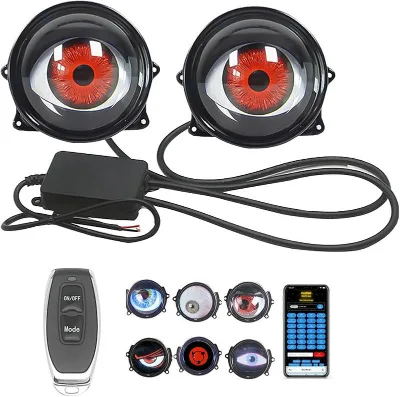
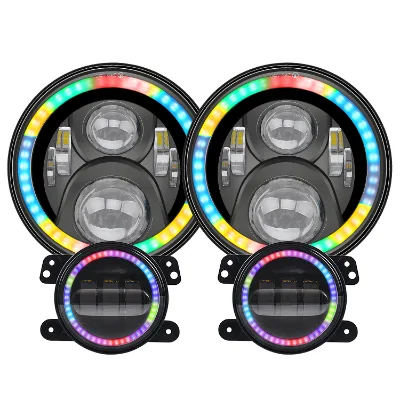
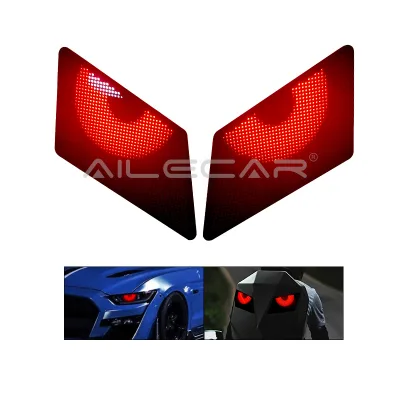
AILECAR New Arrival Demon Eye for Universal Car Auto Eyes Headlight Led Eyes Display
$30.8659 - $36.009
MOQ: 10 pieces
Comprehensive Sourcing Guide
App Controlled Chasing Angel Eyes Sourcing Guide
Procuring app-controlled chasing angel eyes requires a strategic approach to balancing advanced digital functionality with automotive-grade durability. These lighting components have evolved from static halo rings into dynamic visual systems that respond to user input via smartphone applications or remote frequency controls. Buyers must recognize that the integration of wireless communication modules introduces additional points of potential failure compared to traditional hardwired lighting solutions. Consequently, the sourcing process demands rigorous verification of both the optical performance and the reliability of the control interface.
The market for these products is characterized by a wide variance in build quality and feature sets, ranging from basic single-color rings to complex RGBW systems with chasing effects. Sourcing decisions should be driven by the specific end-use case, whether for aftermarket customization, repair replacements, or original equipment manufacturer (OEM) integration. Understanding the distinction between simple white cover units and those capable of multi-color chasing is essential for aligning supplier capabilities with buyer requirements. This guide outlines the critical verification steps necessary to mitigate risk and ensure successful procurement outcomes.
Product Scope and Observed Listing Signals
The current market landscape for app-controlled chasing angel eyes reveals a diverse array of product configurations and technical specifications. Observed listings indicate a price range between $6.6 and $127.11 USD, reflecting significant differences in component quality, control complexity, and packaging standards. Minimum order quantities (MOQs) vary widely from single units to bulk orders of over 500 pieces, suggesting that suppliers cater to both individual hobbyists and large-scale automotive distributors. Buyers should note that the term "angel eyes" often overlaps with "devil eyes" and "halo rings," requiring careful scrutiny of product titles and images to confirm the exact optical design and mounting style.
Specific product attributes observed in the market include customizable colors such as white, red, blue, yellow, green, and purple, alongside specialized options like natural white or RGBW chasing effects. Some listings highlight advanced features such as APP control or RF remote compatibility, which allow users to adjust brightness, color, and dynamic patterns. The presence of universal car model compatibility indicates that these products are designed for broad aftermarket application, often requiring additional wiring harnesses or adapters for installation. Buyers must verify whether the listed voltage is strictly 12V or if it supports wider ranges, as this impacts compatibility with various vehicle electrical systems.
Technical Specifications to Verify
Technical verification begins with confirming the electrical parameters and optical output of the selected units. Buyers should insist on documentation that specifies the rated power, which typically ranges from 18W to 35W per ring or unit, and the corresponding lumen output, with some high-performance models claiming up to 3000 lumens. It is crucial to distinguish between the total system wattage and the per-ring wattage, especially for multi-ring configurations. The voltage rating must be explicitly stated as 12V DC to ensure compatibility with standard automotive electrical systems, and buyers should inquire about surge protection features to safeguard the LED drivers against voltage spikes common in vehicle environments.
The control mechanism is a defining technical feature that requires detailed examination. Listings may offer APP control, RF remote control, or a combination of both, with some products supporting complex chasing patterns and color mixing. Buyers must verify the communication protocol and range of the APP or RF system to ensure reliable operation in various driving conditions. Additionally, the physical dimensions of the halo rings, which can range from 70mm to 115mm in diameter, must be matched to the specific headlight housing or projector lens being modified. The LED quantity per ring, often cited as 60 LEDs, should be cross-referenced with the light distribution pattern to ensure uniform illumination without hotspots.
Compliance and Safety Documentation
Safety and regulatory compliance are paramount when sourcing automotive lighting components that will be installed on public roads. Buyers must request evidence of relevant certifications, such as CE marking, which indicates conformity with health, safety, and environmental protection standards for products sold within the European Economic Area. While specific standards like IEC 55015 may be referenced in background contexts, buyers should verify if the supplier holds valid certificates for electromagnetic compatibility (EMC) and radio equipment directives (RED), particularly for products with APP or RF control features. These certifications ensure that the lighting units do not interfere with other vehicle electronics and meet essential safety requirements.
In addition to regulatory certifications, buyers should assess the product's adherence to industry quality standards and testing protocols. Documentation should include results from waterproofing tests, as many listings claim waterproof functionality, which is critical for components exposed to weather elements. The warranty period, observed to range from 12 to 18 months, serves as an indicator of the supplier's confidence in product durability. Buyers should clarify the terms of the warranty, including coverage for LED failure, control module defects, and the process for returns or replacements. Ensuring that the supplier provides clear technical support and spare parts availability is essential for long-term customer satisfaction.
Cost Drivers and Commercial Terms
Several factors influence the final cost of app-controlled chasing angel eyes, including the complexity of the control system, the quality of the LED components, and the packaging requirements. Products with APP control and RGBW capabilities typically command higher prices due to the integrated microcontrollers and wireless modules. Buyers should analyze the unit price in the context of the minimum order quantity, as bulk purchases often yield significant discounts. The observed MOQ range of 1 to 504 pieces allows for flexibility, but buyers must consider the total landed cost, including shipping, tariffs, and insurance, when evaluating supplier quotes.
Commercial terms such as delivery time and payment conditions also play a crucial role in procurement planning. Standard delivery times are observed to be between 7 and 15 days, but this can vary based on stock availability and order volume. Buyers should negotiate clear lead times and penalties for delays to mitigate supply chain disruptions. Packaging details, such as carton dimensions and gross weight, impact shipping costs and storage requirements. For instance, single package sizes ranging from 17x12x6 cm to 25x15x15 cm suggest variations in bulk packaging efficiency. Buyers should request detailed packing lists to ensure accurate inventory management and efficient logistics planning.
Supplier Qualification and Quality Control
Evaluating supplier qualifications is essential to ensure consistent product quality and reliable service. Buyers should verify the supplier's business license, manufacturing capabilities, and experience in the automotive lighting industry. Suppliers with a strong track record in OEM production or established brand presence, such as AUTO IDEAL or ADT, may offer higher levels of quality assurance. It is advisable to request samples before placing bulk orders to assess the build quality, light output, and functionality of the APP or RF control systems. Sample testing should include durability checks, such as vibration resistance and thermal management, to simulate real-world driving conditions.
Quality control processes should be clearly defined and agreed upon before production begins. Buyers should inquire about the supplier's inspection protocols, including incoming material checks, in-process quality control, and final random inspection (FRI) standards. The use of high-quality materials, such as durable housings and reliable LED chips, is critical for long-term performance. Buyers should also assess the supplier's ability to handle customization requests, such as specific color options or branding, as indicated by the available customization services. Establishing a clear communication channel for addressing quality issues and implementing corrective actions is vital for maintaining a successful supplier relationship.
Long-Term Procurement Checks
Long-term procurement success depends on continuous monitoring of supplier performance and product reliability. Buyers should establish key performance indicators (KPIs) to track metrics such as on-time delivery rate, defect rate, and customer feedback. Regular audits of the supplier's quality management system can help identify potential issues before they impact production. Buyers should also stay informed about technological advancements in LED lighting and control systems to ensure that the sourced products remain competitive in the market. Engaging in regular feedback loops with end-users can provide valuable insights into product performance and areas for improvement.
Supply chain resilience is another critical aspect of long-term procurement. Buyers should diversify their supplier base to mitigate risks associated with single-source dependencies. Maintaining a buffer stock of critical components can help address sudden demand spikes or supply disruptions. Additionally, buyers should review contract terms periodically to ensure they remain favorable and aligned with current market conditions. Building strong relationships with suppliers based on mutual trust and transparency can lead to better pricing, priority production, and collaborative innovation. By focusing on these long-term checks, buyers can secure a stable and efficient supply of app-controlled chasing angel eyes.
FAQs
Can I customize the color of App Controlled Chasing Angel Eyes?
Yes, customization is available for these LED halo rings. Buyers can select from various colors including white, red, blue, yellow, green, and purple. The product supports RGB and RGBW chasing options, allowing for dynamic light effects. This flexibility ensures the lighting matches specific vehicle aesthetics or brand requirements effectively.
What is the voltage requirement for these LED devil eyes?
These LED devil eyes operate on a 12V voltage system. They are designed as universal front daytime running lights suitable for standard automotive electrical systems. The rated power is 35 watts, ensuring bright illumination while maintaining compatibility with most vehicles that utilize 12-volt DC power sources for lighting components.
How does the APP control feature work for these halos?
The APP control feature allows users to manage the light effects via a mobile application. This system supports RGBW chasing patterns and offers multiple color options. Buyers can also choose RF control as an alternative. This digital interface provides precise adjustment of brightness and dynamic light sequences for enhanced vehicle styling.
What sizes are available for the app controlled chasing halos?
Multiple sizes are available, ranging from 70mm to 115mm in specific increments. A 140mm size option is also listed for larger applications. These dimensions accommodate various headlight configurations. The universal specification ensures compatibility with many car models, allowing buyers to select the exact diameter needed for their specific vehicle repair or replacement project.
What is the warranty period for these LED products?
The warranty period varies by product variant, typically offering 12 to 18 months of coverage. This guarantee ensures quality and reliability for the LED components. Buyers should verify the specific warranty terms associated with their selected model. This protection covers defects and supports long-term performance for automotive lighting upgrades and replacements.
Are these angel eyes suitable for universal car models?
Yes, these LED devil eyes are designed for universal application. They fit a wide range of vehicle models without requiring specific OEM part numbers. The product serves as a direct replacement or repair solution for existing lighting systems. This versatility makes them ideal for custom automotive projects where standard fitment is required across different brands.