Source Dual Beam LED Headlight for Cars, Trucks, and Motorcycles
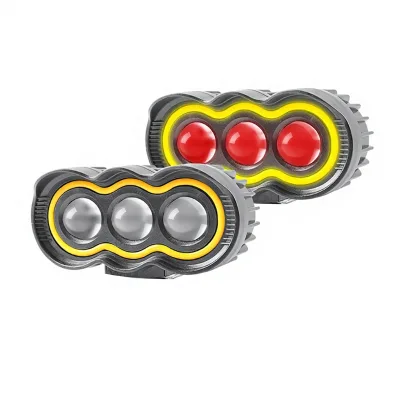
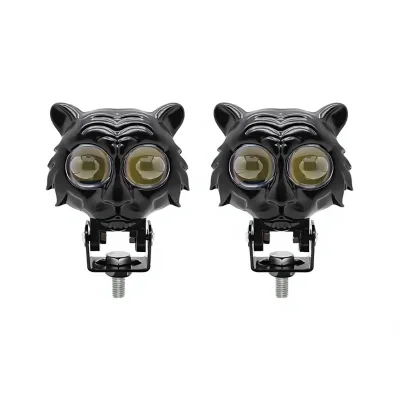
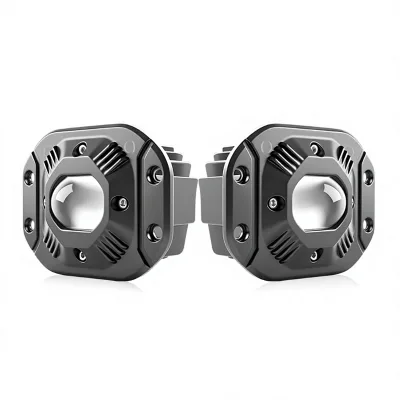
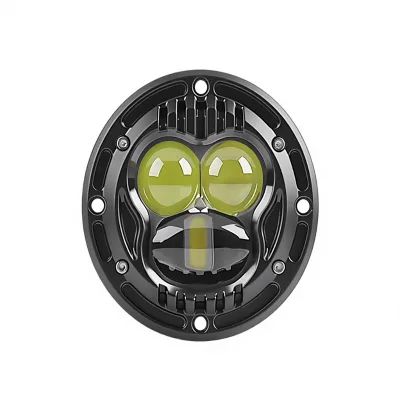
Explore 30 Dual Beam LED Headlight options from verified suppliers. Compare specifications like wattage, lumens, and voltage to find the right fit for your vehicle needs. These units offer universal fitment, various power ratings, and long lifetimes suitable for diverse automotive applications requiring reliable illumination.
Updated
Key considerations
Products List





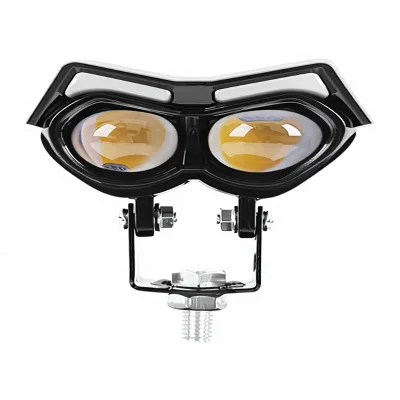


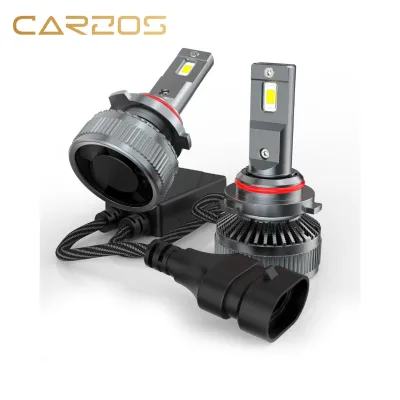
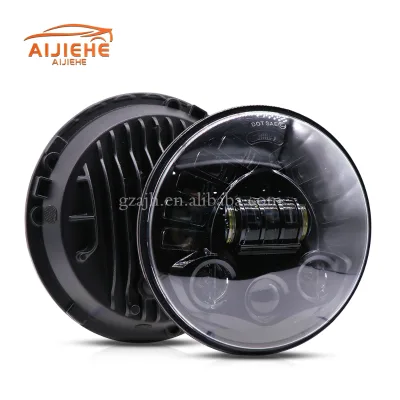
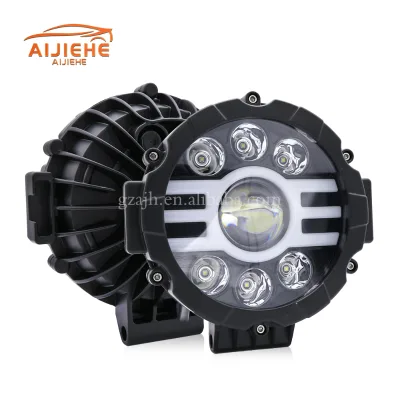
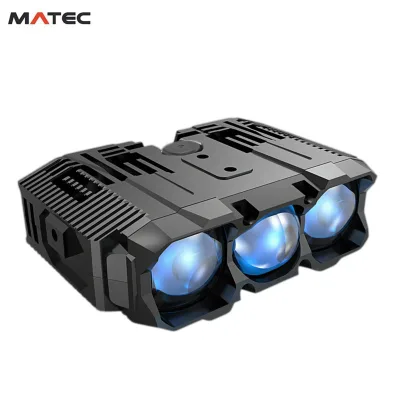


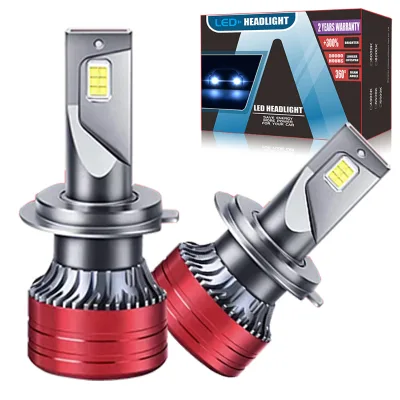
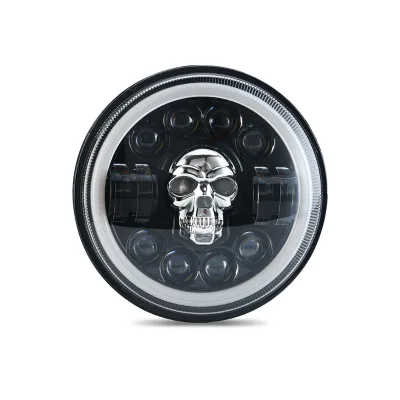
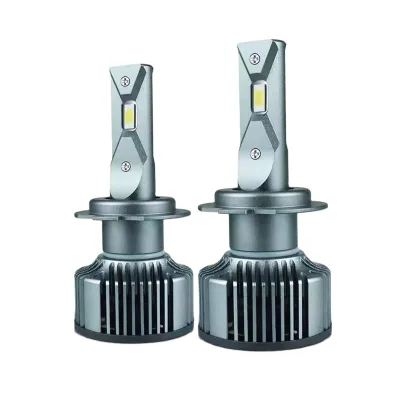
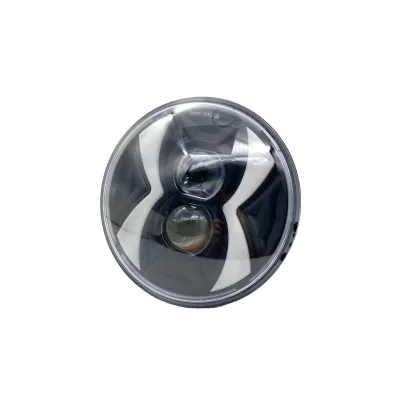
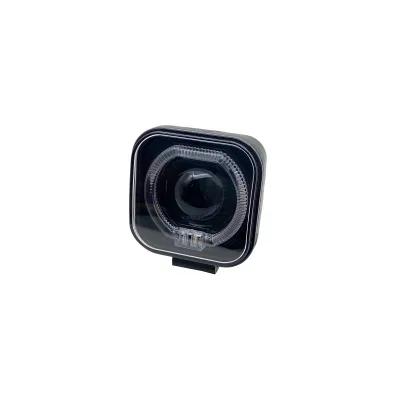
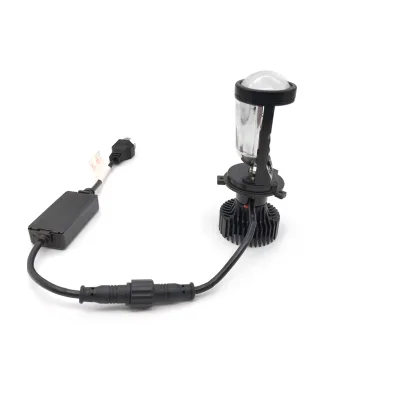

Comprehensive Sourcing Guide
Dual Beam LED Headlight Sourcing Guide
Sourcing dual beam LED headlights requires a disciplined approach to technical verification and supplier qualification. Buyers must navigate a market where specifications vary significantly across listings, making it essential to distinguish between observed product attributes and guaranteed performance metrics. The following guide outlines the critical steps for evaluating these components, ensuring that procurement decisions are grounded in verifiable data rather than marketing claims.
This document focuses on evidence-based sourcing strategies for dual beam LED headlights, leveraging observed listing signals and technical constraints. By adhering to strict verification protocols, procurement teams can mitigate risks associated with incompatible fitments, inadequate certifications, and inconsistent quality. The goal is to provide a clear framework for evaluating suppliers and products, ensuring that every purchased unit meets the specific operational and regulatory requirements of the end application.
Product Scope and Observed Listing Signals
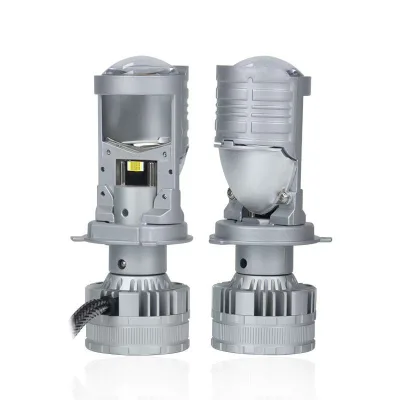
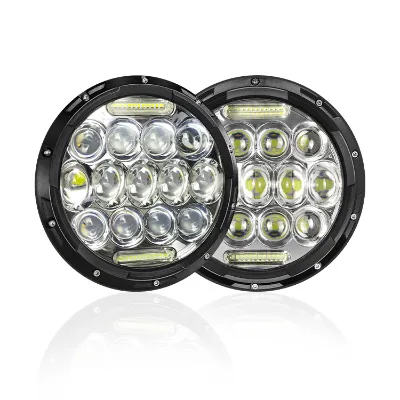
The current market for dual beam LED headlights presents a wide range of options, with observed prices ranging from $0.59 to $50 USD and minimum order quantities (MOQs) spanning from 10 to 5,000 units. This variability suggests a diverse supplier base, from small workshops to large manufacturers, each offering different value propositions. Buyers should note that while some listings advertise universal fitment, others specify particular bulb shapes like H4 or specific dimensions such as 7-inch models, indicating that not all products are interchangeable.
Observed attributes include various power ratings, such as 36W, 50W, 70W, and rated powers up to 150W, alongside lumens outputs ranging from 2,200 to 13,600 LM. Voltage requirements also vary, with some products designed for 12V systems, others for 24V, and some supporting a wide range of 9-30V. These discrepancies highlight the importance of cross-referencing product specifications with vehicle electrical systems to avoid compatibility issues, as assuming universal voltage compatibility can lead to installation failures or component damage.
Technical Specifications to Verify
When evaluating dual beam LED headlights, buyers must verify key technical parameters such as color temperature, beam pattern, and thermal management. Observed listings indicate color temperatures around 6000K, producing a cool white light, which is common for modern automotive applications. However, the actual beam pattern and intensity distribution are critical for safety and must be confirmed through supplier-provided test data or samples, as these factors directly impact visibility and compliance with road safety standards.
Thermal management is another crucial aspect, as LED components generate significant heat that can affect longevity and performance. Buyers should inquire about the cooling mechanisms employed, such as aluminum heat sinks or fans, and verify the stated lifespan, which is often cited as 30,000 hours or more. Additionally, the physical dimensions and mounting configurations, such as the H4 bulb shape code or specific model numbers like DDL-006m, must be matched precisely to the vehicle’s headlight housing to ensure proper fit and alignment.
Compliance and Safety Documentation
Compliance with regional safety and environmental standards is non-negotiable for automotive lighting components. Observed certifications for some products include CCC, E-mark, and SONCAP, which are essential for market access in China, Europe, and Nigeria, respectively. Buyers must request valid certification documents for each batch of products, ensuring that the certifications are current and applicable to the specific model being purchased, as counterfeit or expired certificates can lead to customs delays and legal liabilities.
Beyond certifications, buyers should verify that the products meet relevant international standards for electromagnetic compatibility (EMC) and photometric performance. While specific standard numbers may not be listed in all observations, suppliers should be able to provide test reports from accredited laboratories. These reports should confirm that the headlights do not interfere with other vehicle electronics and that their light output meets the required intensity and cutoff patterns for safe night driving.
Cost Drivers and Commercial Terms
The cost of dual beam LED headlights is influenced by several factors, including the quality of LED chips, the complexity of the driver circuit, and the materials used in the housing. Higher wattage and lumens outputs typically command higher prices, as do products with advanced features like waterproofing and universal fitment. Buyers should analyze the price-to-performance ratio, considering not just the unit cost but also the potential savings from reduced warranty claims and improved vehicle performance.
Commercial terms such as MOQ, lead times, and payment conditions also play a significant role in the total cost of ownership. Observed MOQs range from 50 to 5,000 units, with some suppliers offering free samples to facilitate evaluation. Buyers should negotiate favorable terms based on order volume, seeking discounts for larger commitments and clear policies for returns or replacements in case of defects. Understanding these commercial dynamics helps in budgeting accurately and managing cash flow effectively.
Supplier Qualification and Quality Control
Supplier qualification is a critical step in ensuring the reliability of dual beam LED headlights. Buyers should assess suppliers based on their manufacturing capabilities, quality control processes, and track record. Observations indicate that many suppliers are located in China, particularly in regions like Guangdong and Jiangsu, which are known for their electronics manufacturing hubs. Verifying the supplier’s business license, factory audits, and past client references can provide insights into their operational stability and quality standards.
Quality control measures should include incoming material inspections, in-process checks, and final product testing. Buyers should request detailed quality control plans from suppliers, outlining the steps taken to ensure consistency in product performance and durability. Additionally, establishing clear communication channels for addressing quality issues and defining responsibilities for warranty claims is essential for maintaining a productive and trustworthy supplier relationship.
Long-Term Procurement Checks
Long-term procurement success depends on continuous monitoring of supplier performance and product quality. Buyers should implement a system for tracking key performance indicators (KPIs) such as defect rates, delivery times, and customer feedback. Regular audits and periodic re-evaluation of suppliers help ensure that they continue to meet the required standards and adapt to any changes in regulations or market conditions.
Furthermore, buyers should stay informed about technological advancements in LED lighting, such as improvements in efficiency, heat dissipation, and smart features. Engaging with suppliers for feedback on product usage and potential improvements can foster innovation and enhance the value proposition. By maintaining a proactive approach to supplier management and product evaluation, buyers can secure a reliable supply of high-quality dual beam LED headlights that meet their long-term business needs.
FAQs
What certifications do these dual beam led headlights have?
These dual beam LED headlights are certified with CCC, E-mark, and SONCAP standards. This ensures compliance with various regional safety and quality regulations. Buyers can verify these credentials to meet import requirements in different markets. The certifications provide assurance of product reliability and adherence to established automotive lighting standards for global distribution.
Can these headlights be customized for specific vehicle models?
Yes, customization is available for these dual beam LED headlights. The product supports universal fitment, making it adaptable for various applications. Buyers can request specific modifications to meet unique requirements. This flexibility allows for tailored solutions in repair and replacement scenarios, ensuring compatibility with diverse automotive systems and customer preferences.
What is the minimum order quantity for these LED headlights?
The minimum order quantity is typically 50 pieces. However, observed ranges indicate flexibility from 10 to 5000 units depending on the supplier. This structure supports both small trial orders and larger bulk purchases. Buyers should confirm specific MOQs with vendors to align with their inventory needs and budget constraints effectively.
How long is the warranty period for these headlights?
These dual beam LED headlights come with a 1-year warranty. This coverage protects buyers against manufacturing defects and ensures product durability. The warranty period provides peace of mind for commercial buyers. It reflects the manufacturer's confidence in the product's quality and performance over time, supporting long-term reliability in automotive applications.
What is the expected lifespan of these LED headlights?
The expected lifespan is above 30,000 hours. This extended durability reduces replacement frequency and maintenance costs. The long life cycle is a key feature for commercial and personal use. Buyers benefit from consistent performance over time, making these headlights a cost-effective solution for various automotive lighting needs and applications.
What voltage options are available for these headlights?
These headlights support 12V, 24V, and 9-30V voltage ranges. This versatility allows compatibility with different vehicle electrical systems. Buyers can select the appropriate voltage based on their specific automotive requirements. The wide voltage range ensures reliable operation across various platforms, enhancing the product's utility for diverse market segments and vehicle types.