Source AS Airless Makeup Pump Dispenser for cosmetics, skincare, and beauty
Find 30 listings for the AS Airless Makeup Pump Dispenser to compare specifications like volume, material, and sealing types. Buyers can evaluate options from Zhejiang and Guangdong suppliers with MOQs ranging from 10 to 30,000 units; compare the available evidence and request quotations based on your requirements.
Updated
Key considerations
Products List


18/400 Airless Treatment Pump Multi-Use All Plastic Cosmetic Dispenser
$0.04 - $0.08
MOQ: 10000 Pieces


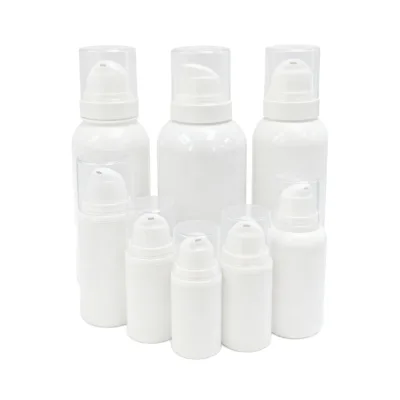
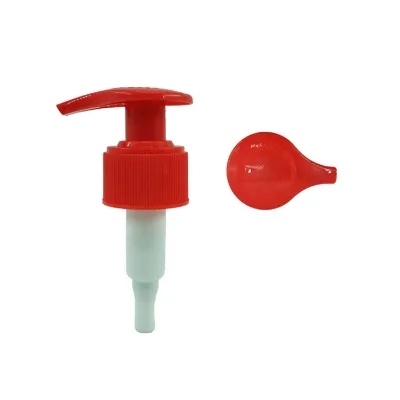
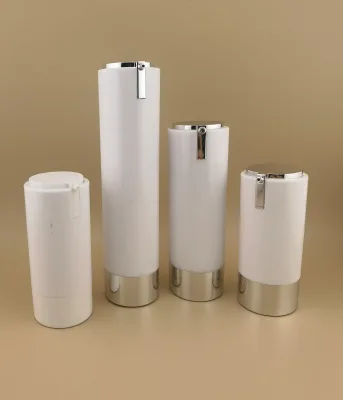


Skinlux Airless Dispenser for Personalized Skin Care Packaging Solutions
$0.20 - $1.00
MOQ: 10000 Pieces


Sleek Skin Care Airless Dispenser with Custom Molded Design - Model Sxmj35-1
$0.20 - $1.00
MOQ: 10000 Pieces

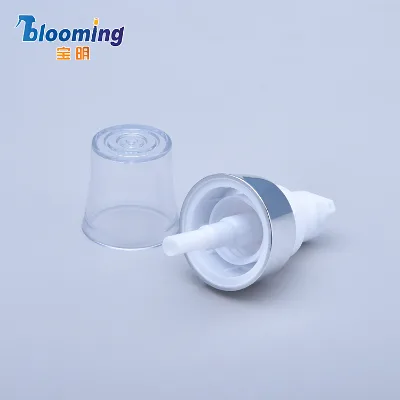
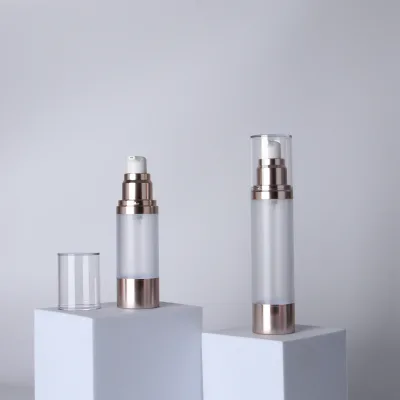
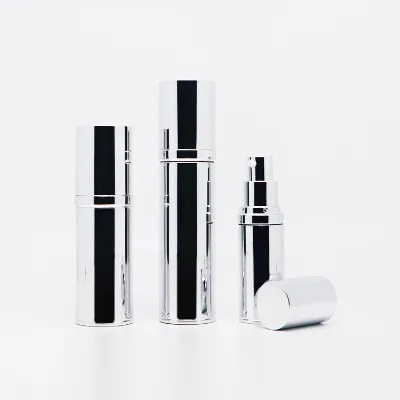
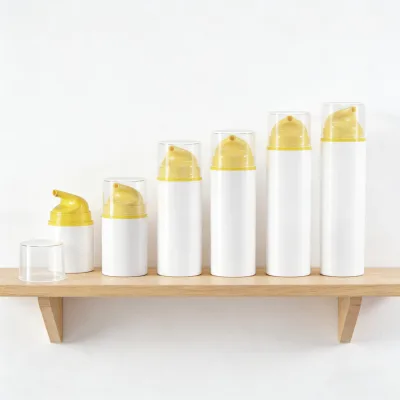
Silver Aluminum Airless Makeup Pump Dispenser Travel Size Plastic Bottle for Cosmetics
$0.7226 - $0.7645
MOQ: 10 Minimum
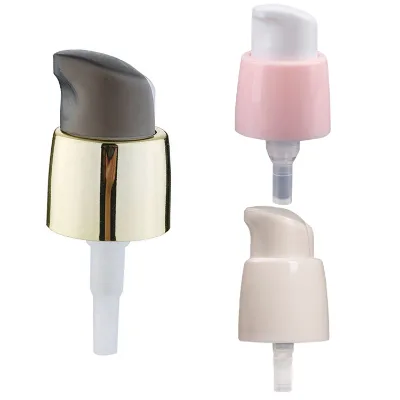
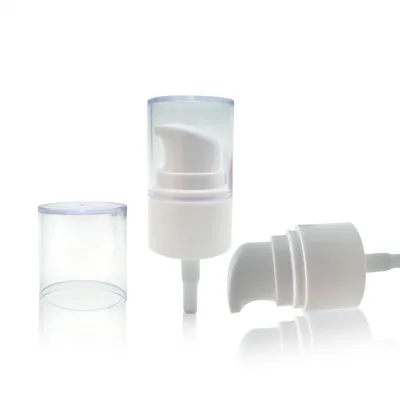


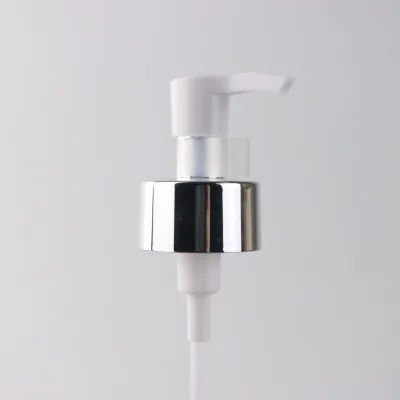
Silver UV Double Layer 24/410 Makeup Remover Oil Pump Lotion Dispenser Pump
$0.13 - $0.15
MOQ: 10000 pieces
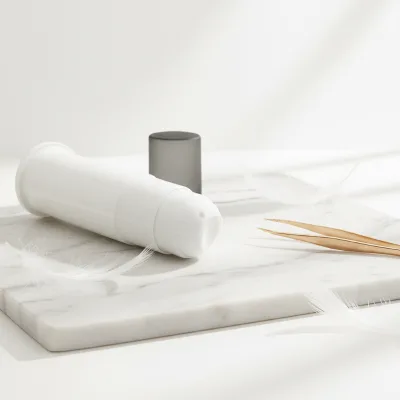


Plastic PP Makeup Remover Oil Pump Cream Dispenser 24mm Pump with Bottles
$0.129 - $0.14
MOQ: 20000 Pieces
Comprehensive Sourcing Guide
AS Airless Makeup Pump Dispenser Sourcing Guide
Procuring an AS Airless Makeup Pump Dispenser requires a strategic approach to balancing functional integrity with aesthetic customization. Buyers must first define the precise mechanical requirements, such as the discharge rate and sealing type, to ensure the pump delivers the correct product volume per actuation. The observed market data indicates a strong presence of plastic-based solutions, specifically utilizing PP materials, which offer durability and chemical resistance suitable for cosmetic formulations. Understanding these material properties is essential for preventing degradation or interaction with sensitive active ingredients in makeup products.
The customization landscape for these dispensers is broad, allowing brands to tailor the visual identity of their packaging. Available features include various shapes like hollow cones, ovals, and rounds, along with color options such as white, which can be further enhanced through silk screen printing. This flexibility supports brand differentiation but necessitates clear communication with suppliers regarding design constraints. Buyers should evaluate how these aesthetic choices impact the manufacturing process and whether the supplier can accommodate specific branding needs without compromising the pump’s mechanical performance or sealing efficiency.
Product Scope and Observed Listing Signals
The current market listings reveal a diverse range of pump models, including identifiers like SWC-Baa5QA and UB501 series variants, indicating a standardized yet modular product ecosystem. These models often come with specific size specifications, such as 18*H99.5mm or 18/400 and 18/410 neck finishes, which dictate compatibility with various bottle types. The observed price range of 0.04 to 1 USD suggests a highly competitive market with options for both budget-conscious and premium packaging strategies. Buyers should note that while prices are low, the minimum order quantities (MOQ) can vary significantly, ranging from 10 to 30,000 units, influencing inventory planning and cash flow.
Origin data points to major manufacturing hubs in Zhejiang and Guangdong, China, regions known for their robust plastic injection molding capabilities. The presence of ISO certifications among suppliers provides a baseline for quality management systems, though buyers must verify the specific scope of these certifications. The products are primarily intended for industrial use in the cosmetic sector, with features like recyclability and disposability becoming increasingly important for sustainability goals. Understanding these geographic and certification signals helps buyers assess the reliability and scalability of their potential supply chain partners.
Technical Specifications to Verify
Verifying the technical specifications of the pump is critical to ensuring consistent product delivery and user experience. Key parameters include the discharge rate, which has been observed at 0.20±0.01ml/T for certain models, ensuring precise dosing for treatments or makeup applications. The sealing type, whether pump sprayer or airless pump, determines the mechanism of product extraction and protection from contamination. Buyers must confirm that the selected sealing mechanism aligns with the viscosity and formulation of the cosmetic product to prevent leakage or air ingress, which can compromise product stability and shelf life.
Material composition and structural integrity are also vital technical considerations. The base material is often listed as PP, with metal springs providing the necessary mechanical force for actuation. The thickness of components, such as the 1 mm thickness observed in some listings, impacts the pump’s durability and resistance to cracking during use. Additionally, the shape of the pump head, whether round, oval, or hollow cone, affects the spray pattern or dispensing flow. Buyers should request detailed technical drawings and material safety data sheets to verify that all components meet the required performance standards for their specific application.
Compliance and Safety Documentation
Compliance with international standards is non-negotiable for cosmetic packaging components. Buyers must ensure that suppliers provide valid ISO certifications, such as ISO 22716, which pertains to good manufacturing practices for cosmetics. This certification indicates that the supplier adheres to rigorous quality control measures during production, reducing the risk of contamination or defects. However, buyers should not assume that all listed products automatically meet every standard; verification of the specific certification scope and validity is essential to ensure regulatory compliance in target markets.
Safety documentation should also include material safety data sheets (MSDS) and compliance with relevant food-grade or cosmetic-grade regulations, depending on the product’s intended use. The recyclability and degradability features of the plastic components are increasingly important for meeting environmental regulations and consumer expectations. Buyers should request evidence of these claims, such as third-party testing reports or certifications, to substantiate sustainability assertions. Ensuring that all documentation is up-to-date and verifiable protects the brand from regulatory penalties and enhances its reputation for responsible sourcing.
Cost Drivers and Commercial Terms
Cost drivers for airless makeup pumps include material costs, mold complexity, and order volume. The use of PP and metal springs contributes to the base cost, while custom shapes or colors may incur additional tooling or setup fees. The observed MOQ of 10,000 units for some models suggests that economies of scale play a significant role in pricing. Buyers should negotiate based on their projected annual volume to secure favorable unit prices, while also considering the total cost of ownership, including shipping and handling. Bulk packaging options, such as plastic bags and cartons, can help reduce packaging waste and logistics costs.
Commercial terms should clearly define payment conditions, lead times, and warranty policies. Buyers must clarify whether the quoted price includes customization costs, such as silk screen printing or specific color matching. It is also important to establish clear protocols for quality acceptance and returns in case of defects. Understanding the supplier’s production capacity and lead times is crucial for maintaining inventory levels and meeting market demand. Transparent communication regarding these commercial terms helps prevent misunderstandings and ensures a smooth procurement process.
Supplier Qualification and Quality Control
Supplier qualification involves a thorough assessment of their manufacturing capabilities and quality management systems. Buyers should verify the supplier’s production facilities, equipment, and workforce expertise to ensure they can consistently produce high-quality pumps. The presence of ISO certification is a positive indicator, but on-site audits or third-party inspections may be necessary to validate actual practices. Buyers should also evaluate the supplier’s ability to handle custom orders, including their responsiveness to design changes and their capacity to meet specific technical requirements.
Quality control processes should be clearly defined and agreed upon before production begins. This includes incoming material inspections, in-process quality checks, and final product testing. Buyers should specify acceptable quality limits (AQL) and request sample approvals before mass production. Regular communication and feedback loops are essential for maintaining quality standards throughout the production cycle. Establishing a robust quality control framework helps minimize defects and ensures that the delivered products meet the buyer’s expectations for performance and appearance.
Long-Term Procurement Checks
Long-term procurement success depends on continuous monitoring of supplier performance and market trends. Buyers should regularly review supplier metrics, such as on-time delivery rates, defect rates, and responsiveness to issues. Building a strong relationship with the supplier can lead to better pricing, priority production, and collaborative innovation. Staying informed about advancements in pump technology and materials can help buyers identify opportunities for improvement or cost savings. Regularly updating procurement strategies ensures that the supply chain remains agile and competitive.
Sustainability and regulatory changes are also key factors to monitor. As environmental regulations tighten, buyers must ensure that their suppliers adapt to new requirements, such as increased use of recycled materials or stricter disposal guidelines. Proactively engaging with suppliers on sustainability initiatives can enhance brand value and compliance. Additionally, diversifying the supplier base can mitigate risks associated with single-source dependencies. By maintaining a proactive and informed approach, buyers can secure a reliable and sustainable supply of airless makeup pumps for their products.
FAQs
What materials are used in these airless pumps?
The pumps are constructed from plastic, specifically PP, with a metal spring component. This combination ensures durability and chemical resistance for cosmetic applications. The hollow cone or oval shapes are designed for efficient product dispensing while maintaining a lightweight profile suitable for various packaging needs.
Can I customize the color and printing of the pump?
Yes, customization is available for both color and printing. The standard white color can be adjusted, and silk screen printing is supported for branding. Buyers can request custom orders to match specific cosmetic packaging requirements, ensuring the dispenser aligns with their brand identity and visual marketing strategies.
What is the discharge rate for the treatment pump?
The discharge rate is precisely 0.20±0.01ml/T. This specification ensures consistent dosing for cosmetic treatments. The pump operates manually and is designed for medium-sized applications, providing reliable performance for lotions and creams while maintaining accuracy in product dispensing for end-users.
Where are these cosmetic pumps manufactured?
These pumps originate from Zhejiang and Guangdong in China. The manufacturing locations support efficient production and logistics for global buyers. The products are certified under ISO standards, ensuring quality control and compliance with international requirements for cosmetic packaging components and materials.
What is the minimum order quantity for these pumps?
The minimum order quantity varies, with observed values ranging from 10 to 30,000 units. Specific models may have an MOQ of 10,000. Buyers should check individual product listings for exact requirements, as bulk pricing and availability depend on the selected model and customization options.
Are these pumps recyclable and environmentally friendly?
Yes, the pumps are designed to be recyclable, disposable, and degradable. Made from PP plastic, they support sustainable packaging initiatives. The features align with modern environmental standards, allowing brands to reduce their ecological footprint while maintaining product integrity and functionality in cosmetic applications.