Source Assemblable Smart Hotel Parcel Locker for Hotels, Apartments, and Offices
Compare 30 Assemblable Smart Hotel Parcel Locker options featuring electronic keypad locks, Android screens, and customizable dimensions. Buyers can evaluate steel thickness, power requirements, and OEM services from Henan and China manufacturers; compare the available evidence and request quotations based on your requirements.
Updated
Key considerations
Products List


Heavy Duty Smart Parcel Locker for Hotel Logistics with Biometric Access
$500.00 - $1500.00
MOQ: 10 Pieces


Secure Indoor Metal Smart Parcel Locker for Apartment Communities Storage
$500.00 - $1500.00
MOQ: 10 Pieces


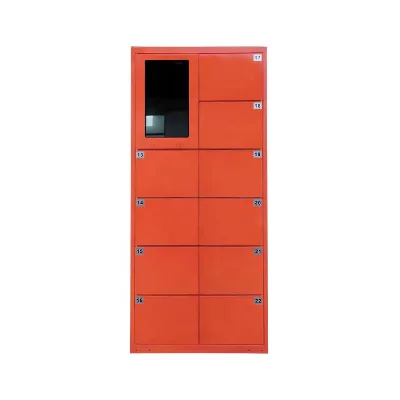
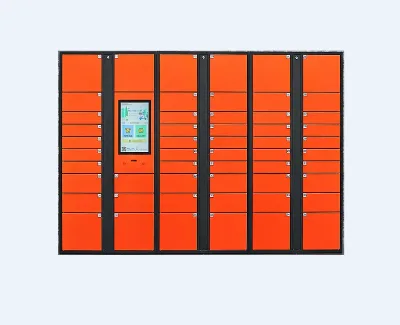
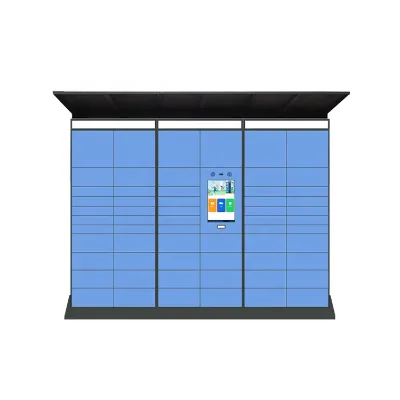
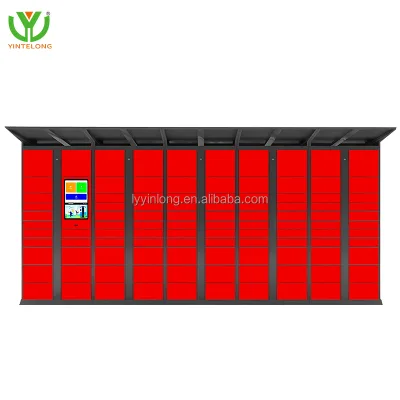


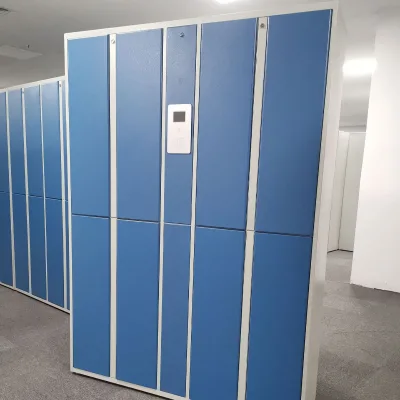


Parcel Smart Locker with Display Intelligent Parcel Delivery Locker Smart
$900.00 - $1800.00
MOQ: 1 Pieces

Mail Post Letter Box Locker Safe Smart Electronic Postal Parcel Locker
$900.00 - $1800.00
MOQ: 1 Pieces

Customized Color and Steel Parcel Locker Steel Locker Smart Parcel Locker
$900.00 - $1800.00
MOQ: 1 Pieces

Smart Parcel Locker for Express and Delivery Electronic Cabinet/Grocery Locker
$900.00 - $1800.00
MOQ: 1 Pieces


Comprehensive Sourcing Guide
Assemblable Smart Hotel Parcel Locker Sourcing Guide
The market for assemblable smart hotel parcel lockers presents a diverse range of configurations designed to meet varying operational needs. Buyers observe products ranging from simple key lockers to complex electronic systems with Android interfaces, all originating primarily from manufacturing hubs in Henan and other regions of China. These units are frequently described as having combined or separate structures, with dimensions typically spanning from 1850mm in height to 1980mm, ensuring they fit standard hotel corridors and lobbies.
Procurement decisions must account for the specific customization capabilities available, as many suppliers offer tailored colors and box sizes to match hotel branding. The observed product range includes models with varying thicknesses from 0.4mm to 2.0mm, indicating that structural durability is a variable factor rather than a fixed standard. Buyers should verify that the selected unit supports the intended open method, whether it be password, barcode, or QR code, to ensure seamless integration with existing hotel management systems.
Product Scope and Observed Listing Signals
Buyers should distinguish between different structural types, as listings explicitly mention both combined and separate configurations for smart lockers. The product scope extends to various locker counts, including open-type key lockers and electronic keypad variants, which serve different security and access requirements. Understanding these structural differences is critical, as the physical assembly and footprint of a combined unit differ significantly from a separate type, impacting installation logistics within hotel spaces.
Listing signals also reveal a wide spectrum of screen sizes and operating systems, ranging from 7-inch displays to 21.5-inch touchscreens running Android, Windows, or Linux. This variability suggests that the "smart" functionality is not uniform across all listings, requiring buyers to carefully match the software interface to their specific operational workflows. Additionally, the presence of features like waterproofing and outdoor suitability indicates that some units are designed for dual-use scenarios, expanding their utility beyond standard indoor hotel environments.
Technical Specifications to Verify
Verification of physical dimensions and material thickness is the first critical step in validating product suitability for hotel installations. Buyers must confirm that the unit's standard dimensions, such as 1980mm by 900mm by 500mm, align with the available floor space and that the steel thickness meets the required load-bearing expectations. The observed range of 0.4mm to 2.0mm thickness implies that thinner gauges may be suitable for light parcel storage, while heavier usage demands thicker steel to prevent deformation over time.
Technical due diligence must also extend to the locking mechanisms and power requirements, which vary significantly across different models. Buyers should verify if the system supports key locks, pad locks, cam locks, or code locks, and ensure the power supply matches the local grid, typically 200V 50Hz. Furthermore, the operating temperature range of -20℃ to 50℃ must be confirmed to guarantee reliable performance in unconditioned areas, while the software SDK and API availability should be checked to ensure future system integrations are feasible.
Compliance and Safety Documentation
Ensuring that the supplier provides valid certification documentation is essential for mitigating liability and ensuring operational safety in public hotel spaces. The market data indicates that many manufacturers hold ISO9001, ISO14001, and ISO45001 certifications, alongside CE marks, which serve as baseline indicators of quality management and environmental compliance. Buyers must request current copies of these certificates to verify that the specific production batch adheres to the stated standards before finalizing any purchase agreement.
Safety compliance also involves verifying that the electronic components and software interfaces meet local data protection and electrical safety regulations. Since the lockers often utilize touchscreens and networked systems, buyers should confirm that the software supports secure data handling and that the hardware meets relevant electrical standards. It is crucial to ensure that the supplier does not make unverified claims about safety features, but rather provides documented evidence of testing and certification for the specific model being procured.
Cost Drivers and Commercial Terms
The final cost of an assemblable smart locker is heavily influenced by the level of customization and the complexity of the electronic components selected. Buyers should anticipate that units with larger touchscreens, advanced operating systems like Android, and custom colors will command higher prices within the observed 95 to 1800 USD range. The thickness of the steel and the type of locking mechanism also act as primary cost drivers, with thicker materials and more secure electronic locks increasing the base unit price.
Commercial terms regarding Minimum Order Quantity (MOQ) and packaging must be clearly defined to avoid unexpected logistical expenses. While some listings suggest an MOQ of 20 pieces, others indicate flexibility down to 1 unit, requiring buyers to negotiate based on their specific volume needs. Packaging methods, ranging from simple cartons to foam and carton combinations, also impact shipping costs and the risk of damage during transit, making it a key factor in the total landed cost calculation.
Supplier Qualification and Quality Control
Supplier qualification should prioritize manufacturers with a proven track record, such as those citing decades of industry experience, to ensure reliability and support. Buyers must verify that the supplier offers OEM and ODM services, which are critical for hotels requiring branded solutions or specific functional adaptations. The presence of a solution provider capability suggests the supplier can offer more than just hardware, potentially assisting with system integration and long-term maintenance planning.
Quality control processes must be rigorously evaluated, with a focus on the supplier's ability to maintain consistent product standards across batches. Buyers should request evidence of their production processes, including surface treatments for waterproofing and indoor/outdoor durability, to ensure the units will withstand high-traffic hotel environments. It is also advisable to confirm that the supplier has a robust system for handling defects and that they provide clear documentation on the assembly process for their assemblable units.
Long-Term Procurement Checks
Establishing a framework for long-term procurement requires verifying the availability of spare parts and the longevity of the software support provided. Buyers should confirm that the supplier offers ongoing access to SDKs and APIs, ensuring that the locker system can be updated or integrated with new hotel management software as technology evolves. This foresight is vital for preventing obsolescence and ensuring that the initial investment remains functional and relevant for years.
Finally, buyers must assess the supplier's capacity to provide after-sales services, including technical support and warranty claims, to mitigate operational disruptions. The ability to respond to issues quickly is crucial for hotel operations where parcel delivery is a key guest service. Procurement contracts should explicitly outline service level agreements, response times, and the scope of warranty coverage to ensure that the supplier remains accountable for the performance and reliability of the installed lockers over the long term.
FAQs
Can assemblable smart hotel parcel lockers be customized?
Yes, customization is available for these units. Buyers can select customized colors and box configurations to match specific hotel branding or interior design requirements. The products are offered in new condition with combined or separate structure types, allowing tailored solutions for various storage needs and aesthetic preferences.
What lock types are supported for smart lockers?
These lockers support multiple locking mechanisms including key locks, pad locks, cam locks, and code locks. Electronic options feature keypad access, barcode scanning, or QR code opening methods. The system integrates with Android, Windows, or Linux operating systems, providing flexible access control for hotel guests and staff management.
What are the standard dimensions for these parcel lockers?
Standard dimensions vary by model, typically ranging from 1850x380x450mm to 1980x900x500mm. Specific models like OR-SC-01 and HH-SCD002 offer different footprints to suit various installation spaces. The thickness of the steel material is available in options from 0.4mm to 1.2mm or up to 2.0mm for enhanced durability.
What certifications do these smart lockers hold?
Manufacturers provide products certified under ISO9001, ISO14001, ISO45001, and CE standards. These certifications ensure quality management, environmental responsibility, and occupational health safety compliance. Buyers can rely on these documented standards when sourcing assemblable smart hotel parcel lockers for international projects requiring strict regulatory adherence and verified manufacturing processes.
What is the minimum order quantity for these lockers?
The minimum order quantity is typically 20 pieces, though some listings indicate ranges from 1 to 100 units. This flexibility allows hotels to order small batches for testing or larger volumes for full property deployment. Buyers should verify specific MOQ requirements with suppliers based on the chosen model and customization level.
Where are these smart lockers manufactured?
These products originate from China, with specific manufacturing hubs located in Henan province. Suppliers leverage local industrial capabilities to produce steel-based lockers with advanced electronic components. The origin ensures access to established supply chains for materials and assembly, supporting consistent production quality and competitive pricing for international buyers seeking reliable storage solutions.