Source Electronic Knock Down Gym Locker for Office School Hospital
Compare 30 Electronic Knock Down Gym Locker options from verified Chinese manufacturers. Buyers can evaluate steel thickness, lock types, and assembly methods for office, school, and hospital storage needs; compare the available evidence and request quotations based on your requirements.
Updated
Key considerations
Products List
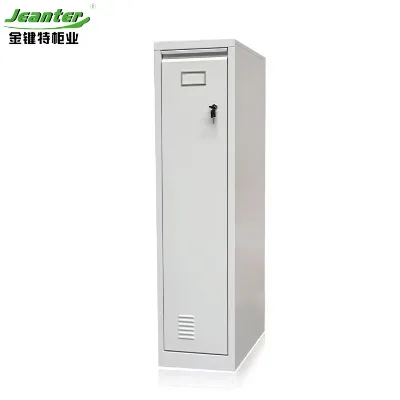
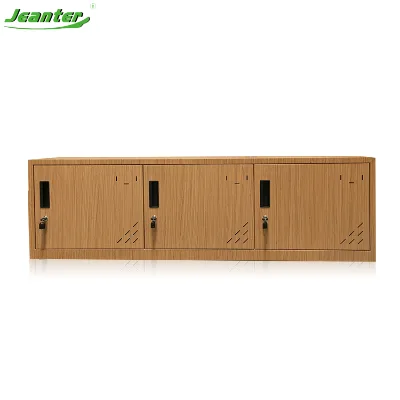
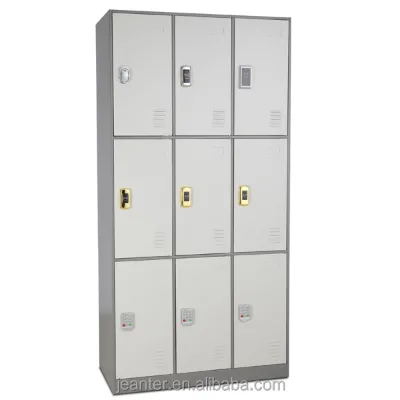

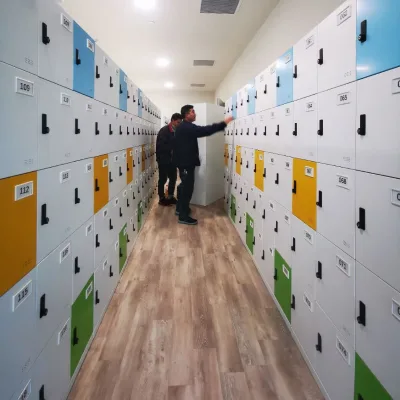

$38.00 - $45.00
MOQ: 100 Pieces





Comprehensive Sourcing Guide
Electronic Knock Down Gym Locker Sourcing Guide
Procuring electronic knock down gym lockers requires a strategic balance between structural durability, security technology, and logistical efficiency. The term "knock down" (KD) indicates that units are shipped disassembled to minimize volumetric shipping costs, which is critical for international freight budgets. Buyers must verify that the KD mechanism maintains structural integrity once assembled, ensuring the lockers can withstand high-frequency use in demanding environments like sports facilities or corporate gyms. The integration of electronic locking systems adds a layer of complexity, requiring attention to power sources, connectivity, and user interface reliability.
This guide focuses on evidence-based sourcing decisions derived from current market listings and supplier specifications. It addresses the technical nuances of steel thickness, surface treatments, and assembly requirements that directly impact long-term performance. By understanding the specific attributes of KD metal lockers, procurement teams can avoid common pitfalls related to poor fitment, inadequate corrosion resistance, or incompatible electronic components. The following sections provide a structured approach to evaluating suppliers, verifying technical claims, and establishing commercial terms that protect the buyer’s investment.
Product Scope and Observed Listing Signals
Current market observations indicate a diverse range of electronic KD gym lockers, with prices ranging from $29 to $4,000 USD and minimum order quantities (MOQs) varying between 1 and 100 units. These products are predominantly manufactured in China, with specific origins noted in regions such as Tianjin and Henan. The core material is consistently identified as steel or metal, with thickness specifications typically falling between 0.4mm and 1.2mm. Buyers should note that while some listings offer "cheap" options, the structural robustness often correlates with higher gauge steel and more robust KD joint designs.
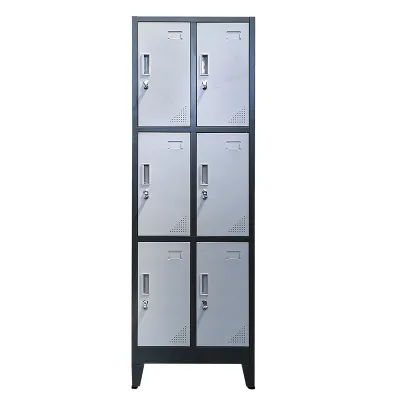
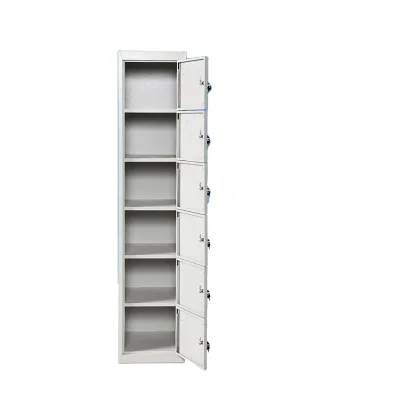
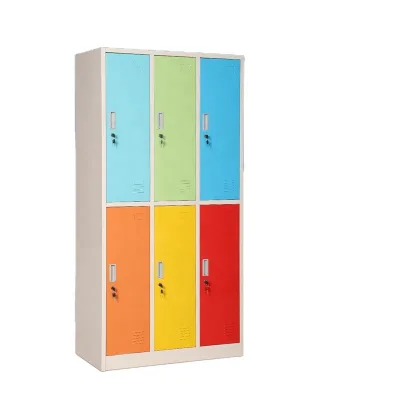
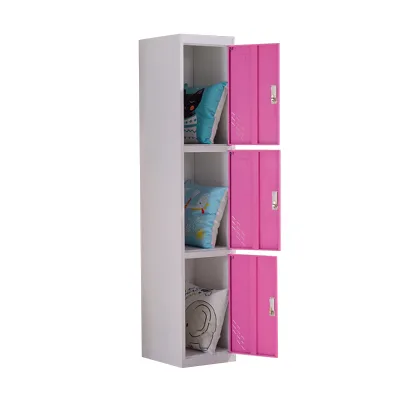
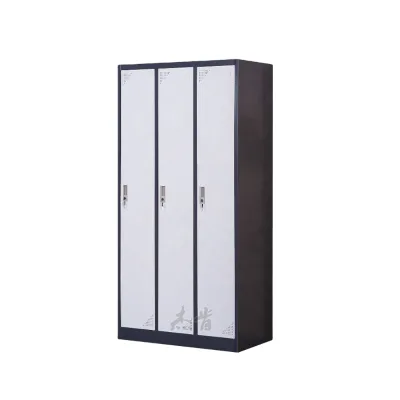
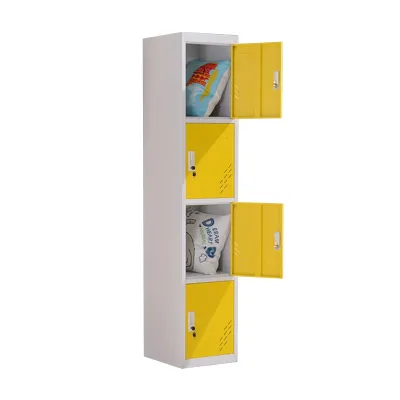
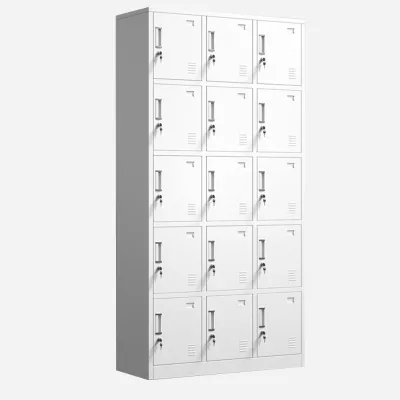
The product scope includes various door configurations, such as 1, 2, 3, 4, and 6-door variants, catering to different space constraints and user needs. Common design styles range from traditional to contemporary, with finishes primarily utilizing electrostatic powder coating for durability. Accessories like plinths, locker benches, and sloping tops are frequently available, allowing for customized installations. The presence of "ODM & OEM" acceptance suggests that suppliers are open to branding and structural modifications, which is valuable for large-scale institutional procurement where brand consistency is required.
Technical Specifications to Verify
Steel thickness is a critical technical parameter, with observed ranges of 0.4-1.2mm and 0.4-1.0mm across different supplier listings. Thinner gauges may reduce initial cost but can compromise the locker’s resistance to impact and forced entry, especially in high-traffic gym environments. Buyers must verify the exact gauge for each component, as side panels, doors, and frames may have different thickness requirements. The KD structure must be evaluated for ease of assembly, with some suppliers offering pre-assembled options or detailed assembly instructions to reduce on-site labor costs.
Electronic locking systems vary significantly in type, including CL locks, pad locks, electronic locks, code locks, and round locks. The handle material, often aluminum, plastic, or chrome, should be assessed for durability and user comfort. Surface treatments like durable powder coating are standard, but buyers should confirm the color options, which are often customizable via RAL codes. Additionally, features such as anti-collision pins on doors and the availability of free design services can enhance the functional lifespan and aesthetic integration of the lockers within existing facility layouts.
Compliance and Safety Documentation
While specific certification statuses like CE and RoHS are mentioned in background contexts, buyers must actively request and verify current compliance documentation from suppliers. These certifications are essential for ensuring that the electronic components and materials meet international safety and environmental standards, particularly for exports to Europe or other regulated markets. Procurement teams should not assume compliance based on general listing descriptions but must obtain valid certificates for each batch or model to mitigate legal and liability risks.
Safety features such as anti-collision pins on doors are observed in some listings, which help prevent damage to both the locker and adjacent units during high-volume use. Buyers should also inquire about the warranty terms, with some suppliers offering up to 5 years of coverage, which indicates confidence in product durability. Verifying the condition of the product as "total new" or "new" is crucial to avoid receiving refurbished or damaged goods. Clear documentation of these safety and compliance aspects ensures that the installed lockers meet the operational and regulatory requirements of the facility.
Cost Drivers and Commercial Terms
The price range of $29 to $4,000 USD reflects significant variations in material quality, electronic complexity, and order volume. MOQs between 1 and 100 units allow for flexibility, but larger orders typically yield better per-unit pricing. Buyers should analyze the cost breakdown, considering that thicker steel, higher-grade electronic locks, and custom powder coating colors will increase the base price. Shipping costs are a major factor for KD lockers, as volumetric weight determines freight charges, making efficient packaging design a key cost-saving opportunity.
Commercial terms should include clear definitions of packaging, with carton packing being a common method. Buyers must confirm whether assembly instructions are included and if on-site assembly support is available, as this impacts total landed cost. The acceptance of OEM and ODM services may involve additional tooling or setup fees, which should be negotiated upfront. Understanding the selling units as single items helps in calculating total project costs accurately, ensuring that all necessary accessories and electronic components are accounted for in the final invoice.
Supplier Qualification and Quality Control
Supplier qualification should focus on their ability to deliver consistent KD structures and reliable electronic systems. Buyers should verify the supplier’s experience in manufacturing gym lockers, particularly their track record with electronic integration and powder coating processes. The availability of free design services and customization options indicates a supplier’s flexibility, but buyers must ensure that these services do not compromise the structural integrity or standard compliance of the units. Requesting samples is a critical step to assess the quality of materials, finish, and lock mechanism functionality.
Quality control protocols should include inspections of steel thickness, surface coating adhesion, and electronic lock performance. Buyers should establish clear acceptance criteria for defects, such as misaligned doors or faulty electronic components, and define the process for handling non-conforming goods. The warranty period, potentially up to 5 years, should be clearly documented in the contract, specifying what components are covered and the response time for repairs or replacements. Effective quality control measures reduce the risk of post-installation failures and ensure long-term satisfaction with the procurement.
Long-Term Procurement Checks
Long-term success depends on the durability of the KD joints and the reliability of the electronic locking systems under continuous use. Buyers should monitor the performance of the lockers over time, paying attention to any issues with door alignment, lock battery life, or coating wear. Regular maintenance schedules should be established to inspect electronic components and mechanical parts, ensuring that the lockers remain functional and secure. The availability of spare parts, such as handles, locks, and KD connectors, is essential for minimizing downtime and extending the product’s lifecycle.
Feedback from end-users in gym or office settings can provide valuable insights into the practical performance of the lockers. Buyers should engage with facility managers to assess ease of use, security effectiveness, and aesthetic appeal. Continuous engagement with suppliers for product updates or improvements can help in upgrading existing installations or sourcing compatible replacements. By maintaining a proactive approach to procurement and maintenance, organizations can maximize the return on investment and ensure a secure, efficient storage solution for their users.
FAQs
What lock options are available for electronic knock down gym lockers?
Electronic knock down gym lockers support multiple lock types including CL locks, pad locks, electronic locks, code locks, and round locks. These options allow buyers to select the most suitable security mechanism for their specific facility needs, ensuring flexibility in access control and user convenience for various environments.
Can electronic knock down gym lockers be customized for office use?
Yes, electronic knock down gym lockers accept OEM and ODM customization requests. They are designed for applications in office buildings, hospitals, and schools. Buyers can choose from optional RAL colors and various handle materials like aluminum, plastic, or chrome to match their interior design requirements effectively.
What is the typical thickness range for steel gym lockers?
The steel thickness for these lockers typically ranges from 0.4mm to 1.2mm. This variation allows for different durability levels depending on the intended usage environment. The electrostatic powder coating finish ensures the metal surface remains durable and resistant to wear, maintaining a professional appearance over time.
How are electronic knock down gym lockers packaged for shipping?
These lockers are packaged in cartons to ensure safe transit. The knock-down structure facilitates easy assembly by the end user, reducing shipping volume and costs. While some listings indicate non-mail packing, the standard carton packaging protects the components during international logistics and handling processes effectively.
Which door configurations are available for these metal lockers?
Metal lockers are available in 1-door, 2-door, 3-door, 4-door, and 6-door variants. This range of configurations allows for flexible storage solutions tailored to different space constraints and user capacities. The designs often include features like anti-collision pins on doors to enhance longevity and safety.
What warranty is provided for steel combination lockers?
Steel combination lockers typically come with a 5-year warranty. This coverage provides assurance regarding the structural integrity and finish quality of the product. Buyers can rely on this warranty period for peace of mind, knowing that the manufacturer stands behind the durability of the steel construction and powder coating.