Source Automatic Belt Digital Printer for Textiles, Labels, and Cards
Compare 30 automatic belt digital printers from verified suppliers. These machines support pigment and water-based inks for printing on textiles, labels, cards, and tubes with A3 or A4 sizes; compare the available evidence and request quotations based on your requirements.
Updated
Key considerations
Products List
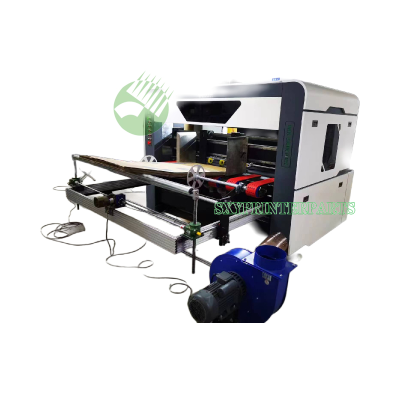
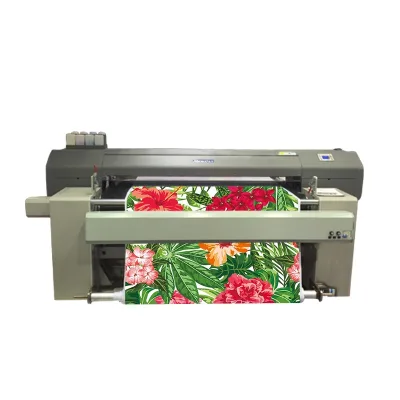
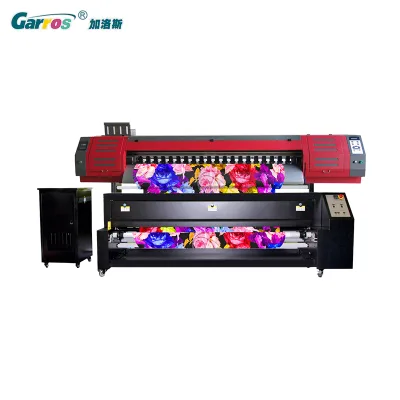
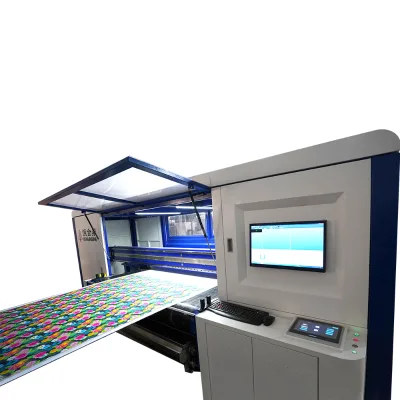
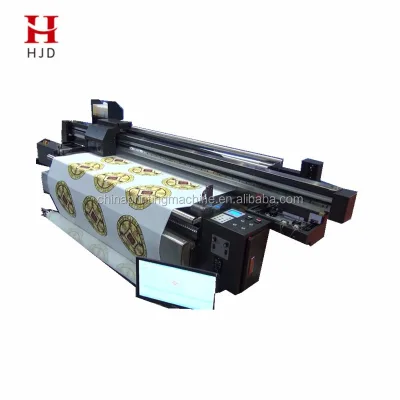


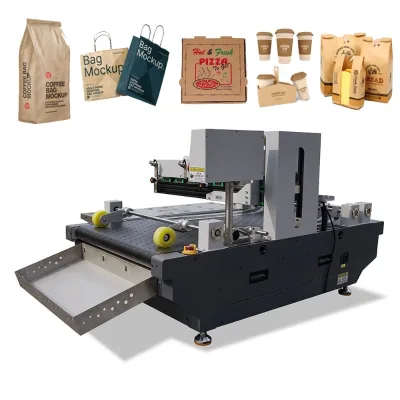

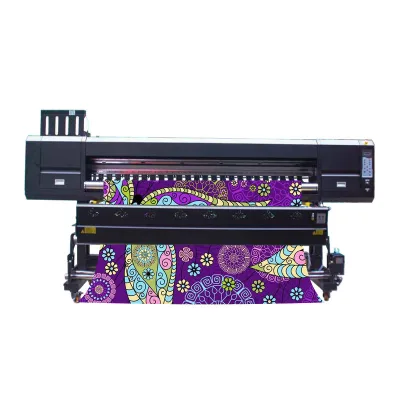


$2000.00 - $200000.00
MOQ: 1 Pieces
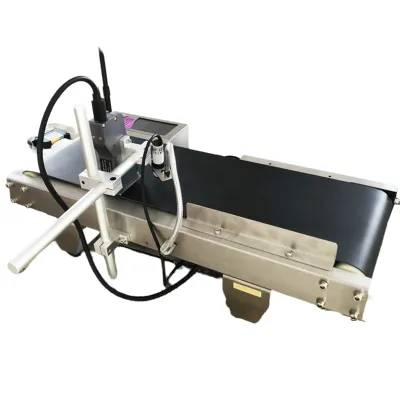
Automatic Expiration Date Printer with Belt ABLE Tech Paging Desktop Inkjet Printer
$270.00 - $290.00
MOQ: 1 sets

$60000.00 - $129999.00
MOQ: 1 Pieces

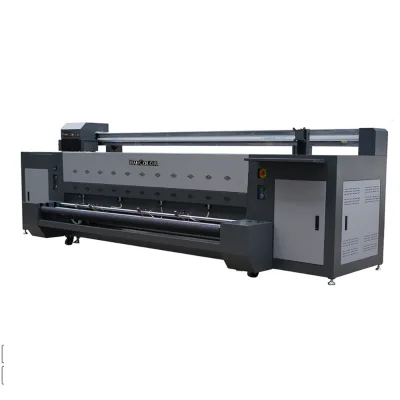
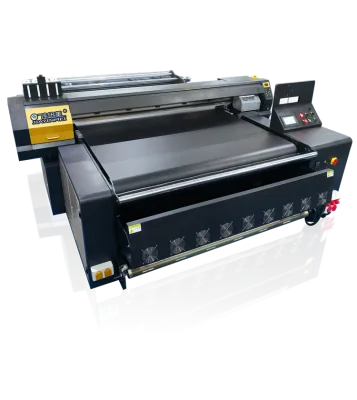


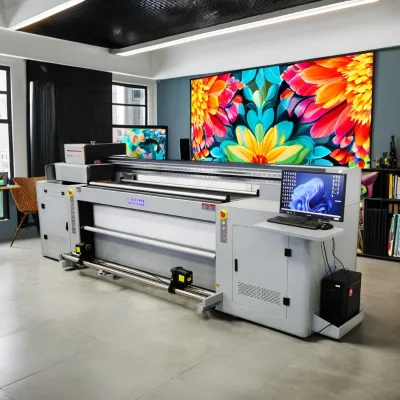


Direct Injection Thermal Transfer Printing Thermal Transfer Inkjet Printer
$29000.00 - $32000.00
MOQ: 1 Pieces
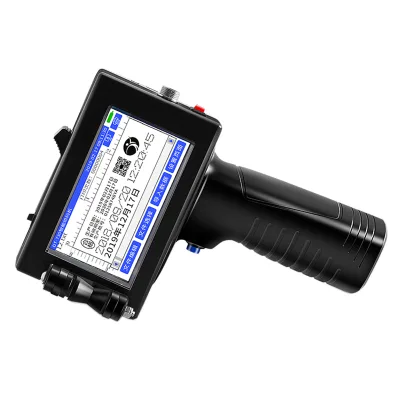
Comprehensive Sourcing Guide
Automatic Belt Digital Printer Sourcing Guide
Sourcing an Automatic Belt Digital Printer requires careful evaluation of the specific printing technology and operational environment. The market offers various configurations, including roll-to-roll systems and specialized textile printers, often originating from manufacturing hubs in Guangdong and Zhejiang, China. Buyers must distinguish between general-purpose digital printers and those optimized for continuous belt or fabric processing. Understanding the distinction between pigment, dye, and UV ink compatibility is critical for selecting the right machine for your specific media types, such as canvas, PVC, or mesh.
The procurement process involves verifying key technical attributes like printhead models, voltage requirements, and automatic grading features. Many listed units feature industrial piezo heads or EP DX5/DX7 variants, which significantly impact print quality and maintenance costs. Additionally, the presence of intelligent sectional embedded heating systems and specialized RIP software, such as Ajet software, plays a crucial role in production efficiency. Buyers should focus on machines that align with their desired output volume and media handling capabilities to ensure long-term operational success.
Product Scope and Observed Listing Signals
The observed product landscape includes a wide range of digital printing machines, from compact A4/A3 units to large-format industrial systems. Listings indicate a price range of $180 to $600,000, reflecting the diversity in technology and capacity. Common product names include "belt textile printer," "continuous inkjet printer," and general "digital printing machines." These devices are designed for various applications, including paper, card, label, tube, and cloth printing. The presence of multiple brand names, such as TENCHI, Garros, and Atexco, suggests a competitive market with varied supplier bases.
Weight and dimensions vary significantly across listings, with some units weighing as little as 80 KG and others exceeding 1400 KG. This disparity highlights the difference between desktop models and heavy-duty industrial installations. For instance, a typical belt textile printer may have dimensions of 2800mm x 1800mm x 1450mm, while other models might be more compact. Buyers should carefully review the physical footprint and weight specifications to ensure their facility can accommodate the equipment. The single-item selling unit structure and wooden packing details indicate that these are substantial pieces of industrial machinery requiring careful logistics planning.
Technical Specifications to Verify
Verifying the printhead configuration is essential for determining print quality and operational longevity. Listings show variations such as 1pc or 2pc industrial piezo heads, with some specifying EP DX5 or DX7 models. The choice of printhead affects resolution, speed, and maintenance frequency. Additionally, the ink type must match your media requirements, with options including water-based dye, pigment, sublimation, eco-solvent, and UV inks. Confirming the compatibility of the printer with your preferred ink ensures consistent color reproduction and prevents potential damage to the printheads.
Other critical specifications include voltage compatibility, which is often listed as AC220V or 110V/220V, and the data transmission connector type, such as HI-USB2.0. The operating environment requirements, typically 18-32 Celsius and 46-65% RH, must be met to ensure optimal performance. Buyers should also verify the heating system type, with intelligent sectional embedded heating systems being a notable feature in some models. The supply ability, often cited as 20 units per month, may impact lead times for bulk orders, so early engagement with suppliers is advisable.
Compliance and Safety Documentation
While specific certification details are not always explicitly listed in the provided data, buyers must ensure that the equipment meets local electrical and safety standards. The voltage specifications, such as AC220V at 50HZ/60HZ, require verification against your facility's power infrastructure to prevent damage or safety hazards. It is crucial to request documentation confirming that the machine complies with relevant electromagnetic compatibility (EMC) and low-voltage directives in your target market. This step is particularly important for industrial equipment that operates continuously and handles high-power components.
Safety features related to the heating system and automatic operation should also be thoroughly reviewed. The intelligent sectional embedded heating system, while efficient, requires proper insulation and thermal management to prevent overheating. Buyers should inquire about the presence of emergency stop mechanisms, thermal cutoffs, and proper grounding procedures. Additionally, the packaging details, such as wooden packing, should be inspected to ensure that the machine arrives without damage and that the packaging materials comply with international shipping regulations, such as ISPM 15 for wood.
Cost Drivers and Commercial Terms
The cost of an Automatic Belt Digital Printer is influenced by several factors, including the printhead type, ink system, and automatic features. Higher-end models with industrial piezo heads and intelligent heating systems typically command a premium price. The supply ability of 20 units per month may also affect pricing, as limited production capacity can lead to higher costs for urgent orders. Buyers should consider the total cost of ownership, including ink consumption, maintenance, and potential downtime, rather than just the initial purchase price.
Commercial terms such as warranty and after-sales support are critical components of the procurement decision. Most listed products offer a 1-year warranty, which provides a baseline level of protection. However, buyers should negotiate for extended warranty options or comprehensive service contracts to mitigate long-term risks. The port of dispatch, often Guangzhou, and the packaging details should be factored into the logistics cost. Clear communication regarding lead times and production schedules is essential to avoid delays in setting up your printing operations.
Supplier Qualification and Quality Control
Evaluating supplier qualifications is vital to ensure the reliability of the equipment and support services. Buyers should verify the supplier's manufacturing capabilities, particularly if the product originates from Guangdong or Zhejiang, China. Requesting detailed product specifications, including dimensions, weight, and technical drawings, helps in assessing the supplier's attention to detail. The presence of specific brand names like TENCHI or Garros can also serve as a reference point for researching the supplier's reputation and market presence.
Quality control measures should be established before placing an order. This includes requesting sample prints to evaluate color accuracy, resolution, and media compatibility. Buyers should also inquire about the testing procedures used by the supplier, such as stress tests for the heating system and printhead durability checks. Establishing a clear communication channel for technical support and troubleshooting is essential. Given the automatic nature of the equipment, ensuring that the supplier provides comprehensive training and documentation is crucial for smooth operation.
Long-Term Procurement Checks
Long-term success with an Automatic Belt Digital Printer depends on consistent maintenance and supply chain stability. Buyers should establish a preventive maintenance schedule for the printheads, heating system, and ink delivery mechanisms. Regular cleaning and calibration are necessary to maintain print quality and extend the lifespan of the equipment. Monitoring the consumption of inks and other consumables helps in budgeting for ongoing operational costs. The availability of spare parts, such as printheads and sensors, should be confirmed with the supplier to minimize downtime.
Additionally, staying updated on software updates and RIP software enhancements is important for optimizing print performance. The specialized textile software, such as Ajet software, may receive updates that improve efficiency or add new features. Buyers should also monitor changes in media types and market trends to ensure their printing capabilities remain competitive. Regularly reviewing the supplier's supply ability and lead times helps in planning for future expansion or replacement needs. Building a strong relationship with the supplier can facilitate better support and potential upgrades in the future.
FAQs
What media types can an Automatic Belt Digital Printer handle?
An Automatic Belt Digital Printer can handle flex banner, canvas, PVC, vinyl, poster paper, mesh, and wall paper, plus textile materials on a roll-to-roll plate type. Media compatibility depends on the ink system, since water based dye, pigment, sublimation, eco solvent, and UV inks suit different substrates. Confirm your intended media and ink combination with the supplier before ordering.
Which ink types are supported by these digital printing machines?
Supported inks include water based dye, pigment, sublimation, eco solvent, and UV ink, giving flexibility across textile and signage applications. Pigment ink models are commonly listed for paper and card printing, while sublimation setups suit polyester textiles. Choose the ink chemistry that matches your substrate and wash or durability requirements, and verify printhead compatibility before purchase.
How large is the printing area on the Ajet-1602P belt textile printer?
The Ajet-1602P belt textile printer offers a print dimension of 1600mm in a roll-to-roll configuration. Its overall machine dimensions are 2800mm by 1800mm by 1450mm, so plan floor space and operator access accordingly. Operating conditions are 18 to 32 Celsius with 46 to 65 percent relative humidity, which helps maintain consistent print quality.
What are the power and voltage requirements for installation?
The belt textile printer has a gross power of 3000W and runs on 110V or 220V depending on the model, with some continuous inkjet printers specified at AC220V 50Hz or 60Hz. Confirm your facility's electrical supply matches the listed voltage before delivery. A stable power source and the correct circuit capacity help avoid interruptions during long production runs.
How are these printers packed and shipped?
The belt textile printer ships with wooden packing, which protects the frame and printheads during long-haul transport. Shipping weight varies by model, with listed machine weights ranging from 80 KG up to 1400KG. The port of dispatch is Guangzhou, and packaging sizes such as 3360 by 1070 by 840mm are listed, so arrange suitable freight and unloading equipment in advance.
What warranty and supply capacity should buyers expect?
These digital printing machines are listed with a one year warranty covering the equipment under normal operating conditions. Supply ability is stated at 20 units per month for the belt textile printer and continuous inkjet printer models, which indicates typical production capacity. Confirm current lead times, warranty scope, and after-sales support terms directly with the supplier when requesting a quotation.
Can the printer operate with my existing RIP and data connection setup?
The belt textile printer uses special textile RIP software called Ajet software and connects via a HI-USD2.0 data transmission connector. Check that your design workflow can export files the RIP accepts, and confirm the connector interface matches your workstation. Discuss software licensing and training with the supplier so operators can start production quickly after installation.
Which printheads are used in these automatic digital printers?
Listed configurations include industrial piezo printheads and EPSON DX5 or DX7 heads, with setups of one or two printheads depending on the model. More printheads generally support higher throughput on wider media. Printhead choice affects ink compatibility, resolution, and replacement cost, so confirm the exact head type, quantity, and spare-parts availability with the supplier before ordering.