Swing Away Heat Press Machine Suppliers and Manufacturers
Explore 30 verified options for Swing Away Heat Press Machine from suppliers in Shanghai and Guangdong. Compare response times, lead times, prices, and product specifications like voltage and automation levels before contacting vendors directly; review the available evidence before requesting comparable quotations from suitable candidates.
Updated
Suppliers List
Shanghai Gold-Up Screen Printing Facilities Co., Ltd.
- Trading Company
- Shanghai, China
- Lead time5 days
- Avg. response≤ 2h
Main productsScreen Aluminumen Printing Frames,Screen Printing Screens,SMT Stencil for PCB printing,Screen Printing Squeegee Blade,Screen Printing Scoop Coater
Main marketsWestern Europe(20.00%), North America(20.00%), Eastern Asia(10.00%), Northern Europe(8.00%), Oceania(7.00%), South America(7.00%), Domestic Market(5.00%), Eastern Europe(5.00%), Central America(5.00%), Southern Europe(4.00%), Mid East(3.00%), Southeast Asia(3.00%), South Asia(2.00%), Africa(1.00%)

Guangzhou Dashanming Machinery Co., Ltd.
- Combined
- China Guangdong
- Lead time15 days
- Avg. response≤ 11h
Main productsHeat Press Machine, Rhinestone Brushing Machine, Ultrasonic Rhinestone Hotfix Setting Machine, Pneumatic Heat Press Machine, Hydraulic Heat Press Machine, Logo Hot Stamping Machine, Sublimation Roll Heat Press Machine, Manual Heat Press Machine, Laser Cutting Machine
Main marketsSouth America,Southeast Asia/ Mideast,Europe


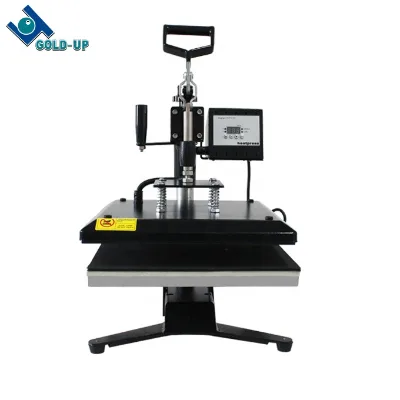
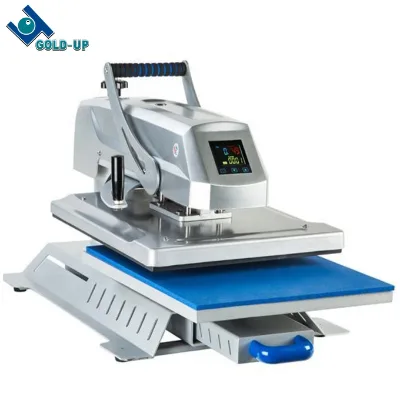
Factory Direct Supply Swing Away Heat Press Machine Sublimation Machine
$198.00 - $1350.00
MOQ: 1 Pieces


Heat Press Machine 60*80 Working Size Left and Right Push-Pull Heat Transfer Heat Press Machine
$750.00 - $1250.00
MOQ: 1 Pieces

Heat Press Machine 100*120 Heat Press Machines for T-Shirt Large Heat Press Machines
$2150.00 - $2250.00
MOQ: 1 Sets
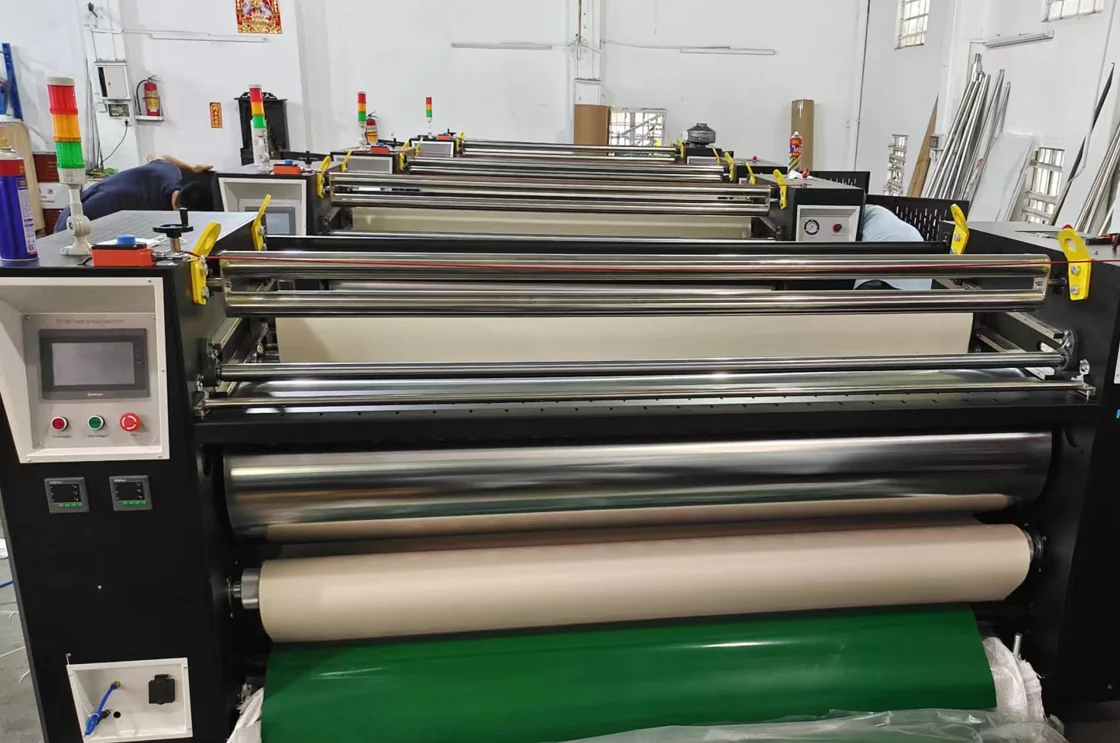
Guangzhou Heattech Machinery Co., Ltd.
- Manufacturer
- Guangdong, China
- Lead time15 days
- Avg. response≤ 3h
Main productsRoll heat press,Flat heat press,DTG pretreatment machine,Heat transfer machine,Hot foil stamping machine
Main marketsEastern Europe(25.00%), North America(20.00%), Western Europe(20.00%), South America(20.00%), Domestic Market(10.00%), Southeast Asia(5.00%)
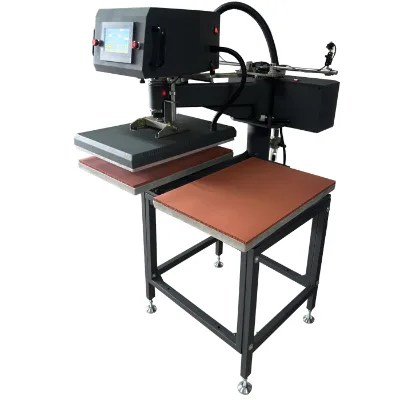
T Shirt Heat Press Machine 40*60 16x24 Swing Away
$1350.00 - $1600.00
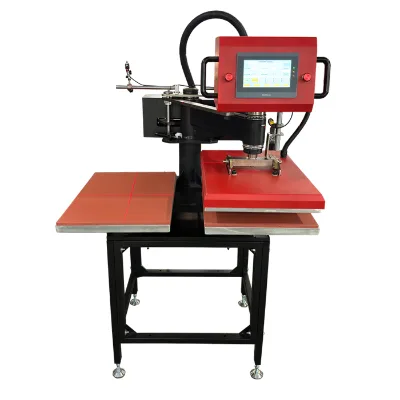
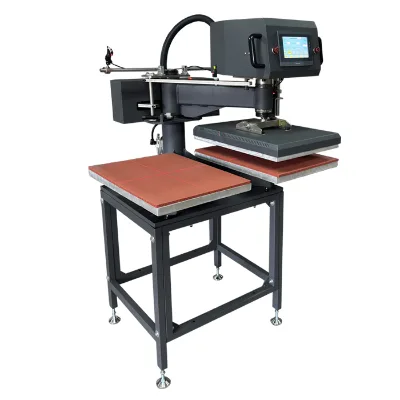
High Pressure Swing Away Shuttle Tshirt Printing Machine Heat Press 40x50
$1350.00 - $1600.00
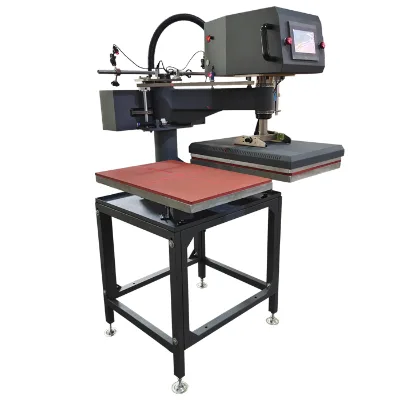
High-End Automatic Pneumatic Heat Press Machine DTF Swing-Away for Printing Shops
$1390.857 - $1699.9364
MOQ: 1 sets
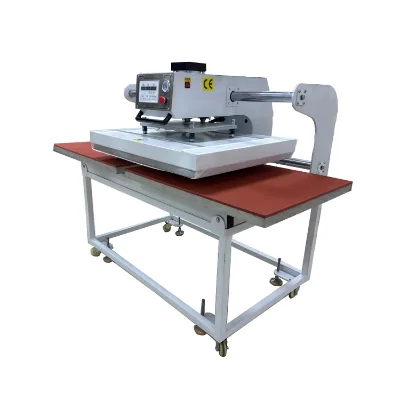
Large Double Station Tshirt Sublimation Automatic Shirt Heat Press Machine
$1270.00 - $1400.00
Henan Zonelion Heavy Industry Co., Ltd.
- Verified by TüVRheinland
- Trading Company
- Lead time7 days
- Avg. response≤ 4h
Main productsCutting Machine, Polishing Machine, Grinding Wheel Manufacturing Machine, Pressure Machine, Fixed Machine
Main marketsNorth America(8%), South America(8%), Eastern Europe(8%)

Jiangxi Greensource Technology Co., Ltd
- Trading Company,Manufacturer/Factory
- China Jiangxi
- Lead time0 days
- Avg. response≤ 23h
Main productsHeat Transfer, in Mould Label, Hot Stamping Foil, Heat Transfer Machine, Transfer Printing, Label Printing, Transfer Paper, Heat Transfer Label, Heat Transfer Film, Holographic Film
Main marketsSouth America,Eastern Europe,Mid East,North America,Southeast Asia,Eastern Asia,Oceania,Western Europe,Africa
Fujian Auplex Appliance Co., Ltd.
- Manufacturer, Trading Company
- Fujian, China
- Lead time7 days
- Avg. response≤ 7h
Main productsheat press machine,heat press,Pneumatic Heat press,heat transfer machine,heat transfer
Main marketsNorth America(60.00%), Oceania(10.00%), Western Europe(10.00%), Northern Europe(6.00%), Eastern Europe(3.00%), Southern Europe(2.00%), Domestic Market(1.00%), South Asia(1.00%), Africa(1.00%), Southeast Asia(1.00%), Central America(1.00%), South America(1.00%), Eastern Asia(1.00%), Mid East(1.00%)
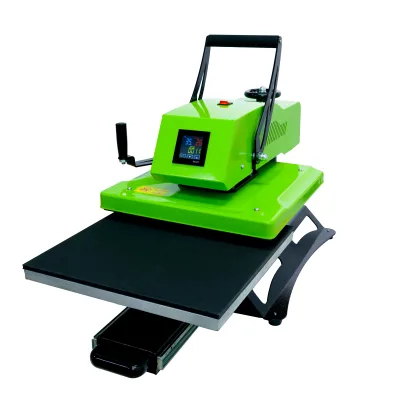
$215.333 - $305.4003
MOQ: 1 Minimum
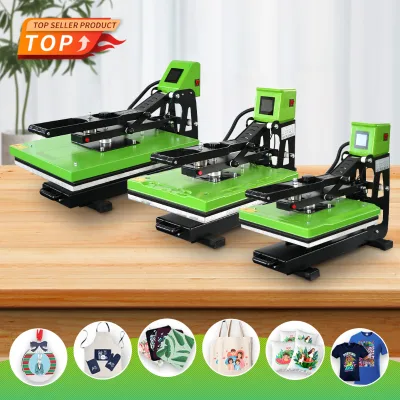
Hot Sale Product 16x20 Swing Away Auto Open Heat Press Machine for Printing
$235.00 - $245.00
MOQ: 1 pieces
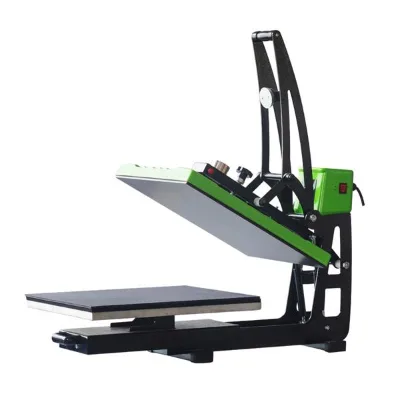
16 X 20 Heat Press Swing Away Arm Slide Out Automatic Pull Out Heat Press Machine
$222.5803 - $238.1086
MOQ: 1 pieces
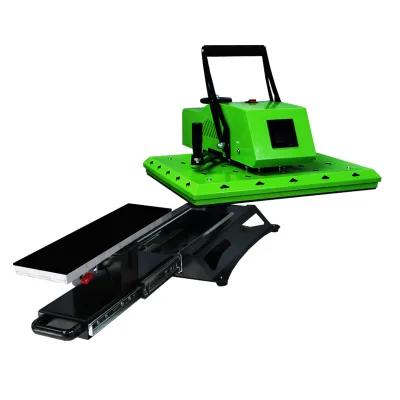
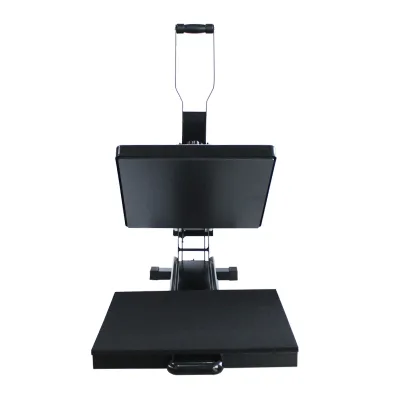
38x38cm Heat Press Machine with Fully Slide-out Design & Laser Cutting Structure for T-Shirt
$130.00 - $138.00
MOQ: 1 pieces
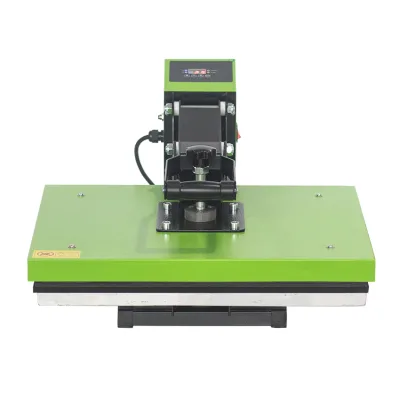
$133.6591 - $164.5029
MOQ: 1
Colorking Heat Press Machine Co., Ltd.
- Verified by SGS Group
- Manufacturer, Trading Company
- Lead time3 days
- Avg. response≤ 5h
Main productsHeat Press Machine, Sublimation Mug, DTF Printer, Button Making Machine, Heat Transfer Vinyl
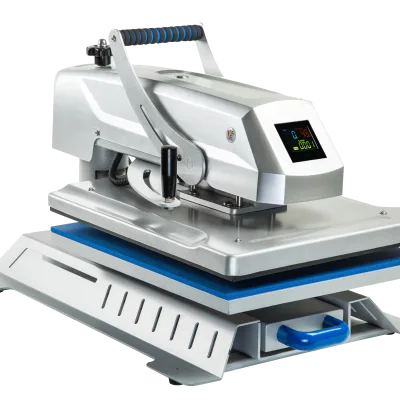
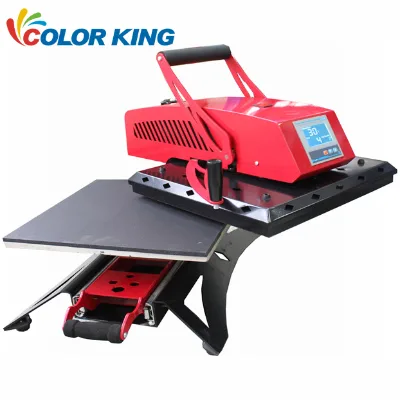
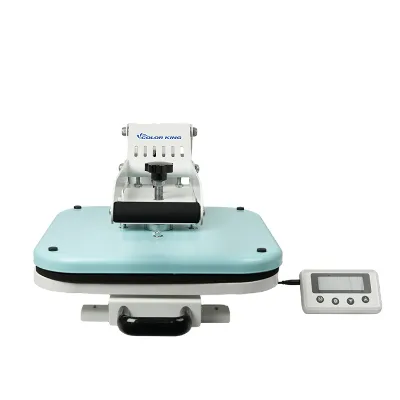
$76.1344 - $100.8274
MOQ: 1 sets
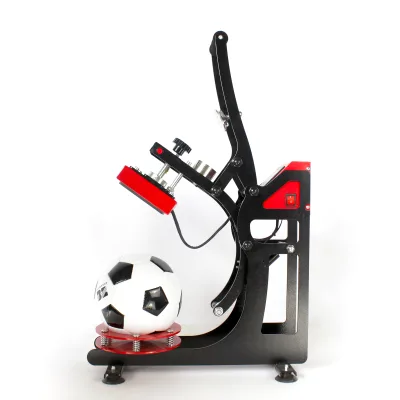
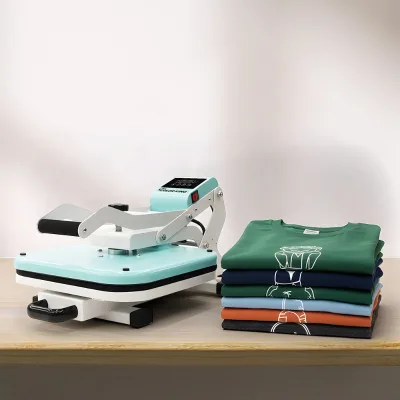
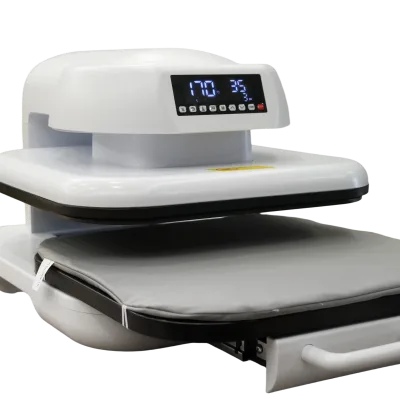
Latest Automatic Heat Press and Sublimation Machines Ergonomic Design for Sale
$120.00 - $150.00
MOQ: 1
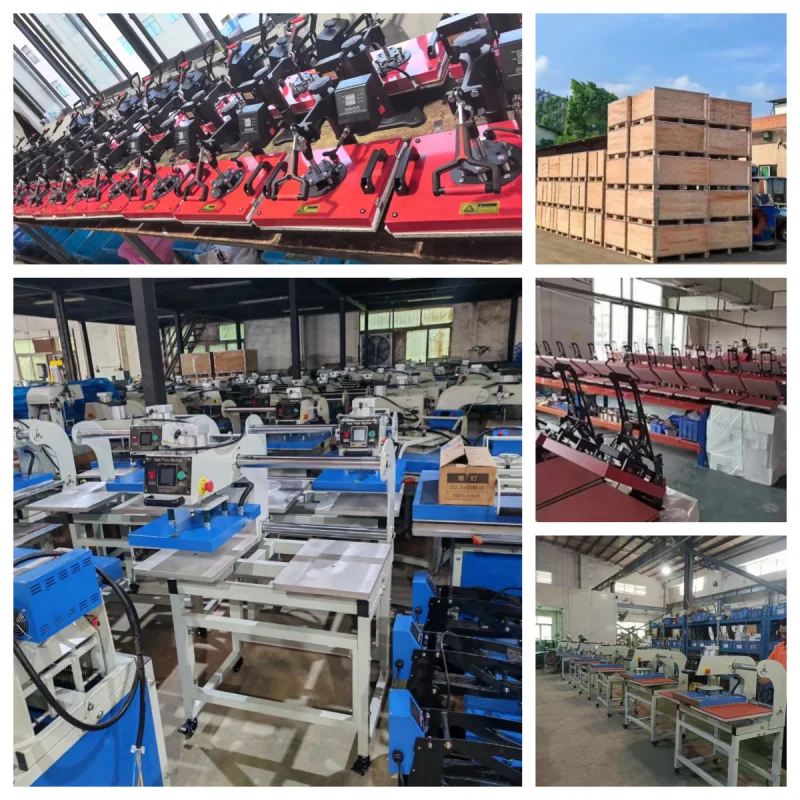
Dongguan Dinglian Machinery Co., Ltd.
- Manufacturer, Trading Company
- Guangdong, China
- Lead time20 days
- Avg. response≤ 3h
Main productsMechanical equipment,Clothing machinery,Packaging machinery,Printing equipment
Main marketsMid East(20.00%), Southeast Asia(20.00%), Southern Europe(10.00%), Western Europe(10.00%), Eastern Asia(10.00%), South America(10.00%), North America(10.00%), Eastern Europe(10.00%)

Dongguan Gaoshang Machinery Co., Ltd.
- Manufacturer
- China Guangdong
- Lead time15 days
- Avg. response≤ 8h
Main productsHeat Press Machine, T Shirt Heat Press Machine, Heat Transfer Press Machine, Sublimation Machine, Roller Heat Press Machine, Calandra
Main marketsSouth America,Southeast Asia/ Mideast,Europe,North America


Hydraulic Dual Heat Press Machine 16*24inch Double Heat Press Machines for Heat Press Transfer
$590.00 - $890.00
MOQ: 1 Pieces

Dongguan Maiji Garment Equipment Co., Ltd.
- Trading Company
- Guangdong, China
- Lead time15 days
- Avg. response≤ 2h
Main productsheat press machine,heat transfer machine,heat sublimation machine,Garment printing equipment,hot stamping printer
Main marketsEastern Asia(10.00%), Domestic Market(10.00%), South Asia(10.00%), Central America(10.00%), Southeast Asia(10.00%), Western Europe(10.00%), North America(10.00%), Mid East(5.00%), Oceania(5.00%), Southern Europe(5.00%), Northern Europe(5.00%), Africa(5.00%), South America(5.00%)

Guangzhou Yinghe Electronic Instruments Co., Ltd.
- Verified by BV
- Combined
- China Guangdong
- Lead time30 days
- Avg. response≤ 6h
Main productsMachine, Large Format Printer, Dtf Printer, Embroidery Machine
Main marketsSouth America,Africa,Southeast Asia/ Mideast,North America
Hebei Doyan Screen Printing Equipment Co., Ltd.
- Verified by SGS Group
- Manufacturer, Trading Company
- Lead time10 days
- Avg. response≤ 1h
Main productsScreen Printing Machine, Heat Press Machines, Screen Printing Accessories, Screen printing equipment
Main marketsDomestic Market(15%), North America(14%), Southeast Asia(14%)

Ruian Chengyue Electromechanical Co., Ltd.
- Manufacturer, Trading Company
- Zhejiang, China
- Lead time15 days
- Avg. response≤ 2h
Main productsMnual Heat Press Machine,Pneumatic Heat Press Machine,Full Automatic Electric Heat Press Machine,Mug Heat Press Machine,Plate Heat Press Machine
Main marketsSouth America(30.00%), Oceania(20.00%), Southeast Asia(20.00%), Eastern Europe(20.00%), Western Europe(10.00%)

Dongguan Number One Digital Technology Co., Ltd.
- Verified by SGS
- Manufacturer
- China Guangdong
- Lead time30 days
- Avg. response≤ 4h
Main productsFabric Laser Cutting Machine, Roller Heat Press Machine, Roll to Roll Heat Press Machine, Heat Press Machine, Sublimation Ink, Sublimation Paper
Main marketsSouth America,Africa,Southeast Asia/ Mideast,East Asia(Japan/ South Korea),Domestic,Europe,North America


Roller Heat Press Machine Heat Transfer Roller Machine Roll to Roll Heat Press
$8300.00 - $8400.00
MOQ: 1 Pieces


Luohe Lemo Machinery Equipment Co., Ltd.
- Verified by TüVRheinland
- Trading Company
- Lead time15 days
- Avg. response≤ 4h
Main productsMeat Grinder, Bowl Cutter, Slicer, Beef Patty Machine
Main marketsNorth America(20%), Western Europe(20%), Eastern Europe(8%)
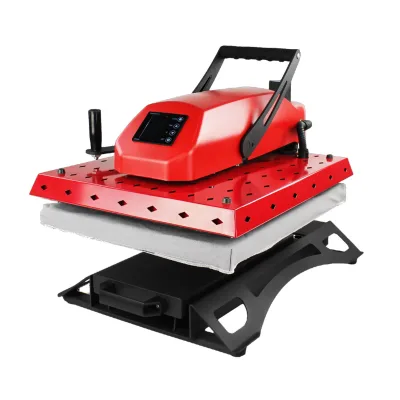
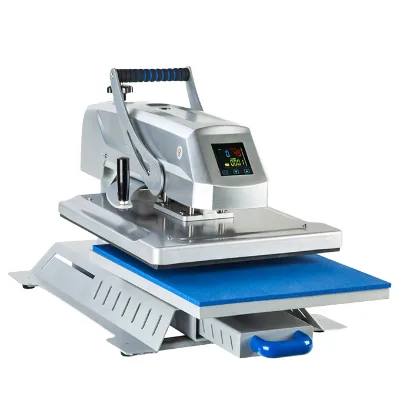
Commercial Manual Swing Away Slide Out T Shirt Printing Sublimation Heat Press Machine
$465.00 - $580.00
MOQ: 1 sets

- Manufacturer/Factory
- China Guangdong
- Lead time45 days
- Avg. response≤ 18h
Main productsToilet Paper Machine, Toilet Paper Making Machine, Paper Core Machine, Paper Cup Machine, Paper Bag Machine, Slipper Making Machine, Water Turbine Generator, Paper Making Machine
Main marketsSouth America,Eastern Europe,Mid East,North America,Southeast Asia,Western Europe,Africa

Zhengzhou Hento Machinery Co., Ltd.
- Verified by SGS
- Trading Company,Manufacturer/Factory,Group Corporation
- China Henan
- Lead time15 days
- Avg. response≤ 7h
Main productsMeat Processing Machinery, Egg Processing Machinery, Dairy Processing Machinery, Fruit & Vegetable Processing Machinery, Grain Product Making Machines, Snack Machines, Nuts Processing Machinery, Packing Machines, Drying Machines, Commodity Making Machines
Main marketsSouth America,Eastern Europe,Mid East,North America,Southeast Asia,Eastern Asia,Oceania,Western Europe,Africa
Shanghai Mecolour Digital Technology Co., Ltd.
- Verified by SGS Group
- Manufacturer, Trading Company
- Lead time15 days
- Avg. response≤ 4h
Main productsCeramic Mug, Mug Press Machine, Glass Mug, Magic Mug, Heat Press Machine
Main marketsSouth America(60%), North America(15%), Southeast Asia(15%)
Guangzhou Inqi Electronic Instruments Co., Ltd.
- Trading Company
- Lead time旺季: "1 - 1":7,"> 1":"To be negotiated", 淡季: "1 - 1":7,"> 1":"To be negotiated"
- Avg. response≤ 5h
Main productsDTF Printer, ECO Solvent Printer, UV Printer, Sublimation Printer, Powder Shaker

QINGDAO DAHUA MACHINERY CO., LTD.
- Trading Company
- China Shandong
- Lead time23 days
- Avg. response≤ 11h
Main productsRubber Machinery, Rubber Machine, Rubber Mixing Mill, Rubber Mixer Machinery, Rubber Kneader Mixer, Rubber Internal Mixer, Rubber Vulcanizing Press Machine, Vacuum Rubber Molding Press Machine, Rubber Calender Machine, Rubber Extruder Machine
Main marketsSouth America,Southeast Asia/ Mideast,North America

Zhengzhou Honest Machinery Co., Ltd.
- Trading Company,Manufacturer/Factory
- China Henan
- Lead time15 days
- Avg. response≤ 6h
Main productsFood Machinery, Packing Machines, Microwave Equipment, Drying Machines, Grain Product Making Machines, Commodity Making Machines, Texitle Machines, Construction Machinery
Main marketsSouth America,Eastern Europe,Mid East,North America,Southeast Asia,Eastern Asia,Oceania,Western Europe,Africa

Shandong MINGHUNG Wood Based Panel Machinery Co., Ltd
- Manufacturer
- China Shandong
- Lead time30 days
- Avg. response≤ 3h
Main productsVeneer Peeling Machine, Plywood Machine, Hot Press Machine, Veneer Dryer Machine, Glue Spreader, Plywood Cold Press Machine, Plywood Saw Machine, Plywood Sanding Machine, Wood Debarker, Vacuum Veneer Stacker
Main marketsSouth America,Africa,Southeast Asia/ Mideast,East Asia(Japan/ South Korea),Europe,Australia,North America

Zhuhai Lancelot Technology Co., Ltd.
- Combined
- China Guangdong
- Lead time30 days
- Avg. response≤ 15h
Main productsInk, Ink Cartridge, Toner Cartridge
Main marketsAfrica,Southeast Asia/ Mideast,North America

Shanxi Jingwei Chemical Fiber Machinery Co.,Ltd
- Verified by BV
- Combined
- China Shanxi
- Lead time15 days
- Avg. response≤ 18h
Main productsgear pump
Main marketsOthers(foreignTradeCapacity.exportBusinessCapacityMarketOther),Domestic

Dongguan Creto Technology Co.Ltd
- Verified by BV
- Combined
- China Guangdong
- Lead time15 days
- Avg. response≤ 2h
Main productsFolding Machine, Gluing Machine, Budding Machine, Laser Cutting Machine, Banding Machine
Main marketsAfrica,Domestic
Guangzhou Inqi Electronic Instruments Co., Ltd.
- Manufacturer, Trading Company, Distributor/Wholesaler
- Guangdong, China
- Lead time7 days
- Avg. response≤ 14h
Main productsinkjet printer,cutting plotter,heat transfer machine,laminator,spare parts
Main marketsAfrica(24.00%), Eastern Asia(20.00%), Eastern Europe(10.00%), Northern Europe(5.00%), Central America(5.00%), Western Europe(5.00%), South America(5.00%), Mid East(5.00%), Southern Europe(5.00%), North America(5.00%), Southeast Asia(5.00%), Domestic Market(2.00%), South Asia(2.00%), Oceania(2.00%)
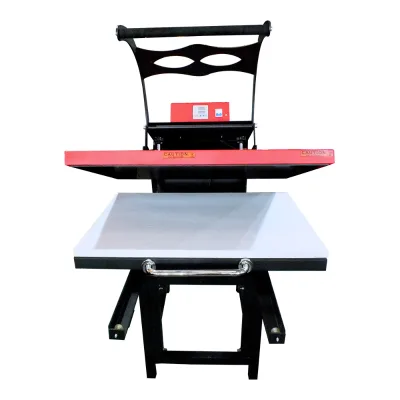
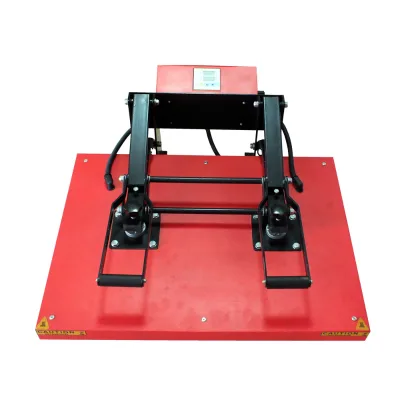
Single-Handle Heat Press Machine Portable & Easy-to-Use for Solo Operation
$883.0081 - $986.8914
MOQ: 5 Minimum
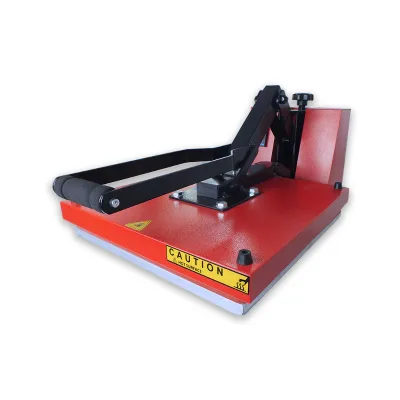
Portable Desktop Hot Press Machine - Compact Design for Small-Batch Production
$153.4836 - $225.1105
MOQ: 1 Minimum

Qingdao Guangyue Rubber Machinery Manufacturing Co., Ltd.
- Verified by TUVRHEINLAND
- Trading Company,Manufacturer/Factory
- China Shandong
- Lead time23 days
- Avg. response≤ 6h
Main productsRubber Curing Press, Rubber Sheeting Mixing Mill, Rubber Refiner Crusher Extruder, Rubber Kneader Bale Cutter, Tumblast Cleaning Machine, Tyre Machinery, Manual Push-Pull Vulcanizer, Laboratory Plate Vulcanizing Press, Shot Blasting Machine, Kneading Mixing Machine
Main marketsSouth America,Eastern Europe,Mid East,North America,Southeast Asia,Eastern Asia,Oceania,Western Europe,Africa

Luoyang Kunsheng Instrument Equipment Co.,Ltd
- Verified by CTI
- Manufacturer/Factory
- China Henan
- Lead time38 days
- Avg. response≤ 1h
Main productsSputtering Coater, Vacuum Furnace, Diamond Cutting Saw, Vacuum Induction Furnace, Hydraulic Press Machine, Battery Equipment, Hot Press Furnace, Spin Coater, Plasma Cleaner, Spark Plasma Sintering Furnace
Main marketsEastern Europe,Mid East,North America,Southeast Asia,Western Europe


Split-Type Automatic Hot/Heat Press Machine with Max 300c Temperature
$10000.00 - $13000.00
MOQ: 1 Pieces
Guangdong Hongcheng Textile Machinery Co., Ltd.
- Manufacturer, Trading Company
- Guangdong, China
- Lead time7 days
- Avg. response≤ 1h
Main productsFabric Compound Machine, Lanyard Digital Printing Machine, Fabric Heat Printing Machine, Rewinding Machine, Advertising Cloth Compound Machine
Main marketsSoutheast Asia(27.00%), North America(19.00%), Africa(13.00%), Southern Europe(12.00%), Eastern Europe(11.00%), Western Europe(7.00%), Domestic Market(6.00%), Northern Europe(5.00%)
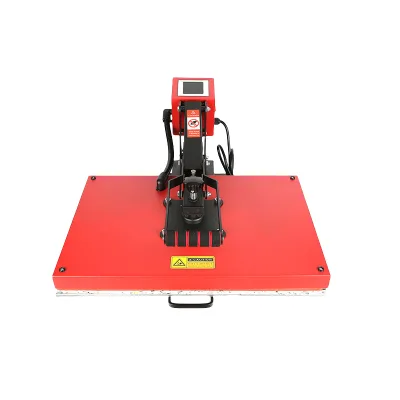
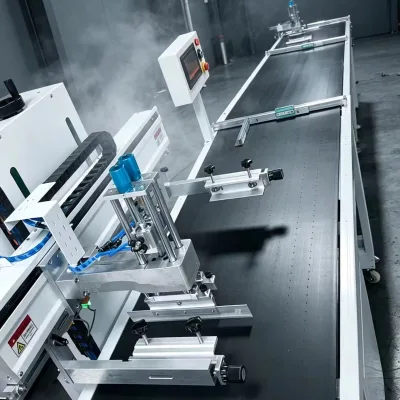
Heat Press Machine Large Format Heat Press Sublimation Flatbed Machine
$360.0952 - $411.5366
MOQ: 1 square
Hefei Huiwo Digital Control Equipment Co., Ltd.
- Verified by TüVRheinland
- Manufacturer, Trading Company
- Lead time5 days
- Avg. response≤ 4h
Main productsCNC Router, Cutting Plotter
Main marketsNorth America(15%), South America(10%), Southeast Asia(10%)
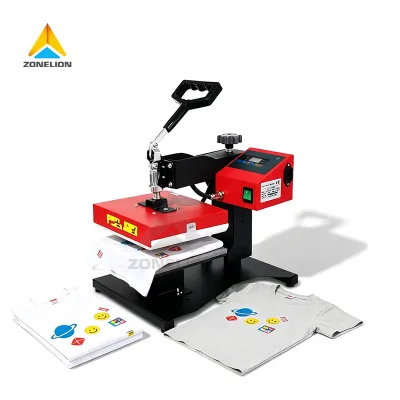
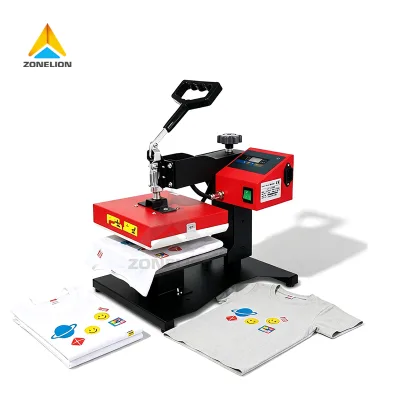


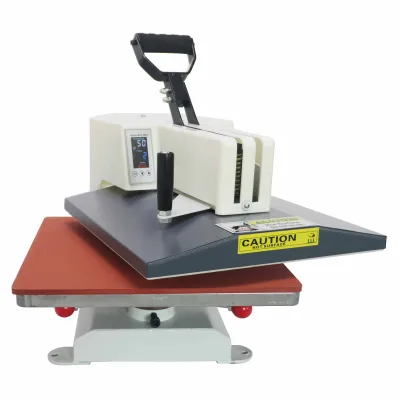
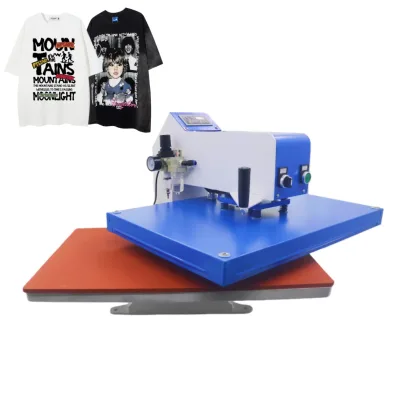


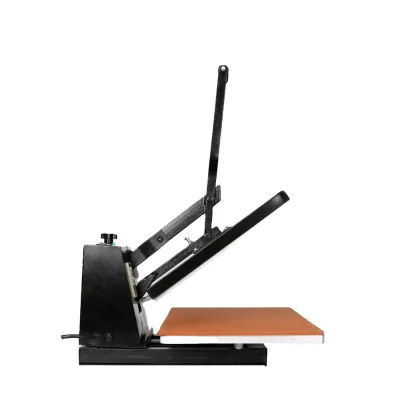
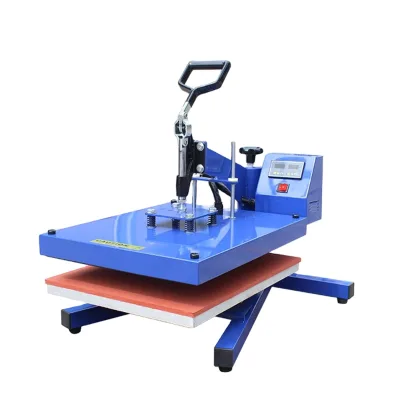
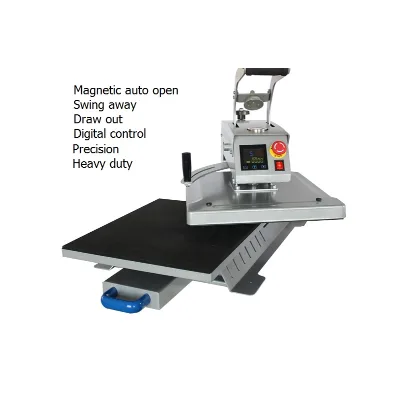
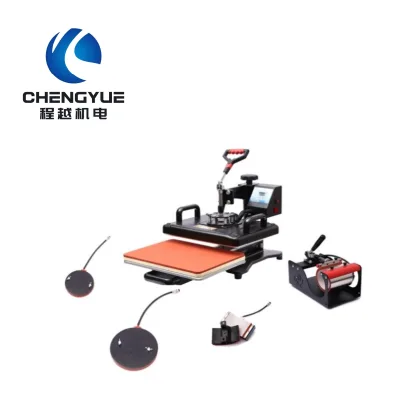




Comprehensive Sourcing Guide
Swing Away Heat Press Machine Supplier Concentration and Factory Types
The current supplier landscape for swing away heat press machines reveals a distinct concentration of manufacturing and trading entities within specific Chinese industrial hubs. Evidence indicates that a significant portion of available suppliers are located in Shanghai, China, suggesting a localized cluster for this specific equipment type. This geographic concentration often implies established supply chains for components such as pneumatic systems, heating elements, and stainless steel frames, which are critical for the durability and performance of these machines. Buyers evaluating suppliers should note that the primary location data points to Shanghai as a key node for sourcing these industrial printing and heat transfer devices. Understanding this geographic distribution helps in assessing the logistical ease of visiting factories or coordinating sample shipments, as proximity to major ports in the Shanghai region can facilitate faster export processes.
In addition to geographic clustering, the types of companies offering these machines vary, influencing the nature of the procurement relationship. The observed supplier base includes both trading companies and combined entity types, which may encompass manufacturing capabilities alongside distribution networks. Trading companies often provide a broader catalog of related printing materials, such as screen printing screens and squeegee blades, potentially offering one-stop shopping convenience for buyers who need complementary accessories. Conversely, combined entities might offer more direct access to production lines, allowing for greater customization options like OEM or ODM services. Recognizing whether a supplier is primarily a trader or a manufacturer with trading arms is crucial for negotiating prices and understanding the depth of technical support available. This distinction affects not only the cost structure but also the flexibility in modifying machine specifications to meet specific production requirements.
How to Verify Swing Away Heat Press Machine Suppliers
Verifying the legitimacy and capability of Swing Away Heat Press Machine suppliers requires a multi-faceted approach that goes beyond surface-level product listings. One critical step is to assess the supplier's response time, which serves as an indicator of their operational efficiency and customer service readiness. In the current market, response times can vary significantly, with some suppliers demonstrating rapid engagement while others may take considerably longer to reply. A faster response time often correlates with a more organized sales team and potentially quicker resolution of pre-sales inquiries regarding machine specifications or shipping details. Buyers should prioritize suppliers who demonstrate consistent and prompt communication, as this trait is likely to persist throughout the order fulfillment process and after-sales support phases.
Another essential verification method involves examining the product attributes and certifications provided in the supplier's catalog. While some suppliers may list detailed technical specifications such as voltage, power consumption, and maximum temperature ranges, others might lack comprehensive documentation. It is important to verify if the supplier provides video technical support or other after-sales services, which can be invaluable for troubleshooting installation or operational issues. Additionally, buyers should check for any system certifications, although the current data indicates that some suppliers may not display explicit certification details. In such cases, requesting proof of compliance with relevant safety and quality standards directly from the supplier is necessary. This due diligence helps mitigate the risk of purchasing equipment that may not meet international safety regulations or performance expectations, ensuring that the investment is secure and reliable.
What to Compare Across Swing Away Heat Press Machine Suppliers
When evaluating multiple suppliers for swing away heat press machines, comparing key operational metrics is essential to identify the most suitable partner for your business needs. One of the primary factors to compare is the minimum order quantity (MOQ), which can vary widely among suppliers. Some suppliers may offer low MOQs, making them ideal for small businesses or those testing the market, while others might require higher volumes to achieve competitive pricing. Understanding the MOQ requirements helps in aligning the supplier choice with your inventory management strategy and cash flow capabilities. Additionally, comparing the price ranges for similar machine models can reveal significant differences in value proposition. Buyers should look beyond the sticker price and consider the included features, such as automatic grade, driving form, and customization options, to determine the true cost-effectiveness of each offer.
Lead time and response speed are also critical comparative dimensions that impact project planning and supply chain reliability. Suppliers with shorter lead times can help reduce inventory holding costs and improve responsiveness to market demands, which is particularly important for businesses with tight production schedules. Similarly, a faster response time to inquiries can indicate a more agile and customer-centric organization. Buyers should also compare the main products offered by each supplier to assess their specialization and breadth of expertise. Suppliers focusing exclusively on heat press machines may offer deeper technical knowledge and better support compared to those with a broader, less specialized catalog. By systematically comparing these attributes, buyers can make informed decisions that balance cost, speed, and service quality, ultimately selecting a supplier that best aligns with their specific operational requirements and long-term business goals.
Common Swing Away Heat Press Machine Sourcing Risks
Sourcing swing away heat press machines from international suppliers introduces several potential risks that buyers must proactively manage to ensure a smooth procurement process. One significant risk is the variability in product quality and performance, which can be exacerbated by differences in manufacturing standards and component sourcing. Without rigorous verification of supplier capabilities and product specifications, buyers may receive machines that do not meet their expected performance criteria, such as temperature uniformity or pneumatic system reliability. This risk is particularly pertinent given that some suppliers may not provide comprehensive certification details or detailed technical documentation, making it difficult to assess the machine's compliance with international safety and quality standards. Buyers should therefore prioritize suppliers who offer transparent and detailed product information to mitigate the risk of receiving substandard equipment.
Another common risk is the potential for miscommunication regarding customization and after-sales support. While some suppliers offer customization options and video technical support, others may have limited resources for post-purchase assistance. This discrepancy can lead to challenges in installing, operating, or maintaining the machines, especially if the buyer lacks in-house technical expertise. Additionally, the variability in supplier types, such as trading companies versus manufacturers, can affect the consistency of support and the ability to resolve complex technical issues. Buyers should carefully review the after-sales service provisions and ensure that clear channels for support are established before finalizing any orders. By anticipating these risks and conducting thorough due diligence, buyers can better protect their investments and ensure that the sourced equipment meets their operational needs without unexpected disruptions or additional costs.
Swing Away Heat Press Machine Regional Sourcing and Logistics
The regional concentration of Swing Away Heat Press Machine suppliers in Shanghai, China, offers distinct logistical advantages for international buyers. This geographic clustering facilitates efficient supply chain management, as many suppliers are located near major ports and transportation hubs, which can streamline the export process and reduce shipping times. Buyers sourcing from this region can benefit from established logistics networks that are well-versed in handling industrial machinery, ensuring that heavy and potentially fragile equipment is transported safely and efficiently. Additionally, the proximity of suppliers to each other can foster collaboration and competition, potentially leading to better service levels and more competitive pricing. Understanding these regional dynamics allows buyers to optimize their sourcing strategies by leveraging the logistical infrastructure available in the Shanghai area.
However, buyers must also consider the implications of regional sourcing on customs clearance and import regulations in their home countries. Different regions have varying import duties, taxes, and regulatory requirements that can impact the total cost of ownership. Buyers should work closely with their freight forwarders to ensure that all necessary documentation, such as commercial invoices, packing lists, and certificates of origin, are accurately prepared to facilitate smooth customs clearance. Furthermore, the choice of shipping method, whether by sea or air, will depend on the urgency of the order and the budget constraints. Sea freight is typically more cost-effective for large or heavy machinery, while air freight may be necessary for urgent replacements or smaller orders. By carefully planning the logistics and understanding the regional advantages and challenges, buyers can minimize delays and ensure that their swing away heat press machines arrive on time and in good condition.
Swing Away Heat Press Machine Commercial Terms and Order Planning
Effective order planning for swing away heat press machines requires a thorough understanding of the commercial terms offered by suppliers, including payment conditions, warranty policies, and delivery schedules. Buyers should carefully review the price ranges and MOQs to determine the most cost-effective order quantity, balancing the need for inventory with cash flow considerations. Some suppliers may offer flexible payment terms, such as partial upfront payments and balance upon shipment, which can help manage financial risk. Additionally, understanding the warranty period and the scope of after-sales support, such as video technical assistance, is crucial for long-term operational continuity. Buyers should ensure that these terms are clearly documented in the purchase agreement to avoid disputes and ensure that support is available when needed.
Lead time is another critical commercial term that impacts production planning and inventory management. Suppliers with varying lead times can affect the buyer's ability to meet customer demands and maintain smooth operations. Buyers should negotiate realistic lead times based on the supplier's current production capacity and order volume, ensuring that there is sufficient buffer for any potential delays. Additionally, buyers should consider the packaging and handling requirements of the machines, as improper packaging can lead to damage during transit. Some suppliers provide detailed packaging specifications, such as carton packing or wooden crate options, which can help protect the equipment during shipping. By carefully planning the commercial terms and logistics, buyers can optimize their procurement process, reduce risks, and ensure that the swing away heat press machines are delivered in a timely and secure manner, supporting their overall business objectives.
FAQs
What is the price range for swing away heat press machines?
Prices typically range from $155 to $1,350 depending on the model and automation level. Basic units start around $155, while industrial pneumatic options can reach $1,350. Buyers should check specific product listings for exact pricing based on voltage and printing area requirements.
What is the minimum order quantity for these machines?
Minimum order quantities vary by supplier, with some requiring as few as one unit and others setting the bar at nine pieces. Most listings indicate single-item selling units, allowing for flexible purchasing. Always verify the specific MOQ on the product page before placing an order.
How long does delivery usually take?
Standard lead times are generally around five to fifteen days for production and shipping. Some suppliers offer faster turnaround times, while others may require additional time for custom configurations. Confirm the exact delivery schedule with the supplier to ensure it meets your project deadlines.
What after-sales support is available for these machines?
Many suppliers provide video technical support for installation and troubleshooting. This service helps users resolve operational issues without needing on-site visits. Buyers should confirm the availability of warranty services and specific technical assistance channels before finalizing their purchase decision.
Where are these heat press machines manufactured?
Most swing away heat press machines are manufactured in China, with specific origins noted in Shanghai and Guangdong provinces. This regional concentration ensures access to established supply chains and manufacturing expertise. Buyers can verify the exact place of origin listed in the product specifications.
What automation levels are available for swing away machines?
Options range from semi-automatic to fully automatic configurations. Semi-automatic models often feature pneumatic driving forms for consistent pressure, while manual options offer basic functionality. Select the automation level that best fits your production volume and operational workflow requirements.