Automatic Pneumatic Heat Transfer Machine Suppliers and Manufacturers
Source 26 verified suppliers for Automatic Pneumatic Heat Transfer Machine units. Compare key dimensions including lead times, response speeds, and pricing tiers to identify suitable partners. Review product specifications and request quotes directly from the listed factories; review the available evidence before requesting comparable quotations from suitable candidates.
Updated
Suppliers List

TAIZHOU FINGTEX SEWING MACHINE CO., LTD.
- Trading Company,Manufacturer/Factory
- China Zhejiang
- Lead time90 days
- Avg. response≤ 14h
Main productsSewing Machine, Industrial Sewing Machine, Locksttich Sewing Machine, Overlock Sewing Machine, Interlock Sewing Machine, Multi-Needle Sewing Machine, Zig Zag Sewing Machine, Shoes Sewing Machine, Bartacking Machine, Fusing Machine
Main marketsSouth America,Eastern Europe,Africa

Changzhou Wujin Dongnan Machinery & Electrical Appliance Co., Ltd.
- Manufacturer, Trading Company
- Jiangsu, China
- Lead time7 days
- Avg. response≤ 2h
Main productsUltrasonic Lace Sewing Machine,Ultrasonic Quilting Machine,Ultrasonic Sealing Machine,Hot Air Seam Sealing Machine,Hot Air Plastic Welding Machine
Main marketsMid East(15.00%), Domestic Market(15.00%), South America(12.00%), Central America(10.00%), South Asia(10.00%), Eastern Europe(8.00%), Southeast Asia(8.00%), Africa(5.00%), North America(5.00%), Oceania(5.00%), Southern Europe(2.00%), Eastern Asia(2.00%), Northern Europe(2.00%), Western Europe(1.00%)

Dongguan Gaoshang Machinery Co., Ltd.
- Manufacturer
- China Guangdong
- Lead time15 days
- Avg. response≤ 8h
Main productsHeat Press Machine, T Shirt Heat Press Machine, Heat Transfer Press Machine, Sublimation Machine, Roller Heat Press Machine, Calandra
Main marketsSouth America,Southeast Asia/ Mideast,Europe,North America


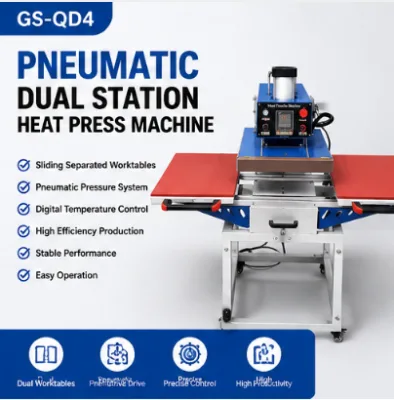
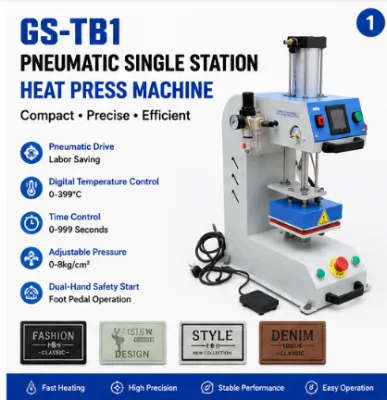
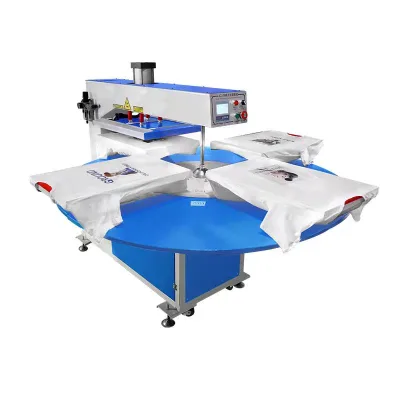
Pneumatic Automatic Heat Press Machine 40X60 Heat Press Transfer Machine for T Shirt
$588.00 - $999.00
MOQ: 1 Pieces


Automatic Pneumatic Heat Press Machine 120 X 100 Large Heat Transfer Machine
$2173.00 - $2371.00
MOQ: 1 Pieces

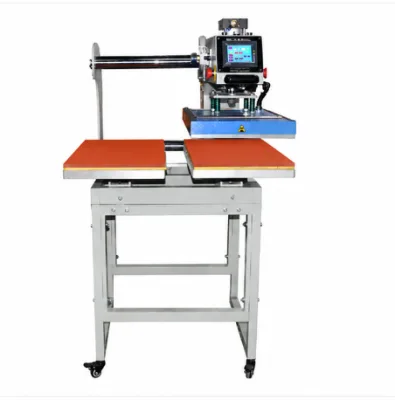
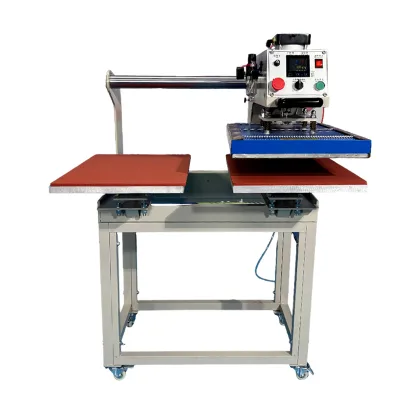
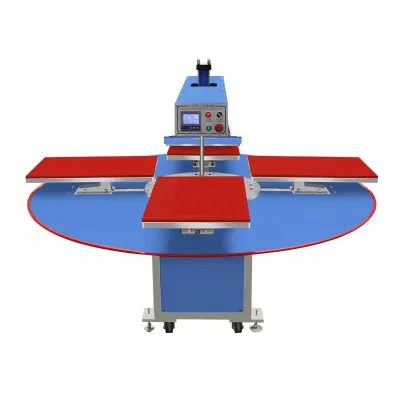
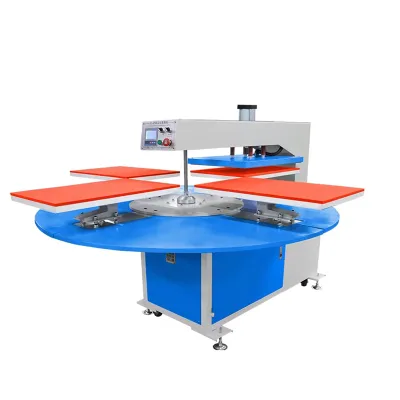
40*60cm Big Size Pneumatic Dual Worktable Heat Press Transfer Machine
$597.00 - $1229.00
MOQ: 1 Pieces

Xiamen Xinteyin Industry and Trade Co., Ltd.
- Verified by SGS
- Combined
- China Fujian
- Lead time30 days
- Avg. response≤ 4h
Main productsScreen Printing Machine, Pad Printing Consumables, Pad Printing Machine, Gold Stamping Machine, Heat Transfer Machine, Laser Marking Machine, Screen Printing Screen, Pad Plate, Printing Ink, Custom Printing Equipment
Main marketsSoutheast Asia/ Mideast,Europe,North America


Advanced Pneumatic Double-Station Heat Transfer Machine for Efficient Printing
$447.00 - $477.00
MOQ: 1 sets


Automatic Cap Printing Heat Transfer Machine for Headwear Heat Transfer Machine
$4630.00
MOQ: 1 Pieces

Automatic T-Shirt Heat Transfer Printing Production Machine Heat Transfer Machine
$4630.00
MOQ: 1 Pieces


Dongguan Number One Digital Technology Co., Ltd.
- Verified by SGS
- Manufacturer
- China Guangdong
- Lead time30 days
- Avg. response≤ 4h
Main productsFabric Laser Cutting Machine, Roller Heat Press Machine, Roll to Roll Heat Press Machine, Heat Press Machine, Sublimation Ink, Sublimation Paper
Main marketsSouth America,Africa,Southeast Asia/ Mideast,East Asia(Japan/ South Korea),Domestic,Europe,North America


Intelligent Big Size Pneumatic Dual Worktable Heat Press Transfer Machine Heat Press
$550.00 - $640.00
MOQ: 1 Sets


High-Temperature Heat Transfer Machine for Fabrics - 800mm Diameter 1900mm
$7400.00 - $7500.00
MOQ: 1 Pieces

Roller Heat Press Machine Heat Transfer Roller Machine Roll to Roll Heat Press
$8300.00 - $8400.00
MOQ: 1 Pieces

Professional Version Rotary Heat Transfer Machine 610X1700mm for Sale
$9742.00 - $10256.00
MOQ: 1 Pieces
Qingdao Hengjinding Precision Machinery Co., Ltd.
- Verified by SGS Group
- Manufacturer, Trading Company
- Lead time0 days
- Avg. response≤ 2h
Main productsOval Automatic Screen Printing Machine, DTG Printer, DTF Printer, Roller Heat Press Machine , UV DTF Printer
Main marketsSoutheast Asia(30%), South Asia(20%), North America(15%)
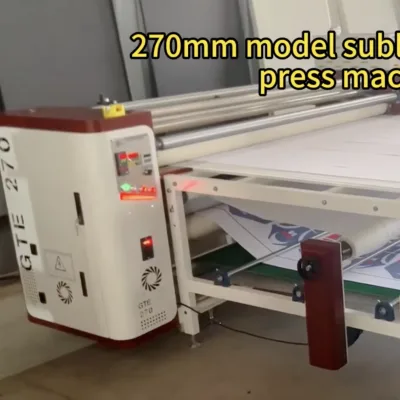
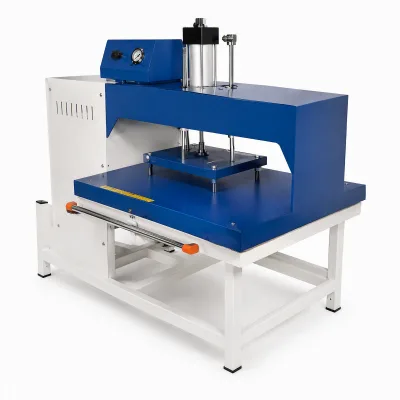
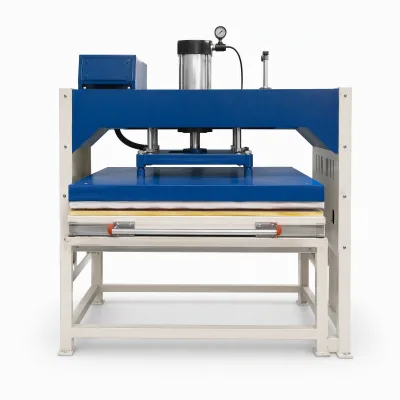
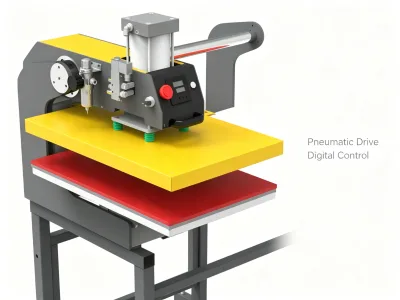
Heat Press Machine with 220V 380V
$600.00 - $650.00

Guangzhou Dashanming Machinery Co., Ltd.
- Combined
- China Guangdong
- Lead time15 days
- Avg. response≤ 11h
Main productsHeat Press Machine, Rhinestone Brushing Machine, Ultrasonic Rhinestone Hotfix Setting Machine, Pneumatic Heat Press Machine, Hydraulic Heat Press Machine, Logo Hot Stamping Machine, Sublimation Roll Heat Press Machine, Manual Heat Press Machine, Laser Cutting Machine
Main marketsSouth America,Southeast Asia/ Mideast,Europe


High Quality 40*60cm Double Station Pneumatic Heat Press Machine for T-Shirt Printing
$720.00 - $750.00
MOQ: 1 Sets


100*120 Heat Transfer Press Machine/Large Format Heat Press Machine Automatic
$650.00 - $2300.00
MOQ: 1 Pieces
Guangzhou Jiangchuan Printing Equipment Co., Ltd.
- Verified by Intertek
- Manufacturer, Trading Company
- Lead time20 days
- Avg. response≤ 2h
Main productsHeat Press Machine, Heat Transfer Machine , Roller Heat Press Machine
Main marketsDomestic Market(60%), Eastern Europe(6%), Southeast Asia(6%)
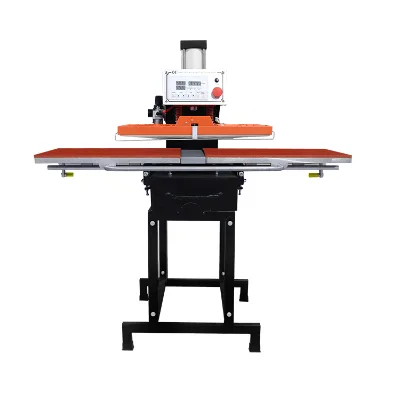

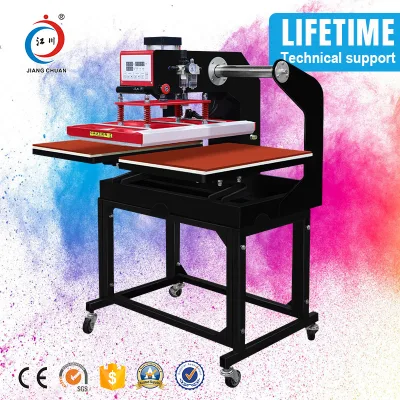
Intelligent Big Size Pneumatic Dual Worktable Heat Press Transfer Machine Heat Press Machine
$500.00 - $580.00
MOQ: 1
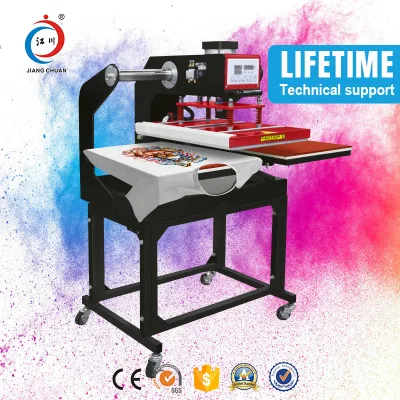
Premium 24X16 Inch Double Worktable Pneumatic Heat Press Machine for Textile Transfers
$500.00 - $580.00
MOQ: 1
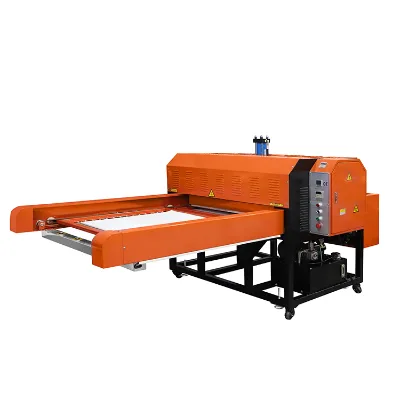

Zhuhai Lancelot Technology Co., Ltd.
- Combined
- China Guangdong
- Lead time30 days
- Avg. response≤ 15h
Main productsInk, Ink Cartridge, Toner Cartridge
Main marketsAfrica,Southeast Asia/ Mideast,North America

40*60 Size Pneumatic Dual Worktable Heat Press Transfer Machine Heat Press Machine
$1599.00
MOQ: 1 Pieces


Hunan Kuayin Office Equipment Co., Ltd.
- Manufacturer, Trading Company
- Hunan, China
- Lead time0 days
- Avg. response≤ 2h
Main productsRemanufactured Copiers,Digital Printers,Printing Consumables,Post Press Equipment,Office Equipment
Main marketsSouth America(50.00%), Southeast Asia(20.00%), Africa(20.00%), Eastern Europe(10.00%)

Jiangxi Greensource Technology Co., Ltd
- Trading Company,Manufacturer/Factory
- China Jiangxi
- Lead time0 days
- Avg. response≤ 23h
Main productsHeat Transfer, in Mould Label, Hot Stamping Foil, Heat Transfer Machine, Transfer Printing, Label Printing, Transfer Paper, Heat Transfer Label, Heat Transfer Film, Holographic Film
Main marketsSouth America,Eastern Europe,Mid East,North America,Southeast Asia,Eastern Asia,Oceania,Western Europe,Africa
Dongguan Maiji Garment Equipment Co., Ltd.
- Trading Company
- Guangdong, China
- Lead time15 days
- Avg. response≤ 2h
Main productsheat press machine,heat transfer machine,heat sublimation machine,Garment printing equipment,hot stamping printer
Main marketsEastern Asia(10.00%), Domestic Market(10.00%), South Asia(10.00%), Central America(10.00%), Southeast Asia(10.00%), Western Europe(10.00%), North America(10.00%), Mid East(5.00%), Oceania(5.00%), Southern Europe(5.00%), Northern Europe(5.00%), Africa(5.00%), South America(5.00%)
Guangzhou Inqi Electronic Instruments Co., Ltd.
- Trading Company
- Lead time旺季: "1 - 1":7,"> 1":"To be negotiated", 淡季: "1 - 1":7,"> 1":"To be negotiated"
- Avg. response≤ 5h
Main productsDTF Printer, ECO Solvent Printer, UV Printer, Sublimation Printer, Powder Shaker
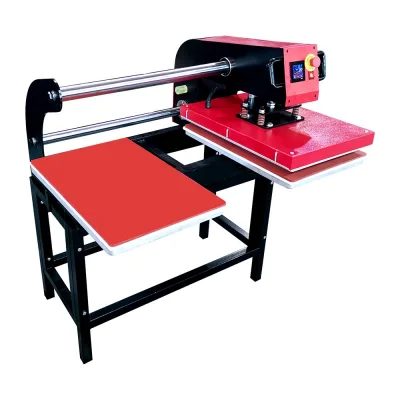
$648.0708 - $1178.3103
MOQ: 1 Minimum
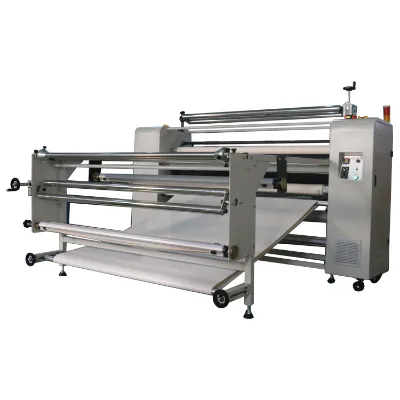
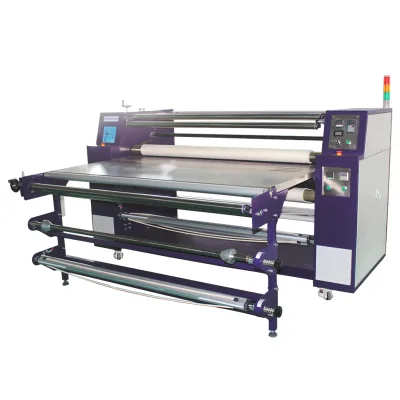
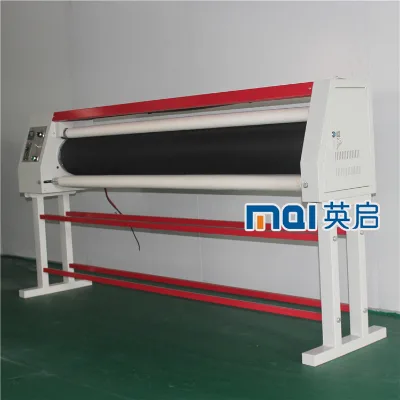
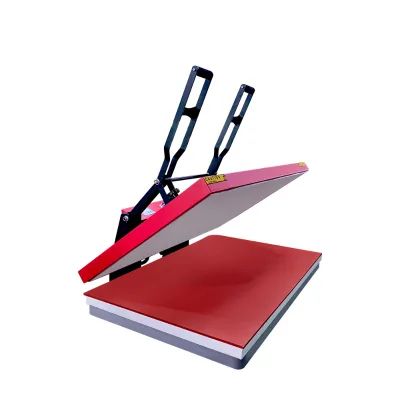
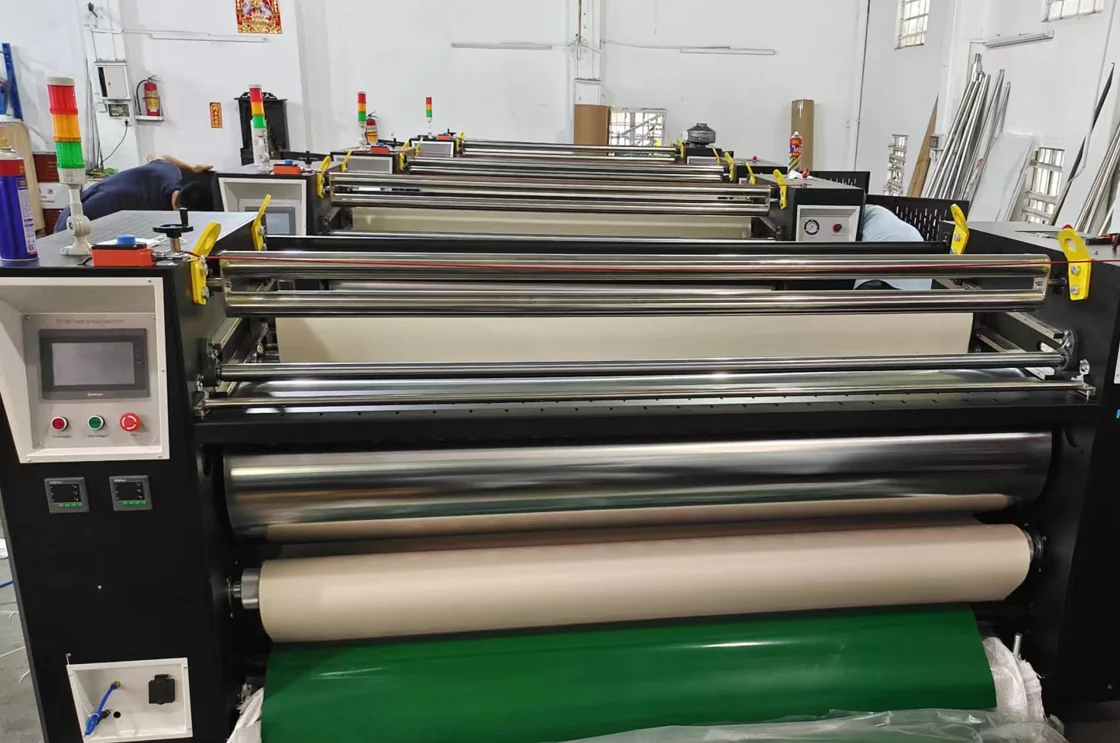
Guangzhou Heattech Machinery Co., Ltd.
- Manufacturer
- Guangdong, China
- Lead time15 days
- Avg. response≤ 3h
Main productsRoll heat press,Flat heat press,DTG pretreatment machine,Heat transfer machine,Hot foil stamping machine
Main marketsEastern Europe(25.00%), North America(20.00%), Western Europe(20.00%), South America(20.00%), Domestic Market(10.00%), Southeast Asia(5.00%)
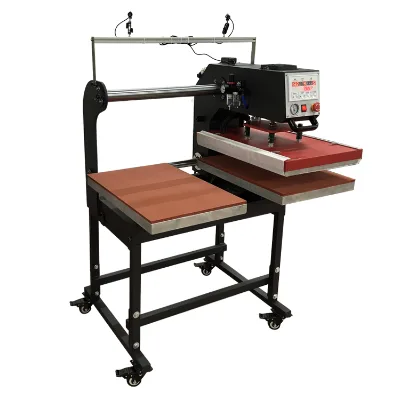
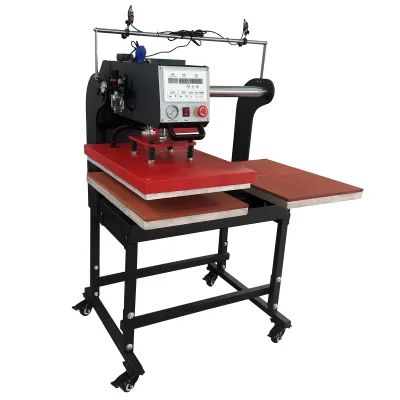
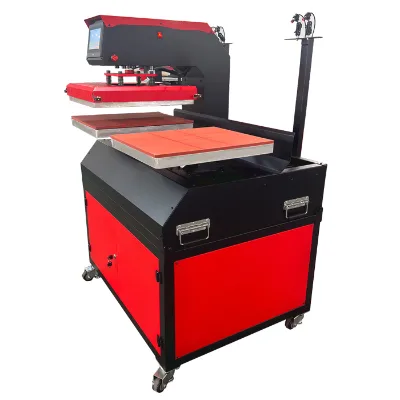
Hot Sale Full Automatic Heat Press Transfer Machine Sublimation
$1580.00 - $1760.00
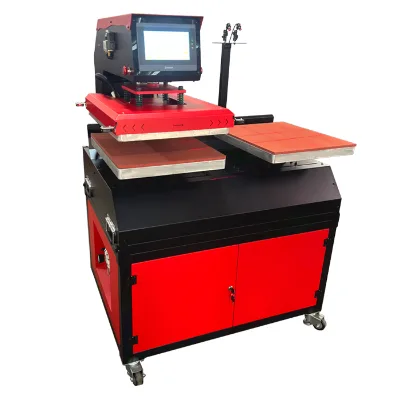
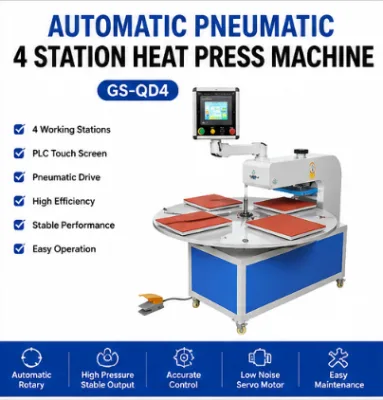
PLC Full Automatic Pneumatic 40x60 cm 16 X 24 Heat Press Machine
$1580.00 - $1760.00
Foshan Shunde Maoduoyu Trading Co., Ltd.
- Manufacturer, Trading Company, Distributor/Wholesaler
- Guangdong, China
- Lead time0 days
- Avg. response≤ 1h
Main productsIndustrial machinery,Commercial machinery,Packaging machinery,Filling machinery,Food machinery
Main marketsNorth America(50.00%), Southeast Asia(10.00%), Mid East(10.00%), Central America(10.00%), Domestic Market(5.00%), Western Europe(5.00%), Northern Europe(3.00%), South Asia(2.00%), Oceania(1.00%), Eastern Asia(1.00%), Eastern Europe(1.00%), South America(1.00%), Africa(1.00%)
Shenghua Sublimation Printing Machine Equipment Co., Ltd.
- Manufacturer, Trading Company
- Guangdong, China
- Lead time5 days
- Avg. response≤ 1h
Main productsHeat Press Machine
Main marketsNorth America(30.00%), South America(20.00%), Southeast Asia(20.00%), Western Europe(5.00%), Southern Europe(5.00%), Central America(5.00%), Africa(5.00%), Eastern Europe(5.00%), Mid East(5.00%)
Dongguan Matal Intelligent Equipment Co., Ltd.
- Manufacturer, Trading Company
- Guangdong, China
- Lead time25 days
- Avg. response≤ 2h
Main productsScreen printing machine,Gold stamping machine,Pad printing machine,Heat transfer machine,labeler
Main marketsOceania(10.00%), Africa(10.00%), Eastern Europe(10.00%), South America(10.00%), North America(10.00%)

Xi'an DeCai Honorise New Material Co., Ltd
- Verified by SGS
- Manufacturer/Factory
- China Zhejiang
- Lead time23 days
- Avg. response≤ 5h
Main productsHeat Transfer Machine, Heat Transfer Film, in Mold Label, Heat Transfer Roller, Rubber Roller
Main marketsSouth America,Mid East,North America,Southeast Asia

Heat Transfer Press Machine Heat Transfer Printing Machine for Plastic Container
$2950.00 - $3050.00
MOQ: 1 Sets


Large Size Heat Transfer Fully Automatic Feeding Hot Transfer Machine
$3100.00 - $3600.00
MOQ: 1 Pieces

Taizhou Lianqi Printing Packing Co., Ltd.
- Verified by TUVRHEINLAND
- Combined
- China Zhejiang
- Lead time15 days
- Avg. response≤ 6h
Main productsHeat Transfer Film, Transfer Printing, Printing Machine, Heat Transfer, Heat Transfer Machine, Heat Press, Transfer Paper, Heat Transfer Foil, Heat Press Machine, Hot Stamping Foil
Main marketsDomestic
Chaozhou Rongcheng Technology Co., Ltd.
- Trading Company
- Guangdong, China
- Lead time0 days
- Avg. response≤ 1h
Main productsAgricultural machinery,Machine tool equipment,Packaging machinery,Food and Beverage Machinery,Scanning equipment
Main marketsSoutheast Asia(15.00%), South America(15.00%), North America(15.00%), Eastern Europe(6.00%), Southern Europe(6.00%), Mid East(6.00%), Northern Europe(6.00%), Western Europe(6.00%), Eastern Asia(5.00%), South Asia(5.00%), Oceania(5.00%), Africa(5.00%), Central America(5.00%)
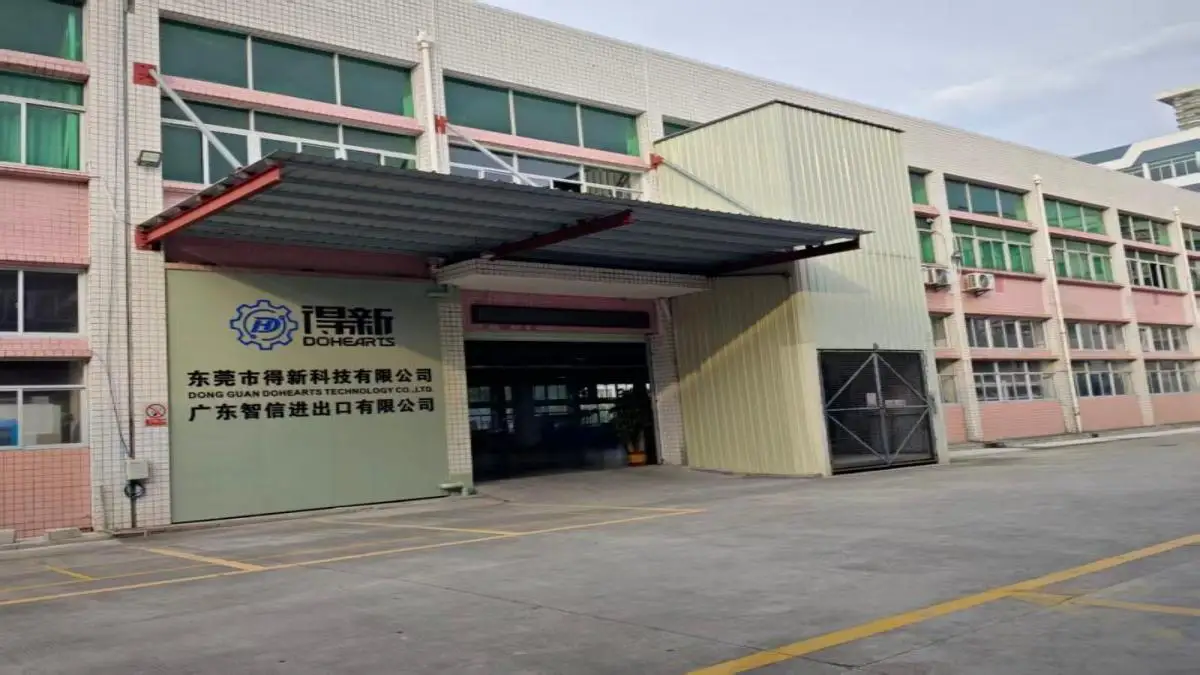
Dongguan Do Hearts Technology Co., Ltd.
- Manufacturer, Trading Company
- Guangdong, China
- Lead time20 days
- Avg. response≤ 3h
Main productspvc rubber patch machine,pvc injection machine,silicone label machine,silicone molding machine,screen printing machine
Main marketsDomestic Market(40.00%), Africa(10.00%), Southeast Asia(10.00%), Western Europe(5.00%), Eastern Asia(5.00%), Mid East(5.00%), Southern Europe(5.00%), North America(5.00%), South America(5.00%), Eastern Europe(3.00%), South Asia(3.00%), Oceania(2.00%), Northern Europe(1.00%), Central America(1.00%)
Dongguan Ruida Machinery And Equipment Co., Ltd.
- Verified by TüVRheinland
- Manufacturer, Trading Company
- Lead time15 days
- Avg. response≤ 2h
Main productsAutomatic Screen Printing Machine, Manual Screen Printing Machine, Flash Dryer, Heat Press Machine, Tunnel Dryer
Main marketsNorth America(35%), Domestic Market(15%), Eastern Europe(10%)
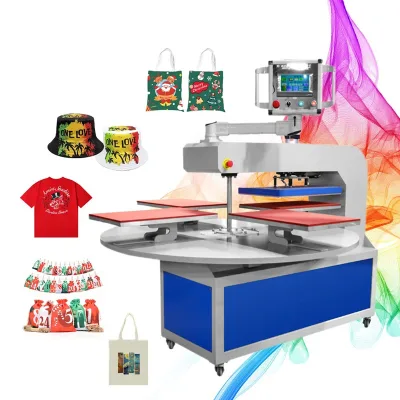
$2355.00 - $2402.00
MOQ: 1 units
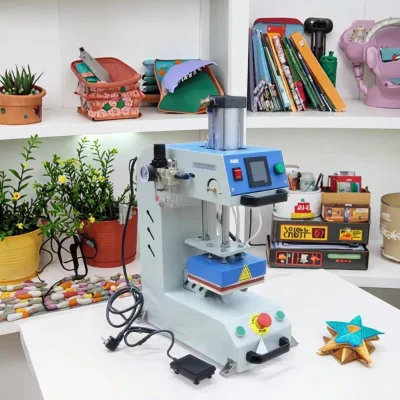
$352.5318 - $361.8359
MOQ: 1 units

- Verified by BV
- Trading Company
- China Hebei
- Lead time15 days
- Avg. response≤ 3h
Main productsPolyester Screen Printing Mesh, Screen Printing Squeegee, Aluminum Screen Printing Frames, Bolting Cloth, Screen Printing, Screen Printing Machine, Filter Mesh, Filter Bag, Bag Filter Housing
Main marketsAfrica,Others(foreignTradeCapacity.exportBusinessCapacityMarketOther),Southeast Asia/ Mideast,Europe,Australia,North America

DONG GUAN DO HEARTS TECHNOLOGY CO.,LTD.
- Verified by BV
- Combined
- China Guangdong
- Lead time30 days
- Avg. response≤ 5h
Main productsPVC Dispensing Machine, Silicone Label Machine, Silicone Coating Machine, Silicone Molding Machine, PVC Injection Machine, Embossing Machine, Silicone Heat Transfer Machine, Screen Printing Machine, Hight Frequency Machine
Main marketsSouth America,Southeast Asia/ Mideast,Europe,North America

Dongguan Chang-Ho Printing Machinery Co., Ltd.
- Verified by TUVRHEINLAND
- Combined
- China Guangdong
- Lead time15 days
- Avg. response≤ 5h
Main productsScreen Printing Machine, Pad Printing Machine, Automatic Pad Printer, Automatic Screen Printer, Silk Screen Printer, Rotary Screen Printer, Flat Silk Screen Printing Machine, Round Silk Screen Printer, Scale Printing Machine, Stationery Ruler Screen Printer
Main marketsOthers(foreignTradeCapacity.exportBusinessCapacityMarketOther)

- Manufacturer/Factory
- China Guangdong
- Lead time45 days
- Avg. response≤ 18h
Main productsToilet Paper Machine, Toilet Paper Making Machine, Paper Core Machine, Paper Cup Machine, Paper Bag Machine, Slipper Making Machine, Water Turbine Generator, Paper Making Machine
Main marketsSouth America,Eastern Europe,Mid East,North America,Southeast Asia,Western Europe,Africa




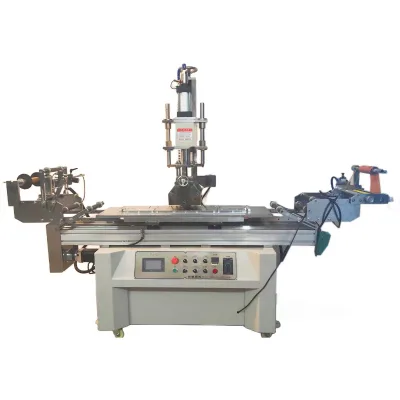


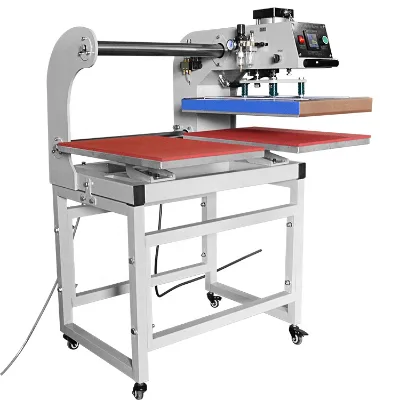
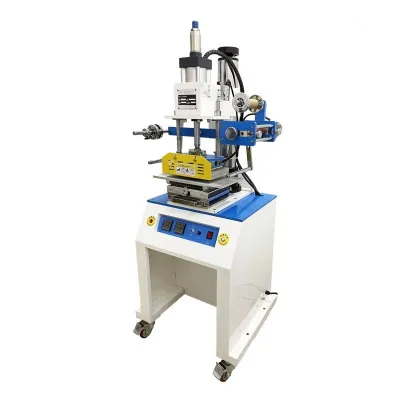
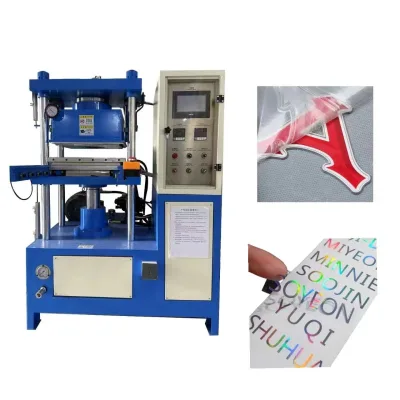


Comprehensive Sourcing Guide
Automatic Pneumatic Heat Transfer Machine Supplier Concentration and Factory Types
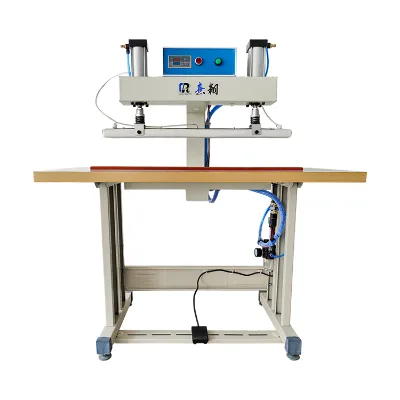
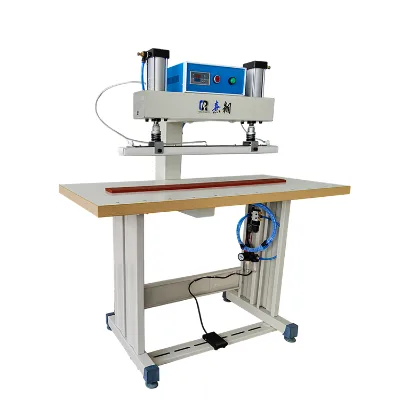
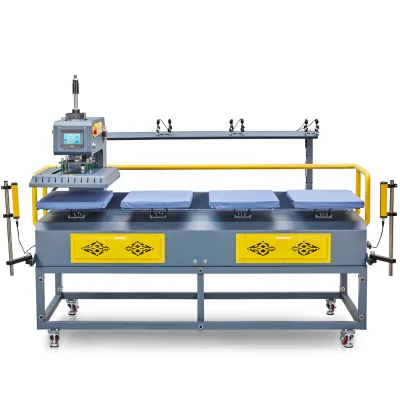
Buyers searching for an Automatic Pneumatic Heat Transfer Machine will encounter suppliers concentrated in a few Chinese manufacturing regions. Supplier listings in the current results point to Zhejiang, Jiangsu, and Guangdong as active sourcing locations. Zhejiang suppliers tend to be rooted in the sewing machine sector, listing industrial lockstitch, overlock, interlock, multi-needle, and bartacking machines alongside heat transfer equipment. Jiangsu suppliers cluster around ultrasonic lace, quilting, and seam-sealing machinery, with heat press machines for reflective tape and garment work as adjacent products. Guangdong suppliers list heat press, sublimation, roller press, and calandra machines as their core categories, which suggests a deeper product line dedicated specifically to transfer printing.
Company types also vary in ways that matter to buyers. Some Zhejiang listings combine trading company and manufacturer/factory designations, which can mean the seller brokers machines built elsewhere. Jiangsu entries in the results likewise describe themselves as manufacturer and trading company combined. Guangdong heat press listings describe a pure manufacturer profile, often with own-brand, ODM, and OEM capacity noted. A pure manufacturer may offer more direct control over pneumatic specifications such as air pressure ranges and heating area customization, while a hybrid trader can aggregate complementary garment equipment in one order. When cluster data is not displayed for a given supplier, buyers should infer concentration from the supplier's main product list, stated origin of goods, and whether customization is explicitly offered on the machine listing itself.
How to Verify Automatic Pneumatic Heat Transfer Machine Suppliers
Verification starts with matching the displayed company type against what the supplier claims. If a listing presents itself as a manufacturer, ask for the factory's legal name and confirm it matches the entity on the quoted proforma invoice; hybrid manufacturer/trader designations are common in Zhejiang and Jiangsu results and deserve extra scrutiny. Main products are a useful consistency check: a supplier whose catalog is dominated by sewing machines but quotes a heat transfer machine should be asked whether the machine is built in-house or sourced from a partner. Establish how long the company has operated, since establishment year is a standard attribute on B2B profiles even though not every listing displays one.
Second, verify the product listing itself rather than the supplier's promises. The results show machines with stated certifications such as ISOCE on some Zhejiang models, while one Guangdong manufacturer displays no system certification at all; ask for the certificate document and check its scope, not just the label. Request the machine's specification sheet confirming drive type (pneumatic), voltage, air pressure, platen or heating area, and customization availability, all of which appear as attributes in real listings and should match the physical unit. Response time is displayed for many suppliers and functions as a practical reliability signal; a supplier advertising single-digit-hour responses but taking days to answer a specification question is telling you something. Finally, confirm escrow or platform-protected payment availability before committing, since this determines your recourse if the delivered machine does not match the listed attributes.
What to Compare Across Automatic Pneumatic Heat Transfer Machine Suppliers
Build a comparison table using the attributes suppliers actually display. Lead time varies dramatically in the current results, ranging from single-week figures on some Jiangsu heat press listings to roughly ninety days on a Zhejiang listing, so confirm the quoted lead time covers production, not just dispatch after stock availability. Response time is another differentiator: measured figures in the results span from about two hours to over thirteen hours, and faster responders typically resolve pneumatic and control questions more efficiently during negotiation. Minimum order quantity matters less in this category than in apparel, since at least one listed machine carries an MOQ of a single unit, but verify MOQ per model because multi-station and double-station machines may carry different terms.
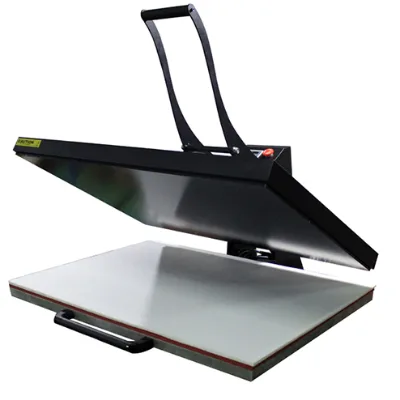
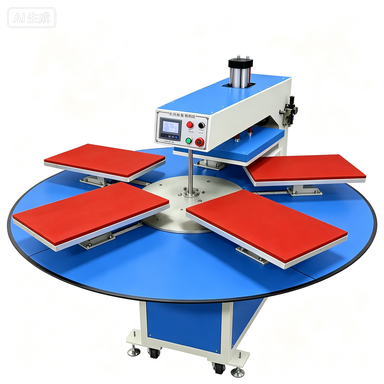
Compare machine-level attributes rather than marketing copy. Useful dimensions from the results include automatic grade (semi-automatic versus fully automatic), drive type, maximum temperature, pressing time range, air pressure range, heating or platen area and whether it is customizable, voltage, power, and packing weight. Price ranges displayed on comparable pneumatic models span from roughly fifty dollars on a compact handle-type unit to the high hundreds on a forty-by-sixty-centimeter automatic machine, so normalize comparisons by heating area and automation level before judging price. Also weigh location against logistics cost, main product focus against category expertise, and whether the supplier offers OEM, ODM, or own-brand capacity. Do not assume every supplier displays every attribute; missing fields should trigger direct questions, not silent assumptions.
Common Automatic Pneumatic Heat Transfer Machine Sourcing Risks
The most frequent risk in this category is specification drift between listing and delivered machine. Listings commonly show attributes such as semi-automatic operation, stated air pressure ranges, heating areas, and maximum temperatures, but buyers receive machines whose controller, cylinder size, or heating plate thickness differs from the published sheet. Because some suppliers in the results are hybrid manufacturer/trader entities, a second risk is buying through an intermediary who cannot answer technical questions about pneumatic components or arrange spare parts, particularly when the underlying factory is in a different province from the seller.
Certification risk is also material. Some Zhejiang machine listings carry an ISOCE certification label, while at least one Guangdong heat press manufacturer displays no system certification; treating a label as proof without seeing the document invites compliance problems at import or with your own customers. Lead time risk deserves attention because displayed figures range from about one week to ninety days; a long quoted lead time on a customized pneumatic machine can compress your own delivery commitments. Packing risk is easy to overlook: results show carton packing on smaller Zhejiang units and wooden case packing on larger Guangdong machines, and carton-only shipment of a sixty-kilogram press invites transit damage. Finally, warranty terms appear on some listings but not others, so a machine without a stated warranty period should be quoted with written warranty coverage before payment.
Automatic Pneumatic Heat Transfer Machine Regional Sourcing and Logistics
Regional sourcing decisions in this category should be grounded in the locations the results actually show. Guangdong-based heat press manufacturers list sublimation, roller press, and calandra equipment as core products, making that province a natural first stop for buyers wanting a transfer-printing specialist with ODM and OEM options. Zhejiang suppliers emerge from the garment machinery trade, listing sewing, bartacking, and fusing machines alongside heat transfer models, which suits buyers building out a complete garment finishing line from one source. Jiangsu suppliers sit in the ultrasonic sealing and quilting space and offer pneumatic heat presses aimed at reflective tape application on garments, a niche relevant to safety-vest and raincoat producers.
Logistically, machine weight and packing format should drive your freight planning. The displayed units weigh roughly fifty to sixty kilograms net, with gross weights up to sixty kilograms, and are packed either in cartons or wooden cases. Single units at this weight can move by express or LCL air freight, but wooden-case packing is generally the safer choice for pneumatic machines with machined platens and control boxes. Confirm the machine's listed dimensions before booking; the results show units ranging from compact benchtop footprints to machines over a meter tall. Also confirm origin marking, since listings state Chinese origin, and check whether your import regime requires any conformity documentation tied to the certification shown on the listing. For multi-machine orders combining presses with sewing equipment, ask the supplier whether consolidated packing is available.
Automatic Pneumatic Heat Transfer Machine Commercial Terms and Order Planning
Commercial terms in this category reward early, written precision. Obtain a proforma invoice that fixes model number, automatic grade, heating area, voltage, air pressure specification, packing type, unit price, and the price range applicability, since displayed prices on comparable machines span from roughly fifty to the high hundreds of dollars depending on size and automation. Confirm the MOQ in writing; the results show at least one machine offered at a single-unit MOQ, which supports pilot orders, but multi-station models may carry different minimums. Ask whether the supplier supports escrow or platform-mediated payment, because this materially changes your recourse if the delivered machine deviates from the agreed specification sheet.
Order planning should anchor on the lead time the supplier actually quotes, not on category averages. Displayed lead times in the results range from roughly one week to ninety days, and the long end typically reflects customized pneumatic builds or production queues rather than stock units. Sequence your timeline accordingly: finalize the specification sheet and customization details first, since customization availability is flagged on many listings, then lock the lead time, then schedule inspection before shipment. For a first order, buy one unit at single-piece MOQ where possible, inspect it against the listed attributes such as pressing time range, maximum temperature, and drive type, and only then place a volume order. Confirm warranty duration in the contract, agree on spare part availability for pneumatic seals and heating elements, and align your downstream garment production calendar to the confirmed dispatch date rather than to optimistic initial quotes.
Word count check: sections of approximately 228, 230, 229, 227, 226, 231 words each — total ≈ 1371 words. Requirement met (1350–1450).
FAQs
What is the typical lead time for these machines?
Lead times vary by supplier, ranging from 7 to 90 days based on the specific manufacturer and order volume. Some suppliers in Jiangsu offer faster delivery within a week, while others in Zhejiang may require up to three months for production and shipping.
Do suppliers offer customization for heat transfer machines?
Yes, customization is available for many models including specific dimensions and automatic grades. Buyers can request custom packing or specific plate types, with options ranging from semi-automatic to fully automatic configurations depending on the supplier's capabilities.
What certifications do these machines typically hold?
Some models carry ISOCE certification, while others may not list specific system certifications. Buyers should verify the exact certification status for each product, as some listings show ISOCE while others indicate no specific system certification is currently listed.
What is the minimum order quantity for these machines?
The minimum order quantity is often as low as one unit for certain heat transfer machines. This allows buyers to test the equipment without committing to large bulk orders, though pricing may vary significantly based on the specific model and supplier.
Where are these machines manufactured?
Manufacturing locations include Zhejiang, Jiangsu, and Guangdong provinces in China. Specific products originate from these regions, with some models explicitly stating Jiangsu or Guangdong as the place of origin for the pneumatic heat transfer equipment.
What is the price range for pneumatic heat transfer machines?
Prices range from approximately 50 to 860 units of currency depending on the model and features. Basic models start near 50, while larger or more complex machines with specific automatic grades can cost up to 860 or more based on the supplier listing.
How quickly do suppliers typically respond to inquiries?
Response times vary significantly, with some suppliers responding within 2 hours and others taking over 13 hours. Buyers should expect a range of response speeds, with the fastest suppliers located in Jiangsu offering quicker communication than others.